
Cuba has launched its 4th National Cybersecurity Conference today, a pivotal event running until November 30, 2025. This conference underscores the nation’s commitment to fostering a robust cybersecurity culture in an increasingly digitized world. The event will feature a series of activities, including educational talks in schools, universities, and workplaces, alongside a dedicated technology showcase aimed at raising awareness about cyber risks and promoting safe digital practices. The conference also pays homage to Fidel Castro’s vision, emphasizing the critical role of technology and education in safeguarding national sovereignty. Castro’s early initiatives, such as the introduction of computers in education and the establishment of the University of Information Sciences (UCI), laid the foundation for Cuba’s current cybersecurity efforts. The conference highlights the urgent need for cybersecurity measures, given the alarming global statistics: 500,000 cyberattacks occur every minute, 60% of fraud prevention companies detect breaches only after financial losses, and over 90% of attacks exploit human error. Additionally, 56% of experts predict that artificial intelligence will empower cyber attackers, exacerbating threats like phishing and fake news. Cuba’s National Cybersecurity Working Group, established in 2021, has been instrumental in strengthening the country’s defenses. The group has focused on monitoring cyber incidents, enhancing critical infrastructure, and developing national technologies such as toDus, Picta, and Transfermóvil. Looking ahead, Cuba plans to prioritize human resource development, expand cybersecurity education, and modernize its technological infrastructure. The conference also emphasizes the importance of national sovereignty in cyberspace, echoing President Miguel Díaz-Canel’s call for a unified, inclusive approach to internet integration. As Cuba continues its digital transformation, the conference serves as a critical platform for addressing emerging challenges and fostering a secure digital future.
作者: admin
-
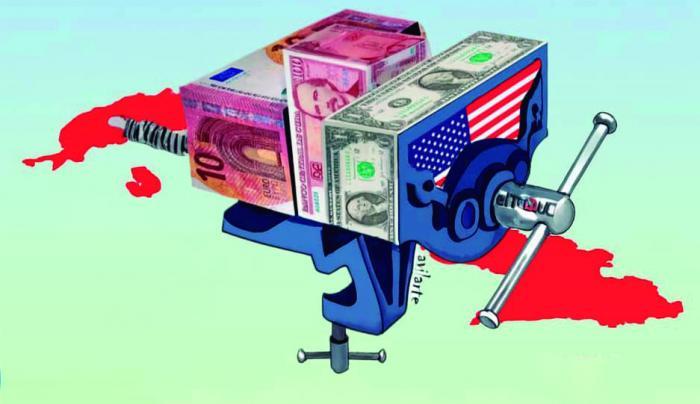
El Toque is a tool of manipulation designed to undermine the Cuban economy
Cuba’s economy has long been plagued by structural imbalances, impacting critical sectors such as production, energy supply, logistics, and access to foreign currency. Compounding these challenges are internal missteps and the enduring effects of the U.S. blockade, which stifles foreign income, escalates financial burdens, and restricts international trade. Amid this adversity, the El Toque platform has emerged as a destabilizing force, exacerbating economic disruptions and fostering reliance on informal markets, ultimately harming the Cuban populace.
-
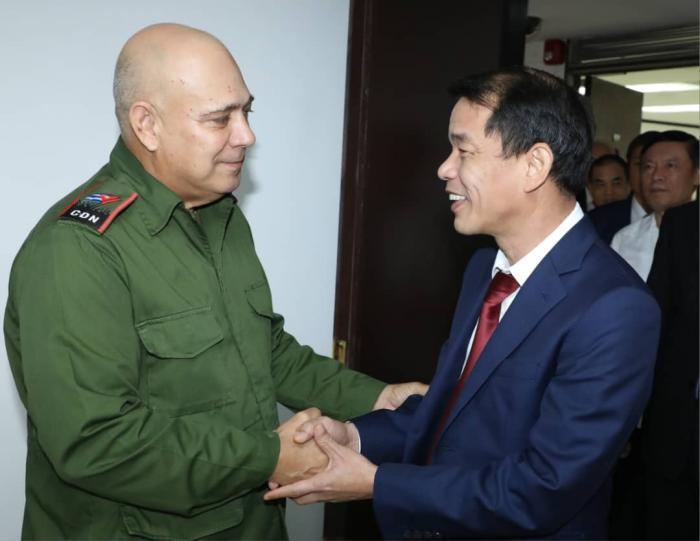
Cuba and Vietnam: mutual support even in difficult times
In a significant meeting that underscores the enduring friendship between Cuba and Vietnam, Roberto Morales Ojeda, a key member of Cuba’s Political Bureau and head of the Political-Ideological Work and Party Organ of the National Defense Council, welcomed a high-level delegation from the Communist Party of Vietnam (CPV). The delegation, led by Vu Thanh Mai, deputy head of the CPV’s Propaganda, Education, and Mass Mobilization Commission, visited Cuba as part of preparations to commemorate the 65th anniversary of diplomatic relations between the two nations on December 2nd. The meeting highlighted the deep-rooted bond forged by historic leaders Fidel Castro and Ho Chi Minh. Morales Ojeda expressed solidarity with Vietnam following recent devastating floods in its central region, while also thanking Vietnam for its support in the aftermath of Hurricane Melissa in eastern Cuba. This exchange of mutual aid underscores the resilience of their bilateral relationship. The discussions also revisited agreements made during recent high-level visits, including the September 2024 trip by CPV General Secretary To Lam to Cuba and Cuban President Miguel Díaz-Canel’s visit to Vietnam in September 2025. Both sides emphasized the importance of continuing the dialogue initiated at the 6th Theoretical Seminar held in Havana earlier this year, with plans to convene the next seminar after their respective party congresses. Morales Ojeda praised Vietnam’s preparations for its 14th Congress in January, drawing parallels to Cuba’s preparations for its 9th Congress in April. He also thanked Vietnam for its steadfast support in Cuba’s fight against the U.S. blockade and its opposition to Cuba’s inclusion on the list of state sponsors of terrorism. Vu Thanh Mai conveyed warm greetings from Vietnam’s top leaders, and the delegation held productive meetings with Cuban economic and social sector departments, as well as the Ñico López Party University.
-
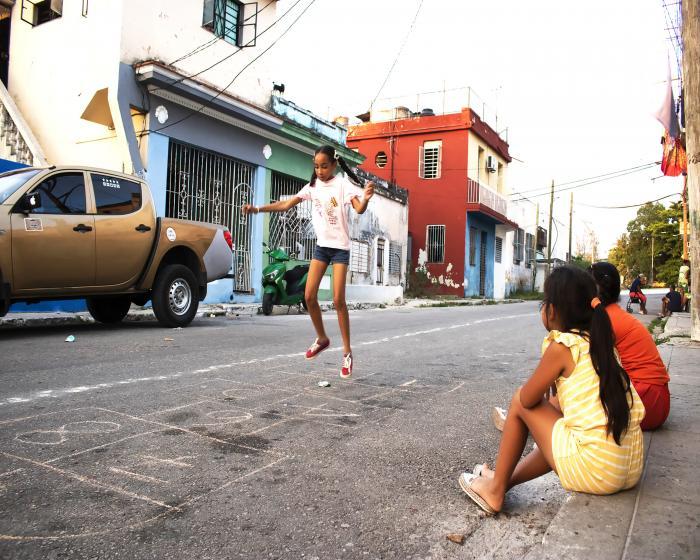
For children, every day
In a world where the rights and well-being of children are often compromised, Cuba has taken significant strides to prioritize its youngest citizens. The recent enactment of the Code for Children, Adolescents, and Youth underscores the nation’s unwavering commitment to safeguarding childhood. This legislative milestone, coupled with the 2022 Family Code, reflects Cuba’s proactive approach to addressing contemporary family challenges and ensuring the protection of children’s rights.
-

President Ali brushes aside use of cash grant recipients’ personal data for electioneering
President Irfaan Ali has firmly rejected claims that his People’s Progressive Party Civic (PPPC) exploited personal data from cash grant recipients for election campaigning. The allegations stem from a report by the European Union Election Observation Mission (EUEOM), which highlighted concerns over the misuse of government-held data during the September 1 general and regional elections. In a Facebook Live commentary, President Ali acknowledged that all political parties, not just the incumbent, had made personalized calls to beneficiaries. However, he neither confirmed nor denied his party’s involvement in using the data for soliciting votes. The EUEOM report emphasized the need to operationalize the 2023 Data Protection Act to prevent such practices in the future, citing politically motivated doxing and misuse of personal data for electoral gains. President Ali also criticized the report for its perceived bias and lack of analysis, arguing that it primarily reflected complaints from opposition parties. He defended his government’s campaign focus on delivering past promises, such as infrastructure projects and subsidies, and called for a fair evaluation of the report’s narratives. Additionally, he mentioned that election campaign financing reforms would be addressed through the Constitutional Reform process, which the EUEOM report allegedly overlooked.
-

Security : Bahamian military visit to Haiti
In a significant move to bolster regional security, Commodore Floyd Moxey, Commander of the Royal Bahamas Defence Force (RBDF), led a high-level delegation to Haiti last week. The delegation included Jerusa Ali, Ambassador and Director General of the Ministry of Foreign Affairs, and Commander Julian Smith, the Chargé d’Affaires of the Bahamas Embassy in Haiti. Accompanied by additional Bahamian military personnel, the group joined the Gang Repression Force (FRG) operations, aiming to combat organized crime and restore stability in Haiti. They were warmly received by Godfrey Otunge, Force Commander, and Vladimir Paraison, Director General of the Haitian National Police (PNH).
Commodore Moxey reiterated the Bahamas’ unwavering commitment to the FRG mission, highlighting the deployment of a third Bahamian contingent. While the exact size of the contingent remains undisclosed, Moxey praised the FRG officers for their professionalism and resilience in the face of challenging operational conditions. He emphasized that Haiti’s security is intrinsically linked to the stability of the entire Caribbean region, citing risks such as human displacement, illicit arms trafficking, and transnational crime. ‘Haiti’s instability poses a threat to us all,’ Moxey stated.
Jerusa Ali expressed deep gratitude to the Haitian National Police and international partners from Kenya, Jamaica, El Salvador, Guatemala, and the Bahamas for their courage and teamwork. She underscored the Bahamas’ commitment to supporting Haiti through security, political engagement, and diplomacy. Ali also announced plans to open a new Chancery in Port-au-Prince, signaling the Bahamas’ long-term dedication to Haiti’s recovery. She highlighted the transition from the MMSS to the FRG under UN Security Council Resolution 2793 as a pivotal moment for regional collaboration.
In a joint address, Vladimir Paraison and Commander Otunge reaffirmed the FRG’s determination to dismantle gang networks, restore security, and protect the rights of the Haitian people. They vowed to prevent criminal groups from regaining influence and emphasized the importance of cooperation between Haitian authorities, local communities, and international partners. ‘Impunity is over,’ they declared, asserting that all resources are now aligned under a unified strategy to combat crime on land, sea, and air.
The Bahamian delegation concluded their visit by interacting with deployed troops at LSA1 before departing Haiti, leaving a strong message of solidarity and resolve.
-
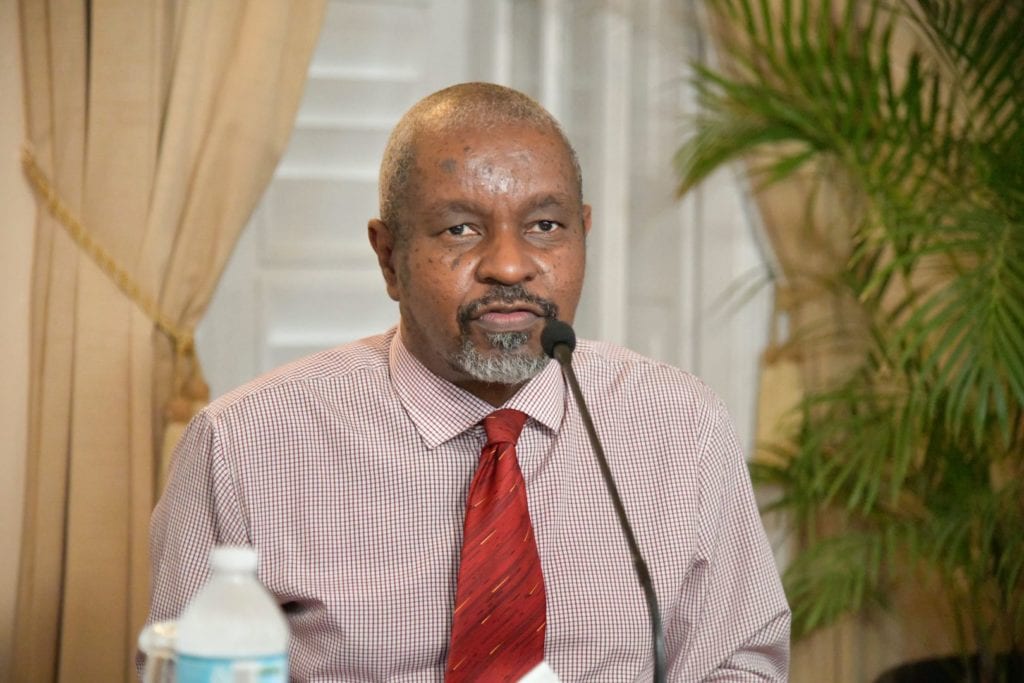
COVID cases rise alongside flu, RSV
Barbados is currently experiencing a significant increase in COVID-19 cases and other respiratory illnesses, according to Chief Medical Officer Dr. Kenneth George. Despite the surge, Dr. George confirmed on Wednesday that there are no plans to reintroduce mandatory mask-wearing. The Ministry of Health is closely monitoring the situation, particularly focusing on vulnerable populations such as the elderly and those with compromised immune systems, who are being urged to take extra precautions. Dr. George explained that the rise in COVID-19 infections has contributed to the spread of other respiratory diseases, including influenza A, rhinovirus, and respiratory syncytial virus (RSV). This uptick aligns with the typical cold and flu season, which begins in November and extends into the early months of the following year. A doctor from a rural polyclinic reported that all 47 patients recently swabbed in a single community tested positive for COVID-19, highlighting the virus’s prevalence. Dr. George emphasized that while COVID-19 remains a concern, it is now ‘in the rear-view mirror,’ and the public has been educated on how to protect themselves. He stressed that specific precautions are necessary for high-risk individuals, but mask mandates will not be reinstated. Data from the Best-dos Santos Public Health Laboratory revealed a 23.8% positivity rate for respiratory illnesses among 2,100 samples tested this year, with cases ranging from infants to individuals in their 90s. The laboratory detected pathogens such as COVID-19, influenza A, and rhinovirus, with a notable increase in RSV cases among very young children. Authorities continue to monitor the situation closely.
-

Two technical failures disrupt Santo Domingo Metro service
The Santo Domingo Metro experienced two significant technical disruptions on Wednesday, causing partial service halts on Lines 1 and 2. The first incident occurred at approximately 7:30 a.m. at the María Montez station on Line 2, leading to a suspension of operations for over two hours. According to the Office for the Reorganization of Transport (OPRET), service was restored by 9:37 a.m. The disruption was attributed to a malfunctioning track switch, which impacted train arrivals and departures at the station. Later in the day, a second failure occurred shortly after 6:00 p.m. on Line 1, affecting the Mamá Tingó–Hermanas Mirabal section in Villa Mella. Operations were halted for more than an hour, with service resuming at 7:20 p.m. OPRET did not disclose the cause of this incident. Despite delays and overcrowding, authorities assured the public that neither event posed any safety risks to passengers. In response to the disruptions, OPRET Director Jhael Isa Tavárez announced the implementation of a comprehensive maintenance strategy, combining preventive, corrective, and predictive measures. This initiative is part of the ongoing construction of Line 2C. Tavárez clarified that the morning breakdown was not electrical but resulted from a loose connection caused by vibrations from nearby construction activities at María Montez.
-

Ultrabewerkt voedsel vormt groeiend gezondheidsrisico wereldwijd
Ultra-processed foods (UPFs) are increasingly recognized as a significant threat to public health, prompting calls for urgent intervention from international experts. A comprehensive review of scientific studies highlights a dramatic shift in global dietary patterns, with fresh, unprocessed foods being replaced by cheap, heavily processed alternatives. This trend is linked to a heightened risk of chronic conditions such as obesity, diabetes, and even depression. The review, conducted by 43 experts based on 104 long-term studies, identifies associations between UPFs and at least 12 health issues, including cardiovascular disease, kidney disease, and increased mortality. Examples of UPFs include sausages, chips, cookies, sodas, instant soups, ice cream, and many types of supermarket bread. The global consumption of these industrially manufactured products is rising rapidly, leading to poorer overall dietary quality due to excessive sugar, unhealthy fats, and insufficient fiber and protein. Professor Carlos Monteiro of the University of São Paulo, creator of the Nova classification system, emphasizes that UPFs are displacing fresh and minimally processed foods worldwide. Large international food corporations play a pivotal role in this shift, prioritizing profit, aggressive marketing, and political lobbying to avoid stricter health regulations. However, critics of the Nova classification argue that the degree of processing does not solely determine a product’s healthiness. Items like whole-grain bread, breakfast cereals, low-fat yogurt, fish sticks, and baby formula, classified as UPFs, still contain nutrients beneficial to a healthy diet. Statistician Kevin McConway cautions that the observed correlations do not establish causation, and further clinical studies are needed to identify specific components of UPFs contributing to disease. Researchers like Professor Jules Griffin also highlight the benefits of food processing and advocate for more research into its health impacts. Co-author Dr. Phillip Baker of the University of Sydney argues that despite gaps in evidence, immediate action is necessary, akin to global efforts against the tobacco industry. The food industry, meanwhile, maintains that UPFs can be part of a balanced diet, with the Food and Drink Federation noting improvements in recent years, including reduced sugar and salt content. The UK’s Scientific Advisory Committee on Nutrition has described the links between UPFs and adverse health effects as “concerning” but acknowledges uncertainty over whether processing or the unhealthy composition of these products is the primary cause. Current dietary advice remains unchanged: increase consumption of vegetables, fruits, and fiber while limiting sugar, salt, and saturated fats.
-
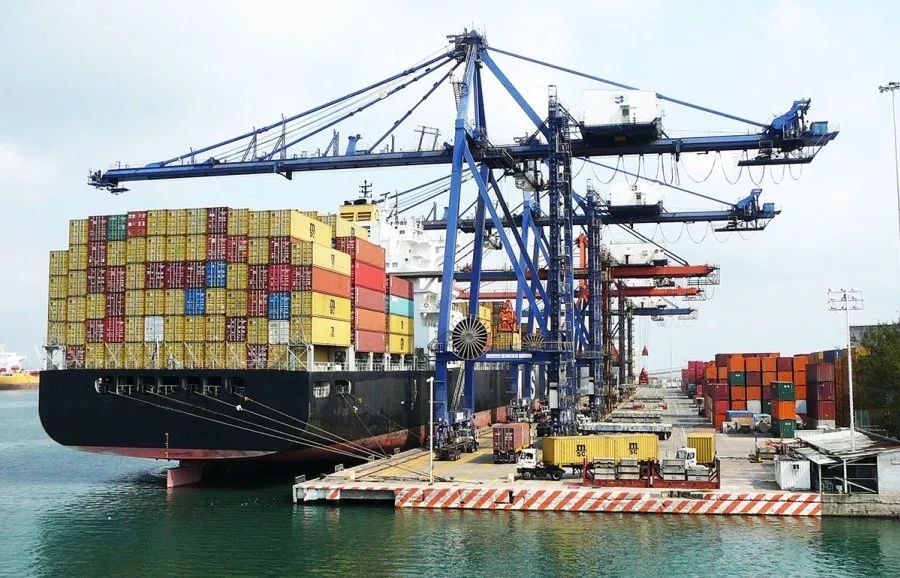
Dominican exports total US$11.954 billion through October
SANTO DOMINGO – The Dominican Republic has demonstrated robust economic performance with exports reaching US$11.954 billion during the first ten months of the year, representing a significant 10% year-on-year increase. Industry, Commerce, and MSMEs Minister Víctor Bisonó announced these figures, characterizing the growth as evidence of a nation that “dares, innovates, and transforms perseverance into tangible progress.”
A particularly notable achievement was recorded in October, which witnessed the highest export volume for that month in over a decade, exceeding US$1.25 billion in overseas sales. Beyond traditional goods, the country is emerging as a powerful exporter of modern services. This sector has experienced explosive growth, with exports soaring to US$2.289 billion. This marks a 29% surge compared to the previous year and a staggering 175% expansion since 2019, underscoring a strategic shift towards a knowledge-based economy.
Minister Bisonó credited this success to the government’s strategic, long-term economic policy focused on global integration and sustainable development. This approach has positioned the country as a premier investment destination, capturing 30% of all foreign direct investment flowing into the Caribbean and Central American region. Bolstered by this momentum, the government confidently projects that foreign investment will hit an unprecedented US$5 billion by the close of the current fiscal year.