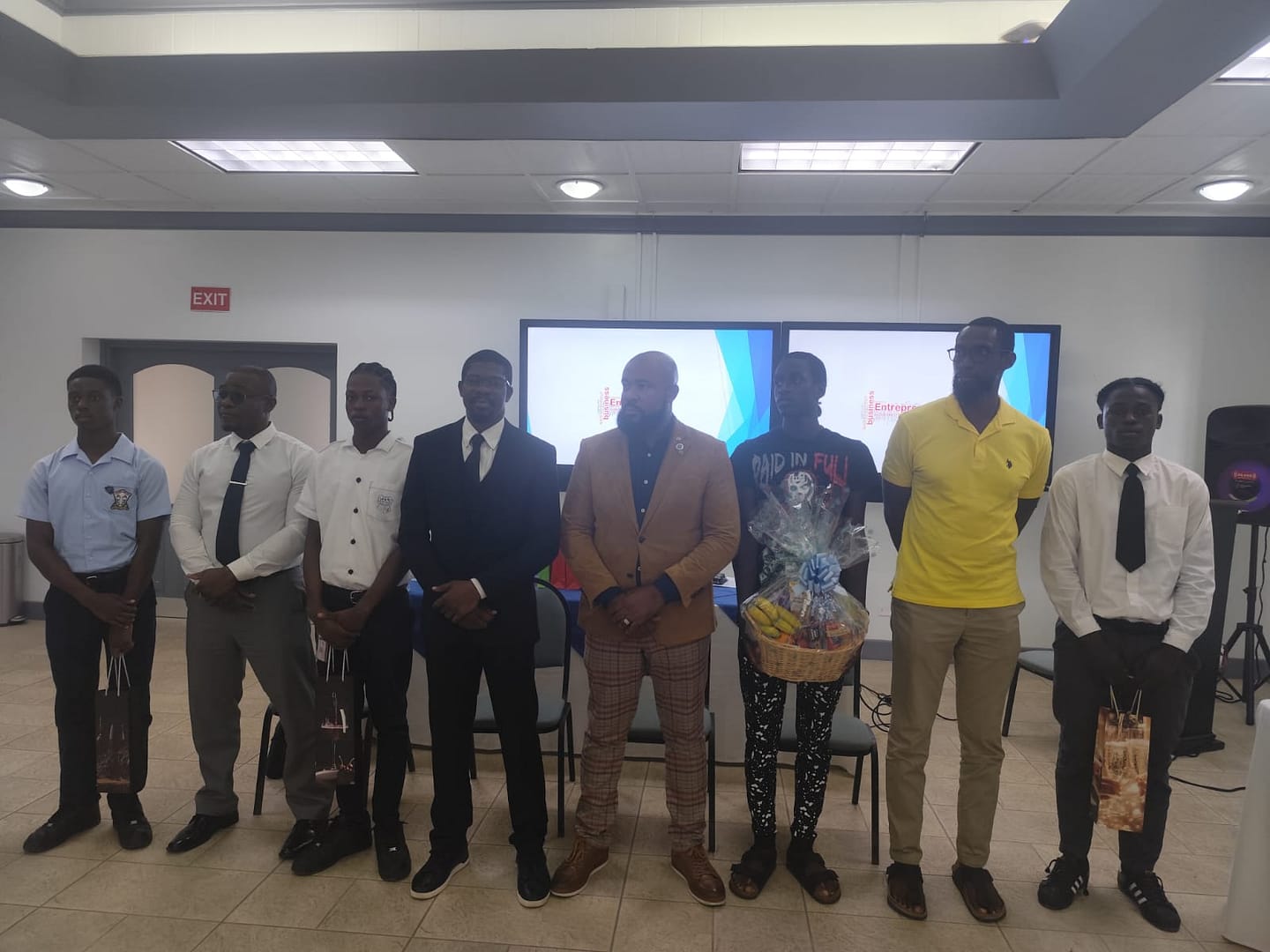
In a groundbreaking addition to the Entrepreneurship Day 2025 activities in Antigua and Barbuda, the Mentrepreneurship Workshop was introduced to inspire and equip the next generation of male leaders and entrepreneurs. Held on November 7, 2025, under the theme “Empowering Young Men with Entrepreneurial Skills for the Future,” the workshop provided practical guidance on entrepreneurship, financial literacy, personal development, and professional grooming. Through interactive sessions, team challenges, mentorship discussions, and business plan development, young men were encouraged to transform their ideas into viable business ventures and cultivate the mindset of successful entrepreneurs. Dr. Janelle O’Mard, the workshop coordinator and Education Officer with business responsibilities, emphasized the need for targeted guidance to shape innovative, responsible, and impactful future business leaders. The event also featured guest speakers including Mr. Kadesh Bailey, Mr. Bernard Peters, Mr. Colin John Jenkins, and Mr. Kevin Morgan, who shared insights on overcoming challenges, building resilience, and leading with integrity. The workshop not only aimed to develop entrepreneurial skills but also to instill positive values and self-confidence among participants. Meanwhile, schools like All Saints Secondary School, Sir Novelle Richards Academy, and Pares Secondary School have already begun their Entrepreneurship Day activities, with some planning to showcase a marketplace in their communities.
作者: admin
-
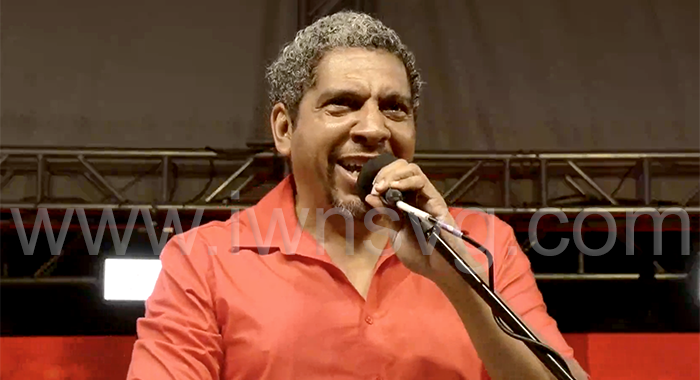
Camillo has failed and should not be re-elected
Camillo Gonsalves, the eldest son of St. Vincent and the Grenadines’ Prime Minister Ralph Gonsalves, has been a central figure in the nation’s political landscape since his appointment as the parliamentary representative for East St. George (ESG) in December 2015. Born in Philadelphia on June 12, 1972, Camillo’s rise to prominence has been marked by controversy, with critics questioning his qualifications and the motives behind his rapid ascent. Initially appointed as the minister of economic planning, sustainable development, industry, trade, information, and labor, Camillo’s portfolio expanded in 2017 to include finance, a move that left many in the civil service and Parliament astounded. Despite his re-election in November 2020 by a narrow margin of 196 votes, concerns persist about his lack of expertise in key areas such as economics, finance, and information technology, given his academic background in journalism, law, and global affairs. Critics argue that his appointments are part of a broader strategy by his father to position him as the heir apparent to the premiership, sidelining other potential successors like Sabato Caesar, who has been confined to the Ministry of Agriculture. Questions about Camillo’s genuine connection to ESG and his commitment to its constituents have further fueled skepticism. Critics accuse him of neglecting the constituency for most of his term, only showing interest in the months leading up to elections. Additionally, his support for a Jamaican-owned seafood company’s fish depot in Calliaqua has raised concerns about its impact on local fisherfolk. The article concludes with a call to action for voters to reject the Gonsalves dynasty in the upcoming elections, urging support for the opposition New Democratic Party (NDP) to restore integrity and equity to the nation’s governance.
-
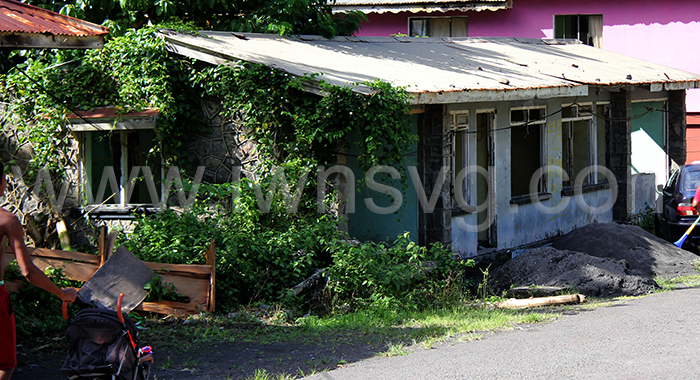
SVG cannot continue like this — we deserve better
The current government of Saint Vincent and the Grenadines (SVG) is facing mounting criticism as citizens demand a shift in leadership. Many Vincentians argue that the administration has failed to prioritize the needs of ordinary people, particularly those in vulnerable communities like North Leeward. Families are grappling with escalating challenges, including the rising cost of education, transportation, and basic necessities, while a select few continue to benefit disproportionately. The stark contrast between the struggles of the majority and the privileges of a minority has sparked outrage and calls for accountability. Dr. Shallow’s efforts to highlight these disparities have been praised as a vital step toward transparency. Critics argue that the current leadership is disconnected from the realities of everyday Vincentians, focusing instead on enriching a small inner circle. The growing sentiment is clear: SVG deserves leaders who genuinely care about its people, address systemic inequalities, and work to uplift communities. As economic hardships intensify, the call for change grows louder, urging citizens to demand better governance for the sake of future generations.
-

Agriculture begins table grape harvest in San Juan
The Dominican Republic has launched its national grape harvest with remarkable success, achieving yields of approximately 4,000 boxes per hectare—twice the global average. This agricultural milestone, spearheaded by the Ministry of Agriculture in collaboration with local producers, began in Montecristi and has since expanded to Pedro Corto in San Juan. Efforts are now underway to identify additional cultivation zones across the southern region and other parts of the country. Agriculture Minister Limber Cruz highlighted the exceptional quality of Dominican grapes, which has drawn significant interest from international companies in France, Spain, Italy, and beyond. These firms are exploring opportunities to produce wines, ciders, and other grape-derived products within the Dominican Republic. The San Juan project, spanning 18 hectares, focuses on cultivating Timpson and Sweet Celebration seedless grape varieties, catering to both domestic markets and export demands. Producer Alberto Ramírez confirmed that their grapes are already being supplied to national supermarkets and various U.S. cities, marking a significant step in the country’s agricultural export growth.
-

Wisselvallig weer met bewolking en regen
The day begins predominantly dry across much of the country, with localized fog patches along rivers and low-lying areas in the early morning. As the morning progresses, the skies clear, leading to a mix of sunshine and thin cloud cover. By the afternoon, cloudiness gradually increases, particularly in inland areas and the Brokopondo and Sipaliwini districts, where isolated rain and thunderstorms may develop. These showers can be brief but intense in some locations. Coastal regions, however, remain calmer, though a light shower cannot be entirely ruled out. Temperatures in the afternoon range between 30 to 33 degrees Celsius, accompanied by high humidity that may make it feel warmer. Winds are moderate, predominantly from the east to northeast. In the evening and overnight, shower activity and cloud cover decrease once again, resulting in dry conditions along the coast, while the southern regions may continue to experience occasional showers for a longer duration.
-

UNICEF warns of rising violence against children in the Dominican Republic
Santo Domingo.- On World Children’s Day, the Dominican Republic confronts a pressing crisis of violence against minors, as highlighted by a surge in tragic incidents reported throughout 2025. While the nation has made strides in areas like breastfeeding, maternal care, and curbing child marriage, UNICEF has raised alarms over escalating issues in violent discipline and child protection, calling for immediate governmental intervention. Recent UNICEF statistics reveal a troubling rise in violent discipline against children aged 1 to 14, increasing from 62.9% to 63.5%, indicating deteriorating conditions within households. This year has also witnessed a series of high-profile cases involving extreme violence, including kidnappings, abuse, and homicides of children as young as one year old across provinces such as Santo Domingo, La Romana, and Dajabón. UNICEF emphasizes that these incidents are not isolated but rather indicative of systemic failures in prevention, protection, and family support systems. The organization urges the government to prioritize comprehensive measures to safeguard children and address the root causes of these pervasive issues.
-
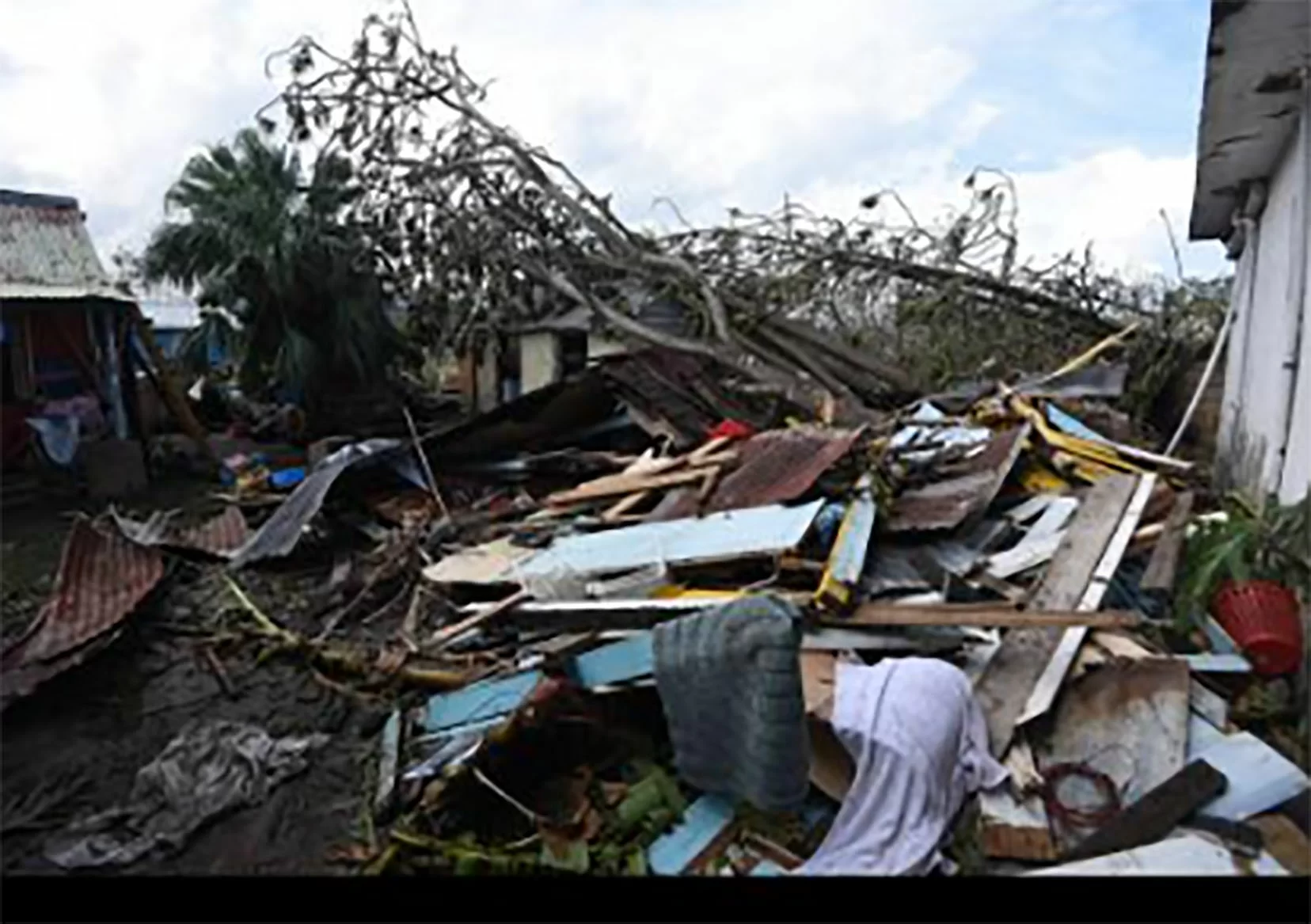
Orkaanschade in Jamaica loopt op tot recordbedrag van US$8,8 miljard
Hurricane Melissa has left a trail of destruction in Jamaica, with estimated damages amounting to a staggering $8.8 billion, according to a joint report by the World Bank and the Inter-American Development Bank (IDB). This figure represents the highest recorded damage in the country’s history, equivalent to 41% of Jamaica’s 2024 Gross Domestic Product (GDP). The assessment was conducted using the Global Rapid Damage Estimation (GRADE) method, which evaluates physical damage immediately after a disaster. The analysis focused on housing, non-residential buildings, infrastructure, and the agricultural sector, though broader economic losses are expected to be significantly higher. Preliminary findings reveal that 41% of the damage is attributed to housing, 33% to infrastructure, 21% to non-residential buildings, and 5% to the agricultural sector. Despite the relatively low percentage, the agricultural sector is anticipated to suffer substantial economic losses due to prolonged disruptions in production and distribution. Susana Cordeiro Guerra, World Bank Vice President for Latin America and the Caribbean, emphasized Jamaica’s resilience and strong leadership culture as key factors in the recovery process. The World Bank and IDB have pledged full support, including emergency funding, technical assistance, and long-term resilience-building programs. The GRADE method, supported by the Global Facility for Disaster Reduction and Recovery (GFDRR) and Japan’s Ministry of Finance, provides a rapid, independent assessment of physical damage, offering a preliminary understanding of the disaster’s impact. Jamaica, in collaboration with the IDB, the Economic Commission for Latin America and the Caribbean (ECLAC), and the Planning Institute of Jamaica, will now proceed with a comprehensive damage and loss analysis to guide effective and sustainable reconstruction efforts.
-

Cricket West Indies announces squad for three match test series against New Zealand
Cricket West Indies (CWI) has officially revealed its 15-member squad for the upcoming three-match Test series against New Zealand, scheduled to take place from December 1 to 21, 2025. The series, which will be held in Christchurch, Wellington, and Mount Maunganui, marks a significant challenge for the Caribbean team, especially with the absence of key players Alzarri Joseph and Shamar Joseph due to ongoing injury rehabilitation. In their stead, veteran fast bowler Kemar Roach has been recalled to the squad, alongside newcomer Ojay Shields, who earns his maiden call-up. The team’s preparation has been rigorous, with players recently completing a high-performance camp in Antigua designed to simulate the pace-friendly conditions expected in New Zealand. Kavem Hodge, known for his previous success against pace, returns to the squad, while Khary Pierre has been omitted, reflecting the anticipated minimal role of spin bowling in the series. CWI’s Director of Cricket, Miles Bascombe, emphasized the importance of targeted preparation, stating, ‘New Zealand has traditionally been one of the toughest places for any touring side. Our recent camp in Antigua was designed to replicate the conditions we expect to face, ensuring our squad is as prepared as possible.’ The team’s acclimatization has been further aided by the presence of several players already in New Zealand for the white-ball portion of the tour. The series, part of the 2025-2027 ICC World Test Championship, will be the West Indies’ final fixture for 2025. The squad, led by captain Roston Chase and vice-captain Jomel Warrican, includes a mix of experienced players and fresh talent, supported by a comprehensive team management unit. The tour schedule includes a two-day warm-up match in Lincoln, Christchurch, followed by the three Tests, each set to begin at 6 pm AST.
-

Honourable Isalean Phillip honoured by Saint Mary’s University as Young Alumni of the Year
Basseterre, Saint Kitts – November 20, 2025 – Senator the Honourable Isalean Phillip, Minister of State for Social Development, Gender Affairs, Youth Empowerment, Ageing, and Disabilities, has been awarded the prestigious Saint Mary’s University Young Alumni of the Year Award. This accolade recognizes her exceptional contributions to public service and her transformative work in social development, gender equity, and youth empowerment across Saint Kitts and Nevis. The award was presented during the Saint Mary’s University Alumni Awards Reception on November 19, 2025, which celebrated alumni who have made significant global impacts in their respective fields. Senator Phillip, a distinguished policy professional and former Commonwealth Youth Ambassador, was lauded for her award-winning research, community leadership, and unwavering commitment to social justice. Her efforts have uplifted the most vulnerable populations and set a high standard for women and youth in public life across the Caribbean and beyond. Senator Phillip, who earned both her Bachelor of Arts (2016) and Master of Arts (2019) degrees from Saint Mary’s University, expressed her gratitude on her official social media page, stating, “I am grateful to Saint Mary’s University Alumni for this recognition. My time at Saint Mary’s provided me with invaluable connections and opportunities, and I look forward to continuing to collaborate with the university for mutual growth and advancement.” The Government of Saint Kitts and Nevis commended Senator Phillip for her dedication to national development and her embodiment of excellence, service, and integrity. Her recognition by Saint Mary’s University underscores her leadership and the profound impact she continues to make in advancing social justice, gender equality, and empowerment both locally and regionally.
-

Column: Zware klus
Suriname’s hopes of securing a direct spot in the 2026 FIFA World Cup were dashed after a disappointing performance against Guatemala in their final group stage match. Despite Panama’s victory securing their top position in the group and automatic qualification, Suriname struggled to find inspiration, especially without their key player Vaessen, who reportedly sustained an injury before the match. Guatemala, already out of contention for the World Cup, dominated the game from start to finish, exposing Suriname’s vulnerabilities. The Surinamese team appeared disjointed, with frequent ball losses and players resorting to individual efforts that were repeatedly thwarted by Guatemala’s defense. A late own goal by Guatemala provided Suriname with a lifeline, allowing them to secure a place in the upcoming playoffs. In March, Suriname will compete against New Caledonia, Bolivia, the Democratic Republic of Congo, Iraq, and Jamaica for the remaining two World Cup spots. The playoff format will see the teams divided into two groups, with the highest-ranked teams (Iraq and Congo DR) receiving a bye in the first round. Suriname, currently ranked 126th in the FIFA rankings, faces a challenging path, potentially matching up against either Iraq or Congo DR in the decisive round. The journey to World Cup qualification remains an uphill battle for Suriname, requiring significant improvement in their gameplay and cohesion.