作者: admin

  • Guyana’s President Concludes Visit in Belize

    Guyana’s President Concludes Visit in Belize

    Belize City, February 3, 2026 – Guyana’s President Dr. Mohamed Irfaan Ali concluded a significant three-day state visit to Belize, marking a new chapter in bilateral relations between the two nations. The diplomatic engagement resulted in the establishment of multifaceted cooperation agreements spanning critical sectors including national security, education, tourism, technology, and investment.

    The two governments emphasized practical implementation over ceremonial commitments, with a focus on tangible outcomes including enhanced joint crime prevention initiatives, expanded scholarship programs and vocational training opportunities, tourism development strategies, and digital government service modernization through technological innovation.

    Security cooperation forms a cornerstone of the new partnership, with both nations committing to collaborative efforts against transnational criminal networks and emerging security threats. The framework includes provisions for strengthening defense capabilities and intelligence sharing mechanisms to address regional security challenges.

    Belize Prime Minister John Briceño characterized the agreements as “laying a substantive foundation for deepened collaboration in mutually beneficial areas,” though noted the arrangements represent political commitments rather than legally binding treaties.

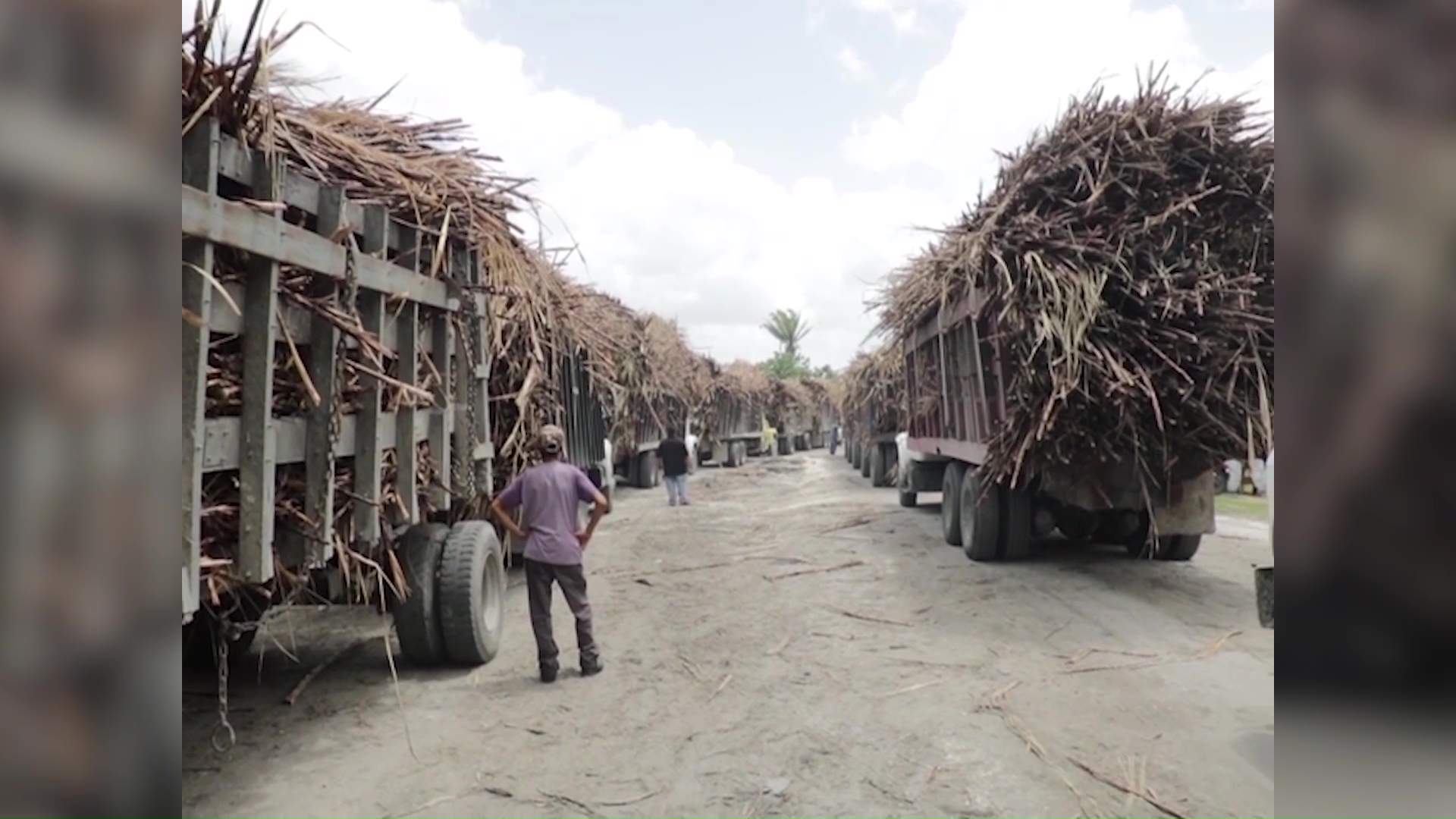
    Beyond formal negotiations, President Ali’s itinerary included strategic visits to key economic facilities in the Cayo District, including Santander Sugar Limited and Quality Poultry Products, highlighting agricultural and industrial development opportunities.

    The state visit concluded with a ceremonial farewell by the Belize Defence Force Honour Guard, underscoring the military diplomacy dimension of the renewed bilateral relationship.

  • “Belize” Appears Multiple Times in Epstein Files

    “Belize” Appears Multiple Times in Epstein Files

    Recent scrutiny of the fully released Epstein Library from the U.S. Department of Justice has uncovered multiple references to Belize within the extensive document trove. While an initial keyword search yields 156 results, a deeper examination reveals that the vast majority represent duplicate documents, tangential market research, or incidental mentions rather than substantive connections to Jeffrey Epstein himself.

    Upon filtering out these peripheral references, the number of meaningful Belize-related entries diminishes considerably. However, several notable exchanges remain that connect the Central American nation to Epstein’s network of financial and political associates.

    One particularly significant communication dates to 2017, when an individual identified as ‘Alford’ emailed Epstein regarding Belize’s emerging real estate market, explicitly describing the country as a ‘great tax shelter.’ Epstein responded with apparent interest, noting: ‘Thx, I will; I’ll be back around the 20th.’

    Additional Belize mentions within the archive involve Epstein’s business partners and his final girlfriend, who exchanged messages about vacation plans to the country. These communications consistently maintained a positive tone regarding Belize.

    The document release, which occurred on January 30th under the Epstein Files Transparency Act, comprises millions of pages, images, and videos that name numerous prominent figures including Richard Branson, Bill Gates, and Elon Musk. Authorities have emphasized that appearance in the files does not indicate wrongdoing, and many named individuals have denied any involvement. Some lawmakers continue to argue that the administration has not fully complied with document disclosure requirements.

  • ‘Not fair’: Fmr. Dominican UN Ambassador on U.S. demands to end Cuban medical training

    ‘Not fair’: Fmr. Dominican UN Ambassador on U.S. demands to end Cuban medical training

    Caribbean leaders are mounting a vigorous defense of their long-standing medical education partnerships with Cuba following recent U.S. demands to terminate these programs. The escalating diplomatic tension emerges as Washington intensifies pressure on CARICOM nations ahead of their February summit in St. Kitts.

    Former Dominican UN Ambassador Crispin Gregoire has emerged as a vocal critic, characterizing the American directive as “deeply unfair” and potentially devastating to regional healthcare systems. “If the Americans prohibit our medical training in Cuba, will they provide alternative scholarships to U.S. universities? The unequivocal answer is negative,” Gregoire stated. “The United States lacks sufficient capacity to educate its own physicians, let alone accommodate ours.”

    The medical education ultimatum forms part of a comprehensive U.S. policy shift that includes termination of USAID programs throughout the Caribbean, restrictive visa policies targeting Dominica, Antigua and Barbuda, and St. Vincent, requirements to accept U.S. deportees, and requests to host American military radar installations.

    St. Lucian Prime Minister Philip Pierre confirmed receiving Washington’s demand to cease Cuban medical education exchanges, noting this creates a “major issue” for his nation’s healthcare infrastructure. “Numerous our physicians received training in Cuba, and now the eminent United States dictates we must discontinue this practice,” Pierre remarked.

    The geopolitical dimensions extend beyond educational concerns. With Venezuela ceasing oil shipments to Cuba and Mexico facing pressure to halt energy supplies, Cuba confronts a severe energy crisis. Russian and Iranian assistance offers might be obstructed by heightened U.S. naval presence in Caribbean waters.

    Gregoire contextualized the confrontation within broader global power competition: “The entire international architecture is transforming. America is focusing on its backyard because Chinese and Russian engagement intensifies here. They seek to counter that influence. Cuba currently stands in the crosshairs.”

    CARICOM leaders, including summit chair and Cuban-trained physician Terrance Drew of St. Kitts, prepare for crucial February 24 discussions that may determine the future of regional healthcare cooperation and Caribbean sovereignty in an increasingly multipolar world.

  • French Hospital Evacuated After Live WWI Shell Found in Patient

    French Hospital Evacuated After Live WWI Shell Found in Patient

    A major security operation unfolded at a medical facility in Toulouse, France, following the extraordinary discovery of a live artillery shell from the First World War inside a patient. The incident occurred on the night of Saturday, February 3, 2026, when a 24-year-old male French national was admitted to the Rangueil Accident and Emergency unit reporting intense pain.

    During an urgent surgical procedure, medical staff made the alarming find: an active eight-inch munition, later identified as dating back to 1918, embedded within the patient’s anal canal. Recognizing the immediate danger, hospital authorities initiated emergency protocols, contacting specialized bomb disposal units and the local fire brigade without delay.

    A substantial security perimeter was rapidly established around the affected area, necessitating the partial evacuation of the hospital wing to ensure staff and patient safety. Expert bomb disposal technicians were dispatched to the scene to evaluate and neutralize the potentially lethal object. Following a careful assessment, the century-old ordnance was successfully extracted from the patient and transported for secure destruction.

    The individual at the center of this unusual case remained hospitalized, recovering from the surgical intervention. Meanwhile, judicial authorities have initiated proceedings, with prosecutors reportedly considering charges related to the illegal possession of category A munitions, a serious offense under French law.

    This event marks the second such occurrence in recent years. In 2022, a hospital in the southern city of Toulon faced a nearly identical situation when an elderly patient arrived with a similar WWI-era shell, likewise prompting a partial evacuation and bomb squad response.

  • COMMENTARY: From vulnerability to agency – Building Caribbean power in a post-rules world

    COMMENTARY: From vulnerability to agency – Building Caribbean power in a post-rules world

    The Caribbean region faces an unprecedented historical inflection point as the post-war international order fractures rather than reforms. Canadian Prime Minister Mark Carney’s recent Davos declaration that ‘We are in the midst of a rupture, not a transition’ underscores the urgent challenge confronting CARICOM and OECS nations. This rupture demands fundamental adaptation as traditional diplomatic approaches become increasingly obsolete in an era of weaponized trade, securitized migration, and eroded multilateralism.

    Professor C. Justin Robinson articulates the stark new reality: the international system that once protected small states has become unreliable, and ‘no one is coming to save us.’ This diagnosis gains traction across Caribbean leadership, with Assistant Secretary-General Wayne McCook acknowledging that weakening multilateral norms and ‘America First’ policies necessitate deeper regional integration through food security, industrial policy, and free movement as essential shock-absorption mechanisms.

    The limitations of compliance-based diplomacy emerge clearly in recent Citizenship by Investment (CBI) controversies. While Caribbean governments implemented substantial legislative reforms, Washington now evaluates risk through enforcement consistency and information-sharing reliability rather than statutory language. Recent U.S. actions represent not moral condemnation but leverage signals demanding demonstrable, sustained enforcement.

    Human capital strategy requires equal transformation. The region must abandon outdated brain drain narratives and instead mobilize its diaspora as strategic assets through circular engagement models and regional talent platforms. Cultural icon Gordon Henderson emphasizes that contribution transcends geography, while Hon. Mark Brantley notes tightening migration regimes may paradoxically benefit Caribbean development.

    The proposed solution centers on asymmetric engagement—intervening where power actually forms within Congressional committees, regulatory agencies, and risk-management units before positions harden. This necessitates reimagining the Institute for Caribbean Studies (ICS) in Washington as a permanent idea-translation platform focused on narrative formation, comparative policy analysis, and diaspora intellectual coordination rather than traditional lobbying.

    External influence must be powered by domestic competence through human-centered governance integrating AI and behavioral psychology to build institutional credibility. This comprehensive approach—combining narrative reclamation, diaspora mobilization, institutional presence, and governance innovation—offers the Caribbean pathway from vulnerability to agency in a post-rules world.

  • Early preparations begin for Festival of the Arts

    Early preparations begin for Festival of the Arts

    The Grenadian Ministry of Tourism, Creative Economy and Culture has initiated preliminary arrangements for its prestigious cultural showcase, the Festival of the Arts, slated for September through December 2026. This early mobilization demonstrates the government’s commitment to advancing cultural development through structured preparatory activities.

    A specialized choir development workshop represents the first concrete step in this multi-year preparation cycle. Scheduled for February 20, 2026, the session will convene at the Public Workers Union Building on Port Highway in St. George’s from 8:30 AM to 3:00 PM. Esteemed facilitator Valerie Daniel-Burkhardt will lead comprehensive training for choir instructors, covering critical performance methodologies including vocal projection techniques, breath control, diction refinement, artistic interpretation, creative expression, vocal anatomy, posture alignment, rhythmic precision, pitch accuracy, and fundamental conducting skills.

    This preparatory initiative follows a thorough 2024 evaluation commissioned by the Division of Culture to assess the festival’s societal impact and identify enhancement opportunities. The assessment aimed to transform the event into a more dynamic, culturally relevant, and captivating experience for both performers and audiences while preserving its competitive spirit.

    Established in the 1960s as a biennial celebration, the Festival of the Arts has historically served as a premier platform for showcasing artistic talents among students throughout Grenada, Carriacou, and Petite Martinique. The event continues to fulfill its foundational mission of fostering cultural expression and artistic excellence across multiple disciplines including dance, musical performance, and theatrical presentation among the nation’s youth population.

  • NTUCB Denied Protest Permit to Demonstrate at SSB Office

    NTUCB Denied Protest Permit to Demonstrate at SSB Office

    The National Trade Union Congress of Belize (NTUCB) has encountered significant obstacles in organizing a planned demonstration after being denied official permission by authorities. Union President Ella Waight confirmed that police rejected their application to protest outside the Social Security Board (SSB) headquarters in Belize City this Wednesday.

    The union had strategically scheduled their demonstration between 10:00 AM and 2:00 PM to accommodate working members during their lunch breaks. According to Waight, the denial stemmed from a prior permit application submitted by the United Democratic Party (UDP) for the same location and timeframe.

    Waight characterized the rejection as deeply troubling, emphasizing that the union had meticulously followed all legal protocols. She further expressed concerns about constitutional rights being undermined, noting that workers’ fundamental right to peaceful assembly appeared to be compromised by administrative technicalities.

    The union leader recounted experiencing dismissive treatment during her interactions with law enforcement officials. She reported that one officer suggested the NTUCB either join the UDP’s scheduled protest or select an alternative date for their demonstration—a proposal Waight found unsatisfactory given the distinct nature of their agenda.

    While both organizations oppose the current SSB acquisition framework, Waight clarified that the union’s primary focus remains protecting workers’ financial contributions to the social security system. The SSB currently maintains a 34.2% shareholding in Belize Telecommunications Limited (BTL), making transparent governance crucial for national workforce security.

    Waight extended an invitation to all Belizeans to participate in whatever capacity they could manage, even if only briefly, emphasizing that the issue transcended political affiliations. She stressed the demonstration’s core objectives centered on demanding transparency, accountability, and comprehensive information disclosure regarding significant financial decisions affecting national contributors.

  • Mine Collapses And  Kills Over 200 in DR Congo

    Mine Collapses And  Kills Over 200 in DR Congo

    A devastating mining disaster has struck the Democratic Republic of Congo, resulting in one of the deadliest industrial accidents in recent African history. Official sources from North Kivu province confirm that over 200 individuals perished when an artisanal mine catastrophically collapsed near the town of Rubaya on Wednesday.

    The tragedy unfolded following exceptionally heavy rainfall that destabilized the geological structure of the mining site, causing massive ground subsidence. Lumumba Kambere Muyisa, spokesperson for the regional administration, indicated that rescue operations remain ongoing with the final death toll still being determined. Among the victims were significant numbers of women and children who had been working within the mine’s precarious tunnels.

    According to testimony from a former site supervisor interviewed by the BBC, the mine had suffered from critical maintenance deficiencies that both increased collapse risks and hampered emergency response efforts. The geological fragility of the soil composition further exacerbated the hazardous conditions.

    Congolese government authorities have placed responsibility for the disaster squarely on rebel factions controlling the territory, accusing armed groups of permitting extensive illegal mining operations without implementing basic safety protocols. Although the government had officially banned mining activities in Rubaya last year, the area remained under militant control where regulations were systematically ignored.

    Approximately twenty survivors have been transported to medical facilities for emergency treatment. The Rubaya region, currently occupied by the M23 rebel organization, holds strategic importance due to its mineral wealth. UN reports indicate the area contains approximately 15% of global coltan reserves—a vital mineral used in electronics manufacturing—making it a persistent flashpoint in the region’s ongoing conflict. Rwanda has repeatedly denied allegations of supporting the M23 group despite international accusations.

  • Families Sue San Pedro Resort Over US Tourists’ Deaths

    Families Sue San Pedro Resort Over US Tourists’ Deaths

    The families of three Massachusetts women who died from carbon monoxide poisoning at a Belizean resort have initiated federal legal proceedings against Royal Kahal Beach Resort in San Pedro. The wrongful death lawsuit was formally announced during a press conference held in Massachusetts on February 3, 2026.

    Wafae El Arar, Imane Mallah, and Kaoutar Naqqad were discovered unresponsive in their vacation suite on February 22 after remaining unseen for approximately 48 hours. Initial investigations by Belizean authorities incorrectly suggested drug overdose as the cause of death, citing froth around the victims’ mouths and the presence of alcohol and edible cannabis products within the accommodation.

    Belizean officials initially reported that two separate carbon monoxide tests had yielded negative results. These preliminary findings were subsequently contradicted by comprehensive toxicology analyses conducted by United States medical authorities, which definitively identified carbon monoxide poisoning as the exclusive cause of death.

    The litigation targets multiple entities including the resort’s development companies, construction contractors, and online travel marketplace Expedia. Attorney Tom Scolaro, representing the grieving families, asserted that the tragedy resulted from deliberate corporate decisions that prioritized financial gain over guest safety.

    Scolaro indicated that defendants would likely attempt to transfer jurisdiction to Belizean courts, where wrongful death compensation is severely restricted to economic losses determined by judicial assessment rather than jury deliberation. The families emphasize their pursuit of accountability and systemic change rather than financial compensation, stating their primary objective is preventing similar preventable tragedies through heightened safety standards in the hospitality industry.

  • 14 Toledo Communities to Get Major Water Upgrade

    14 Toledo Communities to Get Major Water Upgrade

    In a significant development for rural Belize, the Ministry of Rural Transformation in partnership with UNICEF has executed a major infrastructure enhancement initiative targeting water systems in the Toledo District. The collaborative effort culminated in the formal handover of critical water system components at the Machaca Forest Station on January 31.

    The delivered equipment, comprising extensive piping networks, precision water meters, and a heavy-duty generator, represents a strategic investment in sustainable water infrastructure. This comprehensive package is specifically designed to expand and reinforce potable water networks across fourteen communities, including Yemeri Grove, San Vicente, and Blue Creek.

    Government authorities emphasized that this initiative directly addresses the geographical disparities that have historically limited water access in southern Belize. The project aims to bridge the service gap between urban and rural regions by providing local water boards with both the technical infrastructure and administrative tools necessary for effective water management.

    Officials characterized the delivery as more than mere equipment distribution, describing it as a crucial component of the government’s broader commitment to ensuring geographical location does not determine quality of life for Belizean citizens. The enhanced water systems are expected to significantly improve public health outcomes and economic prospects in the recipient communities through reliable access to clean water.