作者: admin

  • Cuba and St. Petersburg strengthen historic bonds of brotherhood

    Cuba and St. Petersburg strengthen historic bonds of brotherhood

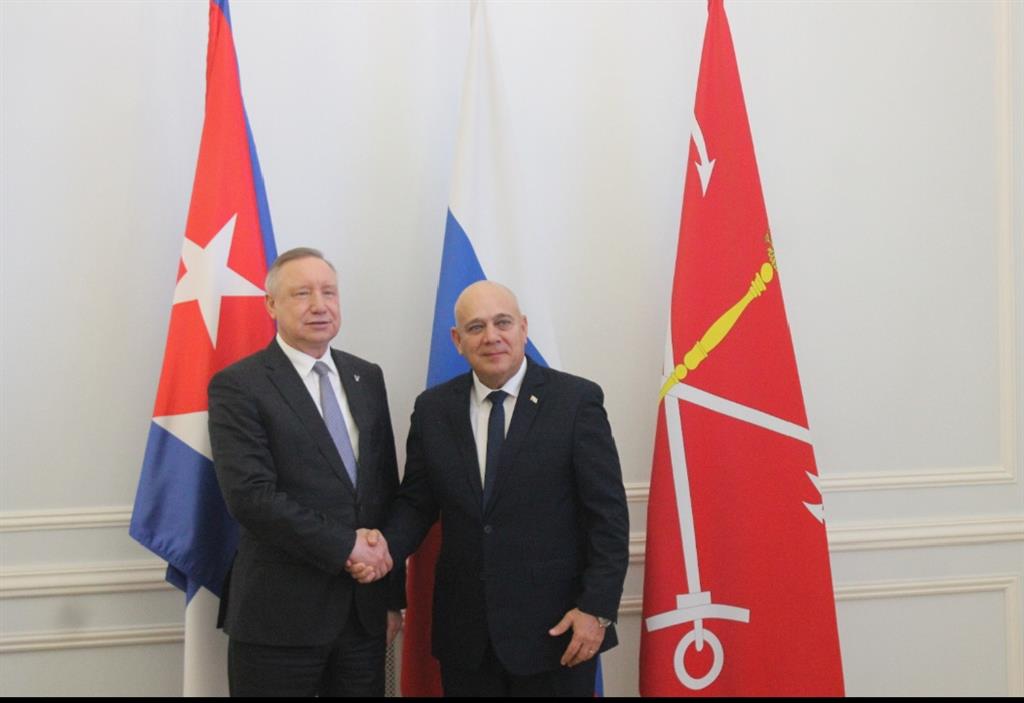
    In a significant diplomatic engagement, St. Petersburg Governor Alexander Beglov met with Roberto Morales, a high-ranking official from the Communist Party of Cuba, on Friday, solidifying the strategic alliance between Russia and Cuba. Governor Beglov emphatically declared that Russia would perpetually stand in solidarity with Cuba, reinforcing his nation’s commitment to defending what Russian officials frequently refer to as the ‘island of freedom.’

    The high-level discussion, part of Morales’ official visit to Russia, served as a platform to deepen bilateral ties. Beglov extended specific gratitude to Cuban President Miguel Diaz-Canel for the warm hospitality during recent exchanges, which facilitated productive dialogues on critical joint initiatives. The Governor emphasized the mutual dedication to preserving Cuba’s independence and sovereignty.

    In reciprocal remarks, Morales, the Secretary of Organization of the Central Committee of the Communist Party of Cuba, acknowledged the substantial advancements in relations linking St. Petersburg with key Cuban provinces, including Havana, Matanzas, and Santiago de Cuba. A central point of his address was the profound appreciation for the consistent political and material support from both the Russian government and its citizens. This support is crucial for Cuba’s ongoing struggle against the long-standing U.S. commercial and financial blockade, a policy maintained across multiple American administrations. Morales also thanked Russia for its prompt humanitarian assistance following the devastation of Hurricane Melissa.

    Prior to this meeting, the Cuban delegation was formally received at the St. Petersburg Legislative Assembly by its President, Alexander Belsky. Morales’ official tour, which commenced in Moscow on November 25 under the invitation of the United Russia party and the Communist parties of the Russian Federation, is scheduled to conclude on November 30. The visit underscores a shared objective to further broaden and intensify the strategic cooperation between the two nations.

  • Simons wil met Agro Werkgroep voedselzekerheid versterken

    Simons wil met Agro Werkgroep voedselzekerheid versterken

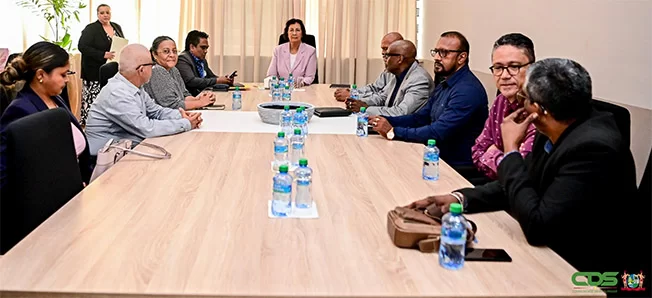
    President Jennifer Simons of Suriname officially inaugurated the Agricultural Task Force on Friday with a clear mandate to accelerate the development of the nation’s agricultural sector. The newly formed working group has been directed to deliver a comprehensive implementation plan within one year that will significantly increase domestic production of staple foods.

    Task Force Chairman Edmund Duiker revealed that President Simons has set an ambitious target of achieving at least 80% local production of basic food commodities. The initiative represents a strategic move toward enhancing food security and reducing dependency on imported food products.

    The multidisciplinary task force will conduct thorough assessments of existing challenges within the agricultural sector and engage in extensive consultations with all relevant stakeholders. Duiker emphasized the urgency of the mission, stating that tangible results must be visible as early as January, with priority given to measures that can be implemented rapidly.

    Reporting directly to the president every two weeks, the task force will maintain close oversight of progress. According to the Suriname Communication Service, the group comprises representatives from the President’s Cabinet, the Ministry of Agriculture, Animal Husbandry and Fisheries, and the Center for Agricultural Research in Suriname.

    A key focus area will be developing strategies to increase youth engagement in agriculture through educational initiatives and targeted programs. This approach aims to address long-term sustainability concerns while building a new generation of agricultural professionals.

    The establishment of this high-level task force signals the government’s commitment to transforming Suriname’s agricultural landscape and strengthening national food sovereignty through coordinated policy implementation and stakeholder collaboration.

  • Iran to miss World Cup draw amid travel restrictions

    Iran to miss World Cup draw amid travel restrictions

    Iran’s national soccer federation has announced it will boycott the official draw ceremony for the 2026 FIFA World Cup in Washington following the United States’ refusal to grant visas to members of its delegation. The decision, reported by Iran’s state-run IRNA news agency, represents a significant diplomatic incident at the intersection of international sports and politics.

    According to federation spokesman Amir-Mahdi Alavi, Iranian officials encountered “visa obstacles that transcend purely sporting considerations,” suggesting geopolitical tensions underlie the administrative decision. The delegation was expected to include Mehdi Taj, president of Iran’s soccer federation and one of Asia’s most influential football administrators who serves on two key FIFA committees overseeing World Cup operations.

    The development occurs against the backdrop of the Trump administration’s travel ban affecting citizens from twelve nations, including Iran, though exemptions were explicitly promised for athletes and sports officials participating in major international competitions. FIFA has been approached to mediate the situation, though world soccer’s governing body has not yet issued an official response.

    The White House maintained silence regarding the specific visa denials. This incident marks the latest chapter in the strained relations between the two nations, now impacting the global sports arena. The 2026 World Cup, jointly hosted by the United States, Canada, and Mexico, will feature a record 48 teams competing from June 11 to July 19.

  • West Terrace and Eden Lodge advance to semis

    West Terrace and Eden Lodge advance to semis

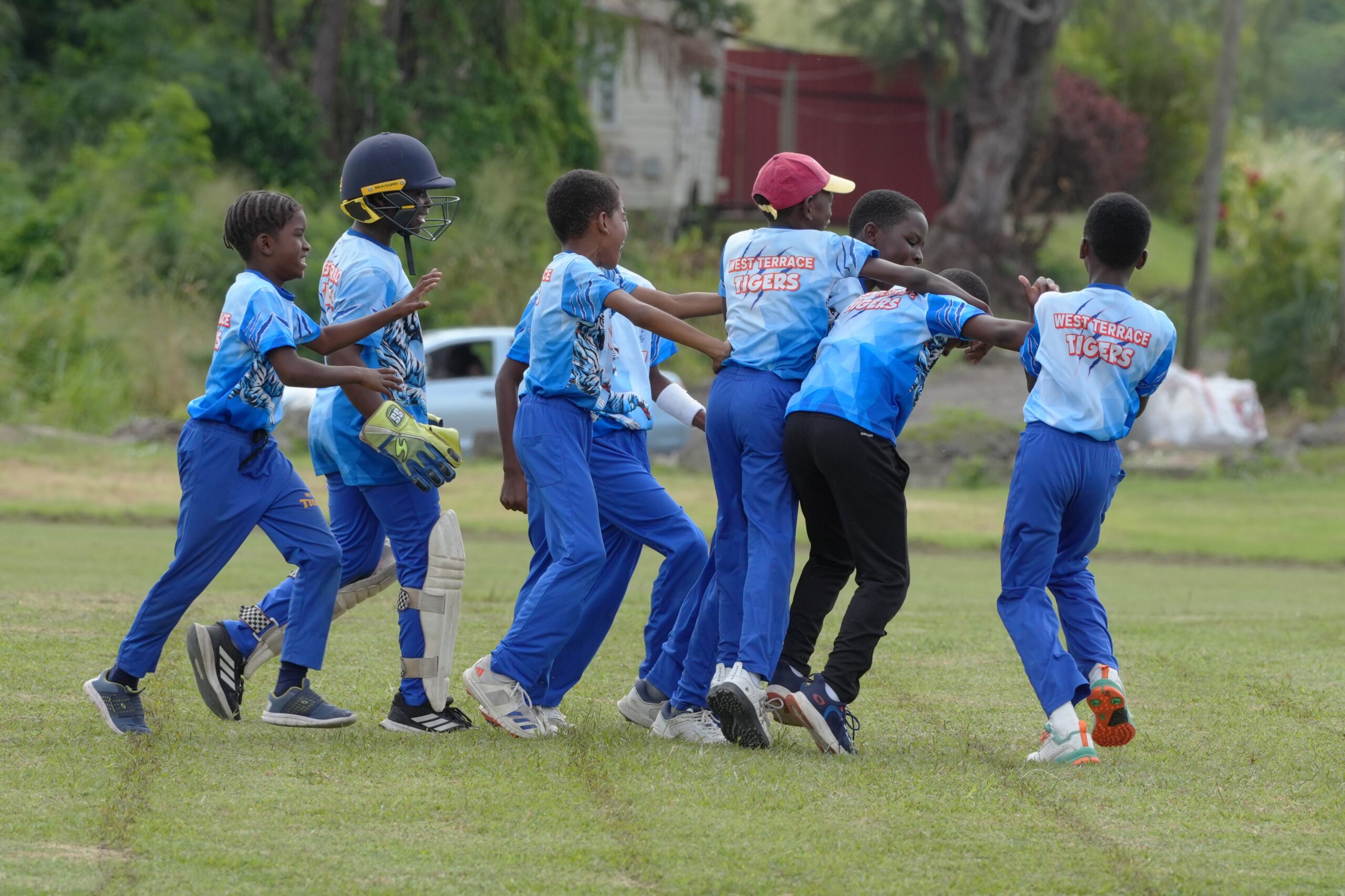
    The National Sports Council City of Bridgetown Co-operative Credit Union Limited Herman Griffith Cricket Competition witnessed dramatic quarterfinal clashes on Thursday, with defending champions Williams Industries West Terrace Tigers and Gordon Greenidge Primary securing their places in the semifinal round.

    At Dash Valley playing field, West Terrace Tigers posted a formidable total of 163-9 in their 25-over allocation against Jordans Supermarket Good Shepherd. The Tigers’ innings was anchored by talented all-rounder Kailen Corbin’s impressive 45 runs, complemented by Neymar Forde’s contribution of 28. Damani Haynes emerged as the standout bowler for Good Shepherd, claiming 4 wickets for 23 runs.

    In response, Good Shepherd’s batting lineup collapsed under pressure, being dismissed for 98 runs and conceding victory by a margin of 68 runs. Corbin delivered a remarkable bowling performance, securing 4 wickets for just 18 runs with his pace attack to complete his man-of-the-match display.

    Meanwhile, at Lears playing field, Gordon Greenidge Primary staged a spectacular comeback to defeat Eden Lodge in a nail-biting encounter. After suffering an early collapse at 18-6, Gordon Greenidge remarkably recovered to post 68 all out, largely due to Jaheem King’s devastating bowling figures of 6-7 for Eden Lodge.

    The Gordon Greenidge bowlers responded with equal ferocity, with Shomir Worrel leading the charge by taking 5-27 to skittle Eden Lodge for 62 runs, securing a dramatic 7-run victory and advancement to the semifinals.

    The semifinal matchups are now set for Wednesday, December 3 at Blenheim playing fields, where St Cyprians Boys will face Williams Industries West Terrace Tigers, and St Gabriels will take on Gordon Greenidge Primary, with both contests commencing at 10 a.m.

  • Bridgemohan makes T&T sailing history

    Bridgemohan makes T&T sailing history

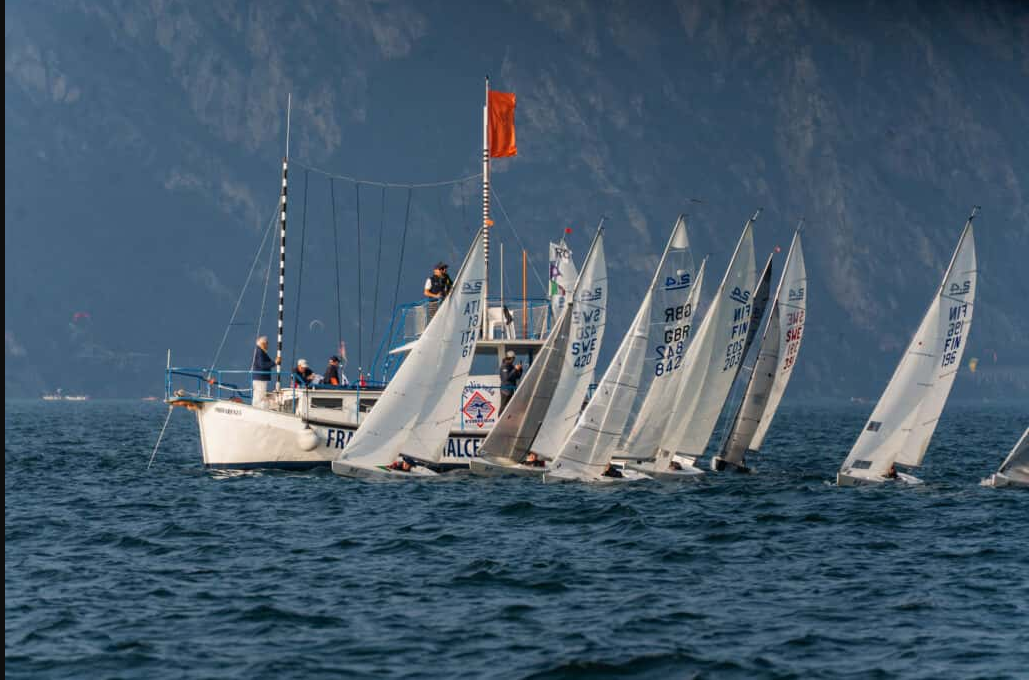
    In an unprecedented development for Caribbean athletics, Trinidad and Tobago will mark its inaugural participation in the World Sailing Inclusion Championships following an official invitation from the global governing body. Twenty-three-year-old sailor Justin Bridgemohan and coach Kristof Stüven will represent the nation at the December 2025 event in Oman’s Barceló Mussanah Resort, signaling a transformative moment for inclusive sports in the region.

    Bridgemohan’s ascent to international competition embodies extraordinary determination. His parasport journey commenced merely last year at a badminton workshop in Mexico, where he encountered Stüven, then training as a classifier. Their shared vision of competitive sailing materialized through the Andrew Lewis Sailing Foundation’s Academy, which launched its inaugural summer program this year. Despite joining during the final phase, Bridgemohan demonstrated immediate aptitude among 200 trainees and now trains intensively multiple times weekly, progressing from novice to competing alongside able-bodied sailors.

    Stüven, serving as Head Coach at the Foundation and national classifier with the Trinidad and Tobago Paralympic Committee (TTPC), emphasized the broader significance: “This transcends competition—it represents a movement demonstrating sailing’s accessibility regardless of race, gender, or ability. Trinidad and Tobago possesses the talent and determination for global impact.”

    The championship carries dual importance: Bridgemohan will compete in the Hansa 303 class—a premier adaptive sailing vessel—to receive formal international classification, while Stüven will shadow world sailing classifiers, potentially becoming the Caribbean’s first para sailing classification expert. This milestone reflects growing institutional support from TTPC and the Andrew Lewis Foundation, highlighting regional advancements in parasport infrastructure.

    TTPC President Sudhir Ramessar celebrated the achievement: “Young leaders like Stüven and athletes like Bridgemohan exemplify excellence that will inspire Caribbean youth to recognize their potential.” The participation not only breaks competitive barriers but establishes a framework for future inclusive athletic development throughout the Caribbean basin.

  • The independence of trade unions

    The independence of trade unions

    Independent trade unions represent worker-led organizations operating free from external control by employers, government entities, or political parties. These autonomous bodies primarily function to protect and advance members’ rights through collective bargaining processes, negotiating improved compensation packages and workplace conditions while providing essential support on employment-related matters.

    Despite potential financial support through government subventions or employer grants, genuine independence requires operational autonomy without external influence. Members benefit from negotiated agreements, professional representation during meetings, and access to legal and financial advisory services that would otherwise be unavailable to individual workers.

    Registration provides trade unions with legal corporate status, formalizing their operational structure. The registration certificate serves as definitive evidence of independence in legal contexts and grants specific statutory rights. This legal standing enables unions to initiate protective legal actions against member exploitation and unfair treatment.

    However, independence from employer and government interference does not equate to immunity from national legislation. Legal registration alone cannot guarantee substantive autonomy, as unions must still operate within established legal frameworks while maintaining internal self-governance.

    International Labor Organization (ILO) standards reinforce trade union independence, emphasizing workers’ rights to autonomous operation free from state or employer intervention as fundamental to freedom of association. Historical precedents, such as Margaret Thatcher’s Conservative government in 1979, demonstrate how repressive labor legislation can threaten union effectiveness, highlighting the perpetual importance of safeguarding autonomy.

    Maintaining genuine independence requires strategic relationship management with government and employers, avoiding rubber-stamp approval of predetermined decisions. Financial self-sufficiency remains preferable to dependence on external funding sources. Strong internal structures demonstrating good governance, democratic principles, ethical standards, and transparent decision-making processes ultimately define an organization’s authentic independent character.

  • The UWI’s Centre for Reparation Research Announces Second International Reparation Debate Competition

    The UWI’s Centre for Reparation Research Announces Second International Reparation Debate Competition

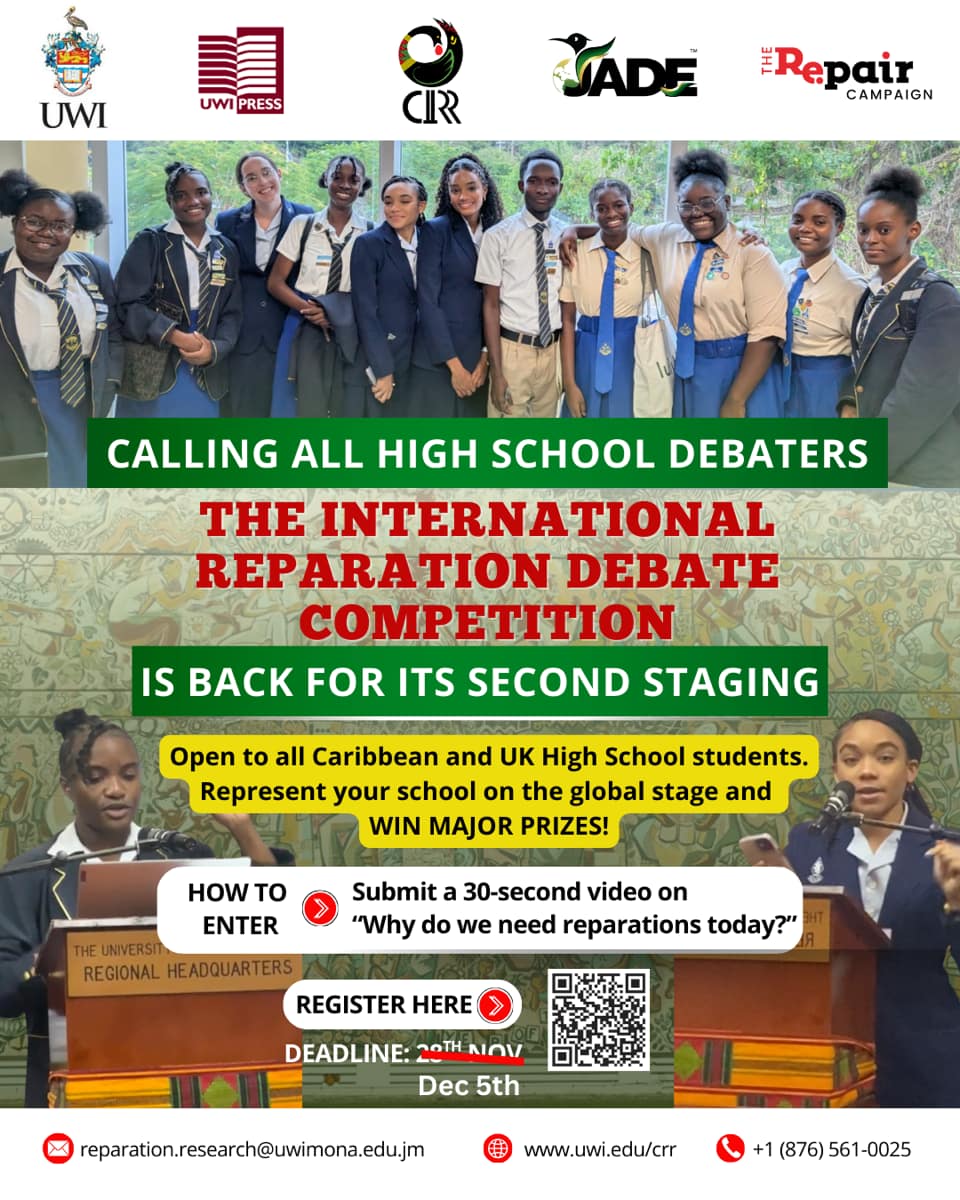
    KINGSTON, JAMAICA – The Centre for Reparation Research (CRR) at The University of the West Indies has unveiled plans for the second International Reparation Debate Competition, scheduled to launch in January 2026. This groundbreaking initiative will leverage digital platforms for virtual preliminary rounds before culminating in a live championship event in Kingston, Jamaica by March 2026.

    Building upon the remarkable success of its inaugural 2025 edition, the competition serves as a dynamic platform for youth across the Caribbean and diaspora communities to engage in intellectually rigorous discourse on reparatory justice. The previous tournament featured student delegations from five Caribbean nations and the United Kingdom, with some countries fielding up to five school teams.

    The competition framework centers on the CARICOM 10-Point Plan for Reparatory Justice, addressing critical topics ranging from the moral and economic foundations of reparations to the contemporary responsibilities of former colonial powers in addressing persistent systemic inequalities. Each participating team consists of five students supported by two faculty mentors, creating a unique synergy between youthful energy and academic guidance.

    The 2025 championship concluded with St. Joseph’s Convent Port of Spain from Trinidad and Tobago claiming victory in a finale praised by judges and dignitaries for its intellectual depth and transformative potential. Participants demonstrated exceptional ability to connect scholarly research with activist perspectives while articulating visions for a more equitable future.

    Professor Sonjah Stanley Niaah, Director of the CRR, emphasized the program’s evolving scope: “By integrating academic rigor with digital engagement strategies, we’re ensuring the reparation dialogue remains both accessible and impactful. The 2026 competition will feature influencer-led campaigns, livestreamed debates, and strengthened partnerships to broaden global participation.”

    The expanded 2026 edition aims to reach audiences across the Caribbean, Americas, Africa, and Europe through innovative digital formats. Educational institutions throughout the Caribbean and United Kingdom are invited to register participation via the official portal at www.uwi.edu/crr.

  • UWI Celebrates Professorial Appointments in Science, Economics, and Innovation

    UWI Celebrates Professorial Appointments in Science, Economics, and Innovation

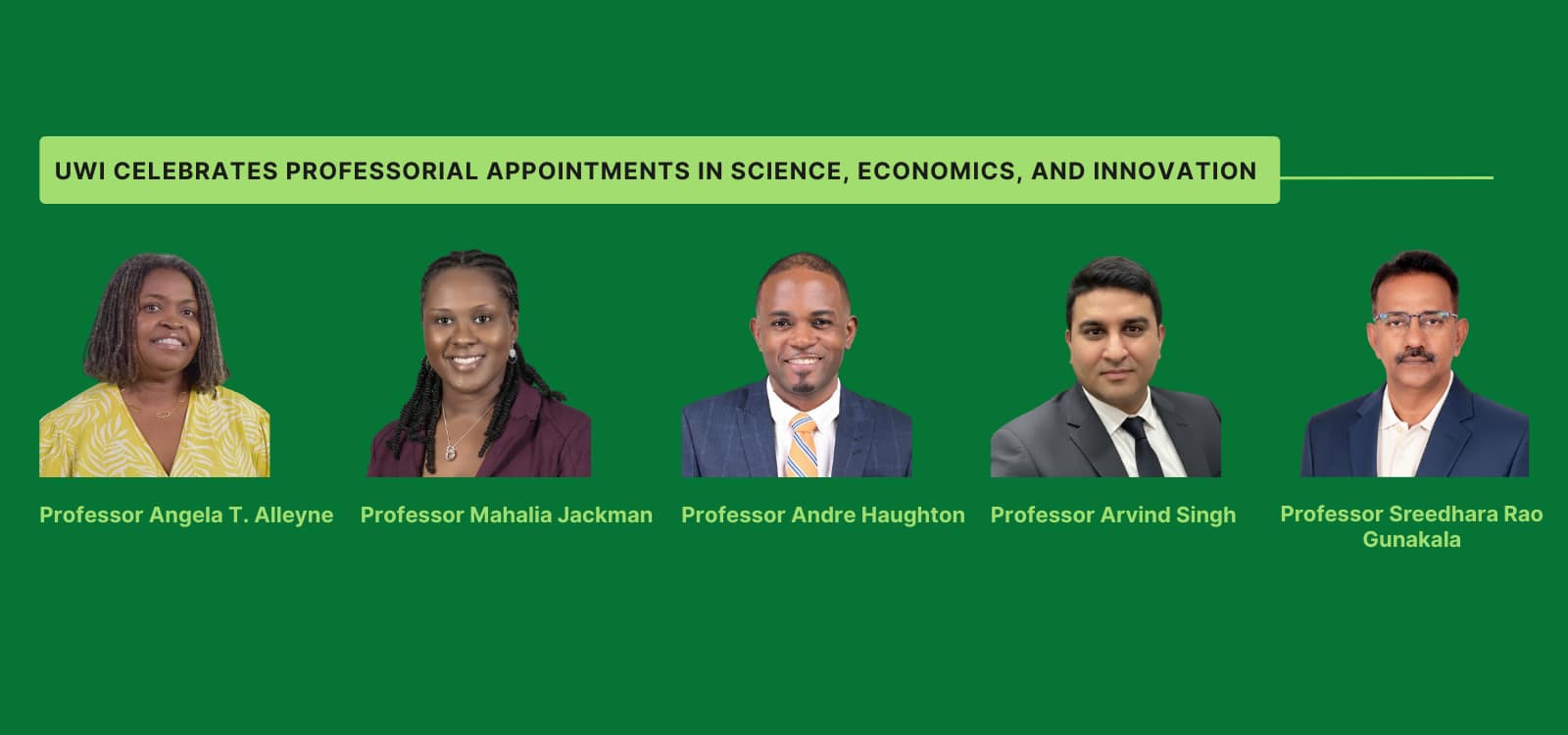
    The University of the West Indies (UWI) has marked a significant milestone in its academic calendar with the formal installation of 37 distinguished scholars to professorial positions. This celebratory event, held on November 17, 2023, at the regional university’s St. Augustine campus in Trinidad and Tobago, honored excellence across a diverse spectrum of disciplines, with a pronounced emphasis on Science, Technology, Economics, and Innovation.

    The ceremony, a cornerstone of academic recognition, saw the elevation of faculty members to the ranks of Professor, Clinical Professor, and Professor Emeritus. Vice-Chancellor Professor Sir Hilary Beckles presided over the event, lauding the appointees for their profound contributions to knowledge creation and their pivotal role in addressing complex regional and global challenges. He emphasized that these appointments are not merely personal achievements but are vital to strengthening the university’s research infrastructure and its capacity for innovation.

    The newly appointed professors represent a wide array of fields, including Medical Sciences, Economics, Engineering, Agriculture, and the Humanities. Their collective research portfolio addresses critical areas such as sustainable development, public health, digital transformation, and economic policy for small island developing states. This strategic investment in top-tier academic leadership is viewed as a direct reinforcement of UWI’s mandate to drive developmental solutions for the Caribbean community and enhance its standing as a premier global institution.

  • AIDS Secretariat’s “Teen Talk Seminar: My Life, My Choices” hailed a resounding success

    AIDS Secretariat’s “Teen Talk Seminar: My Life, My Choices” hailed a resounding success

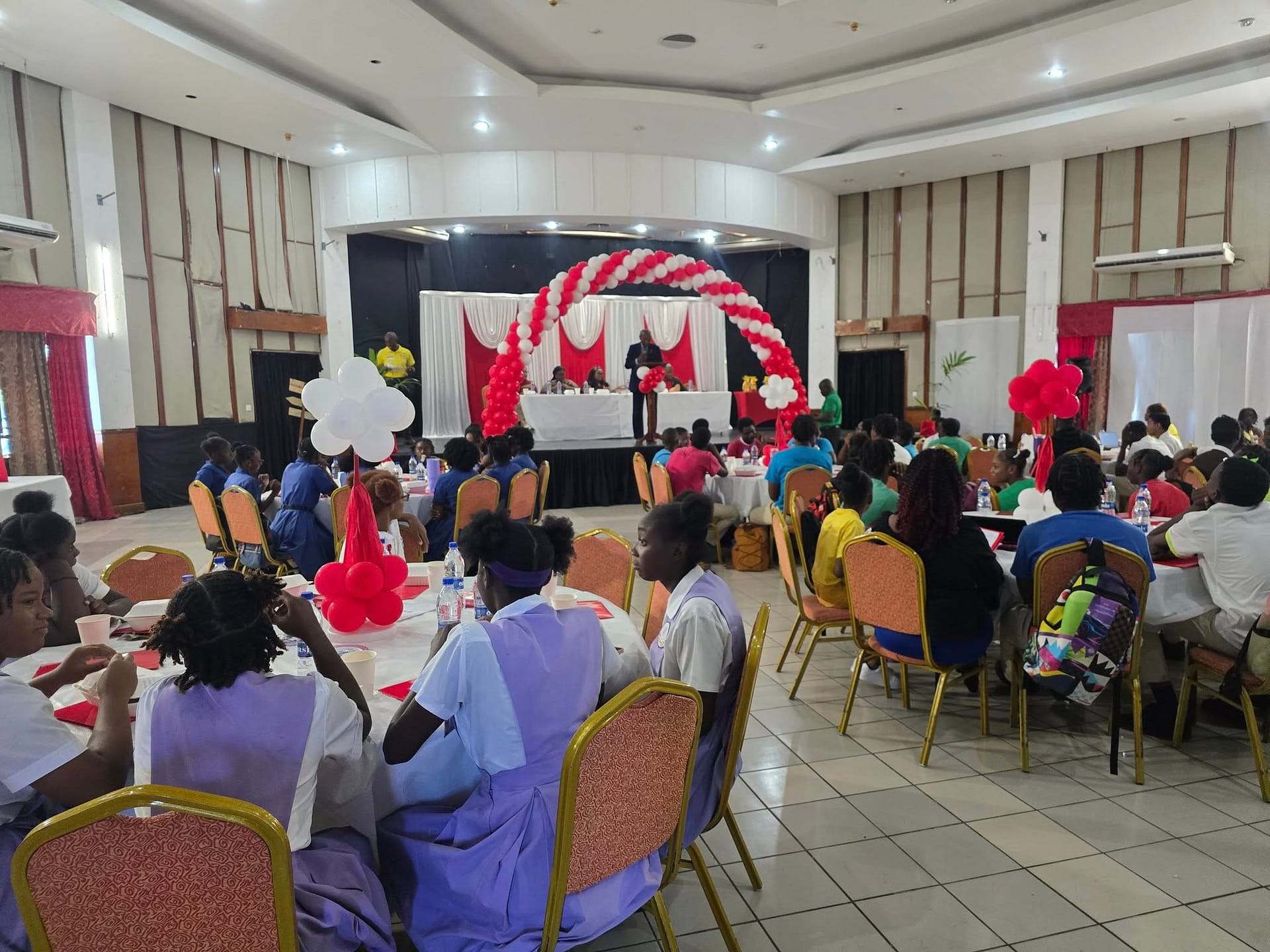
    In a significant initiative to safeguard adolescent health, the AIDS Secretariat alongside the Ministry of Health, Wellness, Environment and Civil Service Affairs has executed the “Teen Talk Seminar: My Life, My Choices.” This pivotal event brought together students from a diverse range of ten secondary schools throughout Antigua and Barbuda, focusing on empowering the nation’s youth with critical life skills and health knowledge.

    The Honourable Minister of Health, Sir Molwyn M. Joseph, provided a compelling keynote, passionately advocating for the exercise of personal willpower to avoid high-risk activities. He emphasized the paramount importance of self-protection against sexually transmitted infections (STIs) and underscored the value of seeking counsel from reliable and informed sources. Minister Joseph issued a formal commendation to the AIDS Secretariat, urging the continuation of these impactful, youth-oriented educational forums.

    A distinguished panel of experts enriched the seminar with motivational insights. Presentations were delivered by Dr. Margarethe Belle, Lorella Benjamin, Joy-Ann Harrigan, and Nikisha Smith. The event also featured formal remarks from Ms. Janet Simon, who holds the dual roles of CARICOM Youth Ambassador and Commonwealth Youth Peace Ambassador, adding a significant regional perspective to the dialogue.

    The curriculum was meticulously designed to address core challenges facing teenagers today. Interactive sessions delved into essential modules including: a comprehensive overview of STIs, the realities of sex and teenage life, the biological impact of HIV on the human body, building self-esteem, developing critical media literacy skills, and formulating strategies to navigate complex social pressures.

    This seminar is a cornerstone of the AIDS Secretariat’s expanded schedule of events leading up to World AIDS Day 2025. The international observance of World AIDS Day is set for Monday, December 1st. The week-long series of awareness activities will culminate on Sunday with a Grand Red Ribbon Day and a vibrant Street Parade through the capital city of St. John’s, symbolizing community solidarity and the ongoing fight against HIV/AIDS.

  • What Barbados’ republican journey teaches parents about raising principled children

    What Barbados’ republican journey teaches parents about raising principled children

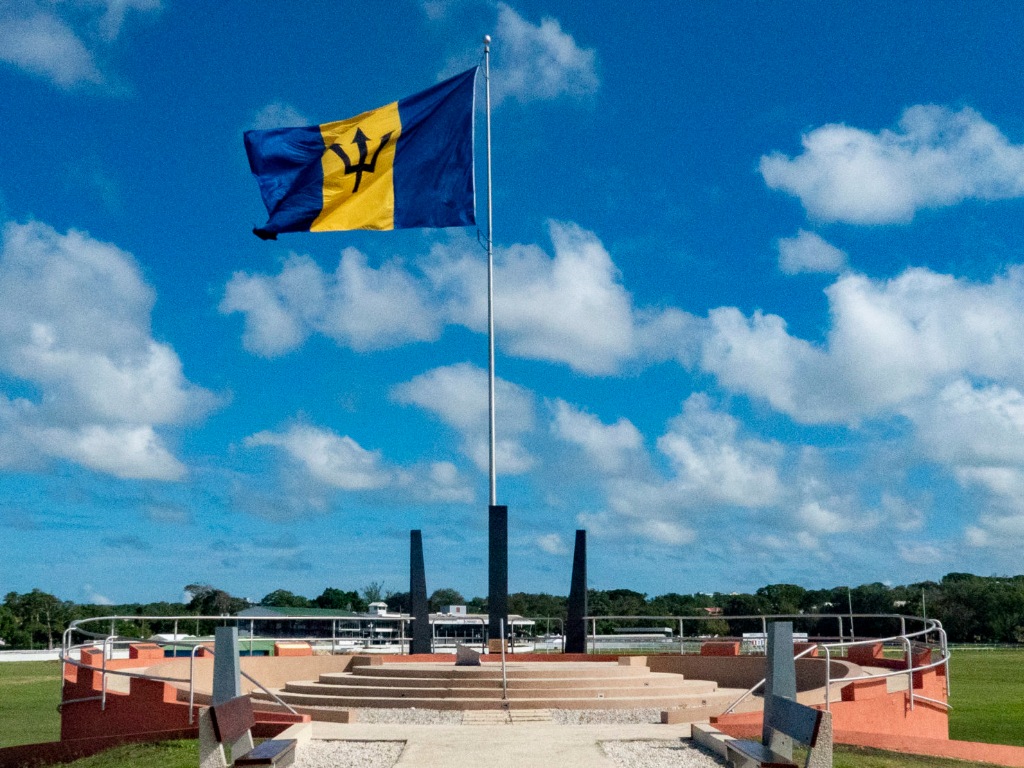
    The transformation of Barbados from colonial territory to independent republic offers profound insights into the universal process of raising autonomous individuals. When the island nation lowered the Union Jack on November 30, 1966, it embodied the tentative first steps of a child venturing into sovereignty. The subsequent declaration of republican status in 2021 represented the mature assertion of self-governance—akin to an adult claiming full agency over their destiny.

    This parallel between national development and child-rearing reveals fundamental truths about independence. Both processes involve gradual release of control, establishment of identity, and the delicate balance between freedom and responsibility. Barbados’ journey demonstrates that true sovereignty isn’t about rejecting history but about claiming one’s narrative while building resilient institutions.

    The nation’s progression—from political sovereignty to republican status to maintaining global competitiveness as a small island developing state—mirrors the developmental stages of childhood. Each phase required appropriate guardrails: legal frameworks for the nation, protective boundaries for children. The late Prime Minister Errol Walton Barrow’s stewardship emphasized that independence without responsibility leads to chaos, a principle equally applicable to parenting.

    Central to both journeys is identity formation. Barbados’ republican transition symbolized confidence in national selfhood, just as children require a strong sense of identity to navigate autonomy. This involves instilling pride in heritage while allowing space for individual expression, even when choices diverge from traditional expectations.

    Effective independence management requires autonomy support combined with open communication. Barbados maintained international relationships while asserting self-determination, similar to how parents can respect children’s agency while maintaining familial connections. The nation’s resilience through economic shocks, climate threats, and global uncertainty demonstrates the importance of preparing both nations and children for inevitable challenges.

    Ultimately, Barbados’ story provides a blueprint for nurturing independence through gradual release of control, celebration of milestones, and anchoring freedom in core values. Both national sovereignty and successful parenting represent acts of faith—not in the absence of difficulties, but in the capacity to overcome them through strengthened identity and embraced responsibility.