作者: admin

  • Simply Dad

    Simply Dad

    The global music community mourns the passing of Jamaican reggae pioneer James Chambers, internationally celebrated as Jimmy Cliff, who died on November 24, 2025, at age 81. While millions knew him as the legendary performer behind classics like “The Harder They Come,” his family remembers a profoundly different man—a devoted father who prioritized family above fame.

    Odessa Chambers, his eldest daughter, provides an intimate portrait of the superstar away from the spotlight. “It’s hard to really sum up who my father was in one word,” she reflected. “He was a visionary, an activist, a humanitarian, but most importantly to us children, he was our father.”

    Contrary to his public persona, Cliff maintained an intensely private family life. Odessa recalls childhood memories filled with beach outings, movie nights, and circus visits—ordinary moments made extraordinary by his presence. “Before social media,” she noted, “people would always see my father with his children. We were always around him.”

    Cliff embraced fatherhood as his ultimate role, blending wisdom with warmth. Odessa described him as “the ultimate teacher” who concluded even lighthearted conversations with meaningful lessons about identity and self-worth. “He always taught me to be authentically me,” she shared, highlighting his consistent message of cultural pride and personal integrity.

    The musician’s legacy extends beyond his groundbreaking catalog—he fathered 19 children who collectively embody his spirit and values. “We all have pieces of him, pieces of his personality,” Odessa observed, acknowledging how his influence will endure through his descendants.

    As the family prepares for public memorials, they remain protective of Cliff’s private nature. Some memories, Odessa confirmed, will remain exclusively within the family circle. Still, they appreciate the overwhelming global support, recognizing the unique balance Cliff maintained between his monumental career and his unwavering commitment to family.

  • Dominican economist at FIED urges Africa to build its own farm–to–market highways

    Dominican economist at FIED urges Africa to build its own farm–to–market highways

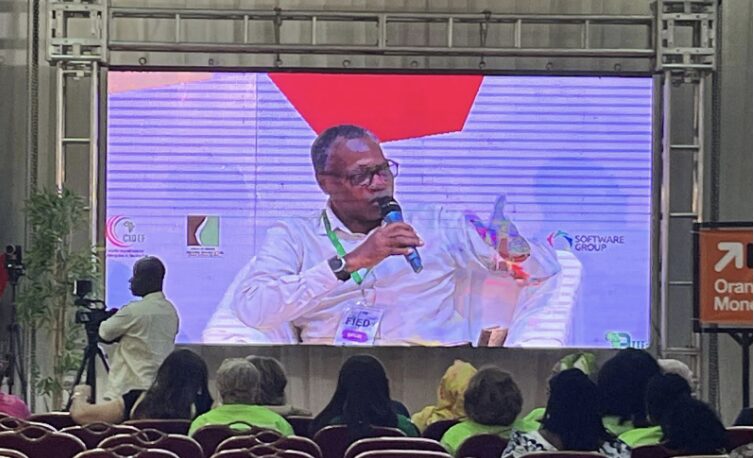
    At the International Forum of Dynamic Women Entrepreneurs (FIED) in Ouagadougou, agricultural economist McCarthy Marie delivered a compelling vision for transforming Africa’s agricultural trade landscape. Speaking before delegates from approximately 30 African nations, Marie emphasized that unlocking the full potential of intra-African trade requires urgent investment in physical infrastructure and thoughtful food processing policies.

    The Dominican economist, who accompanied Creole music icon Ophelia to the forum, presented a dual-focused strategy during a high-level panel on strengthening agricultural trade. His first priority addressed the continent’s infrastructure deficit, noting that reliable transportation networks form the foundation of successful trade ecosystems.

    “We must establish efficient pathways from farming communities to distribution centers,” Marie asserted. “This demands substantial investment not just in export corridors but within rural areas themselves—roads, storage facilities, logistics systems, and market infrastructure are all essential components.”

    Marie highlighted the paradoxical reality where shipping agricultural products to Europe often proves easier and cheaper than transporting them to neighboring African regions. He advocated for developing an integrated continental grid of farm-to-market highways connecting West, Central, East, and Southern Africa through both road and rail networks.

    Turning to food policy, the economist issued a cautionary warning based on Caribbean experiences with ultra-processed foods. He noted that aggressive promotion of heavily processed products has led to devastating health consequences, including skyrocketing rates of diabetes, hypertension, and cardiovascular diseases that now overwhelm public health budgets.

    “African nations have the unique opportunity to design food systems that protect public health rather than compromise it,” Marie advised. “Processing is necessary, but over-processing creates preventable health crises.”

    The economist pointed to Burkina Faso’s cotton sector as an exemplary model of value chain development. He praised how Burkinabè producers have mastered the entire production process—from cultivation to spinning, dyeing, design, and garment fabrication—thereby capturing more value within the country.

    Marie further advocated for increased utilization of intellectual property tools, particularly geographical indications. He suggested that legally protecting products like Burkinabè cotton textiles through geographical indications could significantly enhance their market value and establish recognizable quality benchmarks worldwide.

    The forum, which gathered entrepreneurs, investors, and policymakers from across Africa, focused on practical strategies to strengthen intra-continental trade, with agriculture identified as a crucial driver for job creation, food security, and industrialization.

  • Trump Moves to Pardon Convicted Ex-Honduran President

    Trump Moves to Pardon Convicted Ex-Honduran President

    In a significant diplomatic development, former U.S. President Donald Trump has declared his intention to grant a full presidential pardon to Juan Orlando Hernández, the incarcerated former leader of Honduras. Hernández is currently serving a 45-year sentence in a U.S. federal prison following his conviction on extensive drug trafficking charges.

    The announcement was made through Trump’s social media platform, where he characterized Hernández’s treatment as “very harshly and unfairly” based on consultations with respected sources. This controversial decision comes despite substantial evidence presented during Hernández’s trial demonstrating his deep involvement with international drug cartels.

    During his presidency from 2014 to 2022, U.S. prosecutors established that Hernández conspired with narcotics organizations that facilitated the movement of over 400 tons of cocaine destined for American markets. The judicial proceedings revealed his acceptance of millions in bribes while leveraging presidential authority to shield allied traffickers from prosecution.

    Concurrently, Trump has thrown his political weight behind conservative Honduran presidential candidate Nasry “Tito” Asfura, explicitly conditioning U.S. support for Honduras on Asfura’s victory in the upcoming Sunday election.

    This development occurs against a backdrop of intensified U.S. anti-narcotics operations targeting Venezuela and other Latin American nations. The New York Times reports that Trump recently engaged in diplomatic communications with Venezuelan leader Nicolás Maduro, despite previously denouncing him as an illegitimate head of a state-sponsored trafficking network known as the Cartel de los Soles. While Caracas has consistently denied these allegations, the U.S. has conducted military operations against suspected drug vessels connected to Venezuela since early September. Potential future discussions between Trump and Maduro in the United States remain unconfirmed and without established timelines.

  • Early voting for special forces

    Early voting for special forces

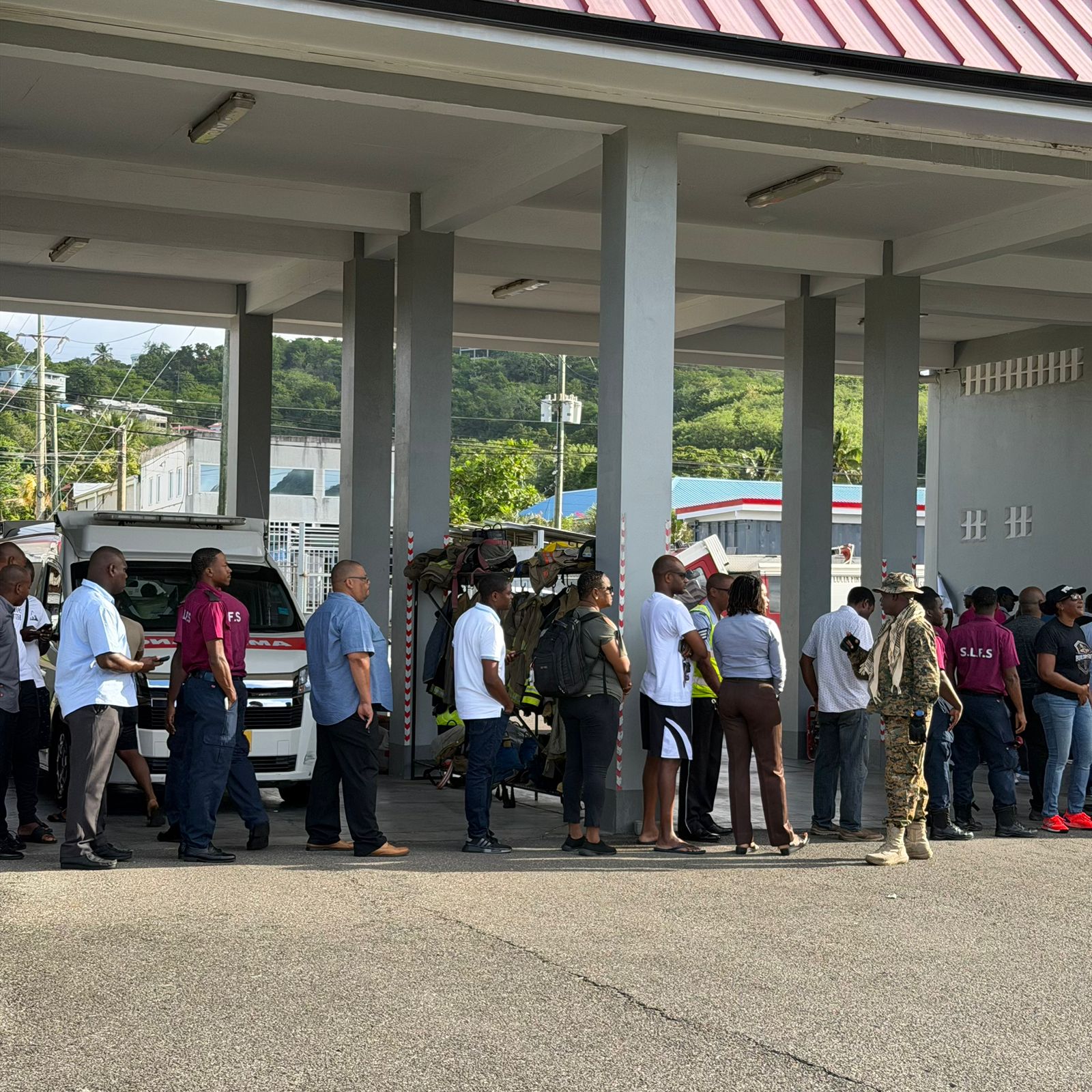
    Special forces personnel throughout Saint Lucia initiated the electoral process for the 2025 general election on Thursday through early voting procedures. While officials reported generally smooth operations, significant queues emerged at multiple polling locations due to higher-than-anticipated participation.

    The early voting process commenced at 6:00 AM across four designated facilities: Gros Islet Fire Station, Police Training School in La Toc, Vieux Fort Divisional Headquarters, and Soufrière Fire Station. These stations were established specifically to accommodate election workers and law enforcement personnel, including police, fire services, and correctional officers who will be on duty during the December 1 general election.

    Assistant Commissioner of Police Dr. Mashama Sealy, speaking from the Police Training School, confirmed that voting commenced precisely at the scheduled time of 6:30 AM. She noted that despite considerable lines forming at several locations, the voting process maintained steady progression, particularly at stations with fewer registered voters.

    Chief Elections Officer Herman St Helen provided context regarding the congestion, explaining that the lengthy queues resulted directly from the limited number of polling stations allocated for special forces voting. He acknowledged in retrospect that additional polling stations within certain divisions would have alleviated congestion, admitting that election planners had underestimated potential voter turnout among security personnel.

    At the Gros Islet Fire Station, Presiding Officer and Assistant Commissioner of Police Elvis Thomas confirmed the voting process was proceeding efficiently under observation from international monitors, including representatives from the Organisation of American States. Thomas emphasized his responsibility to ensure both smooth operations and the protection of voters’ rights to cast ballots without interference throughout the entire election period.

    Veteran police officer Leon Ephiphane, who voted at the Gros Islet station, shared his perspective after completing the process. With a decade of service, Ephiphane described the experience as ultimately successful despite initial organizational delays involving election agents’ coordination.

    Similar patterns emerged in the southern region, where election officials at Vieux Fort Divisional Headquarters indicated that Monday’s general election would feature significantly more polling stations, potentially reducing waiting times. An election clerk explained that the Vieux Fort South district contains four polling divisions with multiple stations each, which should distribute voter traffic more effectively during the main election.

    One female police officer who voted at Vieux Fort reported waiting nearly three hours to cast her ballot, expressing surprise at the early morning turnout while still characterizing her overall experience positively.

    In Soufrière, voting began at a slower pace during early morning hours but intensified toward midday. Although election officials declined formal commentary, visual observations indicated orderly proceedings throughout the day.

  • MATCH DAY: Sisserou Girls take on Jamaica in opening qualifier

    MATCH DAY: Sisserou Girls take on Jamaica in opening qualifier

    GROS ISLET, ST. LUCIA – Dominica’s Senior Women’s National Team commences its 2025–2026 CONCACAF Women’s Qualifiers journey with a highly anticipated match against Jamaica’s Reggae Girlz. The encounter kicks off at 3:00 p.m. local time today at the Daren Sammy Cricket Ground, marking the beginning of a demanding qualification phase for the Sisserou Girls.

    This inaugural match represents the first step in a challenging group stage that will subsequently see Dominica confront Guyana in February, followed by clashes with Nicaragua and Antigua & Barbuda in April. The team’s campaign is characterized by a blend of youthful exuberance and seasoned experience, aiming to make a profound statement on the international stage.

    In a historic appointment, 17-year-old prodigy Dymond Daniel will lead the squad as captain, becoming the youngest individual ever to skipper Dominica’s senior women’s team in international competition. The roster showcases a strategic combination of promising domestic talent and veterans playing abroad, all united in their ambition to proudly represent the Nature Isle.

    Head Coach Ronnie Gustave revealed his psychological approach to preparing the team for facing world-class opponents like Manchester City’s Khadija ‘Bunny’ Shaw. ‘My central theme today is faith over fear,’ Gustave stated. ‘While acknowledging the caliber of players we’re facing, football is ultimately decided on the pitch. With collective belief and unified effort, we are confident in our ability to deliver a strong performance.’

    Physical Trainer Duly Polydore emphasized the importance of incorporating enjoyment into their preparatory routines. ‘Our muscle activation process focuses on relaxation and acid removal to ensure optimal physical readiness,’ Polydore explained. ‘We intentionally design these activities to be enjoyable and football-specific, aligning with the game’s inherent nature.’

    Supported by months of intensive preparation, the Sisserou Girls approach today’s match with remarkable unity and determination, symbolizing a growing movement for women’s football development in Dominica. The match will be broadcast live on ESPN2 and Disney+, enabling fans nationwide and throughout the diaspora to support their national team as they embark on this exciting competitive journey.

  • Foreign policy, COP32 hit Ethiopia this week

    Foreign policy, COP32 hit Ethiopia this week

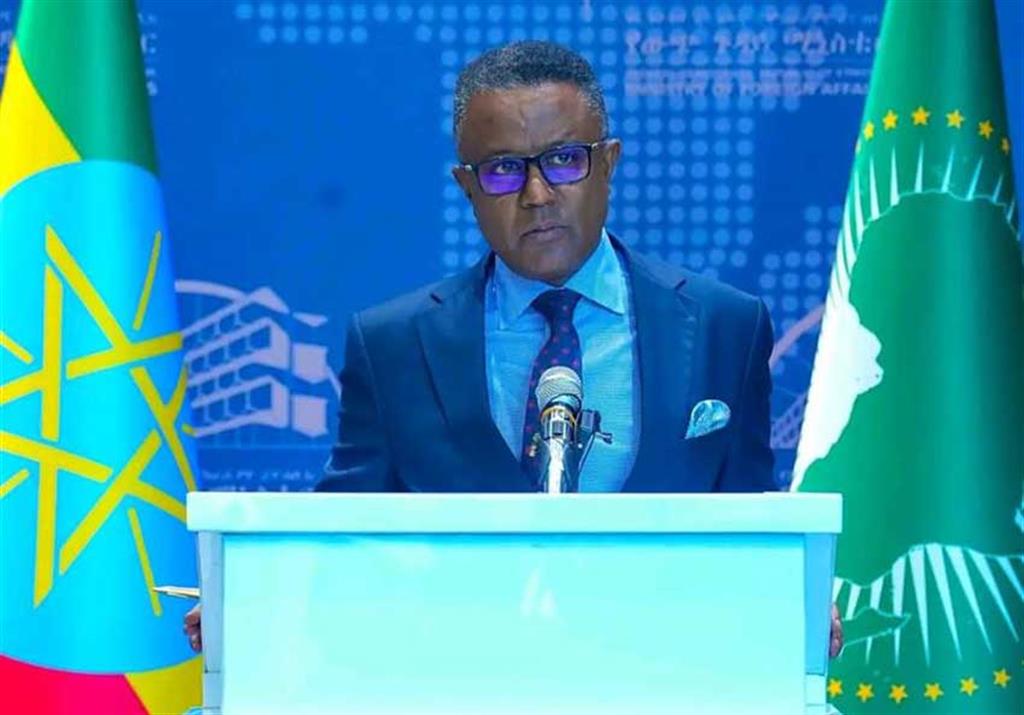
    Ethiopia’s capital, Addis Ababa, has been officially selected as the host city for the 2032 United Nations Climate Change Conference (COP32), marking a significant diplomatic achievement for the African nation. Foreign Ministry Spokesperson Nebiat Getachew announced that this decision demonstrates global recognition of Ethiopia’s substantial contributions to international climate action initiatives.

    The selection committee particularly acknowledged Ethiopia’s groundbreaking Green Legacy Initiative (GLI), a massive environmental program launched under Prime Minister Abiy Ahmed’s administration in 2019. This ambitious project has positioned Ethiopia as a continental leader in sustainable development and ecological restoration efforts.

    Prime Minister Ahmed elaborated on Ethiopia’s comprehensive climate strategy, which includes remarkable advancements in renewable energy infrastructure, nationwide expansion of electric vehicle adoption, and the development of environmentally sustainable urban centers through strategic corridor projects. These coordinated efforts significantly strengthened Ethiopia’s candidacy for hosting the prestigious international summit.

    In a related diplomatic development, Foreign Minister Gedion Timothewos has been appointed as COP32 President-designate, tasked with overseeing the complex preparatory proceedings for the major global event. The Ethiopian government expressed gratitude toward the African Negotiating Group for their endorsement, interpreting this support as affirmation of Ethiopia’s growing influence in international environmental diplomacy and its operational capacity to organize world-class gatherings.

  • UWI Centre for Reparation Research launches 2nd international debate

    UWI Centre for Reparation Research launches 2nd international debate

    The University of the West Indies’ Centre for Reparation Research (CRR), alongside regional collaborators, has unveiled plans for the second International Reparation Debate Competition scheduled for 2026. Following the resounding success of its inaugural edition in early 2025, this intellectual contest will initiate virtual qualifying rounds in January before culminating in a live championship event in Kingston, Jamaica come March.

    Designed specifically to empower Caribbean youth and diaspora communities, the competition creates an educational platform for rigorous examination of reparatory justice themes. Participating teams—each comprising five students guided by two educators—will engage with complex topics derived from the CARICOM 10-Point Reparatory Justice Framework. Key discussion points will include moral imperatives for restitution, economic dimensions of historical wrongs, and ongoing responsibilities of former colonial powers in rectifying systemic disparities.

    The precedent-setting 2025 tournament featured academic institutions from five Caribbean nations and the United Kingdom, ultimately crowning St. Joseph’s Convent Port of Spain from Trinidad and Tobago as champions. Their triumph was particularly noted for articulate argumentation and scholarly activism that impressed both judicial panels and dignitaries. Beyond competitive debates, the initial program incorporated educational workshops and expert-led discussions to deepen participants’ understanding of global reparations movements, while strategic social media engagement expanded public involvement.

    Professor Sonjah Stanley Niaah, CRR’s Director, emphasized the initiative’s continued significance: ‘Merging academic rigor with digital innovation allows the CRR and its partners to maintain vibrant, accessible dialogues around reparations.’ The 2026 iteration will enhance its reach through influencer collaborations, live-streamed debates, and broadened partnerships targeting audiences across the Caribbean, Americas, Africa, and Europe.

    Established in 2017, the CRR operates as a pivotal institution advancing reparatory justice through multidisciplinary research, policy advocacy, and international cooperation. It actively supports the CARICOM Reparations Commission’s objectives while contributing to worldwide movements addressing historical crimes including indigenous genocide, African enslavement, and colonial exploitation.

    The University of the West Indies, housing the CRR, celebrates over 75 years as a cornerstone of Caribbean intellectual development. Since its 1948 founding in Jamaica with merely 33 medical students, the institution has evolved into a globally recognized academic force serving nearly 50,000 learners across five campuses—Mona (Jamaica), St. Augustine (Trinidad and Tobago), Cave Hill (Barbados), Five Islands (Antigua and Barbuda), and its Global Campus. Offering more than 1,000 accredited programs, The UWI consistently earns top positions in international university rankings by Times Higher Education.

    Educational institutions across the Caribbean and United Kingdom are presently invited to register for the 2026 competition through the official portal: www.uwi.edu/crr.

  • MP for Salisbury Jesma Paul: Government has neglected her constituency in providing housing benefits

    MP for Salisbury Jesma Paul: Government has neglected her constituency in providing housing benefits

    Jesma Paul-Victor, Parliamentary Representative for the Salisbury Constituency, has delivered a powerful condemnation of the government’s housing allocation practices during a recent parliamentary session. The elected official revealed that despite millions in approved housing funds, her constituency has received zero benefits from national housing initiatives.

    Paul-Victor detailed how families in the Coulibistrie area continue to inhabit substandard living conditions eight years after Hurricane Maria devastated the region. Residents remain in partially repaired homes, deteriorating structures, and temporary accommodations originally intended as short-term solutions.

    The parliamentarian expressed frustration that while other communities have received modern apartment complexes and climate-resilient housing units, her constituents face perpetual neglect. She emphasized her support for the national housing project and congratulated recipients elsewhere, but questioned the equity of distribution.

    ‘How long can my people endure this wait? How long must they tolerate these conditions?’ Paul-Victor challenged the assembly. ‘After eight long years, my constituents feel forgotten, unseen, and that their suffering since Maria has been normalized and dismissed.’

    The representative’s address highlights growing concerns about regional disparities in post-disaster recovery efforts and raises questions about the transparency of housing fund distribution across constituencies.

  • Two manifestos, two futures: Which vision matches the Saint Lucia you want?

    Two manifestos, two futures: Which vision matches the Saint Lucia you want?

    As Saint Lucia prepares for its pivotal 2025 General Election, the nation’s two dominant political forces have unveiled fundamentally different governance philosophies through their detailed manifestos. The United Workers Party (UWP) has presented an extensive 78-page blueprint advocating for comprehensive systemic transformation, while the Saint Lucia Labour Party (SLP) offers a more focused 35-page document emphasizing incremental improvements and community-centric development.

    Despite their contrasting methodologies, both parties converge on addressing critical national challenges including public security, healthcare accessibility, economic pressures, educational reform, agricultural sustainability, and tourism development. The distinction emerges in their strategic implementation frameworks and philosophical approaches to governance.

    **Public Security Overhaul**
    The crime epidemic represents perhaps the most urgent concern for both parties. The UWP proposes a radical security architecture redesign through its Relief, Recovery, and Reform framework, featuring establishment of a Border Control Authority, enhanced forensic capabilities, expanded surveillance networks, and treatment of crime as a public health issue requiring early intervention programs. Conversely, the SLP emphasizes strengthening existing law enforcement infrastructure through increased police manpower, upgraded equipment, and community-based prevention initiatives.

    **Economic Stabilization Strategies**
    Addressing the escalating cost of living crisis reveals another philosophical divide. The SLP advocates for targeted social protection measures and price stabilization for essential goods, building upon current welfare programs. The UWP’s SOS Plan promises immediate financial relief through tax eliminations, reduced fuel prices, and free tertiary education, coupled with an investment-driven economic recovery model focused on infrastructure development.

    **Healthcare System Transformation**
    Both parties acknowledge the healthcare sector requires substantial investment, with mutual commitments to facility upgrades and a new hospital in Soufrière. The SLP prioritizes universal coverage expansion and mental health support within the existing system framework. The UWP proposes more fundamental restructuring through National Health Insurance implementation, digital health management systems, and an additional hospital in Dennery.

    **Tourism and Economic Diversification**
    As the nation’s primary economic engine, tourism receives significant attention in both manifestos. The SLP emphasizes sustainable tourism development with enhanced community benefits and agricultural linkages. The UWP envisions broader sector diversification through sports, wellness, and cultural tourism initiatives alongside global marketing expansion.

    **Educational Philosophy Divergence**
    The parties present contrasting educational visions reflecting their broader governance approaches. The SLP focuses on early childhood development, classroom modernization, and digital literacy integration. The UWP emphasizes workforce alignment through technical education expansion, industry partnerships, and adult retraining programs.

    **Agricultural Renaissance**
    Both manifestos recognize agriculture’s renewed importance for food security and climate resilience. The SLP proposes farmer capacity building and technological adoption, while the UWP outlines comprehensive modernization through land banking, irrigation networks, and processing infrastructure.

    **Creative Economy Development**
    The emerging creative sector receives unprecedented political attention. The UWP proposes formalization through dedicated institutions and legislation, while the SLP integrates creative industries within broader youth entrepreneurship initiatives.

    **Funding Realities**
    Ultimately, both visions confront the same fiscal constraints. The SLP’s approach suggests reliance on existing budgetary structures and gradual scaling, while the UWP’s ambitious agenda necessitates significant resource mobilization through economic recovery initiatives and external investment attraction. The electoral decision will ultimately hinge on which funding model voters find most credible and sustainable.

  • Temporary closure: Grenville Basketball Court

    Temporary closure: Grenville Basketball Court

    The Grenville Basketball Court will undergo a comprehensive month-long closure starting Saturday, November 29, 2025, through Wednesday, December 31, 2025, as announced by the Ministry of Youth and Sports. This temporary shutdown will enable critical facility enhancement work aimed at significantly improving user safety standards.

    The rehabilitation initiative forms part of a broader national strategy to upgrade sporting infrastructure across the nation. During this period, all basketball-related activities including training sessions, competitive games, and casual recreational use will be strictly prohibited at the Grenville location.

    Authorities strongly encourage athletes and community members to utilize alternative sporting facilities while these essential improvements are underway. The Ministry has expressed regret for any disruptions caused by the necessary closure, while simultaneously appealing for public understanding and cooperation throughout the enhancement process.

    For additional details regarding the renovation timeline or alternative facility options, concerned citizens may directly contact the Ministry of Youth and Sports via email at [email protected] or by telephone at (473) 440-6917/8.

    The Ministry reaffirmed its commitment to developing high-quality sports infrastructure throughout Grenville and nationwide, emphasizing that these temporary inconveniences will ultimately yield long-term benefits for the sporting community.