作者: admin

  • Maps of the mind – Adeline Gregoire’s art explores Caribbean movement

    Maps of the mind – Adeline Gregoire’s art explores Caribbean movement

    Visual artist Adeline Gregoire has launched her debut solo exhibition, “Vanishing Lines/Lignes de Fuite,” at Loftt Gallery in Woodbrook, presenting an innovative collection that reimagines Caribbean landscapes through abstract cartography. The exhibition, which opened November 15 and runs through November 30, represents a significant departure for Gregoire, who has built her career primarily as a curator and interpreter of others’ work until now.

    Gregoire describes the collection as “different types of maps, cartographies of ‘the islands’” that explore profound questions of “history, movement and survival.” Rather than presenting literal geographical representations, her works serve as conceptual mappings that layer references to memory, migration, and colonial histories within abstracted Caribbean landscapes.

    The French portion of the exhibition’s title, “Lignes de Fuite,” translates to “lines of flight”—a concept Gregoire employs to examine both physical and metaphorical escape routes. She draws direct parallels between historical marronnage (the escape of enslaved people during colonial times) and contemporary experiences of migration, displacement, and the pursuit of self-determination.

    “So many of us are the direct descendants of our maroon ancestors,” Gregoire observes. “And so many of us are not free. We are the runaways of our present time.”

    Her artistic process involves innovative techniques including ripping materials, distressing paper, exposing works to the elements, compression, layering, erasing, and scraping—methods that physically echo the themes of erosion, memory, and transformation explored in the content. The resulting works feature richly textured, tactile surfaces that invite both visual and conceptual engagement.

    Notable pieces include “Somewhere in Between, Nou La,” which Gregoire describes as “a sort of three-dimensional landscape where you’re supposed to see mountains, coastline and colonial histories all at once,” and “Geographies,” which incorporates thread to suggest connections across spaces divided by man-made borders.

    The exhibition benefits from the curatorial expertise of Célia Potiron, a Martinique-born writer and curator based in Paris whose background in Caribbean literature and postcolonial research adds significant depth to the presentation. Gregoire emphasizes the value of this collaboration, noting that Potiron’s “disinterested perspective helped situate the exhibition within wider Caribbean and postcolonial contexts.”

    Visitor response has been overwhelmingly positive, with many attendees spending extended periods engaging with individual works and participating in dialogues about their interpretations. Gregoire has enhanced the gallery experience with a curated soundtrack that adds another sensory layer to the exhibition.

    While the current exhibition concludes on November 30, Gregoire plans to continue developing these themes in her future work, describing this show as “a stage in an ongoing conversation” about Caribbean identity, history, and landscape.

  • How men feel when paternity tests come back negative

    How men feel when paternity tests come back negative

    Two Trinidadian men have come forward with harrowing accounts of legal battles and emotional distress after discovering children they believed to be their biological offspring were not theirs genetically. Their stories emerge amid startling statistics from the Fathers’ Association of TT revealing one in three paternity tests administered by a local lab disproved biological fatherhood.

    Jervon Thompson, now 45, recounted how he enthusiastically signed his ‘son’s’ birth certificate in his early twenties despite the mother’s objections. For seven years, he fulfilled paternal duties until their separation triggered court-ordered maintenance payments. When Thompson later arranged direct payments outside court systems, an arrest warrant was issued for non-payment through official channels. His wife’s intuition eventually prompted a paternity test that revealed zero biological connection. Despite this, Thompson continued caring for the now-24-year-old man he still considers his son, though he endured years of legal battles totaling $35,000 in alleged maintenance debt before the case was dismissed.

    Simon Harry’s ordeal began in 2011 when he temporarily housed a pregnant coworker’s relative. Suspecting non-paternity from the outset, his requests for testing were denied. Eleven years later, he discovered newspaper notices seeking his whereabouts for maintenance claims filed by the child’s grandmother. Court proceedings resulted in a $50,000 maintenance order for a child he had never met. After coincidentally meeting the now-23-year-old woman believed to be his daughter, genetic testing confirmed his longstanding suspicions. Harry now fights to dismiss accumulated debts and arrest warrants, noting the profound emotional impact on all involved.

    Both cases highlight systemic issues in Trinidad’s family court systems, where magistrates often presume male guilt in maintenance cases. The men described being treated as ‘deadbeat dads’ despite evidence of deception, with Harry noting the ordeal destroyed multiple relationships including his marriage. Thompson emphasized the enduring parental bond despite biological reality: ‘He’s not mine – but between me and him, we don’t study that.’

    The mothers’ roles differed significantly—Thompson’s accuser actively pursued payments despite knowing the truth, while Harry’s case involved a grandmother pursuing claims without the biological mother’s knowledge. Both men advocate for mandatory paternity testing in maintenance cases to prevent similar injustices.

  • Sturge: US radar to track drug drones

    Sturge: US radar to track drug drones

    Tobagonian authorities have publicly addressed the controversial installation of advanced US military radar technology at the ANR Robinson International Airport, asserting the system will serve exclusively for domestic security operations rather than offensive capabilities against neighboring nations.

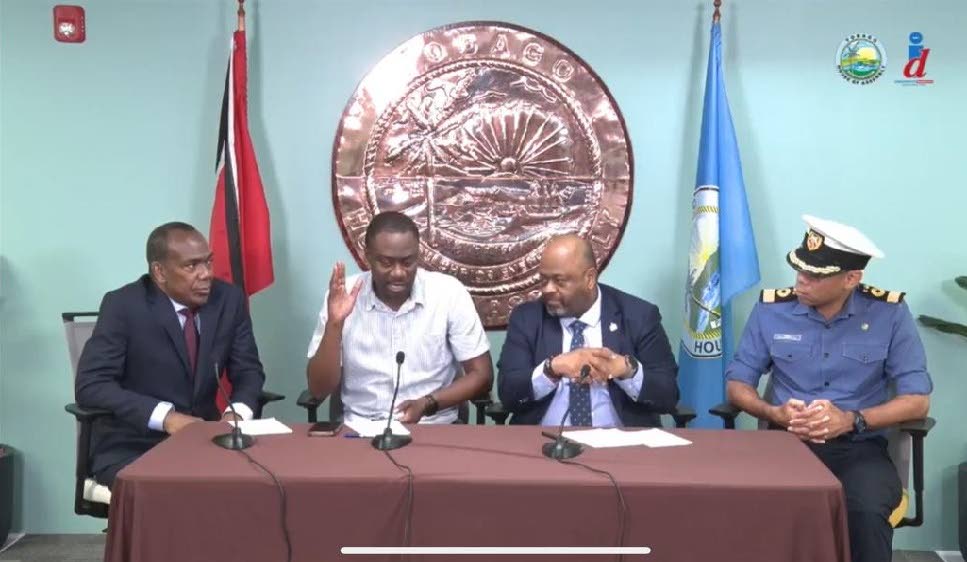
    During a comprehensive media briefing in Calder Hall on November 29, Chief Secretary Farley Augustine and Defense Minister Wayne Sturge provided unprecedented details about the strategic partnership with United States forces. The officials revealed the radar system—identified as the AN/TPS-80 ground/air task-oriented radar (G/ATOR) manufactured by Northrop Grumman—represents a critical component in combating sophisticated transnational crime networks.

    Minister Sturge disclosed alarming intelligence regarding escalating aerial smuggling operations, noting a dramatic increase in unauthorized flights and drone activities transporting narcotics and firearms into Trinidad and Tobago. “The presence of US military assets in the southern Caribbean since late August has already produced measurable success in reducing maritime drug trafficking,” Sturge confirmed, indicating that criminal organizations have subsequently shifted to aerial smuggling routes.

    The defense minister emphasized the system’s technical capabilities for 360-degree surveillance, describing its critical role in detecting illegal aircraft, coordinating air defense operations, and supporting counter-trafficking initiatives. Both officials explicitly denied any possibility of Trinidadian territory being utilized for offensive operations against Venezuela or other nations, noting the United States possesses sufficient naval assets—including the USS Gerald Ford aircraft carrier—to conduct independent military operations without requiring Tobagonian support.

    Augustine acknowledged the complex geopolitical landscape, stating: “While Trinidad and Tobago cannot influence US presidential decisions, we maintain absolute sovereignty over how our territory is utilized. I will not endorse any installation designed for offensive operations against other nations.”

    In a demonstration of Tobago’s diplomatic neutrality, Augustine announced the simultaneous invitation of both US Chargé d’Affaires Jenifer Neidhart de Ortiz and Venezuelan Ambassador Álvaro Sánchez Cordero for upcoming Tobago Day celebrations. “This gesture underscores our commitment to peaceful coexistence with all nations,” Augustine affirmed. “We are not at war with anybody.”

    The briefing addressed previous transparency concerns regarding US military presence, with officials clarifying that marines remained beyond their scheduled departure to complete civil engineering projects and technical installations, all conducted under existing Status of Forces agreements originally established under former Prime Minister Keith Rowley.

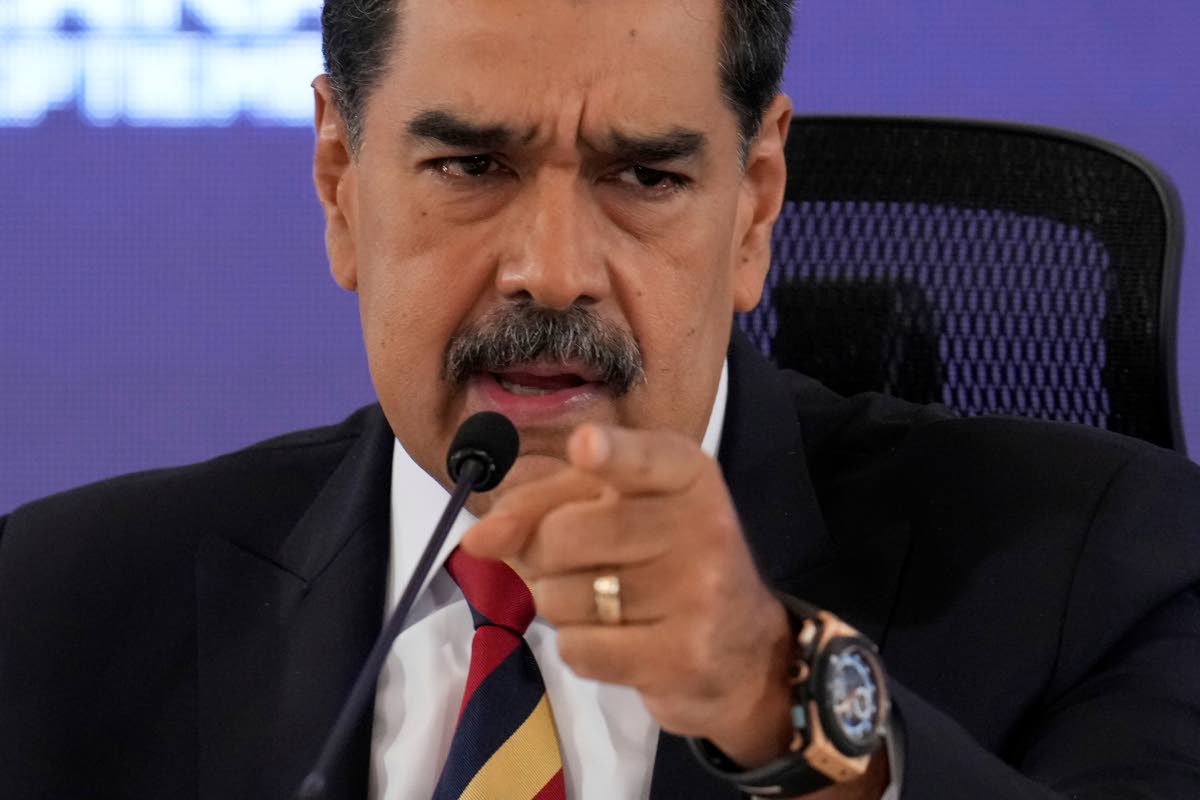
  • Maduro denounces US threat to close Venezuelan airspace

    Maduro denounces US threat to close Venezuelan airspace

    Venezuela’s government has issued a forceful condemnation of what it characterizes as a “colonialist threat” against its national sovereignty, denouncing recent statements from the United States as an illegal and unjustified aggression. The administration of President Nicolás Maduro released an official statement on November 29th vehemently rejecting a social media message disseminated by US President Donald Trump earlier that day.

    The Venezuelan government accused Trump of attempting to “extraterritorially apply the illegitimate jurisdiction of the US in Venezuela” through what it described as an unprecedented effort to issue commands regarding Venezuelan airspace. The statement characterized this as a hostile, unilateral act incompatible with fundamental principles of International Law, representing part of a sustained policy of aggression with colonial ambitions toward Latin America and the Caribbean.

    Venezuela’s response specifically referenced Article 2, paragraph 4 of the United Nations Charter, asserting that Trump’s statements constitute an explicit threat of force that is clearly prohibited under international law. The controversy stems from Trump’s message on X (formerly Twitter) calling on all airlines, pilots, and traffickers to consider the airspace above and surrounding Venezuela “closed in its entirety.”

    The Venezuelan government emphasized its absolute sovereignty over national airspace under standards established by the International Civil Aviation Organization (ICAO) and the 1944 Chicago Convention, which explicitly recognizes each state’s exclusive authority over its territorial airspace. The Bolivarian government warned it would not accept orders, threats, or interference from any foreign power, stating that no external authority has the right to block or condition the use of Venezuelan airspace.

    In response to the escalating tensions, the US government has unilaterally suspended Venezuelan migrant flights that were regularly conducted as part of the Plan Vuelta a la Patria (Return to the Homeland Plan), which had previously facilitated 75 flights repatriating 13,956 Venezuelans.

    The diplomatic clash occurs amid increased US military presence in the region, with several airlines recently halting flights to Venezuela following warnings from US aviation authorities about “heightened military activity.” The US has characterized its military buildup as part of counter-narcotics operations, while Venezuelan officials consistently deny involvement in criminal activities and accuse the US of attempting to overthrow their government.

    President Maduro, speaking through his Telegram account on November 29th, reaffirmed Venezuela’s commitment to sovereignty, stating: “We have a glorious and unique history; we were free because we were united under a single command,” while expressing confidence that “the times of the Greater Homeland will return.”

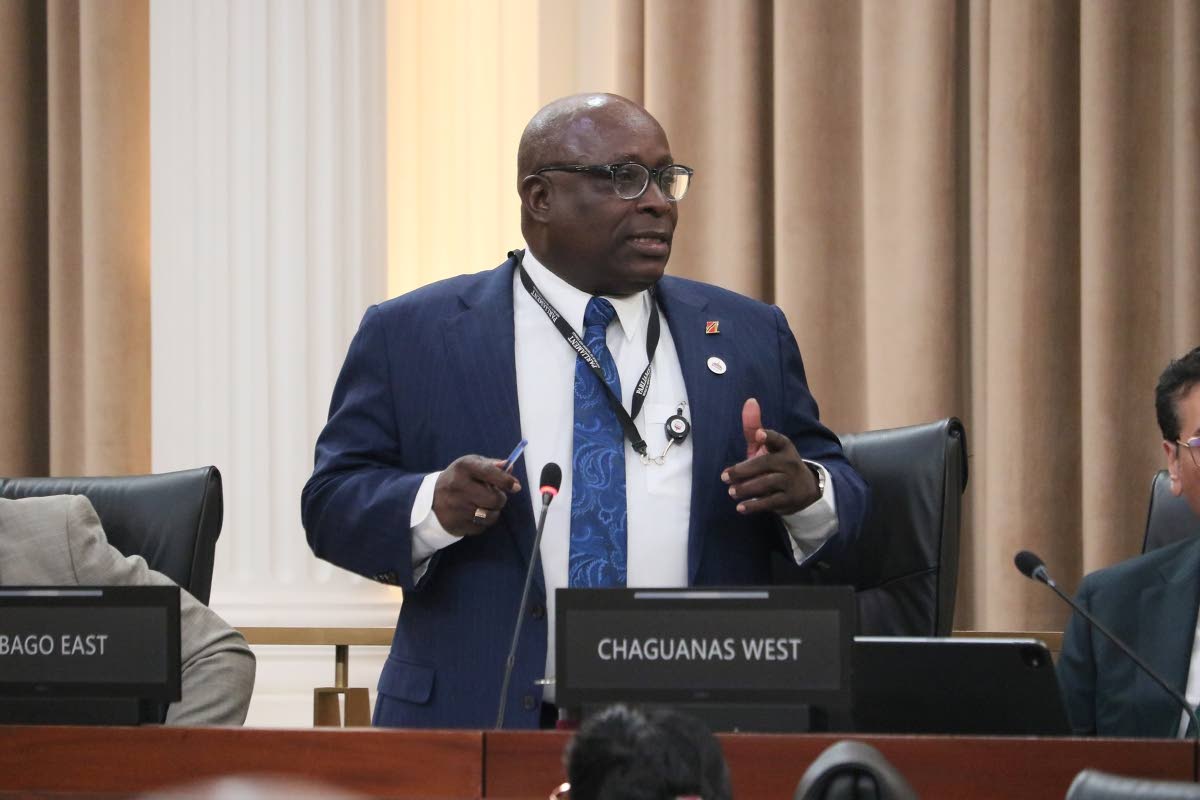
  • Tobago East MP say US radar ‘necessary’

    Tobago East MP say US radar ‘necessary’

    A significant national security discussion has emerged following the installation of advanced radar systems at Tobago’s ANR Robinson International Airport. Tobago East MP David Thomas has characterized the implementation as “necessary” security infrastructure, while opposition voices express deepening concerns about transparency and regional geopolitical implications.

    MP Thomas, drawing upon his four decades of fire service experience, emphasized that the radar constitutes standard protocol for international airport security upgrades. “Airports represent critically sensitive zones requiring sophisticated protection measures,” Thomas stated during a November 28 parliamentary briefing. He acknowledged public apprehension but attributed this to unfamiliarity with specialized security procedures rather than any unusual circumstances.

    The parliamentarian addressed specific concerns regarding Tobago House of Assembly Chief Secretary Farley Augustine’s reported lack of prior knowledge about the installation. Thomas suggested information dissemination occurs through appropriate channels and timing, assuring that necessary details would reach relevant parties when operational requirements permit.

    Regarding potential implications for regional tensions between the United States and Venezuela, Thomas provided unequivocal rejection: “Of course not.” He clarified that the technology primarily serves narcotics trafficking interdiction efforts, as previously confirmed by Prime Ministerial statements. Thomas emphasized that certain national security particulars must remain classified to maintain operational effectiveness.

    Conversely, Opposition MP Stuart Young articulated “serious concerns” regarding the government’s transparency and geopolitical balancing act. Young referenced previous successful navigation of complex international relationships during the Trump administration, questioning why current leadership appears less forthcoming about military-grade equipment deployment.

    Young highlighted the particular sensitivity of Venezuela’s proximity as Trinidad and Tobago’s closest neighbor, noting the visible Venezuelan coastline from local ports. He expressed apprehension about energy infrastructure vulnerability, specifically mentioning oil platforms situated approximately 60 miles offshore.

    The opposition parliamentarian called for immediate transparency from Prime Minister Rowley and Defense Minister Wayne Sturge regarding the radar’s strategic purpose and operational parameters. Young emphasized that while the United States remains a crucial ally and trading partner, the government must maintain careful diplomatic equilibrium with neighboring nations.

    Both political representatives agree on the critical importance of national security while diverging significantly on implementation transparency and communication protocols. The development underscores the complex intersection of airport security modernization, regional geopolitics, and public accountability in Caribbean international relations.

  • STI cases rise, highest rates among young adults

    STI cases rise, highest rates among young adults

    Jamaica’s public health system is grappling with a concerning escalation in sexually transmitted infections (STIs), marking a persistent upward trajectory over the past four years. Ministry of Health and Wellness data reveals a significant climb from 31,572 cases in 2022 to 35,713 documented infections in 2024, with young adults aged 20-24 bearing the highest burden of disease.

    Medical experts identify genital discharge syndrome—comprising infections like gonorrhea, chlamydia, and trichomoniasis—as the predominant presentation, accounting for over 99% of cases. Conversely, genital ulcer diseases including herpes and syphilis constituted approximately 1% of diagnoses. Notably, syphilis cases demonstrated a worrying resurgence, jumping from 865 cases in 2023 to 1,216 in 2024.

    Dr. Nicola Skyers, Senior Medical Officer of the National HIV/STI Programme, highlighted the disproportionate impact on young demographics. “Twenty to twenty-four is the highest incidence group, followed closely by adolescents aged 15-19 and young adults 25-29,” she explained, attributing this trend to insufficient condom usage and engagement with multiple sexual partners.

    The gender distribution remains markedly skewed, with women comprising 28,220 cases compared to 7,493 among men in 2024. Concurrently, Jamaica’s HIV landscape shows complex dynamics: while overall prevalence stabilized at 1.1%, the estimated number of Jamaicans living with HIV increased to 28,000. Encouragingly, new HIV infections declined to 1,100 cases in 2024, continuing a downward trend from previous years.

    Healthcare providers emphasize that testing accessibility improvements shouldn’t replace preventive measures. Dr. Annisha Skinner of St. Ann Medical Center cautioned that “STI testing should not be used as a substitute for practising safe sex,” advocating instead for comprehensive prevention strategies including consistent condom use and transparent partner communication.

    The Ministry of Health is currently conducting enhanced surveillance to gather more precise STI data, with complete findings anticipated in 2026. Medical authorities reaffirm that all major STIs remain treatable, with immediate antiretroviral therapy initiation for HIV-positive diagnoses.

  • From homes to makeshift clinics

    From homes to makeshift clinics

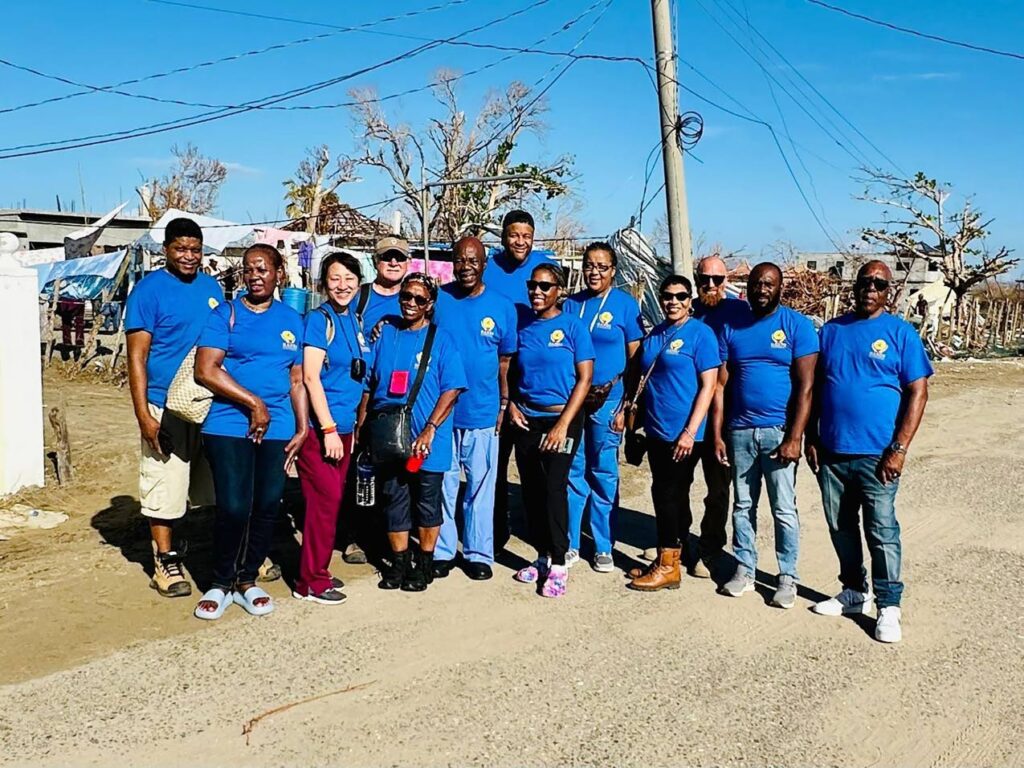
    In the devastating wake of Hurricane Melissa, a dedicated contingent of Caribbean medical professionals from HANDS International embarked on a humanitarian mission to Jamaica’s most severely impacted regions. The organization, spearheaded by Delaware-based President Dr. Reynold Agard, demonstrated remarkable resilience by transforming storm-affected residences into fully operational temporary clinics across the parishes of St. Elizabeth, Black River, Parottee, and Slipe.

    Despite confronting widespread infrastructure damage and electricity shortages, the medical teams received overwhelming hospitality from local residents who generously offered their homes and logistical support. Notable assistance came from Marjorie Davis-Reid’s family property in Black River and professional race car driver Lisa Bowman-Lee in Kingston, who provided crucial operational support.

    The medical initiative deployed rotating teams of 6-10 board-certified professionals through a carefully structured rotation system, with each team serving 7-10 day intervals. Their initial efforts provided essential medical care to approximately 500 residents, with subsequent teams expanding this critical service. The organization has announced plans for expanded deployments in December featuring 10-12 physician teams, with some volunteers intending to remain through the Christmas period. Additional large-scale missions are scheduled for January and February 2024, including specialized ophthalmology services led by leading Delaware ophthalmologist Dr. Wayne Dunn.

    The medical response addressed both immediate and chronic healthcare needs, with HANDS International importing over $50,000 worth of medications to replace prescriptions lost during the hurricane. The organization has since doubled its medication orders based on field assessments, particularly for aspirin (stroke prevention), Amlodipine (hypertension), Doxycycline (leptospirosis prevention), antifungal medications, and multivitamins. The medical teams also distributed cholesterol medications, heart disease treatments, and asthma inhalers while providing mental health support for hurricane-related anxiety, depression, and insomnia.

    Dr. Agard emphasized the critical timing of their intervention: ‘Our goal is to replace medicines lost by disaster victims, as we typically see increases in heart attacks and strokes 4-5 weeks after medication deprivation.’ He recounted a particularly critical case where their team facilitated the emergency transfer of a woman experiencing a heart attack after losing her medications, ultimately saving her life through coordinated efforts with Samaritan’s Purse field hospital and Jamaican health authorities.

    The organization is currently procuring additional generators and dental equipment to expand their surgical and dental service capabilities. All medications distributed are non-narcotic and provide at least one month’s supply based on availability and demand.

    Dr. Agard concluded with a commitment to Jamaica’s long-term recovery: ‘We consider ourselves ambassadors in the rebuilding of Jamaica, and we will do whatever it takes to restore hope and normalcy through health and development initiatives.’

  • ‘Living in fear’

    ‘Living in fear’

    Brenor Joseph, a Haitian native residing in Jamaica, lives under the perpetual shadow of uncertainty. Having waited over two years for official documentation to validate his residency, he confronts daily anxieties about potential deportation. His story reflects a broader crisis faced by Haitian migrants seeking refuge from their homeland’s relentless turmoil.

    Haiti’s history as the world’s first black-led republic, established in 1804 after a successful slave uprising, stands in stark contrast to its contemporary reality. Crippled by centuries of political instability, economic collapse, and escalating gang violence, the Caribbean nation has precipitated a mass exodus of its citizens. Joseph represents one of millions forced to flee, recounting a harrowing 2023 escape via overcrowded boat after a near-fatal encounter in Haiti.

    Despite reaching Jamaican waters, his quest for safety led to six months of detention under conditions he describes as inhumane. While eventually released to improved accommodations, promises of work permits and legal documentation remain unfulfilled. ‘Immigration took our fingerprints and said we would get papers so we could work. Two years later, nothing,’ Joseph revealed, highlighting his vulnerable status as an undocumented worker in Jamaica’s informal economy.

    Legal representatives allege systematic discrimination against Haitian migrants. Attorney Dr. Marcus Goffe asserts Jamaican authorities are deliberately denying due process to Haitian arrivals, violating both international refugee conventions and Jamaica’s constitutional provisions. ‘There appears to be a systematic effort to block access to legal representation and expedite deportations,’ Goffe stated, citing instances where interpreters allegedly discourage asylum claims and interviews are conducted without legal oversight.

    The legal framework itself faces criticism for relying on colonial-era legislation like the Aliens Act, which enables authorities to designate individuals as ‘not landed’ despite physical presence in Jamaica—a loophole potentially bypassing constitutional protections. While courts have occasionally intervened with injunctions against deportation, those without legal representation remain particularly vulnerable to rapid removal, often scheduled during early morning hours to minimize legal intervention.

    Goffe acknowledges Jamaica’s resource constraints but emphasizes that constitutional obligations cannot be contingent on convenience. ‘If Jamaica has signed on to protect refugees then we must follow the law,’ he argued, calling for either compliance with international commitments or formal withdrawal from refugee conventions.

    For Joseph, who previously faced deportation from the United States in 2013, Jamaica’s peaceful environment offers physical safety but no legal security. His experience echoes throughout Haitian migrant communities where individuals live between gratitude for temporary refuge and terror of imminent return to Haiti’s escalating violence.

  • THE IMPOSSIBLE TASK

    THE IMPOSSIBLE TASK

    In the wake of a disappointing World Cup qualifying campaign that culminated in the resignation of head coach Steve McClaren, the Jamaica Football Federation has turned to a familiar figure to steer its senior men’s team through turbulent waters. Rudolph Speid, recently appointed interim head coach of the Reggae Boyz, brings a distinctive perspective to the role—viewing Jamaica’s precarious position not as a crisis but as a complex puzzle awaiting solution.

    Jamaica’s national team faces a critical March play-off pathway after failing to secure automatic qualification following a scoreless draw against Curaçao on November 18. The Reggae Boyz must now overcome New Caledonia on March 26, with victory securing a subsequent match against DR Congo on March 31—both contests scheduled in Mexico under win-or-go-home circumstances.

    Speid’s approach to this high-pressure assignment reflects a philosophy forged through decades of corporate leadership and football management. Having operated in boardrooms with Jamaican business titans including Oliver Clarke and Douglas Orane, he developed a specialty for navigating impossible tasks—once liquidating an entire pension scheme within a single year. This problem-solving mentality now informs his football philosophy, emphasizing discipline, strategic thinking, and unwavering commitment.

    The newly appointed coach brings substantial football credentials to his role, having guided Cavalier SC from the Syd Bartlett League to the Premier League while accumulating over 60 titles across various competitive levels. His coaching education includes becoming the first Caribbean coach to pass the Concacaf A Licence examination, transforming his methodology from instinct-driven to scientifically-grounded approaches.

    Despite his extensive qualifications, Speid’s appointment has not been without controversy. Some critics have questioned potential conflicts of interest given his simultaneous roles as technical director at Cavalier SC and previous position as chairperson of the JFF’s Technical Committee—the very body that recommended the appointments of both McClaren and his predecessor Heimir Hallgrímsson. Speid has vigorously defended his record, challenging detractors to identify any instance where he prioritized personal or club interests over national team needs.

    Addressing these concerns, Speid will take a leave of absence from his Technical Committee role and Cavalier responsibilities beginning December 15. While the JFF’s constitution remains silent on holding multiple positions simultaneously, the federation’s conflict of interest policy outlines procedures for recusal and duty separation.

    Beyond immediate competitive concerns, Speid emphasizes the tremendous financial implications of World Cup qualification. He notes that among Jamaica’s eleven national teams, only the senior men’s squad generates revenue, making successful qualification crucial for funding development programs across youth leagues and women’s football.

    With Jamaican football facing its most significant moment in nearly three decades, Speid promises an uncompromising approach to player selection and performance expectations. He believes the time has come for Jamaican coaches to reclaim leadership roles, citing the development of numerous A-licensed local coaches and four professionals pursuing Pro Licence certification.

    As the Reggae Boyz prepare for their March showdown, Speid remains characteristically undaunted—approaching what many see as Jamaican football’s greatest challenge with the same problem-solving mentality that has defined his career across both corporate and sporting arenas.

  • Spaces Edit

    Spaces Edit

    In the aftermath of Hurricane Melissa’s devastation across Jamaica, local business leader Janelle Pantry-Coke transformed her company’s milestone celebration into a powerful humanitarian initiative. The Creative Director of Spaces Ltd, drawing upon her extensive background with the Rotary Club of Jamaica, reconceptualized what would have been a conventional 18th anniversary event into a ‘Rebuilding with Heart’ mission.

    The November 23rd brunch and auction at Jamaica Food and Drink Kitchen became the launchpad for the Spaces Hurricane Relief Programme, strategically shifting from celebrating aesthetic design to addressing urgent community needs. Pantry-Coke emotionally addressed attendees, explaining how the hurricane had reshaped priorities: ‘Our theme captures the very essence of what we do – and who we are. We’ve witnessed heartbreak across Jamaica – homes lost, families displaced, livelihoods interrupted.’

    The comprehensive relief program focuses on providing practical household support, with an explicit goal of supplying 100 complete mattress and bedding sets to help families reestablish fundamental comfort. The initiative expands to collecting linens, towels, and essential household supplies to restore normalcy for displaced residents.

    The auction component, led by Fabian Brown, generated significant support through donated artworks from prominent Jamaican artists Kianne Patrice Hutchinson and Carla Newsam, alongside exclusive experiences from major sponsors including ATL, Sandals, Flow, and other corporate partners. Reverend Jim Parkes set the moral tone with a biblical reading emphasizing support for the vulnerable.

    The event attracted cross-sector support from legal, banking, energy, and telecommunications professionals, demonstrating widespread community solidarity. Notable attendees included Scotiabank executives Marcette McLeggon and Rohan Hoilett, Flow executives Darron Turnquest and Nyree Coke, and Port Authority marketing executive Kim Stiff, among other prominent figures.

    The celebration also marked the launch of Spaces Edit Magazine’s anniversary issue, though this achievement was repositioned within the context of post-disaster recovery, symbolizing how beauty and purpose can coexist during challenging times.