作者: admin

  • Climate Finance to Help Clear COVID-Era Arrears and Fund Resilience Projects, PM Says

    Climate Finance to Help Clear COVID-Era Arrears and Fund Resilience Projects, PM Says

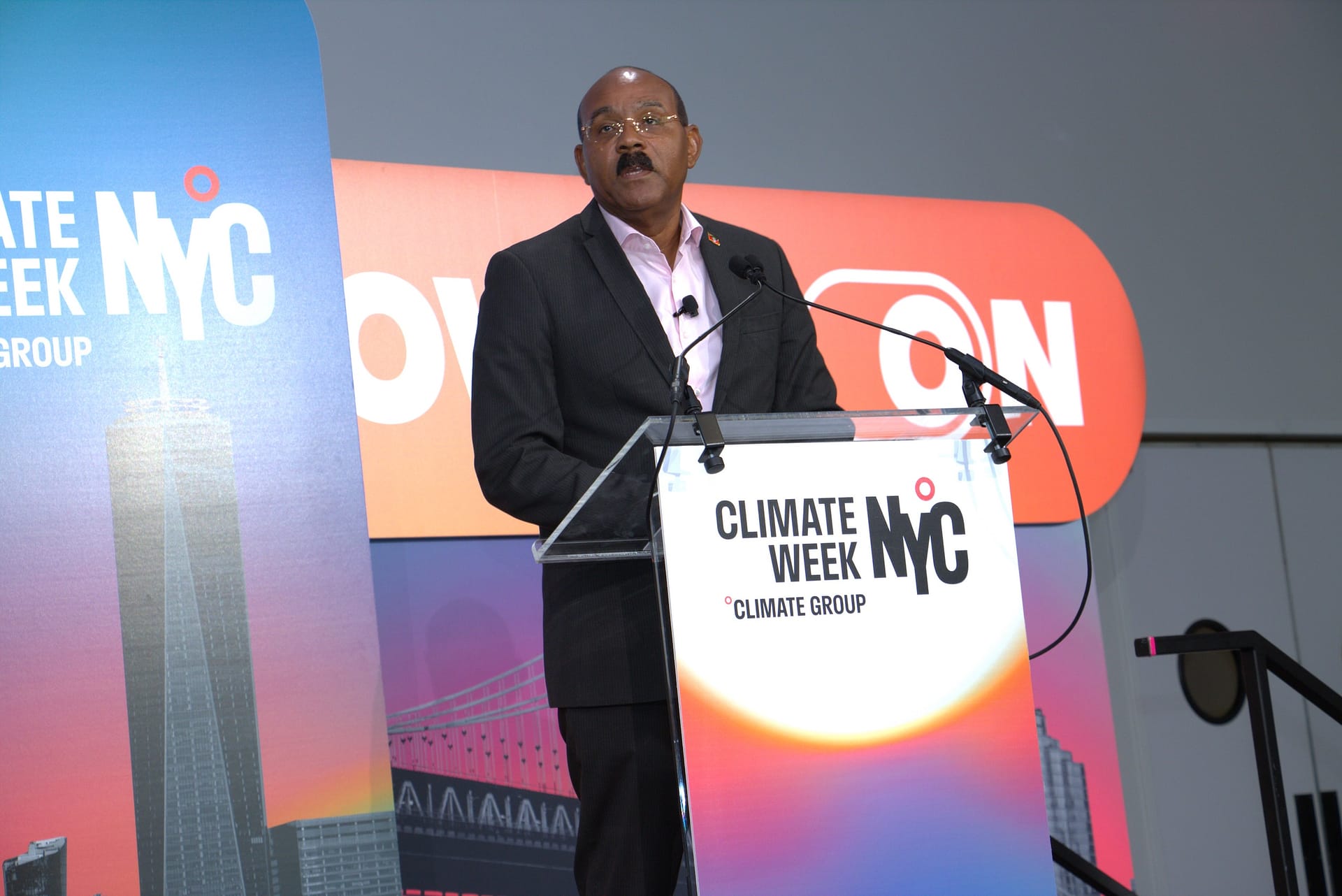
    In a groundbreaking fiscal strategy, Antigua and Barbuda’s Prime Minister Gaston Browne has announced plans to leverage climate financing as a multifaceted solution to both developmental and economic challenges. During his 2026 Budget Presentation, Browne revealed that emerging climate funds would be strategically deployed not only for critical resilience projects but also to clear substantial arrears accumulated during the COVID-19 pandemic’s economic downturn.

    The Prime Minister characterized climate finance as an ‘innovative fiscal tool’ that would accelerate national development while stabilizing public finances that have faced severe strain over the past five years. The government’s approach involves channeling these international resources into multiple priority areas including climate-resilient housing infrastructure, renewable energy transition, climate-smart public facilities, and enhanced environmental protection systems.

    Browne emphasized that his administration is positioning the twin-island nation as a leading voice among small island developing states (SIDS) advocating for equitable access to climate funding. This leadership role includes ongoing negotiations with international partners, multilateral financial institutions, and specialized climate facilities to secure new financing arrangements that prioritize adaptation requirements specific to vulnerable island nations.

    The strategic integration of climate-related resources is expected to complement domestic revenue measures and current debt consolidation efforts. This comprehensive approach aims to restore fiscal stability while simultaneously strengthening community resilience against climate impacts. The 2026 Budget reflects this dual priority with increased allocations for climate mitigation programs, advanced disaster preparedness systems, and localized adaptation initiatives designed to protect vulnerable populations.

    Parliamentary discussions on the budget are scheduled to continue in the coming week, where further details of this innovative climate finance implementation plan are expected to be elaborated.

  • More Weapons and Modern Security Equipment Coming for the police in 2026

    More Weapons and Modern Security Equipment Coming for the police in 2026

    Prime Minister Gaston Browne has announced a comprehensive security enhancement initiative for Antigua and Barbuda’s law enforcement agencies, set for implementation in 2026. The revelation came during Thursday’s parliamentary budget presentation, where Browne detailed plans to substantially upgrade both the tactical capabilities and technological infrastructure of the nation’s security forces.

    The centerpiece of this security overhaul includes the procurement of advanced weaponry, substantial ammunition reserves, and state-of-the-art security equipment specifically designed for both crime prevention and detection operations. Browne emphasized to Parliament that these enhancements are critically necessary to match the evolving sophistication of criminal networks operating within and around the nation’s borders.

    Beyond conventional arms, the government will invest in specialized crime-fighting technology featuring targeted surveillance systems intended to revolutionize intelligence gathering and operational response capabilities. This technological component represents a significant leap forward in the country’s digital security infrastructure.

    The security package extends to maritime defense assets, upgraded radar systems, and modernized communications networks. Financially, the government has committed over $4 million toward training new police recruits and providing contemporary equipment for serving officers.

    Prime Minister Browne framed these investments as essential for strengthening border security, intercepting illegal trafficking operations, and enhancing the effectiveness of frontline policing. Additional specifics regarding budget allocations and implementation timelines are anticipated during the continued budget debate proceedings scheduled for next week.

  • Process in development Santiago Hazim, former director of Senasa, is arrested

    Process in development Santiago Hazim, former director of Senasa, is arrested

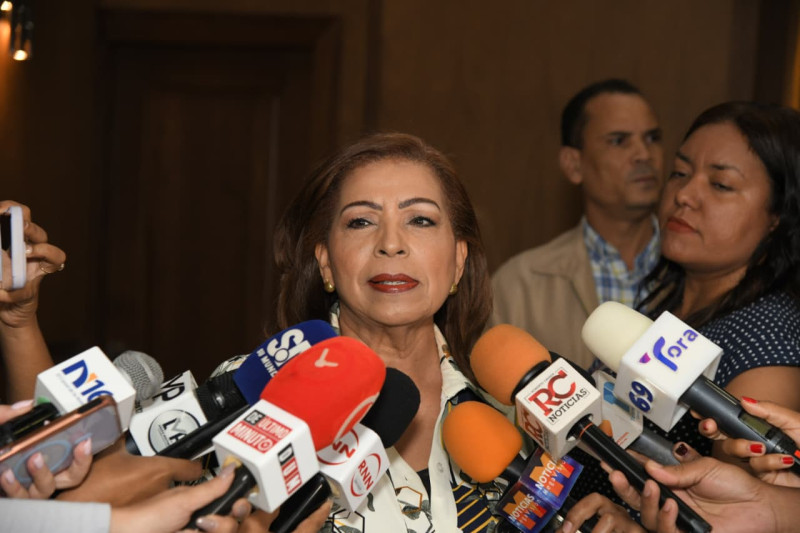
    In a significant development within the Dominican Republic’s ongoing corruption investigation, former National Health Insurance (Senasa) director Santiago Hazín was taken into custody on Saturday evening. His legal counsel, Attorney Miguel Valerio, confirmed the arrest and indicated that judicial authorities will determine coercive measures within the next 48-hour period.

    Valerio stated that the defense team maintains a reserved position pending formal presentation of the prosecution’s coercion request. “We await the coercive measure filing within the established 48-hour window, at which juncture we shall articulate our definitive stance,” the attorney declared.

    The legal representative emphasized his client’s cooperative posture throughout the investigative process, noting that Hazín underwent extensive questioning for approximately five hours prior to his detention. Valerio reiterated that the former official has consistently demonstrated willingness to collaborate with judicial authorities, asserting, “My client has perpetually remained at the disposal of the justice system.”

    This arrest occurs within the broader context of the Senasa scandal that has captivated national attention. Multiple sectors have raised alarms regarding administrative deficiencies, delayed payments, and controversial operational determinations that precipitated widespread concern across the healthcare ecosystem. Political representatives, medical associations, and civil society organizations have collectively highlighted deteriorating management practices, prompting opposition forces to demand comprehensive audits and allege potential irregularities.

    Despite governmental assurances regarding institutional stability, grievances concerning service interruptions and payment delays intensified public discourse, ultimately compelling official action. The unfolding situation triggered initiated audits, managerial restructuring, and a formal prosecutorial investigation into contractual arrangements between Senasa and various state-affiliated entities.

    While implicated corporations have defended their operational legality, and former officials have sought to justify their decisions, allegations of fund misappropriation and supervisory body interventions have transformed this case into one of the most closely monitored proceedings in the public sector. The Attorney General’s Office has indicated additional investigative actions are anticipated as the probe continues to evolve.

  • Oproep voor eigen cruiseterminal klinkt luider

    Oproep voor eigen cruiseterminal klinkt luider

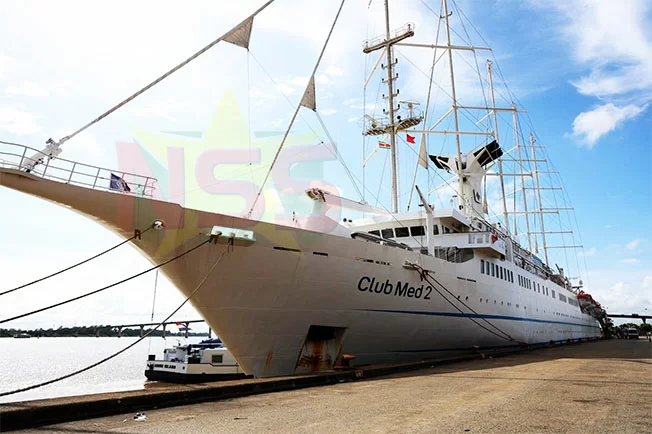
    The prestigious French cruise vessel Club Med 2 made its second port of call in Suriname on Friday, marking another significant moment for the South American nation’s emerging tourism sector. This five-masted sailing ship, stretching over 200 meters with eight decks and capacity for 380 passengers, represents the growing interest in Suriname as a cruise destination.

    The ship’s advanced computer-controlled sailing system showcases modern maritime technology while maintaining traditional elegance. During its brief stay, passengers initially visited the Harbor Management area where the Suriname Hospitality and Tourism Association (SHATA) had established temporary facilities offering local snacks, beverages, and souvenirs. Most visitors subsequently proceeded to explore Paramaribo’s city center.

    However, the visit encountered operational challenges. An approximately one-hour delay occurred due to incomplete documentation for passenger transportation, forcing itinerary adjustments. Attempts to compensate with an onboard cultural performance were declined by cruise officials. Tourism operator Dinesh Ramlal, Director of Travel The Guianas, expressed satisfaction with the growing cruise traffic but emphasized urgent infrastructure needs.

    Ramlal reiterated calls for dedicated cruise terminal facilities, preferably at the Waterkant near the SMS pier, citing current restrictions within the commercial port environment. ‘We are constrained by this port with all its regulations, preventing us from performing optimally,’ Ramlal stated. ‘The arrival of these ships will only increase. We need facilities with independent processing capabilities and distinct identity.’

    The SMS pier location is considered ideal due to its proximity to Paramaribo’s UNESCO World Heritage sites. Ramlal emphasized the necessity for improved cooperation between government, private sector, and tourism industries to enhance visitor experiences. Another cruise ship is expected to arrive by month’s end, further highlighting the urgency for infrastructure development.

  • Wereldwijde steun voor Venezolaanse oppositieleider Machado

    Wereldwijde steun voor Venezolaanse oppositieleider Machado

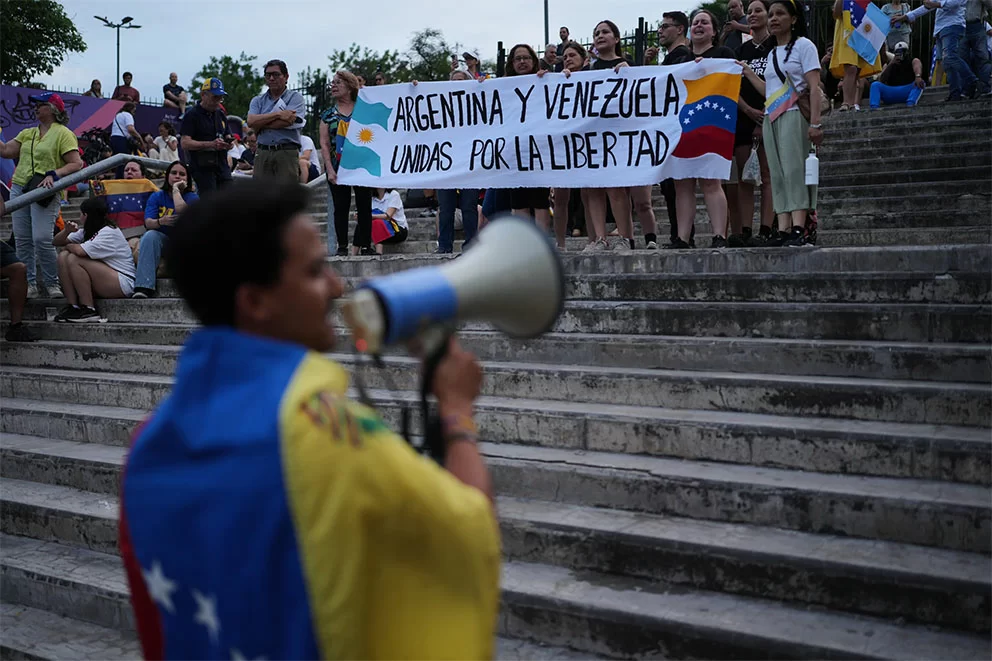
    In a remarkable display of international solidarity, supporters of Venezuelan opposition leader María Corina Machado staged coordinated demonstrations across global cities on Saturday, anticipating next week’s Nobel Peace Prize ceremony where she will be honored. Thousands of activists marched through urban centers including Madrid, Utrecht, Buenos Aires, and Lima, leveraging the prestigious award’s platform to amplify Venezuela’s democratic aspirations under Nicolás Maduro’s regime.

    In Lima, protesters clutching portraits of Machado and draped in Venezuela’s national colors demanded a ‘Free Venezuela,’ brandishing signs proclaiming ‘The Nobel Prize Belongs to Venezuela.’ Verónica Durán, a Venezuelan exile residing in Peru for eight years, emphasized that the recognition ‘represents all Venezuelans—the fallen and political prisoners in their struggle to restore democracy.’

    Colombian gatherings featured white-clad participants holding balloons during religious ceremonies praying for the prize to become ‘a symbol of hope.’ Buenos Aires witnessed approximately 500 demonstrators conducting an improvised torchlight vigil using mobile phones at Argentina’s largest university law faculty.

    The global mobilization occurs amid escalating tensions as the Trump administration reinforces military presence in the Caribbean, threatening Venezuelan territory. Maduro perceives these maneuvers as attempts to destabilize his government, while opposition factions rejuvenate promises to soon govern the nation.

    Machado, awarded the prize on October 10 for sustaining democratic hopes ‘amid deepening darkness,’ remains in hiding since her brief detention during a Caracas protest on January 9. Her disqualification from last year’s presidential election led to substitute candidate Edmundo González—now seeking asylum in Spain following an arrest warrant—challenging Maduro’s controversial third-term inauguration despite documented electoral irregularities and widespread human rights violations during the July 2024 elections.

  • Immigration announces eased entry for tourists from several countries, only with a valid passport.

    Immigration announces eased entry for tourists from several countries, only with a valid passport.

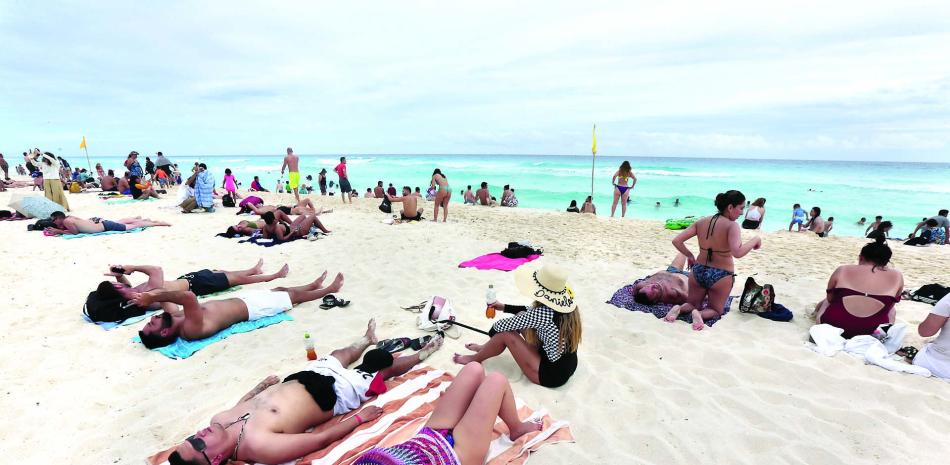
    In a significant move to enhance tourism accessibility, the Dominican Republic’s General Directorate of Migration (DGM) has officially extended a landmark immigration facilitation measure. Effective from December 1, 2025, through December 31, 2026, tourists from a specified list of nations will be permitted entry without meeting the conventional six-month passport validity requirement.

    The policy applies to citizens of Argentina, Brazil, Canada, Chile, Colombia, Ecuador, the United States, the United Kingdom, and all European Union member states. The only stipulation is that travelers must possess a passport that remains valid for the entire duration of their stay and until their departure from Dominican territory. This directive, formalized through a memorandum continuing Resolution No. DGM-01-2024, also extends to foreigners from other countries who hold valid documentation for entry into the aforementioned nations.

    In an official communiqué, the DGM framed this one-year extension as a reaffirmation of the national government’s commitment to stimulating international tourism and modernizing border control procedures. The initiative is strategically designed to dismantle administrative barriers and guarantee a more fluid and welcoming arrival experience for visitors originating from the country’s most critical tourism markets. This policy shift underscores a global trend where destination countries are streamlining entry protocols to remain competitive in the post-pandemic travel landscape.

  • Government blocks entry of pork from Spain due to swine fever; restriction includes processed products

    Government blocks entry of pork from Spain due to swine fever; restriction includes processed products

    SANTO DOMINGO, Dominican Republic – The Dominican government has enacted an urgent prohibition on all imports of pork and related commodities from Spain in response to a confirmed African Swine Fever (ASF) outbreak within the European nation. The decisive action was formally declared on Thursday by Abel Madera, Director of the General Directorate of Livestock (DIGEGA).

    The preventative suspension was triggered by an official notification from the World Organization for Animal Health (OIE), which verified the detection of the highly contagious viral disease in wild boar populations located in Spain’s Catalonia region on November 28. Although the Dominican Republic is not a primary market for Spanish fresh pork, authorities emphasized that the move is a critical safeguard to insulate the Caribbean nation’s domestic swine industry and territory from potential contamination.

    Director Madera clarified that the comprehensive ban extends beyond fresh and frozen meat to encompass a wide range of products. This includes sausages, all other processed pork items, by-products, and genetic material. The restrictions will remain enforced until international and Spanish veterinary authorities can successfully contain the outbreak and provide certification that the threat has been entirely mitigated.

    Madera further noted that the majority of the Dominican Republic’s imported pork supply is sourced from the United States, not Spain. To bolster this defensive measure, the nation is maintaining its stringent inspection protocols at all ports and airports, with heightened vigilance on agricultural shipments deemed high-risk. Technical teams from DIGEGA have been placed on high alert to intensify epidemiological surveillance efforts across local farms and production zones.

  • Situatie SLM in feite erger dan patiënt in ‘intensive care’

    Situatie SLM in feite erger dan patiënt in ‘intensive care’

    Suriname Airways (SLM) is facing a financial crisis far more severe than previously disclosed, with its chairman Marlon Telting describing the national carrier as “society in intensive care requiring 24-hour monitoring.” In an exclusive interview with Starnieuws, Telting revealed that the airline’s actual debt position dramatically exceeds the publicly circulated figure of approximately $80 million, though the precise amount remains undetermined.

    The newly appointed Board of Commissioners, installed in September, faces the daunting task of unraveling the company’s true financial status. Telting emphasized the alarming revelation that SLM’s most recent annual report dates back to 2016, indicating years of financial opacity. The board has commissioned a preliminary assessment to establish the current financial and operational standing, with interim findings suggesting urgent restructuring needs and matters requiring immediate attention.

    Telting disputed the accuracy of previously presented financial figures, noting significant discrepancies with the company’s actual accounting records. While a recovery framework document exists, the chairman clarified it lacks essential components to initiate a genuine turnaround strategy. The board must first establish a complete picture of SLM’s situation before developing a realistic recovery plan.

    Regarding leadership changes, Telting defended the appointment of new CEO Johan Sadie as a statutory nomination rather than a political appointment. Sadie, a seasoned SLM insider with previous temporary director experience and roles in commercial operations, received enthusiastic applause from staff upon his introduction. Former interim director Steven Gonesh, who had expressed disinterest in the permanent CEO role since October last year, returns to his previous position as deputy director of Operational Affairs and Accountable Manager. Several other directorial vacancies will be filled through open recruitment processes.

  • Push for reform of the law on the protection of minors

    Push for reform of the law on the protection of minors

    SANTO DOMINGO – The Dominican Republic has initiated a major legislative overhaul of its child protection framework, targeting Law 136-03 which established the National Council for Children and Adolescents (CONANI) over two decades ago. CONANI President Ligia Pérez announced the comprehensive reform during the International Forum for the Protection of Children, highlighting the urgent need to modernize legislation in response to evolving societal challenges.

    The reform initiative operates through a three-phase process currently concluding its initial diagnostic stage. A high-level commission led by First Lady Raquel Arbaje and Minister of the Presidency José Ignacio Paliza is steering this collaborative effort involving government agencies, civil society organizations, and international experts. Chilean children’s rights attorney Esther Valenzuela contributed specialized expertise through a keynote address at the international forum.

    Pérez emphasized CONANI’s multidisciplinary approach to child protection, describing coordinated operations with the Attorney General’s Office, Ministry of Labor, Interior and Police, and Tourist Police. These joint efforts focus on rescuing children from street situations, hazardous labor conditions, and exploitation scenarios. The organization implements rigorous follow-up procedures with families to address underlying factors contributing to children’s vulnerability.

    Regarding institutional jurisdiction, Pérez clarified that CONANI doesn’t oversee correctional facilities, redirecting inquiries about juvenile detention conditions to the Attorney General’s Office. The organization’s primary mission centers on family welfare preservation through environmental monitoring and ensuring living spaces meet safety standards for children’s development.

    The ongoing legislative revision represents the most significant update to the country’s child protection system since its establishment 22 years ago, aiming to create more responsive mechanisms for contemporary protection challenges.

  • Climate Passing showers and pleasant temperatures in several provinces

    Climate Passing showers and pleasant temperatures in several provinces

    Meteorological conditions across the Dominican Republic indicate a week commencing with varied weather patterns, according to the latest forecast from the Dominican Institute of Meteorology (Indomet). A weak atmospheric trough is currently influencing weather systems, generating intermittent light to moderate rainfall across multiple provinces including Samaná, María Trinidad Sánchez, Sánchez Ramírez, Monseñor Nouel, Santo Domingo, La Altagracia, El Seibo, and Barahona. Precipitation events are anticipated to intensify during afternoon hours throughout these regions.

    Meanwhile, the remainder of the country can expect predominantly sunny conditions with isolated cloud formations. Temperature readings remain seasonally appropriate, with minimums ranging between 21°C and 23°C and maximums between 30°C and 32°C, creating particularly pleasant conditions during nighttime and early morning hours. These conditions will be most pronounced in mountainous zones and valleys of the Cibao region, especially throughout Santiago, La Vega, and Monseñor Nouel, where periods of fog or mist are forecast for tomorrow.

    The Greater Santo Domingo area, encompassing the National District along with North, East, and West sectors, will experience similar meteorological patterns—sunny skies with intermittent cloud cover and occasional passing showers.

    Weather systems are expected to shift noticeably by Monday with the arrival of a drier air mass combining with an anticyclonic system. This combination will produce predominantly clear skies with minimal rainfall across nearly all territories. However, isolated showers may develop in Monseñor Nouel, Monte Plata, Hato Mayor, and El Seibo provinces during afternoon hours due to orographic effects and specific wind patterns, particularly in elevated terrain.

    Tuesday’s forecast maintains consistency with existing conditions as the dry air mass and high-pressure system (anticyclonic circulation) continue to dominate, resulting in partially cloudy skies nationwide without significant meteorological variations.