作者: admin

  • Saint Lucian athletes level up

    Saint Lucian athletes level up

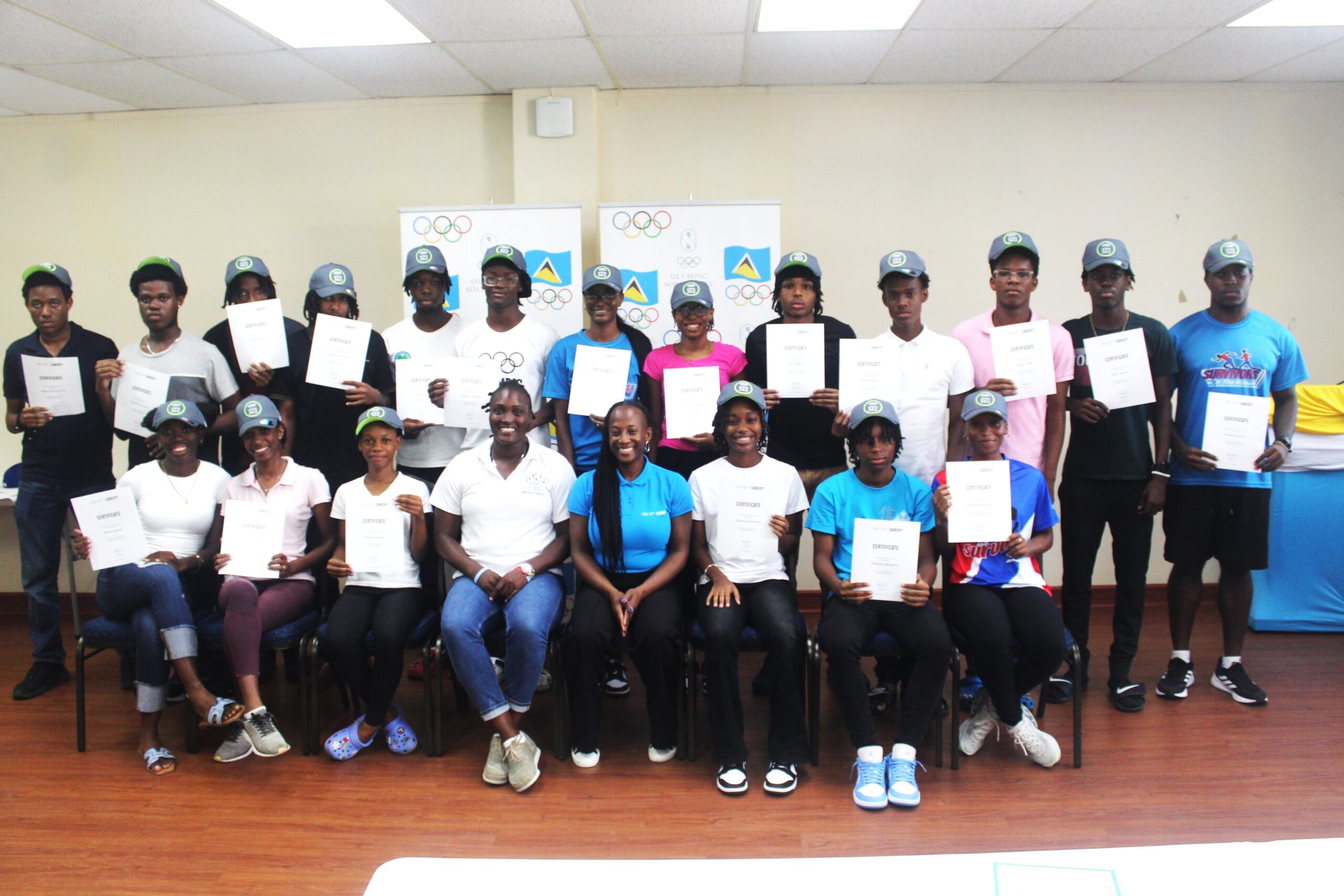
    In a groundbreaking initiative for Caribbean sports development, twenty-three emerging athletes from Saint Lucia recently completed an intensive career transformation workshop conducted by the Saint Lucia Athletes Commission (SLAC). The program, strategically titled “Power Up Your Future,” was expertly facilitated by Hazel Ann Regis-Buckels, a distinguished two-time Olympian from Grenada and current chair of the Grenada Athletes Commission.

    The comprehensive two-day curriculum, held at Olympic House in La Clery during late November, represented SLAC’s final programming effort for 2025. Day one immersed participants in profound self-discovery exercises across four transformative sessions: Strengths and Values, Interests and Skills, Passion and Impact, and Purpose and Planning. This introspective approach enabled athletes to identify their unique capabilities beyond athletic performance.

    Day two shifted to practical application with an intensive module on “Writing a Winning CV/Résumé.” Regis-Buckels guided athletes through crafting compelling professional documents that effectively showcase their transferable skills, character attributes, competitive experience, and achievement history. She emphasized that “a résumé serves as a persuasive marketing tool to position athletes for success outside competitive sports.”

    The workshop facilitator brought exceptional credibility to the program as both a decorated athlete and certified educator. Regis-Buckels had previously captured gold for Grenada at the 2000 CARIFTA Games and Central American Caribbean Under-20 Championships in the 400m event. She now serves as an official educator with the International Olympic Committee’s Athlete 365 Career+ Programme.

    Reflecting on the workshop’s philosophical foundation, Regis-Buckels explained: “We focused initially on self-discovery because athletes typically concentrate intensely on performance and competition without pausing to contemplate what follows. This workshop helped participants identify their superpowers—understanding their strengths, values, motivators, and transferable skills.”

    She highlighted the critical importance of early preparation: “Recognizing these inner strengths now ensures that when athletes transition—whether through retirement or advancement—they can leverage these skills to secure ideal opportunities. Most crucially, they must understand their personal values and identify organizations that align with those principles.”

    Makeba Alcide, SLAC Chair and former elite track athlete turned sports administrator, declared the workshop an essential initiative for Saint Lucia’s athletic community. “This was a program that urgently needed implementation,” Alcide stated. “Hazel proved an exceptional facilitator, and participant engagement exceeded expectations. Attracting over twenty athletes carried significant meaning for our development goals.”

    Alcide emphasized the program’s broader vision: “Not every athlete sustains long-term sports careers, making alternative pathways imperative. We discovered participants with talents in artistry and entrepreneurship—all at remarkably young ages. Honing these abilities helps them develop personal brands beyond athletics. Personally, I’m committed to providing opportunities I never received during my competitive career.”

    Despite demanding schedules—six hours on day one and four on day two—athletes maintained remarkable engagement throughout. Initial hesitations transformed into profound appreciation for self-understanding and future planning. This workshop marked Regis-Buckels’ second regional facilitation following Grenada, with Trinidad scheduled for December implementation.

    The success underscores the growing collaboration between Athletes Commission Chairs, National Federations, and athletes themselves to maximize newly available resources. Alcide confirmed that Career+ workshops will continue through 2026 alongside athlete development initiatives, coach training programs, and national forums, ensuring sustainable support for Caribbean athletic career transitions.

  • Chinese Army denounces Japanese interference in military drills

    Chinese Army denounces Japanese interference in military drills

    The Chinese military has issued a formal condemnation of Japan’s actions during recent naval exercises in the Western Pacific. Navy spokesperson Colonel Wang Xuemeng revealed that Japanese aircraft repeatedly intruded into designated training airspace despite prior notification of the drills.

    Colonel Wang emphasized that all operations conducted by the Liaoning aircraft carrier strike group were fully compliant with international maritime laws and regulations. The spokesperson characterized Japan’s aerial intrusions as creating significant safety hazards that disrupted normal training operations and compromised flight safety for Chinese naval forces.

    In strong diplomatic language, the Chinese military representative dismissed Japanese accusations as fundamentally disconnected from factual reality. The spokesperson explicitly demanded that Tokyo immediately cease what China characterizes as baseless slander and provocative actions in international airspace.

    The naval official concluded with a firm warning that China reserves the right to take all necessary legal measures to protect its national security and defend its legitimate rights in accordance with international law. This statement represents the latest escalation in ongoing tensions between the two Pacific powers regarding military activities in strategically important waterways.

  • US Peace Plan for Ukraine needs radical changes

    US Peace Plan for Ukraine needs radical changes

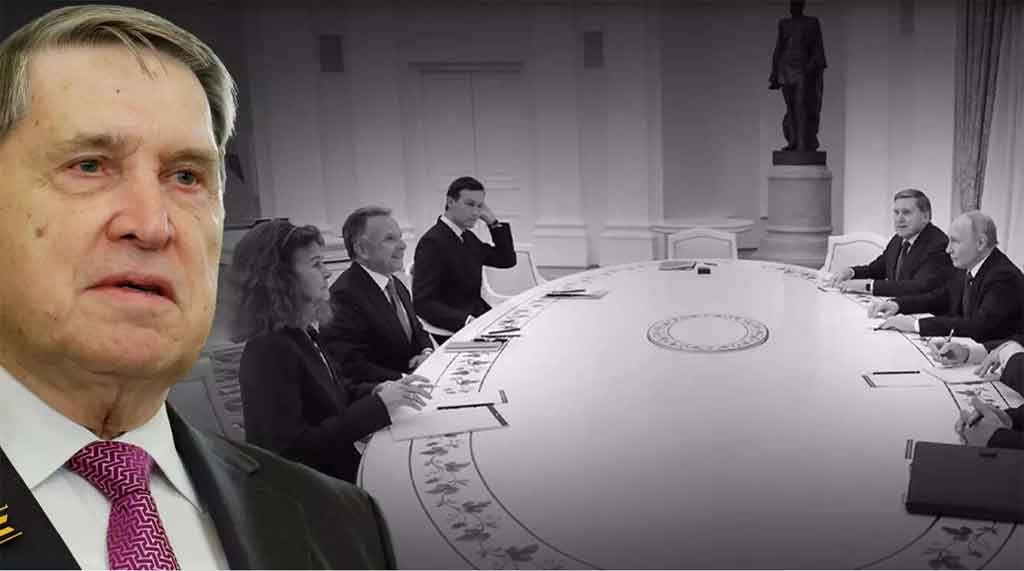
    Russian Presidential Advisor Yuri Ushakov has indicated that ongoing diplomatic discussions with the United States require substantial revisions to American proposals, describing the necessary changes as “radical” in nature. In an interview with Rossiya 1 television journalist Pavel Zarubin, Ushakov revealed that American documents presented during negotiations “are constantly changing and being prepared,” suggesting a fluid negotiation process.

    The high-ranking Kremlin official reported improved bilateral understanding following the recent Moscow visit of US Special Envoy Steve Witkoff. “Undoubtedly, now the Americans better understand the logic of our position,” Ushakov asserted, indicating a potential shift in diplomatic alignment between the two nations.

    Regarding the possibility of a summit between Russian President Vladimir Putin and US President Donald Trump, Ushakov clarified that this specific topic remained outside recent discussion parameters. “That specific topic wasn’t even discussed,” the presidential advisor noted, dampening speculation about an imminent leadership meeting.

    The diplomatic exchanges occurred during a December 2 meeting at the Kremlin where President Putin received both Special Envoy Witkoff and Jared Kushner, Trump’s son-in-law and founder of Affinity Partners. These discussions centered on the White House’s peace proposal for Ukraine, which reportedly divides 27 negotiation points into four distinct packages for separate consideration.

    Ushakov characterized the Kremlin talks as “very substantive” and confirmed that contacts between Russia and the United States would continue. Notably, the advisor highlighted that Russia’s military achievements in conflict zones have positively influenced both the progression and character of the negotiations, suggesting battlefield developments directly impact diplomatic leverage.

  • Salvadorans express solidarity with Cuba

    Salvadorans express solidarity with Cuba

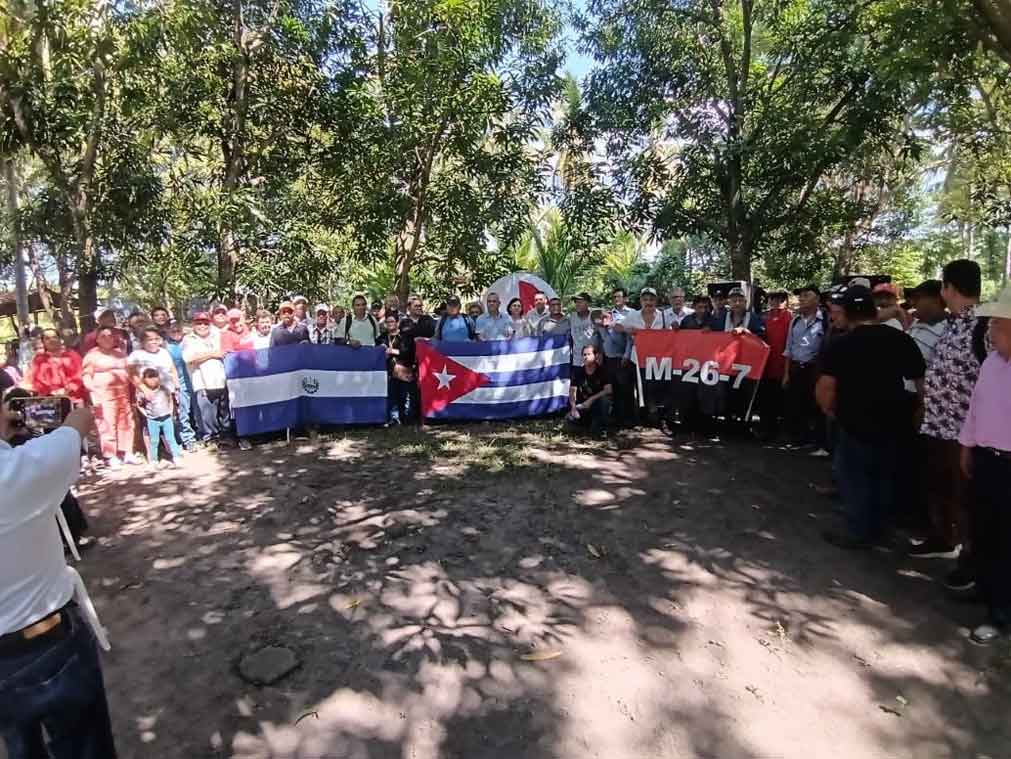
    In a powerful demonstration of international solidarity, the July 26 Friends Group convened its sixth national gathering in Usulután, El Salvador, drawing nearly 200 participants from across the Central American nation. The organization, which maintains a special facility in Cuban territory dedicated to supporting war veterans and disabled former combatants, organized what activist Raúl Martínez characterized as a profound ‘friendship and brotherhood’ assembly.

    The meeting served as a platform to express unwavering support for both the Cuban people and their government amidst ongoing economic challenges. Participants unanimously condemned the longstanding United States economic embargo against Cuba, identifying its termination as a primary objective of their collective advocacy efforts.

    In a tangible display of their commitment, attendees organized a fundraising initiative specifically designed to alleviate some of the hardships faced by Cuban citizens resulting from the comprehensive trade restrictions. This financial campaign represents the latest in a series of efforts by Salvadoran social organizations to provide material assistance to the Caribbean nation.

    The July 26 Friends Group takes its name from the date of Fidel Castro’s 1953 attack on the Moncada Barracks, a seminal event in the Cuban Revolution. The organization has maintained consistent ties with Cuban institutions for decades, particularly through its specialized care facility for military veterans on the island.

  • Woman Guilty of Meat-Cleaver Attack on Retired Teacher

    Woman Guilty of Meat-Cleaver Attack on Retired Teacher

    A woman has been convicted of wounding with intent following a violent late-night assault on a retired teacher using a meat cleaver. Veyella Peters, in her early 30s, was found guilty in a judge-only trial for the November 28, 2023 attack that left the victim with severe injuries.

    The court proceedings revealed that the two individuals initially met on a bus and subsequently developed an intimate relationship, leading Peters to move into the man’s residence. The situation deteriorated when the victim secured employment at a Christian school and informed Peters she would need to vacate the premises. When she failed to leave voluntarily, he resorted to removing the door to her room.

    According to testimony, the victim awoke to find Peters on top of him before realizing he was bleeding profusely from deep lacerations to his neck and face. Medical evidence presented in court indicated the wounds measured approximately 3cm deep, requiring what a physician described as “severe force” to inflict. During the subsequent struggle, the victim sustained additional injuries while Peters allegedly prevented him from seeking medical attention and falsely claimed to have contacted emergency services.

    Peters provided a contradictory narrative, asserting that the man had previously been her schoolteacher and had behaved inappropriately. She claimed self-defense, stating she had returned home to discover her bedroom door forced open. However, the presiding judge found the victim’s account credible while noting significant inconsistencies in Peters’ testimony, ultimately rejecting her self-defense argument.

    The convicted assailant is scheduled for sentencing on January 30, 2025, where the court will determine appropriate consequences for the grievous assault.

  • Barbados’ diplomat remembers Cuba-CARICOM anniversary

    Barbados’ diplomat remembers Cuba-CARICOM anniversary

    CARICOM member states are preparing to mark a significant anniversary this December 8, celebrating what diplomatic officials characterize as one of the most courageous foreign policy decisions in Caribbean history. The commemoration honors the landmark 1972 joint declaration that defied hemispheric isolation policies against Cuba.

    Ambassador David Comissiong, in a recent social media statement, emphasized that the upcoming observance revitalizes the spirit of the historic October 1972 proclamation. During that pivotal Conference of Heads of Government in Chaguaramas, the prime ministers of four newly independent Caribbean nations—Barbados’ Errol Barrow, Jamaica’s Michael Manley, Trinidad and Tobago’s Eric Williams, and Guyana’s Forbes Burnham—collectively announced their sovereign decision to establish diplomatic relations with Cuba.

    This bold move, described by historians as ‘speaking truth to power,’ represented a direct challenge to the Organization of American States (OAS)-led isolation regime imposed on Cuba. The four youngest independent states in the Western Hemisphere demonstrated remarkable diplomatic autonomy by rejecting external pressures and asserting their right to independent foreign policy.

    The 1972 declaration explicitly affirmed the nations’ ‘sovereign right to establish relations with any other sovereign state’ and articulated their determination to ‘achieve meaningful and comprehensive economic cooperation among all Caribbean countries.’ This principle of regional cooperation and non-alignment continues to inform CARICOM’s foreign policy approach today.

    Ambassador Comissiong recalled Prime Minister Barrow’s seminal 1973 speech in Toronto, where the Barbadian leader declared that the decision ‘demonstrates that developing nations can take initiative. We cannot stand idly by in the Caribbean and expect our strategy to be dictated by the prejudices of people in other countries.’ This statement encapsulated the assertion of Caribbean agency in international relations that continues to resonate through regional diplomacy.

  • Cuba reiterates policy of confronting drug trafficking

    Cuba reiterates policy of confronting drug trafficking

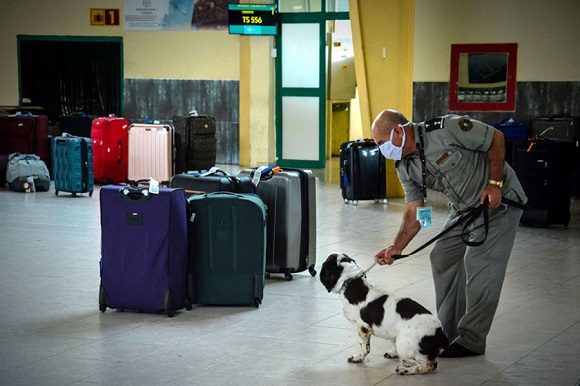
    Cuban Foreign Minister Bruno Rodriguez has publicly reaffirmed his nation’s vigorous and systematic campaign against narcotics trafficking, while simultaneously leveling criticism at the United States for allegedly undermining bilateral cooperation. Through a statement on the social media platform X, Rodriguez detailed Cuba’s comprehensive governmental strategy designed to combat drug-related crimes through multi-faceted approaches. The minister highlighted that Cuba has entered into numerous intergovernmental agreements, demonstrating a steadfast commitment to fulfilling both these bilateral pacts and its obligations under international multilateral frameworks. Rodriguez specifically noted that such cooperative instruments include partnerships with various regional nations, explicitly mentioning the United States. However, he expressed profound regret, accusing the US—which he identified as the primary source of drugs reaching Cuban shores—of making a deliberate decision to halt and obstruct this crucial collaboration and the associated bilateral exchanges on narcotics control. This declaration underscores a significant diplomatic friction point between the two nations concerning a shared regional security challenge.

  • PM explains what motivated him to make CXC exam fees free for all students

    PM explains what motivated him to make CXC exam fees free for all students

    In a landmark decision aimed at dismantling financial barriers to education, the Prime Minister has officially declared the complete elimination of examination fees for all students undertaking Caribbean Examinations Council (CXC) tests. The policy, announced during a national address, is framed as a transformative investment in human capital and regional competitiveness.

    The Prime Minister articulated that the primary impetus behind the sweeping initiative was direct, poignant feedback from constituents across the nation. He recounted numerous interactions with families who described the substantial financial strain of CXC fees, which often forced difficult choices between educational advancement and basic household necessities. This collective hardship, he stated, highlighted a pervasive inequity where a student’s academic potential was being stifled by economic circumstance rather than intellectual capability.

    Beyond immediate financial relief, the government’s strategy is underpinned by a broader vision for long-term national development. The move is calculated to boost overall student participation and performance in these critical standardized assessments, which serve as fundamental gateways to higher education and skilled employment opportunities throughout the Caribbean community. By ensuring every student can sit for exams without fiscal fear, the administration aims to cultivate a more highly educated workforce, thereby stimulating economic growth and fostering greater social mobility.

    The policy has been met with widespread acclaim from educators, parents, and student advocacy groups, who have long campaigned for such a measure. It represents one of the most significant educational reforms in recent years, fundamentally altering the accessibility of secondary education certification for an entire generation.

  • LETTER TO THE EDITOR: A cat in a tree and a lesson in public service – My experience with the Dominica Fire and Ambulance Service Station

    LETTER TO THE EDITOR: A cat in a tree and a lesson in public service – My experience with the Dominica Fire and Ambulance Service Station

    In an inspiring demonstration of compassion transcending conventional emergency protocols, the Dominica Fire and Ambulance Service executed an unconventional rescue mission in Morne Bruce on December 6th, 2025. The incident began when local resident Yaritza Barbosa discovered a distressed feline trapped precariously high in a tree overlooking a steep cliff adjacent to a main roadway.

    Despite initial attempts using personal equipment, the unstable terrain and deteriorating weather conditions rendered independent rescue impossible. The situation grew increasingly dire as rainfall intensified and daylight faded. Facing limited options, Barbosa’s son contacted local fire services—a decision made with hesitation given widespread assumptions about emergency priorities.

    Contrary to expectations, the Roseau-based fire station dispatched a comprehensive response team within hours. A fire truck and support vehicle arrived carrying eight uniformed officers equipped with specialized gear including safety equipment and an innovative guiding apparatus. Their professional approach immediately alleviated any concerns about the legitimacy of the animal rescue request.

    The rescue operation unfolded with remarkable coordination as officers established a secure perimeter while encouraging the frightened animal. In a dramatic descent, the cat navigated branches downward toward safety as firefighters provided vocal support and strategic guidance. The successful conclusion saw the unharmed feline returned to ground level without injury to personnel or animal.

    Sub Station Officer Andre, who led the operation, articulated the service’s philosophy: all emergencies warrant professional response regardless of scale or species. This perspective highlights the evolving nature of public service that values compassionate intervention alongside traditional emergency response capabilities.

    The episode serves as a powerful reminder that true community protection encompasses both human and animal welfare, challenging preconceived notions about emergency service priorities in modern society.

  • Turnout, results, rejected ballots: How Saint Lucians voted

    Turnout, results, rejected ballots: How Saint Lucians voted

    The Saint Lucia Labour Party (SLP) has achieved a commanding victory in the December 1 general election, capturing 14 of the 17 parliamentary seats according to preliminary results released by the Electoral Department. The United Workers Party (UWP) managed to secure just one seat, while two independent candidates successfully retained their positions.

    Voter participation data reveals that 89,448 registered electors exercised their democratic rights out of a total electorate of 184,654. However, election officials have expressed serious concern over a significant increase in rejected ballots, which climbed to 1,980 compared to 1,694 during the previous electoral process.

    Herman St. Helen, head of the Electoral Department, characterized the situation as particularly troubling during a press briefing. “This is too many, way too many,” St. Helen stated, referencing the rejected ballots. He suggested that reverting to voting stamps instead of current marking methods could substantially reduce the number of invalidated votes in future elections.

    Constituency-level analysis demonstrates several notable electoral outcomes. In Gros Islet, the nation’s largest voting district, SLP incumbent Kenson Casimir secured a decisive victory with 8,175 votes against challenger Marcella Johnson’s 3,861 votes. This constituency also recorded the highest number of rejected ballots at 314.

    The Castries North constituency witnessed independent incumbent Stephenson King successfully defend his seat with 3,485 votes (66%) against four challengers. Meanwhile, SLP leader Philip J. Pierre achieved a landslide victory in Castries East, capturing 77.8% of the vote.

    Micoud South emerged as the sole constituency where UWP leader Allen Chastanet maintained his party’s presence in parliament, defeating SLP candidate Shanda Harracksingh by 673 votes. The closest contest occurred in Dennery South, where SLP incumbent Alfred Prospere retained his seat by a narrow margin of just 59 votes following a recount.

    Electoral participation varied significantly across constituencies, with turnout rates ranging from 40% in Castries Central to 56% in Dennery South. The overall election results signal a substantial political realignment in Saint Lucia’s parliamentary landscape.