作者: admin

  • Could Soursop and Dragon Fruit Be Belize’s Next Major Fruit Crops?

    Could Soursop and Dragon Fruit Be Belize’s Next Major Fruit Crops?

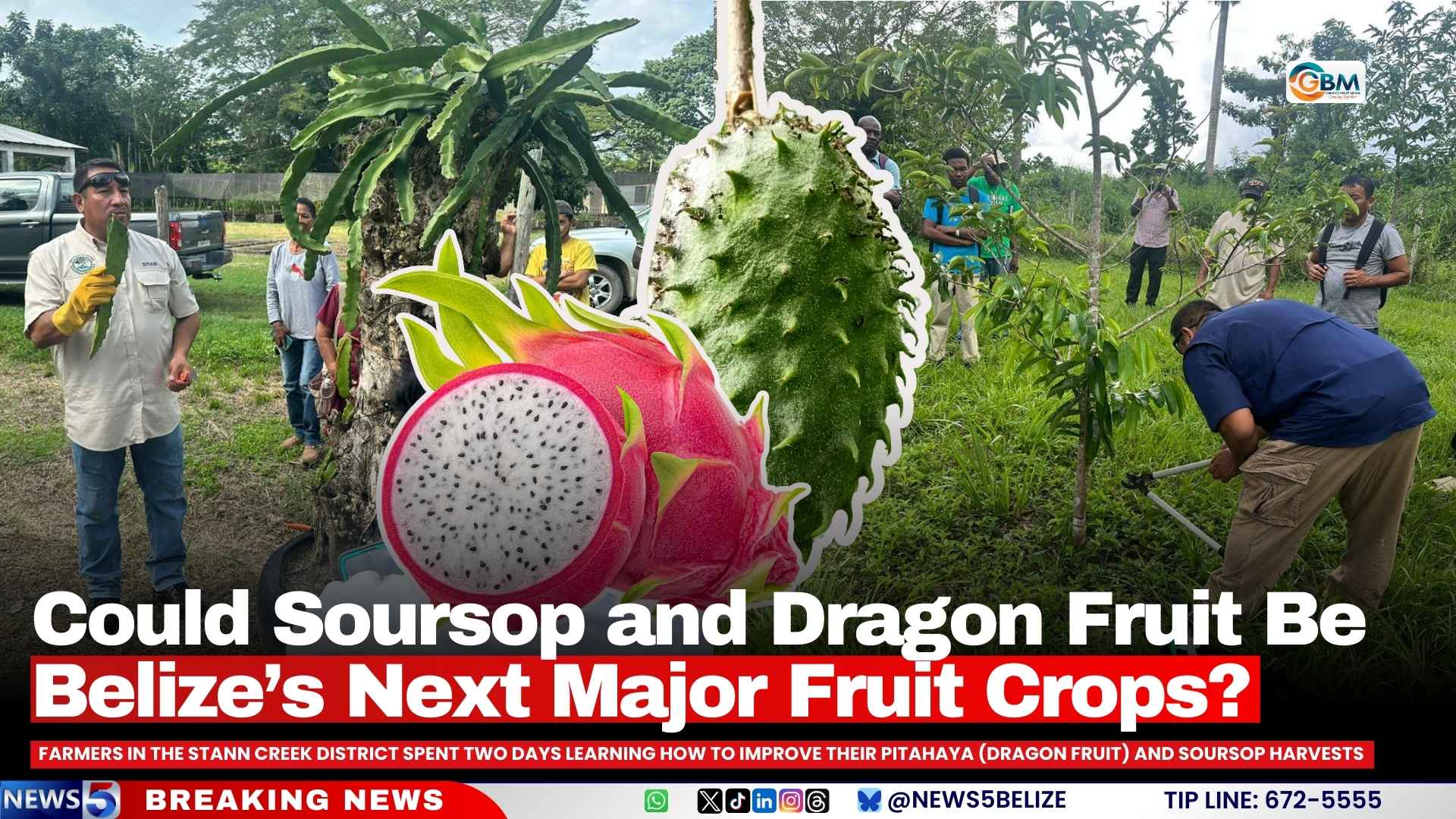
    Agricultural authorities in Belize’s Stann Creek District are pioneering an initiative to position soursop and dragon fruit as the nation’s next major fruit crops. In a comprehensive two-day training program organized by the Stann Creek Agriculture Extension Service, twenty-five local farmers and agricultural students received expert instruction on advanced cultivation techniques for these increasingly popular fruits.

    Under the leadership of Emilio Perez and in collaboration with the Cooperative Department, the program featured specialists Israel Pech and Lillian Suntecun from the Central Farm Agronomy Unit. Participants received hands-on training covering the complete growth cycle of both crops, including optimal planting methods, fertilization protocols, pest management strategies, pruning techniques, and harvesting procedures.

    Mr. Perez emphasized the program’s significance, stating, “This training equips our farmers with practical skills to improve yields and manage crops sustainably, ultimately strengthening Belize’s agricultural resilience.”

    The initiative builds upon existing cultural appreciation for soursop, traditionally used in juices and desserts, while capitalizing on the rapidly growing popularity of dragon fruit (known locally as pitahaya). This effort represents part of a broader national strategy that has included field demonstrations and international partnerships with organizations like the Japan International Cooperation Agency (JICA), which has provided additional training resources and plant cuttings to local agricultural producers in recent years.
  • Salvation Army needs helping hands for Christmas

    Salvation Army needs helping hands for Christmas

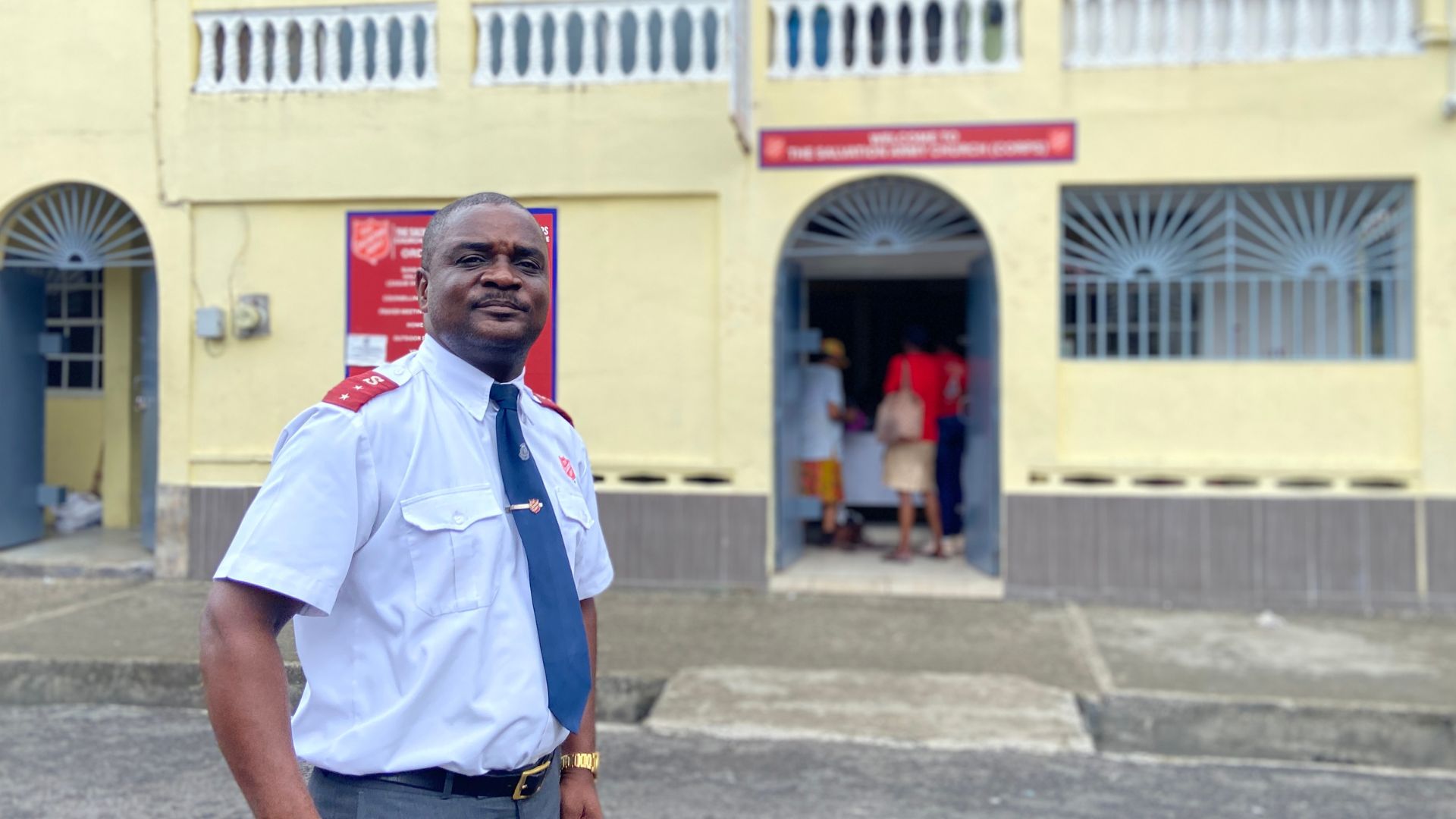
    The Salvation Army has unveiled an extensive holiday initiative across Saint Lucia, designed to bring festive joy and essential support to underserved communities throughout December. Under the leadership of Captain Jude St Juste, the organization has coordinated a strategic series of events targeting both children and adults in vulnerable situations.

    The seasonal campaign commences on December 6th with a collaborative event alongside KFC at Serenity Park, where toys and meals will be distributed to children. Subsequent outreach activities are scheduled for December 18th in Castries and December 19th in Vieux Fort, where care packages containing household necessities, food supplies, and personal essentials will be provided to adults, while children receive festive toys.

    A highlight of the initiative will be the Christmas dinner on December 26th for homeless individuals at the Castries City Council premises. Supported by Sandals resort, this gathering will feature full-course meals, ice cream desserts, and live entertainment, creating a dignified celebratory experience for those often marginalized during the holiday season.

    Funding for these programs relies heavily on the annual Christmas Kettle campaign, operating from November 7th through December 24th outside Massy Stores locations island-wide. Donations collected directly support both seasonal activities and year-round assistance programs, including medication subsidies for those in need.

    Beyond holiday efforts, the organization maintains substantial ongoing operations, serving 135-140 daily meals on weekdays, distributing monthly care packages, providing clothing donations, and operating affordable daycare and preschool services for financially strained families.

    Captain St Juste, who recently transferred from Salvation Army operations in Jamaica and Antigua, emphasized the critical need for expanded local partnerships and volunteer support. While acknowledging current collaborations with Massy Stores, Domino’s Pizza, and KFC, he highlighted persistent shortages in supplies and manpower, noting that some volunteers travel from Jamaica specifically to assist.

    The organization actively encourages community participation, inviting individuals to contribute even two to three hours of volunteer time. Those interested in supporting these efforts can contact the Salvation Army office at +1-758-452-3108, reach Captain St Juste directly at +1-758-727-9033, or email sacastries@yahoo.com.

  • Nieuwe VS veiligheidsstrategie baart Europa zorgen: Alarmerend voor internationale orde

    Nieuwe VS veiligheidsstrategie baart Europa zorgen: Alarmerend voor internationale orde

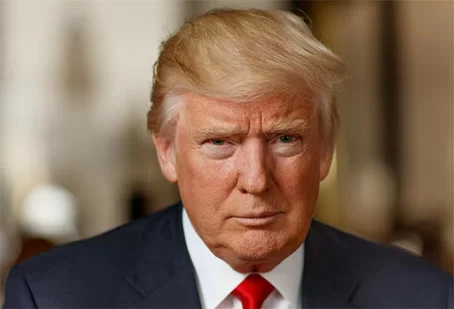
    The recently unveiled U.S. national security strategy under President Donald Trump has triggered significant apprehension across European diplomatic circles. Security analysts and government officials characterize the new doctrine as a substantial departure from multilateral cooperation toward strategic confrontation, potentially destabilizing the existing international order.

    The revised strategy emphasizes military dominance, expansion of offensive capabilities, and asserts the right to preemptively address perceived threats—even those not directly targeting American interests. European policymakers interpret this shift as particularly confrontational toward Russia, China, and several Latin American nations.

    In Brussels and Berlin, concerns center on potential destabilization effects. European security advisors have labeled the American approach “alarming” due to its potential to pressure NATO into supporting operations that contradict European interests. Diplomatic sources indicate that the EU fears Washington will increasingly conduct solo operations without prior consultation, normalize cross-border actions similar to recent Caribbean interventions, and escalate economic and military pressure against rivals—actions that could jeopardize European energy, trade, and migration interests.

    A senior EU official described the strategy to European media as “a rupture with the international consensus that has provided stability for decades.”

    The strengthened American military focus on the Indo-Pacific region and NATO’s eastern flank presents both strategic importance and substantial risk for European nations. While dependent on U.S. defense capabilities, European leaders worry that escalation around Ukraine or Taiwan could directly impact European security.

    Europe is developing a dual response: accelerating the development of independent defense capabilities to reduce reliance on American priorities, while pursuing diplomatic efforts to avoid being drawn into renewed geopolitical polarization. French and German ministers have emphasized the necessity of building “greater strategic autonomy” to protect European interests.

    Security analysts identify the most profound concern as the potential erosion of international legal norms. Experts warn that if the United States increasingly operates without UN mandates, other global powers may follow, potentially accelerating conflict escalation worldwide. As one analyst noted: “American actions carry global consequences. A security strategy that stretches the boundaries of international law endangers everyone.”

  • FLASH WC 2026 : The Grenadiers will play their 3 matches in the USA (Official schedule)

    FLASH WC 2026 : The Grenadiers will play their 3 matches in the USA (Official schedule)

    The official match schedule for Haiti’s national football team, the Grenadiers, in the 2026 FIFA World Cup has been finalized, positioning all three of their Group C matches within the United States. This announcement follows Friday’s draw ceremony that revealed Haiti would compete against Brazil, Morocco, and Scotland in the tournament’s initial stage.

    According to the published timetable, the Grenadiers will commence their campaign against Scotland on June 13, 2026, at Boston’s Gillette Stadium. Their second encounter pits them against five-time world champions Brazil on June 19 at Philadelphia’s Lincoln Financial Field. The final group stage match will see Haiti facing Morocco, the current African football powerhouse, on June 24 at Atlanta’s Mercedes-Benz Stadium.

    French coach Sébastien Migné provided strategic insights regarding the challenging group composition. “We face the legendary Brazilian team and Morocco, the sensational semi-finalists from the last World Cup,” Migné acknowledged. “This represents fantastic exposure for Haitian football and a tremendous reward for our players, but we must elevate our performance accordingly.”

    Migné emphasized the critical importance of their opening match against Scotland, noting that “nothing is impossible” in tournament football. He referenced his previous experience defeating Brazil with Cameroon as evidence that underdog victories remain achievable at the highest level.

    However, a significant concern overshadows the team’s preparation: the ongoing travel restrictions preventing most Haitian supporters from attending matches. The U.S. State Department confirmed to Politico that no special exceptions would be made for Haitian fans despite the World Cup hosting, maintaining visa eligibility restrictions established during the previous administration.

    Coach Migné expressed hope that political circumstances might evolve, stating: “We know there’s a large Haitian diaspora in the United States. We’re counting on them, and we hope that politically, now that Donald Trump has received the FIFA Peace Prize, he’ll continue in this direction and be more inclusive, because this should be a fantastic celebration for football and for Haitian citizens.”

  • PM blames ‘sanction-busting Venezuelan criminals’ and PNM, in defence of US radar

    PM blames ‘sanction-busting Venezuelan criminals’ and PNM, in defence of US radar

    Prime Minister Kamla Persad-Bissessar has ignited a political firestorm by asserting that Trinidad and Tobago’s escalating crime crisis is primarily driven by Venezuelan criminal networks evading international sanctions. The declaration came through her official X account, where she simultaneously defended the controversial installation of advanced US military radar technology at ANR Robinson International Airport in Tobago.

    Persad-Bissessar articulated that the newly deployed radar system—identified by defense analysts as an AN/TPS-80 G/ATOR—serves dual purposes: enhancing national surveillance capabilities and targeting Venezuelan crude oil sanctions-busting operations. According to her statements, these illicit activities facilitate deliveries of narcotics, firearms, ammunition, and undocumented migrants from Venezuela into Trinidadian territory.

    The Prime Minister directed sharp criticism toward the opposition People’s National Movement (PNM), accusing previous administrations of permitting ‘local drug mafia’ operations to flourish unchecked. She alleged systematic negligence regarding illegal trafficking and even hinted at deeper institutional corruption within opposition ranks.

    This geopolitical development occurs against a backdrop of intensified US military presence in the Caribbean region, including approximately 15,000 troops, multiple warships, and the USS Gerald R. Ford aircraft carrier. The military buildup coincides with heightened US pressure on Venezuela, following President Donald Trump’s designation of Cartel de los Soles as a narco-terrorist organization with Venezuelan President Nicolás Maduro allegedly at its helm.

    Persad-Bissessar revealed she personally requested the radar installation through US diplomatic channels, initially describing the US military presence as roadway construction support before acknowledging the radar’s deployment. She maintains the technology provides previously unavailable protection layers while denying Trinidad would serve as a launch platform for attacks against Venezuela.

    The opposition has demanded transparency regarding the military equipment, prompting the Prime Minister to challenge PNM to explain why previous radar systems failed to detect ship-to-ship transfers of sanctioned Venezuelan oil within Trinidadian waters—allegedly with Trinidad as the point of origin.

    This escalating political confrontation highlights deepening regional tensions and the complex intersection of national security, international relations, and transnational crime in the Caribbean basin.

  • 2026 FIFA World Cup Set to Be the Largest Ever

    2026 FIFA World Cup Set to Be the Largest Ever

    The 2026 FIFA World Cup is poised to make history as the most expansive edition of the global football championship ever organized. For the first time in the tournament’s storied legacy, three nations—the United States, Canada, and Mexico—will jointly undertake hosting responsibilities, setting a new precedent for international sporting collaboration.

    The monumental event will commence with an opening match at Mexico City’s iconic Estadio Azteca on June 11, 2026, culminating in the championship final at MetLife Stadium in East Rutherford, New Jersey on July 19. The expanded format will feature an unprecedented 48 national teams competing across 104 matches during the 39-day tournament, significantly exceeding previous World Cups in both scale and duration.

    Sixteen host cities will stage matches across North America, with eleven venues distributed throughout the United States including Los Angeles, Miami, New York, and Seattle. Mexico will contribute three host cities—Mexico City, Guadalajara, and Monterrey—while Canada will feature matches in Toronto and Vancouver. The United States will serve as the primary host nation, staging the majority of games including the coveted final match.

    Ticket demand has reached extraordinary levels, with over 4.5 million enthusiasts participating in an October lottery for purchasing opportunities. FIFA has implemented a four-tier pricing structure for general admission, with opening match tickets in the U.S. ranging from $560 to $2,235. Championship final tickets command premium prices, beginning at $2,030 and escalating to $6,000 for elite seating categories.

    The qualification process has already confirmed forty-one participating nations, including traditional football powerhouses such as Brazil, Argentina, France, and Germany. The tournament will also showcase several debutante teams including Curaçao, Cape Verde, Jordan, and Uzbekistan, each securing their inaugural World Cup appearances. Notably, Belize remains absent from the competition roster, having never qualified for the tournament. Final qualification spots will be determined through playoff matches scheduled for March 2026.

  • Hurricane season has ended

    Hurricane season has ended

    The Trinidad and Tobago Meteorological Services (TTMS) has formally declared the conclusion of the 2025 Atlantic Hurricane Season as of November 30. This season’s activity fell slightly below the historical average, generating 13 named storms. Among these, five intensified into hurricanes, with four reaching major hurricane status—defined by sustained winds exceeding 111 miles per hour.

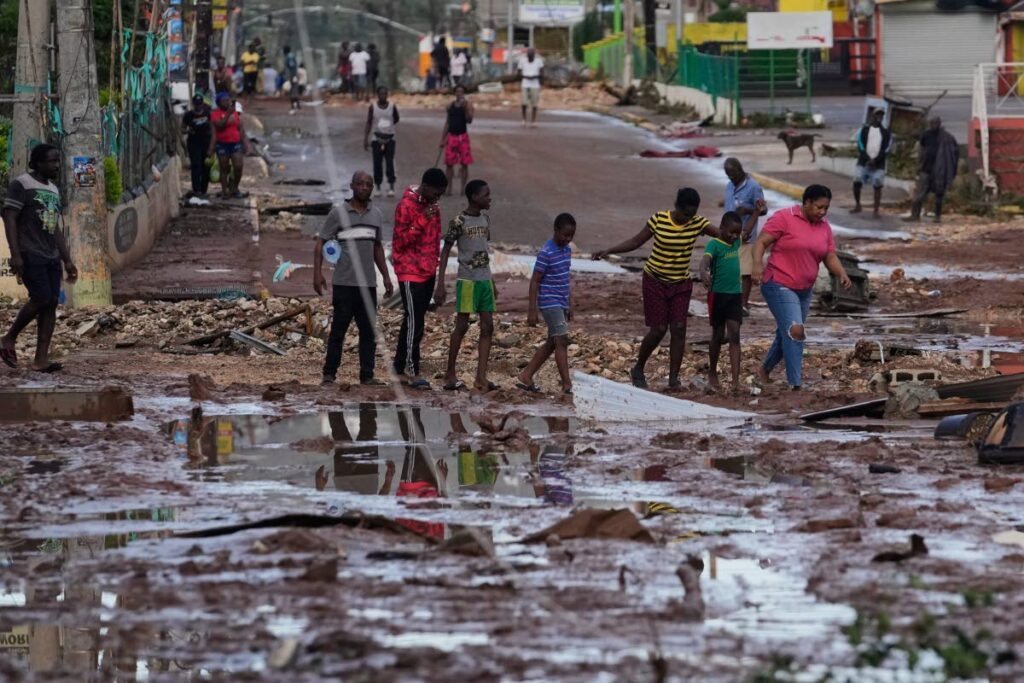
    The season, however, was marked by its exceptional intensity rather than its frequency. The most catastrophic event was Hurricane Melissa, which etched its name in history as the first Category Five storm to make direct landfall on Jamaica. Striking the island nation on October 28 with devastating winds of 185 mph (approximately 298 km/h), Melissa unleashed widespread destruction. The hurricane triggered severe flooding, crippled critical infrastructure, and led to a profound humanitarian crisis.

    In response to the unprecedented damage, Jamaican Prime Minister Andrew Holness declared the entire country a disaster zone. The official toll has been staggering, with preliminary estimates placing the cost of damage near $48 billion and a confirmed death toll of 75 individuals. The aftermath continues to pose severe challenges, including the outbreak of waterborne diseases in affected regions, hampering recovery efforts.

    The National Hurricane Center confirmed that Hurricane Melissa was not only the third Category Five hurricane of the season but also ranks among the most powerful Atlantic Basin hurricanes ever recorded. Its impact was felt across the Caribbean, inflicting extensive damage on Jamaica, Hispaniola, and eastern Cuba, leaving a lasting scar on the region.

  • Antigua Signs Seven Medical Cooperation Agreements With Hangzhou University

    Antigua Signs Seven Medical Cooperation Agreements With Hangzhou University

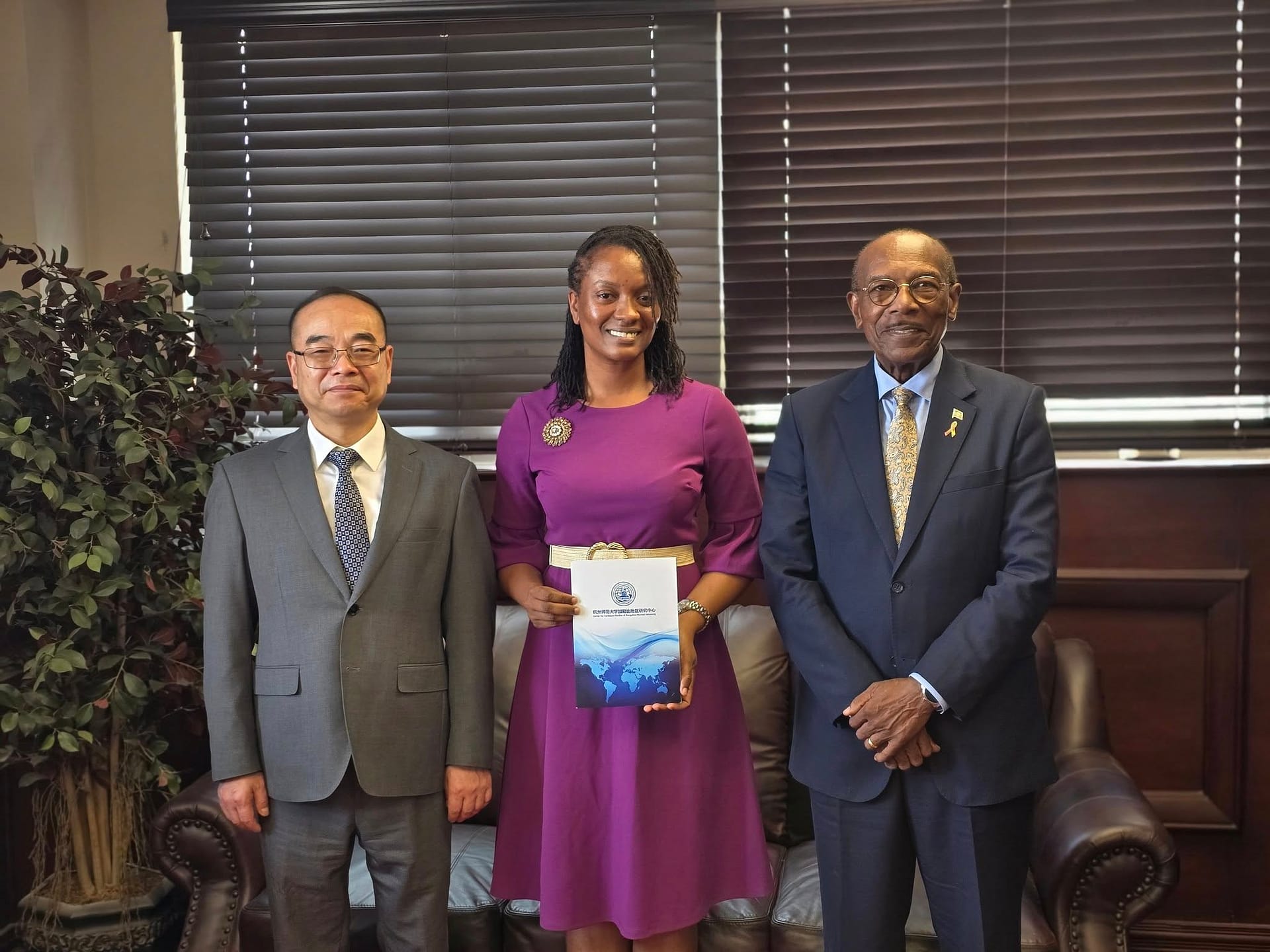
    In a significant advancement for Caribbean healthcare, Antigua and Barbuda has established seven comprehensive medical cooperation agreements with China’s Hangzhou Normal University. The partnership was finalized following an intensive week-long diplomatic mission led by Professor Jingwei Zhang, a distinguished medical specialist from the university’s hospital and faculty.

    The breakthrough was formally announced by Director General of Communications Maurice Merchant during Friday’s post-Cabinet media briefing. Professor Zhang engaged in high-level discussions with Cabinet members after several days of strategic meetings focused on enhancing medical collaboration, driving healthcare innovation, and building capacity within Antigua and Barbuda’s health infrastructure.

    The cooperation framework includes seven key initiatives: establishment of an Eastern Caribbean Chest Pain Center; specialized medical exchange programs and clinical support; implementation of telemedicine and digital health solutions; comprehensive professional training for medical staff including doctors, nurses, and technicians; and joint research programs addressing public health challenges and chronic diseases.

    Additionally, the partnership encompasses diagnostic innovation and expanded collaboration in areas identified during the professor’s assessment visit. Cabinet members received an educational lecture on heart health as part of the broader cooperation discussions, highlighting the practical knowledge transfer component of the agreement.

    According to official statements, this collaboration is expected to significantly enhance Antigua and Barbuda’s access to specialized medical expertise, strengthen workforce development, and support the modernization of clinical services. The timing aligns strategically with the country’s planned major health-sector upgrades scheduled for 2026.

    The full details of all seven agreements will be documented in the published Cabinet notes, alongside updates on other significant healthcare developments including the forthcoming renal care center, cancer center reopening, new neurosurgery service, and comprehensive health-system reforms.

  • SPFL semis set for Soufrière

    SPFL semis set for Soufrière

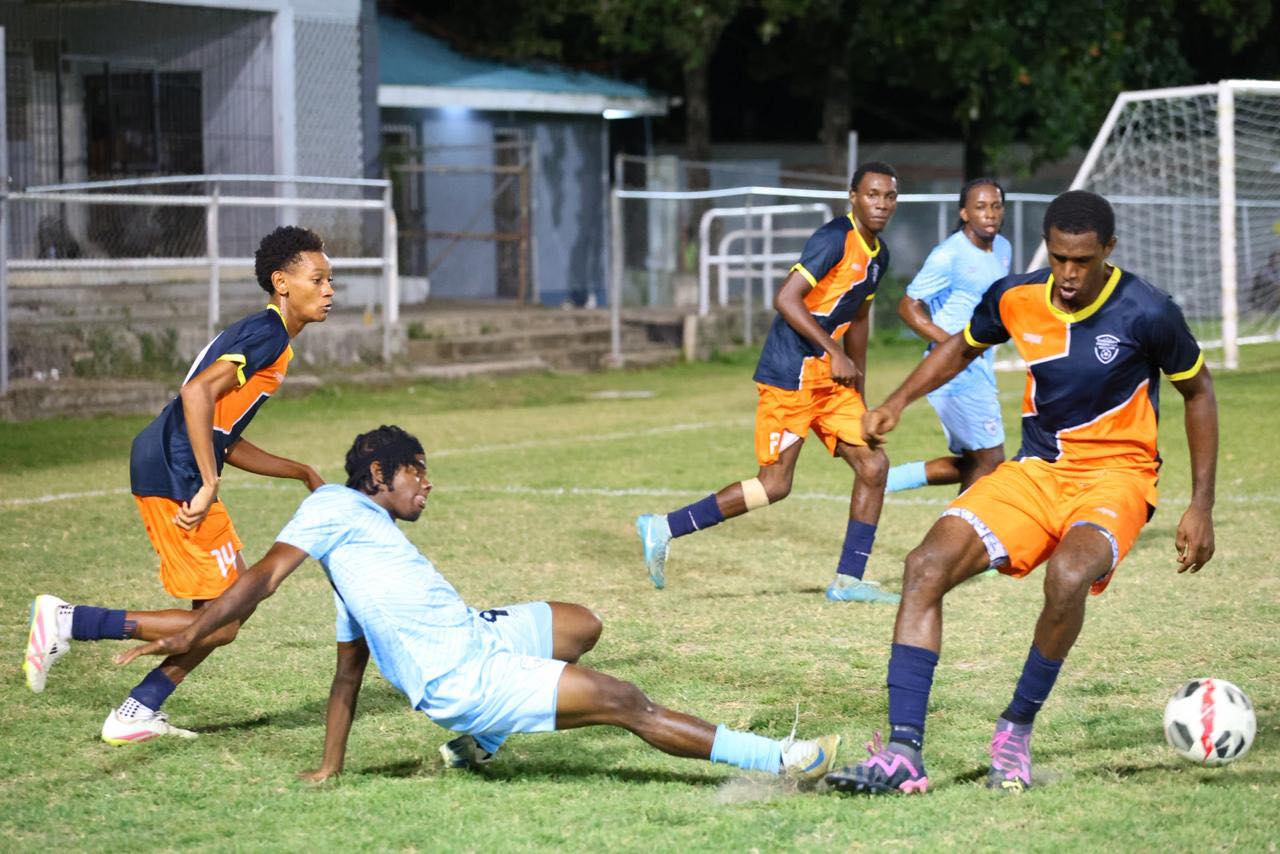
    Soufrière Stadium prepares to host the highly anticipated semifinals of the Saint Lucia Semi-Professional Football League (SPFL) on Saturday, December 6, marking a pivotal moment in the nation’s football calendar. The knockout stage features two compelling matchups: reigning Tier 1 champions La Clery face Canaries, while 2024 Tier 2 winners Vieux Fort South challenge Gros Islet.

    This season’s playoffs adopt a standard single-elimination format, departing from last year’s Page system, with victors advancing directly to the championship final. The decision reflects the league’s evolving competitive structure following its sophomore season.

    La Clery enters the semifinals as the tournament’s dominant force, having secured the regular-season title with an impressive 41 points from 12 victories. Despite enduring the tragic midseason loss of young player Ajani ‘Jimz’ Hippolyte, the squad demonstrated remarkable resilience, conceding a league-low 11 goals while scoring 39. Their only defeat came against Vieux Fort South in a 2-0 reversal during matchday 16.

    Vieux Fort South, having achieved promotion in the SPFL’s inaugural season, finished second with 33 points from nine wins and six draws. Their offensive prowess produced 36 goals, second only to La Clery, while their defensive record ranked third with 22 concessions.

    Gros Islet, the 2022 top-tier champions, qualified with 30 points from eight victories and six draws. Though their defensive performance ranked fifth with 27 goals allowed, their attacking output remained strong with 35 goals scored.

    Canaries secured their semifinal berth through dramatic circumstances, clinching advancement with a last-gasp 3-2 victory over Mabouya Valley in their final regular-season match. Defender McArthur Louis emerged as the hero with an 86th-minute winner after Canaries squandered a two-goal advantage. The 2021 champions finished with 26 points, boasting the league’s fourth-best defense despite ranking seventh in scoring.

    Key players will significantly influence the semifinal outcomes. La Clery’s offensive threat hinges on Uhann Shaquille Degazon, the league’s only double-digit scorer with ten goals, alongside experienced European and Central American veteran Malik ‘Showtime’ St Prix who contributed seven. Gros Islet’s Obafemi Poyotte remains another offensive threat with eight goals to his credit.

    Historical match data reveals intriguing precedents: both Canaries-Vieux Fort South meetings ended in 1-1 draws during the regular season, while La Clery defeated Gros Islet 2-0 in their earlier encounter despite a 1-1 draw in their most recent fixture.

    The SPFL selected Soufrière Stadium as the playoff venue based on its superior pitch quality, advanced lighting infrastructure, and capacity to deliver a professional match experience. The event will feature enhanced entertainment offerings, Fan Zone activities, and promotional initiatives designed to attract spectators island-wide.

  • EDITORIAL: Democracy for sale?

    EDITORIAL: Democracy for sale?

    Saint Lucia faces a deepening crisis of electoral integrity as systematic vote-buying practices continue to undermine democratic processes across the Caribbean nation. This form of political corruption, now widespread and openly discussed among citizens, represents a fundamental challenge to fair representation and governance.

    Evidence indicates that electoral bribery has evolved from occasional misconduct to an entrenched practice transcending political affiliations. Multiple reports confirm politicians and their agents routinely offer cash payments and various inducements in exchange for voter support, creating a marketplace for electoral influence that corrupts the fundamental principle of free choice.

    The revised Elections Act (2023) establishes specific legal provisions to combat these practices. Section 77 prohibits influencing voters within 100 yards of polling stations during voting hours, carrying penalties of $250 fines, three-month imprisonment, or both. Section 78 explicitly criminalizes bribery through monetary offers, employment promises, or other favors intended to sway voting behavior, applying equally to those offering and accepting such inducements. Section 79 addresses ‘treating’ through provision of food, drink, or entertainment designed to influence electoral choices.

    Convicted offenders face severe consequences including fines up to $500, six-month prison sentences, and seven-year disqualification from voting or holding public office. However, enforcement remains inconsistent despite these substantial penalties, creating a significant gap between legal framework and practical application.

    Beyond immediate enforcement needs, experts emphasize addressing root causes including educational deficits regarding electoral rights and the pervasive ‘contract mentality’ where citizens increasingly expect compensation for basic civic participation. Long-term solutions require building economic equity through education, employment opportunities, and entrepreneurship rather than dependency-creating handouts.

    The persistence of vote-buying represents more than periodic electoral misconduct—it constitutes a sustained assault on democratic institutions that demands comprehensive response through legal enforcement, public education, and economic reform to preserve Saint Lucia’s democratic future.