作者: admin

  • Opposition party accuses Environment Ministry of “selling” permits amid alarming volume

    Opposition party accuses Environment Ministry of “selling” permits amid alarming volume

    SANTO DOMINGO – The Dominican Republic’s political opposition has launched a severe indictment against the nation’s environmental authority, alleging systemic corruption and administrative failure within its permitting operations. Fuerza del Pueblo (FP), the primary opposition party, has publicly accused the Ministry of Environment of issuing an ‘astronomical’ and ‘operationally unviable’ total exceeding 6,000 environmental permits within an 11-month timeframe.

    Paino Abreu, the FP Secretary for Environmental Affairs, contends that the ministry possesses neither the technical infrastructure nor the administrative bandwidth to process such an immense volume of applications while simultaneously upholding mandated legal and ecological safeguards. The allegations extend far beyond numerical concerns, pinpointing a purportedly ‘distorted’ management framework. This model is accused of enabling data manipulation, diluting the rigor of environmental impact assessments, and fostering a network of intermediaries who allegedly expedite permits in exchange for illicit financial compensation.

    In a formal escalation, the party has submitted a comprehensive dossier labeled ‘Worrisome Licenses and Permits’ to relevant state bodies. FP is formally petitioning for an immediate forensic audit to be conducted by the Chamber of Accounts, the supreme audit institution. Furthermore, they have called for the urgent intervention of the Office of Ethics and Government Integrity (OEIG) to probe these grave accusations.

    The opposition’s critique also challenges the government’s environmental reporting, casting doubt on the authenticity of official statistics concerning national forest coverage and timber import data, which they claim are significantly inflated or misleading. Abreu additionally highlighted worsening working conditions for park rangers and a concerning pattern of institutional neglect towards protected areas, citing these as evidence of a broader degradation in environmental governance.

    Drawing stark parallels to historical corruption scandals, such as the infamous case involving the National Health Insurance (SeNaSa), Fuerza del Pueblo warned that confirmed irregularities would constitute a severe blow to both environmental sustainability and eroding public trust. The party is urging for swift, transparent, and decisive action from authorities, framing the situation not as a mere procedural failure but as a full-blown crisis in the nation’s environmental stewardship.

  • Finance Ministry earns dual ISO certification for anti-bribery and compliance management

    Finance Ministry earns dual ISO certification for anti-bribery and compliance management

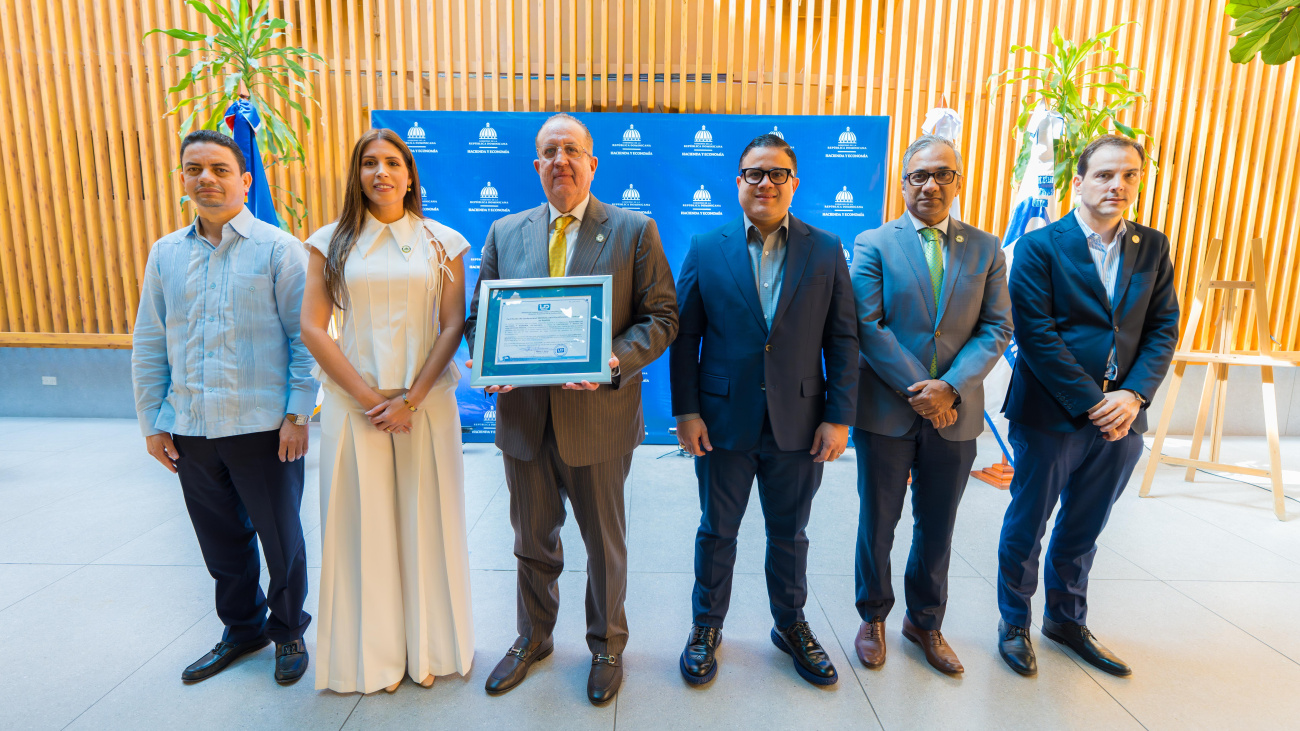
    In a landmark achievement for governmental integrity, the Dominican Republic’s Ministry of Finance and Economy (MHE) has obtained dual ISO certifications validating its anti-bribery and compliance management systems. The certifications, conforming to the rigorous international benchmarks of ISO 37001 (Anti-Bribery Management Systems) and ISO 37301 (Compliance Management Systems), signify a major advancement in the ministry’s institutional governance framework.

    The formal certification ceremony was presided over by Néstor Julio Matos, Director of the Dominican Institute for Quality (Indocal), with Finance Minister Magín Díaz formally accepting the accolades. Minister Díaz characterized this accomplishment as a testament to the ministry’s ‘mature and effective’ internal control mechanisms, underscoring a renewed dedication to ethical administration and public accountability.

    Independent auditors conducting the exhaustive evaluation reported exceptional findings, praising the ministry’s deeply embedded culture of integrity. The assessment commended the cohesive involvement across all departmental units, the clarity and implementation of policy directives, and the robustness of procedural compliance. Specific initiatives that drew acclaim included the comprehensive modernization of internal controls, enhanced safeguards for whistleblowers, and sustained educational programs focused on integrity standards.

    Looking forward, Minister Díaz outlined the ongoing challenge of not only preserving these elevated standards but also further embedding a zero-tolerance philosophy towards corruption within the institution’s ethos. He stated that the certification establishes the MHE as a ‘benchmark within the Dominican state,’ and confirmed the ministry’s unwavering commitment to the perpetual identification of compliance risks and the strengthening of reporting channels for misconduct.

  • Dominican government launches “Christmas in the Classrooms 24/7”

    Dominican government launches “Christmas in the Classrooms 24/7”

    SANTO DOMINGO – The Dominican Republic has launched an ambitious educational infrastructure initiative titled “Navidad en las Aulas 24/7” (Christmas in the Classrooms 24/7), allocating over RD$300 million to execute critical maintenance across more than 250 schools nationwide during the holiday recess. The program, spearheaded by the Education Infrastructure Directorate, is strategically timed to leverage the absence of students and faculty, thereby eliminating disruptions to the academic calendar.

    Scheduled to commence on December 11 in the Los Mina sector of Santo Domingo Este, the operation will mobilize dozens of specialized work brigades throughout the Christmas, New Year, and Three Kings Day vacation period. Under the leadership of Director Roberto Herrera and with coordinated support from the Ministry of Education and municipal authorities, the initiative will focus on comprehensive upgrades including interior and exterior painting, electrical system overhauls, plumbing repairs, asphalt restoration, and overall campus beautification. The primary objective is to ensure all targeted institutions reopen in January as safer, more functional, and aesthetically improved learning environments.

    This holiday maintenance drive represents a significant phase in a broader governmental strategy to revitalize public education infrastructure. Officials highlighted that this effort builds upon substantial recent progress, noting that over 800 schools have been renovated or upgraded within the past eight months. Looking further ahead, the administration has set a target to complete 2,000 new classrooms by the conclusion of 2025. To bolster the logistical capacity of such expansive projects, the program has been reinforced with 50 new service vehicles, enhancing operational mobility to support an educational community encompassing more than 2 million students and 100,000 teachers.

    Endorsed by President Luis Abinader, the ’24/7′ model is characterized by authorities as a strategic investment in the nation’s future. The concentrated, round-the-clock holiday work schedule is designed to maximize efficiency and cost-effectiveness. This initiative stands as a testament to the government’s deepened commitment to fortifying the foundational pillars of public education and systematically elevating the quality of classroom conditions across the Dominican Republic.

  • Nieuwe initiatiefwet moet criminelen financieel volledig kaalplukken

    Nieuwe initiatiefwet moet criminelen financieel volledig kaalplukken

    In a significant move against organized crime, Surinamese legislators Ebu Jones (NDP) and Ivanildo Plein (NPS) have introduced groundbreaking legislation enabling authorities to fully confiscate illegally obtained assets from convicted criminals. The proposed Confiscation of Illegally Obtained Profits Act—colloquially termed the ‘Bare Plucking Law’—represents a paradigm shift in the nation’s approach to criminal justice by targeting the financial foundations of unlawful activities.

    The initiative specifically addresses Suriname’s escalating challenges with organized crime, corruption, drug trafficking, money laundering, fraud, human trafficking, and financial-economic offenses. Assembly member Jones emphasized that conventional law enforcement methods have proven insufficient when focusing solely on incarceration rather than asset recovery. “The state frequently loses millions while convicted individuals return to society after serving prison sentences with their criminal proceeds intact. This constitutes a double injustice for citizens,” Jones stated during the parliamentary session.

    Current legislation within Suriname’s Penal Code and Code of Criminal Procedure is deemed fragmented and outdated, particularly regarding modern wealth forms including cryptocurrencies, digital wallets, and complex corporate structures. The proposed framework establishes a lex specialis—a specialized legal regime—that operates alongside existing criminal statutes, enabling proportional and effective seizure of both directly and indirectly obtained criminal assets regardless of their location.

    Key objectives of the new legislation include:
    – Disrupting the financial infrastructure supporting criminal enterprises
    – Enhancing the integrity of Suriname’s financial-economic system
    – Increasing transparency in asset flows across jurisdictions
    – Strengthening judicial authorities’ information-gathering capabilities
    – Fostering structured collaboration with financial institutions
    – Restoring public confidence in the rule of law

    Jones concluded that comprehensive asset recovery is essential for reestablishing societal trust: “Retrieving criminal profits is crucial for restoring legal consciousness and demonstrating that crime will never again be profitable.”

  • Column: Werk aan de winkel

    Column: Werk aan de winkel

    Suriname’s national football team has undergone a dramatic transformation in recent years, revealing a concerning trend about the country’s player development system. The squad now consists predominantly of professional players who received their training abroad, marking a significant departure from previous selection practices.

    Initially, selectors made concerted efforts to include players from the local league, but gradually the representation of domestically-trained athletes diminished. For a considerable period, only Robinhood club players maintained spots on the national team roster. Eventually, even these field players were phased out, leaving only the goalkeeper as the sole representative of Suriname’s domestic development system.

    This evolution starkly demonstrates that footballers trained within Suriname’s current system are failing to meet international standards. While this realization is painful, it represents an honest assessment that demands immediate attention from all stakeholders in Surinamese football.

    Recognizing the problem marks a crucial starting point for addressing the undesirable situation. The entire approach to football in Suriname requires thorough evaluation, with courage to identify specific weaknesses. Solution-oriented models must be developed to comprehensively improve the quality of football in its broadest sense.

    The overwhelming public turnout at national team training sessions indicates that football enthusiasts desperately crave qualitative improvement of the sport. These open training sessions attract significantly more spectators than competitive league matches, prompting critical reflection.

    The introduction of a professional league was once believed to be the ultimate solution, but reality has proven otherwise. While establishing professional competition was necessary, it alone cannot make Surinamese football attractive. The massive attendance at official national team matches—despite high ticket prices—demonstrates public willingness to pay for quality football entertainment.

    A proposed football congress could provide the platform to not only identify problems but also develop concrete solutions for elevating the quality of the game. This gathering must generate strategies to professionalize all aspects of football, including transforming clubs into corporate entities with proper management structures.

    Football must cease to be viewed as a part-time activity compatible with full-time employment. Serious professional positions need creation, and marketing strategies require significant enhancement to make football competitive with other entertainment options and financially viable. Creating a broad forum where all stakeholders can contribute to improving Surinamese football remains essential—and there is substantial work ahead.

  • Politie ziet criminaliteit dalen met 25%, maar kondigt hardere aanpak aan

    Politie ziet criminaliteit dalen met 25%, maar kondigt hardere aanpak aan

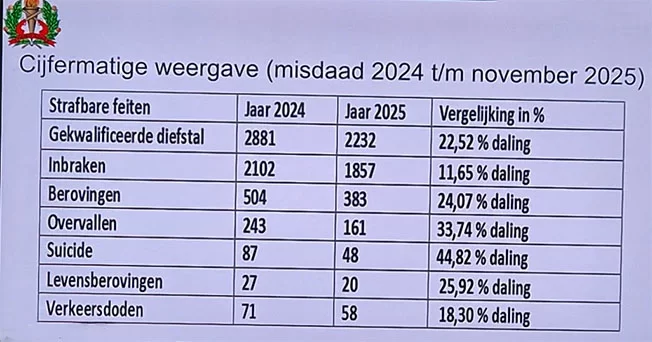
    Suriname’s police force has reported a significant 25% reduction in overall criminal activity, including suicide cases, according to Acting Police Commissioner Melvin Pinas. Despite this positive trend, Commissioner Pinas cautioned against premature celebration, emphasizing that the Suriname Police Force (KPS) will intensify security operations during the upcoming holiday season.

    During a press conference at police headquarters on Duisburglaan, Pinas and his staff addressed the current security situation, quarterly performance results, and new technological measures being implemented to enhance public safety. The commissioner issued a stern warning to criminal elements, stating that offenders should anticipate a substantially strengthened law enforcement response.

    “Criminals will not have an easy time. I advise them to seek alternative employment!” Pinas declared, highlighting the police force’s detailed understanding of repeat offenders’ operational patterns. He noted that perpetrators frequently escape to hinterland areas or cross into French territory after committing crimes, remaining dormant before returning to urban centers.

    Rishi Akkal, Director of Policy Preparation and Management, elaborated on technological enhancements revolutionizing police work. The Safe City camera network now employs advanced recognition capabilities for facial identification, vehicle tracking, and license plate recognition. The police force will soon deploy surveillance drones to enhance pursuit capabilities against criminal elements.

    Human Resources Manager Maureen Palmtak joined officials in outlining the comprehensive security strategy, which combines traditional policing methods with cutting-edge technology to create a more robust public safety infrastructure during the festive period and beyond.

  • Dominican Republic leads global response with first UN resolution on sargassum

    Dominican Republic leads global response with first UN resolution on sargassum

    NAIROBI – In a landmark environmental diplomacy achievement, the United Nations Environment Assembly (UNEA-7) has formally adopted the world’s first resolution addressing the escalating sargassum seaweed crisis. Spearheaded by the Dominican Republic with co-sponsorship from Barbados and Jamaica, the resolution titled “Strengthening the global response to massive sargassum influx” establishes the first international framework to combat the massive seaweed blooms devastating coastal regions across the Caribbean and West Africa.

    The groundbreaking resolution officially recognizes the sargassum surge as a severe multidimensional threat, explicitly acknowledging its damaging impacts on marine ecosystems, tourism economies, fisheries, public health systems, and community livelihoods. The UNEA has mandated the UN Environment Programme (UNEP) to produce a comprehensive global assessment report, organize high-level international meetings, and strengthen cooperative mechanisms among affected nations.

    Claudia Taboada, lead negotiator for the Dominican Republic, characterized the resolution as the culmination of a persistent four-year campaign to elevate the issue onto the global stage. “While the final text does not encompass all our initial ambitions, it represents a decisive milestone – both our nation’s first resolution before UNEA and the planet’s first dedicated international instrument on sargassum,” Taboada stated.

    The adoption establishes a critical foundation for coordinated action, though its practical effectiveness hinges on implementation. Affected governments must now develop monitoring systems, cleanup operations, and sustainable management protocols, while securing essential financing and technical expertise. The Dominican Republic’s diplomatic leadership has created an unprecedented platform for response, but tangible relief for vulnerable coastal communities will require sustained commitment and resource mobilization across international boundaries.

  • Dominican Interior Minister urges stronger global action against migrant smuggling

    Dominican Interior Minister urges stronger global action against migrant smuggling

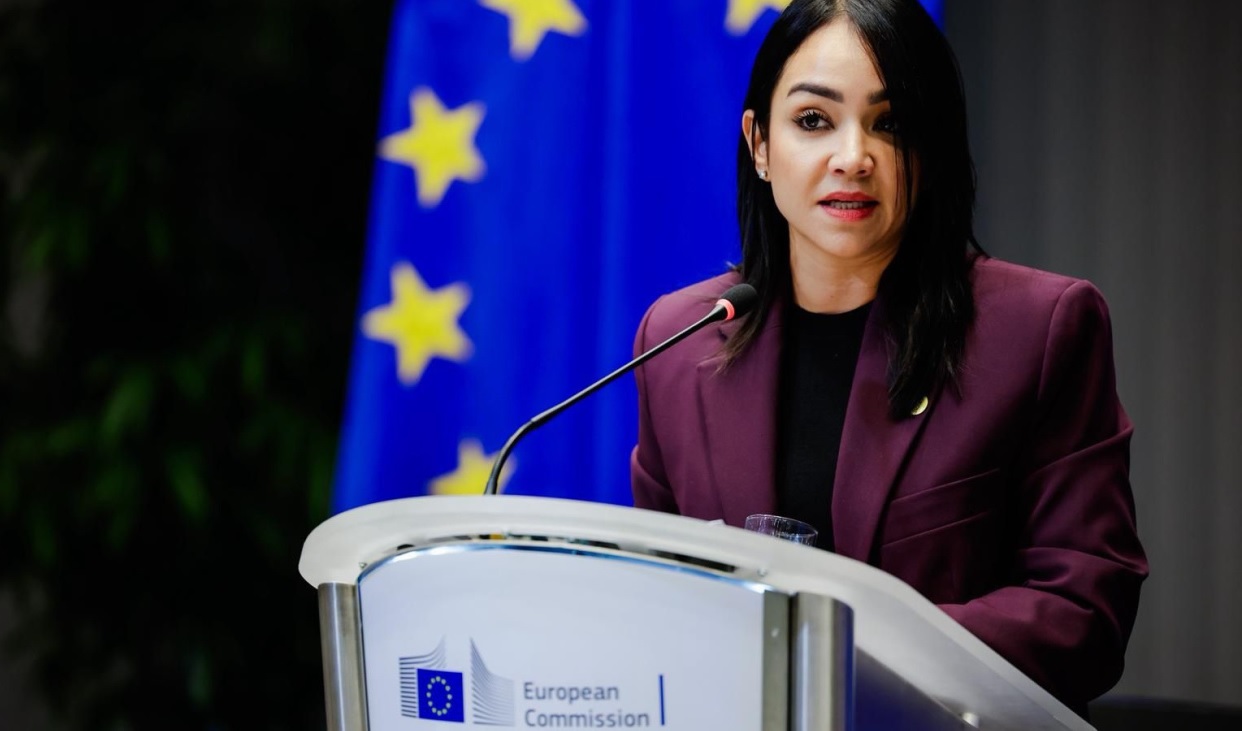
    BRUSSELS – In a stark warning delivered at a European Commission conference, Dominican Interior Minister Faride Raful revealed that criminal networks orchestrating migrant smuggling operations are experiencing rapid expansion, necessitating immediate multinational collaboration for their dismantlement. Addressing representatives from over 60 nations, Minister Raful emphasized that combating these syndicates demands a dual focus on victim protection and financial disruption of their transnational enterprises.

    The Dominican official showcased her nation’s recent countermeasures, including the deployment of 865 specialized migration agents across all provinces and enhanced probes into trafficking operations. Government statistics from 2024 demonstrate substantial enforcement actions: over 200 investigations launched, 275 individuals prosecuted, cumulative sentences totaling 228 years, and 137 victims successfully rescued. “These are not isolated crimes but interconnected criminal chains worth billions,” Raful stated, referencing estimates that smuggling networks generate approximately $10 billion in annual revenue.

    Minister Raful further highlighted the Dominican Republic’s improved standing in the U.S. State Department’s Trafficking in Persons Report, crediting enhanced interagency coordination and a 77% surge in cross-border cooperation. She advocated for widespread adoption of the “Follow the Money” strategy, focusing on disrupting the illicit financial pipelines that empower smuggling operations, while pressing for intensified intelligence sharing among governments.

    During bilateral meetings with European officials, Raful explored collaborative approaches to border security and criminal investigations. While Dominican authorities position these actions as regional leadership, security experts note that the immense scale and financial resources of global smuggling operations require sustained international enforcement beyond individual national reforms.

  • Cuban youth debate their role in the country’s economic and ideological battle

    Cuban youth debate their role in the country’s economic and ideological battle

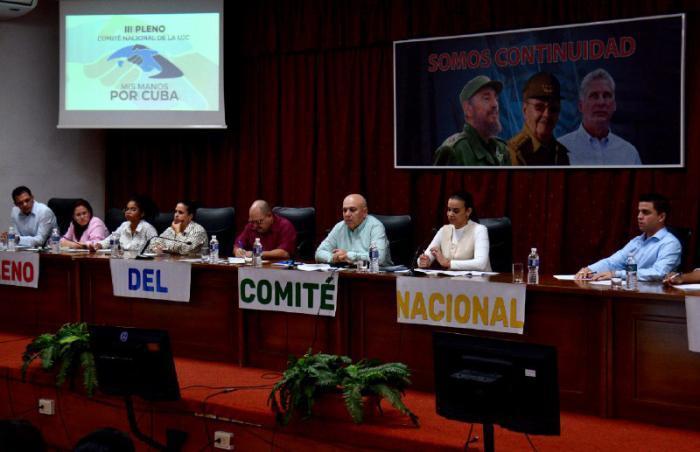
    HAVANA – The Third Plenary Session of the National Committee of Cuba’s Union of Young Communists (UJC) convened to deliberate on the pivotal role of youth in navigating the nation’s pressing challenges and advancing the Government Program. The assembly emphasized youth mobilization as essential to Cuba’s strategic development objectives.

    Dr. Roberto Morales Ojeda, a senior member of the Political Bureau and Secretary of Organization of the Communist Party’s Central Committee, articulated the Party’s unwavering confidence in young Cubans. He declared that the younger generation must spearhead efforts to consolidate and refine the national project through broad civic participation.

    The meeting identified three core missions for youth engagement: economic development, national unity, and the pursuit of regional peace. Dr. Morales Ojeda specifically highlighted threats against Venezuela, echoing the historic commitment of former leader Fidel Castro by stating, “For Venezuela, we will have to give everything,” thus reaffirming Cuba’s unconditional solidarity.

    Addressing Cuba’s economic constraints under what he described as a “war economy,” Dr. Morales Ojeda stressed the critical need to prioritize foreign exchange earnings. This approach is deemed vital for resolving severe infrastructural crises, including chronic failures in the National Electric System and acute fuel shortages.

    The session also confronted severe deficits in domestic food production, particularly rice, beans, and sugar. Officials advocated for a comprehensive revitalization of the sugarcane industry and urged increased local manufacturing to reduce import dependencies and secure stable supplies for the basic food basket.

  • A Plenary Session in tune with the times we live in

    A Plenary Session in tune with the times we live in

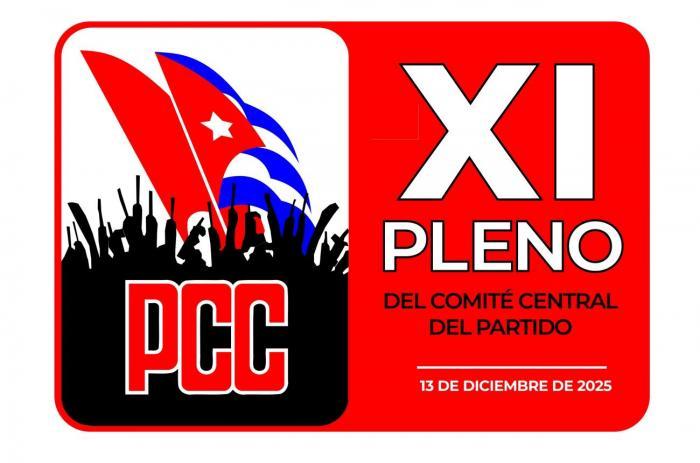
    In response to pressing national circumstances, the Political Bureau of Cuba’s Communist Party has announced a significant restructuring of its scheduled proceedings. The 11th Plenary Session of the Party’s Central Committee will now convene as a single session via videoconference on Saturday, December 13th.

    This strategic adaptation, formally disclosed through the Party’s official communication channels, aims to address multiple operational priorities simultaneously. By transitioning to a virtual format, the Party ensures that key leadership personnel can maintain their presence at grassroots levels across the nation. This presence is deemed critical for direct assessment, verification, and management of issues affecting population welfare and economic efficiency.

    Roberto Morales Ojeda, Organization Secretary of the Central Committee and Political Bureau member, elaborated on the decision through his social media presence. He characterized the move as consistent with the Party’s established methodology of rational and objective decision-making tailored to contemporary national conditions. This approach, he noted, enables continued task execution through adaptive alternatives without compromising operational effectiveness.

    The procedural adjustment demonstrates the Party’s operational flexibility while potentially reducing financial and material expenditures associated with conventional in-person gatherings. This virtual transition reflects a broader pattern of institutional adaptation to challenging circumstances, emphasizing both pragmatic resource management and maintained governance continuity.