作者: admin

  • Belize Pushes Regional Agenda in El Salvador

    Belize Pushes Regional Agenda in El Salvador

    Belize is strategically positioning itself as a key regional player in Central American affairs following comprehensive diplomatic engagements in San Salvador on March 6, 2026. The high-level delegation, spearheaded by Dr. Osmond Martinez, Minister of State for Economic Transformation, alongside Ambassador Lou-Anne Burns Martinez and Climate Finance Unit Acting Director Leroy Martinez, conducted multifaceted discussions aimed at strengthening regional cooperation frameworks.

    The diplomatic mission yielded significant progress in bilateral relations with El Salvador, featuring substantive dialogues between Minister Martinez and Salvadoran Vice President Dr. Félix Ulloa. These negotiations centered on enhancing collaborative initiatives across agricultural development, trade facilitation, and educational exchange programs designed to foster cross-border knowledge transfer.

    Concurrently, Belize advanced preparations for its forthcoming Pro Tempore Presidency of the Central American Integration System (SICA), engaging with regional stakeholders to promote integrated connectivity infrastructure, sustainable tourism development, and streamlined trade mechanisms. These discussions aligned with broader regional objectives of economic harmonization and collective resilience building.

    The delegation further expanded its diplomatic outreach through technical consultations with the Council of Finance Ministers of Central America (COSEFIN), South Korean representatives, and UN Women. These tripartite engagements addressed critical areas including modernized cargo management systems, infrastructure modernization projects, and comprehensive women’s economic empowerment initiatives.

    According to an official government communiqué, these multilateral discussions have substantially strengthened Belize’s diplomatic partnerships while identifying concrete pathways for mutual cooperation and shared regional priorities across economic, environmental, and social development spheres.

  • Govt willing to lose fuel revenue to guard against surging oil prices

    Govt willing to lose fuel revenue to guard against surging oil prices

    The Caribbean nation of Saint Lucia has initiated urgent economic contingency planning in response to soaring global oil prices triggered by military conflict in Iran. Prime Minister Philip J. Pierre confirmed his administration has elevated the situation to top-priority status, acknowledging the crisis has become personally preoccupying as officials evaluate potential impacts on the island’s economy.

    Global energy markets witnessed crude oil prices surge to approximately $120 per barrel on Monday, marking the highest valuation since the initial phase of the Russia-Ukraine conflict. This price escalation stems from mounting concerns that Middle Eastern energy supplies could face significant disruption due to ongoing hostilities.

    The situation intensified with warnings from Amin Nasser, CEO of Saudi Arabia’s Aramco—the world’s largest oil exporter—who cautioned about ‘catastrophic consequences’ should the Strait of Hormuz remain obstructed. This critical maritime passage typically facilitates approximately one-fifth of global oil shipments but has experienced dramatically reduced traffic since conflict erupted over a week ago.

    Prime Minister Pierre revealed his government has proactively engaged the Ministry of Finance to develop strategies mitigating the anticipated inflationary effects of rising fuel costs. ‘We’re examining mechanisms to cushion the price increase that will inevitably create imported inflation for Saint Lucians,’ Pierre stated during a Monday address.

    Among the considered measures is the government potentially forgoing revenue from fuel sales to absorb portions of the expected price increases. ‘The Ministry is modeling scenarios where we generate zero dollars from petrol sales—you can imagine the implications,’ Pierre added.

    Concurrently, international efforts to stabilize energy markets gained momentum with the International Energy Agency’s announcement of a coordinated release of 400 million barrels from member nations’ emergency reserves. This unprecedented action—the largest strategic petroleum release in IEA history—represents only the sixth such intervention in the organization’s existence and aims to counter supply disruptions originating from the Iranian conflict.

  • ICJ to Decide if Guatemala Can Join the Fight Over Sapodilla Cayes

    ICJ to Decide if Guatemala Can Join the Fight Over Sapodilla Cayes

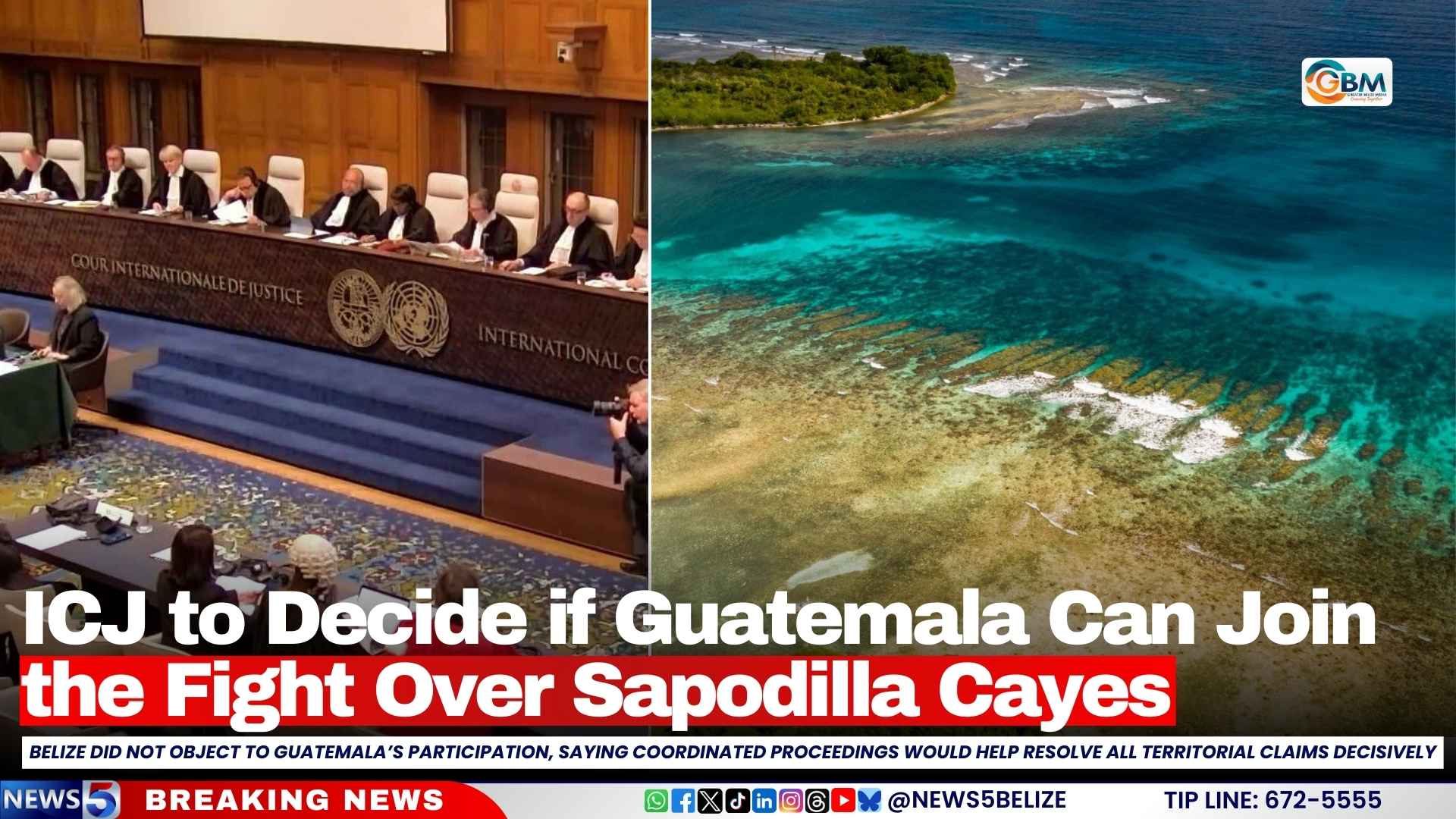
    The International Court of Justice (ICJ) has scheduled a landmark ruling for March 19, 2026, that will determine whether Guatemala can formally intervene in the ongoing sovereignty dispute between Belize and Honduras concerning the Sapodilla Cayes. This maritime territory has been the subject of prolonged regional contention, with the current legal proceedings representing a critical juncture in the complex territorial landscape of Central America.

    Belize initiated litigation against Honduras in 2022 following unsuccessful bilateral negotiations to resolve Honduras’ claim, which derives legal basis from its 1982 constitutional provisions. Historical records indicate Belize had maintained administrative control over these islands for several decades preceding the emergence of the dispute.

    Guatemala formally sought intervention in late 2023, asserting that the ICJ’s eventual determination could potentially affect its own pending territorial and maritime claims against Belize, which are already under separate adjudication before the court. Guatemalan representatives emphasized their application constitutes not a novel territorial claim but rather a strategic maneuver to safeguard existing legal interests within the judicial framework.

    Notably, Belize has expressed no opposition to Guatemala’s participation, indicating that consolidated proceedings could facilitate comprehensive resolution of all interrelated territorial claims. Conversely, Honduras has vigorously contested Guatemala’s intervention, alleging procedural impropriety and urging the court to deny the application entirely. The upcoming ICJ decision is anticipated to establish significant precedents for multilateral territorial dispute resolution in international law.

  • Grenada to break ground on new hospital under Project Polaris

    Grenada to break ground on new hospital under Project Polaris

    Grenada is poised to enter a transformative era in healthcare delivery as government officials prepare to break ground on Project Polaris, the nation’s most ambitious medical infrastructure initiative to date. The ceremonial sod-turning event scheduled for March 27, 2026, will officially commence construction of a state-of-the-art 250-bed medical facility designed to withstand climate challenges while revolutionizing patient care.

    The future hospital represents the cornerstone of an expansive 84-acre Medical City complex in Calivigny, St. George. This cutting-edge facility will significantly enhance healthcare accessibility for residents across Grenada, Carriacou, and Petite Martinique while simultaneously advancing medical education, research capabilities, and specialized treatment services.

    Ambassador Andrea St Bernard, Project Sponsor, emphasized the historical significance of the undertaking, stating: ‘This ceremony transcends mere construction commencement. It heralds a paradigm shift in our national healthcare approach. Project Polaris embodies Grenada’s dedication to creating a resilient, contemporary health system that addresses current population needs while anticipating future generational requirements.’

    The government has extended an open invitation to all citizens to join the Prime Minister and Cabinet members at this landmark event. The project site will welcome attendees from 3:30 PM ahead of the 4:00 PM ceremony, marking a collective step toward healthcare transformation.

    As the administration’s flagship health initiative, Project Polaris aims to fundamentally strengthen national medical infrastructure and expand availability of modern healthcare services throughout the tri-island state, establishing Grenada as a regional leader in climate-resilient medical facilities.

  • Ministry of Creative Industries Congratulates Winners and Nominees of National Music Awards

    Ministry of Creative Industries Congratulates Winners and Nominees of National Music Awards

    St. John’s, Antigua and Barbuda — The nation’s music industry celebrated its brightest talents during the prestigious Antigua and Barbuda National Music Awards 2025. The Ministry of Education, Sports and Creative Industries joined organizers in honoring exceptional artists, producers, and cultural contributors who have significantly enriched the country’s musical landscape.

    The gala event showcased the extraordinary creativity and dedication that defines Antigua and Barbuda’s vibrant soundscape. From established legends to emerging voices, the ceremony recognized excellence across multiple genres and disciplines, highlighting the diverse talent pool that continues to elevate the nation’s cultural profile.

    Among the distinguished winners, Tian Winter secured two major accolades as Soca Artiste of the Year and Recording Artiste of the Year. Other category triumphs included Rashid Walker (Gospel Artiste), Niqko Wyld West (Dancehall/Reggae), and Ge’Eve Philip who received both Calypsonian of the Year honors and the prestigious 2025 Ricardo Drue Foundation Award.

    The production excellence of Andrew Smilius Dorsette earned him Producer of the Year, while Dr. Zahra Lake was celebrated as Arranger of the Year. Hellsgate Steel Orchestra and PMS Serenaders received recognition in the steelband categories, demonstrating the enduring importance of this traditional art form.

    Special recognition awards honored numerous industry pioneers including Patrick Johnny Gomes, Veron Henry, and Dr. Renee Smith for their lasting contributions. The evening’s highest honor, the Lifetime Achievement Award presented by Community First Cooperative Credit Union, was bestowed upon Mr. Roland Prince, Rupert “King Swallow” Philo, and Junior Jagger Martin for their transformative impact on the nation’s music heritage.

    Organizers extended gratitude to major sponsors including ACB Caribbean, KFC, Caribbean Union Bank, and State Insurance Company Ltd., whose support ensures the continued viability of this crucial cultural platform. The awards ceremony not only celebrates artistic achievement but also reinforces music’s vital role in cultural preservation, storytelling, and national unity through its powerful rhythms and narratives.

    The event concluded with an invitation for continued participation in the 2026 nomination process, anticipating further evolution and global impact from Antigua and Barbuda’s dynamic music community.

  • PUC: BTL Holds Market Dominance

    PUC: BTL Holds Market Dominance

    In a landmark regulatory decision, Belize’s Public Utilities Commission (PUC) has formally determined that Belize Telemedia Limited (BTL) maintains dominant market positions across virtually all telecommunications sectors. The final determination, published March 10, 2026, concludes an extensive investigation launched over a year ago.

    The comprehensive assessment examined both retail and wholesale telecommunications markets, with BTL found to hold dominance in eleven distinct market segments. These include retail fixed voice services, mobile telecommunications, broadband internet access, enterprise messaging services, international roaming, and multiple wholesale infrastructure services.

    The ruling emerges amid ongoing controversy surrounding BTL’s proposed $80 million acquisition of Speednet Communications Limited, a transaction that would effectively consolidate Belize’s telecommunications landscape under a single provider. Notably, BTL declined to participate in the consultation process that began February 2, though the Commission emphasized that this absence did not impede its statutory obligation to conduct an evidence-based assessment.

    Critical to the finding was BTL’s extensive control over national telecommunications infrastructure, including fiber optic networks and submarine cable landing stations. Competitors highlighted the economic impracticality of replicating such infrastructure in Belize’s small market economy, creating significant barriers to market entry and expansion.

    As a consequence of this dominance designation, the PUC has imposed stringent regulatory obligations on BTL. These include cost orientation requirements, price regulation mechanisms, non-discrimination mandates, accounting separation protocols, and infrastructure access provisions. An interim tariff freeze takes immediate effect while permanent regulations are developed.

    The Commission will maintain ongoing monitoring of compliance and may revisit market conditions as the telecommunications landscape evolves, particularly in light of the proposed Speednet acquisition that could further reshape competitive dynamics in Belize.

  • First ever CERT Exhibition and the annual Caribe Wave Tsunami Exercise

    First ever CERT Exhibition and the annual Caribe Wave Tsunami Exercise

    The Caribbean region marked a significant milestone in disaster management by simultaneously hosting two major emergency preparedness initiatives: the inaugural Community Emergency Response Team (CERT) Exhibition and the annual Caribe Wave tsunami exercise. This coordinated effort represents a comprehensive approach to regional resilience, combining public education with practical disaster response training.

    The groundbreaking CERT Exhibition showcased innovative emergency response technologies, community preparedness strategies, and cutting-edge rescue equipment from across the Caribbean basin. This first-of-its-kind event provided a platform for emergency management professionals, volunteers, and policymakers to exchange best practices and demonstrate advancements in disaster response capabilities.

    Running concurrently, the Caribe Wave exercise simulated tsunami scenarios across multiple Caribbean territories, testing emergency warning systems, evacuation procedures, and inter-agency coordination. This year’s drill incorporated lessons from previous natural disasters and integrated new protocols developed through regional cooperation agreements. Participants ranged from government agencies and military units to school children and coastal communities, ensuring widespread preparedness across all societal sectors.

    Meteorological organizations, disaster management agencies, and regional security partners collaborated extensively in both initiatives, emphasizing the Caribbean’s commitment to developing multi-hazard preparedness frameworks. The events particularly focused on vulnerable coastal communities and tourism-dependent economies that face disproportionate risks from tsunami threats and other climate-related disasters.

    The dual initiatives reflect the Caribbean’s proactive stance in addressing increasing climate volatility and seismic risks, serving as a model for other disaster-prone regions worldwide. This comprehensive approach to disaster readiness demonstrates how exhibitions of emergency technology can effectively complement practical training exercises to create more resilient communities.

  • Elderly Man Dies at Sea After Heart Attack: Police Report

    Elderly Man Dies at Sea After Heart Attack: Police Report

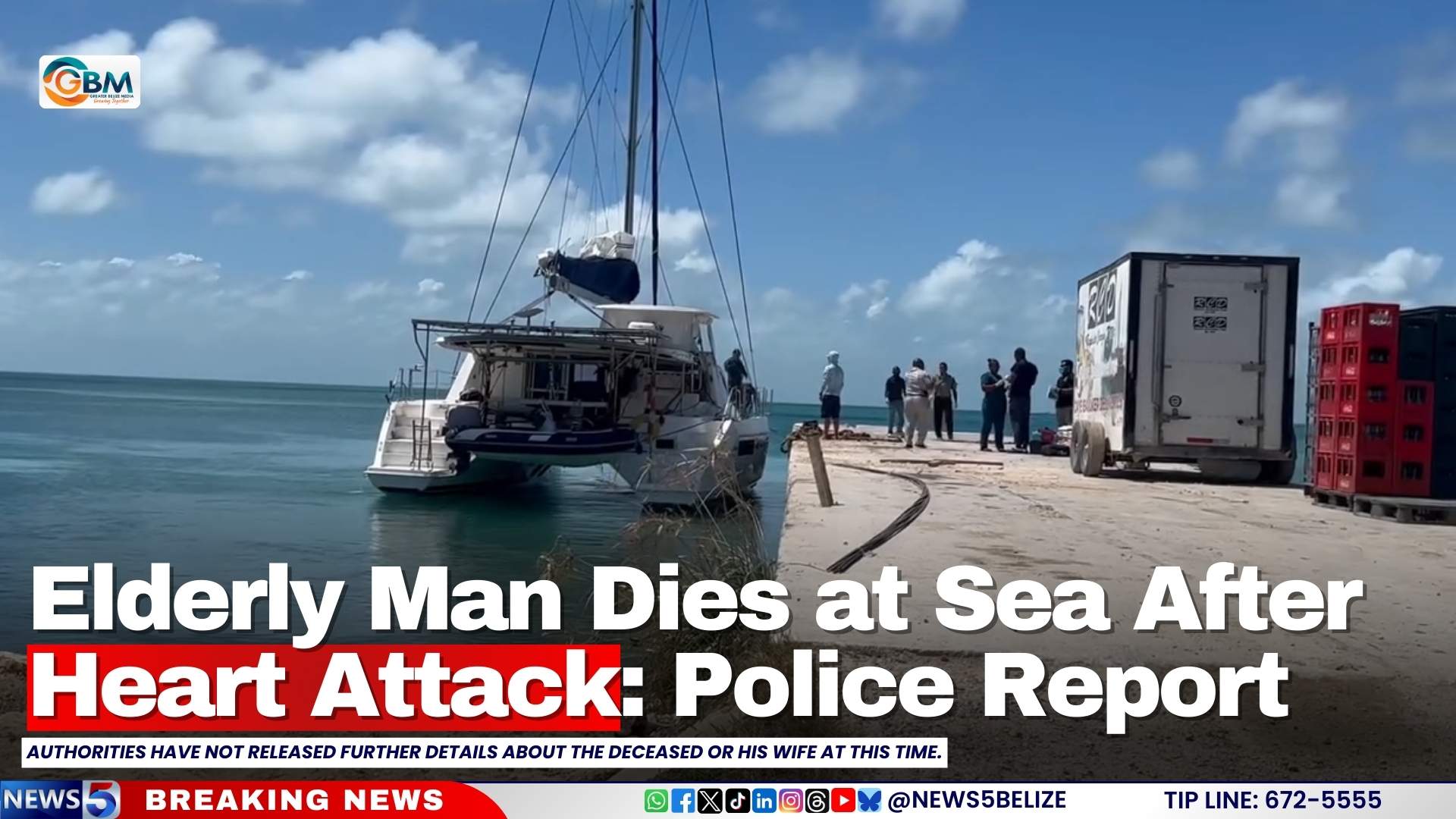
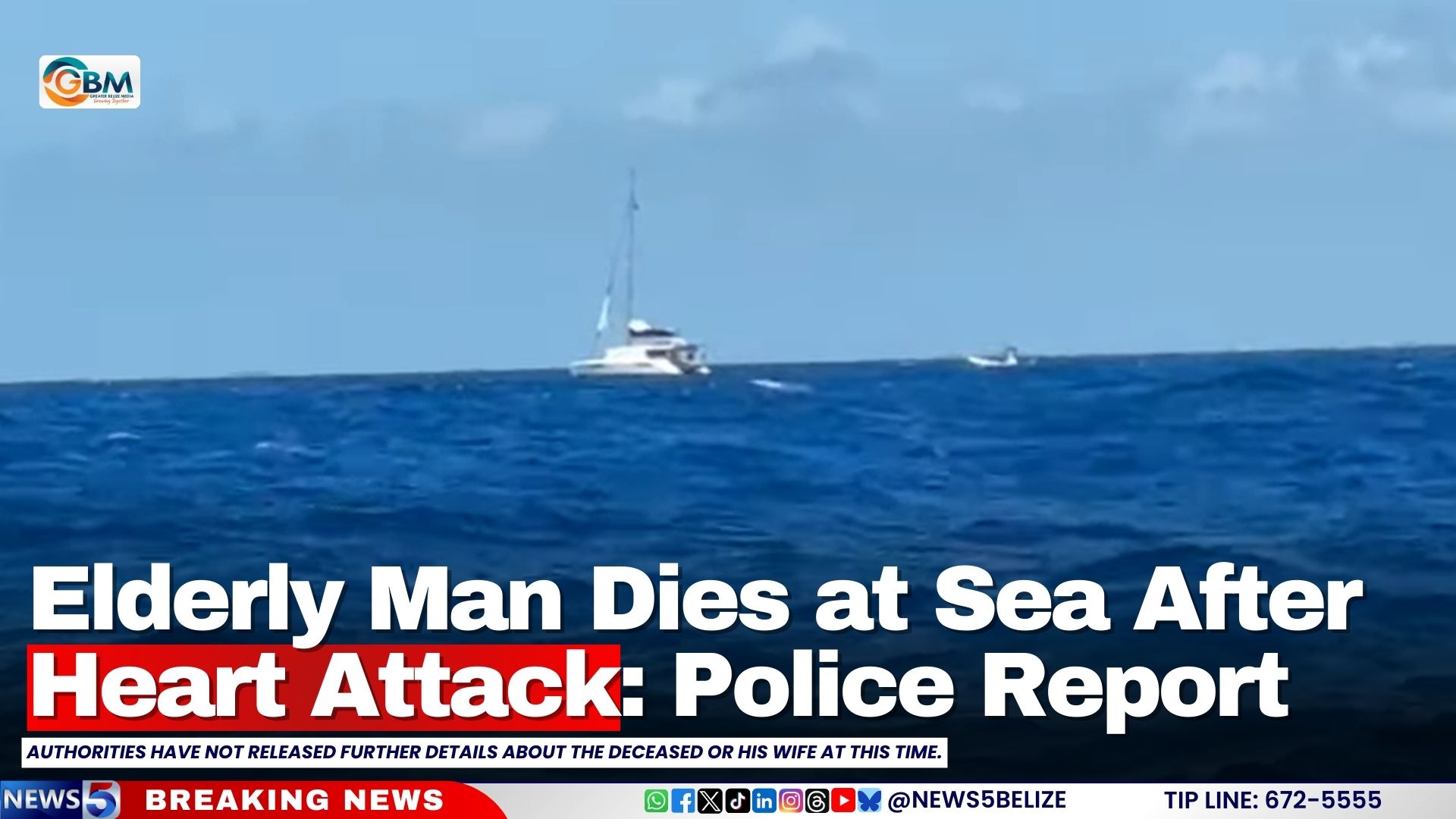
    A maritime emergency turned tragic early Wednesday morning when an elderly American citizen died aboard a catamaran approximately 60 miles off the coast of Belize. According to official police reports, the victim suffered a fatal cardiac incident while at sea.

    The sequence of events began when the Belize Rescue Team (BRT) received an emergency alert regarding a drifting vessel. The initial notification came from a passing cruise ship whose crew had provided preliminary assistance to the deceased man’s wife after she reported her husband’s collapse and subsequent passing.

    BRT personnel dispatched to the location located the catamaran slowly drifting toward Belizean territorial waters. Upon boarding the vessel, rescue teams discovered the elderly man deceased with visible signs of blood within the cabin area, though authorities have not specified the source or significance of this evidence.

    The Belize Coast Guard has now joined the operation, facilitating the towing of the catamaran to Caye Caulker Village for further investigation. Standard procedures for unexpected deaths at sea are being followed, though authorities emphasize that the initial assessment points to natural causes.

    At this time, officials have declined to release identifying information about the deceased individual or his surviving spouse pending family notifications and complete investigation protocols. The incident highlights the challenges of maritime emergency response in remote oceanic locations.

  • Elderly Man Dies at Sea After Heart Attack: Police Report

    Elderly Man Dies at Sea After Heart Attack: Police Report

    A maritime tragedy unfolded off the coast of Belize on Wednesday morning when an elderly American citizen succumbed to an apparent heart attack aboard a private catamaran. According to official police reports, the incident occurred approximately 60 nautical miles from shore in international waters.

    The Belize Rescue Team (BRT) initiated emergency operations after receiving a distress relay from a passing cruise vessel. The cruise ship crew had previously rendered assistance to the deceased’s wife, who reported her husband had collapsed and showed no signs of life. Maritime tracking systems indicated the catamaran was drifting unmanned toward Belizean territorial waters.

    Upon reaching the coordinates, BRT personnel discovered the vessel with the elderly man deceased onboard. Preliminary investigations revealed traces of blood within the cabin area, though authorities have not yet determined the exact cause or sequence of medical events. The Belize Coast Guard has been deployed to secure the scene and coordinate the vessel’s transport to Caye Caulker Village for further investigation.

    While formal identification remains pending, authorities confirmed the deceased and his spouse were United States nationals engaged in recreational sailing. Standard protocols for international incidents have been activated, with notifications made to both Belizean and U.S. diplomatic channels. Forensic specialists and medical examiners are expected to conduct full autopsies to establish the precise cause of death.

    The incident highlights the challenges of emergency medical response in remote maritime environments and the critical role of international cooperation in maritime rescue operations.

  • Belizean Family Confronted in Chetumal Over Car Ownership

    Belizean Family Confronted in Chetumal Over Car Ownership

    A routine cross-border trip to Mexico took an alarming turn for a Belizean family during the recent long weekend, prompting diplomatic intervention and raising concerns about vehicle documentation protocols. According to Belize’s Ambassador to Mexico Oscar Arnold, approximately 2,600 Belizeans entered Mexico during this period, primarily for tourism and medical purposes.

    The incident occurred when a Belizean woman and her daughters were confronted by several plainclothes individuals identifying themselves as police authorities after leaving a store in Chetumal. The officers alleged irregularities with the family’s vehicle and requested their accompaniment to the public prosecutor’s office. Despite presenting official identification, the authenticity of their credentials was questioned by the concerned Belizean national.

    Demonstrating presence of mind, the woman immediately contacted the Belizean Honorary Consul in Chetumal, who promptly arrived at the scene and accompanied the family to official authorities. Subsequent investigation by Mexican officials revealed an anomaly with the vehicle’s VIN number, triggering involvement from the specialized vehicle theft unit.

    After thorough examination, authorities determined the vehicle—originally imported from Mexico years ago and subsequently sold within Belize—was properly documented and legally possessed. No charges were filed against the family, and the consul ultimately concluded the incident did not constitute an attempted theft or extortion scheme.

    Ambassador Arnold utilized the occasion to issue a travel advisory, cautioning Belizean citizens purchasing Mexican-sourced vehicles about potential documentation complications and emphasizing the importance of immediately contacting embassy or consular officials when encountering suspicious circumstances abroad.