作者: admin

  • ‘Please! Please! Please!’ Woman runs to cops after kidnapping

    ‘Please! Please! Please!’ Woman runs to cops after kidnapping

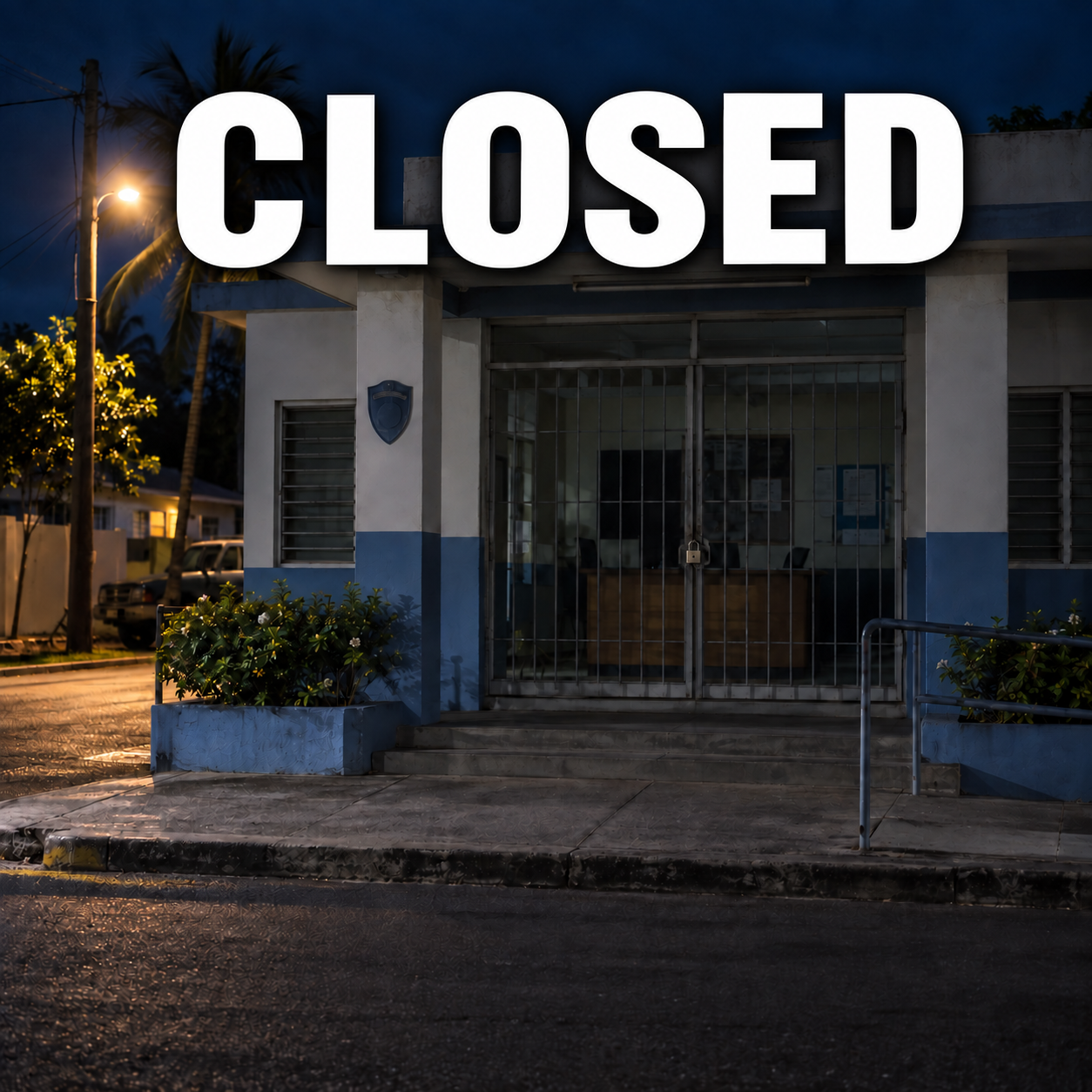
    A dramatic late-night rescue operation carried out by Trinidadian law enforcement has resulted in the safe recovery of a 21-year-old Diego Martin resident, who was allegedly abducted by a former romantic partner earlier this week. The 22-year-old suspect, a construction labourer based in El Dorado’s Caura Road area, was taken into custody immediately following the successful interception, according to official police reports.

    The chain of events unfolded shortly after 7 p.m. on Monday, when the suspect arrived at the victim’s Diego Martin home. The woman, who works as a food vendor, became embroiled in a verbal altercation with the man before he used force to drag her into his blue Toyota Axio sedan and fled the scene, police accounts confirm.

    A tip that set the rescue operation in motion came roughly an hour after the abduction, when a Diego Martin-based Traffic Warden contacted the Maracas Bay Police Station to report the kidnapping. Critically, the informant was able to provide real-time location data from a GPS tracking system linked to the suspect’s vehicle, which confirmed the car was moving north along the popular North Coast Road corridor near Maracas Bay.

    Law enforcement teams from both the Maracas Bay and Blanchisseuse police detachments were quickly dispatched to launch a search along the route. It did not take long for officers to locate the suspect’s parked vehicle, which was pulled off the road approximately one mile north of St Michael’s Village in the Las Cuevas area. When responding officers arrived on scene, the suspect was standing outside the vehicle’s driver-side door, while the victim remained in the front passenger seat.

    Preliminary investigative notes indicate the victim had sustained visible injuries to both of her knees, with clear signs of blood at the scene. As soon as the victim spotted the approaching officers, she fled the vehicle toward the team, screaming repeated pleas for help. Officers quickly secured the victim and placed the suspect under arrest without incident.

    Both the victim and the accused were first transported to the Maracas Bay Police Station for processing, before the case was formally handed over to detectives from the West End Criminal Investigations Department for further investigation into the incident.

  • Antiguan Joella Charles Graduates From Harvard With Second Master’s Degree

    Antiguan Joella Charles Graduates From Harvard With Second Master’s Degree

    In a milestone achievement that spotlights academic grit and Caribbean ambition, Antiguan professional Joella Charles has capped years of rigorous graduate study by collecting her second master’s degree from one of the world’s most prestigious higher education institutions, Harvard University. Her new graduate credential specializes in the high-demand fields of legal compliance, strategic leadership, and corporate finance.

    Charles crossed the Harvard commencement stage this past Thursday, joining thousands of graduating students hailing from every corner of the globe to mark the end of her program. The latest degree adds another world-renowned academic honor to her portfolio, which already includes a graduate degree from another Ivy League institution, Columbia University.

    During her time at Harvard, Charles designed her course of study to center on two high-impact areas: cross-border financial legal strategy and global executive leadership. The specialized training has positioned her to launch a full-time career in business consulting based in Manhattan, New York, where she will collaborate with some of the world’s largest asset management organizations.

    To celebrate her years of hard work, Charles was joined in Cambridge, Boston, by loved ones who traveled from near and far to cheer her on during the commencement ceremony. Back in her home country of Antigua, her accomplishment is already being held up as a powerful example of what targeted perseverance and clear ambition can achieve. For her part, Charles says she hopes her journey will encourage young Antiguans from the next generation to chase ambitious goals and pursue excellence in their own academic and professional pursuits.

  • Onderwijsbonden en regering bereiken akkoord; morgen school

    Onderwijsbonden en regering bereiken akkoord; morgen school

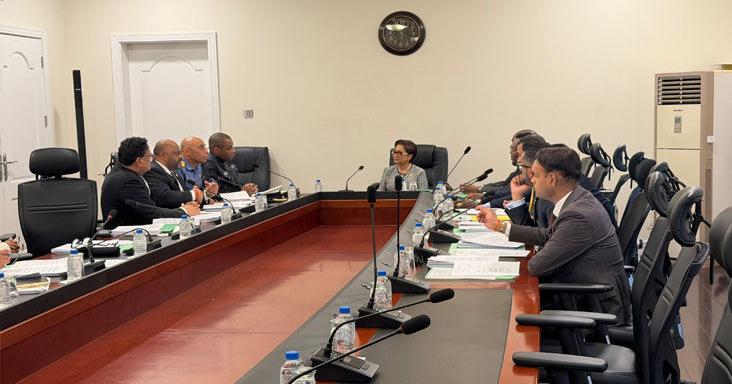
    A weeks-long standoff between Suriname’s national government and combined education unions has come to a peaceful resolution, after intensive multi-party negotiations produced a comprehensive agreement to improve working conditions for educators and clear the way for an immediate resumption of regular classes across the country. The national work stoppage, which launched earlier that week, will formally end with the imminent signing of the agreement, which currently only awaits final technical edits before being formalized by all stakeholders.

    Negotiations brought together representatives from the cabinet, the unified education unions, and a specially convened presidential commission to hash out concessions on core demands that triggered the industrial action. The final principle agreement addresses pressing grievances including unpaid back wages, long-overdue benefit adjustments, unpaid overtime, and the establishment of a permanent framework for future dialogue between the two sides.

    Under the terms of the deal, education union leadership will immediately advise all their members to return to full regular teaching duties. Both sides have also committed to protecting the continuity of education going forward, and agreed to resolve future disputes through structured negotiation rather than industrial action wherever possible.

    Among the most concrete commitments is a pledge to clear the backlog of administrative and legal status updates within the Ministry of Education, Science and Culture by a set timeline. The agreement also mandates that all unpaid overtime owed to part-time educators must be paid in full no later than the end of June. Additional concrete terms include new provisions for 20-year service gratifications, guaranteed standard payroll processing for union representatives, and the formal launch of a permanent consultation platform between union leadership and the education ministry.

    A series of substantial benefit increases for active and retired educators make up the centerpiece of the agreement. The annual eyeglass allowance for educators will jump from SRD 2,000 to SRD 7,000 starting June 1, 2026, with a further increase to SRD 9,000 scheduled to take effect on January 1, 2027. Retired educators will also be eligible for this adjusted benefit. The monthly distance education allowance will rise from SRD 350 to SRD 850, while a new 14% of base salary allowance for continuing professional development has been introduced. Starting this August, educators will also receive an annual clothing allowance of SRD 5,000. For instructors teaching in the bachelor’s programs at the Teacher Training Institute (IOL), all future overtime will be compensated in line with the standardized MO-B salary scheme.

    Both sides have acknowledged that this round of negotiations did not resolve every single demand raised by the unions. Remaining outstanding issues will be added to the agenda for future negotiation sessions to prevent renewed disruption to classes. The agreement marks a clear breakthrough in a conflict that had sparked widespread industrial action across the country in the days before the deal. Union leaders had previously stated they would only end the national strike once binding, concrete commitments were put in writing, a condition met by the finalized agreement.

  • VN waarschuwt: minder fondsen bedreigen hulp aan Rohingya-vluchtelingen in Bangladesh

    VN waarschuwt: minder fondsen bedreigen hulp aan Rohingya-vluchtelingen in Bangladesh

    Almost nine years after hundreds of thousands of Rohingya fled systematic violence in Myanmar, the United Nations has issued an urgent warning: shrinking global humanitarian funding could send the living conditions of the 1.2 million Rohingya refugees sheltering in Bangladesh into catastrophic decline.

  • Murdered man found in Morvant  identified as Venezuelan

    Murdered man found in Morvant identified as Venezuelan

    A grim discovery early Monday morning in the Trinidadian neighborhood of Morvant has launched an active homicide investigation, after authorities confirmed the body found in a public area belongs to 23-year-old Venezuelan national Enrique Pineda.

    Local law enforcement confirmed that the first report of an unresponsive body reached emergency services shortly before 6 a.m., with callers directing officers to the intersection of First Caledonia and Tractor Hill. First responders arriving on scene encountered Pineda’s remains on open ground, partially concealed by a bedsheet soaked in blood. Preliminary observations from responding officers confirmed the victim had sustained extensive, severe trauma consistent with foul play.

    Unlike many anonymous homicide discoveries, investigators were able to quickly identify the victim thanks to personal items recovered a short distance from the body. Among the evidence collected at the site were official identification documents, an undisclosed amount of cash, a wristwatch, and assorted pieces of jewelry, all of which helped confirm Pineda’s identity within hours of the discovery.

    The sequence of events that led to the find began when a crew of local sanitation workers was passing through the intersection as part of their morning route. The workers spotted the unusual covered form and immediately alerted residents living nearby, who placed the initial call to police to report the suspicious scene.

    By mid-morning, specialized crime scene investigators and detectives from the Homicide Bureau of Investigations had secured the area and launched a full evidence sweep. The team spent multiple hours documenting the scene, collecting forensic samples, and interviewing nearby residents and witnesses who may have seen unusual activity in the area overnight.

    To formalize what caused Pineda’s death, a full post-mortem examination has been scheduled for later this week at the Forensic Science Centre located in Federation Park. The autopsy results will allow investigators to confirm the exact cause and manner of death, a key step in building a case against any responsible parties.

    As the investigation continues to unfold, local police have issued a public appeal for information. Any person who was in the First Caledonia and Tractor Hill area overnight Sunday into Monday morning, or who has any details about Pineda’s activities before his death, is urged to contact investigating officers to assist with the case.

  • PAREDOS backs PM’s call for community parenting groups

    PAREDOS backs PM’s call for community parenting groups

    On World Parents’ Day, the leader of one of Barbados’ longest-standing family support organizations has publicly thrown its full weight behind Prime Minister Mia Mottley’s push to expand on-the-ground community parenting groups, framing the initiative as a critical step to expanding access to support for vulnerable families and tackling rising youth gang involvement.

    Cecily Clarke-Richmond, director of Parent Education for Development in Barbados (PAREDOS), told local outlet Barbados TODAY Monday that the organization fully aligns with Mottley’s recent parliamentary address, which called for localized parenting support networks as a core part of national efforts to strengthen family structures and curb the spread of gang culture among young people.

    “There is no question that the prime minister’s call for expanded community-focused parenting programs has my full, unwavering support,” Clarke-Richmond stated. She emphasized that the long-term success of any such initiative hinges on meeting parents where they already are, rather than requiring them to travel to centralized facilities to access help.

    Many caregivers across Barbados face packed schedules and multiple work or family commitments that make it difficult to carve out time for off-site parenting education, Clarke-Richmond explained. By bringing support directly into neighborhoods, organizations remove one of the biggest barriers to access. “Getting to the parents where they are is already half the battle won,” she said. “Parents are hungry for support, but we have to meet them halfway. This approach is undeniably the right step forward.”

    During her address to the House of Assembly, Mottley argued that the country can no longer operate under the assumption that all caregivers naturally have the skills to navigate modern parenting challenges. Shifting social structures have weakened traditional intergenerational support systems, she noted, while public anxiety over youth recruitment into gangs continues to climb.

    Founded in 1965, PAREDOS has nearly six decades of experience supporting Barbadian families, starting with small in-person parenting classes before expanding to add professional counseling and community outreach services. Today, the organization runs parenting sessions both at its central headquarters and in neighborhoods across the island, covering 11 core topics that directly address the most pressing concerns modern caregivers face. These include building children’s emotional intelligence, addressing bullying, navigating childhood nutrition, and supporting young people’s sexual and reproductive health.

    When asked about the most common challenges that drive parents to seek PAREDOS’ support, Clarke-Richmond identified conflict in co-parenting arrangements as the top issue. “Co-parenting tensions are the number one reason parents reach out to us for help,” she said. Following closely behind, she added, is confusion over parental roles and responsibilities, alongside the hesitation many caregivers feel when it comes to admitting they need outside support.

    “Many caregivers struggle to find the courage to say, ‘I’m losing control with my child, no matter their age, and I need help,’” she explained. Clarke-Richmond noted that the biggest roadblock to healthy co-parenting is when separated or divorced caregivers let their own personal resentments overshadow their child’s best interests.

    “The core of co-parenting has to shift from ‘this is about my feelings’ to ‘this is about the child who never asked to be in this situation,’” she said. “We have to ask: how do we set our differences aside to prioritize what this young person needs?” She stressed that both biological parents play an irreplaceable role in healthy child development, and urged separated caregivers to prioritize cooperation over ongoing conflict.

    Beyond resolving co-parenting tensions, Clarke-Richmond encouraged any caregiver struggling with the demands of raising children to reach out for support early, before small challenges escalate into larger crises. “The first thing to remember is that help is available, and no one is a perfect parent,” she said. “If you need support, ask for it. Children will test boundaries, but if we don’t set clear, consistent guidelines for them to follow, they cannot be expected to thrive.”

    Clarke-Richmond also emphasized that cross-organization collaboration is key to meeting Barbados’ growing need for parenting support, noting that PAREDOS is happy to partner with other government and non-profit agencies rather than compete for resources. “We are well past the point of competing for clients. We all have to work together to support the parents of this country,” she said.

    Continuing its decades-long mission, PAREDOS is set to launch a new round of parenting classes this Thursday, focused on equipping caregivers with practical, actionable tools to navigate the increasingly complex landscape of raising children in 21st century Barbados.

  • DAIC urges stronger preparedness as hurricane season begins

    DAIC urges stronger preparedness as hurricane season begins

    As the 2026 Atlantic Hurricane Season officially kicked off on June 1, the Dominica Association of Industry and Commerce (DAIC) has launched a urgent call to action for businesses, government bodies, public institutions, and all national stakeholders to ramp up disaster preparedness measures and build greater capacity to withstand the full range of climate and operational threats facing the Caribbean island nation.

    In an official press statement, the leading private sector trade group emphasized that while hurricanes remain the most high-profile natural hazard for the region, modern businesses now face a rapidly expanding list of risks that extend far beyond tropical storm systems. These growing threats include widespread flooding, record-breaking extreme heat events, accelerating coastal erosion and storm surge damage, catastrophic landslides, chronic water scarcity, extended power and telecommunications outages, unexpected supply chain disruptions, macroeconomic instability, and a host of other operational challenges that can bring business activity to a halt. Against this backdrop, DAIC stressed that traditional preparedness focused solely on hurricane response is no longer sufficient to protect the private sector and national economy.

    The organization noted that this expanded planning requirement applies to every segment of Dominica’s business ecosystem, from small micro-enterprises and local small businesses to large national corporations and critical infrastructure industries. All business types are urged to take intentional, proactive steps to boost their readiness for potential disruptive events, regardless of their scale or operating sector.

    DAIC also underlined the central role that the private sector plays in sustaining national progress, supporting widespread employment, attracting foreign and domestic investment, maintaining critical supply chains, and leading effective post-disaster recovery. The group warned that unprepared businesses do not only face individual losses – disruptions to private sector activity ripple outward to harm local communities, undermine household livelihoods, and drag down the performance of the entire national economy.

    Under the new leadership of recently elected President Olive Strachan MBE and DAIC’s newly seated Board of Directors, strengthening business resilience and long-term sustainability has been positioned as a top core strategic priority for the organization. To advance this goal, DAIC maintains ongoing collaborative partnerships with a network of regional and international disaster risk reduction bodies, including the United Nations Office for Disaster Risk Reduction, the Caribbean Chambers of Commerce network, and the ARISE (Private Sector Alliance for Disaster Resilient Societies) Network. DAIC serves as the official ARISE national focal point for Dominica, working to expand private sector engagement in Multi-Hazard Early Warning Systems (MHEWS) and other cross-cutting disaster resilience initiatives across the country.

    Through these strategic partnerships, DAIC is actively contributing to regional policy discussions focused on improving public and private risk communication, supporting the development of robust business continuity plans, strengthening cross-sector coordination mechanisms, and ensuring the private sector is formally integrated into national and regional resilience governance frameworks.

    Speaking on the organization’s new priority focus, DAIC President Olive Strachan MBE emphasized: “Preparedness is no longer optional for our business community. Today’s enterprises must plan for multiple hazards that can disrupt daily operations, harm employee safety, break critical supply chains, and slow decades of national development. The private sector has an irreplaceable critical role to play at every stage of disaster management – before, during, and after a hazard event. Every business, no matter how large or small, contributes to building a more resilient Dominica. DAIC is fully committed to strengthening business resilience and sustainability through cross-sector partnerships, targeted advocacy, public awareness campaigns, and hands-on practical support for private enterprises across the country.”

    Strachan and DAIC have also called on all national stakeholders to continue making incremental improvements to cross-sector coordination, public communication systems, critical infrastructure resilience, and integrated preparedness planning. The organization stressed that building effective, country-wide disaster resilience cannot be achieved by a single group – it requires sustained, aligned cooperation between government agencies, the private sector, civil society organizations, and regional partner bodies.

    As part of its formal recommendations for the 2026 hurricane season, DAIC has outlined concrete actions for both businesses and households: review and update existing emergency response and business continuity plans, refresh internal and external communication and contact systems, secure critical operational data and physical infrastructure, conduct full audits of supply chain vulnerabilities, deliver disaster preparedness training to all staff, run regular preparedness simulation exercises, maintain consistent engagement with official information channels and early warning systems, and plan for a full spectrum of hazards rather than focusing exclusively on hurricanes.

    To support businesses in implementing these steps, DAIC announced that it will make a full suite of practical preparedness and business continuity planning resources available to private sector stakeholders throughout the 2026 hurricane season. All DAIC member organizations and local businesses are invited to contact the DAIC Secretariat to access these free planning materials.

    In closing, DAIC reaffirmed its long-term commitment to supporting Dominica’s private sector through targeted advocacy, public awareness initiatives, open information sharing, cross-sector engagement, and expanded access to regional resilience programs and planning tools. The organization stated that it will remain a consistent partner for the Dominican business community, standing alongside enterprises through all stages of emergency and disaster events.

  • Health ministry monitoring Ebola situation

    Health ministry monitoring Ebola situation

    As the ongoing Ebola outbreak in Central Africa, which has been categorized as a Public Health Emergency of International Concern by the World Health Organization (WHO), continues to spread, public health institutions across the Caribbean are ramping up surveillance and preparedness measures, even though regional health bodies have assessed the overall risk of the virus reaching the bloc as low.

    On May 17, the WHO formally designated the outbreak currently impacting the Democratic Republic of Congo (DRC) and neighboring Uganda as a PHEIC, the highest level of global public health alert. The outbreak, which is concentrated in eastern regions of the DRC and multiple areas of Uganda including its capital Kampala, is linked to the Bundibugyo strain of the Ebola virus—a variant for which no commercially licensed vaccines or targeted, proven antiviral treatments currently exist. As of May 27, official data tallies 1,018 confirmed and probable cases across the two affected nations, with 234 registered deaths; the overwhelming share of both cases and fatalities have been recorded in the DRC.

    In an official public statement released Monday, Dr. Sharon Belmar-George, Chief Medical Officer for the Ministry of Health, Wellness and Nutrition, emphasized that to date, no confirmed cases of Ebola have been detected anywhere in the Caribbean. She echoed the assessment of the Caribbean Public Health Agency, which has concluded the current risk of the virus establishing a presence in the region remains low. Even so, public health officials have stressed that vigilance cannot be relaxed, noting the virus could still be introduced to the Caribbean via unregulated or undetected international travel from affected regions.

    “While the outbreak has not been classified as a pandemic at this stage, coordinated cross-border and global action remains critical to containing its spread,” Dr. Belmar-George explained. To strengthen regional and national readiness, the ministry has rolled out a series of proactive measures: enhanced entry screening at all ports of entry, including systematic checks of traveler history from high-risk areas; a full review of existing national outbreak response plans; upgrades to infection prevention and control protocols across all healthcare facilities; inventory assessments of personal protective equipment (PPE) stockpiles; and targeted training and awareness building for frontline healthcare workers.

    Notably, Ebola testing capacity is not currently available within any Caribbean nation. To address this gap, the ministry is working closely with regional public health agencies to establish standardized protocols for sample collection and secure transport to the U.S. Centers for Disease Control and Prevention (CDC) headquarters in Atlanta should testing be required for any suspected case. Officials are also scheduling cross-sector coordination meetings with stakeholders from the health, tourism, education, and business sectors to align preparedness efforts across all parts of regional society.

    The ministry’s Health Education and Communication Unit is also developing a comprehensive public risk communication plan, designed to deliver clear, evidence-based information to the general public. This initiative will cover key topics including how to recognize early Ebola symptoms and how to comply with national public health safety guidelines.

    Ebola is an acute viral illness that is often fatal if left untreated. It spreads through direct contact with the blood or other bodily fluids of an infected person, contact with materials contaminated by the virus, or exposure to infected wild animal populations. Common early symptoms include fever, intense headache, muscle soreness, general weakness and fatigue, sore throat, vomiting, diarrhea, abdominal pain, and unusual bleeding or bruising. The ministry confirmed it will continue to monitor the evolution of the African outbreak closely and issue regular public updates as new information becomes available.

  • Antigua and Barbuda Riders Secure Multiple Podium Finishes at OECS Championships

    Antigua and Barbuda Riders Secure Multiple Podium Finishes at OECS Championships

    The 2026 ABWU Invitational and Organization of Eastern Caribbean States (OECS) Cycling Championships wrapped up on a high note of regional athletic competition last week, with cyclists from seven Caribbean territories converging on Antigua to battle for podium honors across 10 distinct age and skill divisions. Hosted on a challenging 19.046-kilometer circuit that tested riders’ endurance and tactical skill, the two-day event culminated in a standout victory for Grenada’s Red Walters, who secured the OECS Elite Men’s Championship with a dominant performance that set him apart from the regional field.

    Walters crossed the finish line after five grueling laps with an official time of 2 hours, 21 minutes and 40.790 seconds, notching the fastest individual lap speed of the entire day at 44.29 kilometers per hour. The podium for the elite men’s title was rounded out by local favorite Jyme Bridges of Antigua and Barbuda, who claimed second place, and Tahje Browne, who secured third. Kohath Baron of Dominica delivered a close final push, finishing less than one second behind Browne to narrowly miss out on a podium spot.

    The event highlighted the growing depth of competitive cycling talent across the Eastern Caribbean, with top finishers hailing from Grenada, Antigua and Barbuda, Dominica, and St. Vincent and the Grenadines across all divisions. In the ABWU Invitational Elite Men’s race, home-team riders put on an unbeatable display, sweeping all three podium positions. Robert Marsh of the East Side Riders club took first place, with Abbiel following in second and Jaleel Cannonier rounding out the top three.

    Other division winners showcased the range of emerging and established talent across the region. Grenada added another OECS title to its haul when Tristun Viechweg claimed gold in the Junior Men’s Championship, outpacing Anguilla’s Kamari Ruan and Ephraim Hughes-Hodge to take the win. In the Masters A division, Samuel Talbot of the British Virgin Islands secured the top spot, with Desron Bynoe of St. Vincent and the Grenadines taking silver and Antigua and Barbuda’s Jason Adams earning bronze.

    Anguilla dominated the Masters B category, with Craig Emmanuel taking first place and Patrick Niles claiming second; Antigua and Barbuda’s Paul Smith finished third to complete the podium. Grenada earned another victory in the OECS Juvenile Championship, where William Meyerer crossed first ahead of Antigua and Barbuda’s Elite Thomas, who completed all three laps to take second. In the Cadets 11-14 division, Sage Williams of St. Vincent and the Grenadines claimed gold as the only competitor to successfully finish the full two-lap course. The Sports Class category closed out the event with another strong showing from Antigua and Barbuda, as Eldon Farquharson took first and Dexter Simmons finished second, with Anguilla’s Carl Thomas placing third.

    Speaking after the event wrapped, the Antigua and Barbuda Cycling Federation praised the event as a milestone for regional cycling, noting that the high level of competition demonstrated the growing depth of talent across Caribbean nations and the enduring competitive spirit that continues to advance the sport in the region. The federation also extended formal thanks to the Antigua and Barbuda Workers’ Union, corporate sponsors, event officials, volunteer organizers, and all participating national teams for their work in making the 2026 championships a success.

  • Caribbean Food Forum Reinforces Importance of Local Food Systems, ABTA Official Says

    Caribbean Food Forum Reinforces Importance of Local Food Systems, ABTA Official Says

    The 2026 iteration of the annual Caribbean Food Forum has wrapped up, with industry leaders leaving the event with a renewed focus on elevating local food production, deepening cross-regional cooperation, and directing targeted investment into Caribbean coastal and island communities. Donyelle Bird-Browne, an official with the Antigua and Barbuda Tourism Authority, shared key takeaways from the gathering in a post-forum briefing, framing the regional food scene as far more than a collection of iconic dishes. For the Caribbean, she emphasized, local food is a living expression of the region’s shared cultural heritage, collective identity, remarkable community resilience, growing entrepreneurial spirit, and ongoing commitment to environmental sustainability.

    Centered on the 2026 theme “The Future Is Local: Caribbean Food at the Crossroads of Global Impact,” the three-day forum drew a diverse cross-section of food system stakeholders from across the Caribbean and international partners beyond the region. Attendees ranged from independent small-scale farmers and artisanal fishers to award-winning local chefs, small business entrepreneurs, senior tourism industry leaders, university students studying agribusiness and hospitality, and regional policymakers tasked with shaping food security and economic development strategy.

    Across plenary sessions, breakout working groups, and networking events, participants exchanged actionable insights, forged new cross-sector partnerships, and opened sustained dialogue around two core priorities: the long-term evolution of the Caribbean’s food industry, and its outsize role in driving inclusive, sustainable economic growth across the region’s small island developing states. Bird-Browne struck an optimistic tone in her closing remarks, noting “The future is local, and the future of Caribbean food is bright.”

    One of the gathering’s most consistent key messages, Bird-Browne explained, was the urgent need for continued targeted investment in four foundational pillars of Caribbean food: the people who grow, prepare, and sell local food, the one-of-a-kind products they create, the rich cultural stories tied to Caribbean culinary traditions, and the rural and coastal communities that sustain the regional food system. Parallel to that investment push, attendees also highlighted the critical importance of strengthening existing cross-border connections between producers, businesses, and tourism organizations across the Caribbean to unlock shared growth.

    In closing, Bird-Browne extended formal gratitude to all participants, corporate sponsors, and organizational partners that contributed to what she described as a deeply meaningful and memorable gathering. She made special note of the contributions of keynote speaker Dona Regis-Prosper, Secretary-General and Chief Executive Officer of the Caribbean Tourism Organization, praising Regis-Prosper’s proven regional leadership and insightful input that enriched all forum discussions.

    Looking ahead, the conversations sparked at the 2026 forum will continue through working groups and collaborative initiatives in the months leading up to the next gathering, scheduled for 2027. The Caribbean Food Forum is a core annual event tied to Antigua and Barbuda’s national Culinary Month, with a core mission to promote Caribbean culinary heritage, support local agriculture, boost culinary tourism, and nurture ongoing collaboration between food and tourism stakeholders across the entire region.