作者: admin

  • Where’s the relief? Opposition Leader asks GOB

    Where’s the relief? Opposition Leader asks GOB

    As skyrocketing global oil costs send domestic fuel prices soaring in Belize, the country’s political opposition is pressing the sitting administration to roll out immediate relief measures for struggling households and businesses — a call that has so far gone unanswered by policymakers.

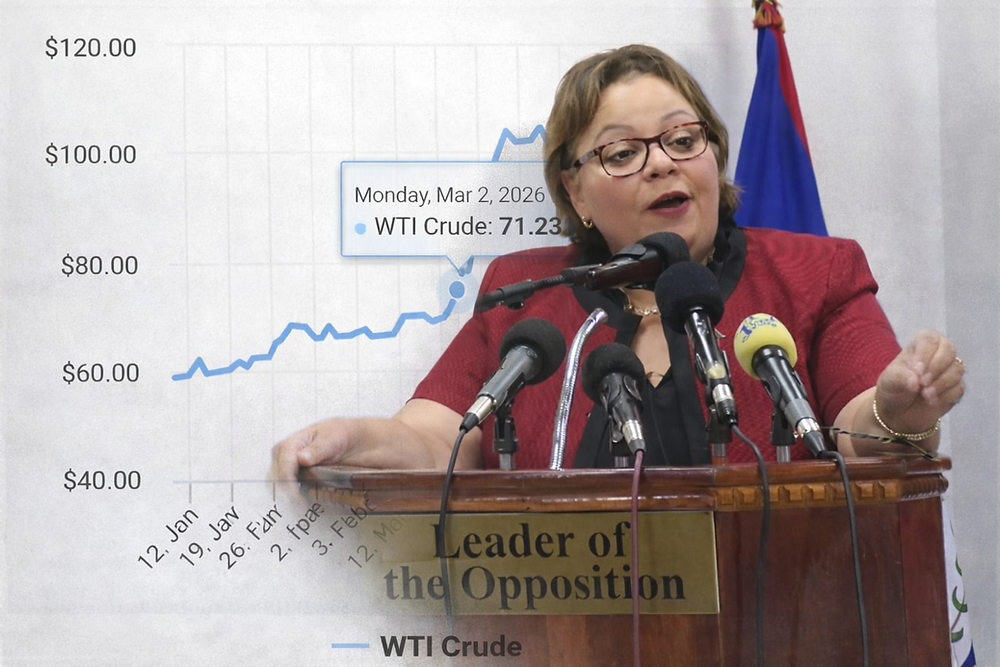
    Opposition leader Tracy Panton has issued two formal statements this week hammering the government for its inaction as price hikes hit just ahead of the Easter holiday, one of the busiest travel periods of the year for the Caribbean nation. The latest price adjustments pushed premium gasoline up by 86 cents per gallon and regular gasoline by 80 cents per gallon, bringing benchmark prices in the capital of Belize City to $14.62 and $13.82 per gallon respectively.

    Panton has contextualized the current crisis as the product of mounting global energy market instability, pointing to two major geopolitical flashpoints that have disrupted supply chains: escalating tensions in the critical Strait of Hormuz shipping lane and the escalating conflict involving the United States, Israel and Iran. These global shocks have sent international crude prices skyrocketing in recent weeks: official market data shows West Texas Intermediate (WTI) crude climbed to $98.57 per barrel on April 9, marking a nearly 40% jump from the $71.23 per barrel recorded at the start of March, a surge that unfolded over just five weeks.

    The opposition leader warns that the ripple effects of these fuel price increases are already spreading across every corner of Belize’s domestic economy. Higher fuel costs have directly pushed up transportation fares, grocery prices and operational overheads for small businesses and key productive industries. Panton emphasizes that the government’s failure to implement any temporary tax cuts, fuel subsidies, or targeted financial support has placed an unfair, overwhelming burden on the country’s lowest-income households and most vulnerable populations.

    To back up its call for action, the opposition points to the government’s own previous response to economic crisis during the COVID-19 pandemic. At that time, the administration rolled out broad fiscal interventions and targeted social support programs to protect household incomes and prevent widespread economic collapse. Panton argues that the current fuel crisis demands a similarly bold, targeted policy response to shield the public from market volatility.

    As the primary opposition United Democratic Party’s parliamentary caucus pushes for concrete steps including a full review of domestic fuel taxation and the launch of targeted relief mechanisms to soften the blow for affected groups, the Belizean government has yet to release any public announcement of planned interventions to address the rising cost of fuel.


  • Banreservas Cultural Center opens exhibition featuring unpublished works by Minerva Mirabal

    Banreservas Cultural Center opens exhibition featuring unpublished works by Minerva Mirabal

    SANTIAGO — A landmark new exhibition showcasing never-before-seen creative works from Dominican revolutionary icon Minerva Mirabal has opened its doors to the public, launched jointly by the Banreservas Santiago Cultural Center and the Mirabal Sisters Foundation to mark 100 years since Mirabal’s birth. Titled “A Century: The Artistic Dimension of Minerva Mirabal,” the show pulls back the curtain on a little-documented side of the national heroine, inviting visitors to engage with her legacy beyond her renowned political activism.

    The exhibition’s collection spans a range of mediums: intimate personal photographs, hand-executed paintings, and textured sculptural works that explore Mirabal’s artistic sensibilities. Across landscapes, formal portraits, and everyday genre scenes, the displayed pieces demonstrate Mirabal’s experimentation across multiple artistic movements, from the soft color palettes of Impressionism to the bold experimental forms of abstract art.

    For event organizers, the exhibition serves a dual purpose: it stands as a heartfelt tribute not only to Minerva, but to all four Mirabal sisters — Patria, María Teresa, and Dedé, who alongside Minerva became iconic symbols of resistance against dictatorship in the Dominican Republic — and creates a rare public space to recognize Minerva’s long-overlooked identity as a creative producer.

    Curated by established art scholar Guadalupe Casasnovas, the show pairs 16 original works created by Minerva Mirabal with nine additional pieces from contemporary and fellow Dominican artists, creating context that connects Mirabal’s creative practice to the broader Dominican art ecosystem. The exhibition is hosted at the Banreservas Santiago Cultural Center, housed in the historic former Hotel Mercedes building, and will run for public viewing through June 5 of this year.

  • Monitoring of the Reform of public finances and economic governance in Haiti

    Monitoring of the Reform of public finances and economic governance in Haiti

    Against the backdrop of over 20 years of incremental but uneven efforts to overhaul Haiti’s public financial and economic management systems, a high-stakes working session was convened this week to assess progress, address persistent bottlenecks, and map out the next phase of reform. Hosted by Sandra Paulemon, Haiti’s Minister of Planning and External Cooperation, the gathering brought together senior members of the country’s Commission for Public Finance Reform and Economic Governance (CRFP-GE) to align stakeholders around a renewed push for systemic change.

    Opening the session, CRFP-GE coordinator Charles Cadet offered a retrospective on the decades-long reform trajectory that Haiti has pursued in the public finance and economic governance space. He walked attendees through the commission’s core priority areas, and summarized the outcomes of years of implementation efforts, which he characterized as mixed — acknowledging incremental gains while noting major unmet goals that have held back broader progress.

    Much of the session was dedicated to technical, in-depth discussions centered on the reform initiative’s six foundational pillars. These pillars cover critical domains of public financial management: boosting domestic revenue mobilization to reduce reliance on external funding; upgrading integrated systems for statistics collection, strategic planning, program development, and public budgeting; modernizing public treasury operations and standardizing public accounting practices; strengthening governance and oversight of local public finances; enhancing regulatory control, increasing government transparency, and expanding anti-corruption enforcement; and advancing the development of the national State Finance Information System.

    In addition to progress updates on each pillar, technical leads outlined an ongoing comprehensive review of the entire national reform strategy, a process that is being carried out with targeted technical and financial support from the European Union. This review is intended to address existing gaps in the current framework and align the reform agenda with Haiti’s pressing economic and governance challenges.

    In her closing remarks to the working group, Minister Paulemon outlined clear expectations for accelerated, tangible outcomes from the reform process. She emphasized that a well-defined, structured, and impact-focused action plan is non-negotiable for driving meaningful change, and called for far stronger coordination across all public and private stakeholders involved in the initiative.

    Paulemon specifically advocated for improved synchronization across all public institutions that play a role in public finance management, stressing that systemic reform depends on enhanced connectivity and interoperability between agency systems and workflows. “Sustainable, long-lasting results from this reform simply cannot be achieved without effective alignment across all actors,” she noted, pushing for the creation of integrated institutional mechanisms that streamline information sharing, unify policy action, and create a more cohesive, harmonized governance framework for Haiti’s entire public finance system.

    The working session concluded with concrete next steps to advance the reform agenda, most notably the announcement that the first statutory meeting of the reform’s Strategic Steering Committee (COPIL) will be held in the near term to formalize the revised strategy and approve the new action plan.

  • Oversight Funding Climbs, But Share Remains Thin

    Oversight Funding Climbs, But Share Remains Thin

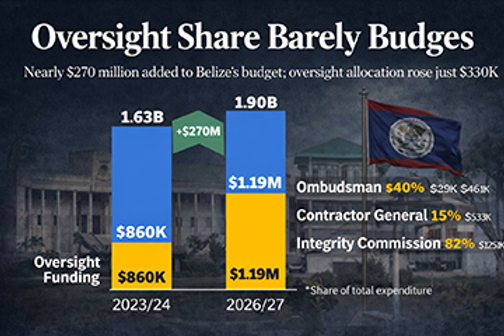
    Over the four-fiscal-year period spanning 2023/24 to 2026/27, Belize’s total government expenditure is set to grow by nearly $270 million. However, the three core institutions that form the backbone of the country’s legislative oversight framework have secured only a marginal combined budget increase that barely moves the needle on their share of overall public spending, new budget data confirms.

    Under the recently approved 2026/27 national budget, the Office of the Ombudsman, the Office of the Contractor General, and the Integrity Commission will collectively receive $1,190,825 in public funding. This marks a $330,399 rise from their combined 2023/24 allocation of $860,426. For comparison, total government spending over the same window will climb from $1.633 billion to $1.903 billion, a total increase of approximately $269.5 million.

    As a result of the uneven growth, the combined share of total public expenditure allocated to the three oversight bodies has only inched up from 0.053 percent to 0.063 percent – a gain of just 0.010 percentage points across four years. While the nominal budget for the three offices has risen by roughly 38 percent, their proportional footprint in Belize’s overall government budget has not seen any meaningful expansion, highlighting the limited priority given to oversight spending in the country’s medium-term fiscal planning.

    A breakdown of individual allocations shows uneven growth across the three institutions. The Integrity Commission, which leads in overall growth, will see its budget jump from $179,073 in 2023/24 to $325,222 in 2026/27 – an $146,149 increase that equals roughly 82 percent nominal growth. This single office accounts for more than 44 percent of the total combined budget increase for all three oversight bodies.

    The Office of the Ombudsman follows, with its allocation growing from $328,631 to $461,446 – a $132,815, or 40 percent, nominal increase. The smallest growth by far goes to the Office of the Contractor General, which will see its budget rise by just $51,435 (15 percent), from $352,722 to $404,157. When added together, these adjustments sum to the total $330,399 increase across all three oversight institutions.

    Each of these three bodies plays a non-substitutable role in upholding governmental accountability and transparency in Belize. The Ombudsman’s core mandate is to investigate complaints submitted by ordinary citizens who claim they have faced abuse, unfair treatment, or improper conduct from public authorities. It acts as an independent channel for residents to challenge state administrative actions and secure impartial review of official behavior.

    The critical nature of this role was highlighted in a high-profile case from last year. Public-interest litigant Jerry Enriquez turned to the Ombudsman for support after the Attorney General’s Ministry denied his Freedom of Information Act request. After the Attorney General challenged the Ombudsman’s involvement, the case moved to appellate courts. The existing process demonstrates the gap in accountability that would exist without the Ombudsman’s function, as any halt to its work would leave citizen-led oversight of public administration stalled.

    The Office of the Contractor General fulfills a separate but equally critical public duty: it oversees all government contracting and public procurement processes, working to ensure public bids are awarded fairly and that taxpayer funds used in contracts are spent openly and appropriately. In a governance landscape where public contracts often involve multi-million dollar sums and far-reaching policy impacts, this office acts as a key bulwark against procurement irregularities and opaque decision-making.

    For its part, the Integrity Commission is tasked with monitoring mandatory financial disclosures from all elected and senior public officials. Its core goal is to identify cases where public servants have accumulated wealth that cannot be reasonably accounted for by legitimate income or publicly declared assets. By mandating and reviewing these disclosures, the commission forms a central pillar of Belize’s national anti-corruption framework.

    These budget figures raise urgent broader questions about Belize’s commitment to public accountability. Despite all three institutions being central to upholding governmental accountability, ethical public conduct, and transparent procurement, their combined funding still makes up less than one-tenth of one percent of total national expenditure. Even as overall public spending grows by hundreds of millions of dollars over the four-year period, the 0.063 percent share allocated to these oversight bodies in the 2026/27 budget falls far short of what would match the critical importance of their mandates for building public trust, ensuring administrative fairness, and upholding government transparency.

  • Hormuz slowdown signals prolonged pressure on fuel prices

    Hormuz slowdown signals prolonged pressure on fuel prices

    Nearly a week after a regional ceasefire was announced to de-escalate tensions around the Strait of Hormuz, one of the world’s most critical energy chokepoints, global oil and gas shipments through the waterway have failed to stage any meaningful recovery. Shipping data collected in the first full day after the ceasefire went into effect paints a stark picture of ongoing disruption: just one oil products tanker and five dry bulk vessels completed transits through the corridor, a dramatic drop from the typical daily average of 140 vessels.

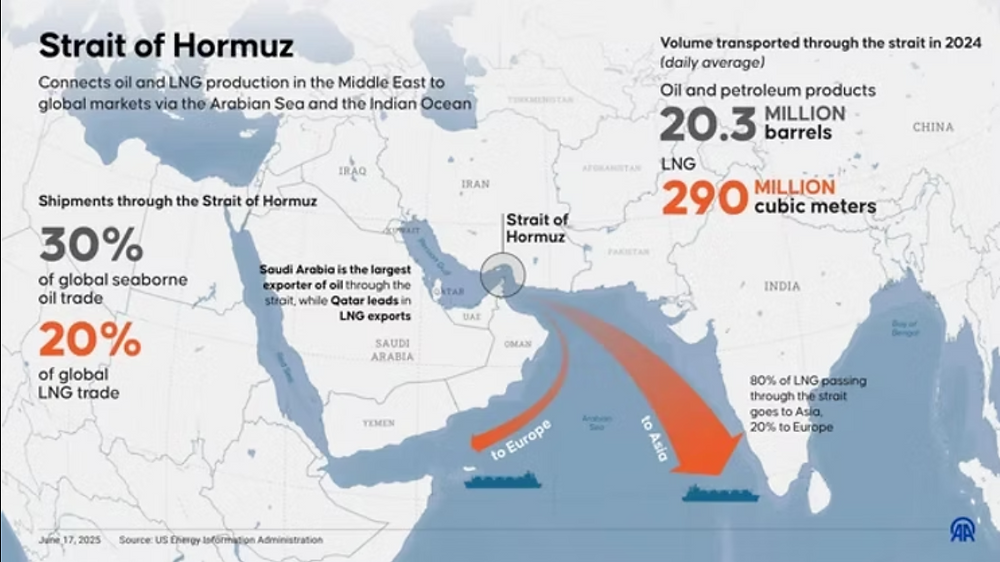
    The strategic strait handles roughly 20% of the world’s total daily shipments of oil and liquefied natural gas, making even minor disruptions to its operation ripples across global energy markets. The massive gap between pre-crisis traffic volumes and current activity underlines a key reality: formal diplomatic announcements of de-escalation have not yet translated into the large-scale resumption of energy supply movement that markets have been waiting for.

    Ongoing geopolitical uncertainty is the primary driver of the continued slowdown. Iran has retained strict oversight and restrictions on vessel passage, pointing to unresolved tensions stemming from ongoing Israeli military operations in Lebanon. This de facto bottleneck has been maintained even as formal ceasefire agreements have been announced, keeping global energy supply constrained against a backdrop of tentative diplomatic progress.

    The economic fallout of this disruption hits small, import-reliant open economies like Belize hardest. Unlike larger industrialized nations with strategic reserves and more diversified supply chains, Belize’s domestic fuel prices are directly tied to global benchmark pricing, which reacts not just to current supply levels but also to market expectations of future disruption. When a critical energy artery like the Strait of Hormuz operates at less than 10% of its normal capacity, markets price in inherent supply scarcity, which has already contributed to a sharp recent uptick in global crude prices.

    The scale of the current disruption cannot be overstated. A collapse from 140 daily transits to fewer than 10 effectively brings activity at the chokepoint to a near standstill. Even if the disruption proves temporary, the sudden contraction has injected significant volatility into global energy supply chains, throwing off shipping schedules, reducing consistent inputs for refineries worldwide, and putting sustained upward pressure on retail fuel prices.

    For Belize, where nearly every core sector of the domestic economy relies on imported fuel, the shock propagates rapidly. Higher global crude prices translate immediately to increased prices at the pump, which in turn push up costs for public and private transportation, electricity generation, food distribution, and nearly every goods and service across the country. The knock-on effects can quickly erode household purchasing power and strain small business operations.

    The slow pace of traffic resumption also suggests that price pressures may last longer than initially hoped by many market observers. Until vessel transits return to near-normal, consistent volumes, global energy markets will remain hypersensitive to any new development in the region. While ceasefire announcements and diplomatic negotiations can trigger temporary dips in oil prices, sustained market stabilization and normalization will only come when the secure, unimpeded passage of energy shipments through the strait is fully restored.

  • The agroforestry fair in Limbé keeps its promises

    The agroforestry fair in Limbé keeps its promises

    Scheduled across four days from April 7 to 10 2026, the annual Limbé agroforestry fair, hosted at twin venues in Camp-Coq and Acul Jeannot, has fully met all pre-event expectations, emerging as a key milestone for Haiti’s national push to cut household food insecurity and strengthen smallholder agricultural productivity.

    The second day of the event drew a high-profile guest of honor: Aubourg Marcelin, Haiti’s Minister of Agriculture, Natural Resources, and Rural Development, whose presence underscored the Haitian government’s commitment to advancing rural development across the country’s northern and northeastern regions. Opening his remarks at the Camp-Coq venue, Minister Marcelin paid public tribute to small-scale agricultural producers across Limbé and Camp-Coq, framing them as core collaborative partners for the Ministry in advancing national food security goals.

    This public-private partnership between the state and local farming communities takes tangible form on two fronts: the government provides targeted support to registered smallholders, including subsidized agricultural inputs and on-the-ground technical guidance, while local producers have turned out in high numbers and with clear enthusiasm to engage with the fair’s programming. Unlike many top-down agricultural initiatives, this event puts choice directly in the hands of farmers: beneficiaries can select their preferred inputs from a roster of 12 independent local suppliers operating at the venue.

    Initial turnout data from the fair’s opening day confirms strong community buy-in, with roughly 250 registered farmers traveling to Camp-Coq to collect inputs allocated based on the size of their working farm plots. Under the current allocation scheme, a farmer working a 0.5-hectare plot is eligible to receive 500 yam seedlings, 400 banana suckers, and 250 sugarcane cuttings. Across the full four-day event, organizers project 1,093 registered beneficiaries will access subsidized inputs across both venues. For Camp-Coq participants alone, that adds up to a total distribution of 8,500 yam tubers, 3,500 banana suckers, and 4,000 sugarcane cuttings, sourced from 49 verified local agricultural suppliers. All inputs are reserved for pre-registered smallholders who hold active agricultural land to plant the received materials.

    Beyond distributing critical growing materials, Minister Marcelin used the event to articulate the government’s core vision for the initiative: encouraging smallholders to ramp up production both to meet their own household food needs and to generate surplus for commercial sale, building long-term economic stability for rural families across the region. This aligned directly with the Haitian government’s official national mission to reduce widespread household food insecurity across the country.

    The fair also served as a platform to highlight broader ongoing rural development work under the government’s Program to Support Agricultural and Fisheries Productivity and the Improvement of Rural Infrastructure for Market Access (PAPAIR), a multi-component initiative designed to remove systemic barriers to smallholder success. One of PAPAIR’s flagship projects is the rehabilitation of 75 kilometers of rural roads across Haiti’s North and Northeast departments, which will dramatically improve smallholders’ ability to transport harvested crops to regional markets in Limbé municipality. Currently, construction work on the road network is ongoing under the oversight of the United Nations Office for Project Services (UNOPS), with full project funding provided by the Inter-American Development Bank (IDB).

    Marcelin also outlined two additional critical components of the PAPAIR program targeted at reducing systemic waste and boosting year-round productivity. The initiative is currently addressing widespread post-harvest losses, which the Ministry estimates reach 25% of total annual production across the region, as well as persistent gaps in consistent food stock availability after harvest seasons. To tackle these challenges, the government is already rolling out targeted support including the distribution of crop drying racks to help farmers preserve harvests, as well as water pumps to expand reliable irrigation for commercial plantations.

    As the fair concludes, organizers and government officials report that the event has delivered on all its core commitments, providing tangible support to smallholders while advancing long-term goals for Haitian agricultural development and food security.

  • Port of Belize Expansion Approved, But with Heavy Conditions

    Port of Belize Expansion Approved, But with Heavy Conditions

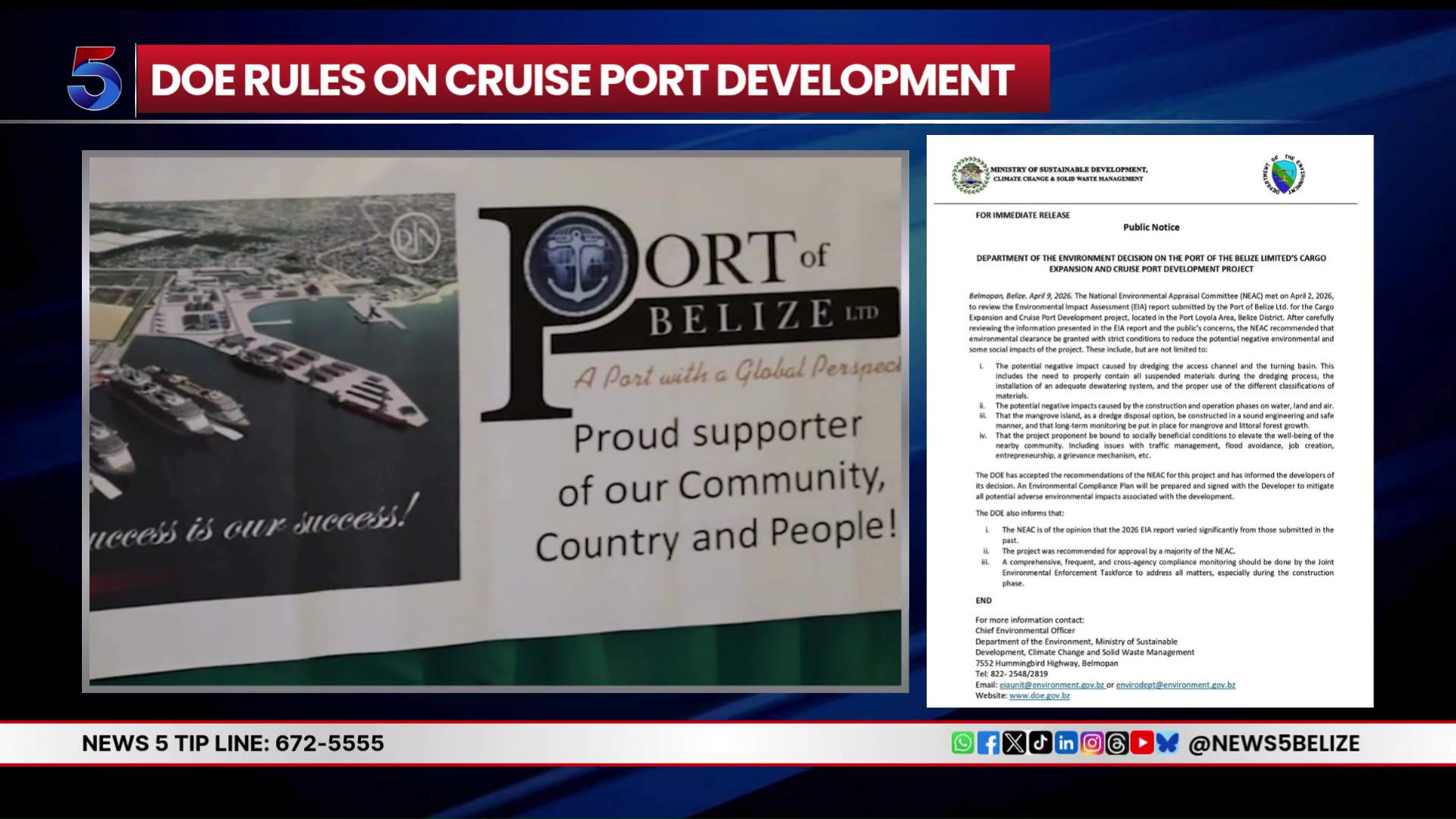
    After years of community pushback, regulatory objections, and repeated project revisions, one of Belize’s most contested infrastructure developments has cleared a critical regulatory hurdle. On April 2, 2026, Belize’s National Environmental Appraisal Committee (NEAC) granted conditional approval to Port of Belize Ltd.’s dual Cargo Expansion and Cruise Port Development project, located in the Port Loyola district of Belize City.

    The approval came after a comprehensive review of the developer’s updated 2026 Environmental Impact Assessment (EIA), which addressed longstanding public and regulatory concerns about the project’s ecological and social footprint. NEAC emphasized that development work can only commence once all mandatory environmental and community benefit conditions are fully formalized and enforced.

    Unregulated dredging, a core point of contention for environmental scientists and local activists since the project was first proposed, remains the committee’s top priority. NEAC issued strict, non-negotiable guidelines for dredging activities: developers must implement rigorous sediment control measures, install industry-standard dewatering systems, and follow tightly regulated protocols for the handling and disposal of dredged material. The agency warned that inadequate dredging management poses irreversible risks to Belize’s fragile coastal marine ecosystems, which support both local fisheries and the country’s $500 million annual tourism industry.

    Beyond dredging, NEAC also flagged broader risks to water quality, terrestrial habitats, and air quality throughout the construction and operational phases of the project, requiring developers to implement permanent, ongoing mitigation measures to reduce harm. The controversial proposal to create a dedicated mangrove island for dredge waste disposal has been allowed to move forward, but only under strict terms: the structure must be engineered to international safety standards, and subject to decades of continuous monitoring to confirm that mangrove and coastal forest ecosystems successfully establish and thrive on the site.

    Regulators also centered community interests in their approval framework, tying project progress to binding requirements around local infrastructure and opportunity. Conditions mandate that developers address expected increases in local road traffic, upgrade drainage systems to reduce existing flood risks in Port Loyola, prioritize local hiring for construction and permanent operations, reserve a share of business opportunities for local entrepreneurs, and establish a formal, independent grievance mechanism to address resident concerns throughout the project’s lifespan.

    Following NEAC’s recommendation, Belize’s Department of the Environment has signed off on the conditional approval and will require developers to submit a formal Environmental Compliance Plan that codifies all required safeguards before any ground (or seabed) breaking can occur. Regulators noted that the 2026 revised EIA represents a dramatic improvement over earlier, less comprehensive versions of the assessment, which helped secure majority support from the NEAC committee—though the approval was not unanimous, with some members still raising unresolved concerns.

    Even with the green light, regulatory oversight will not end once construction begins. Joint inter-agency enforcement teams will conduct continuous, on-site monitoring of all project activities, with a particular focus on compliance during the high-risk dredging and construction phases. For Belize’s environmental regulators, the project represents more than a single infrastructure development: it is a landmark test of whether large-scale economic expansion can proceed without sacrificing the country’s unique natural environment or ignoring the needs of adjacent local communities.

  • Placencia’s Shoreline Slips Away as Erosion Crisis Intensifies

    Placencia’s Shoreline Slips Away as Erosion Crisis Intensifies

    The idyllic shoreline of Belize’s Placencia Peninsula is vanishing at an alarming rate, pushing a decades-long gradual environmental threat into a full-blown emergency that threatens homes, local livelihoods, and the long-term existence of the coastal community. Longtime residents who have watched the shoreline shift over generations are now sounding the alarm, warning that inaction will lead to irreversible damage that could erase the peninsula the same way it erased the historic nearby town of Monkey River.

    Charles Leslie, a Placencia Village resident who has lived in the area for decades, explained that the coastal ecosystem once maintained a natural balance: shorelines would erode slightly during storm seasons and naturally rebuild over time. But that pattern has shifted dramatically over the last 20 years. Erosion has stopped reversing, and the rate of land loss has accelerated sharply over the last decade. Leslie, who compared current shoreline conditions to photographs taken just 10 years ago, estimates that his stretch of beach alone has lost between 50 and 60 feet of sand to the ocean. The crisis is not isolated to Placencia Village, he stressed; the entire 24-kilometer peninsula, from the northern community of Riversdale down to southern Seine Bight, is experiencing severe degradation. For waterfront property owners and local families who depend on coastal tourism and fishing, the uncertainty has turned into a constant source of anxiety. The situation has already reached a critical tipping point, Leslie said, requiring immediate intervention to avoid total collapse.

    When asked about the worst possible outcome for the peninsula, Leslie pointed to Monkey River, a once-thriving larger town that was completely lost to coastal erosion decades ago. As a child, Leslie recalled spending Easter holidays in the active community, which now exists only in local memory. This history, he argued, proves that total loss is a very real possibility if officials continue to delay meaningful action.

    In response to growing public pressure from residents, Belize’s Department of the Environment has announced it is moving forward with collaborative steps to address the crisis. Environmental officials confirm the issue has been a priority for months, and over the past year and a half, the department has partnered with the Placencia and Seine Bight community groups and the University of South Florida to conduct in-depth scientific studies of the erosion patterns and potential mitigation solutions.

    On the evening of April 9, 2026, the department is hosting a public consultation open to all residents across the peninsula to share the study’s findings and collect community input on proposed protection measures. According to Environmental Officer Kenrick Gordon, the goal of the gathering is to secure community buy-in for the next steps, ensuring that any intervention reflects the needs and priorities of the people most directly affected by the erosion. For months, residents have repeatedly raised concerns about the accelerating shoreline loss, and the consultation marks the first formal step toward turning local concerns into actionable policy.

    As waves continue to wear away at the peninsula’s remaining beaches, the public meeting represents a defining turning point for one of Belize’s most ecologically and economically vulnerable coastlines, where the future of the entire community now hangs in the balance.

  • DLP questions Cost of Living Cash Credit funding, demands safeguards

    DLP questions Cost of Living Cash Credit funding, demands safeguards

    Barbados’ main opposition Democratic Labour Party (DLP) is pushing for ironclad protections to prevent the National Insurance and Social Security Service (NISSS) from being exploited as a slush fund for general government expenditure, warning that the newly launched Cost of Living Cash Credit programme puts working Barbadians’ collective retirement savings in jeopardy without formal, enforceable reimbursement guarantees. While the party has publicly welcomed the targeted relief aimed at struggling households, DLP Chairman Senator Ryan Walters—who also serves as the opposition’s Shadow Minister for Finance and Economic Affairs—outlined the party’s deep reservations in an official statement released Thursday. Walters argued that the ruling government’s choice to draw on the national insurance scheme to administer a major social policy creates unnecessary risk for the decades of pooled contributions held on behalf of Barbadian workers.

    The Cost of Living Cash Credit programme was crafted as a targeted policy response to skyrocketing living costs, designed to deliver direct financial support to roughly 60,000 Barbadian citizens, with priority given to retired pensioners and low-income vulnerable households. Eligible recipients receive a one-time monthly stipend of 100 Barbadian dollars over 12 months, intended to offset the pressure of ongoing global inflation that has driven up prices for domestic goods and basic services across the island. Administration of the programme was assigned to NISSS specifically to cut through red tape: government planners argued that leveraging the agency’s existing infrastructure would eliminate the delays that typically plague new government welfare programmes, ensuring funds reach qualifying households quickly.

    In his statement, Walters acknowledged that the announcement of the relief programme has brought much-needed relief to many households grappling with cost pressures. “The Democratic Labour Party acknowledges as necessary and timely any effort to cushion the most at-risk in our society,” he noted. But despite backing the core goal of supporting vulnerable communities, Walters raised urgent alarms over the complete lack of transparency around how and when the NISSS will be repaid for the stipend disbursements. He pointed to a clear precedent of questionable fiscal practice from the ruling administration, referencing last year’s Solidarity Allowance programme—another welfare initiative that also drew on NISSS funds, for which the public still has not received a full public accounting confirming the fund was fully repaid by the central government.

    “This raises a fundamental question: is government fully reimbursing the NIS for these payments?” Walters asked. He emphasized that the national insurance fund is not a general piggybank for government spending: “The NIS is not a general revenue account. It is the collective savings of Barbadian workers, intended to secure pensions and benefits for generations.”

    The DLP’s concerns are amplified by the already fragile financial position of the NISSS, which has endured a string of major economic shocks over the past 10 years. These include the 2018 national debt restructuring exercise that imposed significant losses on public funds, followed by the widespread economic disruption caused by the COVID-19 pandemic, which hit NISSS contribution levels and strained payout capacity. Walters also drew public attention to the unexplained delay of the NISSS’s mandatory actuarial review, a routine assessment that was scheduled for completion by 2025. This independent review is the primary tool used to evaluate whether the fund has sufficient assets to meet its long-term pension and benefit obligations to current and future retirees.

    “This report is not a routine document; it is one of the most critical financial health checks for the Scheme,” Walters explained. “In the absence of this report, Barbadians are effectively being asked to trust that the system remains stable, without being given the evidence to support that confidence.”

    The DLP is now calling on the ruling government to implement a formal, publicly disclosed mechanism for all fund transfers between the national treasury and the NISSS. Walters insisted that the goal of supporting vulnerable communities should never come at the cost of undermining the long-term integrity of the national insurance fund, repeating the party’s demand for “airtight safeguards” that ensure the fiscal burden of social welfare programmes remains squarely with the government, rather than being shifted to workers’ collective savings. “It requires transparency, timely reporting, and firm guarantees that the burden of social support is carried by government, where it belongs, and not quietly shifted onto the shoulders of workers,” he concluded.

  • Court of Auditors clarifies no salary increase for board members

    Court of Auditors clarifies no salary increase for board members

    Amid sweeping government austerity measures across the Dominican Republic, the president of the nation’s Court of Auditors has moved to quash persistent public speculation about unauthorized salary increases for the court’s leadership, formally notifying the country’s top legislative body that the institution has rolled back an earlier controversial resolution.

    Emma Polanco, head of the Court of Auditors, delivered the official update in a formal correspondence addressed to Ricardo de los Santos, president of the Dominican Senate. In her letter, Polanco pushed back against widespread public claims that the court’s plenary body had approved a pay hike for its senior governing members, framing the allegations as the product of a widespread misunderstanding. She emphasized that the current compensation for the court’s board members remains identical to the pay structure established by previous administrations, and added that the institution has submitted full payroll documentation spanning both recent and earlier years to back up this clarification.

    Contrary to rumors of excessive compensation for leadership, Polanco outlined that the court has directed its available resources toward lifting up rank-and-file employees rather than enriching its top leaders. Key improvements rolled out for staff include targeted salary adjustments, expanded healthcare benefits, subsidized transportation access, professional development and training programs, and the launch of an on-site staff cafeteria.

    Beyond addressing the pay raise controversy, Polanco also underscored the court’s recent commitment to fulfilling its core oversight mandate amid the country’s fiscal restraint. She noted that the plenary has advanced dozens of active audits and public accountability investigations, formally approved 84 final audit reports, and rolled out a range of additional oversight initiatives all designed to reinforce governmental transparency and crack down on misuse of public funds.