作者: admin

  • New National Plan Aims to Level the Learning Field

    New National Plan Aims to Level the Learning Field

    Set to roll out over the next five years from 2026 to 2030, a landmark $300 million education transformation initiative is putting Belize’s future generations front and center, aimed at dismantling long-standing systemic barriers that have held back thousands of the country’s students from achieving their full potential. Titled the Belize Education Sector Plan 2.0, the ambitious strategy prioritizes three core pillars: greater institutional accountability, expanded cross-sector partnerships, and accelerated integration of digital learning tools and competency-based curricula that align student outcomes with the demands of an increasingly fast-changing global economy.

    At the official launch of the plan, Francis Fonseca, Belize’s Minister of Education, emphasized that the initiative marks far more than just the release of a new policy framework. For the Ministry of Education, he explained, the plan represents a foundational commitment to embedding accountability, transparency, and collaborative partnership across every level of the country’s education system to deliver tangible, sustainable improvements for learners.

    Ricardo Gideon, Director of Policy at the Ministry of Education, Culture, Science and Technology (MOECST), outlined the persistent challenges the plan seeks to address. For many Belizean households, whether in remote rural regions or underserved urban neighborhoods, accessing quality education extends far beyond the initial step of enrolling a child in school. Too many students face unaddressed barriers that prevent them from staying enrolled, receiving the targeted support they need, and progressing to successful outcomes after graduation. This plan, Gideon noted, was built specifically to remove these hurdles and unlock equitable opportunity for every Belizean student and their family, regardless of background.

    A central pillar of the new strategy is expanding digital connectivity through the ministry’s Connect Ed initiative, which has already connected 70% of Belize’s primary and secondary schools to reliable internet access, bringing digital learning resources directly into classrooms across the country. Complementing this infrastructure investment is the 501 Academy program, which centers competency-based learning that prioritizes skill mastery and curiosity-driven exploration over traditional rote memorization. Namrita Balani, Director of Science and Technology at MOECST, explained that this approach gives students the freedom to explore their interests, nurture innovation, and build practical skills that grow with them long after they leave the classroom.

    Education leaders stress that the plan’s ultimate mission goes beyond bureaucratic policy change: it is designed to keep Belizean children enrolled in school, connected to critical learning resources, and equipped with the tools they need to turn their personal and professional dreams into tangible, life-changing opportunity.

  • Market Makeover Raises Fears for Dangriga’s Streetside Vendors

    Market Makeover Raises Fears for Dangriga’s Streetside Vendors

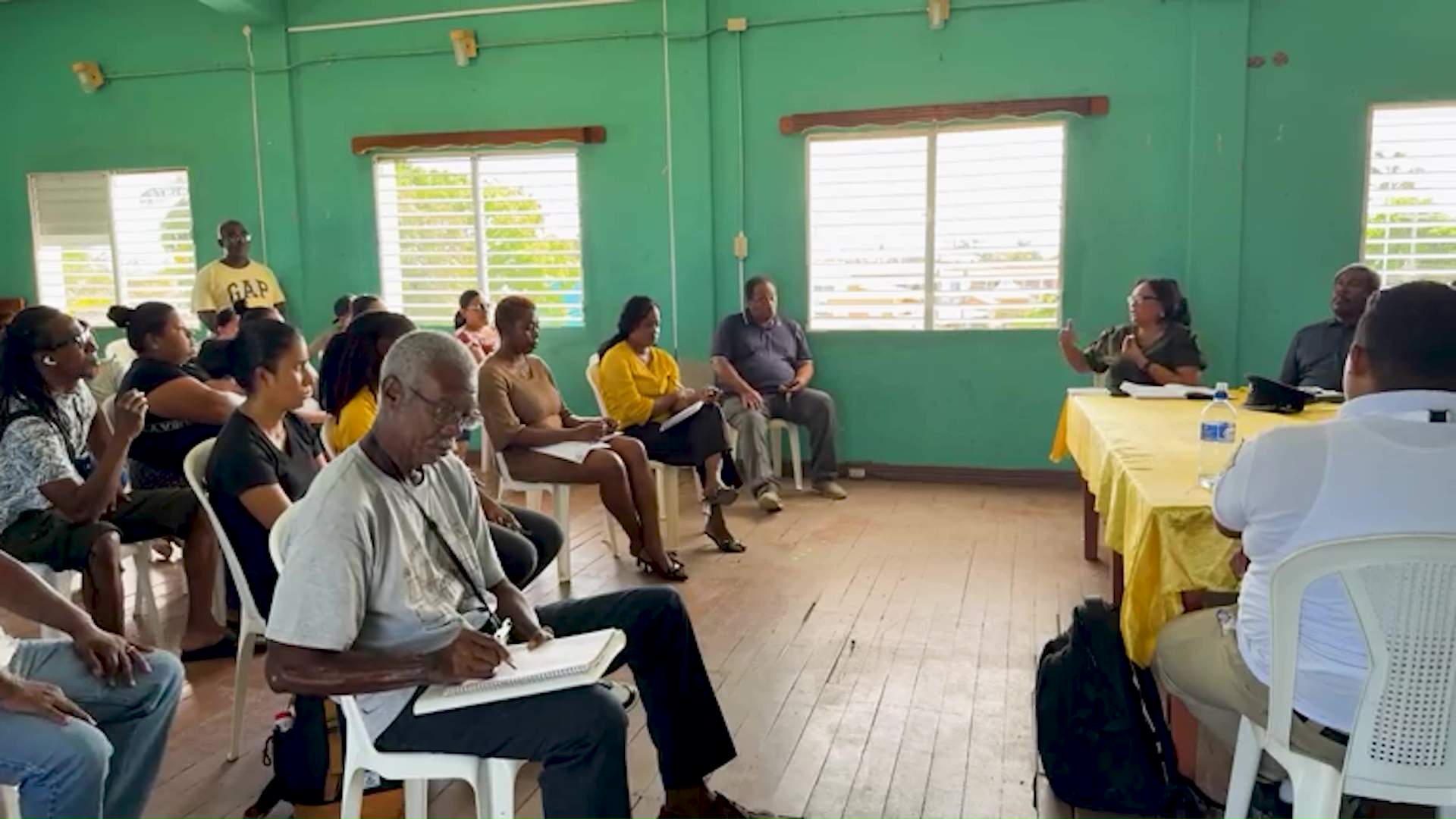
    A planned revitalization initiative for Dangriga’s central town market, designed to modernize the coastal district’s commercial landscape and improve urban mobility, has left hundreds of informal streetside vendors uncertain about their livelihoods, just as the local community navigates a post-pandemic recovery for small business. The proposal, unveiled by the Dangriga Town Council, would relocate vendors currently operating in high-foot-traffic zones near the municipal bus terminal and along Ecumenical Drive into the underused central market square. Council leaders frame the move as a long-overdue upgrade that will bring the town in line with other major population centers across Belize that operate structured, successful public markets.

    In an interview following a public consultation held Wednesday to address vendor concerns, Market Councilor Hilberto Bernardez outlined the multiple public benefits the council expects the overhaul to deliver. He noted that the current scattered layout of street vendors has created persistent traffic congestion along Ecumenical Drive, one of the town’s busiest arterial roads, and blocked critical access routes for emergency responders including police and fire services. Relocating all vendors to a centralized market will clear these roadways, easing through traffic and improving public safety for all residents.

    Beyond infrastructure and safety gains, Bernardez emphasized that a centralized, organized market will also support Dangriga’s growing tourism sector. Visitors to the town frequently search for a dedicated market space to purchase local handicrafts, souvenirs, and traditional Belizean food, and a revitalized central market will meet that demand, boosting local economic activity in the process. He added that the current unregulated system, which allows out-of-town vendors to set up unapproved stalls anywhere in high-traffic areas, has created disorganization that holds the town back from reaching its commercial potential. Right now, the central market square is largely underutilized, lagging far behind the well-run, thriving markets found in Belize City, Cayo, Belmopan, Punta Gorda, Orange Walk and Corozal.

    For the streetside vendors who would be affected by the move, however, the plan carries significant personal and financial risk. Many vendors rely on the constant foot and vehicle traffic near the bus terminal and Ecumenical Drive to attract the repeat and passing customers that make up their steady income. Moving to the central market square would cut them off from this reliable customer flow, vendors argue, and many fear their small businesses will not survive the shift.

    As the proposal moves forward, the core challenge for Dangriga officials and vendors alike remains striking a fair balance between the town’s goal of creating a more organized, tourist-friendly commercial hub and protecting the livelihoods of the low-income small vendors who have built their businesses on the town’s busiest streets. The public consultation Wednesday marked the first formal step in addressing vendor concerns as the council refines its plan ahead of a final vote.

  • Caye Caulker Awaits Answers on Stalled Police Project

    Caye Caulker Awaits Answers on Stalled Police Project

    On the popular island community of Caye Caulker, growing optimism for boosted public safety has shifted to widespread frustration after construction of a much-needed new police substation came to an unexpected halt. The project, launched earlier in 2026 as a core component of a national initiative to update and improve law enforcement infrastructure across the country, has ground to a standstill over unresolved questions regarding the land allocated for the facility.

    Unconfirmed reports circulating across the island this evening point to a looming ownership dispute over the property, with some locals claiming the parcel has already been sold to a private buyer. For an island experiencing rapid population and tourism growth, the sudden pause in development is deeply alarming. Local leaders and residents have spent months calling for an expanded police presence to match the community’s expanding needs, both for permanent residents and the thousands of tourists that visit the island each year.

    Prior to the halt, Minister of Home Affairs Oscar Mira emphasized the transformative impact the new substation would deliver, noting in an earlier statement that the upgraded facility would dramatically improve both operational capabilities and working conditions for officers assigned to the island. The current police outpost is widely recognized as inadequate to meet the community’s demands, and the new construction was meant to fix that gap, ensuring officers could deliver consistent, reliable security to all who live and travel to Caye Caulker.

    Clarity on the future of the project is expected as soon as tomorrow, when the Caye Caulker Village Council has scheduled the issue for discussion at its next public meeting. This report is a transcript of an evening television newscast, with any Kriol-language commentary transcribed using an official standardized spelling system.

  • Olympic Sports Scholarships Yielding Record Results

    Olympic Sports Scholarships Yielding Record Results

    For small Central American nation Belize, a targeted investment in homegrown athletic talent is already surpassing early expectations, with an Olympic-backed scholarship program delivering a string of unprecedented podium finishes and personal bests that signal a growing competitive shift for the country’s sports community.

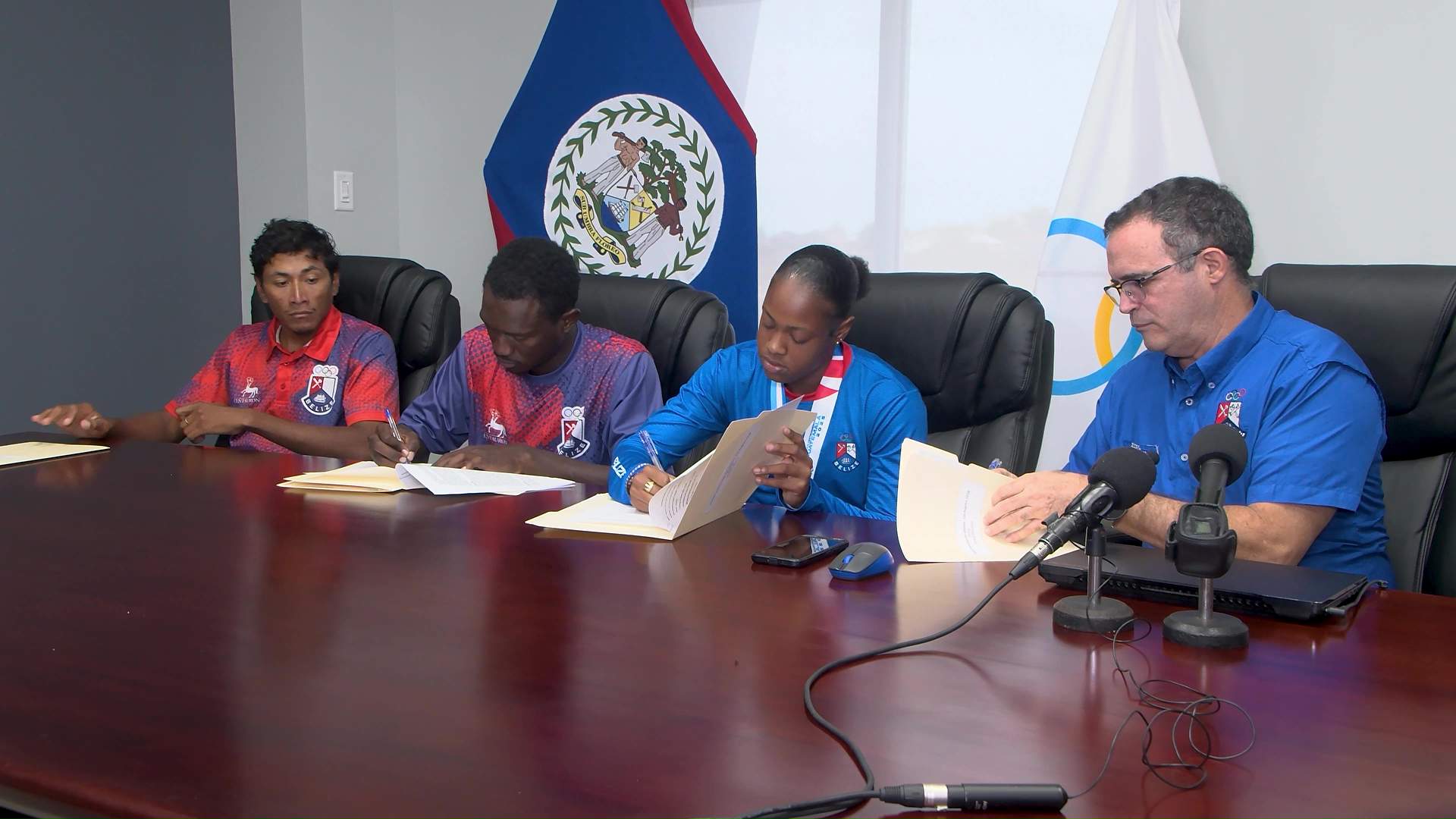
    Launched by the Belize Olympic and Commonwealth Games Association, the four-year scholarship program was designed to solve a longstanding barrier holding Belizean athletes back: the inability to train full-time without financial strain. Under the initiative, six carefully selected elite athletes receive $1,500 in monthly stipends to cover all training-related costs, from coaching and facility rentals to sports psychology services, massage therapy, and even overlapping school expenses. The program’s core goal is far more ambitious than just securing occasional wins: it aims to help Belizean athletes qualify directly for major international competitions like the Pan American Games and Olympic Games, moving beyond the invitational slots that have long been the only route for Belizean representation at the world’s largest sporting events.

    “The idea is to have them peak when you have qualifiers for Pan-American games, Olympic games because we don’t want to have athletes just representing Belize and receiving an invitational slot, right? We want to see athletes qualify,” explained Giovanni Alamilla, Secretary General of the Belize Olympic and Commonwealth Games Association, in an interview following the recent string of successful outcomes.

    Already, just a short period into the multi-year initiative, the results have exceeded the organizing body’s early projections. In recent regional competitions, athletes supported by the scholarship have turned in dominant performances: cyclists Jyven Gonzalez and Justin Chavarria delivered standout finishes at the prestigious Holy Saturday Cross Country Cycling Classic, earning fourth and fifth place respectively. Sprinter Brooklyn Little claimed a gold medal at the CARIFTA Games, one of the Caribbean’s top youth track and field competitions. Swimmer Davia Richardson closed out her competitive season with new personal best times across multiple events, enabled by stipends that covered critical costs including private pool rental and sessions with a sports psychologist.

    Alamilla noted that while the program is still in its early stages, and the Belize Olympic Committee has not had decades to build sustained investment in elite athletic development, the initiative is already lifting competitors to their peak competitive form. Beyond competitive results, the program also eases significant financial pressure on athletes and their families, removing the need for athletes to balance part-time work with rigorous training schedules. “This kind of alleviates a lot of the pressure on them and their family,” Alamilla said. “We’re very excited because now we’re seeing the results.”

    The early success of the scholarship program offers a preview of what Belizean athletes can achieve when targeted investment meets opportunity, laying the groundwork for future breakthroughs on the global Olympic stage.

  • Dominican government to consult former presidents on Middle East crisis impact

    Dominican government to consult former presidents on Middle East crisis impact

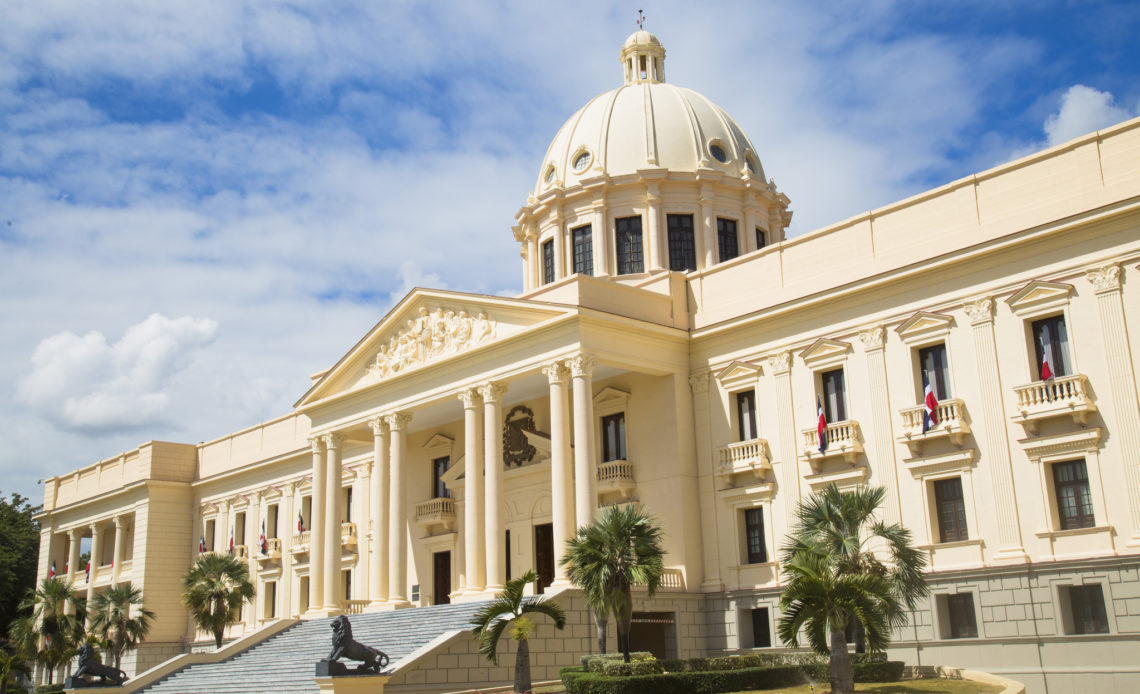
    Starting this Friday, the Dominican government will launch a series of high-level meetings with national political leaders—including two former heads of state, Danilo Medina and Leonel Fernández—aimed at building a shared national strategy to address the cross-border economic and social ripple effects stemming from the ongoing Middle East conflict, government officials confirmed this week.

    José Ignacio Paliza, the country’s Minister of the Presidency, explained that the cross-sector talks are a core component of a wider national consultation push. The process is designed to gather actionable input from all key national stakeholders as the current administration works to model and mitigate potential disruptions driven by the volatile global situation tied to the Middle East crisis.

    The planned political dialogue builds on recently completed discussions between senior government officials and leaders from the Dominican business community, which were held at the Ministry of Finance. According to government statements, the consultation process will expand in the coming days to include representatives from additional civil society and industry sectors. The overarching goal of the outreach is to bolster the Dominican Republic’s preparedness and response capacity to navigate the heightened uncertainty of the current global economic and geopolitical landscape.

  • Government presents Puerto Plata Territorial Planning Plan to regulate urban growth

    Government presents Puerto Plata Territorial Planning Plan to regulate urban growth

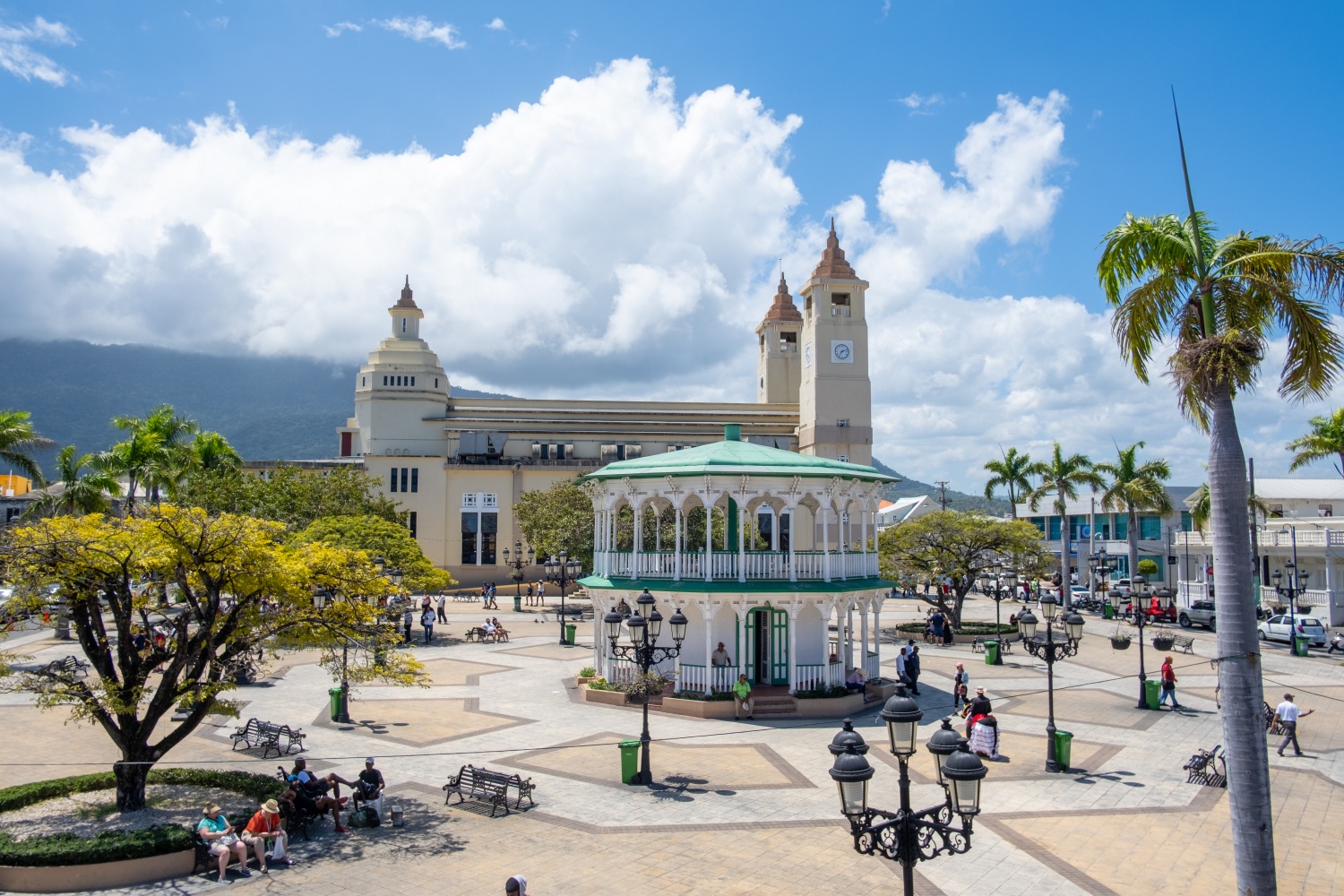
    On Thursday, authorities in the Dominican Republic launched a long-awaited municipal territorial planning framework for Puerto Plata, one of the nation’s most densely populated provinces, designed to bring structured regulation to both urban expansion and environmental stewardship across the region.

    José Paliza, the country’s Minister of the Presidency, outlined that the new Puerto Plata plan is a core component of a sweeping national land-use planning initiative supported by funding and technical backing from the World Bank. The overarching strategy targets the rollout of standardized planning frameworks across more than 60 municipalities and high-priority strategic territories throughout the Dominican Republic by the end of 2028. Paliza added that precursor planning projects for the municipalities of Verón and Ocoa have already been finalized, with comparable frameworks for San Cristóbal and Neyba currently in the development pipeline and set for completion in the near term.

    According to Paliza, the Puerto Plata plan required 18 months of collaborative technical work to finalize, integrating robust guidelines across three critical domains: urban design, environmental protection, and regulatory technical standards. Before it can be formally enacted by the Puerto Plata City Council, the draft proposal will enter a period of open public consultation, designed to collect input from local residents, business owners, non-governmental organizations, and other key stakeholders to address community concerns before final approval.

    Government officials emphasize that the framework fills a critical gap in regional governance, addressing the pressures of rapid projected population growth in the province. Official demographic projections show Puerto Plata’s population will climb from 162,093 recorded in 2022 to more than 186,000 by 2035, a shift that would strain unregulated land use and infrastructure without proactive planning. By formalizing clear land-use rules, cutting red tape for development permitting, and clarifying what types of construction and land modification are permitted for property owners, the plan will deliver long-awaited legal clarity for both domestic and foreign investors and local residents alike.

  • U.S. Ambassador joins memorial mass for Jet Set collapse victims on first anniversary

    U.S. Ambassador joins memorial mass for Jet Set collapse victims on first anniversary

    One year after one of the deadliest structural disasters in the Dominican Republic’s recent history, dignitaries, victims’ loved ones, and public figures gathered Thursday at the site of the former Jet Set nightclub to remember the 236 lives lost to the catastrophic April 2025 roof collapse. Among those in attendance were Francis Leah Campos, the United States Ambassador to the Dominican Republic, alongside Eduardo Verástegui, a well-known Mexican actor and politician, who joined the memorial mass to honor the victims.

    The commemoration comes as the legal process moves forward against the nightclub’s co-owners, siblings Antonio and Maribel Espaillat, who face criminal responsibility for the collapse. During this week’s preliminary hearing, prosecuting attorneys laid out serious allegations against the pair: they claim the Espaillat siblings carried out unpermitted structural modifications to the property over multiple years, and intentionally disregarded repeated internal warnings about the roof’s progressive deterioration to avoid the costs of required repairs.

    Dominican Attorney General Yeni Berenice Reynoso has emphasized the urgency of moving the case forward fairly and quickly. Speaking on the proceedings, Reynoso noted that nearly 400 people were impacted by the tragedy – including the 236 killed, those who were injured, and all of their grieving families – and that this group deserves a prompt, transparent judicial outcome. Reynoso stressed that the national justice system must take active steps to prevent unnecessary procedural delays that would block accountability for the disaster.

  • Belize High Court Makes First Referral to CCJ

    Belize High Court Makes First Referral to CCJ

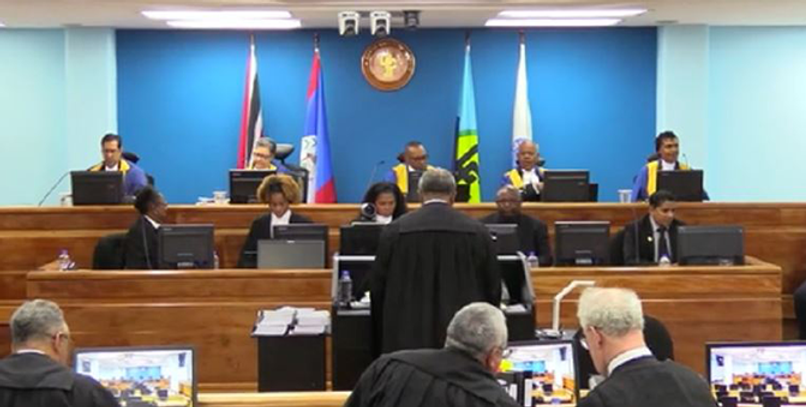
    After decades of sitting as a dormant framework within the Caribbean Community (CARICOM) legal architecture, a long-awaited milestone has finally been reached for regional judicial integration: the Caribbean Court of Justice (CCJ) has accepted its very first reference question from a national member state court, opening a new chapter for cross-border legal consistency across the bloc.

    The landmark referral originated from Belize’s highest domestic court, which formally submitted the interpretation question to the Trinidad-based regional tribunal on March 3, 2026, tied to an ongoing domestic commercial dispute: *G. Anwar Barrow et al v. Financial Services Commission of Belize and Attorney General of Belize*. One month later, on April 7, 2026, the CCJ convened its first official case management conference to move the process forward, confirming the historic nature of the request.

    At the core of the question sent to the CCJ is a conflict of legal interpretation: domestic judges hearing the commercial case need clarity on how to align specific provisions of Belize’s national Companies Act with existing competition rules enshrined in the Revised Treaty of Chaguaramas (RTC), CARICOM’s foundational governing document for regional integration. The RTC bans anti-competitive business practices across the CARICOM Single Market and Economy (CSME), the bloc’s flagship project to create a unified, free-flowing economic space for member states.

    Under the CCJ’s constitutionally granted Original Jurisdiction, the tribunal holds exclusive authority to interpret and apply provisions of the RTC. A long-standing mandatory rule requires any CARICOM national court hearing a domestic case that raises questions of RTC interpretation to refer that specific legal question to the CCJ before issuing a final ruling. Once the CCJ delivers its authoritative interpretation, the matter is sent back to the originating national court, which integrates the regional ruling into its final judgment on the case’s facts.

    Despite this referral mechanism being written into CARICOM’s legal framework for years, no national court across the 15-member bloc had ever utilized the process until Belize’s 2026 submission. For years, legal practitioners and regional integration advocates cited low awareness among national judges, lawyers and business stakeholders as the key barrier to activating the mechanism.

    To address this gap, the CCJ launched a multi-year regional public education and outreach initiative, backed by financial support from the 11th European Development Fund, to train judicial officers, legal professionals and business leaders across the Caribbean on the mechanics and purpose of the referral process. The campaign rolled out first in Belize back in 2022, before expanding to six other CARICOM members: Barbados, Guyana, Jamaica, Saint Lucia, Suriname, and Trinidad and Tobago. Beyond judicial training, the CCJ also partnered with private sector associations to spread awareness of the legal rights and economic guarantees available to businesses operating under the CSME framework.

    Legal analysts and regional integration leaders now frame Belize’s referral as a pivotal moment for CARICOM’s institutional development. The long-awaited activation of the referral process will give the CCJ its first opportunity to deliver binding guidance on how regional trade and competition rules should be integrated into domestic legal proceedings, setting a precedent for future cross-border legal disputes and strengthening the consistency of economic regulation across the Caribbean single market.

  • Venezuela hopes to use Grenada as gateway to Caribbean- Rodriguez

    Venezuela hopes to use Grenada as gateway to Caribbean- Rodriguez

    On Thursday, April 9, 2026, Delcy Rodriguez, the interim president of Venezuela, made her first international visit to the Caribbean island nation of Grenada since assuming leadership of the oil-rich South American country. During the trip, she held high-level talks with Grenadian Prime Minister Dickon Mitchell in St. George’s, Grenada’s capital, and outlined her administration’s goal of using enhanced bilateral cooperation with Grenada as a stepping stone to deepen ties across the entire Caribbean region.

    Speaking to reporters through an interpreter alongside Mitchell, Rodriguez noted that the planned bilateral cooperation agenda spans multiple key sectors, including educator exchange programs, public health collaboration, maritime and air transportation infrastructure development, domestic food production expansion, bilateral and regional trade initiatives, hydrocarbon development, and maritime boundary negotiation. Neither leader shared specific timelines or financial details of the proposed partnerships during the public briefing.

    A key bilateral matter on the meeting’s agenda was the negotiation of the two nations’ shared maritime boundary, a pressing issue as Grenada moves forward with plans to restart offshore oil and natural gas exploration in its territorial waters.

    The visit comes against a dramatic geopolitical backdrop: earlier this year on January 3, former Venezuelan President Nicolas Maduro was detained by U.S. forces and transported to New York to face trial on charges of drug trafficking and weapons trafficking. Rodriguez emphasized that her new administration favors resolving all international disputes through diplomatic and peaceful channels. She also added that the Venezuelan government seeks constructive diplomatic engagement with the United States and other global powers to assert the fundamental right of all nations to pursue autonomous development. Notably, U.S. sanctions targeting Rodriguez over previous allegations of anti-democratic activity have now been lifted.

    Rodriguez used the platform to speak out against ongoing oil sanctions imposed on both Venezuela and Cuba, stressing that unilateral coercive measures have inflicted severe harm on ordinary civilian populations in both nations. She reaffirmed that Venezuela’s long-standing close relationship with Cuba remains fully intact, and called for an immediate end to the decades-long U.S. blockade of the island nation. “The people of Venezuela as well as the people of Cuba have a right to live free of sanctions,” she stated.

    At the same time, Rodriguez highlighted that Caracas is currently opening new channels of cooperation with the United States across multiple sectors, and expressed hope that the entire Latin American and Caribbean region can advance collectively through collaborative engagement.

    The long-standing diplomatic ties between Caracas and several Eastern Caribbean states date back to the governments of Hugo Chavez and later Nicolas Maduro. Countries including Grenada, Dominica, St. Lucia, St. Kitts and Nevis, and Antigua and Barbuda have maintained close relations with Venezuelan administrations for decades, and the new Jennifer Geerlings-Simons administration in St. Vincent and the Grenadines, which took office last year, is also broadly viewed as sympathetic to Caracas.

  • Hattieville Mother Loses Home in Fire, Suspects Foul Play

    Hattieville Mother Loses Home in Fire, Suspects Foul Play

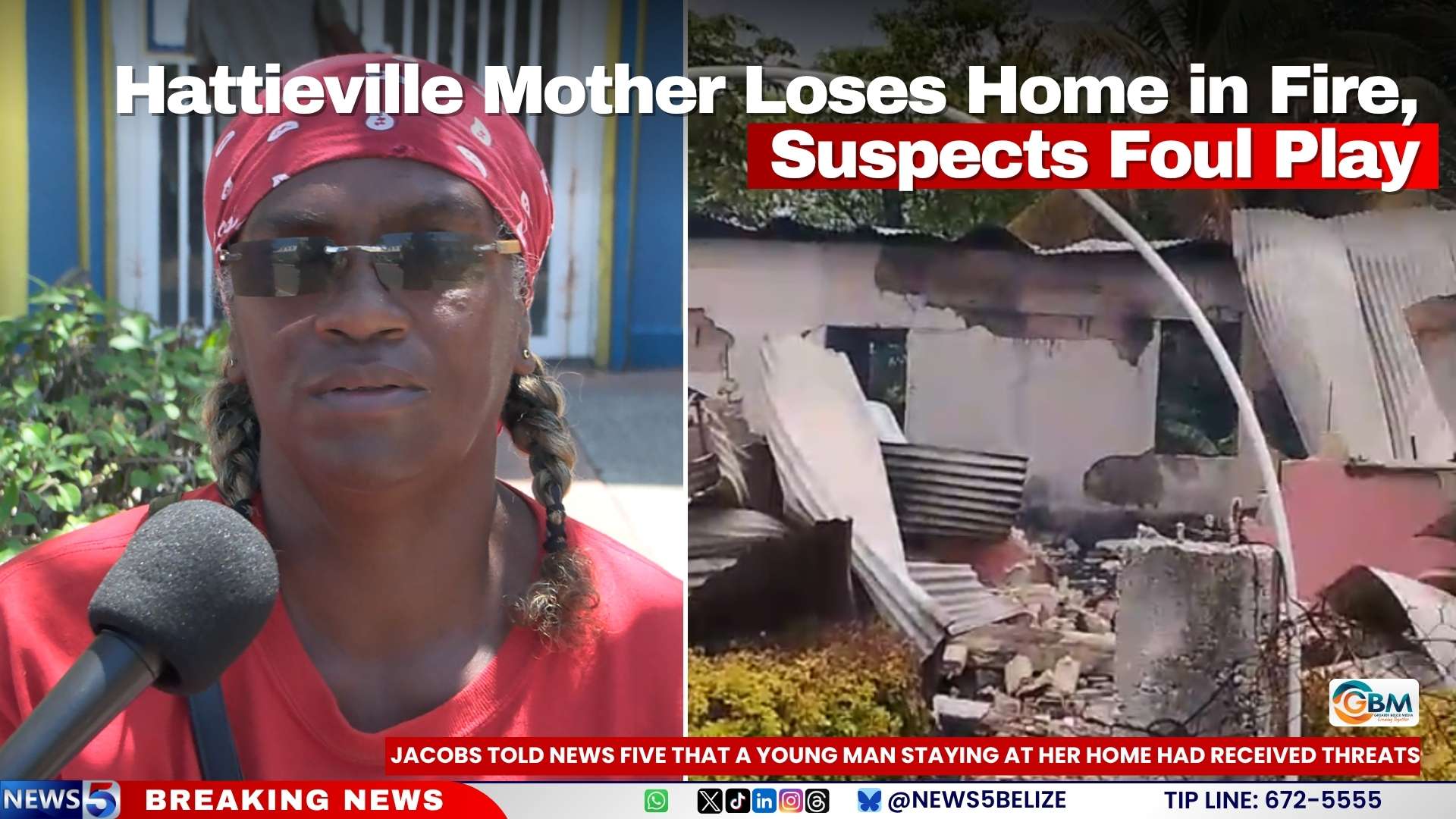
    On April 9, 2026, a devastating fire ripped through the residential home of Therese Jacobs, a mother living in Hattieville, leaving her with nothing but a handful of personal possessions and no place to call home. Now, local law enforcement has launched a full investigation into the blaze, as Jacobs herself is convinced the fire was no accident – she believes it was intentionally set amid long-simmering conflict within her family.

    Jacobs was hundreds of miles away, working a shift in Punta Negra, when she got the frantic phone call that would upend her life. By the time she could return to Hattieville, her home had already been reduced to ash and charred debris. In an interview with local outlet News Five, the devastated mother described the overwhelming pain of losing everything she had built. “I’m crying because I cannot do nothing… It’s like someone push their hands in my chest and open it,” she shared, her grief raw for the public to see.

    Jacobs has pointed to multiple red flags that lead her to suspect foul play. Long-running family tensions have plagued her household for months, and she says there has been repeated suspicious activity near her property in the weeks leading up to the fire. Most notably, a young man who had been staying at her home had been targeted with threats from unknown parties. Jacobs also added that she had noticed suspicious tampering with her home’s electrical meter long before the fire broke out. “He was doing it for a long time because I used to hear the noise and I’m always wondering, what is that noise?” she explained.

    With almost all of her belongings, including her entire wardrobe, destroyed in the blaze, Jacobs has nothing left to help her get back on her feet. She has issued a public plea for any support community members can offer, from clothing to basic household goods as she works to rebuild her life from scratch. The process of starting over has already taken a heavy toll, Jacobs says, with both her emotional and physical health strained by the sudden loss. Local police have not yet released any updates on potential persons of interest or new developments in the investigation as of Wednesday.