
In a landmark year for Belize’s education sector, the government is rolling out sweeping investments aimed at supporting the country’s largest ever generation of learners and aligning education outcomes with national workforce demands. By September 2026, Belize has recorded a historic high enrollment of 101,506 students across pre-primary through university levels, taught by 6,044 educators across 646 educational institutions. This unprecedented growth in student numbers has prompted targeted investments across multiple key areas of education, starting with critical digital infrastructure.
作者: admin
-

A National Symbol Takes Root in Burrell Boom
Deep in the quiet community of Burrell Boom, along the tree-lined banks of Belize River, a locally owned resort has woven Belize’s national identity into every corner of its property – starting with its name. For Black Orchid Resort, drawing inspiration from the country’s iconic national flower is far more than a branding choice; it is a celebration of the natural heritage and unyielding spirit that defines Belize.
The black orchid has held a special place in Belizean national culture since 1981, when it was officially named the country’s national flower immediately following Belize’s independence. Revered for its understated, intricate beauty and remarkable ability to thrive with minimal intervention in Belize’s tropical climate, the flower quickly became a national symbol of strength, resilience, and quiet beauty – qualities that mirror the Belizean people themselves. Today, businesses across the country draw on this iconic symbol for their own identities, but few have embraced the flower’s core characteristics as fully as Black Orchid Resort.
The resort’s origin story of its name began long after it first opened its doors to visitors in 2005. Owner Douglas Thompson initially launched the property under a different brand: Belize R Us. It did not take long for early guests to point out that the name felt disconnected from the local culture, with a distinctly North American tone that clashed with the resort’s Belizean identity. Encouraged by that feedback, Thompson set out to find a new name that would feel authentically rooted in the country he called home.
“Once I started operation as Belize R Us, our first few guests gave feedback that the name was too North American and suggested that I come up with a more Belizean name,” Thompson explained in an interview with News Five’s Britney Gordon. “And so I searched for a name and came up with the idea of the Black Orchid. Once I searched the web and found that nobody else had that name, I went ahead and registered it as the name of the hotel.”
What makes the black orchid such a fitting symbol, beyond its status as a national icon, is its one-of-a-kind resilience. Unlike many orchid species that demand careful, constant maintenance to bloom, the black orchid thrives in Belize’s damp, shaded riverine forests with almost no intervention. It grows naturally on the trunks of large trees, requiring only well-drained roots and just the right amount of moisture to produce small, striking blooms nearly 12 months a year.
“Fortunately, an orchid doesn’t require a lot of water. As a matter of fact, you gotta make sure that they don’t get too wet and too soggy to maintain themselves,” Thompson said. “And so, very little care is required for the black orchid. Some orchids require significant attention, but the black orchid itself, so long as you keep the root dry, you don’t want it to get soggy, it will bloom. And they bloom at different times. Different plants, the same plant but different growths, would bloom separate months, so you could have them blooming all year round.”
That commitment to working with Belize’s natural environment, rather than against it, extends to every part of the resort’s operations. Situated directly along the Belize River, surrounded by lush tropical forest and abundant native wildlife, Thompson has centered the resort’s business model on sustainable, eco-friendly practices that align with the black orchid’s low-impact way of life. Even beyond growing dozens of black orchids across the property – hung from tree branches in coconut husk planters that provide the perfect balance of moisture and drainage to help the flowers thrive – the resort prioritizes local, natural offerings for its guests.
From handcrafted natural drinks made exclusively for the resort to an on-site wellness center that uses native herbs to address common health conditions including diabetes and hypertension, every element of Black Orchid Resort is designed to honor Belize’s natural and cultural heritage. Thompson says that for international visitors, catching a glimpse of the rare black orchid in bloom is often a highlight of their stay.
“Our international guests always want to see the black orchid. And it’s a very small flower, but if you take a picture of it and blow it up, then you will really see the intricate parts to it,” Thompson said.
Even through extended periods of dry weather, the resort’s grounds remain lush and vibrant, a testament to both the natural resilience of the black orchid and Thompson’s careful, low-impact stewardship of the land. For Thompson, that enduring ability to thrive in variable conditions is exactly what makes the black orchid such a powerful symbol for Belize – and for his resort. It is more than a name; it is a promise to honor the values of resilience, natural beauty, and authentic Belizean identity that the flower has represented for more than 40 years.
-

Diesel Surges Past Fifteen Dollars a Gallon
September 15, 2026 — A crippling spike in diesel prices has pushed the national average well above $15 per gallon in Belize, sending ripple effects through the entire economy that threaten to raise costs for everyday consumers far beyond just private motorists. What began as sticker shock at fuel pumps has expanded into a broad economic pressure point: public and private bus operators, freight companies, logistics firms and small businesses that rely on diesel to move people and goods across the country are already absorbing sharp cost increases, with many expected to pass these extra expenses onto shoppers and commuters in the coming weeks.
As public frustration mounts, demands for government intervention to ease the burden have grown louder. In comments to reporters this week, Belize Prime Minister John Briceño confirmed that administration officials are actively reviewing a range of potential relief measures to address the crisis. But the prime minister also issued a stark warning about the difficult trade-offs facing the government: revenue from fuel taxes forms a critical backbone of funding for public services and national social programs, leaving policymakers walking a tight rope between delivering relief to citizens and maintaining long-term government fiscal sustainability.
Briceño explained that for decades, successive Belizean governments have relied on fuel import excise taxes as a stable, easily administered source of public revenue. Unlike more complex tax streams that require extensive enforcement, fuel imports are straightforward to track and tax, creating a predictable stream of funding for core government priorities. “When a million gallons of fuel enter the country, we know exactly how much revenue we can collect,” Briceño noted, pointing to the inherent reliability of the tax.
The government has already adjusted fuel taxes to offset prior price increases, Briceño confirmed, revealing that these previous cuts have already cost the national government more than $40 million in lost revenue. The prime Minister said he would meet with the financial secretary within 48 hours to evaluate what additional relief is feasible given the current fiscal landscape.
To put Belize’s crisis in global context, Briceño noted that extreme diesel prices are not unique to the small Central American nation: some locations in California already sell diesel for more than $15 per gallon, while prices in Miami top $13 per gallon. He added that large economies like the U.S. benefit from massive import volumes that create more buffer for revenue, a advantage Belize cannot match as a smaller market.
Briceño emphasized that the government shares the public’s frustration and would eliminate fuel taxes entirely if it were fiscally possible, noting that the revenue funds non-negotiable core programs ranging from public education and healthcare to critical infrastructure development across the country. “If we could scrap the tax and still keep all these vital services running for the Belizean people, I would do it happily,” he said. “But we need this revenue to keep the government functioning. We have to balance our commitment to delivering relief to citizens with our responsibility to maintain long-term financial stability for the nation.”
This report is adapted from a televised evening newscast transcript, with all statements verified and formatted for online publication.
-
Marketing Board Explains the High Cost of Basic Produce
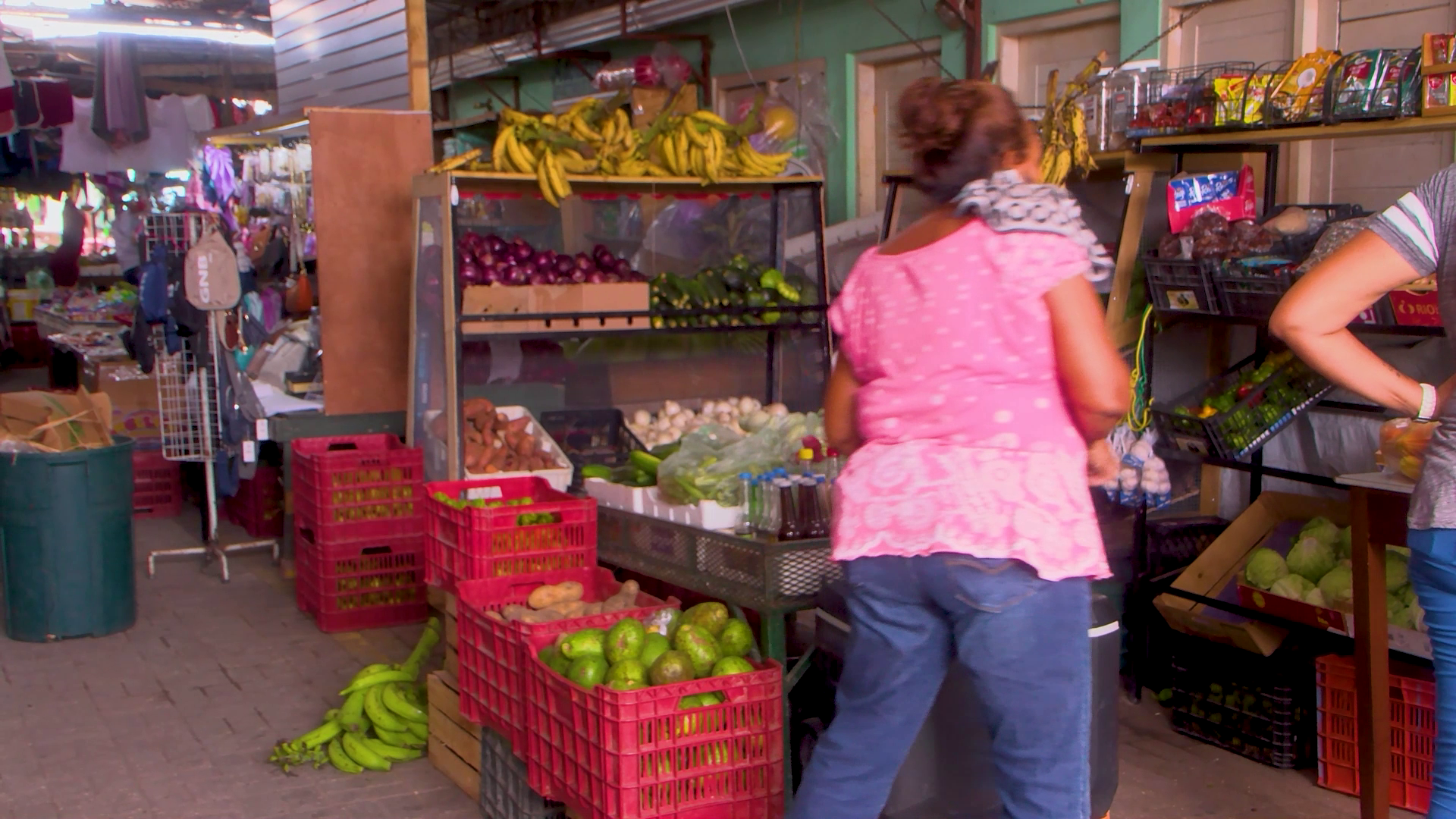
On September 15, 2026, tensions over rising food costs in Belize have come to a head at Michael Finnegan Market, where local vendors are sounding the alarm over what they call exorbitant pricing for staples including onions and potatoes from the Belize Marketing and Development Corporation (BMDC). As the sole authorized importer of specific agricultural goods from Mexico, BMDC controls the supply chain that moves these products from international producers to local wholesalers, and ultimately to the retail vendors who serve shoppers at community markets. Vendors report they are caught in an unsustainable financial squeeze: they are forced to pay inflated costs for inventory from BMDC, but consumers are unwilling to accept the corresponding price hikes that would let vendors recoup their expenses. Now, BMDC’s top leadership is breaking its silence to explain the root causes of the price surges that have left producers, vendors and consumers alike struggling. In an official response to vendors’ complaints, BMDC Administrator Valentin Carrillo outlined two core factors that have pushed acquisition costs far higher than 2025 levels. The first major driver is dramatic shifts in the Mexican peso-U.S. dollar exchange rate. Last year, the exchange rate hovered around 8.5 pesos to the dollar; as of 2026, the rate has shifted to 7.8 pesos per dollar. That 60-cent difference per dollar translates to an almost 10% increase in purchasing costs for imported goods before any other markup is added, Carrillo explained. The second major factor impacting prices is the growing fallout of climate change, which has disrupted agricultural production on both sides of the Belize-Mexico border. Unfavorable weather conditions have reduced overall crop yields for staple produce, while input costs for planting and maintaining crops have also jumped, forcing producers to raise their base selling prices. Carrillo also addressed concerns about produce quality, noting that BMDC imports new shipments twice a week specifically to maintain the freshest possible inventory for local markets. He acknowledged that extreme heat, which has hit 38 degrees Celsius in the region, creates storage challenges: staple crops like onions and potatoes require consistent cool storage between 7 and 8 degrees Celsius, and warming during final distribution to market stalls can accelerate spoilage, compounding vendors’ challenges. Beyond explaining price shifts, Carrillo reaffirmed BMDC’s unique role in Belize’s food supply chain: the national Ministry of Agriculture designated the corporation as the only authorized importer for these Mexican goods, a policy put in place to enforce consistent quality standards for food sold to Belizean consumers. This report is a transcribed version of an evening television newscast, with all Kriol-language statements rendered using a standardized spelling system for accessibility.
-
Extensive Riverbank Clearing Raises Erosion Fears, DOE Investigates
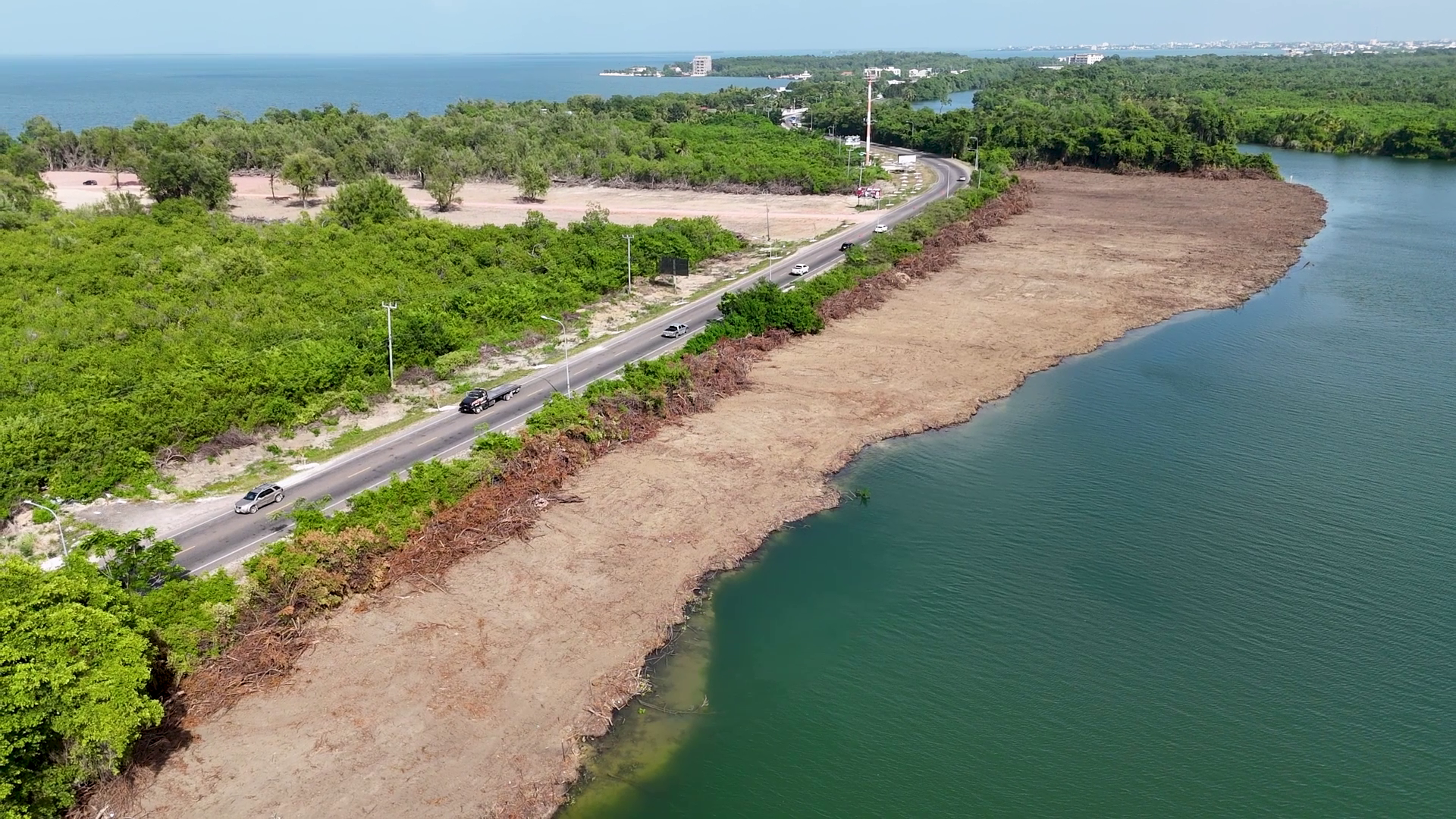
In a development that has raised urgent red flags among environmental experts and local authorities, a seven-acre riverside property along the Belize River has been completely stripped of all vegetation between the water’s edge and the embankment of the Philip Goldson Highway, triggering widespread fears of accelerated riverbank erosion and irreversible damage to the local riparian ecosystem. The incident, located at the 6.5-mile mark of the major highway, is now the subject of a formal joint investigation by three of Belize’s top government agencies: the Department of the Environment (DOE), the Forest Department, and the Lands Department.
In a surprising turn of events, the property’s owner, Sanju Chulani, told reporters he only requested a light clearing to improve visibility of the land plot, and was stunned by the full extent of vegetation removal carried out by his contracted crew. Chulani’s account has added an extra layer of complexity to the ongoing investigation, which is focused on two core goals: assessing the full environmental damage caused by the clearing, and determining whether any existing environmental or land use regulations were violated in the process.
Anthony Mai, Chief Environmental Officer at the DOE, confirmed that a cross-departmental inspection team has been assembled to assess the site. “We are aware of the issue, and we have put together a team that will go out and conduct a full on-site inspection. Representatives from each of the three agencies are participating, and we will be able to share further updates once the assessment is complete,” Mai stated in a press briefing.
When questioned about Belize’s longstanding 66-foot reserve requirement for riparian land, Mai explained the historical and ecological context of the regulation. He noted that in earlier decades, land titles were often issued all the way to the water’s edge, but the passage of the Lands Act formalized a requirement for private landowners to leave an undisturbed 66-foot buffer from the high-water mark of any water body. Crucially, this 66-foot reserve is officially classified as crown public land, not private property, Mai clarified.
The original purpose of the buffer was to create a public easement, ensuring all Belizeans could retain access to and enjoyment of the country’s waterways, rather than allowing private owners to block public access. Over time, scientific research has also confirmed the buffer’s critical ecological functions: it prevents riverbank erosion, filters runoff pollution, and supports native riparian biodiversity. In particularly sensitive environmental zones, Mai added, required buffers can extend as far as 200 feet from the water edge to protect fragile ecosystems.
Mai explained that while the buffer regulation is formally outlined in the Lands Act, the DOE enforces the requirement through the environmental clearance process for development projects. When a project receives environmental approval, the DOE creates a binding environmental compliance plan — a formal contract signed with the developer that outlines all buffer protection requirements and other environmental rules. Investigators are currently working to determine whether any regulations were broken in this case, and what enforcement actions may be required once the inspection is complete.
-
Global Economy Squeezes Belize Tourism Industry
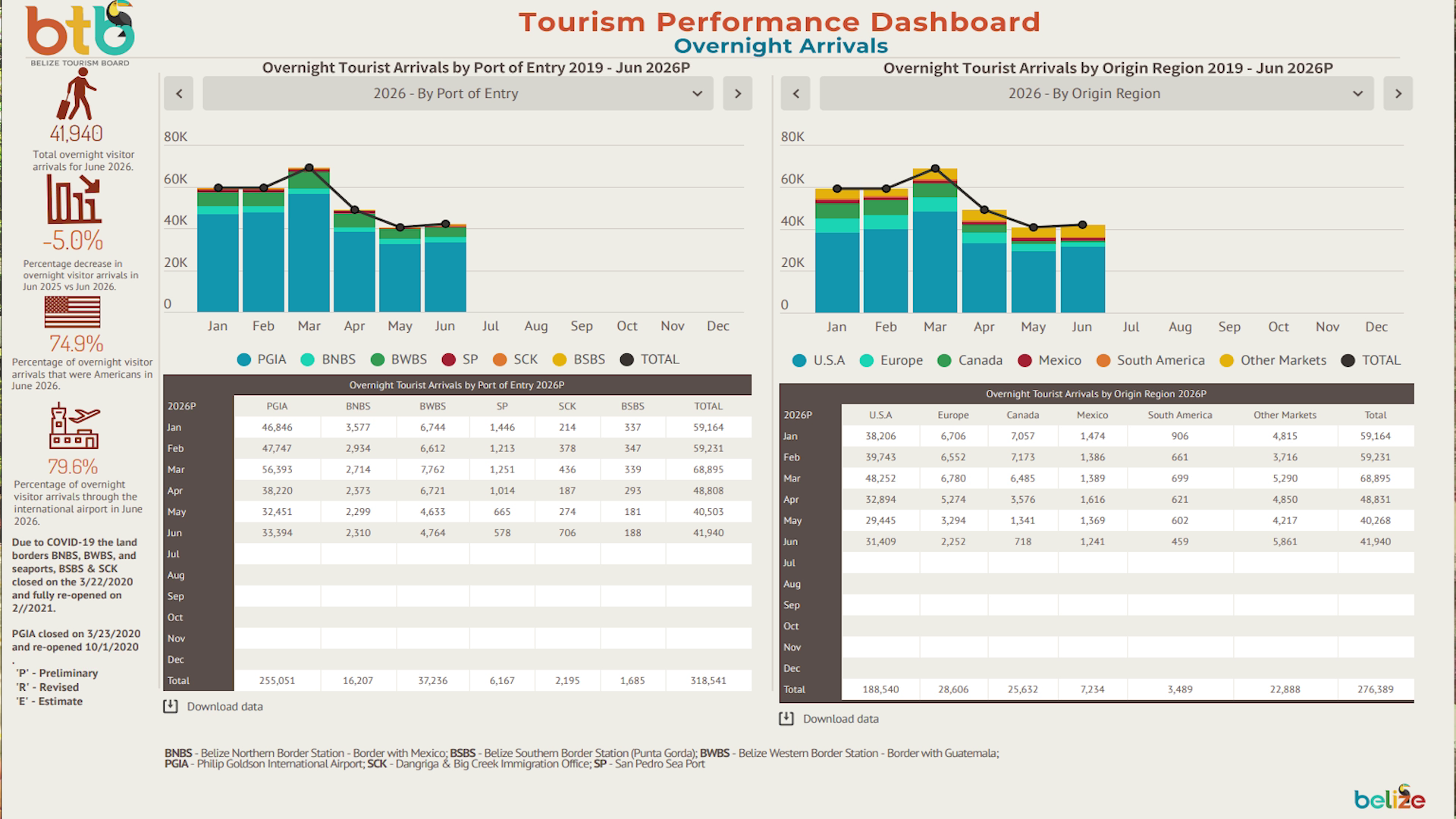
As Belize’s vital tourism sector prepares to enter its annual peak travel window, it is grappling with unexpected softening in visitor numbers that industry leaders attribute to broader global economic headwinds. Official industry data shows that overnight tourist arrivals in June dropped approximately 5% when compared to the same month in 2025, and the slowdown extended through the following months, with August recording one of the steepest declines in incoming travelers this year.
-

High Court allows inmate’s constitutional food suit
A legal battle over religious and dietary rights in the Caribbean prison system is set to move forward in early 2025, after a senior judge rejected the government’s attempt to dismiss a landmark constitutional claim filed by a Rastafarian pre-trial detainee.
Inyah Iroyal Jones, who is currently held on remand while awaiting trial on a firearms charge, argues that the limited meal options provided by the prison system have forced him to abandon the strict vegan diet that is central to his Rastafarian faith. According to the constitutional motion filed by Jones and his mother, the inability to adhere to his required diet has led to severe, measurable harm to his physical health. Jones is asking the High Court to rule that correctional authorities are required to accommodate his dietary needs by providing consistent, appropriate vegan meal options during his time in remand.
On Tuesday, Justice Michelle Weekes of the No. 8 Supreme Court dismissed the government’s motion to have the entire case thrown out before a full trial. In the wake of that ruling, the judge scheduled two full days of court proceedings for March 8 and 9 next year to hear the full merits of Jones’ constitutional challenge. Acting Solicitor General Marsha Lougheed represented the Attorney General and the Prison Superintendent in the preliminary hearing this week.
Following the ruling that cleared the way for a full trial, Lalu Hanuman, Jones’ lead attorney, framed the decision as a meaningful win for all marginalized groups with specific dietary requirements. “This is a victory for Rastafarians… and people on ethical diets generally,” Hanuman told reporters outside the court. The case has drawn broader attention to gaps in accommodation for religious and personal dietary needs in Caribbean correctional facilities, with advocates arguing that all detainees retain their constitutional rights to religious freedom and adequate health care regardless of their pre-trial or convicted status.
-
DOE Identifies Trigger Behind Massive Fish Kill
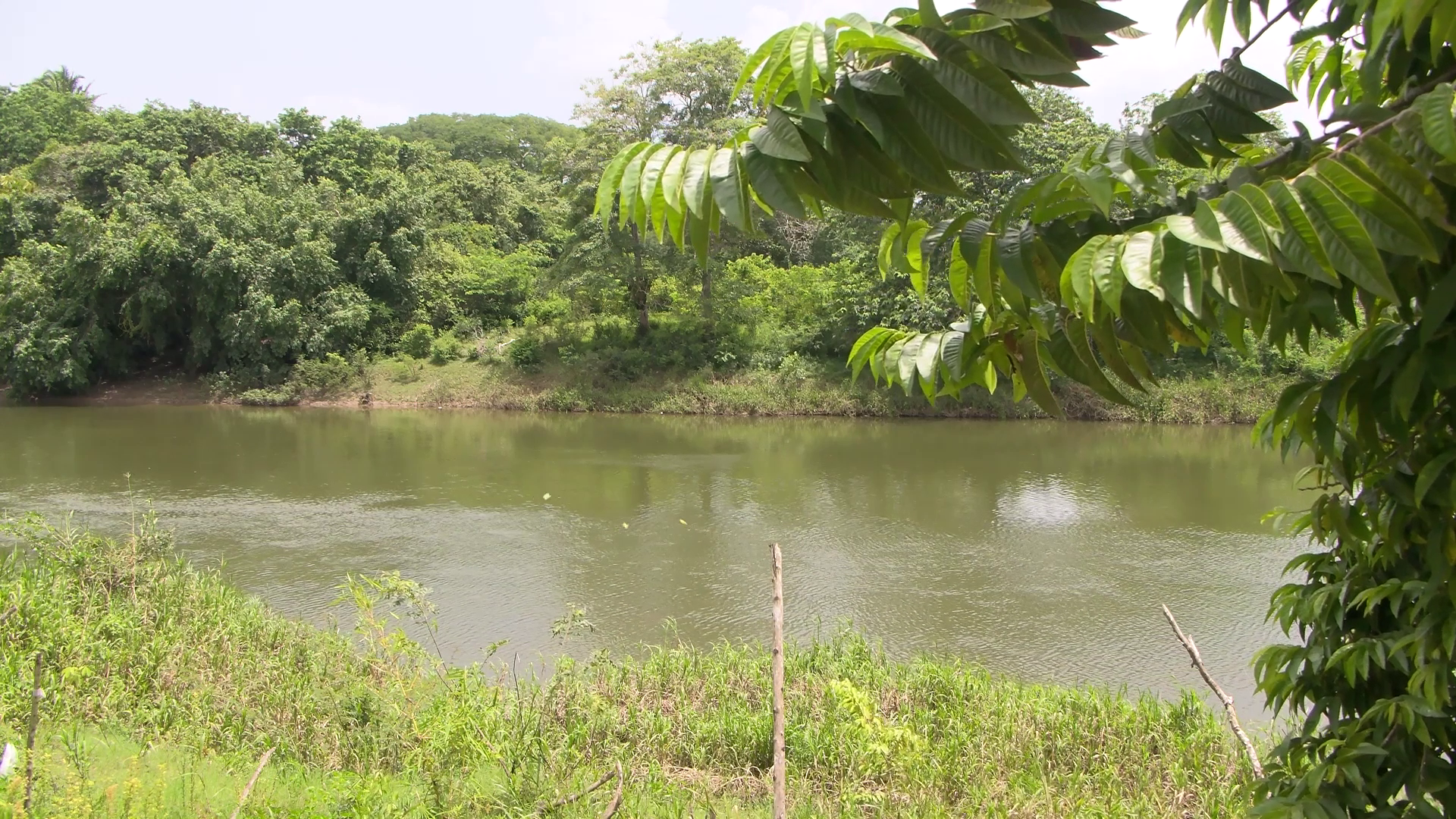
In a finalized investigation released September 15, 2026, Belize’s Department of the Environment (DOE) has pinpointed the exact trigger that led to the devastating mass fish die-off in the Belize River Valley, shifting national focus now to developing long-term prevention strategies to stop similar ecological disasters from striking again.
According to DOE investigators, unusually heavy floodwaters carried a toxic cocktail of organic debris, agricultural fertilizers, and unregulated pollutants from multiple diverse sources into the Belize River. These pollutants accumulated to create harmful conditions that rapidly depleted oxygen in the water and triggered the large-scale fish kill that shocked local communities earlier this year.
Anthony Mai, Chief Environmental Officer at the DOE, told reporters that the investigation mapped between 25 and 30 agricultural operations in the affected watershed, along with 24 cleared riverbank plots ranging from 3 acres to 300 acres in size. While agricultural runoff is a major contributing factor to the pollution event, Mai emphasized that the problem extends far beyond the farming sector, requiring a coordinated, cross-industry response.
“Pollution impacts on the Belize River don’t come from agriculture alone,” Mai explained. “That’s why our prevention approach has to engage multiple sectors, not just farming.”
Under the DOE’s proposed prevention framework, the National Hydrological Service — the government agency tasked with leading watershed management — will lead an update to the decades-old Belize River Watershed Management Plan. Mai confirmed that planning for the update is already underway: funding has been secured, and a public tender has been published to invite qualified environmental consultants to bid on the project.
The revised management plan will serve as the central guiding document for all government agencies working to protect the Belize River, addressing every type of human activity that takes place across the entire river basin. Mai explained that the Belize River watershed encompasses the entire drainage basin surrounding the river, meaning all rainfall and runoff across a huge geographic area ultimately flows into the main waterway, making coordinated management critical.
Key recommendations from the DOE to prevent future fish kills also include targeted restoration of native vegetation along eroded riverbanks, which acts as a natural filter to trap runoff before it reaches the water. Additional measures call for improved sustainable water and nutrient management practices on large commercial farms, and the installation of a real-time early warning system that will detect dangerous shifts in water quality before a crisis develops.
In the wake of the fish kill, local residents have raised ongoing concerns about public health risks, including the safety of drinking water and fish consumption from the river. Mai confirmed that environmental officials will continue conducting regular water quality testing to address these outstanding questions and monitor the river’s ongoing recovery process.
This report is a transcribed version of a televised evening newscast, with all Kriol-language commentary rendered using a standardized spelling system for published distribution.
-

Belize’s Flagship Hospital Celebrates 31st Anniversary
As one of Belize’s most critical healthcare institutions, Karl Heusner Memorial Hospital (KHMH) — the nation’s flagship public medical facility — is commemorating 31 years of dedicated care to Belizean communities this week. For more than three decades, the hospital has stood as a lifeline for patients facing life-threatening illnesses, injuries, and public health crises, walking with Belizeans through their most vulnerable moments. This year, however, the anniversary celebration shifts its focus from institutional milestones to the unsung heroes who keep the hospital operational 24/7: its doctors, nurses, administrative teams, cleaning staff, and all other support personnel.
The week-long slate of anniversary activities kicked off on September 15 with an opening church service to bless the hospital’s workforce and its ongoing mission. Organized collectively by leaders across every hospital department, the celebration includes daily raffles, exclusive giveaways for staff, and opportunities for cross-departmental fellowship. A staff sports day is scheduled for Thursday, designed to let team members unwind and connect outside of their high-pressure clinical roles.
The festivities will reach their climax this coming Friday, with an official closing ceremony that will welcome KHMH’s Board of Directors and special invited guests, followed by an awards program to recognize outstanding employee contributions, and a friendly hospital-wide karaoke competition to cap off the week. KHMH Chief Executive Officer Sherine Reyes shared that the 31st anniversary was intentionally structured to center staff appreciation, after years of relentless work from every tier of the hospital’s team.
“From the cleaning crew to the senior leadership team, every single person at KHMH works tirelessly to deliver care to our community,” Reyes explained. “All departments have stepped up to organize different parts of the celebration, and turnout for this morning’s opening church service was incredibly strong. It’s clear our staff are grateful to be recognized for the hard work and dedication they bring to this hospital every single day.”
As the country’s primary referral hospital, KHMH has played an indispensable role in Belize’s public health infrastructure since opening its doors 31 years ago. This year’s celebration underscores the institution’s commitment to investing in its workforce, recognizing that consistent, high-quality patient care depends on supporting the people who deliver it.
-

Lashley wants new sentencing guidelines
During Tuesday’s debate on the Penal System Reform (Amendment) Bill in Barbados’ House of Assembly, Minister of Legal Affairs and Criminal Justice Michael Lashley has outlined a bold vision for updating the country’s criminal sentencing framework, pushing for stricter guidelines for two of society’s most harmful crimes while upholding judicial independence. The bill under discussion aims to give judges greater leeway to consider relevant prior convictions when handing down penalties, a change that Lashley supports even as he calls for additional adjustments to how serious offenses are addressed.
Lashley’s core proposal centers on developing new, tougher sentencing guidelines for both firearm and sexual offenses. He questioned current practices that sometimes result in fines for individuals convicted of unlawful firearm possession, arguing that the seriousness of these offenses demands custodial sentences in most appropriate cases. “That is a serious offence and a custodial sentence is warranted,” he stated, while stressing that judges must retain their discretionary power to tailor sentences to individual circumstances. “But of course, we cannot threaten the discretion of a judge,” he added, clarifying that new guidelines would not override judicial independence.
Beyond updating sentencing rules, Lashley also called for sweeping changes to include victims and their families more directly in the sentencing process. He noted that while victim impact assessment reports are currently included in pre-sentence preparations, there is no existing requirement for victims or the dependents of deceased victims to be present when the final sentence is delivered. Lashley argued that this exclusion should be corrected as part of broader penal reform, making the physical presence of affected parties a standard part of the sentencing hearing.
To address widespread public confusion around sentencing outcomes, Lashley also proposed a targeted public education campaign to explain how judges apply sentencing guidelines. He noted that common public criticism of “soft sentences” often stems from a lack of understanding of the rules that govern judicial decision-making, and that clearer public communication would help bridge this gap between public expectation and judicial practice.
Lashley emphasized that broader penal system reform must not be reduced to a simple debate over punishment versus leniency. True reform, he argued, must encompass three core pillars: preventing future crime, protecting the rights of victims, and rehabilitating offenders to successfully reintegrate into society after release. He argued that rehabilitation should begin the moment an offender enters prison and continue through their reentry into the community, ensuring that they leave prison better equipped to avoid recidivism.
The minister stressed that reform does not equal being soft on crime, nor does it overlook the needs of victims. Instead, he framed effective punishment as a process that holds offenders accountable for the harm they have caused to victims and society, while also implementing measures that reduce the likelihood of repeat offenses. “What punishment is, is that we must ingrain in that punishment some sort of accountability,” Lashley said. “We must hold the offender accountable, repair the harm that the offender caused to society and reduce the likelihood of reoffending by that particular offender.”