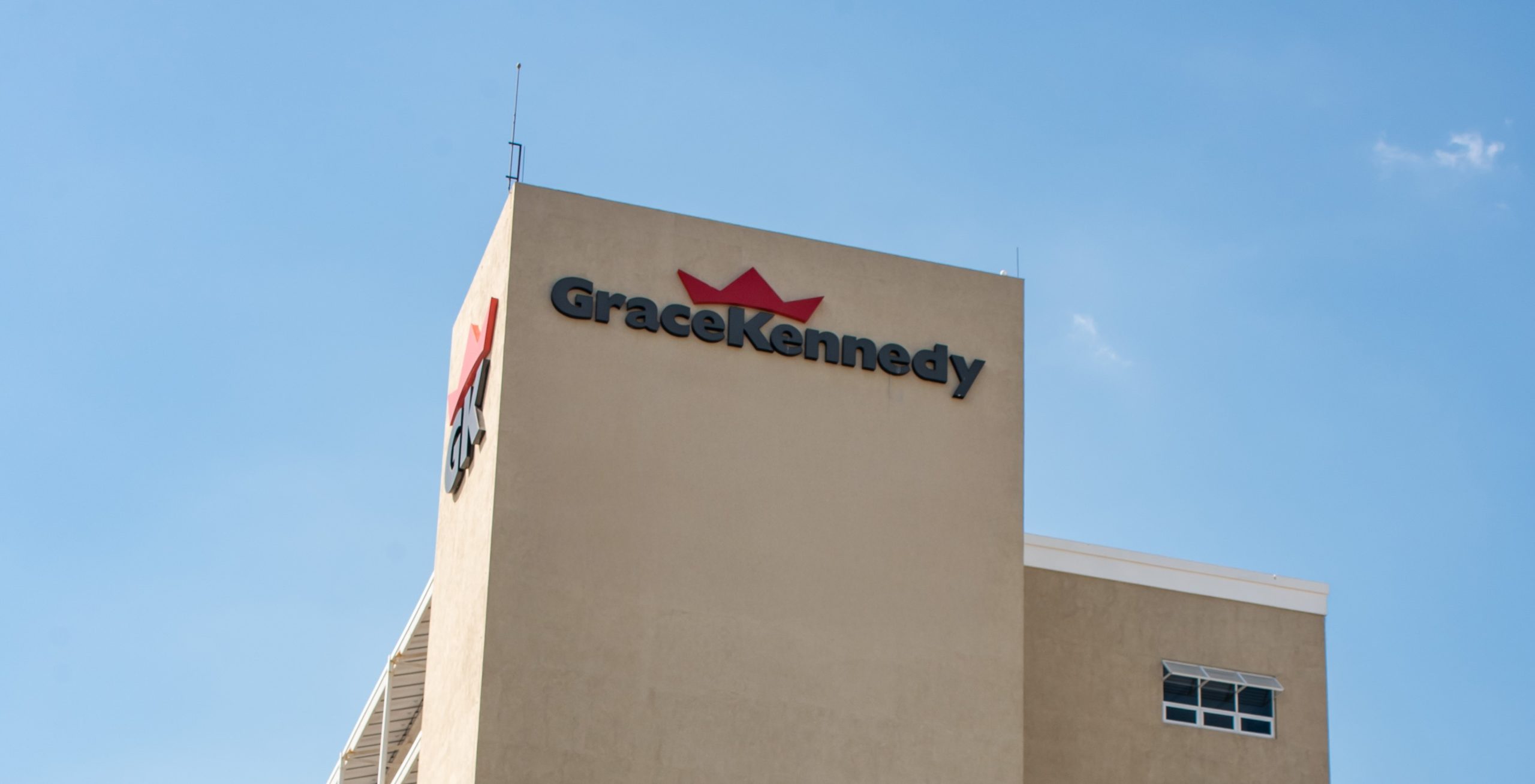
Food manufacturer GraceKennedy Foods (GK Foods) has launched a voluntary recall for two specific batches of its 1-litre Grace Tropical Rhythms Fruit Punch, distributed across Barbados and multiple other international markets.
The recall only targets products marked with two distinct best-before codes printed on the top of the packaging: BB JUL 21 27 L6 and BB JUL 22 27 L6. Company officials emphasize that the action is restricted exclusively to these two batches in the affected distribution regions, and no other sizes, batches, or flavor variations of the Grace Tropical Rhythms line are included, nor are any products sold in non-identified markets impacted.
In an official public statement released by the company, GK Foods clarified that preliminary investigations and internal assessments have categorized the issue as a product quality deviation, not a threat to consumer food safety. To date, the company has not received any reports of illness, allergic reactions, or other adverse health events linked to consumption of the affected batches, and food safety experts do not expect negative health outcomes from using the product.
Andrea Coy, Chief Executive Officer of GraceKennedy Foods, emphasized that protecting product quality and upholding consumer trust are core priorities for the brand. “Even though this is ultimately a quality concern rather than a safety hazard, we made the decision to move forward with a voluntary recall out of an abundance of caution,” Coy explained. “This step ensures every product available to our customers continues to meet the rigorous quality standards they have come to expect from Grace.”
Coy added that the company has coordinated closely with wholesale distributors and retail partners across all affected markets to accelerate the removal of the recalled products from store shelves. She also extended a formal apology to consumers and business customers for the disruption caused by the recall process.
GK Foods is advising all consumers in affected regions who have purchased the 1-litre Fruit Punch with the targeted best-before codes to avoid consuming the product. Customers can return the unconsumed product to their original point of purchase to receive a full refund or a replacement product of equal value.