作者: admin

  • Constable Mitchel Prevost successfully completes boarding certification course in South Carolina

    Constable Mitchel Prevost successfully completes boarding certification course in South Carolina

    A law enforcement officer from the Commonwealth of Dominica has marked a major professional milestone by successfully completing a rigorous international maritime law enforcement training program hosted in the United States. Constable Mitchel Prevost crossed the finish line of the 21-day International Boarding Officer Course, which ran from July 17 to August 7, 2026, at the training facility in Charleston, South Carolina.

    In an official statement released following the completion of the program, the Commonwealth of Dominica Police Force (CDPF) extended its warmest formal congratulations to Prevost for his achievement, noting that the accomplishment reflects well on both the officer and the wider force.

    Designed specifically for active personnel assigned to maritime law enforcement boarding teams, the course delivers a robust blended curriculum that combines deep dives into critical legal frameworks with hands-on practical skill building. Unlike generic law enforcement training, the program prioritizes both foundational and advanced boarding procedures, with intentional focus on team coordination and on-the-job officer safety, two core components of effective maritime law enforcement operations.

    According to CDPF details, the training covered a wide range of high-stakes practical scenarios that officers regularly encounter during boarding operations. Trainees completed structured exercises covering administrative vessel inspections, legal search and seizure protocols, radiation detection techniques, recreational vessel inspection standards, proper arrest procedures, and compliant use of force decision-making.

    Beyond core operational skills, participants also received immersive, hands-on instruction in several specialized areas: identifying concealed weapons, safely securing weapons during boarding operations, conducting thorough pat-downs of individuals on boarded vessels, and field testing and identifying controlled substances. All modules were tailored to replicate real-world conditions that maritime officers face, ensuring trainees are prepared to respond appropriately to any situation they may encounter.

    For the CDPF, this training milestone aligns with the force’s ongoing commitment to professional development. The organization emphasized that it actively prioritizes connecting its officers with regional and international learning opportunities to help them continuously upgrade their capabilities and better serve the public. “Congratulations once again to Constable Mitchel Prevost on this achievement and continued commitment to service,” the CDPF said in its closing statement.

  • How much do women earn compared to men in the Dominican Republic?

    How much do women earn compared to men in the Dominican Republic?

    Fresh labor market analysis from the latest Quarterly Bulletin of the Dominican Republic’s National Business Directory (ONE), paired with official Dominican labor market statistics, has documented enduring gender-based income inequality that cuts across every segment of the country’s workforce — regardless of employment formality, seniority level, or weekly hours worked. The data paints a clear picture that disparities are most severe in the nation’s large informal labor sector, where raw hourly wage figures highlight a stark gap between male and female workers. On average, men working in informal roles earn RD$140.1 per hour, while their female counterparts take home just RD$102.8 per hour. Extrapolated across a standard 40-hour work month, this hourly gap translates to women earning almost RD$8,000 less than men monthly, a financial penalty that disproportionately impacts female-led households and economic security for women across the country. Even in the formal sector, where women have secured a surprising educational edge, systemic inequality persists. For roles registered with the Dominican Social Security Treasury (TSS), women often hold higher levels of technical and university education than male colleagues, which pushes baseline hourly wages into similar ranges, and in some niche segments, women’s educational attainment translates to slightly higher starting hourly pay. Despite this educational advantage, the data reveals that for identical positions and leadership ranks, women still earn an average of 18% less than men holding the exact same role. The analysis also confirms the ongoing existence of a stubborn glass ceiling blocking women’s access to top leadership positions across Dominican businesses. Official data shows that 77.7% of all formal Dominican businesses are headed by male leaders, while women hold just 15.9% of top executive and ownership roles. The gap widens dramatically as company size and revenue grow: female representation in management is marginally higher at small businesses with annual revenues below RD$10 million, but at large corporations with annual revenues exceeding RD$500 million, male dominance in leadership is nearly absolute. This underrepresentation of women at senior levels directly contributes to the broader national gender wage gap, the report concludes. In its final assessment, the analysis notes that while Dominican women have made significant strides in closing the educational gender gap over recent decades, these academic gains have not translated to equal economic outcomes. The core institutional challenge now facing the country is to implement policies that convert women’s educational achievements into equal pay for equal work and substantially increase female representation in senior corporate leadership across all sectors of the economy.

  • Fuel prices rise by up to RD$9; premium gasoline to cost RD$350

    Fuel prices rise by up to RD$9; premium gasoline to cost RD$350

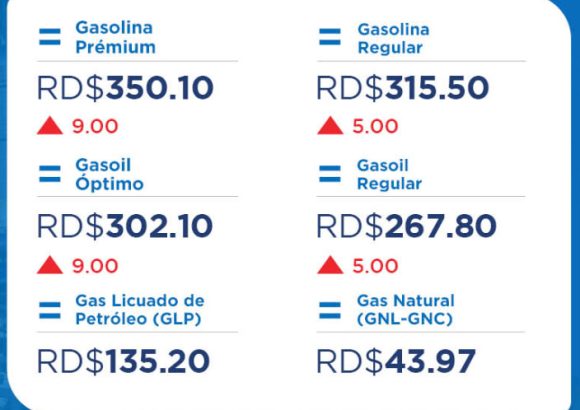
    The Dominican government has moved forward with a targeted round of fuel price adjustments for the week of September 19–25, capping increases for premium gasoline and high-grade “Optimum” diesel at 9 Dominican pesos (RD$) per gallon. Standard-grade gasoline and conventional diesel will see a more modest 5-peso per gallon rise, while kerosene will take the steepest jump of up to RD$29.30 per gallon, according to official announcements.

  • Abinader visits Punta Bergantín tourism project in Puerto Plata

    Abinader visits Punta Bergantín tourism project in Puerto Plata

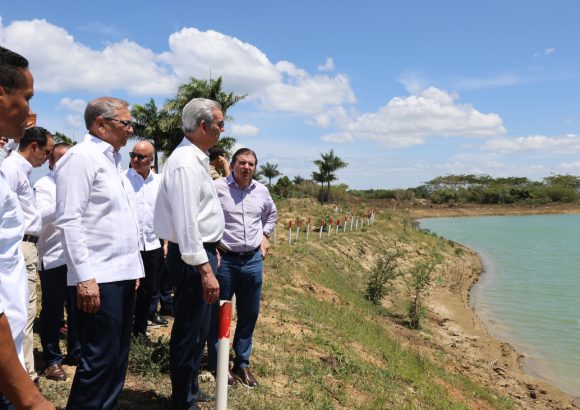
    On Friday, Dominican Republic President Luis Abinader conducted an on-site inspection of the ambitious Punta Bergantín integrated tourism, real estate, and urban development megaproject in the coastal province of Puerto Plata, where he reaffirmed the national government’s unwavering backing for high-impact strategic investments that drive regional growth.

    During his tour of the planned development site, Andrés Marranzini Grullón, the project’s top director, provided President Abinader with a comprehensive update on the initiative’s current progress and long-term goals. This development is a centerpiece of the country’s broader plan to revitalize the Dominican Republic’s northern corridor, a region branded by policymakers as “The New North” that is targeted for targeted economic and tourism expansion.

    Spanning an area of approximately 9.6 million square meters of coastal land adjacent to the popular Playa Dorada resort area, the Punta Bergantín project is far more than a traditional tourism development. It will bring thousands of new hotel rooms operated by globally recognized hospitality brands including Meliá, Westin, and Dreams, alongside purpose-built residential communities, a championship-level golf course, a dedicated innovation district focused on tech and entrepreneurship, modern retail and commercial spaces, and full-service professional film production studios.

    According to statements from the Dominican government, the completed development is projected to deliver widespread economic benefits for Puerto Plata and the surrounding northern region. Beyond attracting hundreds of millions in foreign and domestic capital investment, the project is expected to generate thousands of new direct and indirect jobs for local workers, while advancing the country’s goal of building a more environmentally and economically sustainable tourism model that spreads growth beyond the country’s traditional southern tourism hubs.

  • Dominican government approves RD$2.04 trillion State Budget for 2027

    Dominican government approves RD$2.04 trillion State Budget for 2027

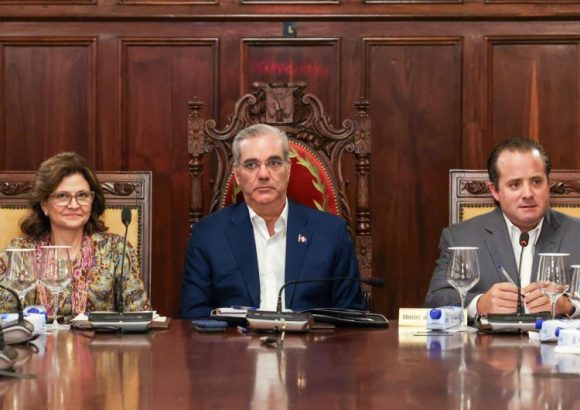
    In a formal gathering led by the nation’s top executive leaders, the Dominican Republic’s 60th Council of Ministers meeting concluded with two key policy advances that will shape the country’s mid-term development trajectory. President Luis Abinader and Vice President Raquel Peña chaired the session, where attendees gave formal approval to the 2027 General State Budget Bill, a nearly RD$2.037 trillion spending package that outlines the government’s policy priorities through the next three years.

    The proposed budget lays out targeted projections for government revenue and spending, matching the country’s broader macroeconomic outlook. Officials project RD$1.51 trillion in total government revenue for 2027, a figure that equals 15.7% of the Dominican Republic’s projected gross domestic product. The spending ceiling for the fiscal year is set at RD$1.838 trillion, or 19.2% of forecast GDP. The government’s underlying macroeconomic framework anticipates 4.75% real GDP growth and an average annual inflation rate of approximately 4.5% for 2027.

    Finance and Economy Minister Magín Díaz noted that the 2027 budget was crafted against a backdrop of consistent economic resilience in the Dominican Republic. Current economic data shows the country has hit 4.5% growth, inflation is on a downward trajectory, and international reserves have remained above the US$15 billion mark, creating a stable foundation for long-term budget planning.

    Budget Director José Rijo Presbot outlined the adjusted spending allocations in the new proposal. Compared to the initial 2026 budget, capital spending will see a 19.7% increase, while day-to-day current government spending will rise by 12.3%. The budget framework aligns with the administration’s Meta RD 2036 national development goals, prioritizing six core policy areas: education, public health, social protection, infrastructure development, citizen and border security, and institutional strengthening.

    A wide range of public works and social projects are earmarked for funding under the 2027 budget. These include the construction and expansion of public hospitals, upgrades to primary care units and the National Emergency Network, new highway development, integrated regional transportation systems, expanded drinking water and sanitation services, affordable housing improvements, completion of the Santiago monorail project, and increased passenger capacity for Santo Domingo Metro Line 2.

    In line with long-standing policy commitments, the government will maintain its requirement of allocating 4% of GDP to education. This funding will support the Ten-Year Education Plan Horizon 2034, expand technical and vocational training programs, and grow the national school transportation system to serve more students across the country. Following approval by the Council of Ministers, the budget bill is scheduled to be sent to the National Congress for legislative review and approval before the October 1 deadline.

    Beyond the 2027 budget, the Council of Ministers also advanced a second major policy initiative: a draft bill that would formalize the National Territorial Planning Plan as a legally binding framework for land use across the country. The proposal is rooted in the existing Law 368-22 on Territorial Planning, Land Use and Human Settlements, and is designed to align planning efforts across national, regional, and municipal levels of government while encouraging more sustainable management of the country’s land resources.

    The draft legislation integrates core priorities of environmental sustainability, disaster risk management, and climate change adaptation into all levels of territorial planning. Its stated core objectives are to protect the Dominican Republic’s unique natural resources and improve the organized development of human settlements to support more equitable, climate-resilient growth across the country.

  • Dominican 911 System explores technology cooperation with U.S.

    Dominican 911 System explores technology cooperation with U.S.

    A pivotal gathering focused on technological advancement and cross-border collaboration has brought key representatives from the Dominican Republic’s National Emergency and Security System 911 together with U.S. diplomatic and stakeholder groups in Santo Domingo. Hosted by Leah F. Campos, the U.S. Ambassador to the Dominican Republic, the meeting was designed to facilitate knowledge sharing and unlock new collaborative opportunities between the two nations.

    Leading the 911 delegation was Randolfo Rijo Gómez, the system’s Executive Director and a ranked Pilot Colonel. He was joined by Deputy Executive Director Pilot Colonel Harold Jiménez Polanco and Martín Santana, 911’s Technology Director, to represent the emergency response agency at the talks.

    The convening drew a diverse cross-sector audience beyond the 911 team. Attendees included Alex Thurn, director of the International Narcotics and Law Enforcement Affairs (INL) office in Santo Domingo, active participants in the U.S. Department of State’s International Visitor Leadership Program (IVLP), and representatives from Dominican public sector institutions, academic circles, and private industry.

    Central to the discussion was how emerging technology and innovative approaches can strengthen institutional and leadership connections between the Dominican Republic and the U.S. while opening new avenues for joint progress. For the Dominican 911 system, the meeting advances a long-running strategic push to upgrade its emergency response technology through global partnerships.

    In a statement following the gathering, 911 emphasized that it has maintained ongoing collaboration with the U.S. Embassy to share expertise, evaluate cutting-edge tools, and adopt new solutions that support the modernization of the country’s critical emergency response infrastructure. This engagement marks another step forward in deepening bilateral ties around public safety technology.

  • Cayo Levantado Resort launches first Atelier Yubarta Artist Residency

    Cayo Levantado Resort launches first Atelier Yubarta Artist Residency

    Tucked away on a quiet island in Samaná Bay, the luxury five-star all-inclusive Cayo Levantado Resort has ushered in a groundbreaking new cultural initiative, launching the first edition of Atelier Yubarta, an artistic and artisan residency program developed through a strategic partnership between resort owner Piñero and the Dominican Republic’s Ministry of Culture.

    The core mission of this one-of-a-kind residency is to reimagine Cayo Levantado as a dynamic hub for contemporary artistic creation, one that weaves together three critical threads: the island’s fragile coastal ecosystem, centuries of Dominican cultural heritage, and the vibrant surrounding local communities. Unlike generic artist retreats, the program is rooted in place, centering local voices and encouraging creators to draw inspiration from the natural and cultural landscape that surrounds them.

    After opening a national call for applications in July, a panel of industry jurors conducted a rigorous selection process, ultimately naming Nina Francesca Castillo Díaz as the program’s first resident artist. Hailing from Santiago de los Caballeros, Castillo Díaz is a multidisciplinary creative whose practice spans visual art, design, and handcrafted artisan work. Her creative exploration centers on the interconnected relationship between nature, marine biodiversity, and the evolving cultural identity of the Dominican Republic. A hallmark of her work is a commitment to sustainability: she produces wearable art, delicate watercolor miniatures, and sculptural handcrafted pieces almost exclusively using materials recovered from Dominican coastlines, turning ocean waste into meaningful cultural objects.

    Over the course of her 8 to 12-week residency, the resort will provide Castillo Díaz with full complimentary accommodation, a dedicated private workspace, all necessary production materials, and ongoing technical guidance from industry professionals. A key requirement of the residency mandates that she develop and lead at least one public engagement activity open to local community members, regional art students, or resort guests, creating a bridge between the creative process and the public.

    When the residency concludes, the program will cap off with a hybrid exhibition that combines an in-person display at the resort with a digital showcase accessible to audiences around the world. Importantly, Castillo Díaz will retain full commercial rights to all works created during her time in the program, reflecting the initiative’s commitment to supporting artists’ long-term careers. Three selected works will be added to Piñero’s permanent institutional art collection, ensuring the residency’s legacy is preserved on-site.

    Resort leadership emphasized that Atelier Yubarta is designed to grow into a sustained, annual platform for contemporary Dominican art, with broader goals beyond supporting individual creators: advancing national cultural identity, building public environmental awareness, and strengthening mutually beneficial ties between the resort and nearby local communities. This aligns with the property’s existing long-term sustainability commitments, which already include investments in renewable energy infrastructure, comprehensive zero-waste management systems, and native plant landscaping, as well as a deliberate policy of partnering with local designers, architects, and supply chain businesses to embed community support into every layer of operations.

  • Pepca raids clinics and laboratories nationwide, arrests at least 25 doctors in SeNaSa 2.0 Case

    Pepca raids clinics and laboratories nationwide, arrests at least 25 doctors in SeNaSa 2.0 Case

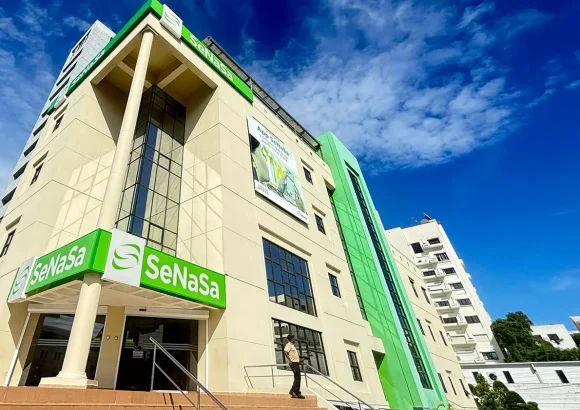
    On a Friday operation coordinated across multiple regions of the Dominican Republic, the Specialized Prosecutor’s Office for the Prosecution of Administrative Corruption (Pepca) executed synchronized search and arrest raids at private clinics and medical laboratories, launching a long-awaited new phase of a sprawling corruption investigation tied to the Dominican National Health Insurance (SeNaSa).

    Preliminary official updates and insider sources close to the ongoing investigation confirm that at least 25 medical professionals have been taken into custody during the coordinated law enforcement action. This new wave of investigative activity has been labeled by investigators as both “SeNaSa 2.0” and “Operation Cobra 2.0,” referencing the high-profile original corruption probe that first exposed the alleged criminal network more than a year prior.

    One of the most high-profile arrests is that of Dr. Steven Rabassa, a fertility specialist based in the eastern city of San Pedro de Macorís. Local Dominican outlets elCaribe and CDN first confirmed Rabassa’s detention, citing law enforcement sources, but the arrest has already drawn public pushback from representatives of the Dominican medical community. Critics point out that Rabassa has not held any affiliation or collaborated with SeNaSa for roughly three years, raising questions about the basis for his detention.

    As of the latest official updates, the Public Prosecutor’s Office has not released a public statement outlining the specific accusations facing Rabassa or any of the other 24 doctors arrested during Friday’s raids. Authorities have also not published a full, public roster of all individuals taken into custody, leaving many details of the operation still undisclosed.

    This latest round of raids is directly tied to the wider investigation into an alleged criminal conspiracy accused of siphoning billions of Dominican pesos from SeNaSa through fraudulent billing and corrupt schemes. Prosecutors have made clear that the end goals of the expanding probe are twofold: securing criminal convictions and legal penalties for all individuals found complicit in the scheme, and recovering or confiscating all public funds that were allegedly misappropriated from state coffers.

    Looking back at the roots of the investigation, the original Operation Cobra probe uncovered a web of criminal activity allegedly perpetrated by the network, including collusion between corrupt public officials, prevarication, criminal association, bribery, large-scale fraud against the Dominican state, embezzlement, document forgery, use of falsified official records, and money laundering.

    The first phase of Operation Cobra resulted in formal criminal charges being filed against former SeNaSA director Santiago Marcelo F. Hazim Albainy, whom prosecutors name as the suspected mastermind of the entire criminal network. Seven other co-defendants – Gustavo Enrique Messina Cruz, Francisco Iván Minaya Pérez, Germán Rafael Robles Quiñones, Rafael Luis Martínez Hazim, Ada Ledesma Ubiera and Ramón Alan Speakler Mateo – were also charged alongside the former director. As recently as August 5, the Seventh Court of Instruction of the National District reaffirmed the pretrial detention orders for Hazim Albainy and all other co-defendants currently in custody, rejecting multiple defense appeals for release.

    Friday’s coordinated raids represent the most significant new development in the SeNaSa corruption case since the original charges were filed, marking a major expansion of the investigation beyond the initial group of senior public officials and network insiders. With investigators still consolidating evidence and processing the arrests, full details of the charges and scope of the new phase of the probe are expected to be released in the coming days.

  • EPO: digital agriculture patent applications growing at record pace

    EPO: digital agriculture patent applications growing at record pace

    As the global race to feed a projected 10 billion+ population by 2050 intensifies, innovation in digital agriculture is accelerating at a remarkable pace, with annual growth in related patent applications hitting 9.4% — nearly three times the average across all technology sectors, according to a new analysis released by the European Patent Office (EPO).

    Published Thursday by the EPO’s Patent and Technology Observatory in the report *Digital Agriculture – Towards Sustainable Food Security*, the study tracks digital agricultural innovation across major global regions from 2000 through early 2025, and spotlights Latin America as a fast-growing emerging hub for the sector. Between 2000 and 2022, the region recorded an 11% average annual growth rate in digital agriculture patent activity, outpacing the global average.

    Mexico stands out as the regional leader in Latin America’s digital agriculture transformation. Academic institutions and technology research centers across the country have pioneered breakthrough innovations spanning smart irrigation sensors, real-time water monitoring systems, agricultural robotics, and technologies designed to protect vulnerable pollinator populations. Data from Mexico’s Institute of Industrial Property shows that between 2018 and April 2025, the body granted 3,680 patents to AgTech and FoodTech companies operating in the country, 464 of which went to domestic Mexican applicants.

    The EPO report identifies four core technology categories driving the global expansion of digital agriculture: imaging and sensing tools, automated systems, unmanned aerial drones, and artificial intelligence. Adoption and patenting activity for all four technologies has surged since 2018, with particularly rapid growth in applications for real-time crop monitoring, precision farming, and data-driven predictive agricultural analysis.

    Currently, Europe holds the global lead in total digital agriculture patent holdings, backed by a robust innovation ecosystem that includes 194 active AgTech startups and 125 universities conducting cutting-edge agricultural research. The report also notes a key global shift: Asia overtook North America in total annual digital agriculture patent activity in 2020, reflecting the region’s growing investment in agricultural innovation.

    Another notable trend highlighted by the study is the expanding role of private sector actors in driving agricultural innovation. Since 2022, 88% of all digital agriculture patent applications have come from private companies, with top patent filers including major global agricultural equipment manufacturers John Deere, CNH Industrial, Claas, Kubota, and Amazonen-Werke.

    EPO President António Campinos emphasized that the rapid growth of digital agriculture innovation is a direct response to mounting global food security pressures, which have grown more urgent amid climate change and population expansion. In addition to mapping global patent trends, the study examines innovation ecosystems in five Latin American nations — Brazil, Chile, Colombia, Peru, and Mexico — and underscores the critical role of patent protection, startup ecosystems, academic research, and public-private collaboration in scaling new digital technologies to working farms around the world.

  • Dominican Republic and Jordan launch visa exemption for diplomatic passport holders

    Dominican Republic and Jordan launch visa exemption for diplomatic passport holders

    A new reciprocal visa exemption agreement between the Dominican Republic and the Hashemite Kingdom of Jordan will enter into force on September 19, 2026, opening the door for smoother cross-border travel for official representatives of both nations. The policy change, which was formally announced through the Dominican Embassy based in Cairo, Egypt, applies exclusively to citizens of both countries that hold valid diplomatic passports, eliminating the requirement to obtain advance travel visas before entering each other’s sovereign territories.

    Under the terms of the bilateral arrangement, eligible Dominican diplomatic passport holders will be permitted to enter Jordan without pre-approved visas, so long as they abide by all conditions laid out in the agreement. Jordanian diplomatic passport holders receive identical treatment when planning travel to the Dominican Republic, creating a mutually beneficial framework for official movement between the two countries. Critically, the policy does not extend to citizens traveling on standard ordinary passports; those travelers will remain bound by the existing visa regulations that were in place before the agreement was reached.

    Officials from the Dominican Republic frame the agreement as a deliberate, meaningful step to deepen ties between the two Middle Eastern and Caribbean nations. By cutting bureaucratic red tape for official travel, the new rule is expected to expand the scope of bilateral cooperation across a range of diplomatic and policy areas, while creating more accessible opportunities for government and diplomatic representatives to carry out their official duties. The agreement builds on existing collaborative frameworks and signals a shared commitment to strengthening the bilateral relationship moving forward.