作者: admin

  • Man fined $2,000 after pleading guilty to drug charges

    Man fined $2,000 after pleading guilty to drug charges

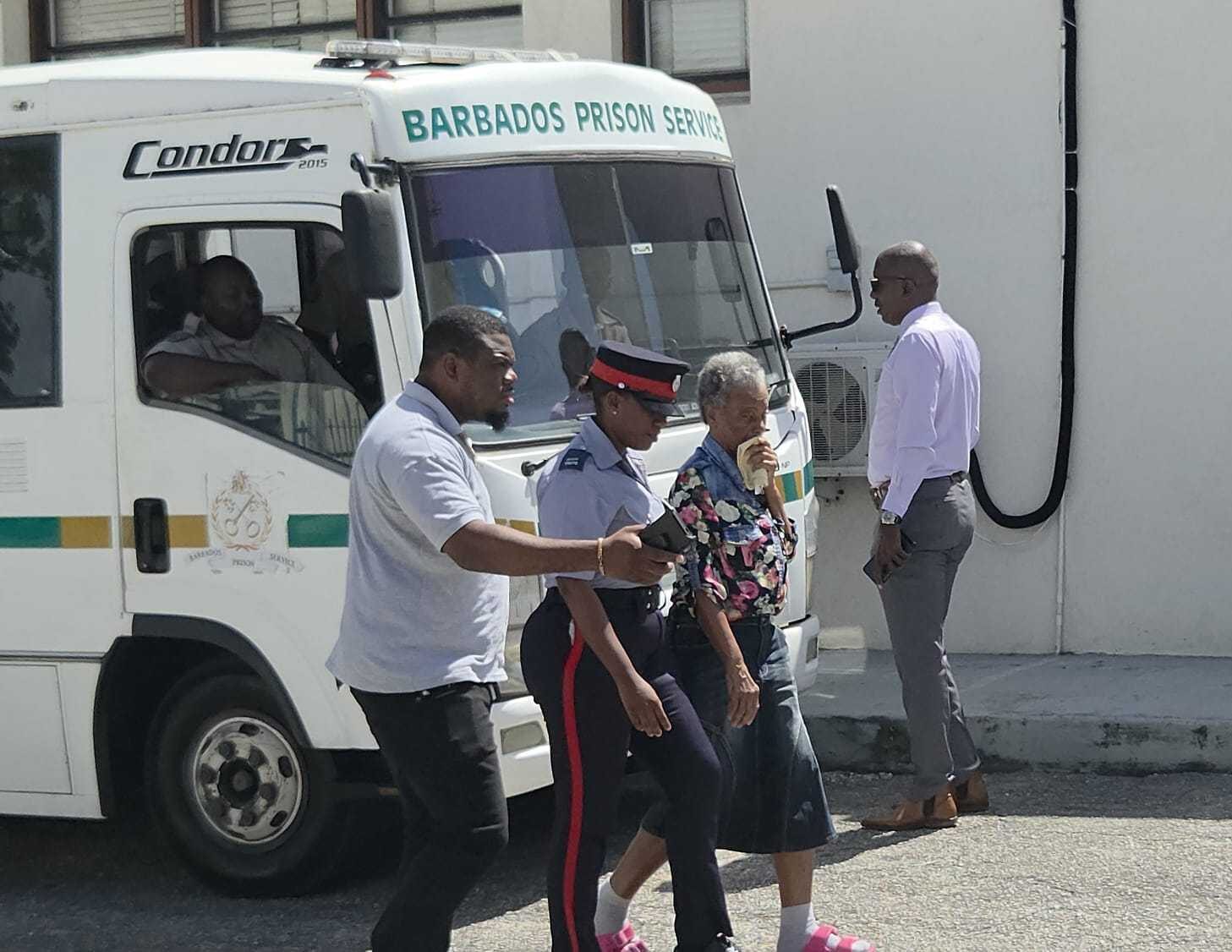
    A St. James resident has been convicted on multiple narcotics charges following a court appearance at the District ‘A’ Traffic Court this past Saturday. Chad Roosevelt Elija Chase, 30, of West Terrace, St. James, entered a guilty plea before Magistrate Alison Burke for six distinct drug offenses.

    The charges encompassed possession, trafficking, and intent to supply both cannabis and cocaine. The court imposed a financial penalty of $2,000, mandating payment within a sixty-day period. Failure to comply will result in a three-month custodial sentence at the Barbados Prison Service facility in Dodds.

    According to official reports, the Barbados Police Service Narcotics Unit apprehended and formally charged Chase in relation to illicit activities dated January 23. Law enforcement authorities confirmed the seizure of suspected cannabis with an approximate weight of 21 grammes, carrying an estimated street value of $105. Additionally, officers confiscated roughly 1.7 grammes of suspected cocaine valued at approximately $85.

    The judicial outcome highlights ongoing efforts by Barbadian authorities to combat drug-related crimes through both legal prosecution and financial penalties.

  • Massive landlslide in Pichelin completely blocks off river

    Massive landlslide in Pichelin completely blocks off river

    A catastrophic geological event has unfolded in the Pichelin region, where a massive landslide has resulted in the complete obstruction of the Pichelin River. The significant displacement of earth and rock has effectively dammed the waterway, creating a substantial barrier and altering the local topography. Emergency services and geological survey teams have been dispatched to assess the stability of the area and evaluate potential downstream risks, including the danger of a sudden breach and subsequent flooding. Initial reports suggest that the landslide was likely precipitated by a combination of sustained heavy rainfall and inherently unstable slope conditions in the region. Authorities are urging residents in lower-lying areas to remain vigilant as experts work to analyze the situation and develop a mitigation strategy to safely manage the accumulated water and sediment.

  • Cubans residing in Nicaragua reiterate support for Venezuela

    Cubans residing in Nicaragua reiterate support for Venezuela

    The Cuban community residing in Nicaragua has issued a powerful declaration of solidarity with Venezuela, condemning what it describes as systematic aggression and destabilization campaigns targeting the Bolivarian nation’s sovereignty. The statement, disseminated through official social media channels, emerges amid heightened geopolitical tensions in Latin America.

    This proclamation strategically coincides with the 173rd anniversary of Cuban national hero José Martí’s birth, observed annually on January 28th. The timing underscores the deliberate invocation of Martí’s philosophical legacy, particularly his advocacy for Latin American unity and resistance against external intervention.

    The comprehensive statement articulates three primary concerns: the employment of unilateral coercive measures against Venezuela, coordinated disinformation campaigns designed to undermine democratic processes, and systematic attacks on the nation’s right to self-determination. These elements, according to the declaration, represent a concerted effort to disrupt regional stability.

    Drawing direct parallels between historical anti-colonial struggles and contemporary political challenges, the Cuban community in Nicaragua emphasized the enduring relevance of Martí’s vision. The statement characterized current events as a continuation of historical patterns of foreign intervention in Latin American affairs, necessitating renewed commitment to regional integration and mutual defense of sovereignty.

    Furthermore, the declaration reaffirmed Nicaragua’s alignment with Venezuela through the framework of regional cooperation alliances, highlighting existing bilateral agreements and diplomatic coordination mechanisms between left-leaning governments in the region.

    The statement concludes with an impassioned call for strengthened brotherhood between Cuban and Venezuelan peoples, framing this solidarity as both a moral imperative and strategic necessity in confronting perceived external pressures. This diplomatic communication represents the latest development in ongoing ideological alignment among certain Latin American nations advocating for reduced U.S. influence in the region.

  • How entrepreneurs are recharging the Caribbean

    How entrepreneurs are recharging the Caribbean

    Across the Caribbean basin, a transformative energy movement is emerging not from government policy chambers but from the grassroots ingenuity of young entrepreneurs. While national dialogues continue to dominate renewable energy discussions, these innovators are implementing practical solutions that address both economic and environmental challenges through technology-driven approaches.

    In St. Vincent and the Grenadines, 34-year-old Hance John exemplifies this shift through Westfield Farms, his agricultural enterprise in the Marriaqua Valley. Beginning with simple solar-powered lighting to avoid costly grid connections, John has evolved his operation into a comprehensive solar ecosystem encompassing security cameras, irrigation pumps, and automated feeding systems. His innovation demonstrates how traditional agriculture can integrate with sustainable technology to reduce operational costs while enhancing resilience against hurricanes and droughts.

    John’s community-focused approach includes local hiring, sourcing materials from nearby suppliers, and providing internships for agricultural students. However, he identifies significant structural barriers, particularly financing limitations where banks perceive small-scale farming as high-risk due to theft, pests, and extreme weather. He advocates for educational reforms starting at primary level, student exchange programs, and green scholarships to foster sustainable energy adoption.

    Similarly in St. Vincent, Ricardo Boatswain launched Solife Solar at age 27 after recognizing the financial strain of conventional electricity on families and businesses. Combining his background in banking, project management, and construction, Boatswain developed the Caribbean’s first 84-month payment plan for solar installations, dramatically improving accessibility to clean energy. His company now delivers utility-scale projects and residential solutions that promote energy independence throughout the region.

    In Jamaica, Sheed Cole’s journey from adversity to innovation represents another dimension of this movement. Having experienced childhood poverty without electricity or running water, Cole established 360 Recycle Manufacturing Ltd. to address the island’s waste crisis. His low-tech approach transforms approximately 2 million daily plastic bottles and Styrofoam containers into lightweight composite materials for playground equipment, benches, planters, and building components. This process not only cleans neighborhoods but also provides vocational training in fabrication and design thinking for youth from disadvantaged communities.

    Cole’s composite materials offer built-in energy efficiency benefits, with insulation properties that reduce cooling needs in Jamaica’s tropical climate. He emphasizes policy measures that prioritize local talent and mandate recycled materials in public infrastructure projects to scale the industry.

    These initiatives align with regional climate goals, including St. Vincent and the Grenadines’ commitment to 60% renewable energy by 2030 with strong emphasis on youth participation. The collective impact demonstrates how Caribbean youth are leveraging technology, local knowledge, and entrepreneurial spirit to build energy resilience from the ground up, creating jobs, reducing costs, and redefining sustainable development through practical innovation.

  • As deadline nears, gov’t says frustrating reinstatement efforts unacceptable

    As deadline nears, gov’t says frustrating reinstatement efforts unacceptable

    Prime Minister Godwin Friday has condemned as “unacceptable” the bureaucratic obstacles facing public servants seeking reinstatement after being dismissed under the previous administration’s COVID-19 vaccine mandate. The criticism comes as the January 31, 2026 deadline for reinstatement approaches under the New Democratic Party (NDP) government’s policy.

    Attorney General Louise Mitchell revealed that 116 workers terminated under the Unity Labour Party’s 2021 vaccine requirement had not returned to work by December 2025. Of these, 100 have now resumed duties, with the government successfully placing 92 individuals in positions. However, union reports indicate some returning employees faced rejection at their previous workplaces, with officials claiming unavailable positions.

    The NDP administration maintains it is implementing the March 2023 High Court decision by Justice Esco Henry, which declared the vaccine mandate unconstitutional and ordered reinstatement with full benefits. This stance persists despite the Court of Appeal’s subsequent 2-1 majority decision overturning the ruling. The legal battle has now advanced to London’s Privy Council for final adjudication.

    Mitchell emphasized the government’s commitment to ensuring respectful treatment of affected workers, stating: “The policy is for persons to return to work fully with their benefits intact. Everyone in a position that affects implementation must adhere to that.” She detailed comprehensive reinstatement protocols covering vacation leave accrual, pension eligibility, and special considerations for those employed elsewhere.

    Prime Minister Friday affirmed his government’s principled position, noting: “It wasn’t just a matter for the leadership of the party and now the leadership of the government. We felt this was a right and just thing to do.” While acknowledging implementation challenges, he expressed overall satisfaction with the reinstatement process’s progress.

    The government has established mechanisms for workers seeking exceptions to standard reinstatement procedures, including no-pay leave options for those with current employment obligations and streamlined processes for retirement-age employees.

  • Nevis Premier: jurisdiction targets top-tier status with compliance-first gaming framework | AGB

    Nevis Premier: jurisdiction targets top-tier status with compliance-first gaming framework | AGB

    The Caribbean island of Nevis has unveiled a comprehensive online gaming regulatory framework, strategically designed not as a short-term revenue generator but as a foundational pillar for long-term economic resilience. Premier Mark Brantley, in an exclusive interview with Asia Gaming Brief at ICE 2026 in Barcelona, articulated a vision to position Nevis as a top-tier, compliance-focused jurisdiction in the global gaming industry.

    The initiative was catalyzed by the economic vulnerabilities exposed during the COVID-19 pandemic. With its heavy reliance on tourism severely disrupted by border closures and hotel shutdowns, the Nevis Island Administration recognized an urgent need to diversify its economic base. Leveraging its four-decade-long reputation as a regulated international financial services center, gaming emerged as a natural and strategic extension.

    Premier Brantley emphasized that the jurisdiction’s established regulatory principles—including rigorous anti-money laundering protocols, extensive due diligence, and a compliance-first licensing philosophy honed in financial services—are being directly applied to the new online gaming regime. This existing infrastructure has kept Nevis in good standing with international bodies like the Financial Action Task Force (FATF), providing a credible foundation for its gaming ambitions.

    The economic strategy extends beyond mere licensing fees. The government is actively courting a complete digital ecosystem, inviting not only operators but also payments processors, technology vendors, AI specialists, and other ancillary service providers to establish a physical and operational presence on the island. Brantley highlighted Nevis’s robust internet infrastructure, accessible local banking for licensed entities, and high quality of life as key advantages to attract international digital businesses and professionals.

    Acknowledging that top-tier status is a long-term goal, Brantley outlined a measured capacity-building approach. The Nevis Online Gaming Authority will serve as the central regulatory body, employing a multi-layered application review process involving both the regulator and the Ministry of Finance. Licenses are granted annually, with renewal contingent upon demonstrated ongoing compliance and reputable conduct, a model designed to mitigate the risk of bad actors.

    The Premier was unequivocal about prioritizing quality over quantity, stating that only ‘reputable entities need apply.’ The success of the framework will be judged by the caliber of its licensees and the sustainable growth of a reputable industry, even if it means turning away applicants that do not meet its stringent standards. With the framework now operational, companies are encouraged to engage with the regulator to assess the opportunities Nevis offers.

  • Essentiële medicijnen niet alleen op papier, maar ook in de apotheek

    Essentiële medicijnen niet alleen op papier, maar ook in de apotheek

    Suriname’s healthcare sector witnesses a significant advancement as Minister André Misiekaba of Health, Welfare, and Labor officially installed the reconstituted National Medicines Compendium Commission on Friday. This strategic move aims to safeguard population-wide access to essential and reimbursable medications through systematic oversight.

    Chaired by healthcare expert Els Dams, the commission embarks on a three-year mandate to identify and classify medically vital pharmaceuticals eligible for insurance coverage. Dams emphasized the compendium’s critical role beyond administrative functionality, stating: “This document serves as a crucial benchmark for healthcare quality and accessibility. Medication inclusion mandates actual patient availability—not merely theoretical coverage.”

    The commission confronts the complex challenge of balancing therapeutic necessity against fiscal constraints. With many innovative drugs carrying substantial cost burdens, Dams cautioned: “Unrestricted inclusion of all new medications would exhaust our annual budget within months.” To navigate this dilemma, the committee will align its decisions with World Health Organization (WHO) guidelines while respecting domestic financial limitations.

    A persistent issue involves the discrepancy between formal listings and pharmacy shelf availability. The commission plans to engage insurers and pharmacies through ministerial coordination to bridge this implementation gap, ensuring reimbursement policies translate into tangible access.

    Minister Misiekaba has requested an initial evaluation within three to six months, expressing confidence in the team’s expertise: “This composition strengthens our healthcare foundation.” Notably, the physical compendium becomes obsolete, with digital platforms now providing real-time updates on approved medications.

  • Cap Cana: A well-established tourist destination that contributes to Dominican tourism

    Cap Cana: A well-established tourist destination that contributes to Dominican tourism

    The Dominican Republic’s premier luxury development, Cap Cana, is transforming into a groundbreaking smart city model while simultaneously driving the nation’s economic and tourism growth. This private destination city has evolved beyond its initial concept to become a sustainable, technologically advanced urban center that represents a significant milestone in the country’s development trajectory.

    Over its 23-year history, Cap Cana has attracted substantial investment totaling $4.758 billion, averaging approximately $213 million annually. The development’s infrastructure, valued at over $1.2 billion, now supports the largest luxury real estate cluster in the Caribbean nation. This massive investment has positioned the Dominican Republic as both the region’s largest economy and most developed tourist destination, with visitor numbers increasing significantly due to expanded tourism offerings over the past five years.

    The project’s impact extends beyond economic metrics, generating more than 20,000 direct and indirect jobs while substantially contributing to social well-being in the surrounding area. Cap Cana has established itself as an integrated community where residents and visitors can live, work, and enjoy premium leisure and recreational facilities.

    As a diversified tourism, real estate, and hospitality destination, Cap Cana embodies the country’s advancements in sustainable development. The city’s structured growth strategy emphasizes technological integration alongside environmental consciousness, positioning it as an emerging global benchmark for modern luxury tourism and smart city innovation. This development represents a new paradigm for urban planning in the Caribbean, combining cutting-edge technology with sustainable practices to create a model for future destination cities worldwide.

  • Trump dreigt Canada met 100% tarief vanwege handelsakkoord met China

    Trump dreigt Canada met 100% tarief vanwege handelsakkoord met China

    U.S. President Donald Trump has issued a stark warning to Canada, threatening to impose 100% tariffs on all Canadian goods entering the United States if Prime Minister Mark Carney proceeds with a trade agreement with China. In a post on Truth Social, Trump asserted that such a deal would enable China to “completely swallow Canada,” devastating its businesses, social fabric, and way of life.

    The warning comes amid heightened tensions between the two North American neighbors, exacerbated by Carney’s recent criticism of Trump’s Greenland policy and his calls for “middle powers” to collaborate against U.S. hegemony. While Carney avoided directly addressing Trump’s tariff threat in a recent video statement, he emphasized Canada’s focus on domestic economic resilience, noting, “We cannot control what other countries do, but we can be our own best customer.”

    Carney’s visit to China this month resulted in a trade agreement aimed at improving strained bilateral relations. China is Canada’s second-largest trading partner after the U.S. Initially, Trump appeared supportive of the outreach, stating on January 16 that securing a deal with China was advisable. However, his stance has since hardened significantly.

    Canadian Trade Minister Dominic LeBlanc clarified that the agreement with China does not constitute a free trade deal but addresses key tariff issues. The Chinese Embassy in Canada expressed readiness to implement the consensus reached between the two countries.

    Trump also suggested that China might use Canada to circumvent U.S. tariffs, warning that Canada must not become a “dumping ground” for Chinese goods. The potential imposition of 100% tariffs would severely impact Canadian industries such as metal production, automotive manufacturing, and machinery.

    The relationship between Trump and Carney, initially cordial, has deteriorated notably. At the World Economic Forum in Davos, Carney received a standing ovation for his remarks on middle-power cooperation, while Trump retorted that Canada “exists because of the United States”—a claim Carney dismissed by asserting that Canada thrives because of its people.

    In retaliation, Trump rescinded Canada’s invitation to his Peace Board, an initiative focused on international conflict resolution and the future of Gaza. Additionally, Trump has dismissed the USMCA trade agreement—scheduled for review in July—as “irrelevant.”

    Historically, Trump has frequently deployed tariff threats during his presidency, though he has occasionally withdrawn or moderated them following negotiations. Most recently, he eased threats of stricter tariffs on European allies after NATO leaders committed to enhancing Arctic security.

    The Canadian Chamber of Commerce has urged both governments to seek mutual understanding to alleviate the uncertainty plaguing businesses amid ongoing trade conflicts.

  • Nearly 2,700 Haitians detained and deported in special operations

    Nearly 2,700 Haitians detained and deported in special operations

    In a sweeping nationwide enforcement action, Dominican migration authorities conducted a large-scale interdiction operation targeting irregular migration in the early hours of January 23. The General Directorate of Migration (DGM) reported the detention and/or deportation of 2,697 Haitian nationals found in violation of the country’s immigration statutes.

    The operation demonstrated significant coordination across multiple regions, with 1,222 individuals promptly repatriated through designated border checkpoints. The geographic distribution of these returns revealed concentrated activity in key border regions: Elías Piña (618), Dajabón (441), Jimaní (85), and Pedernales (78).

    Simultaneous enforcement sweeps resulted in the apprehension of 1,258 undocumented migrants across diverse operational theaters. In Greater Santo Domingo, operations targeted the districts of Villa Mella, Herrera, Villa Duarte, and the National District. The Cibao region witnessed coordinated actions in Santiago, Mao, Hermanas Mirabal, Monseñor Nouel, and Santiago Rodríguez, while southern operations focused on Barahona, Azua, and San José de Ocoa.

    Tourist zones received particular attention, with 217 foreign nationals detained in La Altagracia and La Romana provinces alone. These operations concentrated on high-traffic tourist destinations including Bávaro, Verón, and Uvero Alto, plus adjacent communities, through joint deployments combining military and police resources.

    The operational framework involved 38 rapid response agents, seven intelligence officers, inspectors, drivers, and armed forces personnel collaborating to enforce migration control in areas experiencing substantial population mobility.

    Authority involvement was distributed across multiple agencies: DGM agents directly apprehended 1,095 individuals, while military and police units accounted for 380 detainees—291 by the Army, 45 by the Specialized Corps of Land Border Security (Cesfront), and 44 by the National Police.

    The DGM emphasized in an official communiqué that all operations were conducted with strict adherence to human rights protocols and existing regulatory frameworks, while reaffirming institutional support for national security apparatuses.