作者: admin

  • Free rabies vaccination clinics for dogs

    Free rabies vaccination clinics for dogs

    Grenada is set to launch a coordinated public health and animal welfare initiative this coming September, as St George’s University (SGU) School of Veterinary Medicine partners with two national government agencies to deliver free rabies protection for dogs across the country. Scheduled to take place on Saturday, 26 September 2026, the multi-clinic event is organized to mark World Rabies Day, a global observance focused on raising awareness of rabies prevention and eliminating deaths from the preventable viral disease.

    Dubbed an island-wide outreach effort, the campaign centers on proactive community engagement and preventive veterinary care to reduce local rabies transmission risk. Rabies, a zoonotic disease that spreads from animals to humans, remains a persistent public health concern in many tropical regions, and mass dog vaccination is widely recognized by global health authorities as one of the most cost-effective and impactful strategies to curb the spread of the virus and protect human populations.

    Leading the on-the-ground delivery of services will be trained veterinary faculty and veterinary students from SGU, who will team up with staff from Grenada’s Ministry of Agriculture and Ministry of Health, alongside local community partner organizations. Together, the collaborative group will administer free rabies vaccinations at pre-designated clinic sites scattered across every parish of Grenada. To maximize accessibility for dog owners across the island, vaccination services will be offered during both morning and afternoon sessions at each location, making it easier for residents with varying work and personal schedules to bring their pets in for protection.

  • Knight Riders complete remarkable turnaround

    Knight Riders complete remarkable turnaround

    In one of the most dramatic resurgences in recent Women’s Caribbean Premier League (WCPL) history, the Trinbago Knight Riders (TKR) have written an extraordinary underdog story, transforming from a winless 2025 campaign to become the first side to lock in a spot in the 2026 tournament’s championship decider. This Thursday at Bridgetown’s iconic Kensington Oval, Dottin’s squad will clash with the Guyana Amazon Warriors for the title, with captain and veteran all-rounder Deandra Dottin crediting a fundamental shift in team mindset for their stunning reversal of form.

    Looking back at the disappointment of 2025, Dottin explained that last year’s squad struggled with overpressure and forced play, a mistake the group has avoided this season. “Last year we were trying to force it a bit too much, but this year we’re just actually letting it come to us,” the skipper said. “We’re sticking to the basics and we’re doing the one percenters right.”

    Beyond tactical adjustments, Dottin highlighted the incredible team cohesion the group has built in a remarkably short timeframe, a chemistry rooted in mutual support and shared enjoyment of the game. “Our plans are actually coming together and I really like how we have gelled in such a short space of time, while supporting each other and enjoying each other’s company,” she added.

    For Dottin and the entire squad, lifting the WCPL trophy this Thursday would carry far more meaning than a standard championship, coming off a full season without a single victory in 2025. “That would be a really good feeling, probably a feeling that you can’t express. Following last year to be the first team to qualify in the playoffs and going straight to the final, I mean like it’s a really good feeling to be honest,” she admitted.

    Even through 2025’s winless slump, Dottin never lost her belief, crediting her faith as a core anchor that kept her outlook positive. She said her confidence grew even further once she saw the 2026 squad assembled, a balanced roster that blends power, experience, and exciting young homegrown talent.

    “After we came together and picked the squad…I mean like we have a really good squad. We have some power hitters, we have some experienced players as well and also the regional and local players that are actually in the squad who are young and are actually playing good cricket as well,” Dottin explained. “After having a couple of training sessions before the start of the tournament, you have that feeling that something good is gonna happen. But, it’s just a matter of cricket being played on the day and sticking to the basics consistently.”

    TKR’s 2026 campaign has already backed up that pre-tournament optimism: they opened their run with a 21-run upset over three-time champions Barbados Tridents, followed by a dominant nine-wicket win over Jamaica Empress Women. Their only defeat so far came at the hands of Thursday’s opponent, the Guyana Amazon Warriors, who defeated TKR by 25 runs on September 12.

    If TKR can reverse that result and claim the title, Dottin says she wants the team’s never-say-die attitude to be their lasting legacy for fans. “I mean there are other teams that would have actually probably given up, but we as TKR women’s team, we just always try to push. It’s a never say never situation where we always have a chance, we always have an opportunity, by the grace of God and the help and strength that he’s given us to play in this tournament,” the captain said.

  • Milieu- en gezondheidstesten voortaan in Suriname uitgevoerd

    Milieu- en gezondheidstesten voortaan in Suriname uitgevoerd

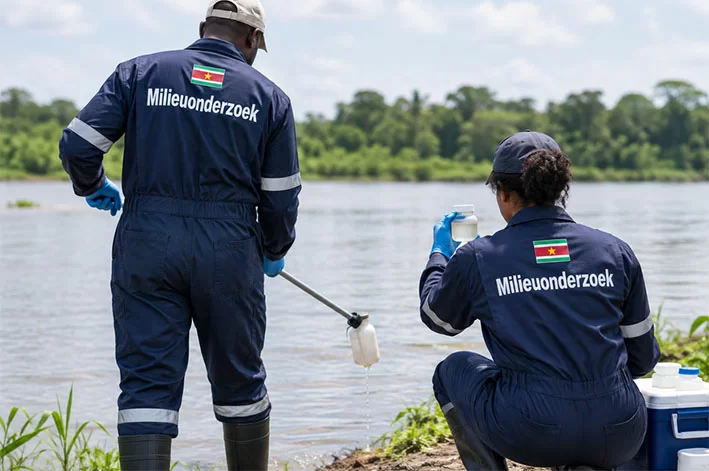
    In the wake of a high-profile pollution incident that exposed critical gaps in Suriname’s domestic testing infrastructure, the South American nation’s government has announced an ambitious plan to expand national laboratory capacity, aiming to conduct nearly all required environmental and public health tests within the country by the end of 2027. The catalyst for this policy push came after the contamination of the Saramacca River, when officials were forced to send key analytical samples overseas for testing because no domestic facility could complete the work – a delay that underscored the urgent need for local capability building.

    On Wednesday, Suriname’s President Jennifer Simons convened a meeting with leaders from the country’s leading research and testing institutions to map current capabilities and identify unmet needs. Attendees included representatives from the Central Laboratory of the Public Health Bureau (BOG), the Veterinary Laboratory, the Fish Inspection Institute (VKI), the Medical Scientific Institute (MWI), and the Anton de Kom University of Suriname (AdeKUS), each presenting details of their existing analytical workflows and testing limits.

    “Our goal is to be able to carry out every test required to guarantee the safety of our people here at home, whether that means analyzing water samples, testing fish for contaminants, or conducting health screenings for exposed communities,” Simons stated during the gathering held at the President’s Cabinet.

    According to Patrick Brunings, Minister of Oil, Gas and Environment, the government first will conduct a nationwide inventory of existing equipment, technical expertise, and expansion opportunities across all domestic laboratories. This baseline assessment will clarify which tests currently require international support, and what investments are needed to bring those capabilities to Suriname. Priority areas for expansion include testing for cyanide and mercury contamination in water, animal tissue, and other environmental samples, as well as routine analysis of national air quality. A key focus of air quality testing will be measuring mercury vapor exposure for workers and communities near gold purchasing operations, a common point of risk in Suriname’s active mining sector.

    Simons projected that significant expansion of national capacity will be completed as early as 2026, with full deployment of all required testing capabilities targeted for the end of 2027. Beyond strengthening laboratory infrastructure, the government’s broader response to environmental and mining challenges includes a new nationwide survey of gold mining operations led by the National Environment Authority (NMA), designed to create a comprehensive baseline for regulating the sector and mitigating its environmental impacts.

  • CBH Warns Used Oil Dumping Can Lead to EC$5,000 Fine

    CBH Warns Used Oil Dumping Can Lead to EC$5,000 Fine

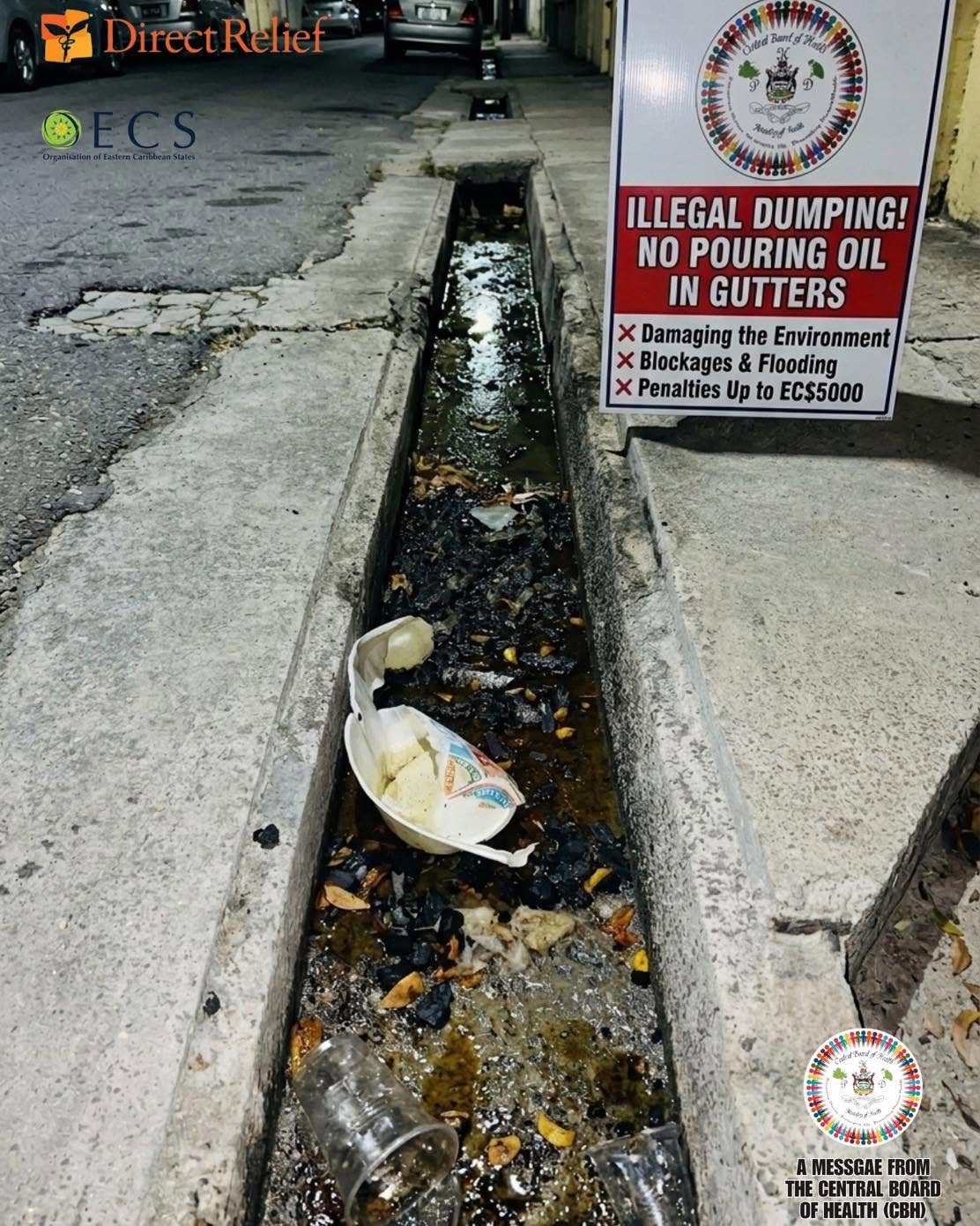
    Antigua’s Central Board of Health (CBH) has issued a critical public advisory urging local residents to stop pouring used cooking and automotive oil down household and municipal drains, highlighting a cascade of environmental, infrastructural and public health risks tied to this illegal disposal practice. The agency explains that used oil does not break down easily in drainage networks, and instead coats pipe walls, accumulates over time, and creates stubborn, persistent blockages that restrict the free flow of stormwater. During periods of intense or prolonged rainfall, these blocked drains cannot carry excess water away from populated areas quickly enough, significantly elevating the risk of dangerous and destructive flash flooding across residential and commercial communities. Beyond infrastructure damage and flood risks, improper oil disposal creates secondary public health hazards that impact both residents and local business owners. Discarded oil that lingers in drainage systems acts as a powerful attractant for pest populations including rats and cockroaches, which can spread disease, contaminate food supplies, and create unsanitary living and working conditions. Even more concerning for the island’s ecosystem is the long-term environmental damage caused by oil that makes its way through drains and out into surrounding coastal and marine waters. Once introduced to oceans, bays and nearshore habitats, oil disrupts the marine food chain, contaminates the living spaces of wild fish, coral and other aquatic organisms, and threatens the long-term survival of vulnerable marine populations native to the region. To mitigate these risks, CBH is calling on all residents to adopt safe disposal habits: store any used oil in firmly sealed, leak-proof containers that can be transported to authorized waste collection facilities for proper processing. The agency also reminded the public that illegal dumping of used oil through drains or other unapproved channels carries legal penalties, including a maximum fine of 5,000 Eastern Caribbean dollars. In closing, CBH encouraged collective action across the island, urging every resident to take simple, responsible steps to keep Antigua’s communities, public streets and natural waterways clean, safe and ecologically healthy for current and future generations.

  • Spicemas 2026: 20% increase in visitor arrivals

    Spicemas 2026: 20% increase in visitor arrivals

    The Caribbean island nation of Grenada is celebrating a landmark year for its signature cultural festival, Spicemas, after official tourism data revealed a 20% year-over-year jump in total visitor arrivals during the 2026 10-day event. Held from August 2 to 11 this year, the annual celebration drew 11,299 total visitors to the island, up from 9,448 recorded over the same window in 2025. The growth is even more pronounced when compared to 2024’s 10-day arrival count of 7,970, marking two consecutive years of sustained expansion for the festival.

    Non-national tourist arrivals led the upward trend, climbing 24% from 8,040 in 2025 to 9,958 in 2026. This sharp increase confirms Spicemas’s growing reputation as a bucket-list cultural tourism destination for international travelers across the Caribbean region and beyond.

    Adrian Thomas, Grenada’s Minister for Tourism, Creative Economy and Culture, emphasized that the rising visitor numbers reflect Spicemas’s dual role as a beloved national tradition and a key economic engine for the country. “Culture has always been one of Grenada’s greatest assets, and Spicemas continues to prove its power as a core pillar of our national tourism development,” Thomas said. “This growth in arrivals speaks directly to the unique appeal of our people, our creativity, our vibrant music, and the authentic experiences that both international visitors and returning Grenadian nationals seek out when they travel to our shores. We remain fully committed to investing in product development, preserving our irreplaceable cultural heritage, and strengthening events that create tangible economic opportunities for local communities and deliver widespread benefits across the entire country.”

    Randall Dolland, Chairman of the Grenada Tourism Authority (GTA), noted that the strong 2026 numbers validate the GTA’s intentional strategy to position Spicemas as a flagship experience on Grenada’s annual destination calendar. “These results are incredibly encouraging: they prove that Spicemas is resonating with audiences far beyond our borders, and that Grenada is successfully turning our unique cultural strength into measurable, long-term tourism value,” Dolland explained. The GTA has backed this positioning with targeted investments in global public relations, expanded digital visibility for the festival, deepened engagement with the international travel trade, and collaborative partnerships with cross-sector stakeholders that help bring the annual celebration to life. “Our focus now is to build on this momentum, refine the overall visitor experience, and ensure that Spicemas grows in a way that delivers lasting benefits to all three of Grenada’s main islands: Grenada, Carriacou, and Petite Martinique,” he added.

    The 2026 visitor surge translated directly into widespread activity across Grenada’s tourism ecosystem. Local accommodations, transportation providers, restaurants, entertainment venues, tour operators, street vendors, and other tourism-linked businesses all reported strong demand during the festival period, underscoring the event’s far-reaching positive economic impact across the island.

    Kirt Ross, Chairman of the Spicemas Corporation, which organizes the annual event, credited this year’s success to the coordinated effort of hundreds of contributors across the island. “Spicemas 2026 showcased the incredible strength of Grenada’s festival product, and the level of collective work it takes to deliver an experience of this scale and quality,” Ross said. “Every year, our goal is to build on the foundation laid by the previous season: we work to strengthen core events, improve the experience for all attendees, and collaborate closely with our public and private partners to keep Spicemas positioned as one of the Caribbean’s most distinct cultural celebrations. This year’s outstanding results are a direct testament to the coordination, creativity, and unwavering commitment of everyone who helped put this celebration together.”

    In a post-festival statement, the GTA extended formal appreciation to every group and individual that contributed to 2026’s success, including the Spicemas Corporation, the Royal Grenada Police Force, all tourism industry stakeholders, cultural practitioners, event organizers, media personnel, local service providers, visiting guests, returning nationals, and the wider people of Grenada. Moving forward, the GTA will continue partnering with public and private sector allies to drive sustainable, inclusive visitor growth that benefits both the tourism sector and local communities across the nation.


  • Consumer Affairs Tribunal: Strengthening consumer protection

    Consumer Affairs Tribunal: Strengthening consumer protection

    Grenada has marked a critical milestone in the evolution of its national consumer protection infrastructure with the official launch of the long-awaited Consumer Affairs Tribunal, a specialized independent body tasked with adjudicating consumer-related conflicts across the country. The five-person panel, which brings together cross-sector professional expertise to ensure balanced, informed decision-making, officially began its regulatory and adjudicatory functions on Wednesday, September 16, 2026. Leading the tribunal is Magistrate Nevlyn John, who will work alongside fellow panel members Egbert Felix, a retired public servant, Caryn Adams, a practicing attorney-at-law, Randy Cadet, Deputy Comptroller of Grenada’s Inland Revenue Division, and Nicole Forsyth-Garraway, a professional economist. The collective background of the tribunal’s membership spans core fields relevant to consumer advocacy and dispute resolution, including public administration, legal practice, taxation, economics, business strategy, and accounting, creating a foundation for well-rounded, thoughtful consideration of every case brought before the body. Senator Claudette Joseph, Grenada’s Minister responsible for Consumer Affairs, framed the tribunal’s launch as a transformative leap forward for the country’s consumer protection regime. In her remarks marking the occasion, Joseph emphasized that the new body fills a long-standing gap in access to justice for consumers, strengthening systemic accountability and creating a formal, accessible avenue for residents to seek redress when conflicts arise with businesses or service providers. “This step does more than improve our regulatory framework,” Joseph noted. “It builds greater public trust in Grenada’s marketplace, and reaffirms our government’s unwavering commitment to upholding and protecting the fundamental rights of consumers across all sectors.” Merlyn Horsford-Williams, Director of Grenada’s Consumer Affairs Office, echoed Joseph’s optimism, highlighting that the operational tribunal will amplify the office’s core mission to serve public interests. Horsford-Williams explained that the new adjudicatory body complements the existing work of the Consumer Affairs Office, expanding the range of formal resolution options available to consumers and strengthening the institution’s capacity to address public concerns through a transparent, rule-bound process. For tribunal chair Nevlyn John, the opportunity to lead the new body comes with significant responsibility that the panel is prepared to uphold. “It is an honour to be entrusted with this role, and our entire panel recognizes the gravity of the work ahead of us,” John said. “We are committed to approaching every case that comes before us with fairness, impartiality, and uncompromising integrity, and we will carry out our duties professionally to strengthen public confidence in this new dispute resolution system.” With the tribunal now fully operational, the Consumer Affairs Office is urging Grenadian residents to continue reporting consumer-related concerns and take advantage of the expanded formal services now available to them. The launch brings Grenada’s national consumer protection framework one step closer to full functionality, equipping the system to hear and resolve eligible consumer disputes in line with established, transparent legal and regulatory procedures.

  • Gaston Browne Fires Back at Attorney Over Chemical Castration Criticism

    Gaston Browne Fires Back at Attorney Over Chemical Castration Criticism

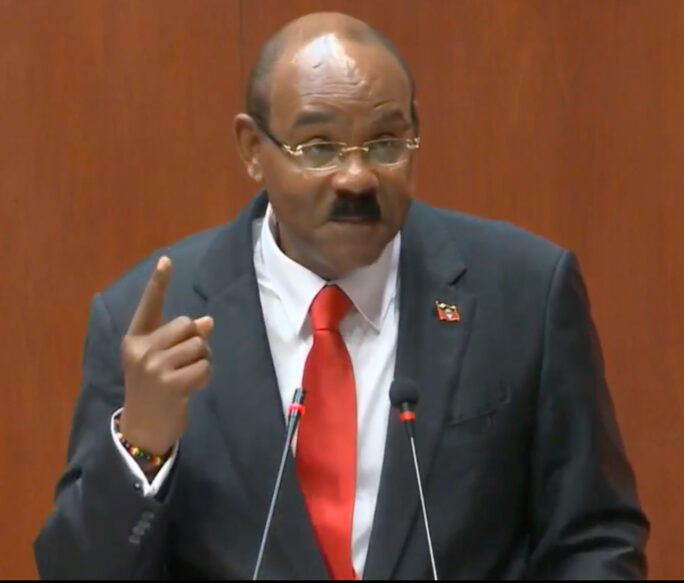
    A fiery public exchange has erupted over a radical criminal justice proposal in Antigua and Barbuda, with Prime Minister Gaston Browne doubling down on his call for legal chemical castration as an optional sentencing option for repeat child sexual offenders, while launching a scathing rebuke of his outspoken critic, attorney Edwin.

    Browne hit back hard after Edwin labeled his proposal as irresponsible, attacking the prime minister in personal terms. In a forceful response, Browne rejected the characterization of his plan as a political gimmick, emphasizing that it was born out of a growing public anger over persistent soft sentencing for heinous crimes against children.

    The prime minister pointed to a longstanding gap between law and practice in the Caribbean nation: while Antigua and Barbuda currently carries a maximum sentence of life imprisonment for statutory rape, lenient sentencing norms in the country’s courts have resulted in repeat offenders walking free after serving just two or three years behind bars for repeated rapes of underage girls. He argued that such disproportionately short punishments fail to deliver any meaningful justice to the young victims who have endured traumatic, repeated abuse.

    Turning his criticism directly to Edwin, Browne accused the defense attorney of prioritizing his own professional income and client protection over the rights and well-being of violated children. He claimed that attorneys who represent these perpetrators often lack any empathy for the young survivors who face lifelong harm from sexual exploitation, stressing that criminal offenders are not the only group entitled to legal protections. Short multi-year sentences for repeated child rape can never amount to justice, Browne insisted.

    Compared to harsher alternatives such as the death penalty or 30-year prison terms that critics have referenced, Browne framed court-supervised, legally grounded chemical castration as a pragmatic, viable alternative sentencing option that would address the failure of current sentencing practices.

    With general elections scheduled to take place in Antigua in 2031, Browne made clear he would not backtrack on his statement. He called on Edwin to end personal attacks, show respect for differing views, and confront the systemic failure that enables lenient sentencing for child sex offenders. Closing his response, Browne challenged Edwin: while the prime minister says he is fighting to secure justice for vulnerable young people targeted by abuse, the attorney is only fighting to protect his own income stream that comes from defending convicted criminals. Browne repeatedly pressed Edwin to answer where his empathy is for the girls and boys who have endured repeated violation at the hands of pedophiles.

  • Grenada Attorney Calls Browne’s Chemical Castration Proposal ‘Barbaric’

    Grenada Attorney Calls Browne’s Chemical Castration Proposal ‘Barbaric’

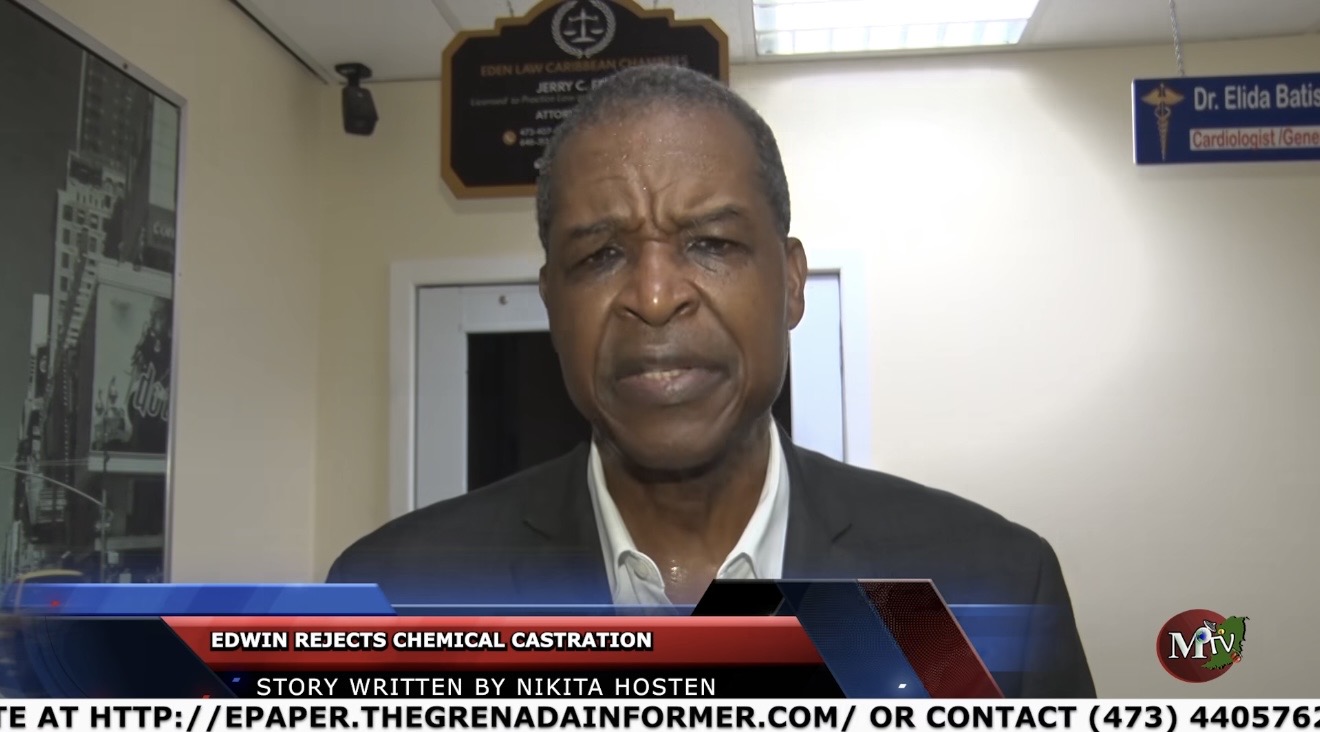
    A sharp public debate has erupted in Antigua and Barbuda over a controversial policy proposal from Prime Minister Gaston Browne, after top criminal defence attorney Gerry Edwin launched a scathing attack labeling the plan to consider chemical castration for repeat child sex offenders both barbaric and a calculated political gimmick.

    While Edwin acknowledged that sexual violence against children demands the gravest legal response, he pushed back against Browne’s proposal, arguing that all criminal punishment must adhere to established legal principles, due process, and universal fundamental human rights standards.

    “In the 21st century, what could possibly prompt a national leader to put forward one of the most inhumane punishments known today?” Edwin said in his public remarks.

    The controversy stems from Browne’s recent announcement that his administration is advancing a package of harsher penalties for sexual offenses and firearms-related crimes. At the core of the proposal is a plan to explore chemical castration — a non-surgical medical procedure that uses medication to suppress sex hormones and reduce libido — as an additional punishment for adults who repeatedly commit sexual offenses against minors.

    Edwin argued that Antigua and Barbuda’s existing legal system already provides robust tools to address these heinous crimes, noting that courts already have the authority to hand down decades-long prison sentences for severe sexual offenses. He pointed out that Antigua and Barbuda is unique among Organization of Eastern Caribbean States (OECS) members in operating a dedicated specialized sex offenses court, which has clear sentencing guidelines and a track record of imposing lengthy custodial terms on convicted offenders.

    Beyond legal concerns, Edwin openly questioned the prime minister’s motivation for bringing the proposal forward now, arguing that the policy is rooted in political gain rather than public safety. “It appears to me that the prime minister has dragged the standards of political leadership into the gutter, because this is nothing more than a political stunt,” he said, adding that the timing of the proposal strongly suggests an upcoming general election is driving the conversation.

    Browne has defended his plan, pushing back against critics by arguing that existing lengthy prison terms are not enough to protect children from serial offenders. The government’s upcoming legislative amendments will also introduce tougher mandatory minimum sentences for rape, statutory rape, and firearms offenses, as part of a broader crackdown on violent crime.

    Edwin closed his remarks with a warning to political leaders, urging them to weigh the long-term legal and human rights consequences of pushing harsh, populist punishment proposals at a moment when public outrage over child sexual abuse runs high. He posed a provocative question to the public and leadership alike: “What kind of people would we become if we embrace such measures?” He noted that public demands for extreme punishment often shift when the offender is a family member or personal acquaintance, highlighting the danger of letting populist anger override established legal rights.

  • Spanish-Speaking Students Get New Learning Devices at Golden Grove Primary

    Spanish-Speaking Students Get New Learning Devices at Golden Grove Primary

    In a significant development for inclusive education in Antigua and Barbuda, the Ministry of Education, Science and Technology’s English as a Second Language (ESL) Pilot Programme based at Golden Grove Primary School took delivery of a diverse suite of instructional materials and digital devices on Friday, 11 September 2026. These resources are intended to directly elevate both classroom instruction and student engagement for learners building English proficiency.

  • Final Workshop Set for Nelson’s Dockyard Marine and Natural Resources Plans

    Final Workshop Set for Nelson’s Dockyard Marine and Natural Resources Plans

    Stakeholder engagement for the future governance of Nelson’s Dockyard National Park’s fragile coastal and marine ecosystems is set to enter a critical stage next week, with a final validation workshop for two landmark management plans scheduled to take place on September 24. The event, organized jointly by Integrated Health Outreach and the National Parks Authority, will run from 5:30 p.m. to 8:30 p.m. at the Long Hall Events Center located in the historic Officers’ Quarters of Nelson’s Dockyard.

    This workshop marks a key milestone in the multi-stage planning process for the park’s proposed Marine Spatial Plan and Natural Resources Management Plan, two comprehensive frameworks designed to guide sustainable use and protection of the region’s natural assets for years to come. Attendees will have the opportunity to review the full draft proposals, sign off on finalized provisions, and raise any outstanding questions before the plans move toward formal implementation.

    Key agenda topics for the interactive session reflect the most pressing challenges and priorities facing the park’s diverse ecosystems. Participants will tackle critical issues including pollution mitigation and solid waste management, the official demarcation of different marine zones, and the identification of areas allocated strictly for conservation, sustainable commercial fishing, and other permitted marine economic activities. Beyond marine-focused provisions, the workshop will also explore core management priorities for interconnected land, coastal and marine habitats, as well as refine the institutional governance framework that will oversee the rollout and enforcement of the two plans once approved.

    In line with a commitment to inclusive, community-centered decision-making, organizers have extended invitations to a broad cross-section of groups with a stake in the park’s future. Local residents, representatives from civil society organizations, private sector stakeholders, small-scale farmers, and artisanal fisherfolk are all encouraged to attend. The event also specifically targets leaders and operators in the region’s marine, commercial fisheries, and tourism sectors, which rely heavily on the long-term health of the national park’s natural resources.

    Following the conclusion of the September 24 workshop, the planning team will open an additional two-week window for post-validation public comment, running from September 25 through October 9. This extended feedback period ensures that stakeholders who are unable to attend the in-person workshop, or who wish to submit additional input after reviewing the discussions from the event, still have the opportunity to shape the final versions of the plans. All feedback can be submitted to the Cobe Team based at The University of the West Indies Five Islands Campus. Full details and registration information for the September 24 workshop are published on the official event flyer, available to interested participants.