作者: admin

  • Digitaal systeem gelanceerd voor volledige controle op vuurwapens

    Digitaal systeem gelanceerd voor volledige controle op vuurwapens

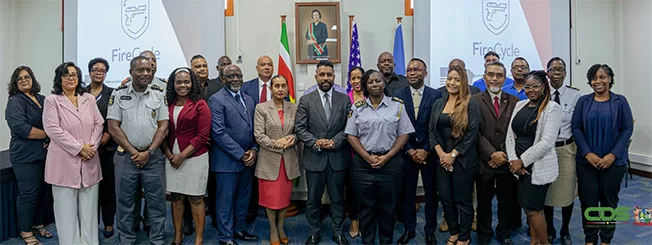
    Suriname has officially launched a comprehensive digital firearm tracking system designed to monitor weapons throughout their entire lifecycle—from import and ownership to eventual destruction. The system, developed in collaboration with CARICOM’s Implementation Agency for Crime and Security (IMPACS), represents a significant advancement in regional security cooperation.

    Justice and Police Minister Harish Monorath emphasized that the registry will provide complete traceability for every firearm in the nation. “From production and purchase to import, ownership, use, and final destruction—even after destruction, it remains recorded that the weapon was actually destroyed,” Monorath stated during the system’s inauguration.

    The registry encompasses all firearms in Suriname, including handguns and hunting rifles owned by civilians, weapons from shooting associations, and arms belonging to police, military, correctional facilities, and other legally authorized entities. Any weapon not registered in the system will automatically be considered illegal, with stricter sanctions to be implemented in the future.

    The digital infrastructure forms part of a broader regional strategy and interfaces with similar systems across Caribbean nations—a critical feature given the influx of illegal weapons from neighboring Brazil, French Guiana, and Guyana.

    Trained personnel operating the system adhere to international standards, with the Directorate of National Security assuming coordinating responsibilities. The registry integrates with Suriname’s recently digitized firearm license system, which now enables complete online application and payment processes.

    Minister Monorath addressed security concerns by highlighting multiple protective layers and warning mechanisms designed to prevent cyber threats and data breaches. Parallel to the registry implementation, authorities are advancing additional projects including the destruction of illegally obtained weapons.

    Michael Jones, Executive Director of CARICOM IMPACS, noted that the digital transition significantly enhances operational efficiency and analytical capabilities. “The shift from paper to digital enables faster information analysis and recognition of patterns that previously remained invisible,” Jones explained. The regional interconnection substantially improves tracking capabilities for illegal firearm distribution networks across Caribbean borders.

  • Follow through on post-Beryl recovery projects, fishers say

    Follow through on post-Beryl recovery projects, fishers say

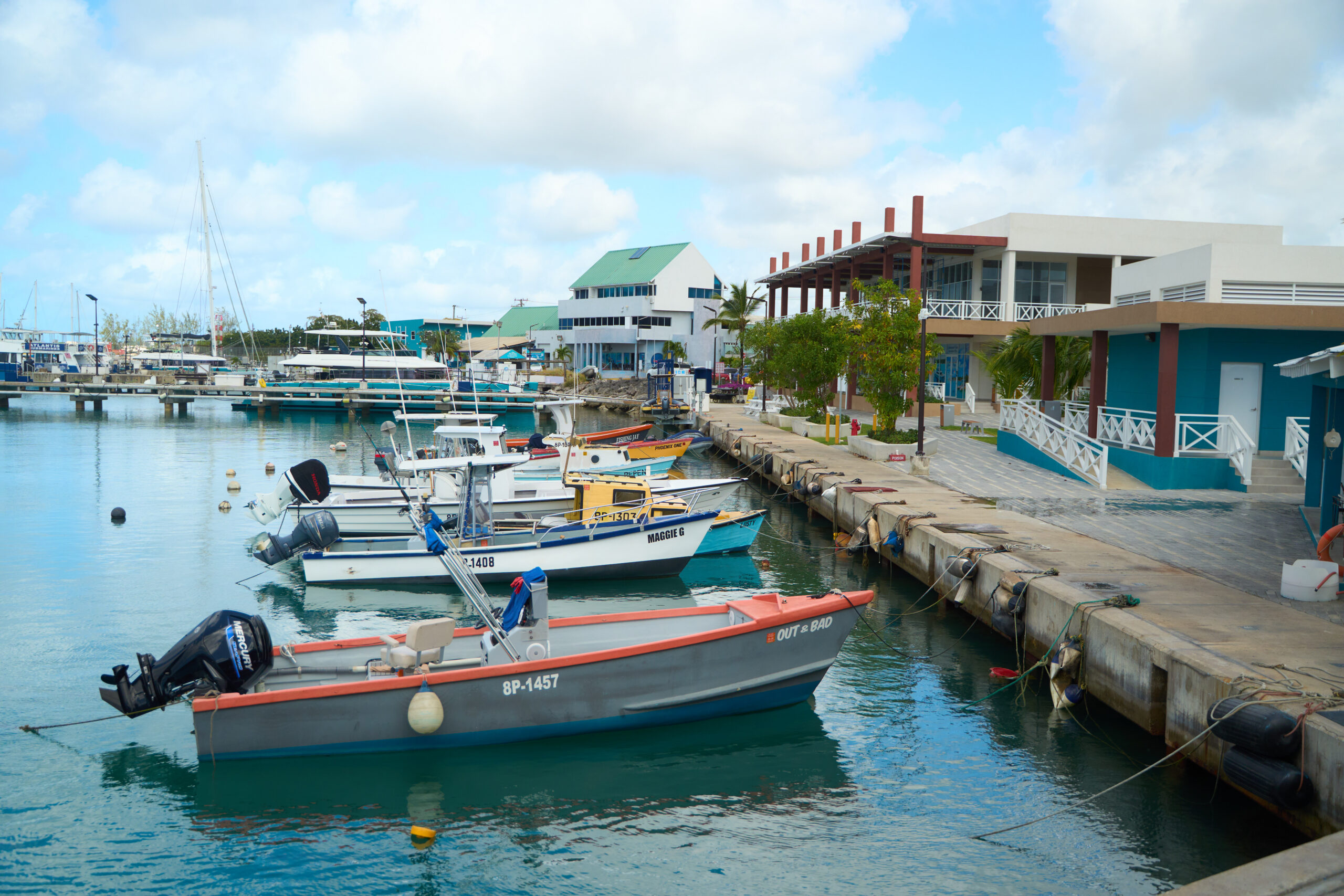
    With Barbados’ general election approaching on February 11, the island’s fishing communities are calling for sustained government commitment to post-Hurricane Beryl recovery efforts and the completion of critical infrastructure projects vital to their industry’s survival.

    Moonesh Dharampaul, Head of the Black Fin Fleet, emphasized to Barbados TODAY that the fishing sector has established a productive working relationship with current authorities and hopes this partnership will strengthen following the formation of a new administration. The industry suffered catastrophic damage during the 2024 hurricane season, forcing fisherfolk to implement gradual rebuilding measures while developing strategies to mitigate future storm impacts.

    Among the most pressing needs identified are proper haul-out facilities at key landing sites. “We urgently need completion of the ongoing breakwater project,” Dharampaul stated. “Additionally, we require functional haul-out facilities and slipways that enable fishermen to quickly remove vessels from water when storms approach.”

    Significant progress is underway through the Fisheries Division’s development of a national policy governing Fish Aggregating Devices (FADs). These artificial floating structures attract pelagic fish species and substantially increase catch volumes, though their deployment requires careful regulation to balance economic benefits with environmental considerations and spatial conflicts.

    “The Fisheries Division is currently drafting a FAD policy,” Dharampaul confirmed. “We’re collaborating closely with Coastal Zone Management on economic zone spatial planning, and anticipate positive outcomes.” He stressed that meaningful consultation with fishing professionals must remain central to policy development processes, ensuring practical industry experience informs regulatory frameworks.

    Dharampaul elaborated on FAD technology’s dual nature: while significantly enhancing fishing efficiency by creating underwater aggregation points that attract larger fish, Barbados’ unique tidal conditions present substantial anchoring challenges. “This is precisely why establishing a proper regulatory mechanism is crucial,” he explained.

    Another priority involves finalizing a specialized commercial fishing insurance policy. Through collective negotiation, industry representatives have secured reduced premium rates, potentially dropping from 3% to between 2.2-2.5% through group participation. Dharampaul also highlighted the need for a dedicated commercial fishing policy that acknowledges the diverse scale of fishing operations, unlike existing marine policies focused primarily on charter and recreational vessels.

    Recent improvements to ice distribution infrastructure at Bridgetown market—including new compressors and additional ice machines—were acknowledged as critical advancements for food security. “Where we previously serviced two to three boats daily, we can now accommodate six to eight,” Dharampaul noted, while emphasizing ongoing coordination with government officials to ensure these gains are maintained and expanded.

  • Deep clean’: BUT wants mandatory annual industrial cleaning at all schools

    Deep clean’: BUT wants mandatory annual industrial cleaning at all schools

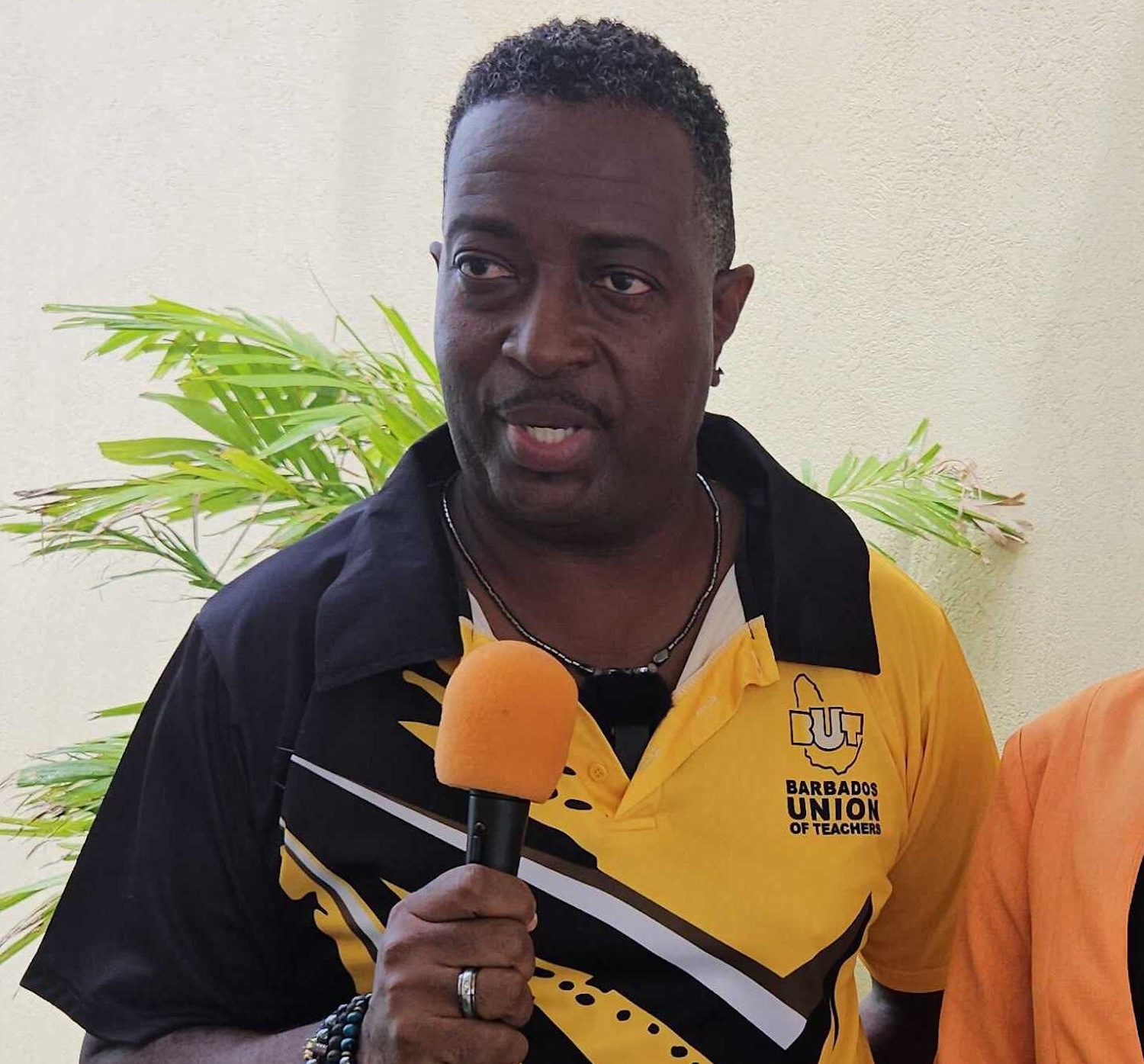
    The Barbados Union of Teachers is advocating for a systemic overhaul of school maintenance protocols, demanding mandatory industrial cleaning across all educational institutions at least once annually. Julian Pierre, the union’s vice president and chair of its occupational safety committee, emphasized that reactive measures are insufficient to address persistent environmental health concerns disrupting academic activities. His comments follow the temporary closure of St. Ambrose Primary School, where additional ventilation work is underway after industrial cleaning resolved a severe cockroach infestation. While acknowledging improvements in the Ministry of Educational Transformation’s maintenance program—including off-hours and vacation-period work—Pierre highlighted the critical challenge of aging infrastructure. Many school facilities exceed forty years of service, requiring comprehensive preventative maintenance beyond current efforts. Pierre proposed implementing a rotational cleaning schedule distributed across Easter, summer, and Christmas breaks to prevent overwhelming resources during summer months. He further stressed the necessity for inter-ministerial coordination, particularly involving health authorities for environmental checks beyond school buildings themselves. Key concerns include water quality monitoring, vegetation management, and systematic pest control through regular baiting protocols. Although recognizing the efforts of the Education Technical Management Unit, Pierre insisted that true industrial cleaning standards must be consistently enforced, moving beyond superficial disinfection to address deep-seated infrastructure challenges in Barbados’ educational system.

  • Woman Fined $2K for Jaguar Skin Possession

    Woman Fined $2K for Jaguar Skin Possession

    In a significant enforcement of wildlife protection laws, a Belizean woman has been convicted and penalized for possessing protected jaguar remains. The case concluded this week in the Court of Belize with Lidear Lino pleading guilty to charges filed in August 2025 under the country’s Forests Act.

    The judicial outcome resulted in a substantial fine of BZ$2,000 (approximately US$1,000) for the offense of possessing wildlife derivatives without proper authorization. The Belize Forest Department, which led the prosecution, emphasized that no circumstances permit civilians to retain protected wildlife components.

    Following the verdict, forestry officials issued a stark reminder that Belizean law prohibits possession of any wildlife parts—including skins, teeth, feathers, nests, eggs, or other biological derivatives—without explicit permission. Violators potentially face penalties reaching BZ$10,000 under current legislation.

    The Forest Department publicly acknowledged collaborators in the successful prosecution while urging citizens to actively participate in conservation efforts. “We encourage all Belizeans to play an active role in protecting wildlife and to discourage illegal trade,” read an official statement, highlighting the ongoing commitment to combat wildlife trafficking through both enforcement and public education initiatives.

  • New institute, 100 acres for young farmers, says Mottley

    New institute, 100 acres for young farmers, says Mottley

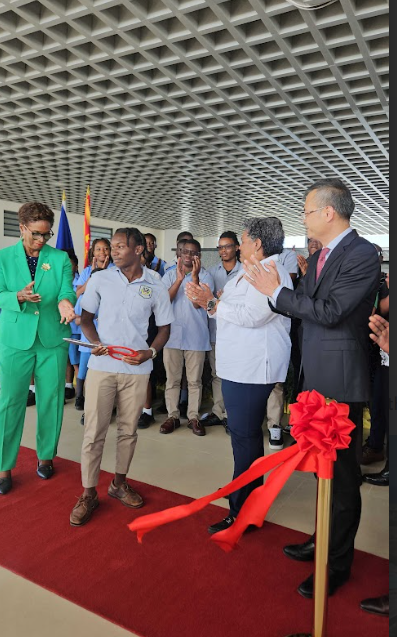
    In a transformative move to revolutionize its agricultural sector, Barbados has inaugurated the state-of-the-art Hope Agricultural Training Institute through a collaborative initiative with China. Prime Minister Mia Mottley unveiled this $40 million facility in St. Lucy, announcing an accompanying 100-acre land allocation program specifically designed for young agricultural entrepreneurs.

    The cutting-edge institute represents a strategic partnership between Barbados and China, funded through a Chinese government grant. Spanning 45 acres, the facility aims to become the Caribbean’s premier center for advanced training in crop production, animal husbandry, and heavy-duty agricultural equipment operation. The program directly links education with practical application, ensuring graduates receive both modern technical skills and immediate access to productive land resources.

    Prime Minister Mottley emphasized the institution’s critical role in national development, stating it would fundamentally transform Barbados’s agricultural legacy. ‘This institution will play a pivotal role in our country’s development by moving away from the plantation model that historically defined our agriculture,’ Mottley declared during the inauguration ceremony. She stressed that future food security depends on integrating capital, technology, innovation, and youth passion within appropriate regulatory frameworks.

    The initiative specifically addresses multiple national challenges: reducing agricultural imports through enhanced food security, combating diet-related health crises including diabetes complications, and creating sustainable economic opportunities for young Barbadians. Mottley challenged students to reclaim Barbados’s historical leadership in agricultural innovation, referencing the nation’s past breakthroughs in cane breeding, grapefruit development, and specialty cotton varieties.

    With Barbados celebrating its 60th anniversary of independence and fifth year as a republic, the timing of this initiative carries symbolic significance. Training and Vocational Education Minister Sandra Husbands characterized the project as a ‘strategic investment in youth, technology, and agricultural future’ during her remarks.

    Chinese Ambassador Zheng Bingkai highlighted the institute’s alignment with China’s Belt and Road Initiative, noting its focus on food security, youth empowerment, and modern agricultural development. The project stands as a testament to the strengthening partnership between the two nations, built on shared values of diligence and innovative governance.

    The comprehensive program addresses the entire agricultural value chain, with particular emphasis on agro-processing capabilities to reduce waste and enhance economic resilience. By combining education, land access, and technology transfer, Barbados aims to position itself as a regional leader in sustainable agricultural innovation.

  • Kickstart down UWI to go top of the table

    Kickstart down UWI to go top of the table

    The Barbados Football Association Premier League witnessed a dramatic shift in standings following Thursday’s fourth round fixtures at Wildey Technical Centre, with Kickstart Rush ascending to share the league leadership with Paradise on ten points each. The evening’s opening match delivered a thrilling spectacle as Kickstart secured a narrow 3-2 victory against the struggling UWI Blackbirds, who remain anchored at the bottom of the table without any points to their name.

    The match exploded into action from the outset, with Diquan Adamson breaking the deadlock in the 14th minute through a powerful header following a precision cross from the left flank. The advantage proved temporary as Shaine Hermas capitalized on defensive uncertainty to equalize just five minutes later, pouncing on a loose ball to slot home from close range.

    Kickstart demonstrated their offensive prowess as Jayden Goodridge restored their lead in the 24th minute with a clinical finish, before Adamson completed his brace just before halftime. The second goal came through an exquisite long-ball delivery that Adamson expertly lifted over the advancing goalkeeper. The first half concluded with a bizarre goal from UWI’s Javon Taylor, whose extraordinary free-kick from behind the halfway line somehow evaded the goalkeeper’s grasp.

    Following the interval, both sides adopted more cautious approaches, resulting in a goalless second period despite numerous opportunities. In the night’s subsequent fixture, Brittons Hill United missed a crucial opportunity to climb to third position after surrendering a two-goal advantage against Bagatelle. T’Shane Lorde appeared to have secured victory with his first-half double, but Torian Joseph’s remarkable second-half resurgence—scoring in the 56th minute before netting a dramatic equalizer during injury time—earned Bagatelle a valuable point.

    The league continues this Sunday with three pivotal fixtures at the BFA Technical Centre, featuring Ellerton versus Bagatelle, Wotton FC against UWI Blackbirds, and Weymouth Wales taking on Brittons Hill United.

  • World Cancer Day 2026: ‘United by Unique’

    World Cancer Day 2026: ‘United by Unique’

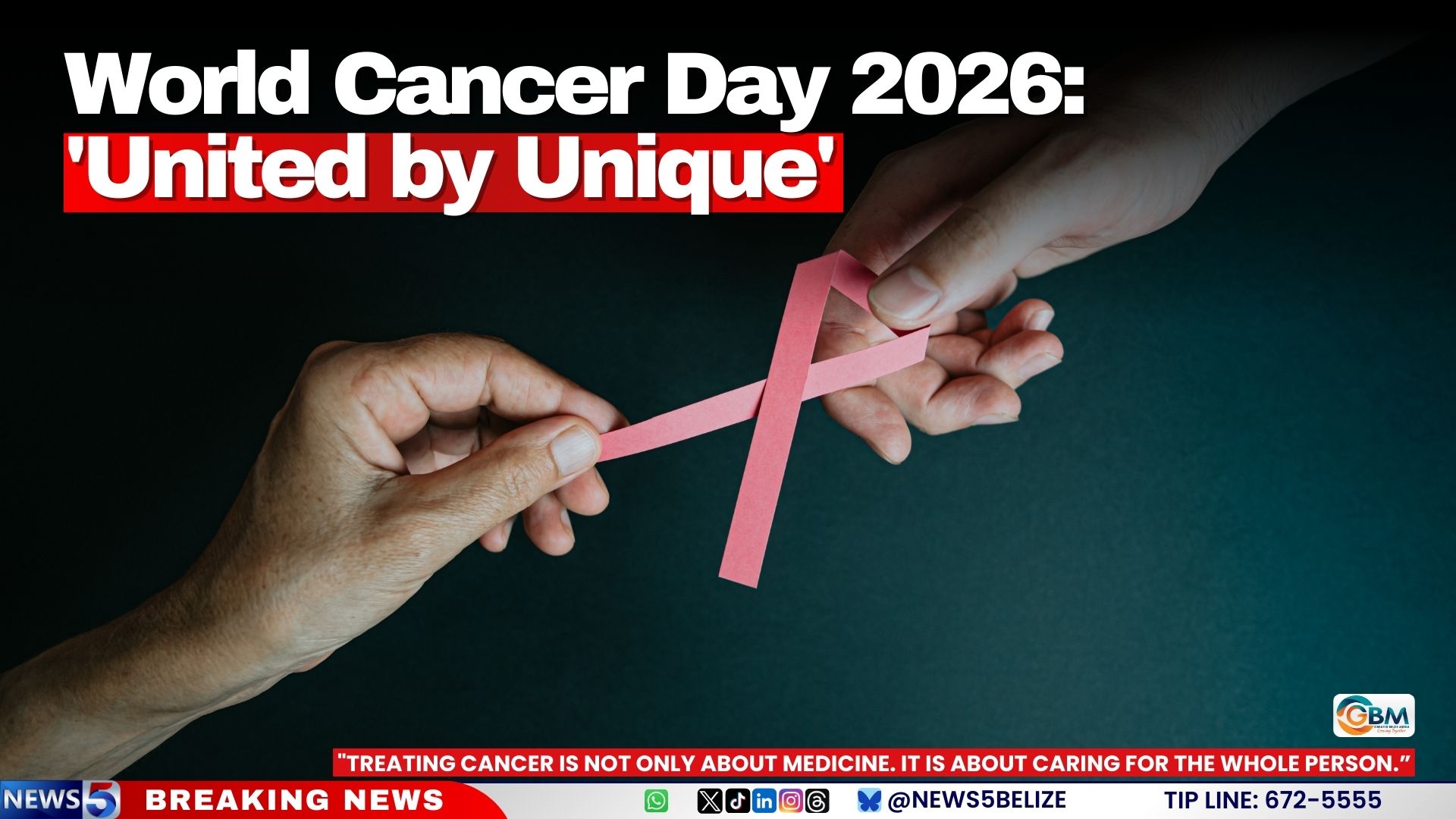
    BELIZE CITY – The Belize Cancer Society has issued a powerful call to reframe the national conversation around cancer, positioning it not merely as a medical condition but as a profoundly human experience. This paradigm shift was announced as the nation joined global observances of World Cancer Day 2026 under the international theme “United by Unique.”

    Society President Kim Simplis Barrow articulated this transformative vision, emphasizing that effective cancer care extends beyond clinical treatment to encompass mental health support, family dynamics, and financial burdens. “Our mission transcends conventional medical approaches,” Barrow stated in an official release. “We are humanizing this disease by placing individuals at the core of our efforts, recognizing that each cancer journey carries distinct challenges and narratives.”

    The organization has unveiled an extensive 2026 agenda designed to sustain engagement beyond symbolic observances. Among the inaugural events is a cervical cancer forum scheduled for February 27 at St. Catherine Academy. This collaborative initiative with the Ministry of Health and Wellness and PAHO will feature survivor testimonials, public education sessions, and on-site HPV testing and vaccination services.

    The “United by Unique” theme resonates deeply with Belize’s approach, acknowledging diverse cancer experiences while emphasizing collective action. Barrow affirmed that through unified efforts, “we can forge a future where Belize’s cancer care becomes truly inclusive, accessible, and fundamentally centered on the people it serves.”

  • Barbados U17s edge T&T in opener

    Barbados U17s edge T&T in opener

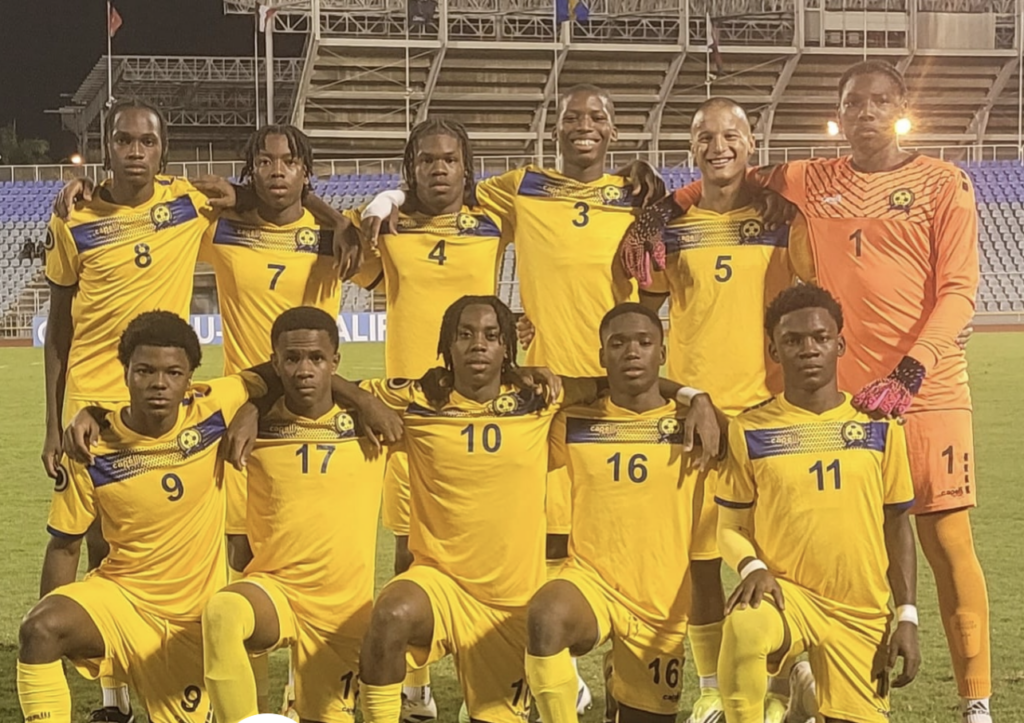
    In a stunning opening match of the Concacaf Under-17 Men’s Championship qualifiers, Barbados delivered a monumental 1-0 victory against host nation Trinidad and Tobago on Tuesday evening. The decisive moment arrived in the 75th minute when forward Adam King expertly headed the ball into the net, breaking the deadlock in a tightly contested Group A encounter.

    The Trinidadian squad launched a fierce offensive in the final minutes, nearly equalizing in the 85th minute. However, Barbados goalkeeper Kaliq Lashley emerged as the hero of the match, executing a spectacular save to deny the hosts and preserve his team’s narrow lead. Lashley’s overall performance was exceptional, culminating in four critical saves throughout the match.

    Post-match reflections from Trinidad and Tobago coach Randolph Boyce acknowledged his team’s competitive performance but highlighted their inefficiency in converting opportunities into goals. Coach Boyce suggested that the conceded goal might have resulted from a momentary lapse in defensive concentration, coupled with Barbados’s notable physical intensity on the field.

    Barbados’s campaign continues with upcoming fixtures against Sint Maarten on Saturday, followed by challenging encounters against Mexico on February 9 and Saint Martin on February 12. In other Group A action, Saint Martin commenced their tournament with a commanding 3-0 victory over Sint Maarten earlier in the day.

  • Grenlec celebrates our nation’s Independence with vibrant designer displays

    Grenlec celebrates our nation’s Independence with vibrant designer displays

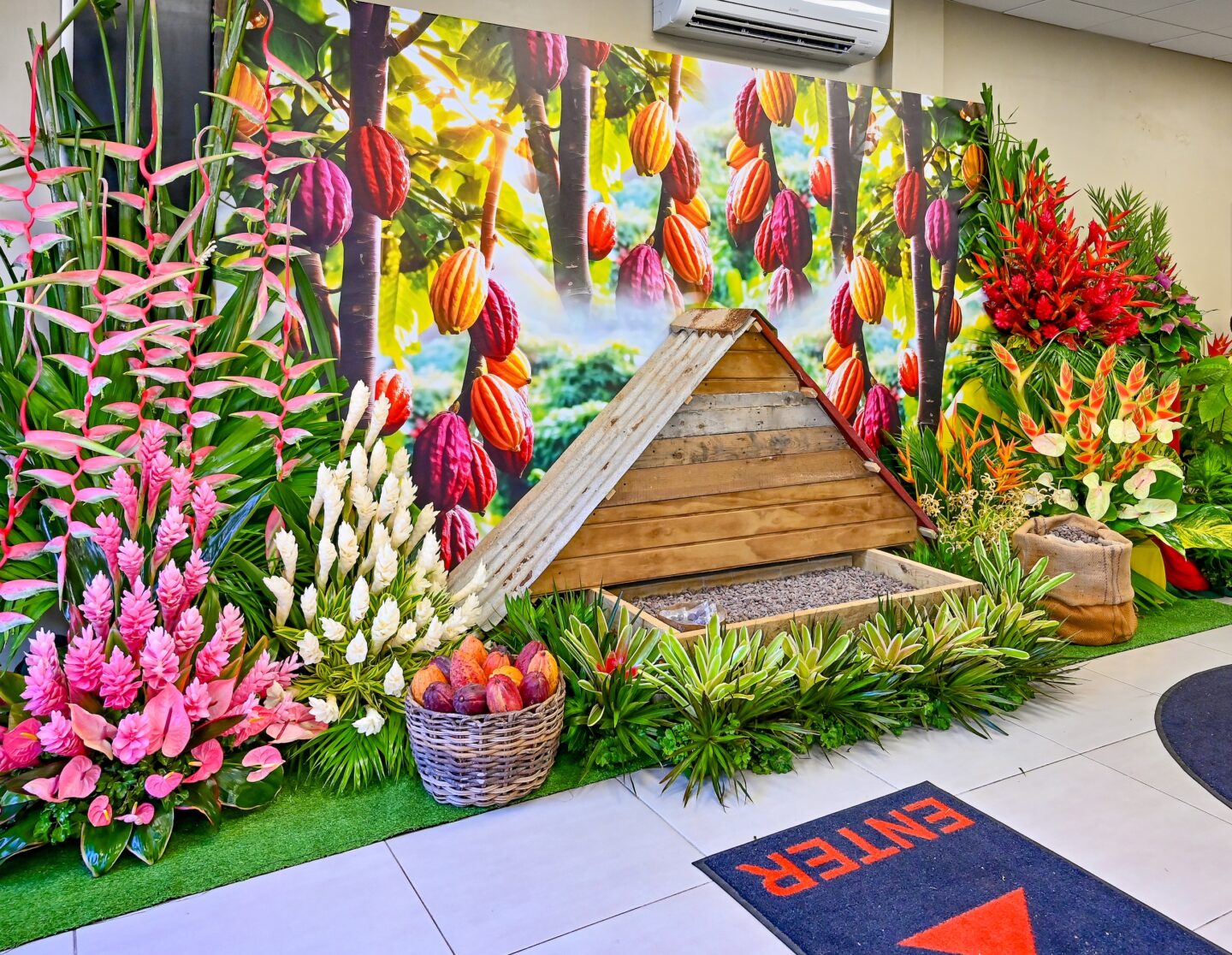
    In a vibrant celebration of national heritage, Grenada’s electricity provider Grenlec has launched an ambitious cultural initiative titled ‘Strengthening Our Roots’ across its customer care centers. The project features specially commissioned artistic displays created by three distinguished Grenadian designers—Sherma Mitchell, Hazel Herbert, and Sandra Holas—who have transformed the utility company’s public spaces into galleries of national pride.

    The exhibition, which commenced on February 2nd at Grenville, Carriacou, and Grand Anse locations with Bruce Street following on February 4th, presents bold multimedia installations incorporating floral arrangements, traditional musical instruments, and cultural artifacts. These elements collectively narrate the story of Grenada’s historical journey and contemporary identity through creative interpretation.

    This artistic endeavor represents an evolution of Grenlec’s longstanding commitment to cultural preservation, building upon floral art exhibitions initially established in 2012. The company has consistently demonstrated support for local artists and heritage projects, positioning itself as an unexpected but dedicated patron of Grenadian arts.

    The participating designers bring distinct regional perspectives to the project: Mitchell represents Grenville, Herbert contributes installations for both Carriacou and Bruce Street locations, while Holas showcases her work at the Grand Anse center. Their collaborative effort emphasizes the diversity within national unity, offering customers an immersive cultural experience during routine visits.

    Grenlec’s initiative recognizes the dual importance of preserving traditional expressions while supporting contemporary creative talent. The company expressed gratitude to the designers for ‘bringing our spaces to life’ and hopes customers will discover both joy and cultural significance in the exhibitions throughout the independence celebration period.

  • Decentralise public transport to cut costs for commuters, says Thorne

    Decentralise public transport to cut costs for commuters, says Thorne

    In a pivotal campaign address, Democratic Labour Party leader Ralph Thorne unveiled ambitious plans to overhaul Barbados’ transportation infrastructure, targeting what he described as an outdated system failing to serve modern commuter needs. Speaking at a national meeting in Speightstown, Thorne committed to creating a decentralized network aligned with the island’s evolving economic geography should his party secure victory in the February 11 general election.

    The proposed reforms would fundamentally restructure bus routes to provide direct, affordable connections between residential areas and major commercial hubs like Warrens, eliminating the current necessity for multiple bus transfers that disproportionately burden working-class citizens. Thorne emphasized that the existing framework—designed decades ago when Bridgetown dominated commercial activity—imposes excessive financial strain on low and middle-income workers who must navigate inefficient routes.

    “The arithmetic of injustice is clear,” Thorne stated. “A worker traveling from St. John to Speightstown spends $14 daily on four separate bus fares—this represents a systemic failure that exacerbates living cost pressures.” He criticized the persistent neglect of pedestrian infrastructure in modern commercial developments, noting that centers like Warrens were designed primarily for automotive access rather than public transportation integration.

    Thorne pointed to the organic transportation ecosystem at Sheraton Mall—where public service vehicles naturally congregate—as demonstrating how commercial centers functionally require integrated transport solutions. His vision includes establishing strategic transport hubs outside Bridgetown, deploying comfortable electric buses on rationalized routes, and creating crisscrossing connections that enable single-ride journeys across the island.

    The DLP leader framed transportation reform as both an economic necessity and social justice imperative, arguing that physical development must marry human development to ease burdens on society’s most vulnerable members. This transportation policy forms a cornerstone of the party’s broader national development agenda aimed at creating a more equitable and efficient Barbados.