作者: admin

  • Senators Says no Questions Answered in BTL Acquisition

    Senators Says no Questions Answered in BTL Acquisition

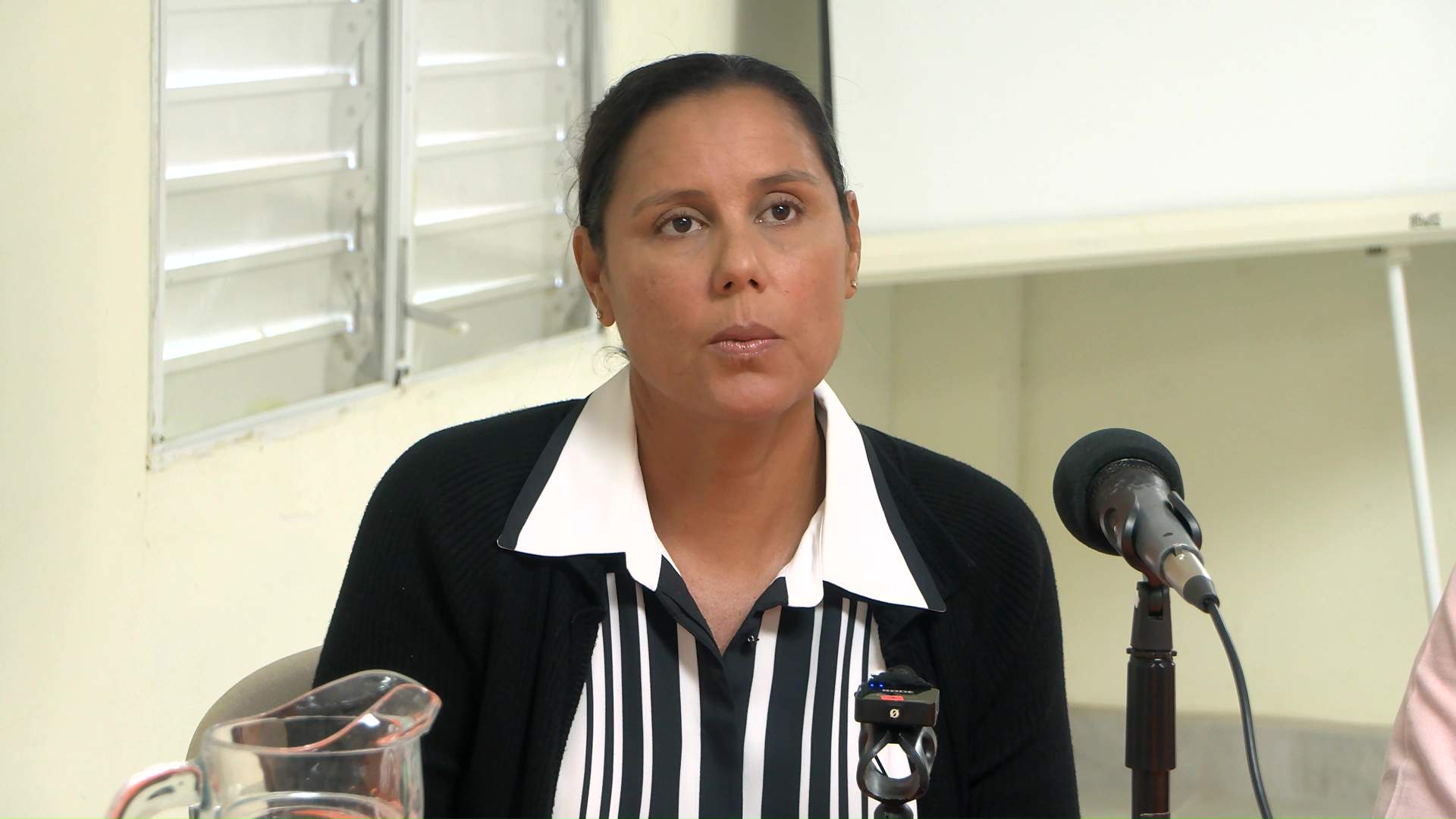
    Belize’s political landscape witnessed mounting tension as opposition senators intensified their critique of the government’s handling of the BTL acquisition process. During a recent press conference, NGO Senator Janelle Chanona revealed that despite repeated attempts to seek clarification, government officials have maintained complete silence regarding substantive concerns about the telecommunications deal.

    The independent senators, while not participating in ground demonstrations, have aligned with opposition groups and labor unions in demanding greater transparency and accountability. Senator Chanona emphasized the critical need for meaningful public consultation, describing the BTL acquisition as a definitive case study for implementing transparent decision-making mechanisms that properly reflect public sentiment.

    “We have systematically shared our specific questions and concerns through appropriate channels, including detailed presentations,” Chanona stated. “Yet neither through public forums nor direct communication have we received any substantive responses from decision-makers.”

    The senator employed a vivid analogy to underscore the irreversible nature of such significant national decisions: “When toothpaste emerges excessively from its tube, returning it becomes impossible. This illustrates why we must adopt a precautionary approach, ensuring our nation enters such agreements fully informed and confident that national interests remain paramount.”

    This development occurs alongside tributes to former UDP Senator Henry Gordon, creating a complex political backdrop where concerns over governmental transparency contrast with recognition of past statesmanship. The growing chorus of unanswered questions suggests deepening concerns about governance protocols surrounding major national asset transactions.
  • US denies having talks with Saint Lucia regarding students studying in Cuba

    US denies having talks with Saint Lucia regarding students studying in Cuba

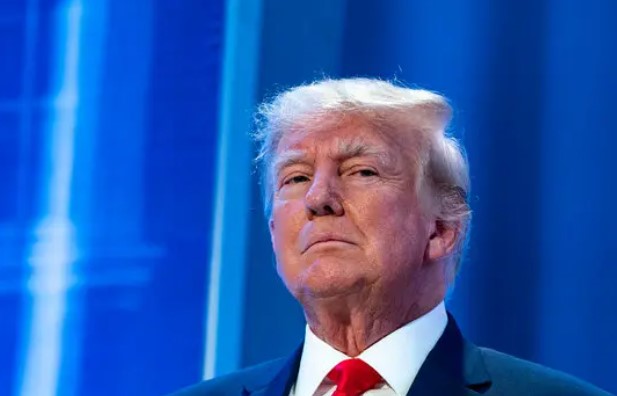
    The United States has formally denied allegations that it pressured the Saint Lucian government to cease sending medical students to Cuba for education. In an official statement released by the US Embassy to Barbados, the Eastern Caribbean, and the OECS, American officials clarified that while they maintain criticism of Cuba’s overseas medical programs, they have not issued directives to Saint Lucia regarding its educational partnerships.

    The embassy statement explicitly noted: ‘The United States has not recently engaged Saint Lucia in discussions concerning international education and respects nations’ sovereign rights to determine their citizens’ educational paths.’ This clarification comes in response to recent remarks by Saint Lucia’s Prime Minister Philip J. Pierre, who previously indicated that US pressure was creating ‘a major problem’ for the country’s healthcare education system.

    Prime Minister Pierre had revealed at the 2nd World Congress on Racial & Ethnic Health Disparities that the perceived US position was creating significant challenges for Saint Lucia’s medical education framework, noting that many of the nation’s doctors received training in Cuba and that Cuban medical professionals have been operating in Saint Lucia since 2001 through the Cuban Medical Brigade program.

    The US statement reiterated longstanding concerns about Cuba’s medical missions program, asserting that ‘the United States continues to call for an end to exploitation and forced labor in the illegitimate Cuban regime’s overseas medical missions programme.’ Earlier this month, the US Embassy had detailed allegations against Cuba’s program, claiming medical workers face withheld wages, passport confiscation, forced family separation, movement restrictions through curfews and surveillance, intimidation tactics, and pressure to falsify medical documentation.

  • Independent Senators Question Legality of BTL Acquisitions

    Independent Senators Question Legality of BTL Acquisitions

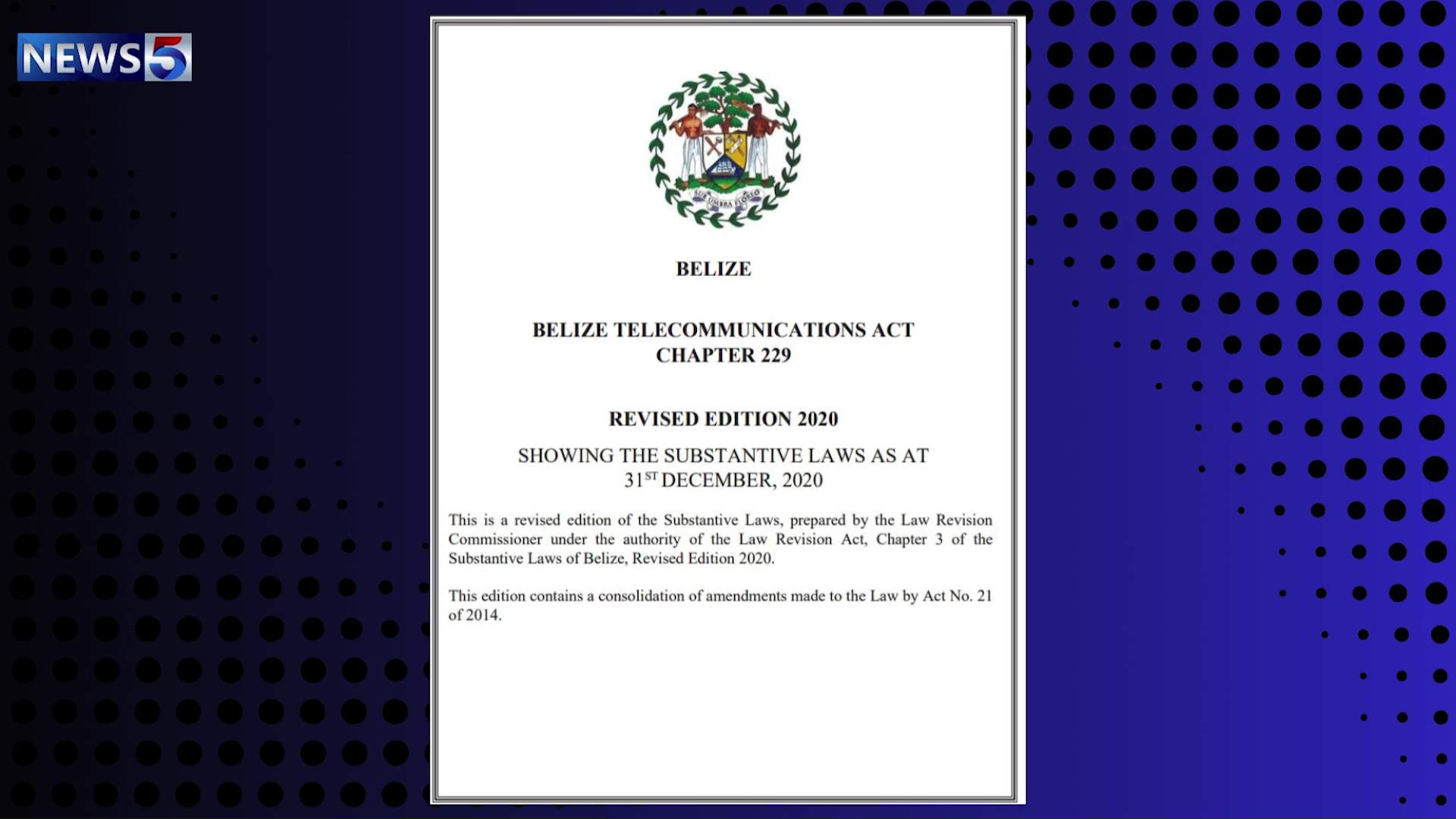
    A significant legal challenge has emerged against Belize Telemedia Limited’s proposed acquisition of Speednet, with independent senators raising fundamental questions about the transaction’s compliance with national telecommunications legislation. The controversy centers on whether the merger violates explicit anti-competition provisions within Belize’s Telecommunications Act.

    Despite recent comparisons by Dr. Leroy Almendarez, CEO in the Ministry of Public Utilities, who characterized the acquisition as a ‘natural monopoly’ similar to Belize Electricity Limited, senators have rejected this analogy. They emphasize that the regulatory frameworks governing telecommunications and electricity sectors are fundamentally distinct.

    Business Senator Kevin Herrera presented a detailed legal argument referencing Section 42 of the Telecommunications Act, which expressly prohibits licensees from undertaking actions that ‘significantly lessen competition’ within the market. Herrera emphasized that the legislation was specifically crafted twenty-two years ago to transition Belize away from telecommunications monopolies and toward competitive market structures.

    NGO Senator Janelle Chanona further questioned the procedural aspects, noting that substantive changes to telecommunications law would require parliamentary approval through the House of Representatives rather than through statutory instruments, which typically address regulatory adjustments rather than fundamental legislative amendments.

    The developing situation suggests that the proposed acquisition may face significant legal hurdles unless addressed through formal parliamentary processes to amend existing telecommunications legislation.

  • Awareness, Education, Empowerment: Belize Observes World Cancer Day

    Awareness, Education, Empowerment: Belize Observes World Cancer Day

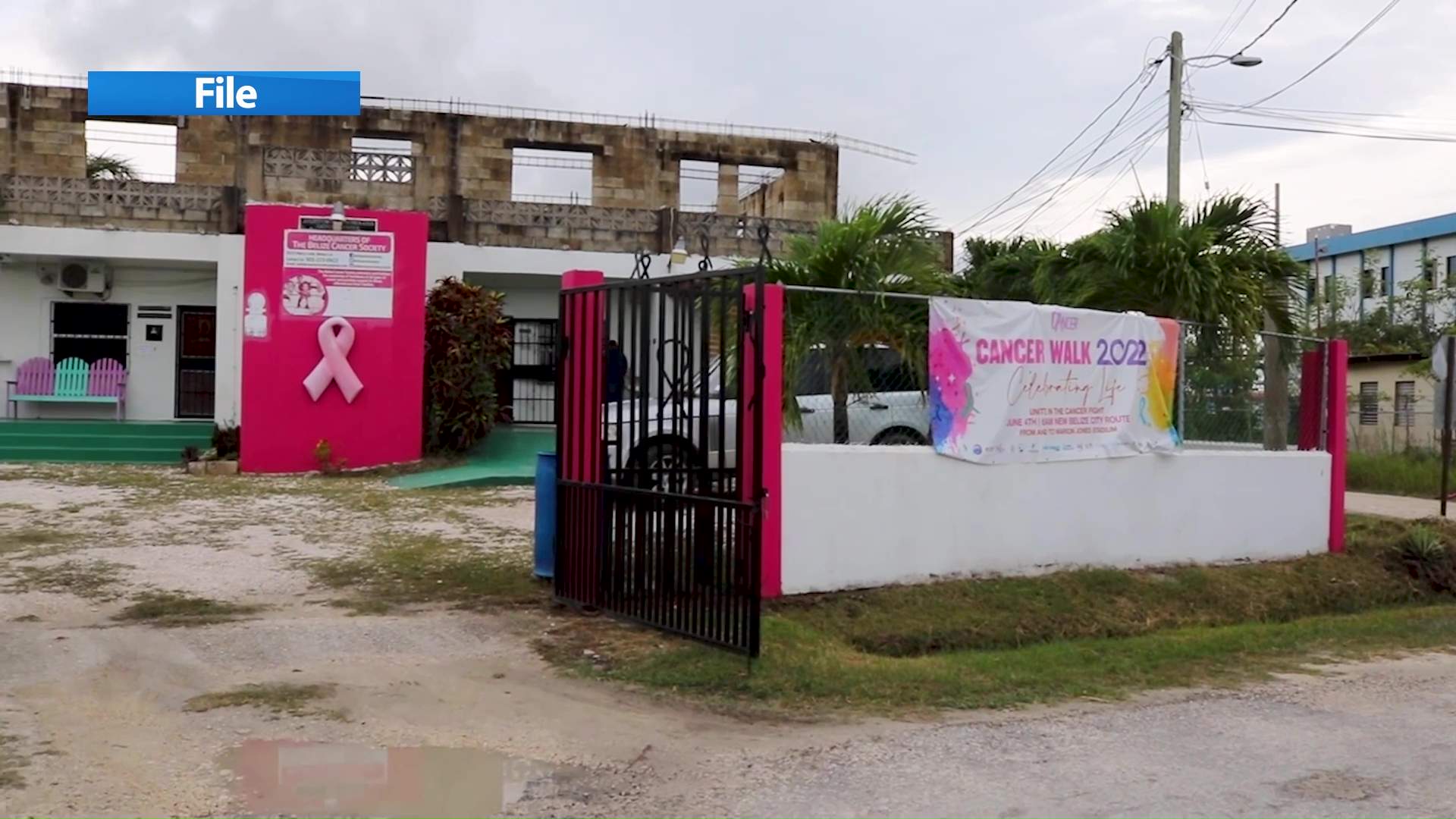
    Belize joined the global community on February 4th in observing World Cancer Day under the international theme ‘United by Unique,’ emphasizing personalized care and support for cancer patients. The Belize Cancer Society, under the leadership of President Kim Simplis-Barrow, is championing a humanized approach to cancer awareness that prioritizes individual patient experiences and needs.

    Simplis-Barrow emphasized the Society’s commitment to placing ‘cancer at the center of the conversation’ while maintaining a people-centered perspective. ‘No two cancer journeys are the same,’ she noted, highlighting the importance of recognizing the unique challenges faced by each patient and holding society accountable for supporting those affected.

    The Society has announced an ambitious calendar of events for 2026, building on recent initiatives during January’s Cervical Cancer Awareness Month. A significant upcoming event is the Cervical Cancer Forum scheduled for February 27th at St. Catherine Academy, organized in partnership with the Pan American Health Organization (PAHO) and Belize’s Ministry of Health and Wellness.

    The forum will feature educational components, empowerment sessions, and personal testimonials from cervical cancer survivors. The Ministry of Health and Wellness will provide on-site HPV testing and vaccination services during the event. Additionally, the Society confirmed plans for its annual cancer walk in May and committed to monthly awareness campaigns covering all cancer types, moving beyond the focus on only the most publicized forms of the disease.

  • EU Ambassador praises Dominican economic performance in meeting with Central Bank

    EU Ambassador praises Dominican economic performance in meeting with Central Bank

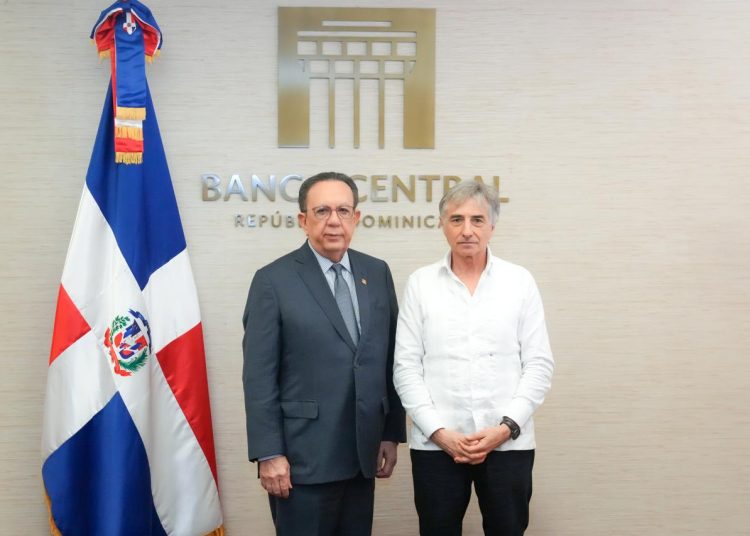
    In a significant diplomatic engagement, Central Bank of the Dominican Republic Governor Héctor Valdez Albizu and European Union Ambassador Raúl Fuentes Milani convened to discuss enhanced economic cooperation between the Caribbean nation and the European bloc. The meeting highlighted the Dominican Republic’s robust economic fundamentals and its emerging status as a premier investment destination for European businesses.

    Governor Valdez Albizu presented comprehensive data demonstrating the country’s economic resilience, emphasizing three key pillars of stability: a fortified financial system, disciplined fiscal management, and a credible monetary policy framework. These foundations have earned international recognition from leading economic organizations and created an environment conducive to foreign investment.

    Remarkable economic indicators supported these claims: Foreign Direct Investment surged to $5.03 billion in 2025, representing an 11.3% year-over-year increase despite global economic uncertainties. Combined foreign exchange inflows—encompassing FDI, remittances, tourism revenues, and exports—exceeded $47.3 billion, providing substantial support for exchange rate stability. Inflation maintained remarkable consistency at 4.95%, marking 32 consecutive months within the central bank’s target range.

    Looking forward, the governor projected sustained growth of approximately 4.0% through 2026, driven by robust domestic demand, strategic public investment, and favorable terms of trade including elevated gold prices and manageable petroleum costs.

    Ambassador Fuentes Milani acknowledged these achievements, specifically highlighting substantial European investments in the Dominican tourism sector, with Spanish companies playing a particularly prominent role. The ambassador reaffirmed the EU’s commitment to strengthening bilateral relations and praised the central bank’s longstanding dedication to macroeconomic stability.

  • Foreign Minister Álvarez and Energy Minister Santos attend U.S. critical minerals meeting

    Foreign Minister Álvarez and Energy Minister Santos attend U.S. critical minerals meeting

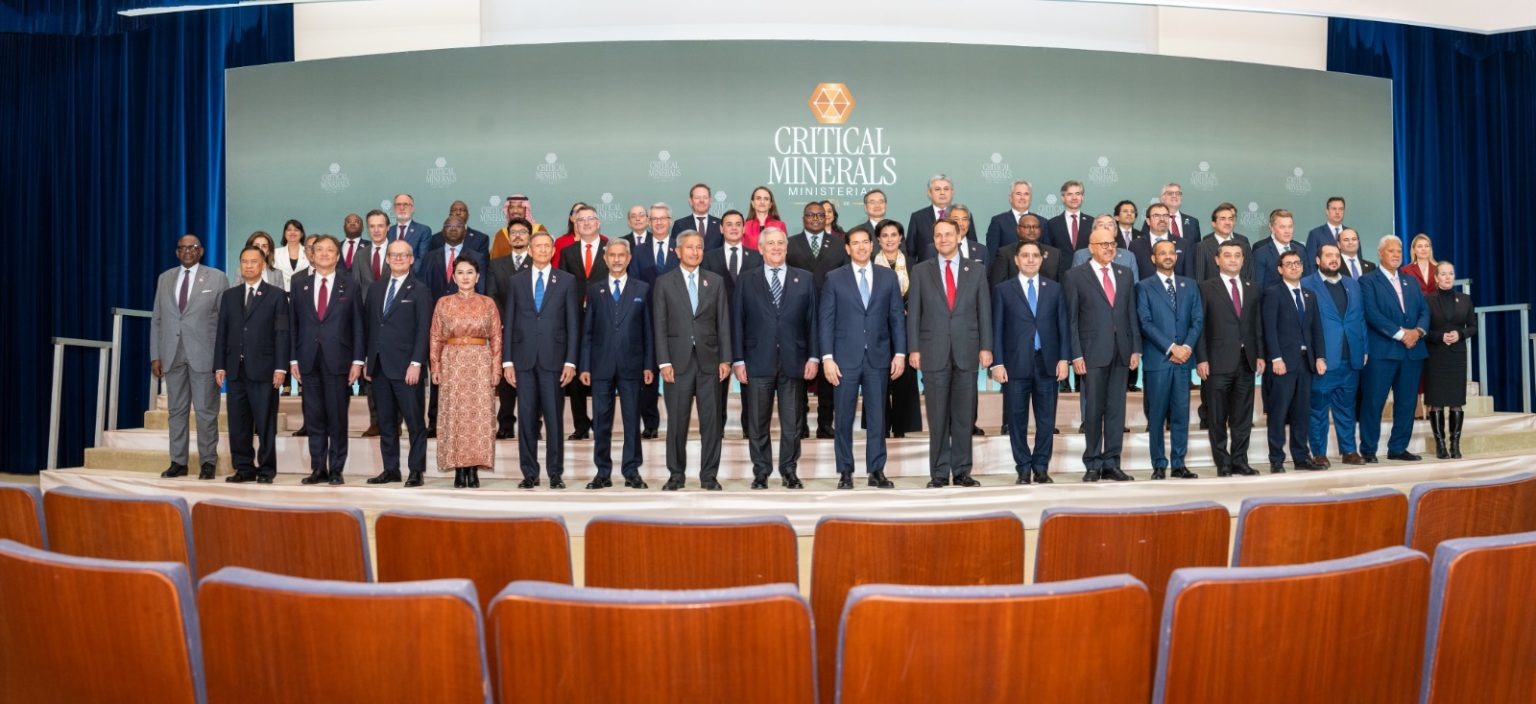
    WASHINGTON, D.C. – The Dominican Republic has positioned itself as a pivotal ally in global efforts to secure critical mineral supply chains during the inaugural Ministerial Meeting on Critical Minerals hosted by the U.S. State Department. Foreign Minister Roberto Álvarez and Energy and Mines Minister Joel Santos led the nation’s delegation, which received notable recognition for its strategic importance in mineral diversification initiatives.

    The high-level gathering, attended by representatives from fifty nations, featured opening remarks from U.S. Vice President JD Vance and Secretary of State Marco Rubio. Both emphasized the necessity of establishing dependable international alliances to guarantee access to minerals vital for advanced technologies and national security. Senior American officials further elaborated on strategic priorities for building robust global supply networks resistant to geopolitical disruptions.

    This diplomatic engagement reflects President Luis Abinader’s comprehensive vision for responsibly harnessing the nation’s rare earth resources. The administration’s policy framework recently materialized through Decree 453-24 in August 2024, establishing the Dominican Mining Company (EMIDOM) as the governing body for strategic mineral exploration. President Abinader has characterized the development of these resources as a transformative opportunity for sustainable economic advancement that prioritizes environmental stewardship.

    Beyond the ministerial proceedings, the Dominican delegation participated in a specialized forum organized by the Center for Strategic and International Studies (CSIS) entitled “Securing the Supply of Critical Minerals: Government-Industry Dialogue.” The event facilitated discussions among U.S. cabinet members, legislators, international diplomats, and industry executives regarding investment opportunities and cooperative frameworks. The delegation was further strengthened by the presence of Dominican Ambassador to the United States María Isabel Castillo.

  • Health : Drinking water crisis in Haiti

    Health : Drinking water crisis in Haiti

    Haiti is confronting an escalating drinking water emergency that now poses severe threats to public health and national stability, according to alarming assessments from the Ecological Intervention Group Écovert-Haiti. The organization has issued urgent warnings about systemic failures in water resource management that have brought the nation to a dangerous tipping point.

    The crisis stems from multiple compounding factors: widespread pollution of water sources, complete regulatory breakdown, and the unchecked expansion of the bottled water industry. Haiti’s water resources—from natural springs to underground aquifers—are experiencing massive contamination due to absent environmental protection policies, degradation of watersheds from unregulated agricultural practices, and inadequate sanitation infrastructure that allows fecal matter and chemical residues to infiltrate groundwater systems.

    Compounding these challenges, the plastic sachet and bottled water industry has proliferated without oversight since the 2000s. This unregulated sector has become Haiti’s primary source of plastic pollution, clogging urban drainage systems and coastal areas while exacerbating flood risks and waterborne disease transmission.

    Écovert-Haiti highlights the catastrophic failure of Haiti’s National Directorate of Drinking Water and Sanitation (DINEPA), which serves only 20% of the population’s drinking water needs in metropolitan areas. This institutional collapse has forced households and government institutions alike to depend on tanker trucks and unregulated private suppliers whose water quality remains questionable.

    The environmental group expressed astonishment at recent statements from Commerce and Industry Minister James Monazar, who denounced contaminated water consumption while overseeing two regulatory bodies—the Directorate of Quality Control and the Haitian Bureau of Standards—that have remained inactive for over two decades.

    In response to this multidimensional crisis, Écovert-Haiti has proposed a five-point emergency plan: immediate implementation of adopted quality standards, rigorous land-use policies to protect water recharge areas, strengthened oversight of water treatment companies, national restoration of aquatic ecosystems, and formal recognition of drinking water as a fundamental human right requiring transparent governance.

  • Vice President Raquel Peña meets with U.S. Ambassador Leah Campos

    Vice President Raquel Peña meets with U.S. Ambassador Leah Campos

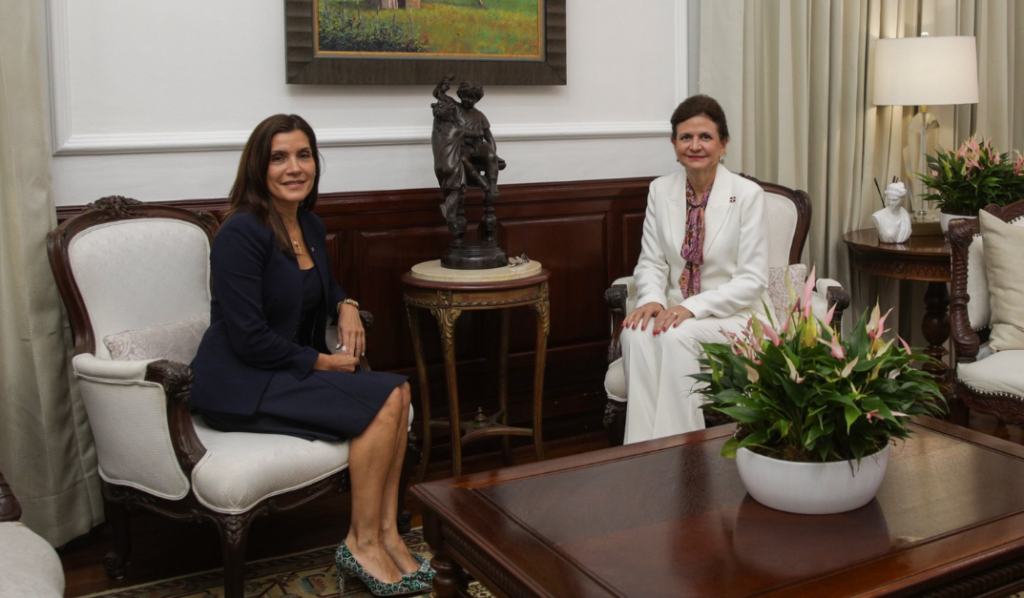
    In a significant diplomatic engagement, Dominican Vice President Raquel Peña hosted U.S. Ambassador Leah Campos at her National Palace office on Wednesday. The high-level meeting served as a platform to reinforce the robust partnership between the two nations while addressing matters of mutual concern. Official communications from the Vice Presidency’s X account characterized the discussions as productive and wide-ranging, focusing specifically on enhanced cooperation frameworks. Both officials emphasized the enduring strength of Dominican-American relations, which span economic, security, and developmental domains. The meeting underscores ongoing commitment to diplomatic dialogue at the highest levels, reflecting the strategic importance both nations place on their bilateral relationship. This engagement occurs against the backdrop of increasing regional cooperation in the Caribbean and demonstrates continuity in foreign policy priorities for both governments.

  • UDP Protesters vs. Police Tension Flared at SSB’s Doorstep

    UDP Protesters vs. Police Tension Flared at SSB’s Doorstep

    Tensions escalated dramatically in Belize City today as supporters of the United Democratic Party (UDP) mobilized outside the Social Security Board (SSB) headquarters to vehemently oppose Belize Telemedia Limited’s prospective takeover of telecommunications provider Speednet/SMART.

    The demonstration rapidly evolved into a tense standoff with law enforcement personnel, with UDP protesters making four separate attempts to breach the secured perimeter of the SSB compound. The party’s central argument maintains that the acquisition would consolidate excessive market control within BTL’s dominion while exposing critical Social Security funds to unwarranted financial jeopardy. Participants condemned the government’s alleged lack of transparency and inadequate public consultation throughout the negotiation process.

    Prior to the full mobilization of protesters, police authorities detained prominent UDP organizer Brian “Yellowman” Audinett within the Mesopotamia Division, holding him at Queen Street Police Station throughout the morning hours. His legal representative, attorney Orson Elrington, contested that Audinett was “being detained for being a member of a gang” while coordinating demonstration participants.

    Police Commissioner Dr. Richard Rosado firmly refuted these allegations, characterizing them as “the furthest from the truth.” Commissioner Rosado clarified to news outlets that Audinett’s detention resulted from allegations of inciting violence through electronic communications earlier that day, confirming an ongoing investigation into the matter.

    Following his release by midday, Audinett rejoined protesters on Belcan Bridge where UDP leader Tracy Panton had rallied supporters demanding his freedom. Audinett denied issuing any violent threats, insisting the protest was intended to be entirely peaceful and challenging authorities to “Bring the evidence that I sent any text or anything on Facebook that we will have any kind of violence.”

    The UDP organizer announced intentions to pursue legal action against the police department before protesters concluded their demonstration at the SSB headquarters.

  • FLASH : USCIS extends EADs for Haitian TPS beneficiaries

    FLASH : USCIS extends EADs for Haitian TPS beneficiaries

    In a significant immigration policy development, U.S. Citizenship and Immigration Services (USCIS) has automatically extended Employment Authorization Documents (EADs) for Haitian Temporary Protected Status (TPS) beneficiaries indefinitely. This administrative action comes directly in response to a February 2nd, 2026 federal district court ruling from Washington, D.C. that suspended the Department of Homeland Security’s planned termination of TPS protections for Haiti.

    The court’s intervention temporarily blocked the revocation of protected status that was scheduled to take effect on February 3rd, 2026. USCIS formally announced the automatic extensions through its official channels, explicitly referencing the judicial decision that halted the termination pending a comprehensive review of its legal validity.

    The extension covers Haitian TPS beneficiaries whose work authorization documents carried expiration dates spanning multiple years, including February 3rd, 2026; August 3rd, 2025; August 3rd, 2024; June 30, 2024; and several previous dates going back to July 22, 2017. All these documents remain valid until further official notice.

    Despite implementing the court-ordered extension, the immigration agency is expected to pursue an appeal of Federal Judge Ana C. Reyes’ decision. This legal maneuvering creates potential uncertainty for employers, who might face compressed timelines for re-verifying employment eligibility documentation (Form I-9) and reinstating affected workers should the appeal succeed.

    The court’s suspension of TPS termination maintains temporary humanitarian protection for Haitian nationals who cannot safely return to their homeland due to ongoing environmental disasters and severe social unrest.