
Nevis is making significant strides in establishing itself as a premier destination for the film industry, with the recent completion of an international romance feature film produced by OCTET Productions. The project, which wrapped up filming on the island, highlights Nevis’ scenic beauty and growing local talent pool. Premier Mark Brantley, the Minister of Tourism, emphasized the island’s commitment to fostering a thriving film sector during a press conference. He expressed pride in the active participation of local actors and crew members, who have contributed to the authentic portrayal of Nevisian culture. The film, titled ‘St. Kissed,’ showcases iconic locations such as Chrishi Beach, the Four Seasons Resort, and the historic Hamilton Estate ruins. Premier Brantley thanked OCTET Productions’ co-founders, Chuck and Bree West, for choosing Nevis and expressed optimism about future collaborations. The Wests, based in Washington, DC, praised the island’s welcoming community and stunning landscapes, which played a key role in their decision to film there. This initiative is part of Nevis’ broader strategy to diversify its economy and position itself as a hub for creative industries, building on previous successes with international productions like MSR Media’s nine films and appearances in ‘The Real Housewives of Potomac.’
作者: admin
-
Resilience in Action: NEMA & NDMD Equipped with CDEMA’s Advanced Logistics System
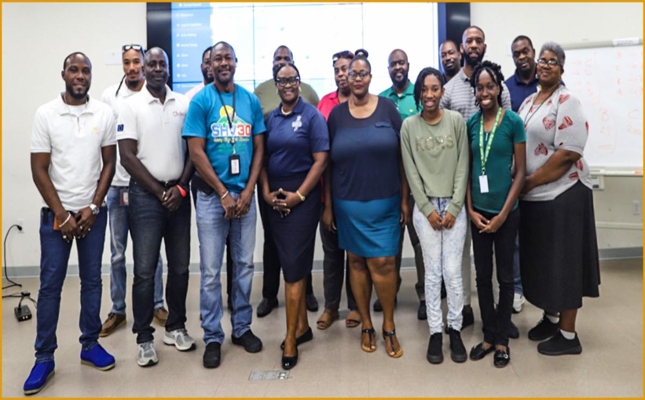
Charlestown, Nevis – September 4, 2025 – In a significant step toward bolstering disaster preparedness, the National Emergency Management Agency (NEMA) and the Nevis Disaster Management Department (NDMD), in partnership with the Caribbean Disaster Emergency Management Agency (CDEMA) and the US Government, successfully concluded a Comprehensive Logistics Systems (CLS) workshop. Held from August 26 to 29, 2025, the event marked a pivotal moment in regional disaster management efforts. The CLS, a state-of-the-art digital platform, was developed jointly by the World Food Programme (WFP) and CDEMA to address critical gaps in logistics, inventory, and warehouse management exposed by recent hurricanes and natural disasters in the Caribbean. Cayle Francis-Thornhill, a Logistics Specialist at CDEMA, emphasized the system’s role in enhancing regional disaster response mechanisms, stating, ‘The CLS ensures that logistics, warehousing, and inventory management are fully integrated, enabling quicker and more effective responses.’ The week-long training program combined theoretical instruction with hands-on exercises, equipping Disaster Management Officers and stakeholders with the skills needed for live operational use. Mr. Francis-Thornhill highlighted the initiative’s broader goal of strengthening logistics capacity at both national and regional levels, particularly for Saint Kitts and Nevis. This initiative aligns with the Comprehensive Disaster Management (CDM) framework, reinforcing the Regional Response Mechanism (RRM) to ensure Caribbean nations are better prepared for multi-hazard events and resilient in the face of emergencies.
-
Dr Douglas express concern over potential escalation following US strike on Venezuelan drug ship
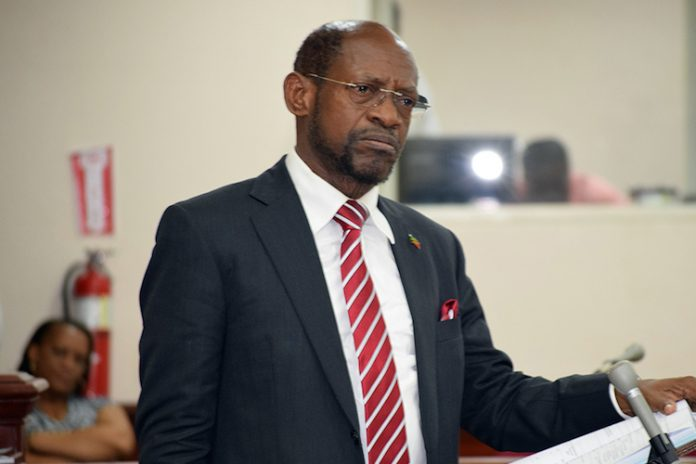
The Caribbean Community (CARICOM) has raised alarms over the recent US military strike on a Venezuelan drug vessel, warning of potential regional tensions. Dr. Denzil Douglas, Chair of the CARICOM Council for Foreign and Community Relations (COFCOR), emphasized the Caribbean’s commitment to maintaining peace amidst escalating military activities. Speaking to Freedom FM’s News Desk, Dr. Douglas disclosed that CARICOM foreign ministers convened last week to address the increased US military presence in Caribbean waters, a move tied to Washington’s broader strategy against terrorism and ‘narco-terrorism.’ The strike, which resulted in 11 fatalities, has drawn mixed reactions across the region. While Trinidad and Tobago’s Prime Minister Kamla Persad-Bissessar openly supported the operation, Guyana’s stance remains less explicit. Dr. Douglas stressed the Caribbean’s shared concern over illegal arms trafficking and its impact on regional stability. The US Southern Command’s deployment underscores Washington’s focus on curbing drug trafficking, a long-standing issue in the Caribbean. CARICOM plans to reassess the situation soon to evaluate its broader implications for the region.
-
Half a century delivering teachers to the Homeland
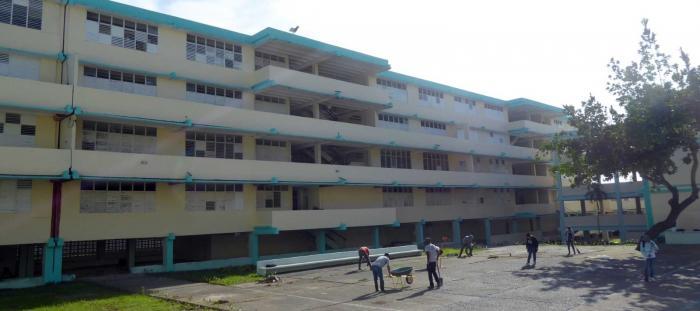
This Monday marks a significant milestone as the Tania la Guerrillera Pedagogical School in Pinar del Río celebrates its 50th anniversary. The institution, inaugurated by Fidel Castro in 1975, has undergone extensive renovations to restore its former glory. The school, which has trained over 15,000 teachers, is set to reopen with a completely renovated image by September 1, coinciding with the start of the new academic year.
The school’s director, Jorge Alejandro González, expressed his pride in leading the institution where he was once a student. ‘Taking over the direction of this school is both an honor and a challenge,’ he said. González, who has been with the school since he was 15, emphasized the enduring values of academic rigor and the commitment to shaping future educators.
The school’s legacy extends beyond Pinar del Río, as it has played a crucial role in the educational revolution of the 1970s. Evelio Herrera Padrón, Provincial Director of Education, highlighted the institution’s contribution to the region’s stable educational outcomes. ‘Thousands of teachers have graduated from this school, and their impact is immeasurable,’ he noted.
Fidel Castro’s vision for the school was ambitious. During the inauguration, he emphasized the need for teachers capable of working in both urban and rural settings. ‘We aspire to a type of teacher who can teach not only in the city but also in the countryside,’ he said. This vision has been realized over the decades, with the school expanding its curriculum to include 15 specialties, ranging from early childhood education to secondary-level sciences and humanities.
The recent renovations were necessitated by the passage of time and the impact of hurricanes, including Hurricane Ian. The rehabilitation efforts have focused on restoring the school’s infrastructure, including student residences, sports fields, and specialized classrooms. ‘We have worked tirelessly to ensure the school is ready for the new academic year,’ González said.
As the school prepares to welcome 779 students, including 236 first-year students, it continues to uphold its mission of training dedicated educators. ‘I hope that our graduates remain in the sector, motivated and passionate about their profession,’ González added. The school’s 50th anniversary is a testament to its enduring commitment to education and its role in shaping the future of Pinar del Río.
-
How are cases of trafficking and possession of “chemicals” judged in Cuba?
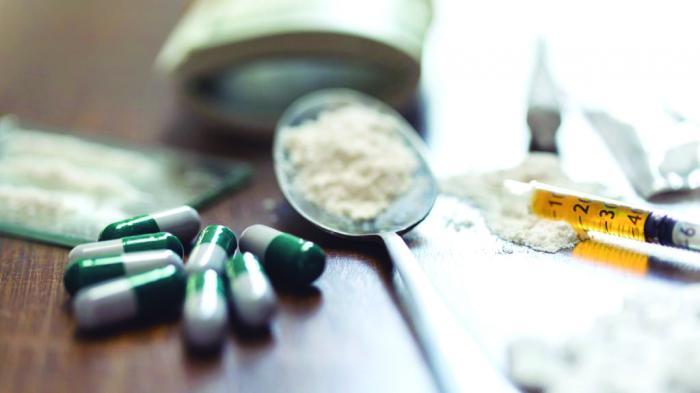
In the first half of 2025, Cuba’s judicial system demonstrated its stringent approach to drug-related crimes, with 98% of individuals tried for such offenses being convicted. This high conviction rate underscores the country’s rigorous enforcement of laws against illicit substances, particularly synthetic cannabinoids, which have become a growing concern in the capital. The Supreme People’s Court recently approved Ruling 476, which provides detailed guidelines for prosecuting cases involving these potent and harmful substances. The ruling emphasizes the need to consider the high toxicity, addiction potential, and health risks associated with synthetic cannabinoids when determining penalties. It also establishes specific criteria for classifying aggravated trafficking offenses, regardless of the quantity seized. Penalties for possession or trafficking of these substances range from one to 30 years of imprisonment, with life imprisonment and even the death penalty as possible outcomes. The ruling also highlights the importance of expert testimony from Criminalistics and Toxicology laboratories to assess the substance’s harmful effects and potential impact on public health. Additionally, the court noted that 84% of those convicted were sentenced to imprisonment, with 92% of those sentences being enforced. The low rate of release benefits for drug offenders reflects Cuba’s strict penal and penitentiary policies, aimed at safeguarding public health, social order, and national security.
-
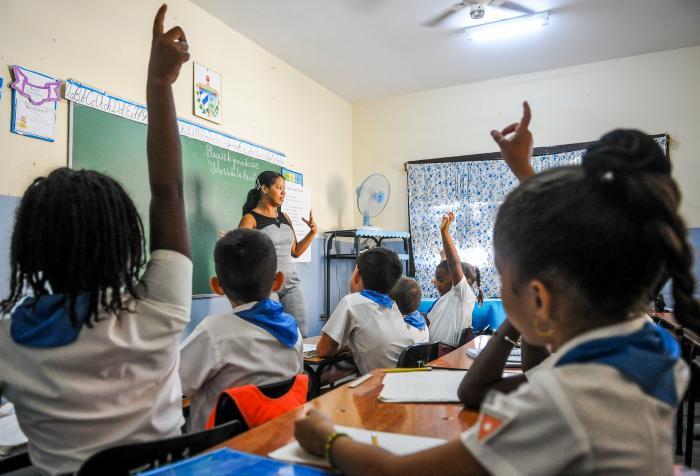
On September 1st, more than 1,530,000 students will return to the classroom
Naima Trujillo Barreto, Cuba’s Minister of Education, has announced that the 2025-2026 academic year will mark a pivotal moment in the nation’s educational reform efforts. Speaking at a press conference, she revealed that over 1.53 million students across various levels of general education will commence the new school year on September 1st. This year is particularly significant as it introduces a comprehensive curricular transformation for the final grades of the III Perfectioning of the Education System.
-
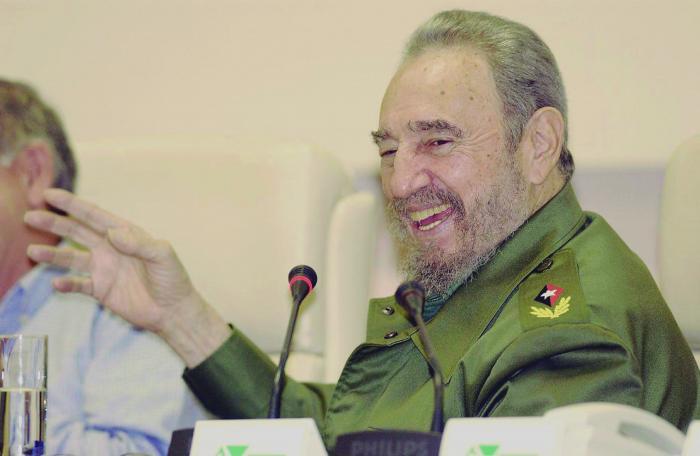
What should we do on Fidel’s centenary?
As the centennial of Fidel Castro’s birth approaches on August 13, 2026, it is imperative to reflect on his profound impact on Cuba and the world. Castro, a towering figure in revolutionary history, reshaped the destiny of a small island nation just 90 miles from the United States, defying the stigmas often associated with Third World countries. His life, work, and humanist thought form an inexhaustible reservoir of knowledge and wisdom, offering lessons that transcend time and geography.
-
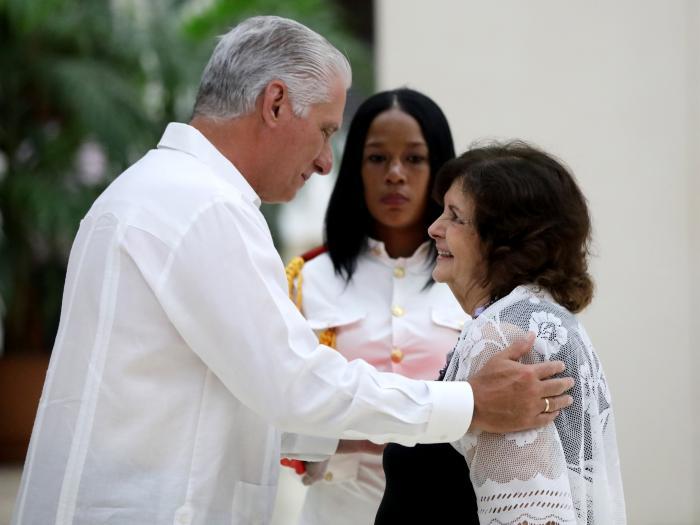
Cuban women are the guiding force behind the country’s legacy
The Federation of Cuban Women (FMC) marked its 65th anniversary with a prestigious awards ceremony, presided over by Cuban President Miguel Díaz-Canel Bermúdez. The event celebrated the remarkable contributions of Cuban women to the nation’s values and principles. Among the honorees, Mayda Benigna Álvarez Suárez was awarded the title of Heroine of Labor of the Republic for her distinguished career in labor, politics, and social activism. Additionally, the Mariana Grajales and Ana Betancourt Orders were bestowed upon five and 19 women, respectively, by President Díaz-Canel, Prime Minister Manuel Marrero Cruz, and FMC Secretary General Teresa Amarelle Boué. The ceremony also recognized 300 women with the 23rd of August Distinction, awarded the 65th Anniversary Commemorative Stamp, and honored 101 cadres for their long-standing service to the FMC. Reflecting on the pivotal role of women in Cuba’s history, the late revolutionary leader Fidel Castro Ruz emphasized the necessity of the FMC to advocate for women’s interests and enhance their participation in all spheres of life. The event underscored the enduring legacy of the FMC and its commitment to fostering a just and equitable society.
-
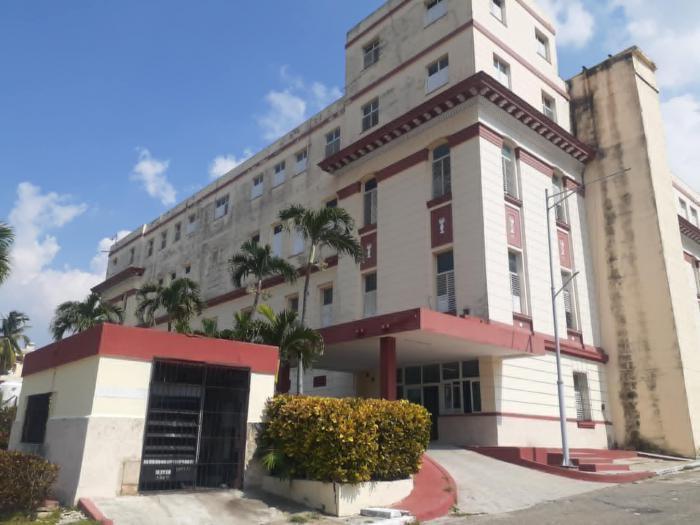
Neurotrauma Center Created for Western Cuba
The Calixto García Clinical-Surgical Teaching Hospital in Havana has unveiled a state-of-the-art neurosurgery center, marking a significant milestone in Cuba’s healthcare landscape. The newly established Western Cuba Neurotrauma Center, operational in under 72 days, is equipped with cutting-edge technology to address complex neurosurgical cases. The facility boasts three high-tech operating rooms, advanced microscopes, endoscopic towers for minimally invasive procedures, and two specialized hospitalization wards. The center’s design ensures seamless patient care by placing intensive and intermediate care units on adjacent floors, reducing transfer risks.
Dr. Ahmed Rubier Ortega, the center’s director, emphasized its role as a national hub for treating polytrauma cases, craniospinal injuries, tumors, and herniated discs. Supported by an advanced imaging department, the center centralizes neurosurgical care on a single floor, enhancing efficiency and patient outcomes.
Iliovanys Bentancourt Plaza, the hospital’s General Director, highlighted the Ministry of Public Health’s (MINSAP) commitment to funding the project despite global economic challenges. Raquel Olivera Hernández, Deputy Director of Logistics, praised the collaborative effort behind the center’s creation, calling it a testament to resilience and optimal resource management. The facility also introduces air-conditioned wards and caregiver support for home rehabilitation, ensuring comprehensive patient care while adhering to strict health protocols.
-
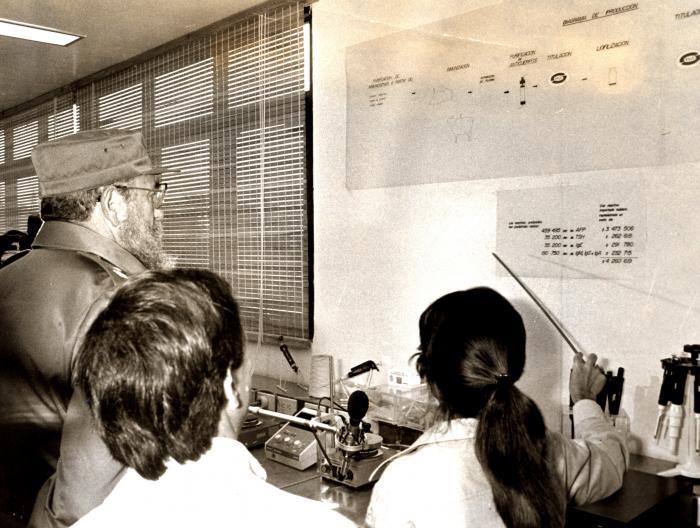
In Fidel’s forward-thinking vision lies the root of a scientific feat
Five years ago, on August 19, 2020, Cuba marked a historic milestone in its fight against COVID-19. Just months after detecting its first case, the nation unveiled its first vaccine candidate, Soberana, a testament to the strategic foresight of Fidel Castro in developing Cuba’s biotechnology industry. This achievement was rooted in the creation of Havana’s Western Scientific Pole, which adopted a closed-cycle system of research, development, production, and commercialization, enabling rapid scientific progress. Dr. Vicente Vérez Bencomo, Director of the Finlay Institute of Vaccines (IFV), presented the vaccine candidate to President Miguel Díaz-Canel and the National Expert Group for pandemic response. The announcement, though anticipated, renewed hope in Cuba’s scientific capabilities. Clinical trials for Soberana began on August 24, 2020, after receiving authorization from Cuba’s Center for State Control of Medicines (Cecmed). The vaccine’s development was a collaborative effort involving young scientists, institutions like the Center for Molecular Immunology, and the University of Havana’s Faculty of Chemistry. By mid-2021, both Soberana and Abdala, another Cuban vaccine, were authorized for public use. The rapid development and deployment of these vaccines showcased Cuba’s scientific rigor and commitment to sovereignty. Today, IFV continues to innovate, developing pneumococcal and multivalent meningococcal vaccines, while exploring MRNA technology for future epidemic preparedness.