作者: admin

  • Debrieul SDA Church leads community cleanup

    Debrieul SDA Church leads community cleanup

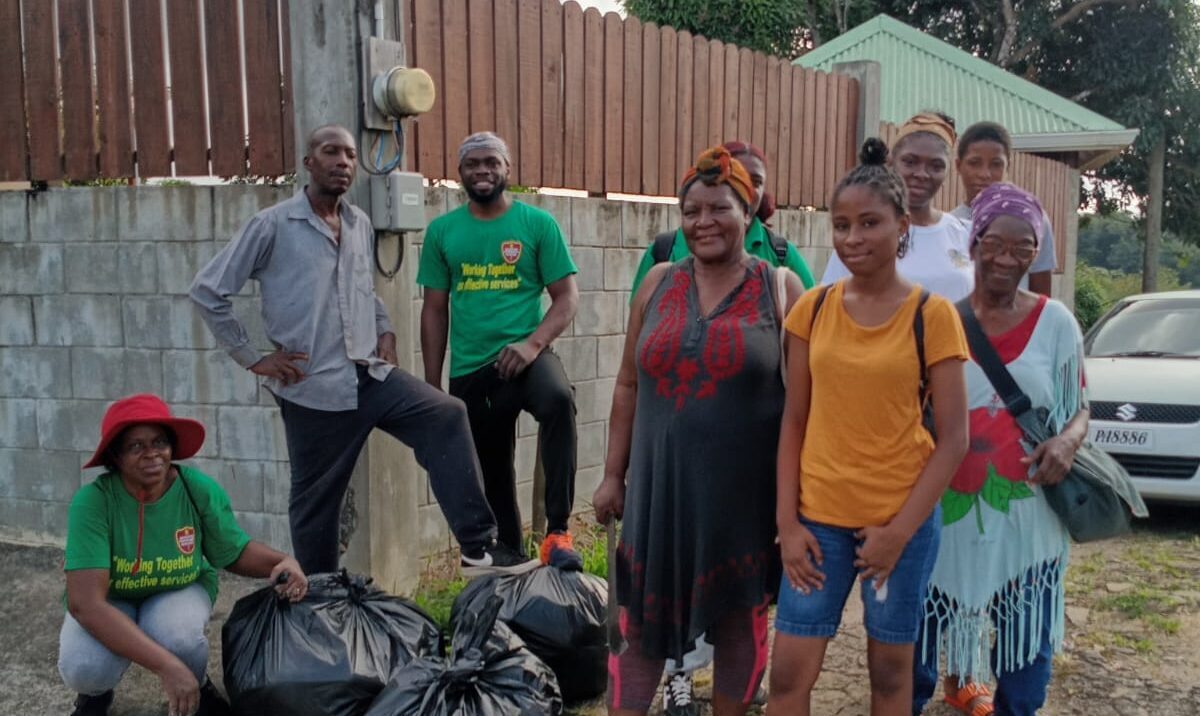
    In a demonstration of faith in action, members of the Debrieul Seventh-day Adventist Church mobilized at dawn Sunday for an extensive neighborhood cleanup initiative in the La-Maze and Roblot communities. Equipped with protective gloves, garbage bags, and cutting tools, the volunteer corps embarked on their mission at 6:30 AM, transforming streets through physical labor that culminated in collective prayers and a communal breakfast.

    The operation, orchestrated by the church’s Community Services Department, represents a strategic shift from conventional evangelism toward practical community engagement. Curpris Charles, the department leader, articulated this philosophy to St Lucia Times, emphasizing that the church aims to be recognized not merely for preaching about Christ’s return but for embodying gospel principles through tangible service.

    “Christ’s ministry consistently addressed both spiritual and physical needs within communities,” Charles explained. “While cleaning streets may not appear directly related to assisting struggling families, it serves as an diagnostic tool for identifying deeper social issues.” The cleanup unexpectedly revealed significant alcohol abuse evidence through collected plastic cups, prompting plans for targeted health interventions on substance abuse’s community impact.

    Pastor Leeroy David issued a broader challenge to Saint Lucia’s Christian community, urging collective action against environmental neglect. “Seventh-day Adventists recognize our responsibility to steward both creation and community,” David stated. “We implore citizens not to await compensation or external initiative—this is our divinely entrusted island, and today marks only the beginning of our sustained efforts.”


  • Campbell Takes Third in Men’s 60m at Huston College Invitational

    Campbell Takes Third in Men’s 60m at Huston College Invitational

    Emerging Caribbean sprinter Kadeem Campbell delivered a promising performance at the Huston College Invitational this Saturday, clinching third place in the men’s 60-meter dash with a consistent time of 6.89 seconds. The Antiguan athlete demonstrated remarkable consistency throughout the competition, first winning his preliminary heat in an identical 6.89 seconds before replicating the feat in the final round to secure his podium position. This event represents only Campbell’s second indoor competition since his strategic relocation from Antigua to Texas in December 2025, where he has been training intensively with the Elite Performance Track Club. The Antigua and Barbuda Athletic Association has publicly expressed their support for the sprinter as he pursues the World Indoor Championships qualifying standard of 6.59 seconds while building momentum for the ongoing athletic season.

  • Two charged with having cannabis resin

    Two charged with having cannabis resin

    In a significant law enforcement operation, authorities in Saint Lucia have apprehended two individuals on serious narcotics charges following a coordinated raid in the Gros Islet district. The Royal Saint Lucia Police Force (RSLPF) executed search warrants at a Ti Morne residence on February 5, 2026, targeting properties connected to 35-year-old Lance Alfred (alias ‘Bolo’) and 36-year-old Tresha Richard.

    The operation yielded substantial evidence, including a quantity of cannabis resin and approximately US$13,000 in cash found on the premises. Both suspects were immediately taken into custody and formally charged with dual counts of possession of cannabis resin and possession with intent to supply.

    Following their arrest, the defendants appeared before a magistrate on February 6, where each was granted bail set at EC$1,500. The relatively swift judicial proceedings demonstrate the authorities’ commitment to expediting drug-related cases.

    Notably, the substantial cash discovery prompted police to initiate asset forfeiture procedures under Section 29(a) of the Crime Act, based on reasonable suspicion that the funds represented proceeds of criminal activity. The Financial Intelligence Authority has been formally notified and has assumed an investigative role, pursuing permanent seizure of the currency and conducting expanded financial investigations into the suspects’ assets and transactions.

  • Commonwealth law ministers meeting launches with appeals for equal application to global rule of law in changing times

    Commonwealth law ministers meeting launches with appeals for equal application to global rule of law in changing times

    Nadi, Fiji – Against a backdrop of global uncertainty, the Commonwealth Law Ministers Conference opened today with a powerful call to reinforce legal systems worldwide. Hosted in Fiji, the gathering brings together justice ministers and attorneys general from all 56 Commonwealth nations to address pressing legal challenges affecting citizens’ daily lives and economic stability.

    The conference commenced with a traditional Fijian welcoming ceremony for dignitaries including Fijian Prime Minister Sitiveni Rabuka, Tuvalu’s Prime Minister Feleti Penitala Teo, and Tonga’s Deputy Prime Minister Viliami Latu. Over 250 delegates are participating in the three-day summit focused on practical solutions for strengthening judicial integrity.

    In his opening address, Prime Minister Rabuka issued a stark warning about the global deterioration of legal frameworks. “When the rule of law is weakened, inconsistently applied, or loses public confidence,” he stated, “the most vulnerable members of our societies bear the ultimate cost.” Rabuka emphasized that the conference must transcend theoretical discussions to deliver actionable strategies that ensure justice systems remain reliable and accessible.

    The Prime Minister particularly highlighted the critical intersection of climate change and legal protection, urging ministers to develop legal mechanisms that safeguard both communities and environments from ecological threats.

    Commonwealth Secretary-General Shirley Botchwey addressed the assembly amid concerns about growing political instability and economic volatility. “When the rule of force begins to overshadow the rule of law,” Botchwey cautioned, “the very foundations of our societies become compromised.” She characterized the ministers’ work as essential to rebuilding institutional trust and strengthening democratic resilience.

    The conference agenda focuses on three primary areas: legal frameworks for democratic preservation, economic development through judicial reliability, and environmental sustainability legislation. Specific discussions will address maritime rights protection in the face of rising sea levels and technological applications for improving access to justice.

    Under the theme “Anchoring Justice in a Changing Tide: Strengthening the Rule of Law for a Resilient Future,” the conference is chaired by Fiji’s Minister for Justice and Acting Attorney-General Siromi Turaga. The proceedings will conclude on February 11th with the adoption of a comprehensive outcome statement detailing concrete commitments Commonwealth nations will implement to reinforce legal protections for their citizens.

  • Fruits and vegetables are non-negotiable for children

    Fruits and vegetables are non-negotiable for children

    The Grenada Food and Nutrition Council (GFNC) has issued comprehensive guidance addressing the widespread challenge of children’s resistance to consuming fruits and vegetables. Recognizing that nutritional needs extend beyond protein to essential vitamins, minerals, and protective compounds, the council emphasizes that these food groups must remain dietary staples despite common rejection behaviors.

    Scientific research reveals that children’s aversion typically stems from multiple factors including flavor sensitivity, neophobia (fear of new foods), limited exposure, and texture discomfort. The council acknowledges these challenges while maintaining that except for medically confirmed allergies, elimination of fruits and vegetables from children’s diets is nutritionally unacceptable.

    The GFNC outlines evidence-based strategies for overcoming these barriers:

    1. **Flavor Adaptation**: Studies published in the Journal of the American Dietetic Association demonstrate that pairing vegetables with familiar flavors significantly increases acceptance. Research involving 152 preschool children revealed that serving broccoli with dipping sauce over a 7-week period resulted in 80% consumption without complaint. This approach can be adapted using local produce combinations like eggplant with tomatoes or callaloo with pumpkin.

    2. **Parental Modeling**: Children’s eating behaviors are profoundly influenced by observation. Research in Public Health Nutrition indicates that children consume more fruits and vegetables when parents consistently eat them, provide them as snacks, and maintain home availability. Parental consumption normalizes these foods and establishes them as regular dietary components.

    3. **Texture Modification**: For children sensitive to specific textures, the council recommends culinary creativity through grating, blending, or incorporating vegetables into familiar dishes. Studies on optimal exposure frequency indicate that varied preparation methods significantly enhance acceptance rates.

    The council provides crucial guidance on distinguishing between preference and allergy, detailing symptoms that warrant medical consultation including oral itching, skin reactions, swelling, and severe anaphylaxis. Only medically confirmed allergies justify elimination of specific fruits or vegetables.

    The GFNC positions consistent fruit and vegetable consumption as fundamental to healthy development and lifelong nutritional habits, urging parents to implement these strategies with patience and persistence.

  • Acht jaar procederen, geen teruggave: beslag 19,5 miljoen euro blijft

    Acht jaar procederen, geen teruggave: beslag 19,5 miljoen euro blijft

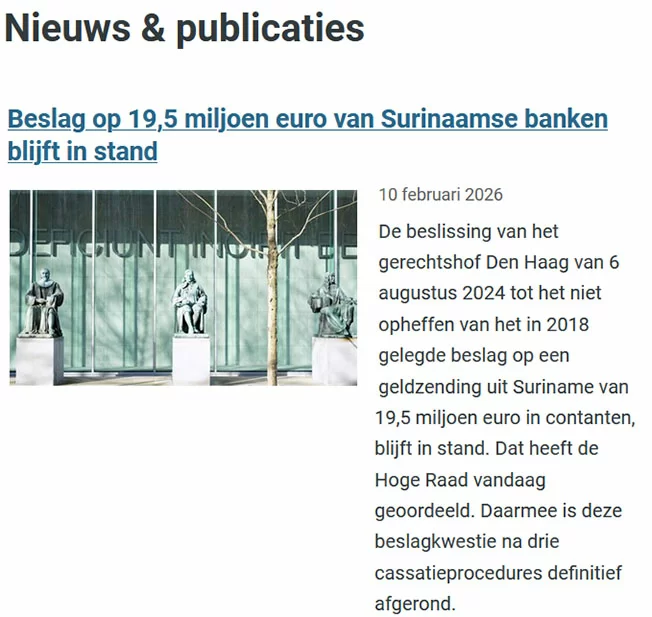
    In a definitive ruling that concludes an eight-year legal battle, the Netherlands’ Supreme Court has upheld the seizure of €19.5 million in cash transported from Suriname. The decision affirms The Hague Court of Appeal’s August 2024 judgment, bringing finality to a complex international asset forfeiture case that began on April 17, 2018.

    The funds were initially intercepted by the Dutch Fiscal Information and Investigation Service (FIOD) at Amsterdam’s Schiphol Airport on suspicion of money laundering. The currency shipment, which arrived by air from Suriname, was owned by three commercial banks: De Surinaamsche Bank, Hakrinbank, and Finabank. The Central Bank of Suriname (CBvS) acted as the formal shipper for the consignment, which was destined for China.

    Legal challenges were mounted by both the commercial banks and CBvS against the seizure. Throughout previous proceedings, the Supreme Court had twice ruled that decisions ordering the funds’ return were insufficiently motivated. The Hague Court of Appeal ultimately dismissed these complaints in 2024, allowing the seizure to remain in effect.

    The appellate court determined that CBvS could not claim immunity under international customary law, finding insufficient evidence that the seized funds constituted Central Bank property or were being utilized for its core functions of monetary policy and currency management. The court characterized CBvS’s role as merely facilitative and noted it was not ‘highly improbable’ that criminal courts would eventually order forfeiture of the funds.

    The Central Bank and commercial institutions subsequently appealed to the Supreme Court, contesting the immunity rejection, the legal framework applied to seizure assessments, and the proportionality of maintaining the asset freeze.

    In December 2025, the Advocate General recommended upholding the appellate decision. The Supreme Court adopted this advisory opinion and dismissed the appeals under Article 81 of the Judiciary Organization Act, indicating the complaints lacked grounds for reversal and raised no novel legal questions requiring substantive consideration.

    This ruling concludes a internationally monitored case that has drawn significant attention to cross-border financial enforcement. The funds remain seized pending ongoing criminal investigations.

  • LETTER TO THE EDITOR: Eyesore on Rockaway Beach

    LETTER TO THE EDITOR: Eyesore on Rockaway Beach

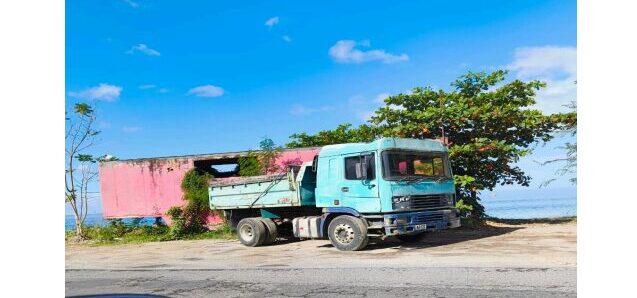
    A prominent beach near Roseau, Dominica, known as Rockaway Beach, is facing aesthetic degradation due to the construction of a conspicuous red box-like structure. The edifice, which disrupts the natural coastal panorama, has drawn criticism from local residents and visitors alike.

    JeanClaude Elias Nassief, a concerned citizen, formally raised the issue in a letter to the editor dated February 9, 2026. Nassief emphasized that the intrusive construction not only diminishes the visual appeal of the beloved bathing spot but also obstructs picturesque views of the shoreline. The letter appeals to relevant authorities and responsible parties to address the growing environmental and aesthetic concerns.

    While the exact purpose and ownership of the structure remain unclear, its impact on the area’s natural charm is evident. The situation highlights broader questions about urban development, environmental stewardship, and the preservation of public spaces in Dominica. Nassief’s communication aims to spur corrective action and promote greater accountability in maintaining the island’s scenic assets for both residents and tourists.

  • Attorney General of Grenada attends Commonwealth law ministers meeting in Fiji

    Attorney General of Grenada attends Commonwealth law ministers meeting in Fiji

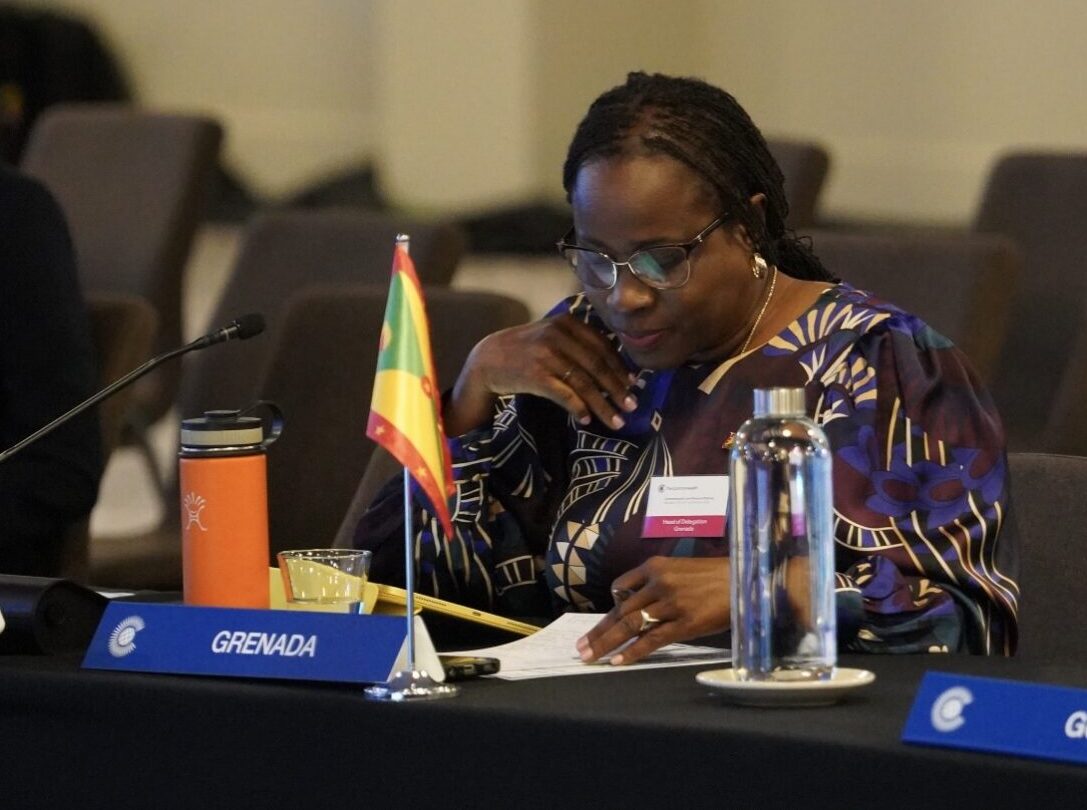
    Against a backdrop of mounting global challenges, justice ministers and attorneys general from the 56 Commonwealth nations gathered in Nadi, Fiji, on February 9, 2026, for a pivotal three-day conference addressing the erosion of legal protections worldwide. The assembly, marked by a traditional Fijian welcoming ceremony for over 250 delegates including Grenada’s Attorney General Claudette Joseph, commenced with urgent calls to reinforce judicial systems as pillars of societal stability.

    Fijian Prime Minister Sitiveni Rabuka set a sober tone in his opening address, cautioning that weakening legal frameworks disproportionately harm vulnerable populations. ‘When the law is undermined, inconsistently enforced, or fails to earn public trust, it is ordinary citizens who bear the real consequences—not abstract systems,’ Rabuka emphasized. He framed the gathering as a working session demanding actionable outcomes rather than mere theoretical discussions.

    Commonwealth Secretary-General Shirley Botchwey identified political instability, economic fluctuations, and environmental crises as factors diminishing public confidence in governance institutions. ‘This is the inevitable result when the rule of force supersedes the rule of law,’ she stated, underscoring the ministers’ critical role in rebuilding institutional trust. Botchwey highlighted the organization’s new strategic plan focusing on making legal protections tangible in daily life beyond courtroom settings.

    The ministerial agenda encompasses pressing contemporary issues including climate justice, maritime rights amid rising sea levels, and technological applications for improving legal accessibility. Deliberations will culminate on February 11 with the adoption of a concrete action plan outlining specific measures Commonwealth countries will implement to strengthen legal resilience. Chaired by Fijian Justice Minister Siromi Turaga under the theme ‘Anchoring Justice in a Changing Tide,’ the conference represents a coordinated effort to ensure laws serve those most dependent on protection rather than those best positioned to exploit them.

  • GAIA officials on alert

    GAIA officials on alert

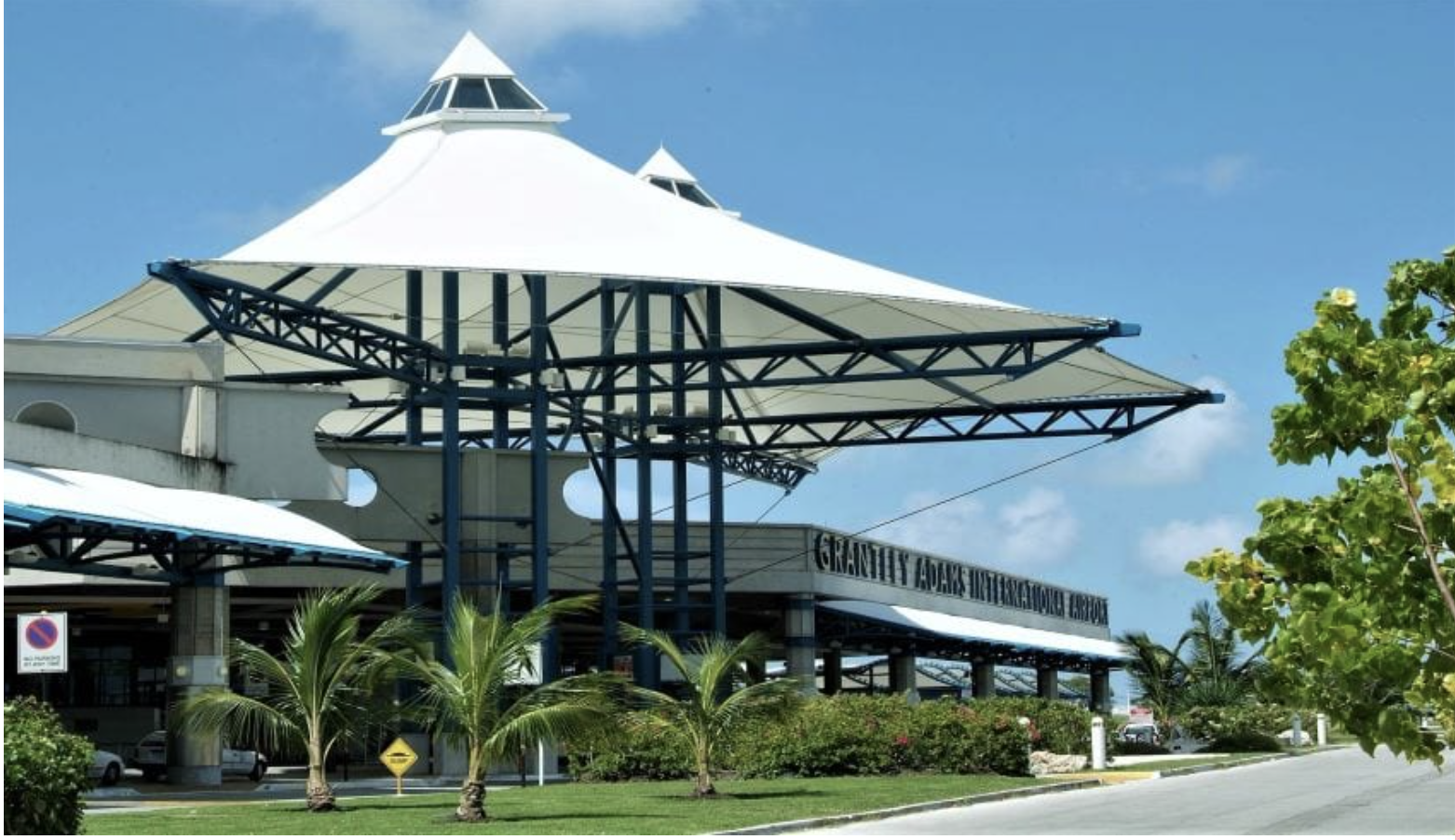
    Authorities at Barbados’ primary aviation hub, Grantley Adams International Airport (GAIA), are currently managing a developing aviation emergency. The incident involves an outgoing flight that was scheduled to depart from the facility, triggering a full-scale emergency protocol.

    Airport representatives, when reached for immediate comment, confirmed their active engagement with the situation but maintained a position of limited disclosure. Stressing the operational priority of managing the event, officials declined to elaborate on the specific nature of the emergency, the aircraft’s destination, or the number of passengers and crew potentially involved.

    The response underscores the stringent safety measures and rapid reaction capabilities employed at major international airports. Such protocols are designed to address a wide spectrum of potential incidents, from technical malfunctions detected prior to takeoff to security concerns. The situation remains fluid, with airport operations likely experiencing disruptions as emergency crews focus on the affected aircraft.

    Further comprehensive details regarding the cause of the emergency and the status of all individuals involved are pending as the official investigation continues. The public and press have been advised to await formal updates from the airport’s crisis communication team.

  • Liberty Caribbean urges responsible digital choices on Safer Internet Day

    Liberty Caribbean urges responsible digital choices on Safer Internet Day

    In response to escalating cyber threats across the region, Liberty Caribbean has launched a comprehensive digital responsibility initiative coinciding with Safer Internet Day 2026. The telecommunications leader, operating Flow, Liberty Business and BTC services, has adopted the global theme “Smart Tech, Safe Choices – Exploring the Safe and Responsible Use of AI” to address growing cybersecurity concerns.

    The Caribbean and Latin America have emerged as prime targets for cybercriminal activities, with organizations currently enduring approximately 3,000 weekly attacks—representing a dramatic 26% year-over-year increase. Particularly concerning are sophisticated AI-driven phishing schemes, data-leak extortions, and ransomware attacks that exploit evolving technologies.

    Inge Smidts, Chief Executive Officer of Liberty Caribbean, emphasized the company’s dual approach: “While technology advances at unprecedented rates, maintaining trust and safety must remain fundamental to our connectivity mission. Our role as regional leaders extends beyond providing services to ensuring informed digital citizenship among customers, employees, and communities.”

    The company’s initiative addresses the complex challenges posed by artificial intelligence integration into daily life. Itay Yefet, Vice President of Information Technology and IT Operations, noted: “AI introduces unprecedented complexity to digital security landscapes. Our responsibility encompasses not only strengthening technical infrastructure but fostering user awareness about how everyday digital decisions impact collective security.”

    Liberty Caribbean collaborated with parent company Liberty Latin America (LLA) for an exclusive virtual panel titled “Smart Tech, Safe Choices. A Better Internet,” uniting cybersecurity experts, community advocates, and corporate executives. Felipe Ruiz, LLA’s Vice President of Information Security and CISO, articulated during the discussion: “While technology grows increasingly intelligent, it cannot replace human judgment. True internet safety originates from individual choices, cultivated habits, and shared awareness within communities.”

    Beyond internal corporate initiatives, Liberty Caribbean has renewed partnerships with educational institutions and community organizations across its markets. These collaborations deliver practical education sessions focusing on online safety protocols, data protection measures, scam identification, and responsible digital behavior—creating a multilayered defense against evolving cyber threats.