作者: admin

  • ‘Something not adding up’

    ‘Something not adding up’

    A cloud of uncertainty has settled over the small, sleepy coastal community of Goodwood, Tobago, as rescue teams and local residents press on with a frantic search for 2-year-old Angelo Tobias Plaza, who vanished from his family home three days ago. The toddler’s unexplained disappearance has left locals unsettled, with many growing increasingly suspicious that the details surrounding the case do not align.

    According to official police accounts, Angelo’s mother, 22-year-old Kalifah Tobias, and her common-law husband Shannon Miller first realized the boy was missing at approximately 7:30 p.m. Monday. The pair immediately combed the surrounding neighborhood and questioned nearby residents, but their initial efforts to locate the child turned up empty. The toddler, who is described as mixed-race with a light brown complexion and round face, was only wearing a diaper at the time he disappeared.

    The Tobago Divisional Task Force was officially alerted to the missing toddler case early Wednesday morning. During preliminary ground searches, responding officers spotted what they believed to be the young child’s body floating in the waters of Goodwood Bay, but the corpse slipped back beneath the rough ocean surface before it could be recovered. Divers were called to the scene shortly before midday to begin recovery operations, but hazardous sea conditions on the exposed Atlantic coast of Tobago have repeatedly derailed all attempts to retrieve the remains.

    Angelo’s grandmother Neisha Tobias spoke publicly from the search area Wednesday, visibly overcome with grief. “I am heartbroken. He is a loving child; he would not go into the water just like that. I don’t know what happened, I am still trying to figure that out. Till they find him I don’t know what to say. The police said they hold up the search because the water really bad,” she told reporters.

    Alvin Douglas, a marine safety and security expert who led a team of three volunteer divers through the bay Wednesday morning, confirmed that severe sea conditions made the search extremely dangerous. “I got a call from the Police Service asking for assistance on a search and recovery. At that time I did not get the details, so we mobilised a team of rescue divers. We are surrounded by water and most of the villages are along the coastline, so it is inevitable that these things will happen. On the Atlantic side of the island is where the island is exposed, so it is very difficult,” Douglas explained in an interview with the *Express*.

    Local doubts about the official account of the disappearance have been growing among Goodwood residents, who say key details provided by Angelo’s caregivers do not add up. Neighbor Wendy des Vignes, who spoke directly with Miller about the case, told reporters that Miller admitted both he and Tobias left Angelo alone at home on Monday while the pair traveled up the road to collect money from a relative. He told des Vignes the child went missing from the unoccupied house some time after the couple left. Multiple local residents gathered near the search site Wednesday, with several engaging in heated arguments over conflicting accounts of the day Angelo disappeared.

    Local authorities have already mobilized support services for the family: the Victim and Witness Support Unit has been assigned to assist Angelo’s relatives, while the island’s Child Protection Unit has been formally notified of the incident.

    Ackel Franklyn, Assistant Secretary for Community Development and Social Protection, joined local leaders at the search site Wednesday to express solidarity with the family and community. “Being a father of young children it is really a state of unrest for me as well, so I just came to stand in solidarity with the villagers and members of the family in such a time as this. I have spoken to a few members of the family, and they are all at this time quite emotional. I just offered my support more or less, allowing them to know that the Executive Council stands with them even through this time,” Franklyn said.

    David Thomas, Member of Parliament for Tobago East, also spoke publicly Wednesday, saying he was deeply distressed by the incident and echoed growing concerns that the toddler may have been left unsupervised for an extended period. “I want to sympathise with the persons who would have lost the child. I still find that in our society today we are paying little attention to children, and almost every day we are hearing about incidents where children are compromised, and it hurts me deeply and I hope that it’s not because of an act of carelessness…I just want to encourage the wider society of T&T to let’s take care of our children. They represent our future, they represent our development and they represent our prosperity,” Thomas said.

    Thomas added that he opted to send his field staff to gather updates on the search rather than attend the site in person, as he feared he would be too overcome with emotion to function, noting the case reminded him of his own children and grandchildren. “I think that we need to increase our value system in terms of preservation of lives and the protection of our children,” he emphasized.
  • Lokale productie versterkt voedselzekerheid binnenland

    Lokale productie versterkt voedselzekerheid binnenland

    Against a backdrop of rising global food prices and growing economic risks tied to import dependency, Suriname has taken a concrete step to strengthen domestic agricultural production and shore up national food security, launching a three-day introductory poultry farming training program for rural residents in the country’s interior.

    The initiative, which ran from May 4 to 6 in the Langu area of Boven-Suriname, was officially opened last week by Suriname’s President Jennifer Simons. During the opening ceremony, President Simons emphasized the critical roles that local production expansion, community self-sufficiency and improved food security play in driving sustainable development across Suriname’s inland regions.

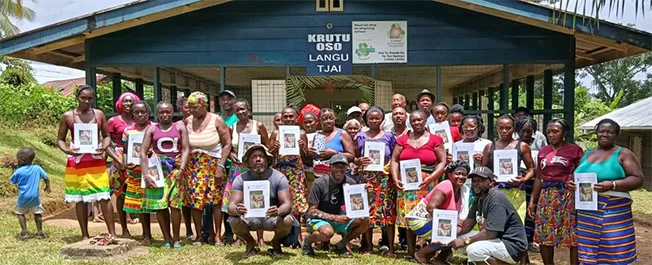
    Organized by Suriname’s Ministry of Agriculture, Livestock and Fisheries (LVV), the beginner training forms part of a national series of poultry development programs rolled out by the ministry. The overarching goal of these initiatives is to grow domestic food output and embed sustainable poultry farming practices within rural local communities. A total of 35 local villagers participated in this first held session, receiving hands-on, guided instruction across all core components of small-scale poultry production.

    Over the three-day course, trainees covered a range of essential topics designed to build practical foundational skills, including poultry housing design and management, balanced feeding practices, routine animal care, basic poultry anatomy, and simple farm record-keeping. Theoretical instruction was led by expert trainers from the LVV’s Directorate of Livestock. To ensure all participants could fully access the course content regardless of language barriers, a designated local villager served as an interpreter to clarify complex technical concepts and industry terminology.

    This training program underscores the ministry’s commitment to expanding knowledge transfer and building capacity within Suriname’s agricultural sector. LVV officials stress that accelerating the growth of the domestic livestock sector is no longer an optional policy goal for the country—it is an urgent necessity. In the current global landscape marked by volatile food prices and the inherent risks of overreliance on imported food goods, strategic investment in local production capacity has become a priority for Suriname’s economic and food stability. Through targeted support, adoption of innovative practices, and widespread knowledge sharing, the ministry aims to empower local poultry producers to operate more efficiently, sustainably, and profitably.

    The training concluded with a celebratory closing ceremony. As a gesture of appreciation for the ministry and training team, participating villagers performed a traditional local Seketi dance for attendees and instructors on the final day. LVV has publicly expressed gratitude to all participants, trainers, and local community partners who contributed to the successful execution of the program, and reaffirmed its ongoing commitment to advancing the development of Suriname’s broader agriculture and livestock sectors.

  • The Barbados Tridents Return

    The Barbados Tridents Return

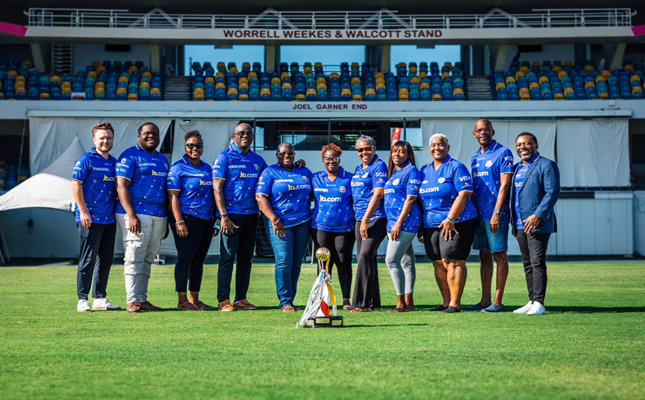
    Barbados is preparing to celebrate 60 years of national independence this year, and the island nation is marking the milestone with a landmark announcement that unites its beloved cricketing heritage with an innovative new model of sports collaboration. On Wednesday, May 13, 2026, the Government of Barbados and Royals Sports Group (RSG) unveiled plans to relaunch the iconic Barbados Tridents franchise in the Caribbean Premier League (CPL), anchored by a groundbreaking three-year public-private partnership dubbed ‘One Barbados’.

    After five years competing under the name Barbados Royals, the franchise is returning to its historic identity and national color scheme, complete with a newly redesigned matchday jersey that honors the island nation’s deep roots in international cricket and widespread national pride for the sport. This partnership marks what leaders say is the first public-private co-investment model of its kind in elite global franchise cricket, designed to position the relaunched Tridents as a year-round national asset rather than just a seasonal sporting franchise.

    Speaking at the official announcement, Prime Minister Mia Amor Mottley framed the relaunch as a fitting celebration of Barbados’ six decades as an independent nation. ‘As Barbados marks its 60th year of Independence, the One Barbados partnership encapsulates everything that we, as a young nation have accomplished thus far,’ Mottley said. ‘The return to the Barbados Tridents reflects our confidence, our pride and our ambition as a nation, as we begin to chart the path towards our next 60 years. Cricket has long been a core pillar of our national identity and self-determination. As such, it is incredibly fitting that through this partnership, we will see ourselves represented, in our national colours, with a name that speaks to who we are.’

    Mottley emphasized that the partnership’s core goal is to embed the Barbados Tridents at the center of national life, from inspiring youth athletes to boosting Barbados’ global profile, while demonstrating how professional sport can advance broader national priorities. She welcomed the innovative collaboration and RSG’s renewed commitment to the island nation and its people.

    Under the terms of the agreement, the Government of Barbados will become a minority co-investor in the franchise, pending completion of required regulatory approvals. Majority ownership and day-to-day management of the team will remain under the control of RSG, one of the world’s leading multi-team sports ownership platforms. This strategic structure is designed to align the government’s public national goals with RSG’s private-sector expertise in elite sports management, while locking in long-term stability for the franchise that will deliver benefits across Barbados year-round, not just during the CPL tournament season.

    Manoj Badale, Lead Owner of Royals Sports Group, reaffirmed the organization’s long-term commitment to Barbados, noting that the new partnership extends beyond cricket to support the island’s broader goals across tourism, investment and innovation. ‘One Barbados is a landmark partnership and, we believe, a first-of-its-kind public–private collaboration in elite franchise cricket. It reflects our long-term belief in Barbados – not only as a cricketing powerhouse, but as a nation with deep global relevance across sport, tourism, investment and innovation,’ Badale said.

    Relaunching the franchise under its original Tridents name and national identity is a powerful statement of the partnership’s shared ambition, Badale added, with the clear goal of delivering sustained on-field success, including bringing both men’s and women’s CPL titles to Barbados.

    Notably, the relaunched franchise will retain RSG’s longstanding association with the color pink, which originated from the group’s charitable work supporting cancer awareness and women’s empowerment. As part of the One Barbados initiative, the Tridents will host an annual dedicated charity match during each CPL season to raise funds for local Barbadian charitable causes, reinforcing the team’s commitment to creating social impact alongside on-field competition.

    For cricket fans across the Caribbean and beyond, the return of the Barbados Tridents marks not just a rebrand, but a new experiment in how governments and private sports organizations can collaborate to leverage sport for national pride and public good, as Barbados enters its seventh decade of independence.

  • Nevis’ Agriculture Minister Commends Anguilla’s Successful Agri Fest 2026

    Nevis’ Agriculture Minister Commends Anguilla’s Successful Agri Fest 2026

    CHARLESTOWN, Nevis – May 13, 2026 – In a new milestone for cross-island agricultural collaboration, Nevis’ Deputy Premier and Agriculture Minister Eric Evelyn has publicly commended the government and organizing team behind Anguilla’s 2026 Agri Fest, calling the event a masterclass in showcasing local agricultural progress amid persistent environmental challenges.

    Evelyn was joined by two senior Nevis agricultural officials – Rhosyll Gaskell, Assistant Secretary in the Ministry of Agriculture, and Randy Elliott, Director of Agriculture – for the opening of the exhibition, which was held on May 8 on the neighboring island. The Nevis delegation accepted the invitation to attend after a three-member Anguilla contingent visited Nevis’ own 30th annual Agri Expo earlier that same year.

    In comments shared by the Nevis Island Administration (NIA) following the trip, Evelyn emphasized that Agri Fest 2026 stood out for its thoughtful adaptation to Anguilla’s longstanding dry climate conditions. The island’s widespread adoption of cutting-edge agricultural technology and climate-resilient innovative farming practices, he noted, yielded produce of exceptional quality that exceeded his expectations. “It was quite impressive. Anguilla has been very dry over the years so they are using quite a lot of technology in terms of their production and it was an excellent showing,” Evelyn said. “I was impressed with the quality of produce that I saw, with the attendance, with the participation and I think it augurs well for them to grow that event in the future.”

    The minister extended his congratulations to Anguilla’s Ministry of Natural Resources and all participating stakeholders, emphasizing that the event clearly demonstrated the territory’s unwavering commitment to growing its domestic agricultural sector and strengthening national food security, even in the face of ongoing environmental hurdles. He also offered special recognition to outgoing Anguilla Director of Agriculture William Vanterpool, who is set to retire soon after decades of committed service to the island’s agricultural community. Evelyn described Agri Fest 2026 as a fitting capstone to Vanterpool’s impactful tenure, and praised the organizing team for pulling off a memorable, influential event that sets a strong foundation for Anguilla’s future agricultural growth.

    Centered on the theme “Transforming Local Food Systems to Feed the Future,” Agri Fest 2026 brought together a broad cross-section of the agricultural community, including small-scale farmers, commercial fishers, industry stakeholders, and local supporters, for a collective celebration of domestic agriculture and community resilience in the face of climate uncertainty. The opening ceremony featured addresses from senior agricultural leaders, government officials, and tourism sector representatives, all of whom reinforced the urgent importance of strengthening local food supply chains and advancing sustainable agricultural development to protect food access for future generations.

    Beyond the core agricultural exhibitions, attendees enjoyed a full schedule of community-focused activities, including traditional cultural performances, tastings of locally sourced dishes, and displays highlighting the breadth of Anguilla’s homegrown products and groundbreaking farming innovations. The event highlighted the deep connection between agriculture, cultural identity, and economic resilience across the island.

    For Evelyn, the exchange of delegations between Nevis and Anguilla this year is more than a simple courtesy: it embodies the spirit of regional cooperation and solidarity that unites small island nations working toward shared food security goals. The two territories have already held multiple high-level discussions focused on establishing formal bilateral trade relations for agricultural goods, with talks centered on fresh produce, fresh meats, processed agro-products, and prawns. As both islands continue to prioritize expanding domestic food production and building climate-resilient food systems, deeper regional collaboration remains a core strategic priority for both administrations.

  • “Just Swipe and Go”: Government Launches Revolutionary Healthcare Card System; 8,500 Public Servants to Immediately Benefit

    “Just Swipe and Go”: Government Launches Revolutionary Healthcare Card System; 8,500 Public Servants to Immediately Benefit

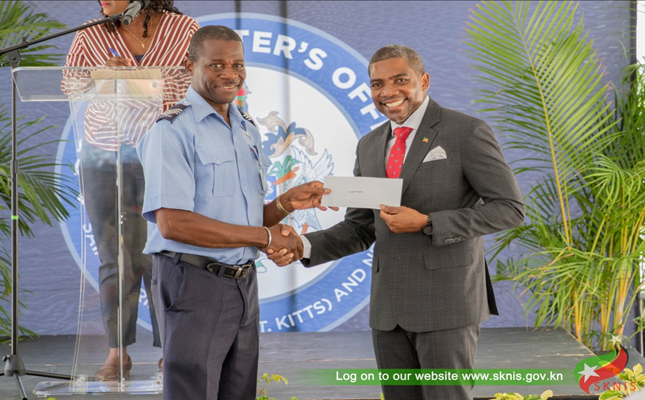
    BASSETERRE, Saint Kitts – May 13, 2026 – The government of St. Kitts and Nevis has ushered in a new era of streamlined, affordable healthcare access for public sector workers with the official launch of a revolutionary Digital Insurance Card system, branded with the tagline “Just Swipe and Go”. The cutting-edge initiative will immediately extend benefits to roughly 8,500 public servants, eliminating longstanding financial and administrative barriers to medical care.

    Developed through a public-private partnership between the St. Kitts and Nevis government and National Caribbean Insurance (NCI), the launch marks the next critical phase of the administration’s sweeping healthcare reform agenda. It comes five months after the December 2025 expansion of lifetime health coverage for all public sector employees and retirees, a policy that increased maximum lifetime benefits to one million Eastern Caribbean dollars and expanded coverage for eligible dependents of retired workers.

    Speaking at the official launch ceremony on Wednesday morning, Prime Minister and Minister of Finance Dr. Honourable Terrance Drew framed the new digital card system as a core commitment of his government to embed healthcare as a universal human right, rather than a limited privilege. “We believe that health care is a human right, that health care should not be a privilege, but it should be a human right,” Drew emphasized during his remarks.

    Unlike the previous reimbursement model that forced patients to cover full medical costs out-of-pocket before waiting weeks for manual claim approval, the new NCI WellCare Digital Insurance Card allows eligible users to only pay their required co-payment directly at the point of care. The remaining balance of any medical bill is settled instantly through NCI’s cloud-based digital claims processing network.

    NCI Chief Executive Officer Diana Williams Humphreys explained that the system was co-designed after extensive stakeholder consultations with the government, centered on the feedback of public servants who struggled with the burdens of the old process. “We heard you, and we have delivered today,” Williams Humphreys said. She walked through the simple user workflow: when an insured patient arrives at a participating provider’s office, pharmacy, or diagnostic clinic, they only need to present their digital card and a government-issued photo ID. The provider processes the claim in seconds through a dedicated card reader, with no manual forms to fill out and no extended wait for reimbursement. “There’s no claim form to be filled out. There’s no waiting for reimbursement, and real time access to health benefits,” she added.

    Currently, the network includes participating healthcare providers across St. Kitts, Nevis, and Anguilla, with officials confirming that additional providers will be added to the system on an ongoing basis to expand access for eligible users.

    Drew used the launch to highlight how the old reimbursement model placed crippling upfront financial burdens on ordinary citizens, many of whom faced hundreds of dollars in unplanned out-of-pocket costs just to access necessary care. He connected the digital card initiative to a broader package of public sector welfare reforms his administration has advanced, including sweeping pension adjustments and improved retirement benefits for Government Auxiliary Employees (GAEs).

    “Now you have a gratuity, now you have a pension, and now you have health care, until the Lord decides to take you from this earth,” Drew said, underscoring the government’s commitment to lifelong security for the nation’s public service workforce.

  • Kunnen China en de VS samen een ‘G2’ vormen?

    Kunnen China en de VS samen een ‘G2’ vormen?

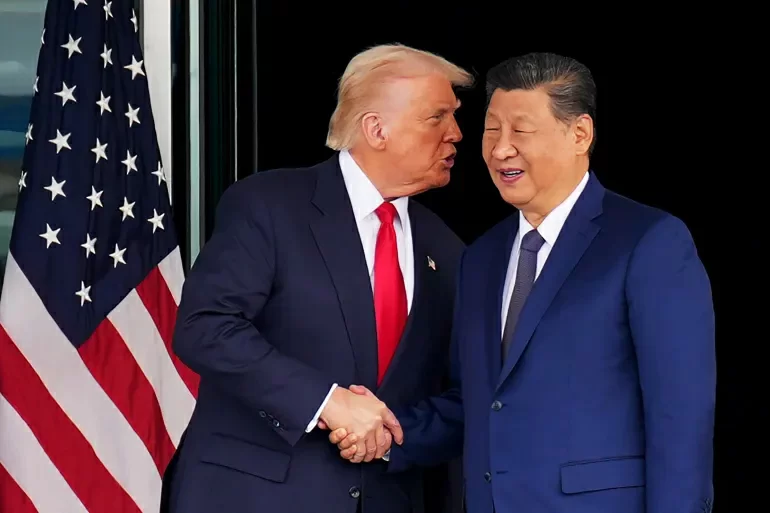
    A high-stakes bilateral summit between the leaders of the United States and China in Beijing has reignited global debate over the decades-old idea of a “Group of Two” (G2), an informal power-sharing arrangement that would see the world’s two largest economies jointly steer global governance amid shifting geopolitical tides.

    U.S. President Donald Trump arrived in Beijing on Wednesday for the two-day meeting with Chinese President Xi Jinping, marking their first in-person encounter in six months. The talks come after the two sides reached a temporary truce in their long-running trade dispute, though the summit was originally scheduled for March before being postponed amid escalating conflict involving the U.S., Israel and Iran.

    The broader Middle East crisis has already put fresh strains on bilateral ties: Iran’s closure of the Strait of Hormuz and subsequent U.S. countermeasures have disrupted Chinese commercial shipping and crude oil imports, nearly half of which come from the Middle East. Analysts widely expect Trump to push for a coordinated international military operation to reopen the strategic waterway, a proposal Beijing has opposed until now. For his part, Xi is anticipated to push for progress on core Chinese priorities, including expanded trade access, clarity on rare earth mineral trade rules, and a shift in U.S. policy regarding Chinese claims over self-governing Taiwan.

    The G2 concept has gained new traction as Trump has openly threatened to withdraw the U.S. from NATO over what he calls alliance members’ insufficient support for the U.S.-led campaign against Iran, pushing Washington further away from its traditional transatlantic and Asia-Pacific allies.

    First proposed in 2005 by prominent American economist C. Fred Bergsten, the G2 framework centers on the idea that the world’s two largest economies should share collective responsibility for stabilizing the global economy and addressing cross-border challenges, rather than operating in a zero-sum competition for global dominance. The concept gained significant mainstream attention during the Obama administration, which launched the U.S.-China Strategic and Economic Dialogue in 2009 to foster constructive cooperation on shared global priorities ranging from climate change to the clean energy transition.

    Still, the idea of a U.S.-China G2 faces widespread skepticism from both policymakers and analysts, who warn that such a bilateral arrangement would undermine multilateral global governance and allow the two superpowers to prioritize their own national interests over the needs of smaller and middle-sized states.

    Many global powers have already made their opposition clear. European Union leaders fear a G2 would weaken Europe’s global standing, particularly in trade and technological supply chains, prompting the bloc to accelerate efforts to reduce its dependence on both the U.S. and China for critical inputs including energy and rare earth minerals. Major emerging economies within the BRICS grouping, including India and Brazil, also view a closer U.S.-China bloc as a direct threat to their own regional and global geopolitical ambitions.

    Jing Gu, an analyst based in the United Kingdom, frames the Beijing summit less as a launch of a formal G2 and more as a strategic exploratory meeting. “Both sides are testing one another’s red lines and working to de-escalate existing tensions to avoid open conflict,” he notes.

    Steve Tsang, a leading London-based China expert, predicts the summit will likely produce a limited bilateral trade deal but argues a full-fledged G2 arrangement remains deeply unlikely. “Both Trump and Xi prioritize positioning their own country as the world’s leading superpower, a status that cannot be shared equally between two competing nations,” Tsang explains.

    The pair’s last meeting in Busan, South Korea in October 2025 was widely viewed as a positive step for bilateral relations: Trump himself publicly labeled the encounter a “G2 meeting” even though no formal agreement on the framework was reached, while Xi emphasized the potential for constructive partnership even as underlying great power tensions remained unaddressed.

    Despite China’s rapid rise as a global technological and economic power, Washington has yet to formally recognize Beijing as an equal peer on the global stage, a structural barrier that makes deep, long-term cooperation difficult to sustain.

  • Ambassador Theon Ali discusses Antigua’s landslide election and the future of UAE relations

    Ambassador Theon Ali discusses Antigua’s landslide election and the future of UAE relations

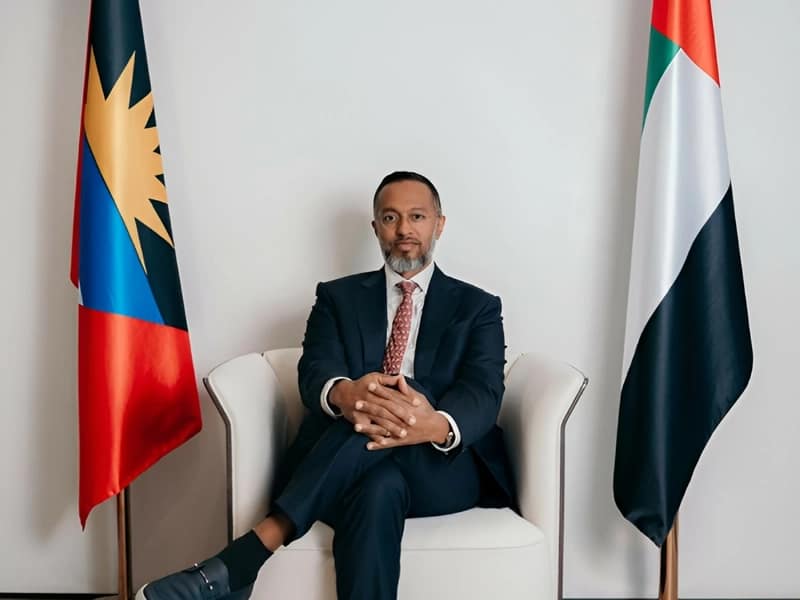
    Last week’s final vote count in St. John’s delivered a decisive outcome that has shaken up expectations across Caribbean political circles: the Antigua and Barbuda Labour Party secured a commanding landslide win, granting incumbent Prime Minister Gaston Browne a fourth consecutive term in office. Against a regional backdrop where frequent leadership turnover regularly reshapes executive agendas, this result locks in long-term policy continuity at the highest level of the island nation’s government.

    For the United Arab Emirates and the broader Gulf region, the re-election of Browne’s administration preserves the steady diplomatic trajectory that has defined Antigua and Barbuda’s bilateral relationship with the UAE over recent years. Ongoing high-level talks spanning cross-border investment, civil aviation connectivity, renewable energy development, and technology partnership will move forward without disruption, a stability that carries particular weight for long-term bilateral projects requiring years of sustained coordination and consistent policy commitment.

    Over the past decade, ties between the UAE and Antigua and Barbuda have expanded gradually and intentionally, rooted in deliberate diplomatic engagement, targeted investment dialogue, and collaborative work on shared priorities ranging from climate resilience to tourism development and cross-border financial services. Antigua and Barbuda has emerged as an influential regional voice for climate action and economic diversification within the Caribbean Community (CARICOM), while the UAE has continued to deepen its diplomatic and economic footprint across fast-growing emerging small island markets.

    One of the most advanced collaborative initiatives currently moving forward is the push to establish direct air links between the two nations, a priority that has moved far beyond early exploratory talks, according to Antigua and Barbuda’s Ambassador Theon Ali. “This is not a new ambition or just a hopeful line in a feasibility study,” Ali explained. “It is an active, ongoing policy file that has required navigating complex air service agreements, working through route economic modeling, and addressing the unique operational realities of long-haul travel to a small island market. This is the invisible infrastructure of international partnership—unglamorous, slow to build, and absolutely essential to unlocking deeper engagement.”

    Direct flight connectivity would deliver widespread mutual benefits, boosting two-way tourism flows while supporting increased business travel, cross-border educational exchanges, and broader economic integration. Antigua and Barbuda’s luxury tourism sector, anchored by its pristine white-sand beaches, world-class yachting infrastructure, and premium hospitality offerings, aligns perfectly with the rapidly growing outbound travel demand from Gulf region tourists seeking high-end Caribbean getaways.

    Beyond connectivity, digital transformation and artificial intelligence cooperation have emerged as a fast-growing area of shared interest. Antigua and Barbuda has ramped up investment in national digital upgrade initiatives in recent years, including rolling out modern e-governance systems, launching AI-assisted supply chain and logistics programs, and building data-driven infrastructure to support the tourism sector. National policymakers are actively seeking international partnerships to support technical implementation and build local digital capacity across government agencies.

    With its own rapid expansion of national AI infrastructure and globally recognized smart government services, the UAE is uniquely positioned to serve as a key technical partner for Caribbean states working to modernize their digital ecosystems. The country’s high-profile developments in AI and sustainable technology—from the innovation hub of Masdar City to national government AI deployment initiatives, and ongoing work with leading regional technology firms like G42—have drawn growing international attention from governments seeking digital development partners.

    Climate action and renewable energy cooperation remain the most deeply rooted pillar of the bilateral relationship, a priority shaped by the existential climate vulnerability that defines life across the Caribbean. The region has faced increasingly destructive hurricane seasons in recent decades, with Barbuda suffering near-total devastation during Hurricane Irma in 2017, when an estimated 95 percent of the island’s infrastructure and built environment sustained severe damage.

    In March 2024, the Green Barbuda renewable energy project was officially inaugurated through funding from the UAE-Caribbean Renewable Energy Fund, a landmark initiative designed to cut the island’s reliance on imported fossil fuels. The project’s hybrid solar facility combines 720 kilowatts of solar photovoltaic capacity with industrial-scale battery storage and a diesel backup system engineered to withstand hurricane-force winds up to 265 kilometers per hour.

    Project data shows the facility will cut Barbuda’s annual diesel consumption by roughly 406,000 liters, reducing annual carbon dioxide emissions by more than one million kilograms. Launched in 2017, the UAE-Caribbean Renewable Energy Fund now supports renewable energy access projects across 16 Caribbean nations. Looking forward, stakeholders expect the Green Barbuda facility to serve as a replicable model for future renewable energy expansion across Antigua and Barbuda and the wider Caribbean, as regional governments continue working to transition away from costly, carbon-intensive diesel dependency.

  • Antigua And Barbuda Nominates H.E. María Fernanda Espinosa As Candidate For Un Secretary-General

    Antigua And Barbuda Nominates H.E. María Fernanda Espinosa As Candidate For Un Secretary-General

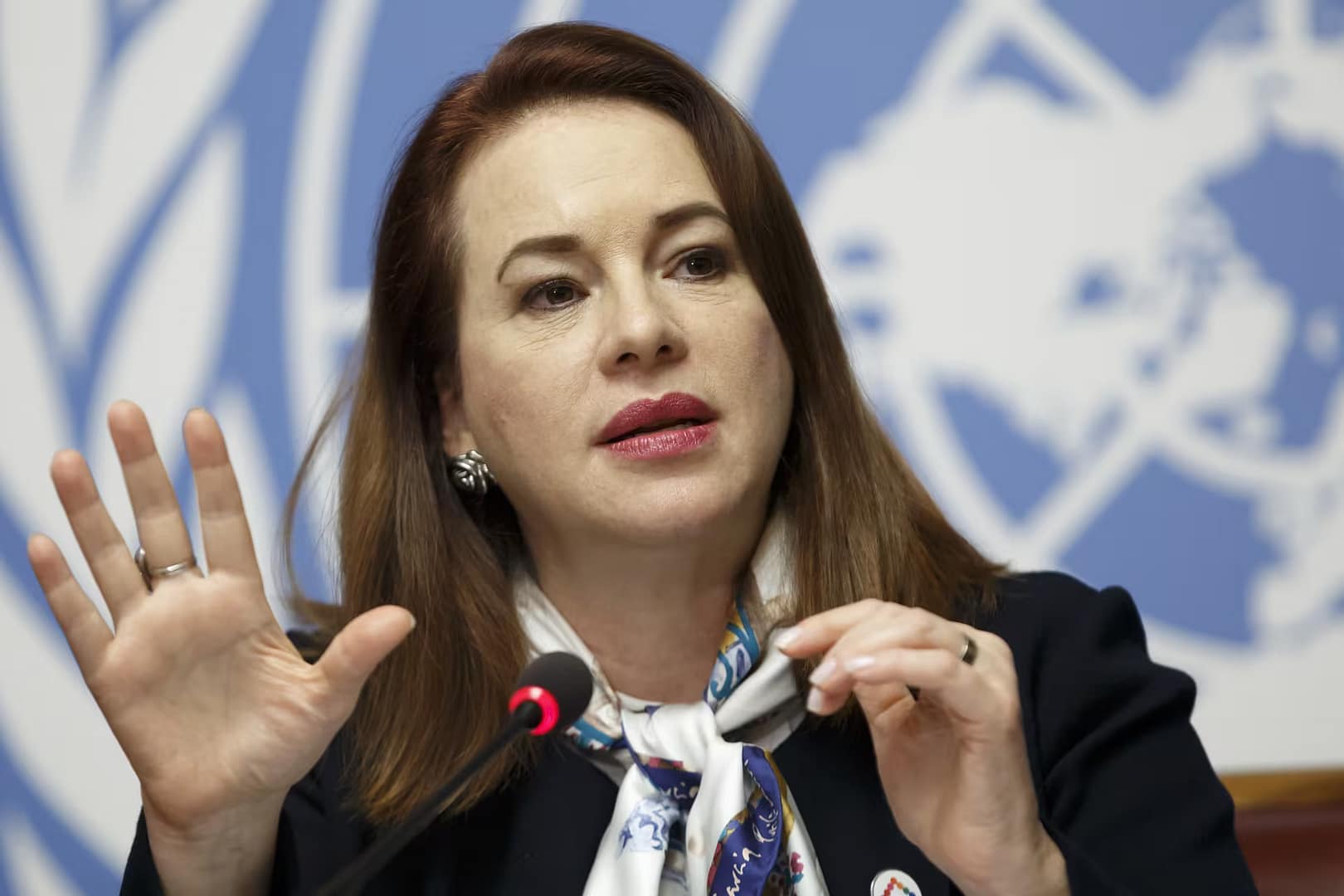
    Antigua and Barbuda has officially put forward Her Excellency María Fernanda Espinosa Garcés, a veteran Ecuadorian diplomat and former United Nations General Assembly President, as its candidate for the next United Nations Secretary-General. The nomination was formally submitted to the heads of both the UN General Assembly and Security Council, aligned with the established selection process outlined in a joint November 25, 2025 document.

  • Caribbean Countries to Get Priority Access to Pandemic Flu Vaccines

    Caribbean Countries to Get Priority Access to Pandemic Flu Vaccines

    Against a backdrop of persistent global zoonotic disease threats and hard-won lessons from the COVID-19 pandemic, the Pan American Health Organization (PAHO) has announced a groundbreaking public-private partnership with CSL Seqirus to reserve a dedicated supply of pandemic influenza vaccines for countries across Latin America and the Caribbean. This historic agreement creates a formal, pre-negotiated mechanism that locks in a fixed percentage of CSL Seqirus’ global pandemic influenza vaccine output for participating PAHO member states, guaranteeing eligible nations early access to an pre-allocated initial stock of doses when a public health emergency strikes.

    PAHO Director Dr. Jarbas Barbosa framed the agreement as a direct correction to gaps in global pandemic preparedness exposed by COVID-19, and a transformative leap forward for regional health security across the Americas. “Through our Regional Revolving Funds, countries are joining forces to secure a reserved share of vaccine production, helping protect those at risk when it matters most,” Barbosa explained. Leveraging CSL Seqirus’ decades of specialized experience in influenza research and large-scale vaccine manufacturing, the deal tasks the company with leading vaccine development and supporting targeted technology transfer to build regional capacity.

    A portion of vaccine production will be based at Argentina’s Sinergium Biotech, a partnership that directly addresses another critical lesson from the COVID-19 pandemic: the urgent need to strengthen local manufacturing capabilities and regional supply chain resilience. For CSL Seqirus, the partnership marks a first-of-its-kind commitment to pandemic preparedness in the region, bringing together pre-reserved doses, local production infrastructure, and long-term cross-sector collaboration. “We’re proud to establish this kind of partnership in Latin America and the Caribbean for the first time,” said David Ross, Executive Vice President and General Manager of CSL Seqirus.

    Alejandro Gil, President and CEO of Sinergium Biotech, noted that the collaboration builds on 15 years of capacity building and long-standing partnerships with both PAHO and CSL Seqirus. “The infrastructure and human resource capacities developed at Sinergium over the past 15 years now enable us to guarantee countries in the region access to quality products to respond to future pandemics, in line with the regional strategies defined by PAHO,” Gil said, adding that the work is a source of great pride for the firm.

    Negotiated over 12 months following an international competitive procurement process, the agreement is designed to cut down the timeline for securing life-saving vaccines during a pandemic, when global demand skyrockets and competition for limited supplies leaves many nations locked out. Critically, it is one of the first pre-pandemic supply arrangements specifically tailored to improve access for middle-income countries, which have long faced systemic disadvantages in competitive global vaccine markets.

    PAHO’s Regional Revolving Funds allow participating countries to pool their demand and negotiate as a unified bloc, putting Latin American and Caribbean nations on par with higher-income countries when it comes to securing favorable contract terms. This structure directly advances more equitable access to vaccines in a market that has historically favored wealthy nations. When a pandemic is declared, PAHO will allocate the reserved doses according to epidemiological data and public health risk, with top priority given to the region’s most vulnerable populations. By locking in supply in advance and establishing clear, pre-agreed allocation rules, the agreement shifts the region from a reactive, after-the-fact response model to a proactive, prepared approach.

    Barbosa emphasized that the deal marks an unprecedented shift for the region: “For the first time, countries of the Americas are positioning themselves on more equal footing in a future global health emergency—not as individual markets, but as a region. This agreement shows what is possible when we act together to leverage the power of pooled procurement.” As avian influenza and other emerging zoonotic threats continue to circulate globally, PAHO reiterated that sustained investment in pandemic preparedness remains an urgent public health priority. Virologists and global public health experts consistently identify influenza viruses, particularly those with zoonotic origins, as among the highest probability causes of the next global pandemic.

  • APUA Stops Taking Water From Potworks Reservoir Due to Drought

    APUA Stops Taking Water From Potworks Reservoir Due to Drought

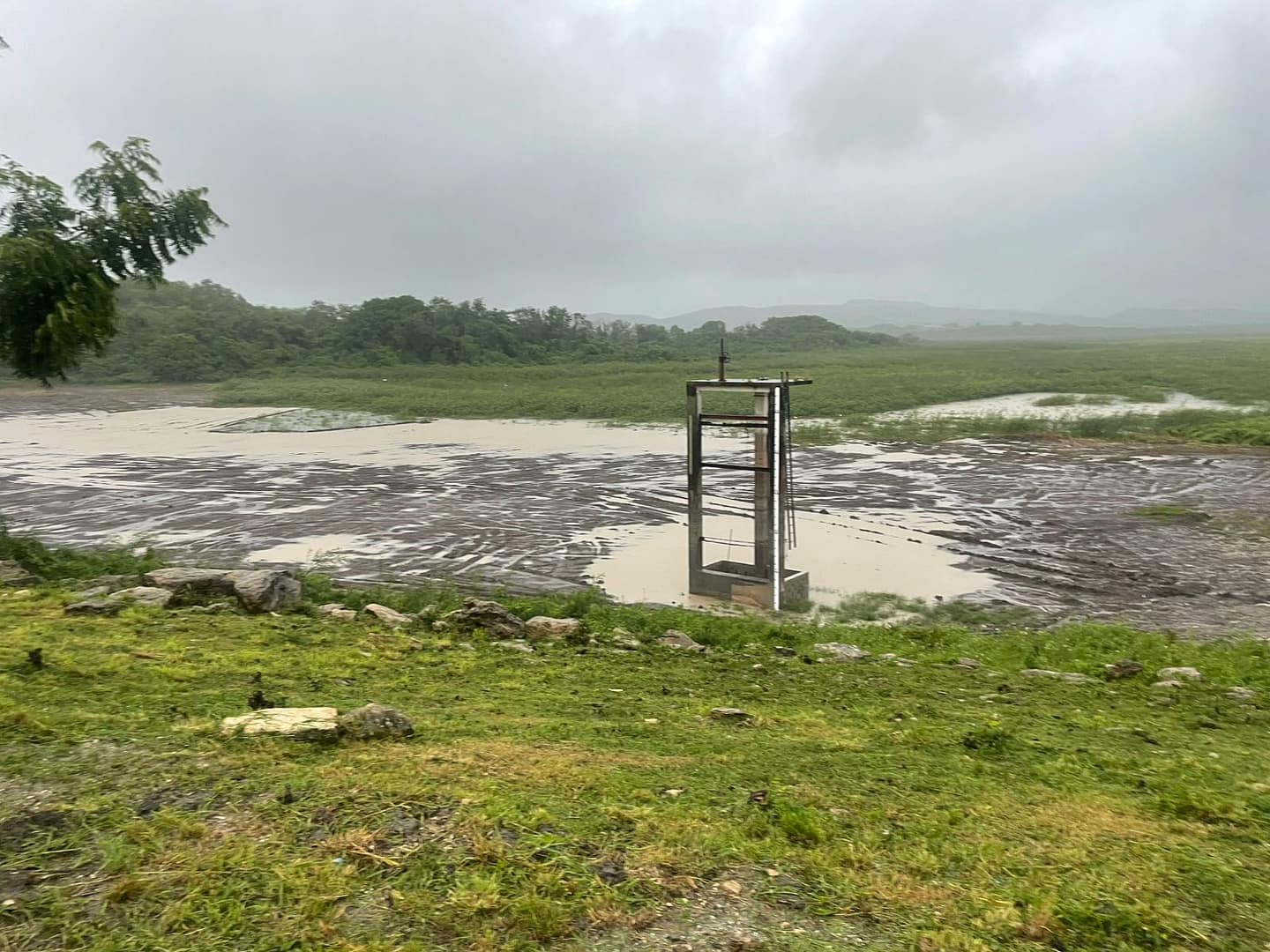
    A worsening drought across the island nation has forced the Antigua Public Utilities Authority (APUA) Water Business Unit to suspend all water pumping operations from Potworks Reservoir, the country’s largest surface water catchment, after water levels dropped to critically low thresholds that make continued extraction unsafe and unsustainable.

    For months prior to the shutdown, Potworks Reservoir fed the adjacent Delaps Water Treatment Facility, which supplied treated water to dozens of residential communities across the island’s southeastern region. The facility contributed an average of 1.2 million imperial gallons of potable water to the national distribution network daily, making it a key component of the country’s water supply infrastructure. However, months of persistent below-average rainfall and prolonged drought have pushed reservoir levels far below the minimum required for continued extraction.

    Southeastern communities that previously relied on the Potworks-Delaps system will now receive water from two existing reverse osmosis facilities: the Crabbs Reverse Osmosis Plant and the Barnacle Point Reverse Osmosis Facility. APUA officials noted that investments in desalination infrastructure over the past 12 months have already bolstered the national water grid’s resilience, allowing the utility to offset the full loss of Potworks’ output without a drastic reduction in overall daily production.

    Across all active supply systems — which include reverse osmosis desalination and groundwater extraction — the Water Business Unit still maintains a total daily output of roughly 8.5 million imperial gallons of potable water. Even with this consistent production, the utility warns that rising demand, driven by steady population growth, expanding tourism development, new housing projects, and overall economic expansion, puts continued pressure on the supply network.

    During the transition to the new supply routing, some customers may experience temporary disruptions to service, reduced water pressure, or longer gaps between scheduled water deliveries. These issues are most likely to impact customers living in elevated areas of the southeastern region. The full list of affected communities includes American Road, All Saints Road, Belmont, Bethesda, Biggins, Buckleys, Folly Hill, Horsford Hill, John Hughes, Liberta, Ottos New Town, Patterson, Radio Range, St. Clair Heights, Swetes, Wallings, and portions of Falmouth.

    To address the long-term gap left by the Potworks shutdown and improve regional transmission capacity, APUA is in the final stages of constructing new transmission lines in the Herbert’s area, which will carry additional water from the Crabbs and Barnacle Point facilities to affected communities. The utility is also on track to commission a brand-new 3.2 million imperial gallon per day reverse osmosis facility before the end of the year, while the organization’s hydrology team continues exploratory work to identify and develop new groundwater reserves through new well drilling initiatives.

    APUA emphasized that reliable access to potable water is a foundational requirement for the island’s daily life and economic activity, and has moved to reassure residents that multiple long-term projects to strengthen and expand the national water system remain actively in progress. The organization is encouraging all customers across the island to continue practicing voluntary water conservation and maintain emergency water storage where possible, to help mitigate the ongoing impacts of the drought.

    In closing, APUA expressed sincere gratitude to the public for their patience and understanding as utility teams work to adapt to drought conditions and preserve reliable water service for all communities across the island.