
In a significant move to enhance breast cancer detection and treatment, the primary hospital in Antigua and Barbuda has initiated a fundraising campaign to acquire a state-of-the-art mammogram machine. This initiative, launched during Breast Cancer Awareness Month, aims to bolster screening capabilities and minimize patient waiting times. The hospital has encouraged the public to support the cause by purchasing specially designed awareness pins and wristbands, available at the hospital’s cashier and Woods Pharmacy. Officials have emphasized that all contributions will be directly allocated to the purchase of the new equipment, underscoring its critical role in advancing local healthcare infrastructure and raising nationwide awareness about breast cancer. This effort reflects a broader commitment to improving public health outcomes and ensuring timely access to essential medical services.
作者: admin
-

EU personal data protection rules affect economic and financial players in Dominica and the wider Caribbean
For individuals outside the European Union, the concept of privacy and its implications on daily legal, social, medical, financial, and business transactions often remains overlooked. However, the EU’s stringent privacy regulations serve as a crucial wake-up call for third-country residents, highlighting the importance of safeguarding personal data. These regulations mandate the protection of natural persons’ data during its handling, processing, and use, ensuring accountability for processors, handlers, users, and data owners alike. The EU’s legal framework equips authorities with robust mechanisms to address breaches, misuse, or inadequate protection of personal data, with consequences tailored to factors such as the context, timing, and manner of data sharing. Recognizing the evolving nature of transactions and the heightened exposure of personal data, the EU has proactively updated its privacy laws. These updates aim to empower individuals with greater control over their data while compelling businesses—whether in Dominica, the EU, the US, Barbados, or elsewhere—to handle personal information responsibly. Marcia B. Moulon, Esq., a distinguished attorney with expertise across multiple jurisdictions, underscores the significance of these regulations in fostering global data protection standards.
-
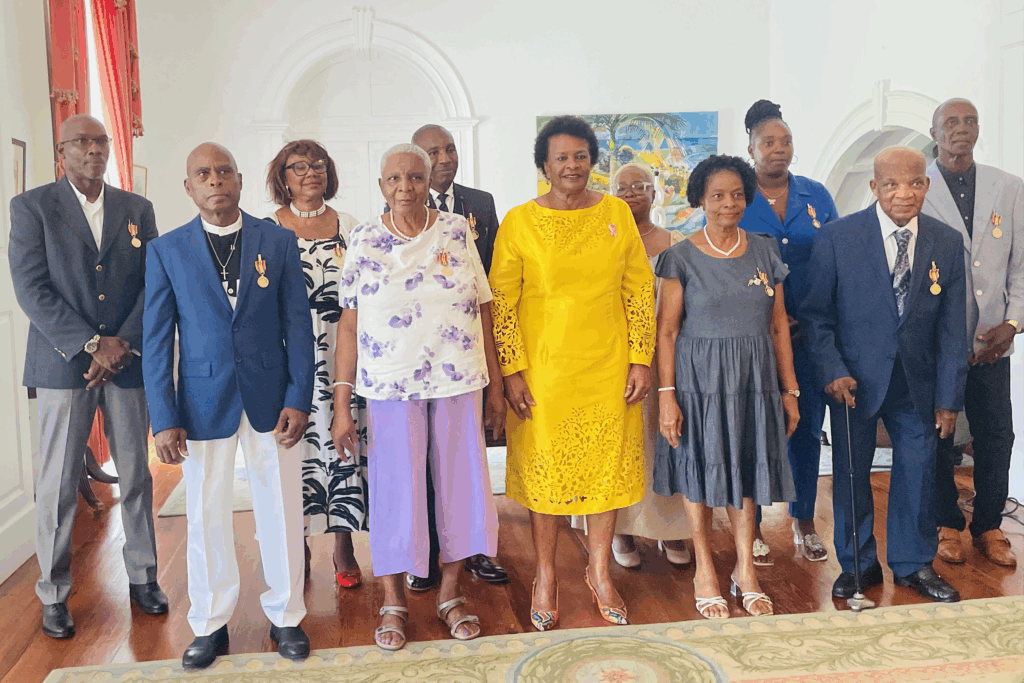
President honours Barbadians for exceptional community service
In a heartfelt ceremony, President Dame Sandra Mason of Barbados has honored exceptional citizens with the Pride of Barbados Awards, celebrating their extraordinary contributions to their communities. These awards, a key component of the diaspora outreach initiative ‘We Gatherin’, acknowledge individuals whose efforts reflect the nation’s core values of unity and compassion. Due to unforeseen circumstances, the awards were presented to recipients who could not attend the official ceremony at State House. Among the distinguished honorees was Reverend Dr. Lucille Baird, affectionately known as ‘The Torch of St James.’ Dr. Baird was recognized for her lifelong commitment to empowering underserved youth, vulnerable women, and incarcerated men in her parish. Her visionary leadership and faith-driven service have left an indelible mark on her community. ‘This award is not just for me,’ she humbly stated. ‘It is for my church, my people, and my parish. I am deeply grateful and will continue my work until God calls me home.’ Another notable recipient, Anthony Lynch, was celebrated for his profound acts of kindness and unwavering generosity. From donating school supplies to aiding struggling families, Lynch’s selfless actions have strengthened community ties and inspired others to give back. Kim Holder of St. Andrew was honored for her over two decades of excellence in tennis. As a mentor and coach, she has nurtured future champions and demonstrated an unwavering commitment to supporting differently abled youth. Lastly, Patrick Waithe of St. Philip was recognized for his lifelong dedication to mentoring through sports, faith, and community leadership. As the founder of the JA Cricket Academy, his passion for youth development continues to shape future generations. These awards serve as a testament to the power of individual contributions in fostering a stronger, more compassionate society.
-

Homeless Man Charged for Breaking into Store
In a recent development in St. John’s, Antigua and Barbuda, a 40-year-old homeless man, Gishaun Grigg, has been arrested and charged in connection with a break-in and theft at Fashion Alert Store on Corn Alley. The incident, which occurred on September 5, 2025, involved the alleged theft of several items, including Samsung and Alcatel cellphones, kids’ tablets, vapes, tobacco products, hookahs, and an undisclosed amount of cash. Following a thorough investigation, Grigg was apprehended and is now awaiting his court appearance to face the charges. The Royal Police Force of Antigua and Barbuda has reiterated its call for business owners to bolster their security measures and promptly report any suspicious activities in their vicinity. This case highlights ongoing concerns about crime and homelessness in the region, prompting discussions about the need for comprehensive social and security reforms.
-

Cashew Hill Man Questioned in Shooting Incident
A resident of Cashew Hill in Antigua and Barbuda is currently under police interrogation following a shooting incident that occurred on Tuesday evening. The incident, which took place around 8:00 p.m., prompted immediate action from the Criminal Investigations Department and the Task Force (CIDTF) after local residents reported hearing what sounded like gunshots. Authorities swiftly responded to the scene, leading to the arrest of a male suspect believed to be involved in the incident. Fortunately, no injuries were reported. The investigation remains ongoing, with law enforcement urging anyone with relevant information to come forward. Confidential tips can be directed to the Criminal Investigations Department at 462-3913 or through the emergency hotline at 911. The police have assured the public that all information will be handled with the utmost discretion. Meanwhile, the community remains on alert as authorities work to uncover the full details of the case.
-
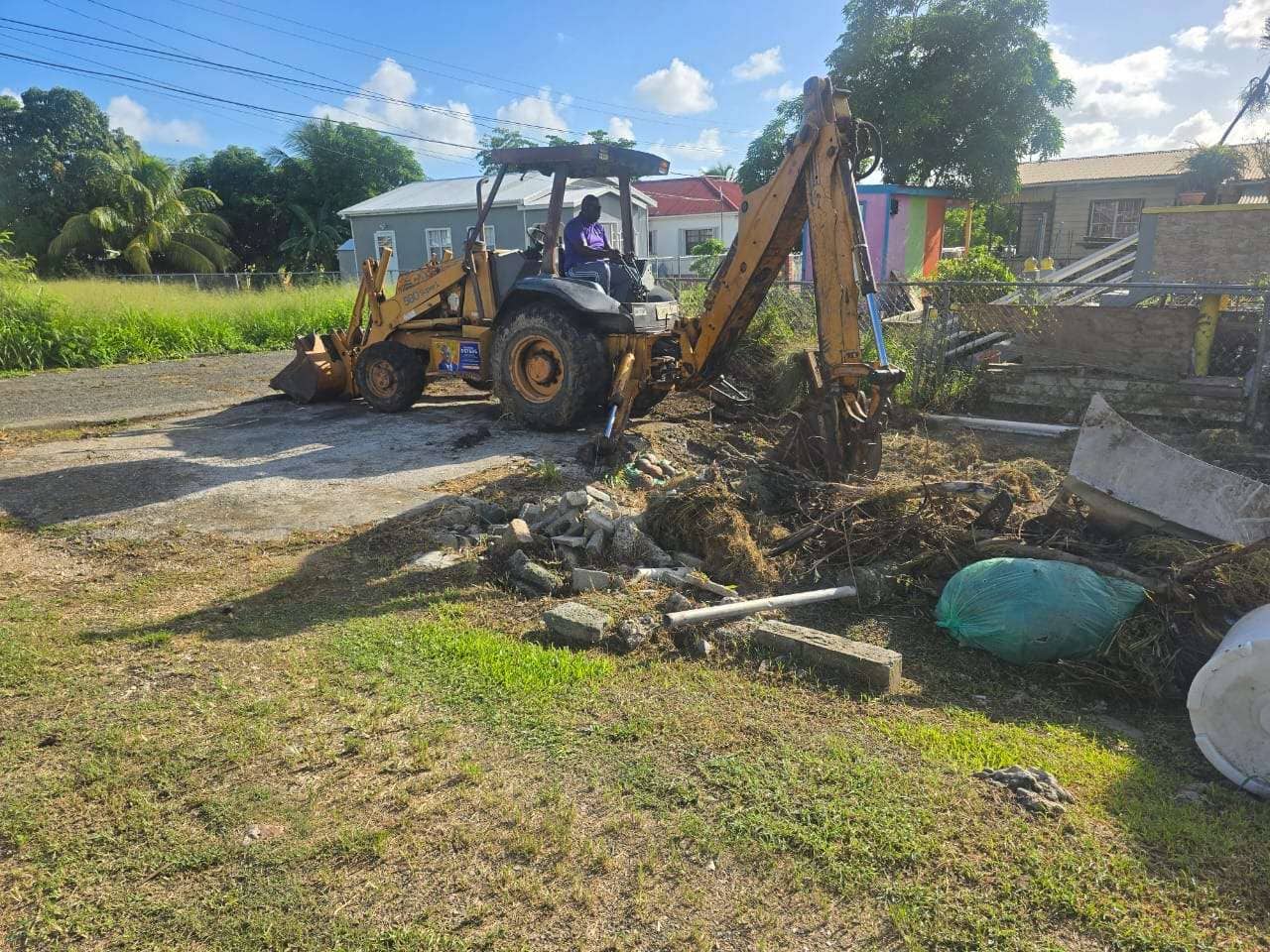
UPP Caretaker Peters Reconnects with Lower Ottos Residents
Emanuel Peters, the United Progressive Party (UPP) caretaker for St. John’s Rural South, dedicated his weekend to engaging with residents of Lower Ottos, a community he regards as the cornerstone of his public service career. Peters, who has been actively meeting constituents across the district, used this visit to highlight his dedication to community development, environmental sustainability, and collective advancement. He acknowledged the challenges faced by the residents and reiterated his commitment to addressing their concerns. Expressing gratitude for their unwavering support, Peters vowed to expand his grassroots outreach efforts throughout St. John’s Rural South. This initiative aims to strengthen community ties and reaffirm the UPP’s pledge to people-centered representation. Peters’ visit underscores his ongoing efforts to foster a collaborative and inclusive approach to governance.
-

Baltimore Honours Teachers and School Staff on World Teachers’ Day
In a heartwarming celebration of World Teachers’ Day, St. Philip’s North Caretaker Randy Baltimore joined educators and support staff at the Nelvie N. Gore and Newfield Primary Schools to honor their invaluable contributions. The event, held as part of the constituency’s observance of the international day, saw Baltimore presenting tokens of appreciation to teachers, custodians, and school meals workers. He lauded their unwavering dedication, emphasizing that their efforts extend far beyond classroom instruction, playing a pivotal role in shaping “brighter futures for our children.” The celebration underscored the critical role of teachers and education workers in fostering community development and nurturing the next generation. The event also highlighted the importance of recognizing the often-overlooked contributions of support staff, who ensure the smooth functioning of educational institutions. World Teachers’ Day, celebrated globally on October 5th, serves as a reminder of the profound impact educators have on society. Baltimore’s gesture not only honored the recipients but also reinforced the community’s commitment to supporting its educational workforce. The event concluded with a sense of unity and gratitude, leaving attendees inspired to continue their vital work.
-

Dominica amongst four to join regional fisheries group
In a significant move for regional collaboration, four Caribbean nations—Anguilla, The Bahamas, Dominica, and Montserrat—have officially joined the Caribbean Regional Fisheries Mechanism (CRFM) by signing the Agreement Establishing the organization. The signing ceremony took place during the Sixteenth Special Meeting of the CRFM Ministerial Council, held as part of the Caribbean Week of Agriculture in Saint Kitts and Nevis. The event, organized under the Caribbean Community (CARICOM) Secretariat, marked a milestone in regional fisheries management. Representatives from the four nations, including Hon. Roland Royer of Dominica, Hon. Kyle Hodge of Anguilla, Mr. Montez Williams of The Bahamas, and Hon. John P. Osborne of Montserrat, collectively signed the agreement, underscoring their commitment to sustainable fisheries practices. Dr. Marc Williams, Executive Director of the CRFM Secretariat, lauded the decision, emphasizing the importance of their active participation in the organization. Established in 2003 in Belize City, the CRFM is an intergovernmental body under CARICOM dedicated to the sustainable management of marine and aquatic resources. The CRFM has implemented several key policies to enhance governance, including the Caribbean Community Common Fisheries Policy (CCCFP), Personal Data Protection Policy, Anti-Bribery and Anti-Corruption Policy, and Whistleblower Policy. These initiatives aim to promote transparency, integrity, and sustainable resource management. Dr. Williams also highlighted the CRFM’s efforts to adopt gender-sensitive approaches and incorporate the perspectives of youth and Indigenous communities in its initiatives. With the addition of these four nations, the CRFM now comprises 17 member states, furthering its mission to manage shared, migratory, and straddling fish stocks effectively. The organization continues to provide technical advice and consultative services to national fisheries authorities, supporting the conservation and sustainable utilization of marine resources.
-

As blood supply dwindles, QEH appeals for donors
The Queen Elizabeth Hospital (QEH) has amplified its appeal for blood donations, sounding the alarm over critically low reserves and emphasizing the urgent need for donors to maintain vital emergency and surgical services. Dr. Christine Greenidge, Chief Operations Officer at QEH, underscored the indispensable role of community support during her appearance on the hospital’s Pulse Radio Show. ‘Blood is a lifeline for our doctors, especially in the Emergency Department and other critical areas where lives are saved daily,’ she stated. She further explained that trauma cases, such as gunshot and stabbing injuries, often demand substantial blood supplies, making donations a cornerstone of effective medical care. Dr. Greenidge also issued a special plea for rare blood types, including O negative and A negative, praising recent donors who swiftly responded to previous appeals. ‘We reached out to individuals with whom we have established relationships, and they stepped up immediately,’ she remarked. To bolster national reserves, several blood drives are planned across the island throughout October. Collection teams will be stationed at Ross University on Friday and Saturday, PricewaterhouseCoopers (PwC) from October 13 to 16, and Bajan Sigmas on October 23. Donors are encouraged to visit the QEH Blood Bank, located adjacent to the Winston Scott Polyclinic, where staff, including manager Wendy Lord, are prepared to assist. Both whole blood and platelets are in high demand to meet patient needs. ‘When our stock levels fall below the required threshold, it’s our responsibility to issue an appeal to ensure these units are available,’ Dr. Greenidge emphasized. She urged individuals with rare blood types to step forward, saying, ‘If you know you belong to a rare blood group and are willing to donate, please visit the blood bank.’
-

Father shot dead moments after tucking daughter into bed
In the quiet neighborhood of Bayville, a serene evening turned into a nightmare for Tori Bascombe and her family. On Monday night, her partner of 12 years, Akil Blacks Hinds, was fatally shot just outside their home on Sandbox Avenue. The incident occurred moments after they had tucked their daughter, A’niyah, into bed, shattering their peaceful routine and leaving the family in profound grief.
Bascombe, struggling to hold back tears, recounted the harrowing moments when her life changed forever. She described how Hinds was lying on the bonnet of their car when a masked gunman approached around 10:10 p.m. and fired multiple shots. Hinds was rushed to Queen Elizabeth Hospital but succumbed to his injuries. Bascombe vehemently denied rumors of a shootout, asserting that Hinds was not involved in any violent altercation. She speculated that the incident might have been a robbery, as Hinds’ chain was missing after the attack.
Hinds, a 36-year-old bridgeman at Chamberlain Bridge, was known for his calm and easy-going demeanor. Bascombe painted a picture of a devoted family man who lived for his partner and daughter. ‘He eat, sleep, and breathe me and he daughter,’ she said, emphasizing their inseparable bond. The couple had been planning a staycation for A’niyah’s upcoming eighth birthday, but now Bascombe faces the heartbreaking task of celebrating without Hinds.
The community of Bayville, though known for its history of violence, had been relatively peaceful in recent times. However, the shooting has left residents, including Bascombe, feeling uneasy and fearful. ‘I would say yes [I’m scared],’ she admitted, describing her inability to sleep or relax since the incident. She believes Hinds may have been targeted but cannot fathom why anyone would want to harm him, given his peaceful nature and spiritual outlook on life.
Hinds was an avid football enthusiast who enjoyed watching matches on weekends and had been looking forward to the Prime Minister’s Cup fixtures. His sudden death has left a void not only in his family but also in the community, where he was well-loved and respected. As Bascombe and her daughter navigate this unimaginable loss, they are left grappling with questions and a future forever altered by tragedy.