作者: admin

  • Grenada seeks bigger diaspora role in shaping future

    Grenada seeks bigger diaspora role in shaping future

    Grenada’s ruling government under Prime Minister Dickon Mitchell has unveiled a groundbreaking new strategy to formally embed Grenadian diaspora communities across the globe into the country’s long-term national development agenda, with the first-ever Grenada Diaspora Homecoming event slated to run from June 21 to July 5 marking the opening of this reimagined partnership.

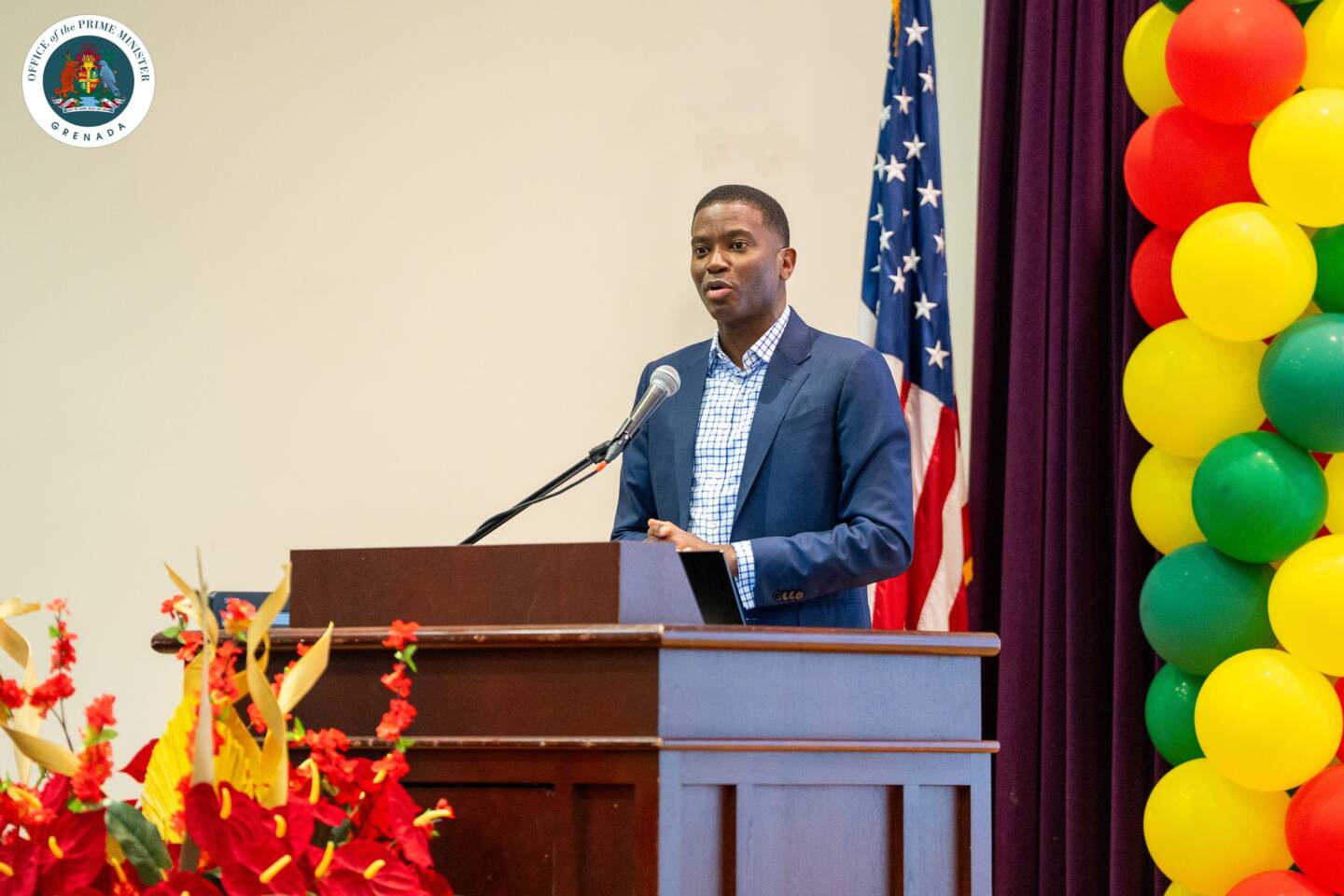
    Prime Minister Mitchell first laid out the details of the cabinet-approved initiative during a Diaspora Town Hall gathering in New York on Sunday, part of a cross-regional outreach campaign to engage Grenadians living outside the country ahead of the event. He emphasized that the island nation’s past approach to engaging its diaspora has long been limited to informal, ad hoc interactions centered overwhelmingly on remittances, charitable donations and philanthropic contributions. While Mitchell expressed gratitude for these longstanding contributions from overseas nationals, he stressed that a new, intentional strategic framework is long overdue to expand collaboration beyond the existing model.

    “The future development of Grenada cannot be achieved without the active participation of our diaspora, bringing their unique expertise, professional skills, global networks, and financial resources to shape our nation’s trajectory over the next quarter century,” Mitchell said, framing the 2026 inaugural Diaspora Homecoming as the first critical step toward this integrated vision.

    He added that the annual homecoming event is the government’s tangible commitment to deepening strategic ties, turning policy commitments into actionable engagement. “The diaspora homecoming is a formal recognition of the invaluable role our overseas citizens play, and this annual gathering is how we put our commitments into practice to foster deeper, more structured connections between the diaspora and our homeland.”

    Over the course of the two-week event, returning Grenadians from across the diaspora – which has large established communities in Toronto, London, and multiple regions of the United States – will take part in a full schedule of cultural immersion experiences, economic development roundtables, cross-community networking sessions, and skills-sharing workshops designed to reconnect overseas nationals with Grenada, its sister islands Carriacou and Petite Martinique, and their national heritage.

    Terrence Forrester, Grenada’s Ambassador for Diaspora Affairs, described the initiative as a historic policy turning point for the government. “This marks a fundamental strategic shift: for decades, the diaspora was primarily viewed through the narrow lens of remittances and informal contributions. Today, we are positioning overseas Grenadians as full, equal partners in our national development process,” Forrester explained.

    The official event schedule will kick off June 21 with a formal welcome ceremony for returning nationals at Maurice Bishop International Airport, followed by an interfaith church service. The two-week program will conclude on July 5 with a large-scale public concert hosted at the Grenada Trade Centre.

    Beyond cultural and networking opportunities, the initiative also seeks to give diaspora community members a direct, meaningful voice in shaping Grenada’s future development priorities. “This is your chance to share your perspectives, your vision for our nation, your concerns, and your recommendations. This event will become a permanent fixture on our national calendar, and it will serve as a catalyst for inclusive growth across all three of our islands,” Mitchell noted.

    The New York town hall is just one of multiple pre-event outreach stops the prime minister and his team have planned to raise awareness of the initiative, build broad community support, and encourage strong participation from diaspora communities based in North America, Europe and beyond.

  • CDEMA, mapping charity renew partnership to strengthen disaster response

    CDEMA, mapping charity renew partnership to strengthen disaster response

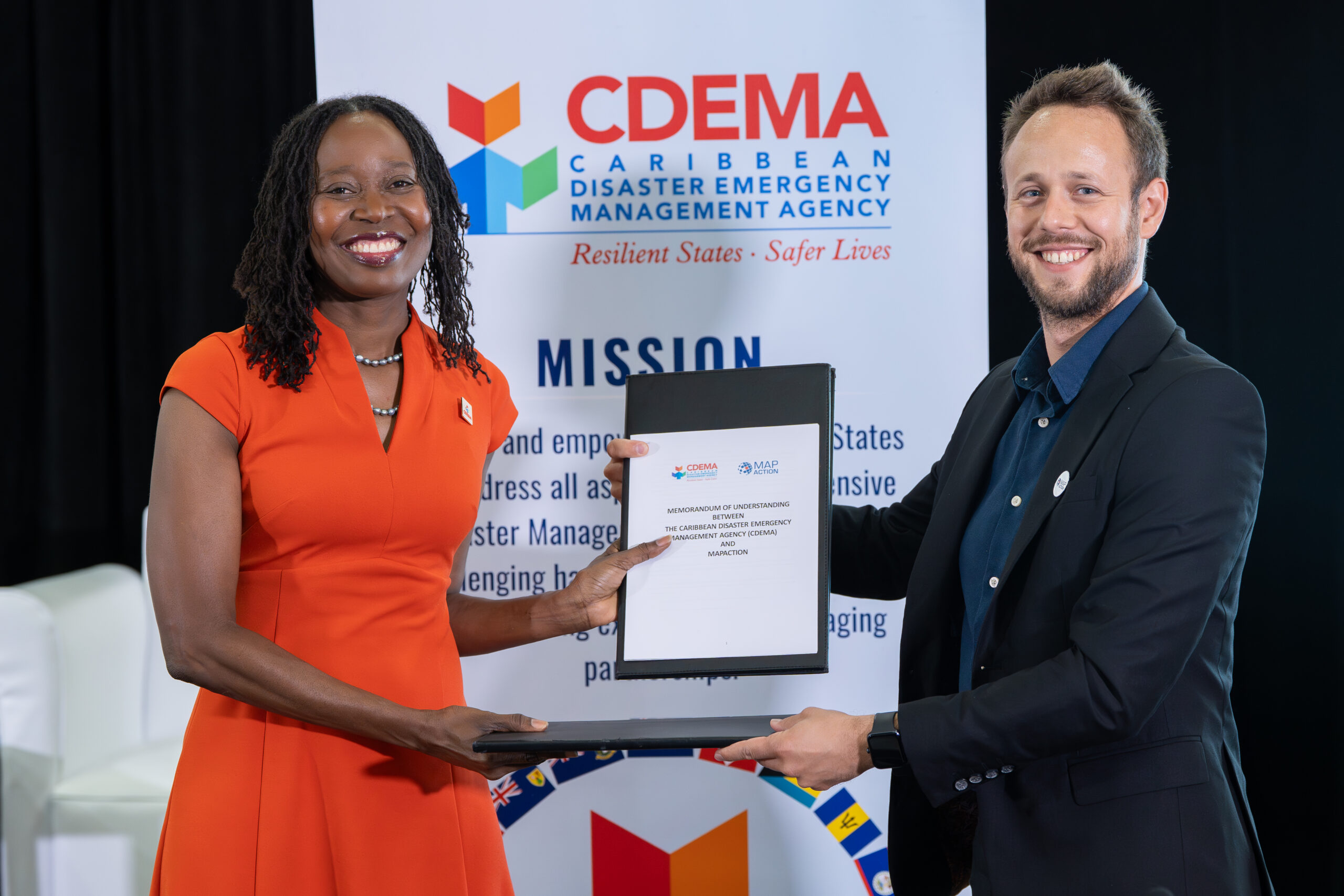
    Caribbean countries are stepping up their ability to respond to natural crises after the Caribbean Disaster Emergency Management Agency (CDEMA) signed an updated agreement with UK-based humanitarian non-profit MapAction to continue their coordinated work on disaster management. The new Memorandum of Understanding (MoU), focused on expanding the use of real-time geospatial mapping and data during emergency events, was formalized Friday at a Comprehensive Disaster Management Strategy 2030 stakeholder workshop hosted in Bridgetown, Barbados. CDEMA Executive Director Elizabeth Riley and MapAction GIS Director Greg Fricz put their signatures to the renewed pact.

    This long-running partnership between the two organizations will now continue its core mission: strengthening geospatial information management, boosting pre-disaster preparedness, and expanding on-the-ground operational support across CDEMA’s 20 member states across the Caribbean region. Beyond core mapping work, the updated agreement formalizes new areas of collaboration including technical assistance, cross-organizational geospatial data sharing, targeted training for local emergency management teams, capacity building for regional stakeholders, and coordinated deployment support when disaster strikes.

    In remarks following the signing, Riley emphasized that cross-sector collaboration and technological innovation are foundational to building stronger regional disaster resilience. “This renewed partnership with MapAction demonstrates our shared commitment to harnessing cutting-edge innovation, robust data infrastructure, and coordinated collaboration to reinforce disaster preparedness and response capacity for every one of our 20 participating states,” Riley said. She went on to note that consistent, reliable geospatial data is non-negotiable for informed decision-making at every stage of an emergency—from pre-storm evacuation planning to post-disaster damage assessment and recovery. The partnership, she added, has consistently delivered tremendous value to CDEMA’s integrated regional disaster management system.

    For his part, Fricz shared that MapAction, an organization that specializes in delivering life-saving mapping and geospatial data to humanitarian responders worldwide, is proud to extend its support to CDEMA and its member nations through enhanced mapping and analytical capabilities. “This updated MoU solidifies our shared goal: making sure that frontline emergency responders and senior decision-makers have immediate access to accurate, time-sensitive information when lives and livelihoods are on the line,” Fricz said. The renewed partnership comes as small island developing states across the Caribbean face growing frequency and intensity of climate-fueled disasters including hurricanes, flooding, and coastal erosion, making coordinated, data-driven disaster response more critical than ever.

  • Saint Lucia appoints first Coroner, establishes dedicated Coroners Court

    Saint Lucia appoints first Coroner, establishes dedicated Coroners Court

    The Caribbean nation of Saint Lucia has marked a historic turning point in its judicial infrastructure with the appointment of its first dedicated Coroner, Desma Charles, following the formal establishment of a standalone Coroners Court under the country’s Magistrates’ Courts framework.

    This landmark development is the culmination of a months-long policy process, which secured formal approval from Prime Minister Philip J Pierre and the national Cabinet in January 2025. As part of the 2026/2027 national budget address, Pierre – who also holds the portfolio of Minister for Justice – highlighted the creation of the court as a core component of the government’s broader push to modernize the nation’s justice system.

    Before this institutional reform, all cases involving unnatural non-criminal deaths – including fatal accidents, deaths in custody, and suspected suicides – were handled by sitting magistrates, who lacked a dedicated office or specialized resources to address these complex cases. The newly established Coroners Court is tasked specifically with taking over this caseload, with two core objectives: providing clear, timely answers for grieving families left without closure, and uncovering systemic safety gaps that can prevent similar tragedies in the future.

    The Judicial and Legal Services Commission announced Charles’ appointment to the pioneering post, and the government has confirmed that additional supporting roles will be filled in the coming months. These include administrative staff and a specialized investigator trained to conduct detailed inquiries into unnatural death cases.

    In an official statement released on Monday, the government framed the establishment of the Coroners Court and the creation of the Coroner post as a significant leap forward for Saint Lucia’s judicial sector. The initiative, the statement noted, demonstrates the administration’s ongoing commitment to strengthening judicial modernization and institutional accountability. Prime Minister Pierre emphasized in his budget address that the reform will boost the country’s capacity to carry out timely, thorough investigations, ultimately reinforcing public trust in the administration of justice.

    As of the latest government update, further details including the official start date for court sittings and formal operating procedures are still being finalized and will be announced to the public at a later date.

  • Headley scores crucial goal on historic night in Premier League

    Headley scores crucial goal on historic night in Premier League

    Sunday’s Barbados Football Association Premier League matchday went down in the history books not just for a mind-blowing collective total of 32 goals across three fixtures, but for a dramatic late winner that has put defending champions Weymouth Wales firmly in the driver’s seat for another league crown.

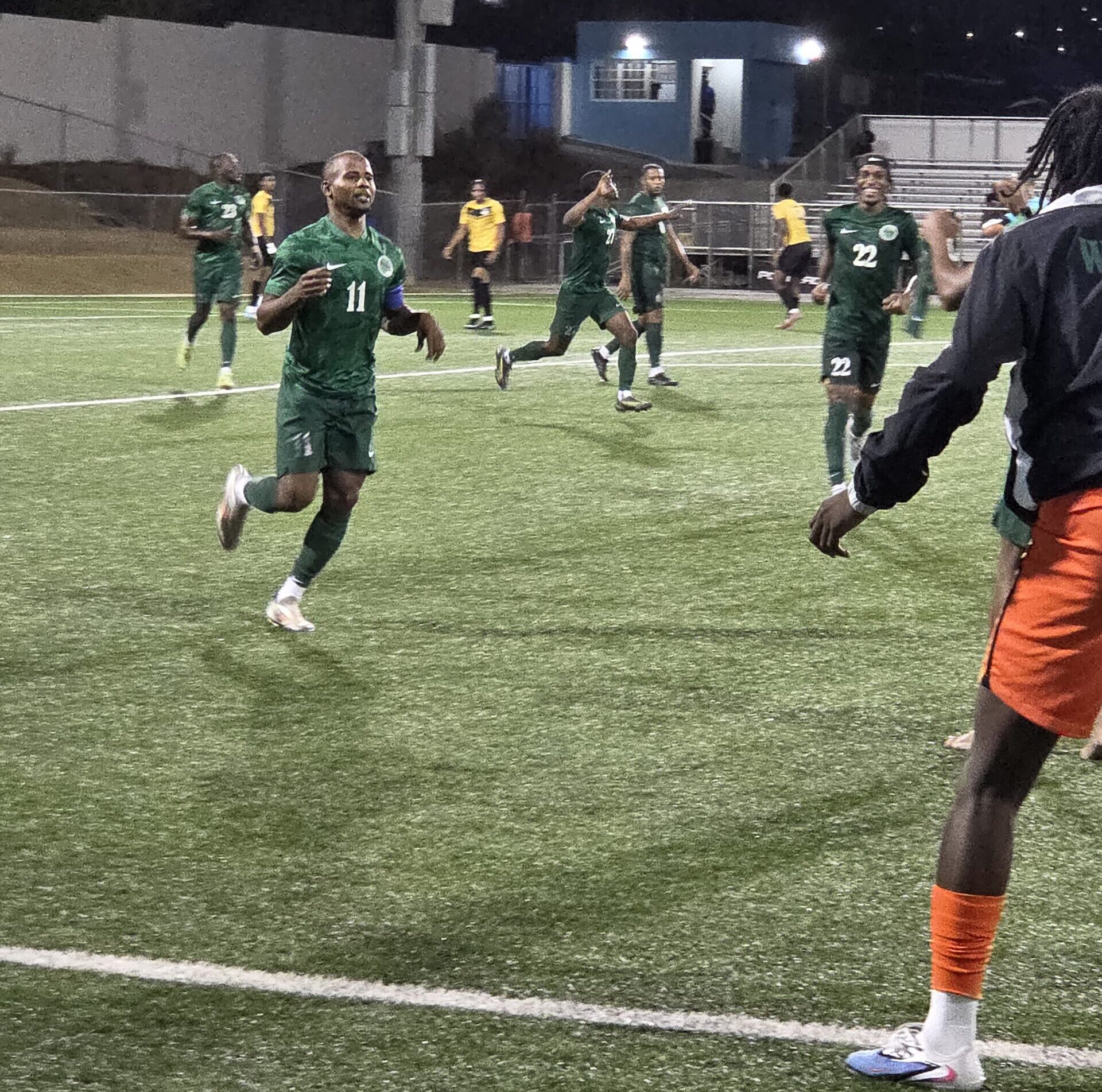
    On a night where two early games delivered a staggering 31 goals, it was Kemar Headley’s 91st-minute strike that emerged as the most consequential of the day. Facing off against a stubborn UWI Blackbirds side in the evening’s main fixture at the Wildey AstroTurf, the table-topping Weymouth Wales struggled to break through a compact defense for 90 minutes, continuing a season-long trend of dropped points against lower-ranked opposition that has kept their title race far tighter than many expected. The UWI Blackbirds even had a golden opportunity to snatch all three points themselves in the second half, but Rojae Collins sent his shot wide of the post, letting the defending champions off the hook.

    For the fourth match in a row, Weymouth Wales needed a late goal to secure victory, and Headley stepped up when it mattered most. The versatile senior star reacted fastest to a loose ball from a late free kick, slotting home the winner to spark wild celebrations among the Weymouth Wales camp. The 1-0 result pushed the defending champions to 37 points, opening up a four-point lead over second-place Paradise, who hold one game in hand on the leaders. Third-place Kickstart Rush sit on 33 points having played one more match than Paradise, while Brittons Hill United round out the top four on 32 points, setting up a tense four-way fight for the title that will go down to the final two rounds of fixtures.

    A delighted Weymouth Wales head coach Asquith Howell praised his side’s ability to grind out a result against a tough opponent, and warned that his squad will need to keep fighting to the final whistle to retain their crown. “It will go down to the wire and we just keep telling the players that we have to push if we want to win another championship and we want to play in the CFU Club Championship again,” Howell told reporters. He reserved special praise for match-winner Headley, who has stepped up all season to play multiple positions for the club, from center back to right back, before being pushed into an attacking role for the decisive fixture. “Kemar is a senior player in this team. This season we asked him to play several positions, but he went forward today in an attacking role and he came through for Wales. He’s phenomenal especially when representing Wales, and he loves to win,” Howell added.

    The drama of the late winner almost overshadowed one of the most incredible goal-scoring displays ever seen in any top-flight football league. In the day’s opening fixture, Kickstart Rush recorded the biggest winning margin in Barbados Premier League history with a 23-0 demolition of already relegated St Andrew Lions, who played the entire match three players short after a series of late absences. The already outmatched Lions conceded 10 goals before halftime, with another 13 added in the second half as the Kickstart Rush attack ran riot.

    National under-17 prospect Jamarco Johnson led the rout with an eight-goal haul, announcing himself as one of the country’s most promising young talents with a clinical performance against the struggling Lions. Romario Drakes added four goals of his own, while Jadon Cave, Trekyle Alleyne-Callender and Ethan Squires each scored twice. Nathan Skeete, Carl Hinkson, Caleb Went and Je-Dane Griffith also found the back of the net, with one additional goal coming from a St Andrew Lions own goal. Kickstart Rush head coach Renaldo Gilkes said his side stayed focused despite the lopsided matchup, as they target a second top-three finish in three seasons and remain in the hunt for a shock title win.

    “Yeah, it was a record breaking evening for the fellas, I mean, who doesn’t like to score goals, right? We’re going to try to take this title challenge all the way down to the final day and we have two more games left against formidable opponents in Wales and Paradise,” Gilkes said. “We intend to go back to the training ground, focus on some details and will definitely give it our best going into the final days.”

    In the day’s second fixture, last year’s runners-up Brittons Hill kept their title hopes alive with an 8-0 thrashing of another already relegated side Wotton, led by a seven-goal masterclass from St Vincent and the Grenadines international Kirtney Franklin. T’shane Lorde added the only other goal for Brittons Hill, and the result pushed Franklin to the top of the league’s goal-scoring charts with 18 goals for the season. Brittons Hill manager Fabian Wharton said his side will focus only on winning their remaining two fixtures against Paradise and Ellerton, and let the results fall as they may in the tight title race.

    “It’s very tight among the four of us at the top, so we just have to do what we have to do and then see how it goes,” Wharton said. Premier League action continues on Tuesday, with second-place Paradise facing off against Ellerton, followed by a matchup between Bagatelle and Eyre’s Meat Shop Pride of Gall Hill as the title race enters its final stretch.

  • DAIC elects new board as business community urged to focus on opportunities linked to international airport

    DAIC elects new board as business community urged to focus on opportunities linked to international airport

    Dominica’s leading private sector trade body, the Dominica Association of Industry and Commerce (DAIC), has installed a new executive leadership team following its 2026 Annual General Meeting, held Thursday, May 14 at the Prevo Cinemall Ballroom in the capital city of Roseau. The event brought together a broad cross-section of attendees, ranging from DAIC member business owners and key industry stakeholders to event sponsors and specially invited government and community guests.

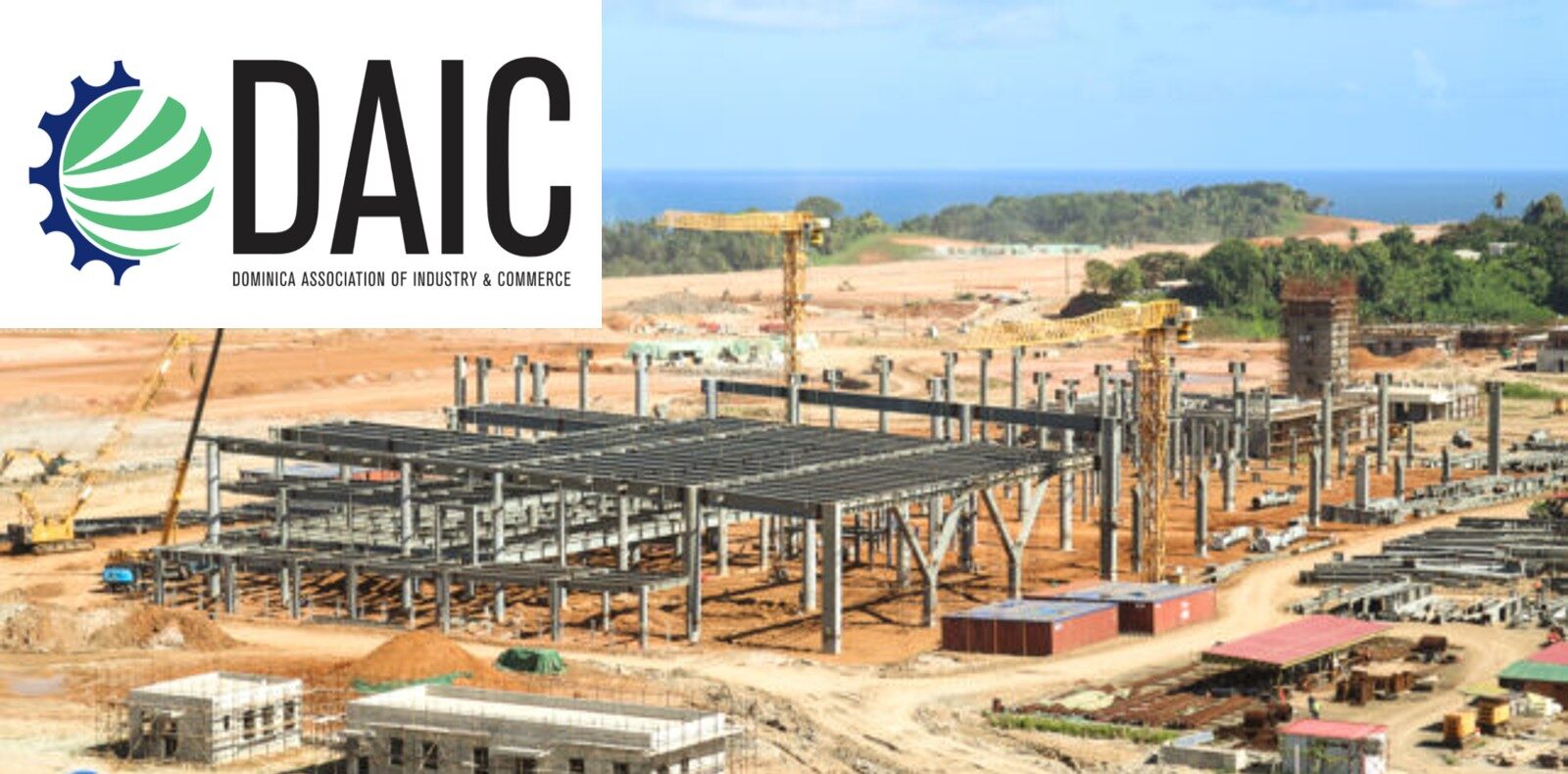
    The gathering opened with a public open forum centered on the timely theme “Beyond the Runway: Unlocking Private Sector Growth Through Dominica’s International Airport” — a discussion focused on how local businesses can capitalize on the transformational infrastructure project currently under construction.

    Samuel Johnson, Chief Executive Officer of the International Airport Development Company, served as the keynote speaker for the forum, where he outlined the far-reaching economic benefits the completed airport is projected to deliver to Dominica once it opens by the end of 2027. Johnson highlighted that the new international gateway will unlock expanded growth opportunities across a wide swath of the national economy, including tourism, cargo shipping and logistics, domestic agro-processing, small and medium enterprise development, and widespread job creation. He emphasized that the window for private sector preparation is open now, urging local businesses to begin strategic positioning long before the airport welcomes its first commercial flight, rather than holding off until construction wraps up. Early preparation, he noted, will allow private companies to capture the full range of new market opportunities that will become available once the facility is operational.

    Following the conclusion of the public forum, DAIC members moved into a closed, restricted session of the Annual General Meeting to conduct the formal election of a new Board of Directors and executive leadership team.

    In his outgoing address to assembled members, departing DAIC President Brenton Hilaire reinforced the core message of the forum: the international airport is far more than a public sector infrastructure project. It represents a transformative economic opening for Dominica’s private sector, one that requires intentional investment, proactive planning, cross-sector partnerships, and advance preparation from local businesses to deliver maximum benefit. Hilaire also called for deeper, more constructive dialogue between the DAIC and the Government of Dominica, encouraging member businesses to engage actively in national development conversations centered on innovation, collaborative growth, and broad-based economic progress.

    Newly elected DAIC President Olive Strachan took over the leadership role following the election, opening her tenure by thanking members for the confidence they placed in her to lead the organization. She also paid public tribute to Hilaire’s leadership, crediting him with steering the association through a prolonged period of unprecedented economic challenge.

    Strachan told members that effective organizational leadership is not defined by a formal title, but rooted in centering the needs of members, building trust, maintaining consistent action, and delivering dedicated service. Under her leadership, she said, DAIC will continue prioritizing the strengthening of cross-sector partnerships, working to build a more robust and resilient private sector, and ensuring that the priorities and concerns of DAIC members are consistently represented to policymakers and other key stakeholders. She closed by pledging to lead the association with radical transparency, unwavering integrity, and a focus on tangible action, committing to work closely with the newly seated Board of Directors to boost member engagement and tackle the everyday operational challenges that face businesses across Dominica.

  • Indian nationals get back passports, await outstanding salaries

    Indian nationals get back passports, await outstanding salaries

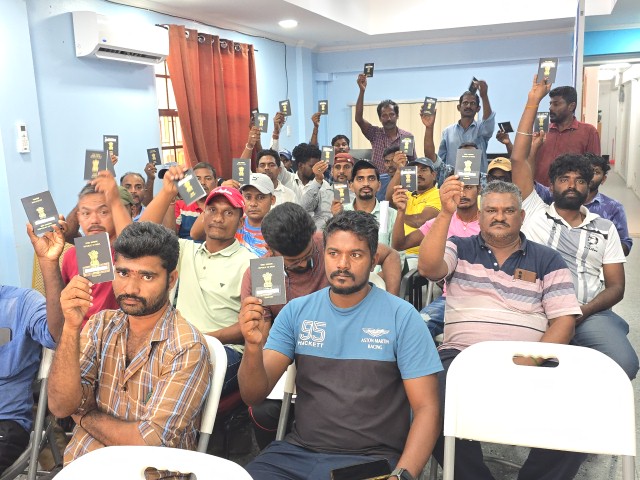
    On Monday, 18 May 2026, 38 Indian national workers who had been employed at a remote Guyanese quarry under widely reported harsh working conditions for nearly three years finally regained possession of their passports at Guyana’s Ministry of Labour. The workers were recruited by EKAA HRIM Earth Resources Management, a company headquartered in India, to work at the Batavia quarry site located in Region Seven’s Cuyuni-Mazaruni interior region.

    The case was brought to public attention by Azruddin Mohamed, Leader of Guyana’s opposition We Invest in Nationhood (WIN) party, whose organization traveled to the remote quarry to investigate worker accounts of abuse. As of Monday afternoon, Mohamed confirmed that the workers were still waiting for Ministry of Labour officials and company representatives to calculate all outstanding unpaid wages owed to the group, a core demand ahead of their planned departure from the country.

    Mohamed called the recovery of passports a “major victory” for the 38 workers, detailing a litany of alleged labor violations against the company. According to worker testimonies collected by WIN, employees were never paid overtime wages, never received formal payslips for their work, and have no confirmation that required social security deductions were ever remitted to Guyana’s National Insurance Scheme. Workers reported being forced to operate seven days a week, including national holidays, and were provided consistently low-quality food during their employment. One anonymous worker shared that he was only occasionally able to send $1200 USD back to his family in India, and expressed overwhelming eagerness to return home after years of exploitation.

    Shocking accounts of workplace safety failures also emerged: one unnamed Indian worker suffered the amputation of four fingers while performing vehicle repairs at the site, and has since returned to India without receiving any workers’ compensation for his injury. Mohamed confirmed that the incident was formally reported to Guyana’s Chief Labour Officer, and WIN is pushing for the injured worker to receive full compensation despite his return to India.

    Mohamed leveled severe allegations against the company and Guyana’s ruling People’s Progressive Party administration, saying the company’s treatment of workers amounts to human trafficking. He claims workers were forced to cover their own airfare to travel to Guyana for the jobs, and immediately had their passports confiscated by company representatives upon arrival – despite repeated requests from workers to have their documents returned. Adding to the exploitative terms, Mohamed says worker contracts include a punitive clause requiring employees to pay the company $5000 USD if they choose to leave their position or are terminated. “This is modern day slavery we’re under, under the PPP administration,” Mohamed stated.

    WIN is calling for full legal action against EKAA HRIM Earth Resources Management for the confirmed labor violations, alongside the implementation of stronger regulatory systems to prevent the same exploitation from happening to future groups of foreign workers. “This is what we need to know and this is what the government needs to enforce,” Mohamed added.

    Last week, Labour Minister Keoma Griffith confirmed that a formal government investigation into the allegations had been launched. Vishnu Panday, WIN executive member and sitting parliamentarian, confirmed that once all outstanding wage claims are resolved, the organization will escort the 38 workers to another government ministry to expedite processing for their departure from Guyana. Panday also issued a broader call for the government to conduct sweeping inspections of other interior worksites across the country, to root out additional cases of unreported foreign worker exploitation.

  • Focus on promoting healthier lifestyles

    Focus on promoting healthier lifestyles

    Barbados is entering a pivotal era of healthcare transformation, as government leaders push for a nationwide reset that reframes the country’s approach to public health from reactive illness treatment to proactive disease prevention and holistic wellness promotion. The announcement came from Davidson Ishmael, Minister of State in Barbados’ Ministry of Health and Wellness, who delivered the keynote address at the opening of the two-day “Live Stronger, Longer” Blue Wellness Conference hosted by the Diabetes and Hypertension Association of Barbados at the University of the West Indies Cave Hill Campus.

    At the core of Ishmael’s remarks was a stark assessment of the growing public health challenge posed by non-communicable diseases (NCDs) across the island nation. Conditions including hypertension, diabetes, and cardiovascular disease continue to disproportionately impact Barbadian communities, placing persistent strain on both families and the national healthcare system. Against this backdrop, Ishmael framed the current moment as a critical window to rethink, redesign, and renew national wellness strategy.

    “While Barbadians are now living longer than ever before, far too many of those added years are marked by poor health and reduced quality of life,” Ishmael told conference attendees. “If we have already made gains in longevity, our next defining goal must be ensuring those extra years are spent in good health, with independence, dignity, and a high standard of well-being.”

    To meet that goal, the Barbadian government is pursuing a deliberate strategic evolution of the national healthcare system. Moving away from a model centered almost exclusively on treating existing illness, the new framework will prioritize active promotion of holistic health across all its dimensions. This shift means transitioning from late, reactive intervention to early proactive action, and expanding the system’s focus beyond disease management to supporting the full physical, mental, and social well-being of all Barbadians.

    Central to this transformation is the development of a comprehensive national wellness policy and accompanying action plan, a project being led by the Ministry of Health and Wellness in partnership with the Pan American Health Organization (PAHO) and the World Health Organization (WHO). Ishmael explained that the new policy will integrate the physical, mental, social, and environmental components of health into a single, cohesive, multi-sectoral national framework, breaking down silos that have historically fragmented wellness efforts.

    Ishmael also emphasized that Barbados already holds unique inherent advantages that can support the development of a distinct “Barbadian model of wellness” tailored to the island’s context. Key strengths include the country’s tight-knit sense of community, longstanding spiritual traditions, abundant natural environment, and widespread access to fresh, locally produced food. “We are blessed with sun, sea, rolling green hills, and open public spaces that encourage physical activity and connection to the natural world,” Ishmael noted.

    In addition to these natural and cultural assets, the existing Barbadian healthcare system is already evolving to support the new prevention-focused approach. Ishmael highlighted ongoing efforts to expand access to routine health screenings and scale up early intervention services, as well as investments in strengthening nurse-led care and community outreach programs. These changes are designed to ensure that high-quality care is not only accessible to all Barbadians, but also continuous, supporting long-term wellness management rather than only acute treatment.

  • Statement from the Caribbean Community on the hostilities in the Strait of Hormuz

    Statement from the Caribbean Community on the hostilities in the Strait of Hormuz

    On Monday, 18 May 2026, the Caribbean Community (CARICOM) issued an official statement from its Secretariat headquarters in Turkeyen, Greater Georgetown, Guyana, sounding the alarm over ongoing military hostilities in the Strait of Hormuz and calling for urgent action to restore regional and global stability.

    As one of the most prominent examples of developing-world integration, CARICOM counts 15 full member states and six associate members representing a combined population of roughly 16 million people. Founded in 1973 under the Treaty of Chaguaramas—revised in 2001 to establish a single integrated market and economy—the bloc organizes its work around four core pillars: economic integration, coordinated foreign policy, human and social development, and cross-border security cooperation. It works to advance an inclusive, resilient, competitive community that guarantees human rights, social justice, and equal opportunity for all its citizens, 60% of whom are under 30 years of age.

    In its statement, CARICOM first highlighted grave concern over the escalating conflict centered on the Strait of Hormuz, noting the crisis has already resulted in tragic loss of life, damaged critical civilian infrastructure, and triggered widespread volatility across global commodity and financial markets. Beyond immediate humanitarian harm, the ongoing hostilities have severely disrupted maritime transit through the strategic waterway, a critical artery for global energy trade and commercial shipping.

    The bloc emphasized that all disruptions to unimpeded transit send ripple effects across the entire global economy, roiling energy markets, stretching already strained global supply chains, and driving up freight costs worldwide. These impacts are not evenly distributed, CARICOM stressed: small, import-dependent economies like those of its member states face disproportionate harm, as higher costs and delays limit access to the critical fuel, food, and medical supplies their populations rely on.

    Central to CARICOM’s position is a firm reaffirmation of the principles set out in the United Nations Convention on the Law of the Sea (UNCLOS). All 15 full CARICOM member states are signatory parties to UNCLOS, and the bloc reiterated its unwavering commitment to upholding the convention’s norms. CARICOM pointed out that the rights enshrined in UNCLOS are deeply rooted in binding customary international law, meaning they apply to and must be respected by all sovereign states, regardless of whether a state has formally ratified the convention. Specifically, the bloc confirmed that the right of transit passage guaranteed by UNCLOS cannot be made conditional on any license, tax, or third-party authorization, and coastal states bordering international waterways have no legal right to hinder or suspend such passage.

    Against this framework, CARICOM issued a clear call to action for all parties involved in the conflict: that they immediately uphold and respect the legally guaranteed right of transit passage, comply with all binding obligations under international law, work to restore safe, unhindered navigation through the Strait of Hormuz, and prioritize the safety of civilian seafarers and commercial vessels transiting the waterway.

    Beyond protecting maritime rights, CARICOM called for an immediate end to all active hostilities in the region, stressing that urgent de-escalation and deliberate restraint from all involved parties is the only path to preventing further humanitarian and economic harm. The bloc confirmed that it will continue to closely monitor all developments unfolding in the Middle East, and remains fully committed to supporting diplomatic efforts to build lasting, sustainable peace in the region and strengthen broader global energy and economic stability.

  • Wereld Hypertensie Dag: PAHO waarschuwt voor te hoge zoutconsumptie in Amerika

    Wereld Hypertensie Dag: PAHO waarschuwt voor te hoge zoutconsumptie in Amerika

    Across Latin America and the Caribbean, excessive salt intake has emerged as a pressing public health crisis, far exceeding global health guidelines and driving rising rates of life-threatening cardiovascular conditions, regional health authorities have warned.

    The World Health Organization (WHO) recommends that healthy adults cap daily sodium intake at 2000 milligrams, equal to roughly one teaspoon or 5 grams of salt, with even lower limits set for children. But current consumption data across the region tells a starkly different story: average daily salt intake ranges from 8 to 12 grams, two to nearly three times the WHO-recommended threshold. In major regional economies including Argentina, Brazil and Mexico, average daily consumption hovers between 9 and 10 grams, while Caribbean nations such as Jamaica and Trinidad and Tobago report intake between 8 and 11 grams per day. This consistent overconsumption acts as a major modifiable risk factor for hypertension and cardiovascular disease, the leading causes of death in the region.

    Fabio da Silva Gomes, a food and physical activity advisor for the Pan American Health Organization (PAHO), explained that most people drastically underestimate how much salt they consume daily. Contrary to common belief that most excess sodium comes from table salt added during cooking or at meals, approximately 80% of dietary sodium in regional diets is sourced from processed and ultra-processed products, including cured meats, pre-packaged snacks, and breakfast cereals. As consumption of these highly processed products has risen sharply across the region, the need for targeted public policy and consumer protection regulation has grown more urgent.

    One widespread consumer misconception that health officials aim to correct centers on the perceived health differences between popular salt varieties. Whether marketed as sea salt, Himalayan salt, or standard table salt, nearly all commercial salt products are primarily composed of sodium chloride, and carry the same heart health risks when consumed in excess. While some commercially available salt substitutes reduce sodium content and boost potassium, which can offer benefits for heart health, these products are not recommended for pregnant people, children, or individuals living with kidney disease.

    Health officials identify the lobbying and influence of the food processing industry as one of the largest barriers to cutting population-wide salt intake. Food companies frequently seek to delay or weaken mandatory sodium reduction regulations by questioning public health research, pushing for ineffective voluntary industry commitments, and even pursuing legal action to block stricter rules.

    For individual consumers, da Silva Gomes advises prioritizing whole foods over heavily processed alternatives and preparing more meals at home to maintain control over sodium content. “By adjusting recipes and cooking with intentionality, people can protect their own health and that of their families,” he noted.

    Data from early adopters shows that mandatory regulatory measures are the most effective tools for cutting population salt intake. Policies including mandatory maximum sodium limits for processed foods and required front-of-package warning labels for high-salt products have already delivered results. Argentina, Mexico and Colombia have already implemented these warning label systems, which have driven measurable reductions in consumer purchases of high-salt products. Additional effective steps include regulating marketing for high-salt processed foods and limiting access to these products in school settings.

    PAHO supports national governments across the region in advancing healthier food policies, strengthening regulatory frameworks, and boosting public awareness of sodium-related health risks. These efforts align with WHO’s global target of cutting population salt intake by 30% by 2030. PAHO provides member states with practical resources including the PAHO Regional Sodium Reduction Targets, in-person training, and free online courses on regulatory design. The organization also works to accelerate the adoption of front-of-package warning labels to help consumers make informed, healthier choices.

    As part of this year’s World Salt Awareness Week, PAHO is rolling out public education campaigns highlighting the health harms of excess salt and calling for coordinated action across governments, industry, and civil society to protect regional public health. Through this collaborative approach, health leaders aim to cut preventable deaths from hypertension and cardiovascular disease, and build a healthier future for communities across Latin America and the Caribbean.

  • COMMENTARY: Is Universal Education really universal?

    COMMENTARY: Is Universal Education really universal?

    For decades, successive governments of the small Caribbean island nation of Dominica have anchored their policy philosophy in the core principle of “all shall eat.” Rooted in the reality of limited natural and institutional resources, this guiding ideology demands that every member of society gets an equitable share of the island’s opportunities. This commitment has historically translated to tangible public goods, from large-scale public housing projects to widespread investments in indoor plumbing access for underserved rural communities. When it comes to education, this principle has evolved beyond basic access to foundational literacy and numeracy to demand that learning opportunities remain open regardless of a student’s socio-economic background, race, religion, or geographic location.

    Before the early 2000s, Dominica’s secondary education system faced a stark capacity crisis. The limited number of secondary schools and their small enrollment meant that only top performers on the national Common Entrance Examination could secure a spot. Most of these successful candidates came from elite urban primary schools, concentrated in the capital Roseau, while rural and low-income students were systematically locked out of traditional secondary education. For students who did not pass the entrance exam, the government offered the Junior Secondary Programme (JSP), a three-year skills-focused initiative that combined core academic coursework (English and mathematics) with vocational training in trades like plumbing, carpentry, electrical work and agriculture, plus optional classes in music and physical education. Critically, the JSP also created a pathway for late-blooming students to transition into traditional secondary education after strengthening their foundational skills.

    In 1998, driven by the goal of achieving universal secondary education aligned with regional sustainable development targets, the government phased out the JSP. Backed by the 1997 Education Act, which enshrined the right of all children to education, and with financial and technical support from the World Bank, the initiative led to the construction of new secondary schools (including Isaiah Thomas Secondary and Castle Bruce Secondary) and the expansion of existing campuses, plus targeted training for educators. By the late 2000s, nearly all primary school leavers were able to enroll in secondary education, with new campuses bringing schooling within closer reach of rural communities. This expansion opened unprecedented pathways to tertiary education and professional careers for thousands of Dominican students.

    Yet for all this progress, the shift away from the JSP left critical gaps unaddressed, meaning the universal secondary education project has only delivered half of its promised benefits. The JSP filled two unique niches that current reforms have failed to replace: it allowed slower-learning students to progress at their own pace, and it gave students with a natural aptitude for vocational trades the chance to build marketable skills for rewarding careers. When the JSP was eliminated, policymakers discarded these core functions without putting adequate replacement systems in place.

    Today, vocational training is scattered across traditional secondary schools, and ability grouping (or streaming) has replaced the JSP’s tailored support for slower learners. But the current model is deeply flawed: even when students are separated by ability, all learners are still expected to master the same volume of content in the same timeframe, regardless of their learning speed. Worse, remedial classes for struggling students are often staffed by underqualified educators with no specialized training in special education, while top-performing tracks get the most experienced and skilled teachers. The education system also lacks the diagnostic capacity to identify the root of students’ learning challenges and deliver targeted support to address them.

    Another widespread practice that highlights systemic misalignment is social promotion: students who fail to meet grade-level performance standards are often pushed to the next level simply because they are approaching 16, the age when compulsory education ends. While this practice avoids the social harm of holding students back a grade when no support is offered, it does nothing to address the underlying learning gaps that hold students back.

    At its core, the systemic failure stems from a persistent misunderstanding of what universal education actually means. Many policymakers and educators still cling to a one-size-fits-all model that prioritizes traditional academic coursework for all students, ignoring the reality that not all learners thrive in lecture-based, theoretical learning environments. Many students have natural aptitudes for hands-on trades, but current vocational offerings across most public secondary schools are underfunded, underdeveloped, and treated as second-tier alternatives to core academic subjects. Vocational curricula are often overly theoretical, lacking the hands-on practical training that makes these pathways valuable, and few students graduate with the skills to work independently as skilled or semi-skilled tradespeople. Most notably, Dominica has no dedicated standalone vocational education institutions, a stark contrast to neighboring Caribbean countries like Jamaica (with its Heart Trust NTA) and Trinidad and Tobago (with the MIC Institute of Technology) that have built successful specialized vocational systems.

    The persistent gaps in tailored vocational and adaptive learning have contributed to high youth dropout rates and elevated youth unemployment, particularly among young men. True universal education, the article argues, is not just about getting every student into a classroom until age 16—it is about providing education that is tailored to each student’s unique learning needs and strengths. Extending the original “all shall eat” metaphor, the author notes that universal access means nothing if the education provided does not meet the needs of every learner: “all indeed shall eat, but the food should be good, and it must be able to satisfy the hunger of all who eat it.”

    In recent years, growing recognition of these gaps has led to repeated calls from former education ministers and other stakeholders to reintroduce the JSP or a comparable modern vocational program. The current government has responded with a plan to convert the reconstructed Goodwill Secondary School into a Centre of Excellence for technical and vocational education, with planned programs in robotics, cosmetology, carpentry and other in-demand trades. While the initiative holds promise, its impact will depend on how well it addresses the historical shortcomings of the current system.

    In the short term, the author outlines clear steps to improve outcomes: strengthen existing vocational programs with rigorous, regularly updated curricula and qualified, trained instructors; prioritize specialized training for educators working in remedial and special education roles; improve foundational literacy and numeracy instruction at the primary level, since vocational options are useless for students who lack core basic skills; and invest in diagnostic facilities to identify and address learning difficulties early. As these changes are implemented, Dominica can finally move toward a truly universal education system that delivers on its founding promise of opportunity for all.