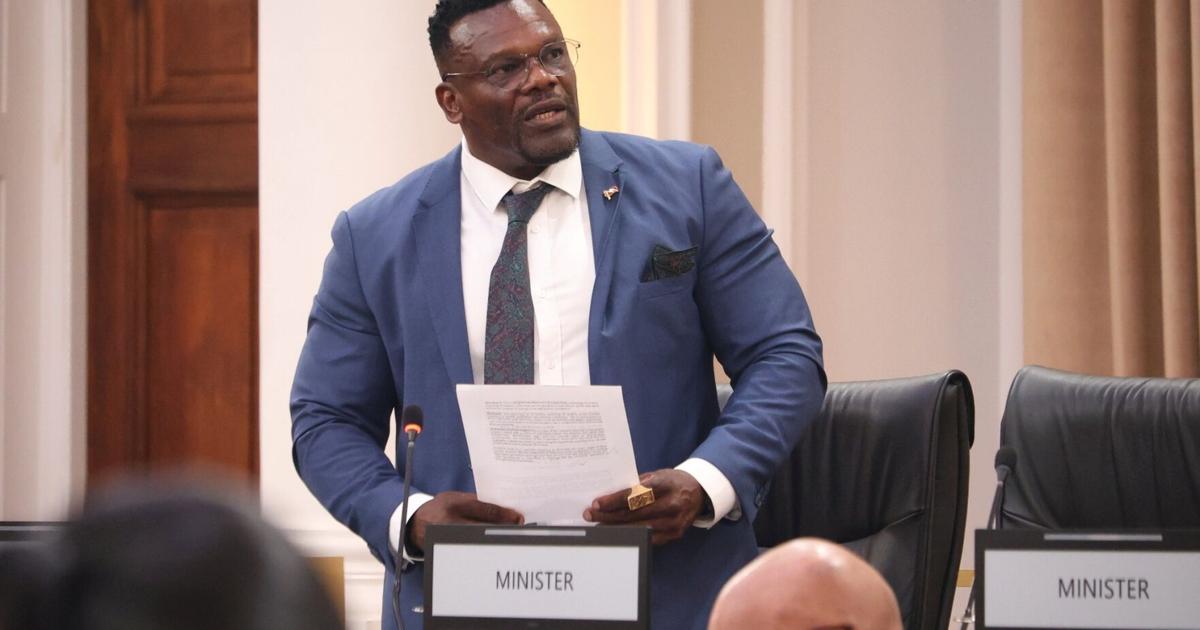
A widespread, years-long corruption scheme involving bribes for immigration benefits has been exposed at Trinidad and Tobago’s Immigration Division, according to Homeland Security Minister Roger Alexander, who has launched sweeping reforms to dismantle the network and root out systemic graft.
Within days of assuming his role, Alexander uncovered the racket, which saw corrupt officials extort hundreds of thousands of dollars from applicants by withholding processed documents—some already signed by the minister—and demanding illicit payments before releasing them. The scheme touched every tier of immigration services: from illegal resale of blocked online passport appointment slots, to six-figure bribes for work permits, residency status, and full citizenship. Alexander described the division as “rotten to the core”, noting that decades of weak oversight, lack of accountability, and opaque processes allowed the network to operate undetected.
Among the most alarming allegations revealed by the minister are reports that Immigration officials accepted undeclared in-kind bribes from Chinese nationals, including custom-built residential properties in North Trinidad, in exchange for granting residency approval without mandatory entry interviews. Alexander also confirmed that many applications from Caribbean nationals have sat unprocessed for up to 10 years, while bribing applicants received accelerated, often unvetted approval. Many illicit cash transactions, he added, were conducted in plain sight outside a private car park in central Port of Spain, with officers using third-party intermediaries to avoid direct traceability.
Beyond internal graft, Alexander exposed questionable exclusive contracting arrangements with an unnamed international firm that locked the Immigration Department into a binding partnership, despite the availability of more cost-effective, competitive alternatives for services including passport production. The minister also reported deep-seated insubordination, with senior staff intentionally withholding ministry directives and even blocking entry of foreign nationals on private orders, rather than official government instruction.
Since uncovering the scheme, Alexander has implemented immediate structural changes: multiple senior officials have been placed on administrative leave pending investigation, all document processing and ministerial signature workflows are now monitored daily, and the government has launched recruitment to fill long-vacant staffing positions that allowed the corrupt status quo to persist. The Trinidad and Tobago Police Service and Cyber Crime Unit are leading the ongoing criminal investigation, with Prime Minister Kamla Persad-Bissessar, chair of the National Security Council, fully briefed and committed to zero tolerance for corruption.
Alexander issued a public call for whistleblowers—both Immigration employees and members of the public—to come forward with information, guaranteeing the option for anonymous reporting. He announced long-term modernization plans to prevent future graft, including a transition from machine-readable passports to secure e-passports that will increase transaction transparency and accountability. The minister warned that any official continuing corrupt practices would face severe legal consequences, stating bluntly that those convicted would continue their “work” from jail cells. He added that the government has no intention of reversing course or ignoring the long-standing rot, and that investigators are close to breaking open the full extent of the network ahead of formal police interviews with persons of interest.