作者: admin

  • National Bus Company’s First CEO Is Out

    National Bus Company’s First CEO Is Out

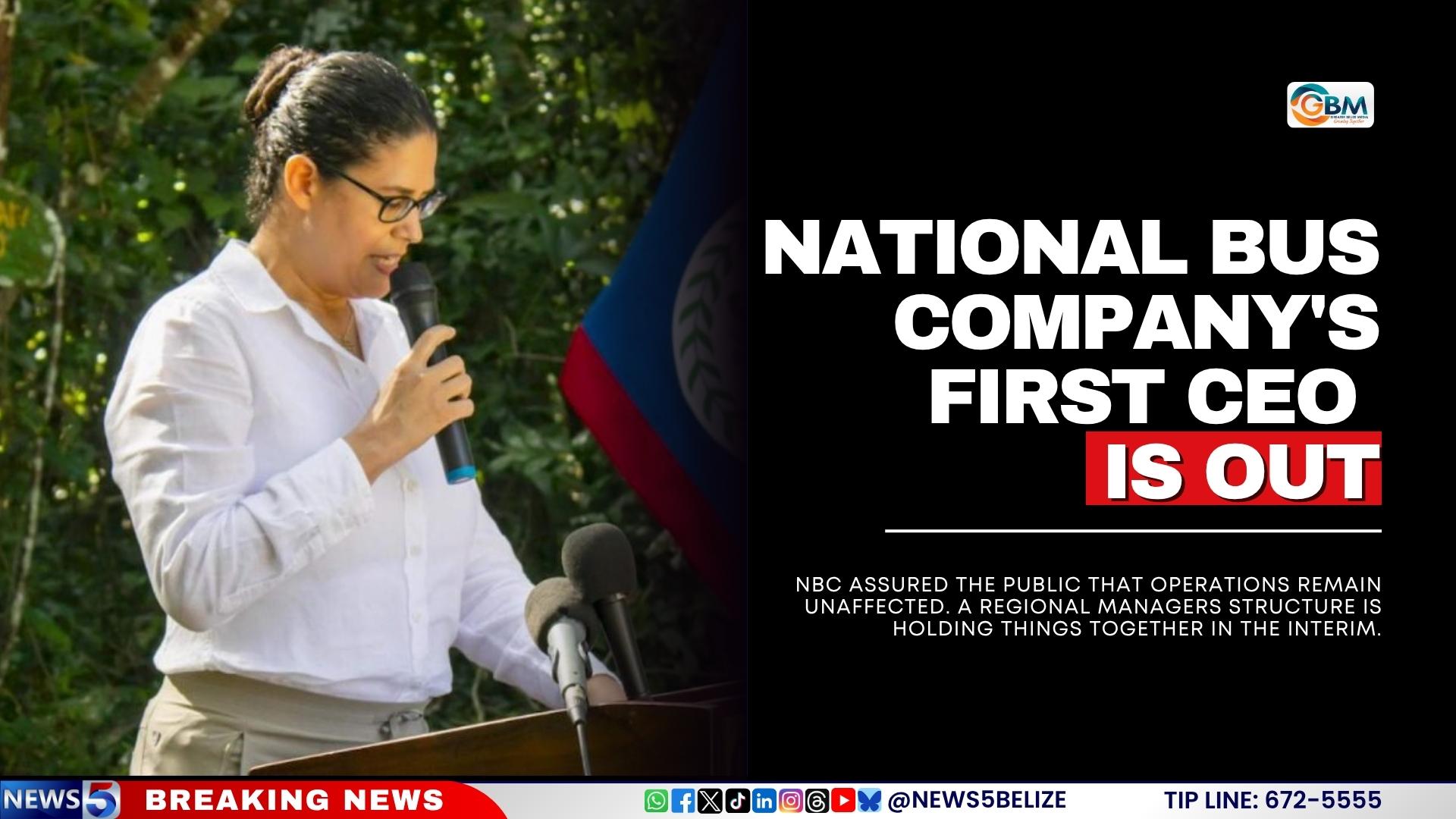
    Three months after commencing public operations, the newly established National Bus Company (NBC) has announced the departure of its inaugural chief executive, Susana Vanzie. The transition, which was foreshadowed months in advance by top government transportation officials, has left the organization searching for a permanent replacement to lead the state-owned bus service.

    Vanzie, a professional with roots in Floralia, was handpicked by the NBC board of directors to guide the company through its critical launch phase. She oversaw the start of public service operations when NBC officially opened for business on March 1, 2026. Her departure was formally confirmed in an official company press release issued on May 19, 2026, and within hours of the announcement, the organization published a public job posting to recruit her successor.

    The exit of Vanzie comes as no surprise to industry observers, as Transport Minister Dr Louis Zabaneh explicitly framed the initial launch leadership team as a temporary arrangement from the outset. Speaking just days after NBC kicked off services in early March, Zabaneh clarified that the entire initial management cohort was hired on a three-month probationary footing. He noted at the time that Vanzie’s selection as the founding CEO had been completed by the independent NBC board, and any decision on a permanent appointment would hinge on whether the board determined her performance met required operational standards.

    Despite the leadership change at the top, NBC has moved quickly to reassure passengers and stakeholders that all regular bus services continue to operate as scheduled with no disruptions. In the interim period between Vanzie’s departure and the appointment of a new chief executive, the company’s existing regional management structure has been empowered to oversee day-to-day operations and keep services running smoothly. Notably, Vanzie will not sever all ties with the organization following her exit from the CEO role; she will retain her stake in NBC as a company shareholder.

  • Is Belize Sacrificing Its Coastline for “Development”?

    Is Belize Sacrificing Its Coastline for “Development”?

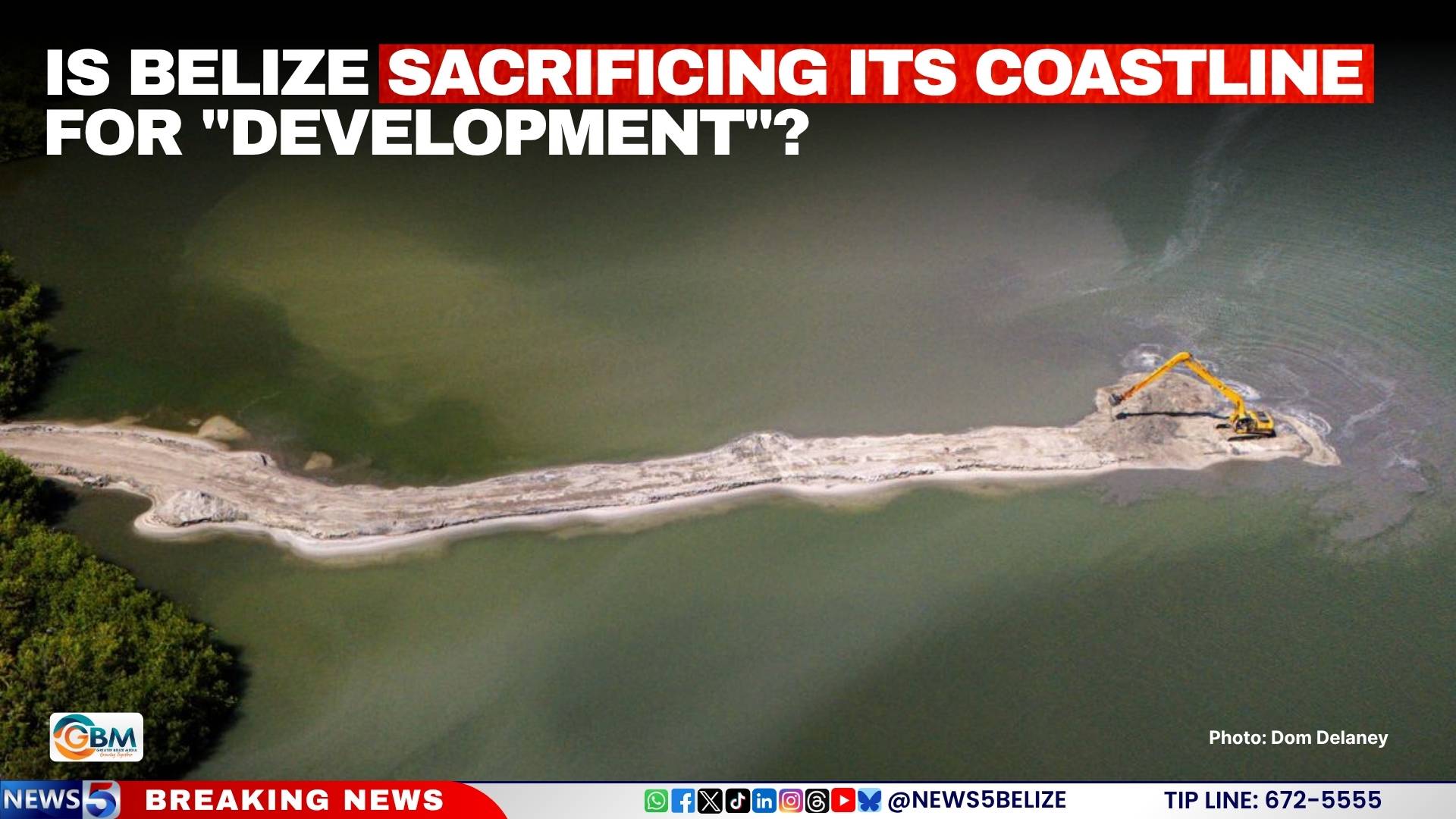
    A broad coalition of leading Belizean environmental and conservation organizations has issued an urgent public call for the Belizean government to freeze all new coastal development approvals, sounding the alarm that unregulated construction is systematically destroying the nation’s irreplaceable marine ecosystems while regulatory authorities fail to enforce existing protections.

    Organized under the banner of the Ambergris North Alliance, the coalition counts major global and local conservation groups including Oceana, World Wildlife Fund, and the Belize Flat Fishery Association among its signatories. In a joint statement released Monday, the alliance detailed a persistent pattern of environmental violations spanning illegal dredging operations, unpermitted clearing of critical mangrove habitats, unregulated wastewater dumping, and a systemic failure of government monitoring to ensure required environmental mitigation measures are actually implemented.

    “ We the undersigned, on behalf of our respective organizations, write to formally and forcibly register our profound and collective frustration and disappointment regarding the management and protection of our sensitive marine and coastal ecosystems, ” the statement reads.

    Beyond the direct ecological damage caused by unregulated development, the coalition’s core grievance centers on the lack of accountability and transparency from government agencies. Community leaders, independent marine scientists, and conservation organizers report that repeated requests for public information about proposed projects and the status of required development permits have been ignored by authorities. The coalition also emphasized that environmental violations are almost never addressed until irreversible harm to coastal ecosystems has already been done, and that repeat offenders almost never face meaningful penalties for breaking the law. This pattern of non-enforcement has created a dangerous culture of impunity that the groups say can no longer be tolerated, per the statement.

    The coalition has targeted specific government bodies with its demands: the Ministries of Sustainable Development, Blue Economy and Marine Conservation, and Natural Resources, as well as the national Department of the Environment. The groups are calling for an immediate freeze on all new development approvals in the nation’s most sensitive and protected coastal zones, including the Bacalar Chico protected area, Hol Chan Marine Reserve, Placencia Peninsula, Corozal Bay Wildlife Sanctuary, and the country’s vulnerable offshore cayes.

    Beyond the immediate moratorium, the coalition is pushing for robust enforcement of existing Belizean environmental laws, including issuing stop work orders for illegal projects, suspending or revoking permits for non-compliant developers, and imposing substantial financial penalties that will deter future violations. The groups also are advocating for a formal, legally binding process that guarantees local community stakeholders — including fishing cooperative leaders, local tour operators, village councils, and coastal residents — a formal voice in all future coastal development decision-making, a requirement aligned with the terms of the regional Escazú Agreement on environmental access and rights.

    In closing the statement, the coalition said: “On behalf of the people of Belize, we expect an urgent and meaningful response detailing how the administration intends to address this exigent national situation.”

  • Offerfeest dit jaar op woensdag 27 mei

    Offerfeest dit jaar op woensdag 27 mei

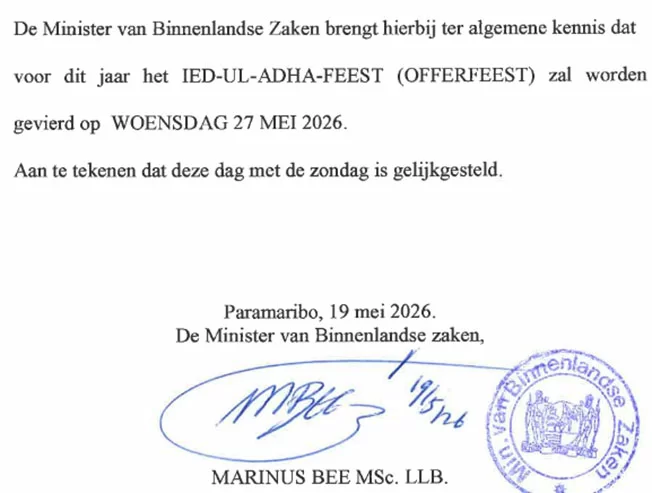
    Authorities in Suriname have formally confirmed the official date for this year’s observance of Eid al-Adha, known locally as Offerfeest, scheduling the major Islamic religious holiday for Wednesday, 27 May. The announcement came directly from the country’s Ministry of Internal Affairs, which has officially designated the holiday to hold the same legal status as a Sunday, granting it recognition as a nationwide public holiday for all residents.

    As one of the most sacred and widely celebrated religious observances in the Islamic faith, Eid al-Adha, also called the Feast of Sacrifice, centers on core themes of devout faith, willingness to sacrifice for one’s beliefs, communal unity and mutual solidarity. The holiday marks a key moment in Islamic tradition: it commemorates the prophet Ibrahim’s unwavering obedience to God, which saw him prepared to sacrifice his own son as an act of devotion. According to centuries-old Islamic lore, God ultimately accepted a sacrificial animal in the young man’s place, establishing the tradition of animal sacrifice that remains central to the celebration today.

    Across global Muslim communities, traditional observances of the holiday bring together worshippers for collective prayer services, held both in mosques and open-air prayer grounds across the world. A core pillar of the celebration is the value of sharing with others: after sacrifice, families customarily divide the meat between their own households, extended relatives, neighbors, and low-income community members who face economic hardship, ensuring that all can participate in the festive occasion.

    In Suriname, the Feast of Sacrifice holds deep cultural and social significance for the country’s large Muslim community, who mark the occasion annually with full traditional observances. This year’s designation as an official national public holiday will allow residents across the country to fully participate in long-standing customs, including communal prayer services, family gatherings and visits, and acts of charity that form the backbone of the celebration.

  • Senator Malaka Parker Calls for Stronger Parliamentary Oversight

    Senator Malaka Parker Calls for Stronger Parliamentary Oversight

    In a packed ceremony that drew hundreds of enthusiastic supporters, veteran opposition legislator Malaka Parker has officially retaken her seat in the national Senate, using her swearing-in address to deliver a sharp rebuke of eroding parliamentary independence and lay out an ambitious agenda for robust opposition oversight.

    The United Progressive Party (UPP), Parker’s political party, confirmed in an official statement released Tuesday that Government House overflowed with attendees on Monday, who turned out in force to witness the long-awaited investiture of one of the nation’s most prominent progressive politicians. Parker first entered the Upper House in 2009, when the UPP held the national administration, making history at the time as the youngest parliamentarian the country had ever elected.

    Opening her remarks with a reflection on her decades of public service, Parker framed the Senate as a critical institutional check on executive power, describing the chamber as “the filter, the refiner, the chamber of review and perfecting” of national legislation. She emphasized that her oath of office was sworn to the citizens of the nation, not to any political party – a line that drew loud applause from the gathered crowd. During her first tenure in the Senate, Parker noted, cross-party groups of senators routinely established dedicated subcommittees to audit draft legislation that was marked as incomplete or poorly drafted, a practice she says has fallen by the wayside in recent years.

    Parker’s core criticism targeted what she called a steady decline in independent thinking among sitting senators, arguing that the chamber has drifted from its oversight mandate in recent years. “Today, and for some time, we have been moved back to a Senate of rubber stampers,” she said. “They are more like cheerleaders for the government.” The newly reappointed senator warned that democratic governance faces its greatest risk not from external threats, but from the growing culture of self-censorship among elected officials. “The most dangerous threat to our democracy is the crippling fear to speak up, to question, to disagree with the leaders you elect,” she added.

    Attendees at Monday’s ceremony reflected Parker’s long cross-sector career: representatives from the Antigua and Barbuda Workers’ Union, where Parker made history as the first woman to serve as union president, were in attendance, alongside former colleagues from her time at CIBC, UPP party members, and constituents from multiple electoral districts across the country.

    Acknowledging the overwhelming public turnout, Parker said the large crowd was not just a show of support, but a reflection of the high expectations voters have placed on the opposition bloc. “I love my country and I love my people,” she said. “I thank them all for coming, but I also know it is because they have great expectations of me.”

    Now taking her place on the opposition benches in the 19-seat Upper House, Parker signaled that the four-person opposition caucus plans to be a relentless, vocal force in parliamentary proceedings, pushing for debate on underreported issues and holding the ruling administration accountable. “We are four, but do not underestimate us by number,” she said. “Each person on this team stands deep in substance, capacity, and conviction. We will be heard.”

  • Falling birth rates, brain drain: Why Saint Lucia is rethinking migration

    Falling birth rates, brain drain: Why Saint Lucia is rethinking migration

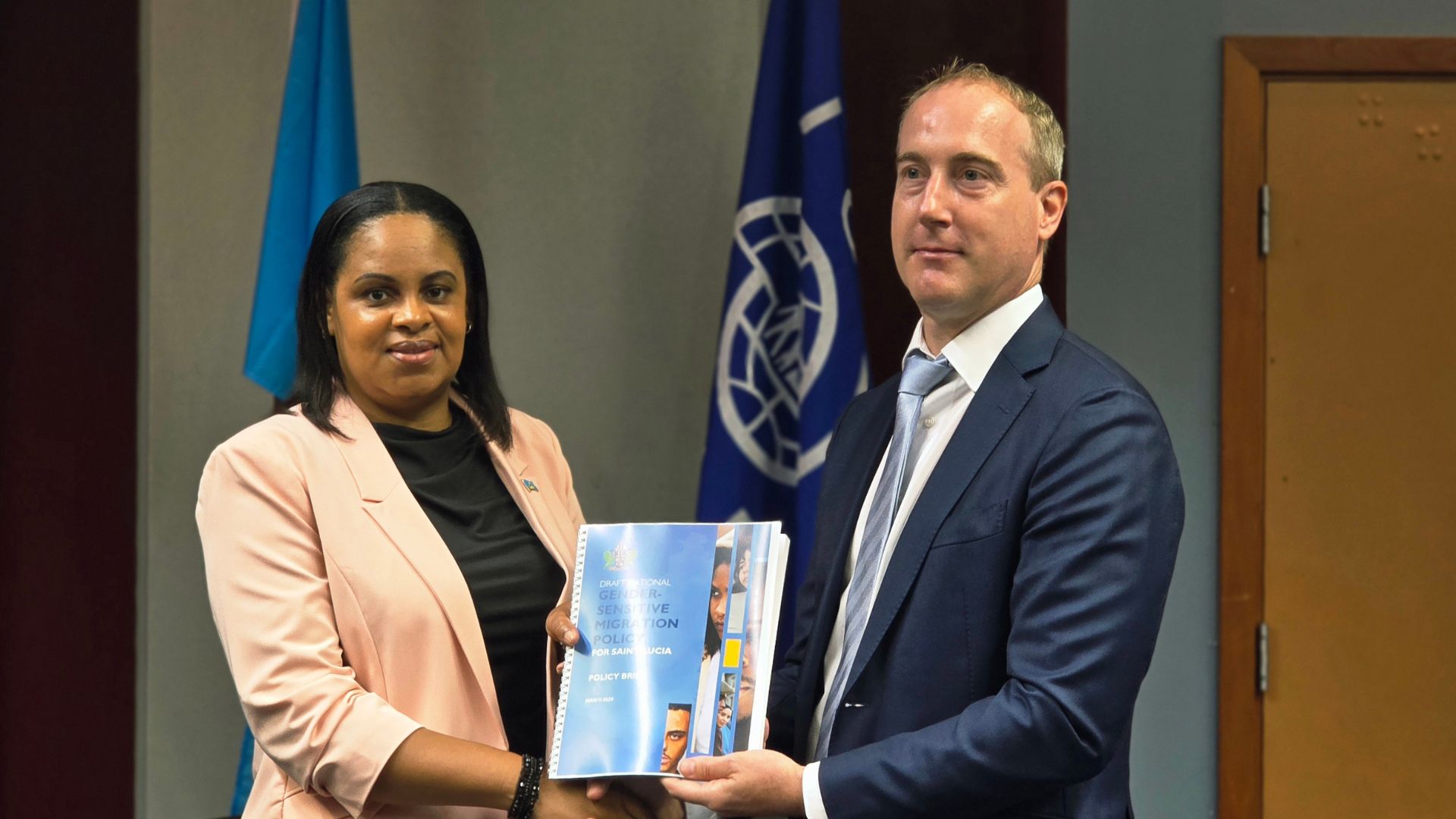
    Saint Lucia is grappling with a growing wave of skilled worker emigration, with nurses and teachers departing the Caribbean island nation in large numbers. This exodus has become a key driving force behind the drafting of a groundbreaking new national gender-responsive migration policy, designed to navigate both the risks and opportunities that come with cross-border population movement.

    Currently, movement of people in Saint Lucia is governed by existing frameworks including the Immigration Act, the Citizenship Act, and relevant constitutional provisions. However, a combination of emerging global and national shifts has pushed policymakers to pursue a comprehensive, updated policy approach. Climate-driven disasters, plummeting fertility rates, and evolving geopolitical tensions have all created new uncertainty around the country’s long-term demographic and economic trajectory, prompting a re-evaluation of how migration is managed.

    Speaking at an official media briefing held to unveil the draft policy, Patrice Quesada, Caribbean Coordinator for the International Organization for Migration (IOM), shared stark demographic data: Saint Lucia is currently recording barely above zero population growth, with its fertility rate already dropping below 1.4 births per woman. This figure is far below the 2.1 birth rate that demographers widely identify as the minimum threshold required to sustain stable population growth without immigration. Paul Kalicharan, a statistician from Saint Lucia’s National Insurance Corporation, has previously flagged these demographic trends, emphasizing that the country will need to import skilled foreign labor to fill critical workforce gaps that will emerge as the native population ages and shrinks.

    The briefing brought together a diverse panel of stakeholders, including Quesada, Julian Dubois (Saint Lucia’s Ambassador for Diaspora Affairs), Caron Tobiere (Chairperson of the Coalition of Civil Society Organisations of Saint Lucia), Aiasha Jn Baptiste (Legal Officer at the Ministry of External Affairs), and Ken Charlery (Southern Division Immigration Supervisor).

    During discussions, panellists acknowledged a key structural disparity: migrants currently working in Saint Lucia often have access to better professional and economic opportunities than native-born Saint Lucians who have never migrated abroad. Ambassador Dubois noted that the new draft policy creates a critical opening to examine this issue through an objective, balanced lens, allowing policymakers to recalibrate systems to deliver more equitable outcomes.

    Officials also stressed that migration is not solely a challenge—it also carries substantial economic benefits for the island nation. One of the most significant advantages is the steady flow of remittances sent back to Saint Lucia by citizens living and working overseas. In recent years, this has shifted the national narrative around migration, repositioning well-managed migration as a tool to advance sustainable development and broader social inclusion.

    The draft gender-sensitive migration policy was developed through a collaborative partnership between the government of Saint Lucia and IOM, following extensive consultations with dozens of civil society, security, and social agencies across the country and the broader Caribbean region. Once finalized, the draft will be presented to the national Cabinet for review before official implementation can begin.

    The policy outlines eight core priority areas that will guide its implementation:

    1. **Labour Migration and Decent Work**: The policy prioritizes the promotion of fair recruitment practices, robust protections for migrant workers, and full economic and social integration to maximize shared benefits for both the national economy and migrant households, while eliminating persistent gender disparities and upholding the rights of all vulnerable migrant groups.

    2. **Migration Data, Monitoring and Evidence-based Research**: Policymakers will work to build a comprehensive, gender-responsive data and monitoring framework that can accurately track migration flows, measure policy outcomes, identify vulnerable populations, and assess the real-world impact of the new policy.

    3. **Protection, Human Rights and Social Inclusion**: The policy commits to guaranteeing comprehensive support to all migrants, particularly marginalized and vulnerable groups, by expanding access to robust protection mechanisms and ensuring all migrants can access their rights and participate fully in society free from discrimination and stigma.

    4. **Migration, Diaspora and Development Synergies**: The new framework seeks to leverage connections between migration, the Saint Lucian diaspora, and national development to drive sustainable economic growth, facilitate cross-border knowledge exchange, and strengthen national resilience, while mitigating the negative side effects of unmanaged migration.

    5. **Migration in Crises and Environmental/Climate-related Mobility**: The policy will strengthen institutional preparedness and policy systems to anticipate, reduce the harm of, and manage migration driven by crises and climate change, with a focus on gender equity, protection, and the development of long-term sustainable solutions.

    6. **Remittances and Development**: The framework aims to amplify the contribution of remittances to national development by cutting transaction costs, expanding access to financial services for recipients, and supporting the productive, gender-equitable use of remittance income to boost household resilience, expand economic opportunity, and drive sustainable national growth.

    7. **Return and Reintegration**: Policymakers will build out comprehensive support systems to support the sustainable economic and social reintegration of Saint Lucians returning to live and work in the country after living overseas, ensuring returnees are treated with dignity and fully included in national life.

    8. **Border Management and Safe and Orderly Migration**: The policy will strengthen Saint Lucia’s capacity to implement integrated, rights-based border management, ensuring that migration remains safe, orderly, and regular, while preventing irregular migration and upholding protections for vulnerable migrants.
  • CPEA under scrutiny: Parents and teachers voice concerns

    CPEA under scrutiny: Parents and teachers voice concerns

    Each year, as primary school students prepare to transition to secondary education, all eyes turn to the Caribbean Primary Exit Assessment (CPEA), a standardized testing framework rolled out by the Caribbean Examination Council (CXC) that has reshaped end-of-primary evaluation across the region. First introduced in several Caribbean nations as early as 2012, the CPEA was created to replace the decades-old Common Entrance exam, with a core mission of delivering a more holistic, accurate measure of student readiness before they enter secondary schooling. For Saint Lucia, the full transition to the new assessment system was completed in May 2022, closing a chapter on the traditional Common Entrance model and cementing CPEA as the official exit evaluation for the island’s primary students.

    Unlike the outgoing Common Entrance system, which centered entirely on a single high-stakes final exam that determined secondary placement, the CPEA model incorporates continuous ongoing coursework and formative assessments throughout a student’s final primary year. The original design of the framework was intended to cut down on the acute stress caused by a one-off make-or-break test, while also encouraging greater active engagement from both students and their families in the learning process. But more than a decade after its initial launch, the assessment has failed to live up to its promises, according to hundreds of educators, parents, and students across the region, who have raised consistent alarms about its unintended negative consequences.

    Annual public discourse and social media conversations across participating nations have repeatedly highlighted that the CPEA’s structure has created unexpected new burdens that outweigh its intended benefits. Many observers note that by the time students complete the assessment and enter their first year of secondary school (known locally as Form One), they are already experiencing severe academic burnout.

    Worse, many secondary school educators report that current cohorts of students are less prepared for the demands of secondary-level coursework than those who took the old Common Entrance exam, with a worrying share of new Form One students lacking foundational proficiency in core skills including reading, writing, and mathematics.

    To dig deeper into these growing concerns, local St. Lucia Times news outlet conducted interviews with a range of stakeholders with direct experience of the new assessment system. One anonymous serving primary school teacher compared the heavy workload required for the CPEA’s internal assessment component to the course load of a graduate-level master’s degree. “Five essays, a book report, one major project, eight teacher-created exams, four student-developed tests—all of this has to be completed in a single Grade 6 academic year. It’s simply too much for 11 and 12 year old students,” the teacher explained.

    Claudine Louison, a Saint Lucian parent whose child is currently enrolled in Form Two, echoed that frustration. She noted that even with the CPEA’s rigorous evaluation requirements, the framework has not delivered on its core goal of creating a smooth transition between primary and secondary education. Even top-performing students, who often rely on intensive last-minute drilling to pass the CPEA’s requirements, struggle to adapt once they enter secondary school, Louison said.

    “It is incredibly stressful for everyone involved, and honestly, I do not think it is fair to either students or teachers,” Louison said. “Grading is based on a work sample from other students combined with multiple-choice tests, which doesn’t give an accurate picture of what a student actually understands. When students earn strong grades and move on to secondary school, it quickly becomes clear that they never mastered core basic concepts. That just creates more work for secondary teachers who are left to fill gaps that should have been addressed in primary school.”

    These concerns are not unique to Saint Lucia. Educators in other Caribbean nations that have adopted the CPEA have raised identical criticisms. One teacher from Grenada argued that the CPEA’s overreliance on multiple-choice questions actively holds back student development. “I believe the CPEA is crippling our students and robbing them of the chance to develop critical thinking skills,” the Grenadian educator said. “It also holds back their literacy skills by giving them almost no space to write and express their own ideas. The internal assessment component exists on paper, but even with that, the old Common Entrance exam truly tested students’ actual ability to apply knowledge.”

    The Grenadian teacher also pointed to two other systemic issues: widespread learning loss that occurs once the CPEA is completed, and a growing culture of teaching-to-the-test that prioritizes exam performance over actual long-term learning. “After the exam wraps up, both teachers and students should stay engaged in learning, just with a lighter load to keep skills sharp. Right now, too much of primary school is just focused on passing the assessment, that’s not what education is for. Secondary school also requires maturity and discipline, skills that the CPEA doesn’t foster.”

    During a pre-cabinet press briefing held on Monday, May 18, Saint Lucia’s Minister for Education Kenson Casimir acknowledged the growing calls for reform, but defended the core premise of moving away from a single high-stakes exam. Casimir noted that the shift to a continuous assessment model is progressive, aligned with modern workforce demands, and that all education assessment frameworks require ongoing review and adjustment to best serve student needs.

    “I am not someone who believes that single exams are the best way to measure student ability,” Casimir said. “I believe that from this young age, we need to treat children as developing professionals. Education should always be life-forming, helping students build sustainable life skills that will serve them through their careers, help them become productive progressive members of our society, and contribute to economic growth across our nation.”

  • Government to upgrade delivery of social assistance

    Government to upgrade delivery of social assistance

    A two-week high-level assessment mission organized by the World Bank has wrapped up its work on the Caribbean island of Saint Lucia, concluding May 14 with clear progress toward upgrading the nation’s entire social assistance delivery infrastructure. The mission’s core outcome is a foundational framework for a new centralized Social Protection Information System, a digital upgrade designed to streamline access to social support, cut service wait times, and bring greater organization to fragmented existing programs.

    The proposed unified platform will address longstanding coordination gaps across multiple government-led social assistance initiatives, centralizing all beneficiary and program data in one accessible location to boost cross-agency accountability and improve end-to-end service delivery for residents. Throughout the mission, World Bank technical teams maintained close collaborative working relationships with key Saint Lucian government bodies, including the Ministry of Equity, the Saint Lucia Social Development Fund, the Ministry of Finance, and the National Emergency Management Organisation, among other relevant agencies.

    Nancy Banegas, Senior Social Protection Specialist at the World Bank leading the mission, outlined that the team’s review centered on three of the country’s most impactful social support programs: the Public Assistance Programme (PAP), the Koudmen Sent Lisi Programme, and the Shock Response Cash Voucher Programme. “These three programs have been identified as very important social assistance pillars for the country, and the government alongside the Ministry of Equity is committed to rethinking how services reach communities more effectively,” Banegas explained. She added that the new system will fundamentally reshape how government ministries deliver support and communicate with beneficiaries, delivering direct, tangible benefits to vulnerable people while strengthening the overall quality of support services available.

    According to an official statement from the Saint Lucian government, the system will modernize nearly every core function of social assistance delivery, from initial beneficiary registration and eligibility assessments to payment processing and benefit distribution. Beyond improving outcomes for recipients, the upgrade will also streamline daily workflows for social workers and ministry administrative staff, reducing redundant data entry and bureaucratic bottlenecks.

    Tanzia Toussaint, Director of Social Transformation in the Ministry of Equity, framed the initiative as a transformative milestone for Saint Lucia’s social protection ecosystem, particularly for improving data collection and evidence-based policy decision-making. “This means bringing together all stakeholders, particularly from within our Ministry, including Welfare, Human Services, Social Transformation and Community Development, all of which play a direct role in gathering and managing critical information,” Toussaint said. “We recognise that the flow of information and the capturing of relevant data from the units will improve considerably over time. The objective is to establish a system that reflects, unit by unit, the work being undertaken and the specific information that must be captured. Information is power, and without it, we cannot effectively drive the social protection agenda forward.”

    Planned development and implementation timelines set a target to have the full system up and operational by the first quarter of 2027. The Ministry of Equity emphasized that the project forms a core part of broader government efforts to build a more efficient, people-centered social protection framework that can better meet the needs of vulnerable individuals and families across the entire island.

  • Portmore United overturn deficit to beat Mt Pleasant in JPL semis

    Portmore United overturn deficit to beat Mt Pleasant in JPL semis

    In a dramatic semi-final clash that kept football fans on the edge of their seats, Portmore United pulled off a stunning comeback to defeat Mt Pleasant FA 4-2 in extra time of the Jamaica Premier League (JPL) second leg, securing a 4-3 aggregate win and a spot in this Sunday’s championship final. Playing their fourth match in just 10 days, Portmore overturned a 1-0 deficit from the first leg, breaking a seven-year drought to reach the national league’s title decider while ending Mt Pleasant FA’s three-year streak of consecutive final appearances. The result also grants Portmore qualification to the 2026 CONCACAF Caribbean Cup, scheduled to launch this coming August.

    From the opening kickoff, Portmore threw caution to the wind, eager to erase their first-leg disadvantage. The underdogs got their first breakthrough in the 23rd minute, when midfielder Tarick Ximenes launched an audacious long-range effort from nearly the halfway line. The strike caught Mt Pleasant goalkeeper Tafari Chambers well off his line, looping over his outstretched arms and dipping into the back of the net to level the aggregate score at 1-1.

    Portmore doubled their advantage on the pitch before halftime, capitalizing on a costly defensive mistake from Mt Pleasant in the 37th minute. Striker Ronaldo Robinson pounced on a loose ball just inside the 18-yard box, firing a clean shot past Chambers to put Portmore ahead on aggregate for the first time in the two-legged tie.

    Mt Pleasant FA, three-time defending finalists, responded with composure midway through the second half. In the 62nd minute, Raheem Edwards made amends for an earlier missed opportunity, smashing a powerful strike from the edge of the penalty area past Portmore goalkeeper Daniel Russell to draw the aggregate score level once again. Regulation time ended with the score tied 2-2 on the night and 3-3 on aggregate, forcing the tie into 30 minutes of extra time to decide a winner.

    Portmore reclaimed the lead just seven minutes into extra time, when Tedj Bryan directed a pinpoint header from a well-placed cross past Chambers, putting the side back in pole position to advance. But Mt Pleasant refused to fold, equalizing just three minutes later after a foul inside the penalty area gave them a chance from the spot. Jashaun Anglin converted the penalty to tie the score at 2-2 on the night, setting up a tense final 15 minutes of play.

    It was Portmore who had the final say, however. In the 112th minute, forward Javier Brown got the decisive touch on a long through ball, guiding a precise effort with his right boot past Chambers and into the left corner of the net. The goal held up through the final minutes of extra time, confirming Portmore’s remarkable comeback victory and securing their spot in Sunday’s title match.

  • Miss Universe Jamaica Westmoreland to be crowned Saturday night

    Miss Universe Jamaica Westmoreland to be crowned Saturday night

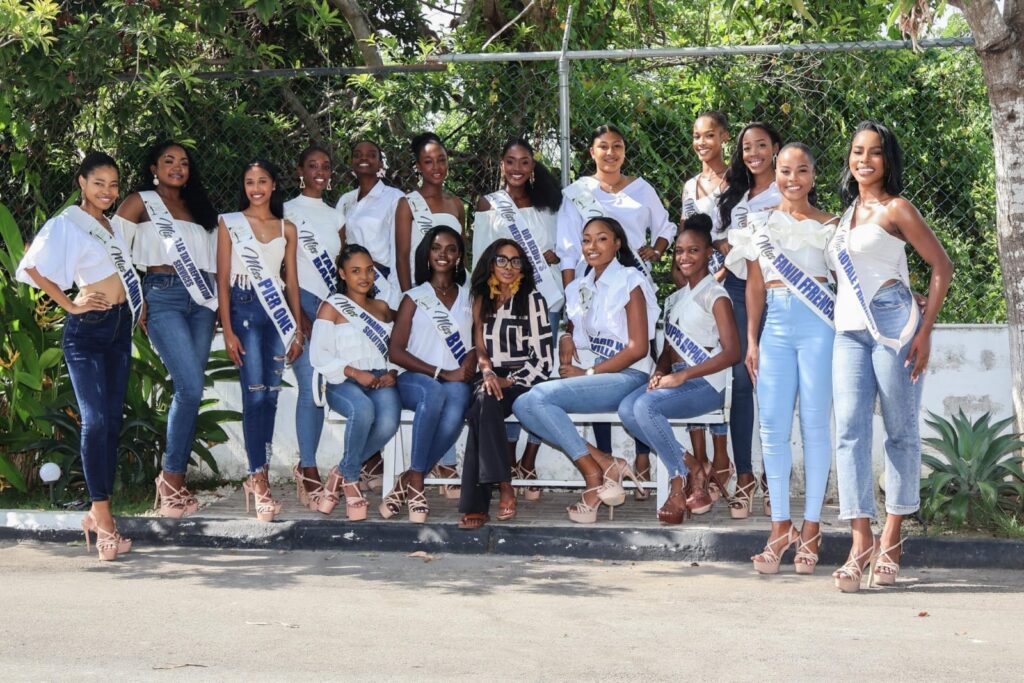
    SAVANNA-LA-MAR, Westmoreland — One of 16 talented, charismatic contestants will walk away with the title of Miss Universe Jamaica Westmoreland 2026 when the annual coronation showcase takes place this Saturday, May 23, at the iconic Hotel Commingle in the heart of Savanna-la-Mar. The road to the parish crown kicked off back on March 18, when each competing candidate received their official sash during a public ceremony attended by event sponsors and a crowd of enthusiastic supporters.

    In the weeks leading up to the final night, the 16 hopefuls have stepped into the public eye for a series of official engagements, including a formal courtesy visit to Danree Delancy, Mayor of Savanna-la-Mar and Parish Councillor, to connect with local leadership ahead of the main event.

    The highly anticipated coronation evening will follow a structured, engaging format designed to highlight each contestant’s unique personality and strengths. The show will open with all 16 candidates modeling coordinated looks crafted exclusively for the event by Jamaican designer Kadian Nicely. After the opening procession, contestants will take the stage individually for two judged segments: swimwear and evening gown.

    Beyond the overall crowning, the event will recognize standout contestants with a range of sectional awards, honoring traits from personality to presence. Award categories include Most Congenial, Best Altruism Presentation, Most Photogenic, Best in Swimwear, Best in Evening Gown, Best Social Media Personality, and Essence of Style.

    Following the preliminary judged segments, event organizers will narrow the field first to a top 10 finalists, then cut to a top five. The remaining five contestants will advance to a live interview round, after judges will rank the top three placements ahead of the final reveal of the new Miss Universe Jamaica Westmoreland 2026.

    Pageant director Hannah Sheree shared her excitement for the upcoming showcase, emphasizing the hard work all contestants have put into their preparation. “The ladies have worked incredibly hard over the past two months, and they are fully prepared to deliver an electrifying, unforgettable performance,” Sheree said. “This promises to be such a spectacular night that no one in the area will want to miss it.”

    Sheree extended an open invitation to local communities and pageant fans across the country to attend the event and support the candidates, who she described as “brains and beauties” representing the best of Westmoreland parish. “Come out and support our ‘brains and beauties’ representing the parish of Westmoreland in what has become one of the most anticipated local cultural events of the year,” she added.

    For the winner, the coronation will mark just the first step in a year of opportunities: the newly crowned Miss Universe Jamaica Westmoreland 2026 will earn an automatic spot to compete at the national Miss Universe Jamaica 2026 pageant, scheduled to take place this coming August.

  • Jamaican actress Kenturah Hamilton stars in drama series ‘Through Thick & Sin’

    Jamaican actress Kenturah Hamilton stars in drama series ‘Through Thick & Sin’

    For Jamaican creative Keturah Hamilton, years of hard work in the entertainment industry are culminating in a deeply personal new project: the upcoming vertical drama series *Through Thick & Sin*, which she created, co-wrote, and stars in. Production on the series kicked off this past April, with a 2026 premiere date locked in for the hotly anticipated project.

    The series centers on a tight-knit trio of childhood friends whose entertainment careers have ground to a frustrating standstill: one works as a model, another as a singer, and the third as an actress. Fed up with stagnation and hungry to build the lives they believe they deserve, the three women hatch an unconventional plan: they launch a custom website designed to connect with lonely, connection-seeking men craving attention and an escape from their daily struggles. Joining Hamilton in the main cast are Thomasina Gross, who takes on the role of Wendy, and Tara Joshi, who portrays the third member of the friend group, Tiffany. Hamilton herself leads the cast as Naomi, the series’ resilient core, and says the role allows her to showcase her Jamaican heritage in a refreshingly authentic way that has rarely been seen on screen.

    Helming the director’s chair is Patricia Cuffie-Jones, an accomplished television writer and director who has already earned an Emmy nomination for her work in the industry. Cuffie-Jones brings extensive experience to the project, having previously directed well-received television movies including *His, Hers & Ours* starring noted actor Taye Diggs and the holiday feature *Brewster’s Millions: Christmas*. She also joins Hamilton and writer Stevie Sandoval as a co-writer on the series, sharing writing credits with the pair for the show’s story and scripts.

    A native of Spanish Town, Jamaica, Hamilton migrated to the United States as a teenager and cut her teeth in the entertainment industry working as a professional model before pivoting to on-screen acting. She has built up a steadily impressive resume of on-screen credits in the years since her move, including guest roles on NBC’s hit medical drama *New Amsterdam*, a supporting turn in the political thriller *Gaslit* opposite Sean Penn, and a role in the feature film *Nanny*, where she shared the screen with entertainment icons Phylicia Rashad, best known for *The Cosby Show*, and Leslie Uggams, who originated the iconic role of Kizzy in the original *Roots* miniseries.

    For Hamilton, taking on three distinct roles on the project — creator, writer, and lead actress — has been an unparalleled creative opportunity that allowed her to shape every layer of the story from its initial concept to its on-screen execution. “I was fortunate to land the role not only as an actress, but also as the creator and one of the writers of the project alongside Patricia Cuffie-Jones and Stevie Sandoval,” she explained in an interview with Jamaica Observer Online. “Bringing this story to life from the ground up has been an incredible experience.”

    The series is produced by Phillmonaco Productions, a Los Angeles-based independent production company that backed Hamilton’s creative vision for the project. As of the latest announcements, distribution details for the series are still being finalized and will be shared with the public at a later date, leaving entertainment audiences waiting eagerly for more updates on the unique new drama.