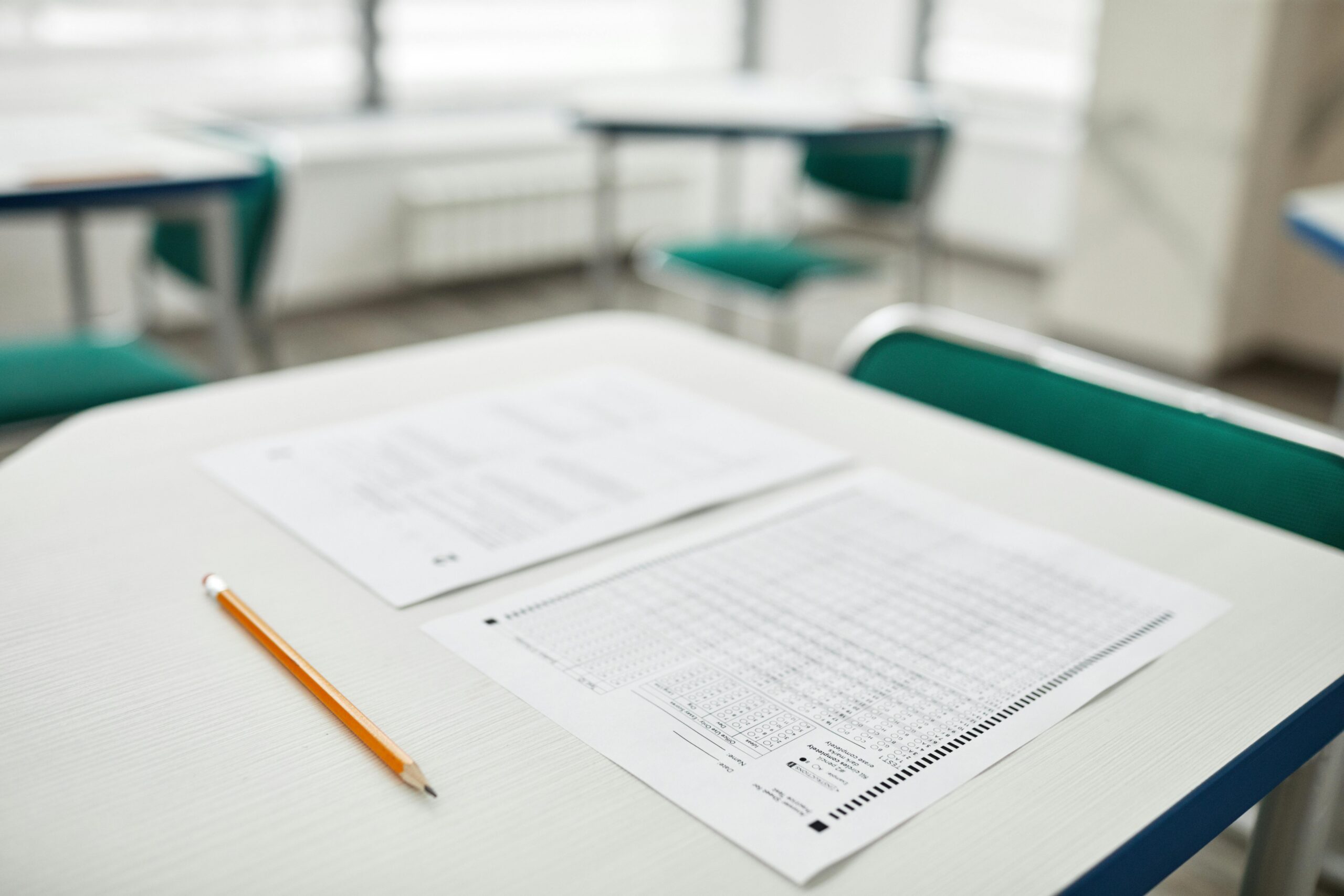
Each year, as primary school students prepare to transition to secondary education, all eyes turn to the Caribbean Primary Exit Assessment (CPEA), a standardized testing framework rolled out by the Caribbean Examination Council (CXC) that has reshaped end-of-primary evaluation across the region. First introduced in several Caribbean nations as early as 2012, the CPEA was created to replace the decades-old Common Entrance exam, with a core mission of delivering a more holistic, accurate measure of student readiness before they enter secondary schooling. For Saint Lucia, the full transition to the new assessment system was completed in May 2022, closing a chapter on the traditional Common Entrance model and cementing CPEA as the official exit evaluation for the island’s primary students.
Unlike the outgoing Common Entrance system, which centered entirely on a single high-stakes final exam that determined secondary placement, the CPEA model incorporates continuous ongoing coursework and formative assessments throughout a student’s final primary year. The original design of the framework was intended to cut down on the acute stress caused by a one-off make-or-break test, while also encouraging greater active engagement from both students and their families in the learning process. But more than a decade after its initial launch, the assessment has failed to live up to its promises, according to hundreds of educators, parents, and students across the region, who have raised consistent alarms about its unintended negative consequences.
Annual public discourse and social media conversations across participating nations have repeatedly highlighted that the CPEA’s structure has created unexpected new burdens that outweigh its intended benefits. Many observers note that by the time students complete the assessment and enter their first year of secondary school (known locally as Form One), they are already experiencing severe academic burnout.
Worse, many secondary school educators report that current cohorts of students are less prepared for the demands of secondary-level coursework than those who took the old Common Entrance exam, with a worrying share of new Form One students lacking foundational proficiency in core skills including reading, writing, and mathematics.
To dig deeper into these growing concerns, local St. Lucia Times news outlet conducted interviews with a range of stakeholders with direct experience of the new assessment system. One anonymous serving primary school teacher compared the heavy workload required for the CPEA’s internal assessment component to the course load of a graduate-level master’s degree. “Five essays, a book report, one major project, eight teacher-created exams, four student-developed tests—all of this has to be completed in a single Grade 6 academic year. It’s simply too much for 11 and 12 year old students,” the teacher explained.
Claudine Louison, a Saint Lucian parent whose child is currently enrolled in Form Two, echoed that frustration. She noted that even with the CPEA’s rigorous evaluation requirements, the framework has not delivered on its core goal of creating a smooth transition between primary and secondary education. Even top-performing students, who often rely on intensive last-minute drilling to pass the CPEA’s requirements, struggle to adapt once they enter secondary school, Louison said.
“It is incredibly stressful for everyone involved, and honestly, I do not think it is fair to either students or teachers,” Louison said. “Grading is based on a work sample from other students combined with multiple-choice tests, which doesn’t give an accurate picture of what a student actually understands. When students earn strong grades and move on to secondary school, it quickly becomes clear that they never mastered core basic concepts. That just creates more work for secondary teachers who are left to fill gaps that should have been addressed in primary school.”
These concerns are not unique to Saint Lucia. Educators in other Caribbean nations that have adopted the CPEA have raised identical criticisms. One teacher from Grenada argued that the CPEA’s overreliance on multiple-choice questions actively holds back student development. “I believe the CPEA is crippling our students and robbing them of the chance to develop critical thinking skills,” the Grenadian educator said. “It also holds back their literacy skills by giving them almost no space to write and express their own ideas. The internal assessment component exists on paper, but even with that, the old Common Entrance exam truly tested students’ actual ability to apply knowledge.”
The Grenadian teacher also pointed to two other systemic issues: widespread learning loss that occurs once the CPEA is completed, and a growing culture of teaching-to-the-test that prioritizes exam performance over actual long-term learning. “After the exam wraps up, both teachers and students should stay engaged in learning, just with a lighter load to keep skills sharp. Right now, too much of primary school is just focused on passing the assessment, that’s not what education is for. Secondary school also requires maturity and discipline, skills that the CPEA doesn’t foster.”
During a pre-cabinet press briefing held on Monday, May 18, Saint Lucia’s Minister for Education Kenson Casimir acknowledged the growing calls for reform, but defended the core premise of moving away from a single high-stakes exam. Casimir noted that the shift to a continuous assessment model is progressive, aligned with modern workforce demands, and that all education assessment frameworks require ongoing review and adjustment to best serve student needs.
“I am not someone who believes that single exams are the best way to measure student ability,” Casimir said. “I believe that from this young age, we need to treat children as developing professionals. Education should always be life-forming, helping students build sustainable life skills that will serve them through their careers, help them become productive progressive members of our society, and contribute to economic growth across our nation.”