作者: admin

  • VSB waarschuwt: energievoorziening dreigt rem op investeringen te worden

    VSB waarschuwt: energievoorziening dreigt rem op investeringen te worden

    Suriname’s leading business advocacy group, the Vereniging Surinaams Bedrijfsleven (VSB), has sounded the alarm over the growing risks that persistent planned power outages, known as loadshedding, pose to the stability of domestic business operations and the country’s ability to attract new foreign and local investment. The organization stressed that addressing the current energy shortage is only a short-term fix, arguing that policymakers and energy providers must prioritize expanding generation capacity to support long-term economic growth.

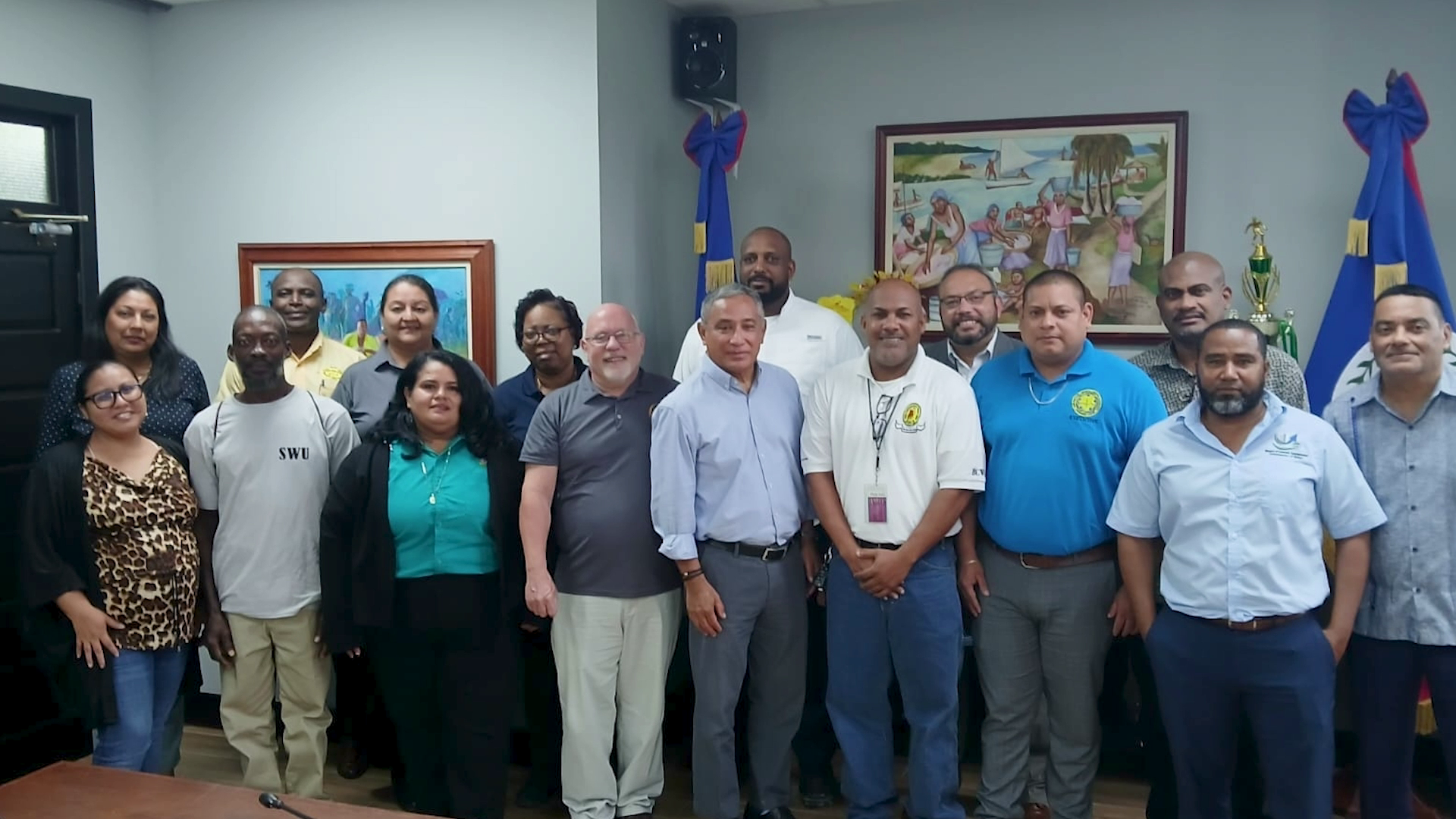
    The concerns were formally raised during a high-level consultation held September 15 between VSB representatives, leadership from N.V. Energiebedrijven Suriname (EBS), the national energy utility, and delegates from other organized business sectors across the country. The talks were triggered by widespread feedback from local business owners reporting significant disruptions to daily operations caused by recurring power cuts.
    VSB officials emphasized that for businesses of all sizes, a reliable and predictable energy supply is non-negotiable to plan production schedules and deliver consistent services to clients. While the association acknowledges that controlled loadshedding may be technically necessary to prevent total collapse of the national power grid, it says enterprises require clear, advance notification of when outages will occur and how long they will last to minimize productivity losses.
    During the negotiations, particular focus was placed on the disproportionate impact of loadshedding on small and medium-sized enterprises (SMEs), the tourism sector, and small-scale manufacturing operations. Alternative power solutions such as private backup generators carry high upfront investment costs that are out of reach for many smaller operators, the group noted. Attendees discussed a range of potential mitigation measures, including subsidized emergency power infrastructure, shifting non-critical business operations to off-peak hours when energy demand is lower, and adopting solar power paired with battery storage systems. Business representatives pushed for solution frameworks that prioritize affordable, accessible options for small and medium-sized businesses that cannot absorb large unexpected energy-related costs.
    VSB also asked whether EBS could prioritize power access for economically critical operations when scheduling outages, sparing key business facilities from disconnections. In response, EBS explained that its current technical infrastructure only allows for disconnections on a per-feeder basis, rather than per individual customer connection. While the utility already works to avoid outages for hospitals and other critical public services, and attempts to account for the economic profile of local areas during outage planning, full separation of business and residential connections is not currently feasible as most share the same distribution infrastructure.
    Beyond the immediate crisis, VSB highlighted that the larger, long-term challenge lies in meeting future energy demand as the Surinamese economy expands. New economic activities and incoming investment projects will only increase the country’s overall need for electricity, requiring timely development of new generation capacity and operational reserve infrastructure to avoid persistent shortages. EBS confirmed during the meeting that current available capacity is already insufficient to meet peak demand during certain periods, a problem rooted in a years-long backlog of investment in new energy infrastructure.
    Participants also discussed the prospect of allowing independent third-party energy producers to enter the market to expand total capacity. EBS reported that the required legal framework to enable private power generation is mostly finalized, but still remains subject to a final regulatory review.
    VSB has rejected framing the current energy shortage as a temporary supply-demand imbalance, arguing that investment in new generation capacity and energy infrastructure must grow in lockstep with broader national economic development. To that end, the association plans to continue holding regular structured consultations with EBS, the national government, and other business groups to push for long-term reform. VSB also called for full and timely implementation of existing prior agreements related to energy infrastructure investment, energy sector regulatory reform, and long-term demand planning.

  • Deadly Violence Shadows Independence Celebrations

    Deadly Violence Shadows Independence Celebrations

    As Belize prepared to mark its 45th year of independence in September 2026, a wave of unanticipated deadly gun violence swept across the nation, replacing the usual atmosphere of national celebration with widespread fear and grief.

    The string of attacks began on Sunday, when 62-year-old Jose “Bones” Sosa Sr. was gunned down while relaxing outside his home in the northern district of Orange Walk. His family has shared that while Sosa had previous encounters with law enforcement earlier in his life, he had stepped away from that lifestyle in recent years, choosing to keep to himself, care for his household, and assist neighbors whenever possible. “He wasn’t perfect, but he was trying to change,” his son told reporters. Even so, lingering ties to his past ultimately caught up to him, leaving his loved ones grappling with senseless loss and no confirmed motive from investigating officers.

    Just three days later, three more men — Deovan Hall, Anthony Perry Jr. and Dennis Guevara — were killed in separate shooting incidents across the country within a single 24-hour window. Perry’s girlfriend, Allyssa Teul, echoed the shock and confusion shared by all the victims’ families, saying, “No one ever saw this coming. Everyone who knew him knows he was an innocent, loving person.”

    By September 18, the streak of violence continued with another shooting of a young man in Belize City, pushing the nation’s annual murder count even higher and marking one of the deadliest weeks Belize has recorded in recent years. As law enforcement teams work to piece together details and motives for each attack, residents across the country are increasingly demanding answers: what is driving this sudden spike in violent crime, and what steps are national authorities taking to curb the bloodshed before more lives are lost?

    Local attorney and community advocate Audrey Matura says the current wave of violence is not an isolated crisis, but the result of deep-rooted systemic issues that have festered for years. She argues that unequal distribution of national resources has locked generations of Belizeans in cycles of poverty, creating conditions that leave young people disproportionately vulnerable to recruitment into criminal activity. While not all people living in poverty turn to crime, Matura notes that systemic underinvestment has stripped marginalized communities of critical public resources that would prevent crime in the first place: quality public education, expanded social services, accessible affordable healthcare, and stable, well-paying employment opportunities.

    “When resources are diverted away from the communities that need them most, we rob young people of the chance to build stable, legal lives for themselves,” Matura explained. “If we want to truly reduce crime, we have to start empowering people from childhood, not just respond to violence after it happens.” She emphasized that increased police patrols and harsher sentencing alone cannot solve the crisis — long-term, targeted investment in vulnerable communities is the only sustainable path to ending the cycle of violence that is tearing Belizean communities apart.

    This report comes as Belize prepares to mark its independence anniversary under a cloud of grief and uncertainty, with communities across the country mourning the lives cut short by the recent surge in attacks.

  • Trusted Worker Burglarizes Audrey Matura’s Home

    Trusted Worker Burglarizes Audrey Matura’s Home

    In Belize City, a local attorney has spoken out about her deep dissatisfaction with the criminal justice process after a trusted handyman she hired was sentenced for burglarizing her family home while the entire family was on vacation. Audrey Matura, a prominent local attorney, hired Prince Copious to carry out routine maintenance work on her residential property, granting him access to the space and full knowledge of the property’s layout.

    What made the 2025 Easter break burglary even more violating was the breach of that trust: while Matura and her family traveled out of the area for the holiday, Copious entered the home uninvited and stole a range of belongings, including Matura’s legally licensed firearm, personal jewelry, and school supplies belonging to the family. Beyond the material losses, Matura emphasizes that the crime stole something irreplaceable: her household’s long-held sense of safety and security within their own home. Even replaceable items pale in comparison to the permanent trauma of having a trusted worker violate the privacy of one’s personal space.

    Following a months-long court process, Copious ultimately entered a guilty plea to the burglary charges, and was sentenced by the court to 10 months of prison time. But the outcome has left Matura feeling disenfranchised as a victim. Matura had repeatedly requested the prosecuting attorney notify her in advance of the sentencing hearing, as she wanted to attend in person to deliver a victim impact statement and speak to the court about the far-reaching harm Copious’s actions caused. Despite multiple text messages and phone calls confirming her request, Matura was never notified of the hearing schedule, and only learned of the sentencing after it had already concluded.

    In her public comments on the case, Matura highlighted multiple lingering concerns over the process. Because she was not allowed to exercise her right to attend as the complainant, she has no way of knowing what factors the court considered when issuing the sentence, whether Copious presented any mitigation arguments to reduce his penalty, or if he even offered an apology for his actions. Adding further frustration, Matura noted that Copious was already out on bail for an unrelated second burglary charge when he committed the break-in at her home – a breach of bail conditions that she argues should have been classified as an aggravating factor to increase his sentence, but she cannot confirm if the court ever considered this detail.

    To date, Matura’s stolen licensed firearm has not been recovered. She has issued a public call for information, offering a $2,000 reward for any tip that leads to the safe return of the weapon. Matura’s experience highlights the gap in support for crime victims in Belize’s justice system, where victims’ requests to participate in sentencing proceedings are often overlooked despite their legal right to be heard.

  • Urgent Search for Missing Police Officer Kenyon Barrow

    Urgent Search for Missing Police Officer Kenyon Barrow

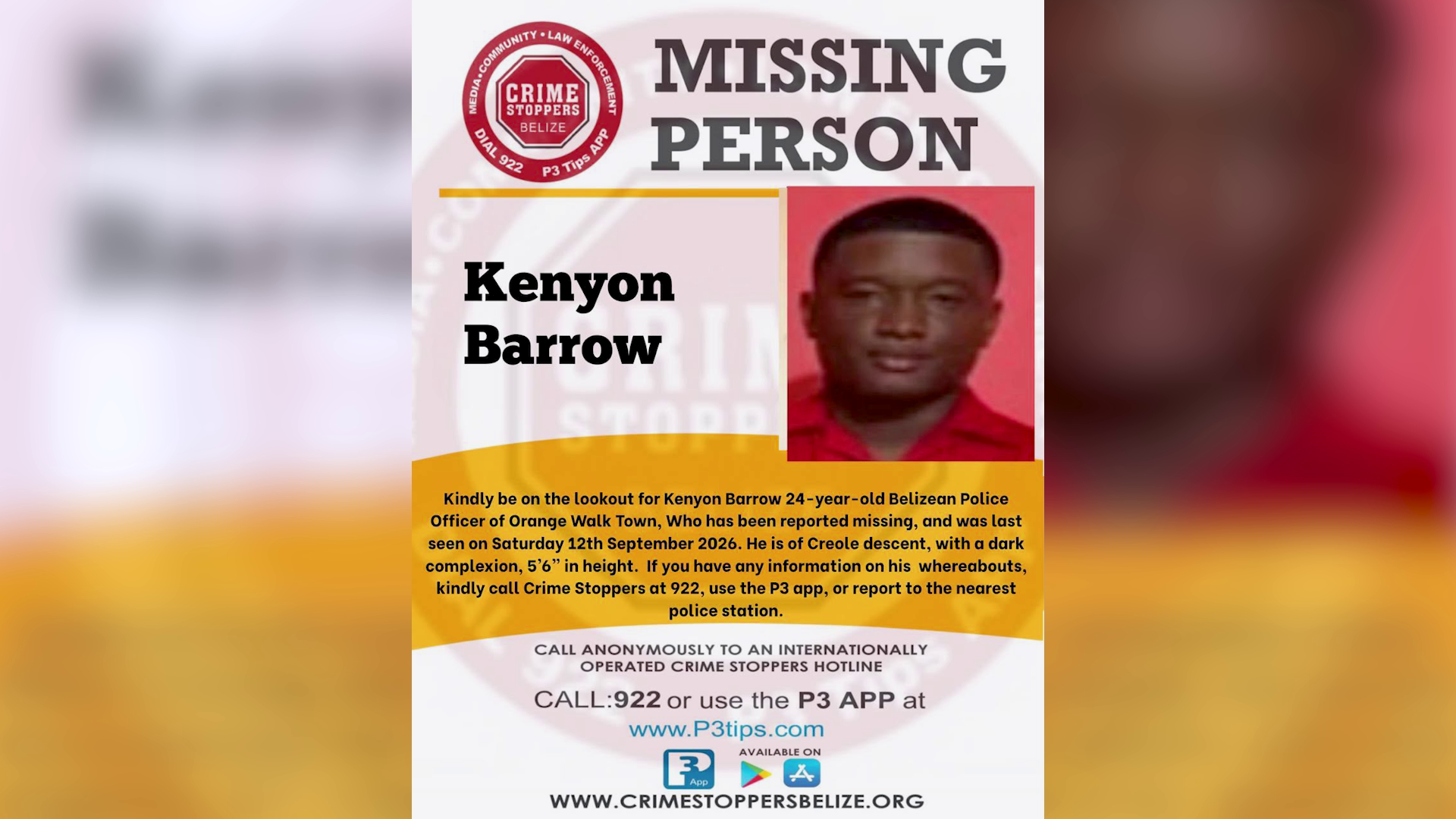
    Almost two weeks have passed since 24-year-old off-duty police officer Kenyon Barrow was last heard from, and growing anxiety over his safety has prompted an urgent public appeal from his desperate family. Barrow’s final communication with his mother, Therese Robinson, came on September 8, 2026, and the complete silence that has followed is deeply out of character for the young officer, Robinson says.

    The situation is made more worrying by Robinson’s confirmation that Barrow has been navigating significant personal and mental health struggles in recent months. For three weeks prior to his disappearance, Robinson told reporters that Barrow had been reliably responsive to every one of her calls, so his sudden lack of contact triggered immediate alarm. “I kept telling him it was time to come home, because he wasn’t born here in Orange Walk, and he’d already made the decision to step away from work,” Robinson shared in a phone interview with reporters. “I’d heard reports he wasn’t doing well, and all I wanted was for him to come home where we could look after him.”

    According to Robinson, Barrow had been staying with an acquaintance in the Black Water district of Orange Walk. Before filing an official missing person report with local law enforcement, Robinson launched her own search of the area, reaching out to the property’s landlord and all of Barrow’s known contacts to gather information.

    The landlord told Robinson he had not seen Barrow in two months, but that rent had continued to be paid on schedule via online transfer, with the next payment due on the Wednesday after Robinson filed her report. As of the day before Robinson’s interview, that scheduled payment had not come through, deepening the family’s concern. In an additional new development, the landlord shared that Barrow’s host had recently told him this would be Barrow’s final month of rent at the property, as he planned to move in with her — a detail Robinson had never been told by her son.

    Now, Robinson and local authorities are turning to the public for help locating the missing officer. If Barrow sees the appeal, Robinson says her only request is that he reach out immediately to confirm he is unharmed. “All I want is to know he’s okay. Everybody in the family is worried sick about him,” she said.

    Members of the public who have seen Barrow or have information about his current whereabouts are urged to contact local law enforcement or reach Robinson directly at 609-449-2.

    This report is a transcribed adaptation of an evening television newscast, with all Kriol language statements converted to standard spelling for publication.

  • KHMH Celebrates 31st Anniversary with Ward Expansions

    KHMH Celebrates 31st Anniversary with Ward Expansions

    Thirty-one years after opening its doors as Belize’s only national public referral hospital, Karl Heusner Memorial Hospital (KHMH) is marking its milestone anniversary by putting its hardworking staff in the spotlight, alongside opening two upgraded clinical units to meet growing patient demand across the country.

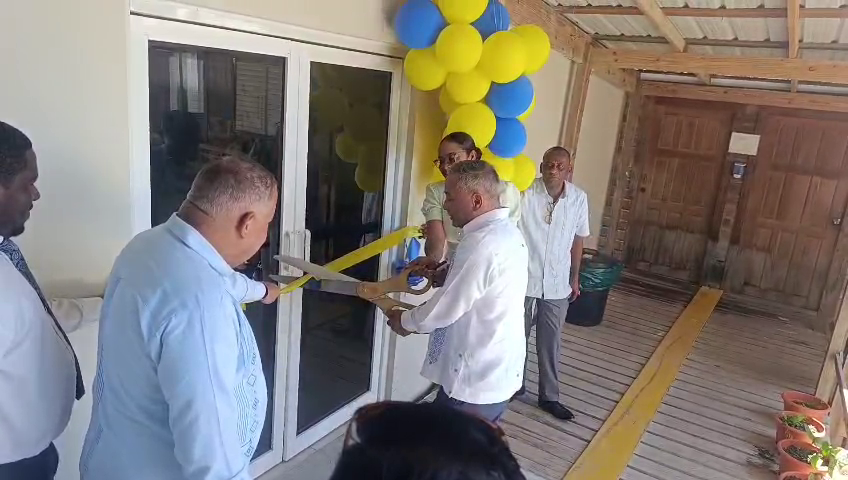
    Since 1995, KHMH has served as the primary provider of specialized critical care for Belizeans from every region of the nation, a role no other medical institution in the country can fill. This year’s anniversary celebration centered on recognizing the decades of commitment, skill, and service from the hospital’s workforce that keeps life-saving care running day in and day out. Prime Minister John Briceño joined the official anniversary activities on September 18, 2026, and oversaw the ribbon-cutting for the two newly expanded departments.

    The flagship expansion is the upgraded Hemodialysis Unit, which had operated out of the same cramped original space for 15 years. As a national referral center, KHMH treats every patient across Belize living with kidney failure and chronic renal insufficiency, and the old facility could no longer keep pace with rising patient volumes. The new renovated unit now houses 8 functional dialysis machines, with built-in space to accommodate an additional 7 machines as demand for renal care continues to climb.

    Hemodialysis Unit Manager Michelle Casimiro explained that the hospital currently provides government-subsidized care for 21 permanent patients, covering two weekly treatment sessions per patient funded through public healthcare. Beyond these regular patients, the unit also serves emergency and hospitalized patients from other departments who require urgent dialysis care, including those with infected catheters or acute kidney complications. “Our demand is very high — we need that extra space to accommodate both our regular patients and the emergency cases that come in every day,” Casimiro noted.

    One floor below the renal unit, the hospital’s Physiotherapy Department has also received a much-needed expansion to address its own steady stream of patients. The department provides rehabilitative care for patients recovering from a wide range of conditions, including gunshot wounds, road traffic accident injuries, post-surgical recovery, illness, and other major physical trauma. On an average day, the department sees between 20 and 30 patients, most of whom are scheduled for two treatment sessions per week. For years, the small team of just five physical therapists has worked to manage high demand with limited staffing and space, often unable to offer more frequent sessions to patients who could benefit from additional care. The expanded facility will create room to accommodate more appointments as the hospital works to hire additional clinical staff.

    KHMH Chief Executive Officer Sherine Reyes emphasized that the facility’s 31st anniversary marks both a celebration of past progress and a commitment to ongoing improvement. Hospital leadership is working to reframe the public’s perception of the institution, with frontline staff leading many of the recent changes to patient care. Reyes noted that this transformation cannot be achieved by the hospital alone, and called on the Belizean public to contribute feedback to help the facility continue adapting to meet community needs.

    As part of the anniversary celebration, staff and leadership planted trees to symbolize their commitment to decades of future service to the people of Belize. As KHMH enters its 32nd year of operation, the milestone reflects both the progress made in expanding Belize’s public healthcare capacity and the ongoing work ahead to address growing patient demand and improve care access across the country.

  • KHMH Workers Inch Closer to Long-Awaited CBA

    KHMH Workers Inch Closer to Long-Awaited CBA

    For more than three years, healthcare workers at Belize’s Karl Heusner Memorial Hospital (KHMH) have waited for tangible progress on a contract that would deliver better pay, improved working conditions, and long-overdue worker protections. What was initially projected to be a six-month negotiation process has dragged on for 42 months, leaving core demands for salary increases, new allowances, and upgraded workplace policies unmet. Now, a new union leadership team is steering the conversation, and early signs suggest a breakthrough may finally be within reach.

    The situation marks a pivotal moment for KHMH’s staff, who have only held formal union recognition for seven years. In the 31-year history of the country’s flagship public hospital, no collective bargaining agreement (CBA) has ever been finalized between workers and management. For current union leadership, securing this first-of-its-kind agreement is far more than a procedural win—it is a commitment to delivering tangible improvements to frontline staff who provide critical care to patients across Belize.

    Roy Briceño, who took office as president of the Karl Heusner Memorial Hospital Workers’ Union (KHMHAWU) in October 2025, laid out the new negotiating team’s approach in an on-camera interview for local evening news. Briceño explained that since taking leadership, he, his executive board, and the union’s legal team have conducted multiple thorough reviews of the draft framework left by the previous union administration, refining priorities before re-engaging with hospital management. “Right now we have met with management and sat over in making agreements and adjustment to what is the framework to set the presidency of how we will go along with, in terms of addressing the table discussion about the CBA,” Briceño said. “But I must say, management have been very receptive, very positive about it. Us union have been very optimistic, working hard and making sure that everything is in there when it comes in respect for the betterment for our workers here at KHMH.”

    When asked to outline the union’s core non-negotiable demands, Briceño made clear that frontline workers’ unique job risks are a top priority. The union is pushing for formal hazardous duty allowances to compensate staff for the inherent risks of their daily work in a major public hospital, as well as travel allowances for workers who commute to the facility. Beyond financial adjustments, the union is also negotiating for more sustainable working schedules and broader upgrades to workplace conditions, alongside a meaningful salary increase to recognize the demanding work of KHMH’s care team.

    After years of broken promises and repeated stalled talks, both workers and union leadership are cautiously optimistic that the new negotiation dynamic will deliver results. With management showing unprecedented openness to the union’s priorities, the hospital’s staff are now waiting to see if this new chapter of talks will finally end their multi-year wait for a landmark collective bargaining agreement that delivers on their most pressing needs.

  • Millions to Defend Belize’s Natural Frontiers

    Millions to Defend Belize’s Natural Frontiers

    In a landmark move to protect Belize’s ecologically critical border regions and rich natural heritage, a multi-partner initiative has committed over one million Belize dollars to expand frontline conservation work across some of the country’s most vulnerable ecosystems.

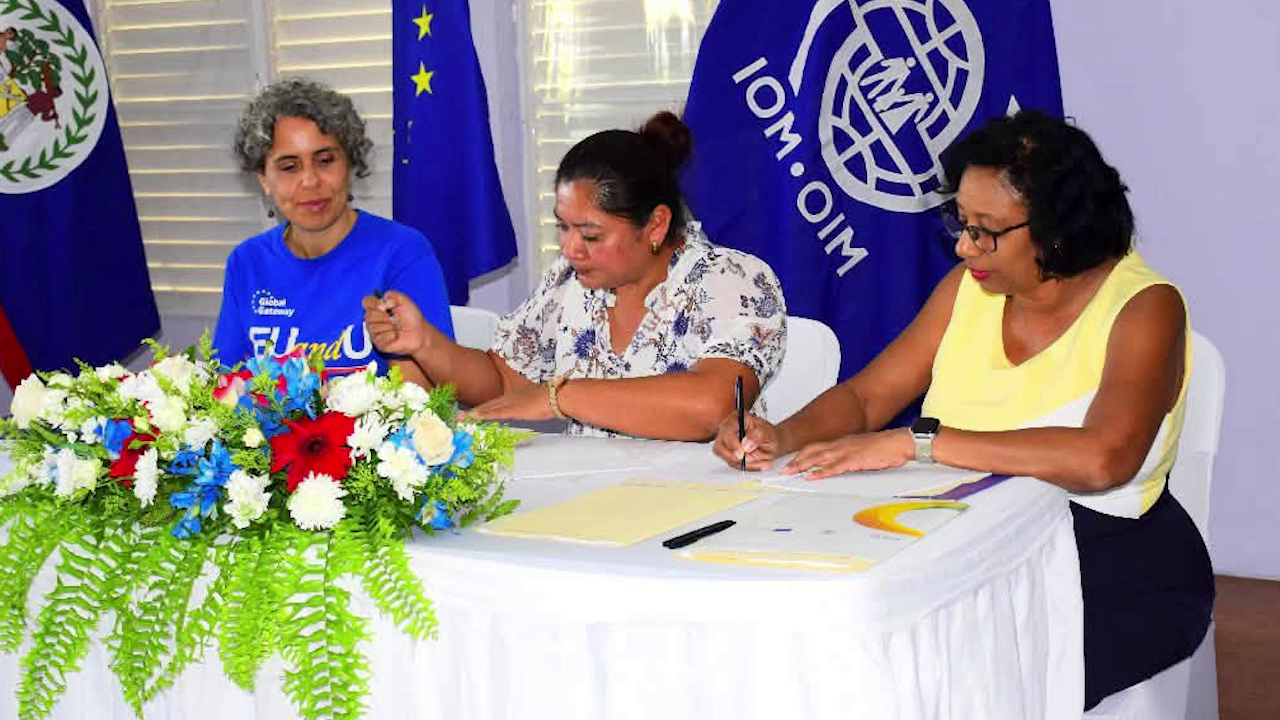
    The funding, a collaborative effort between the Government of Belize, the European Union, and the International Organization for Migration (IOM), will be distributed directly to three local conservation organizations working to strengthen forest protection, scale up Indigenous-led stewardship, and expand enforcement patrols in Chiquibul National Park and southern Belize’s Maya landscape.

    Lawrence Thompson, Director of Border Management for Belize, emphasized that the investment will also upgrade the country’s border management infrastructure, particularly the Midas border monitoring system. “This is supporting the continuous strengthening of border management system and its capabilities,” Thompson noted, adding that he extended sincere gratitude to the EU and IOM for their targeted support to improve Belize’s border governance capacity.

    Among the grantees is the Foundation for Conservation and Development (FCD), whose executive director Rafael Manzanero highlighted the program’s focus on empowering local civil society conservation groups. FCD’s specific project, *Strengthening the Natural and Cultural Protection of Chiquibul National Park Through Improved Capability and Operational Support*, will target on-the-ground needs for protecting the park’s unique biodiversity and cultural sites.

    A second major initiative, led by Ya’axché Conservation Trust with a total budget of €139,689, focuses on strengthening transboundary conservation efforts across southern Belize’s biologically diverse Maya landscape. Ya’axché Executive Director Christina Garcia explained that the project will fill longstanding gaps in conservation enforcement by boosting operational capacity and upgrading frontline field skills for local conservation teams.

    Unlike many large-scale conservation grants that allocate resources to national-level administrative bodies, this initiative channels all funding directly to frontline organizations and local communities that work daily to defend Belize’s forests from illegal incursion, deforestation, and biodiversity loss. Officials involved in the partnership note that this direct resourcing model will maximize impact, allowing teams on the ground to address immediate threats to Belize’s territory, unique ecosystems, and irreplaceable natural and cultural heritage.

    Chiquibul National Park, Belize’s largest protected area, spans over 400,000 hectares of old-growth tropical forest along the country’s western border, and is home to dozens of threatened species and important Maya cultural sites. The region has long faced challenges from illegal activity crossing adjacent borders, making increased patrols and community-led conservation a high priority for both environmental protection and national territorial management.

  • Political Pioneer Gwen Liz Earns Nation’s Highest Honour

    Political Pioneer Gwen Liz Earns Nation’s Highest Honour

    On September 18, 2026, Belize marked a historic milestone for gender equality and political progress during its annual Tribute to Belizean Patriots, where late political pioneer Gwen Lizarraga became the first woman in the nation’s history to be named a National Hero. The ceremony, held to honor 25 Belizeans for their decades of dedicated service to national development, also awarded six new recipients of the prestigious Order of Belize and introduced a brand-new honor, the Medal of Valor, awarded to a heroic pilot for his life-saving actions during a 2015 hijacking.

    In his opening remarks at the event, Prime Minister John Briceño celebrated Lizarraga’s trailblazing legacy, noting that her decades-long career broke long-standing gender barriers in Belizean politics at a time when public leadership was almost exclusively held by men. “She was a pioneering Belizean woman whose life was defined by courage, determination, and an unwavering commitment to social justice, gender equality, and human rights,” Briceño told attendees.

    Lizarraga’s public service career began at the municipal level, serving on the Belize Town Council before making history in 1961 as the first woman elected to Belize’s House of Representatives following the country’s transition to self-governance. She went on to serve three consecutive terms in office, ultimately claiming another historic first as Belize’s inaugural woman cabinet minister, serving through 1974. Beyond her own political achievements, her presence in top government leadership paved the way for generations of Belizean women to pursue public office.

    The tribute to Lizarraga anchored an evening that recognized dozens of Belizeans who have shaped the modern nation across sectors from politics to environmental protection. Governor General Dame Froyla Tzalam emphasized that the honorees represent what sustained national service truly means. “Each of the patriots being recognized tonight has been selflessly embodying what it means to believe in Belize,” she said. “They are national role models for all of us. They have shown that love of country isn’t something done once a year. It is a duty fulfilled every day and consistently demonstrated in the little things they do to build strong communities, to protect the vulnerable, to protect the environment, and in so doing, nurture Belize to be the best in her glorious diversity.”

    Alongside Lizarraga’s historic induction as a National Hero, six new honorees received the Order of Belize, one of the country’s highest civilian honors: posthumous awards went to Vernon Harrison “Harry” Courtney and Alexander “Sandy” Hunter, while living recipients include former People’s United Party leader Said Musa, Florencio Marin, former Ambassador Robert Leslie, and Shirley McSweeney (formerly Harvey). Briceño noted that the new inductees bring the total number of Order of Belize recipients from Belize’s greatest generation of nationalists to eight, joining previously honored Lindy Rogers and Assad Shoman, and called on the crowd to give all honorees a standing ovation.

    The 2026 ceremony also added a new distinction to the program: the Medal of Valor, which awarded its first ever medal to Captain Howell Grange for his extraordinary bravery during an April 2015 mid-air hijacking. Francis Usher, CEO of Belize’s Ministry of National Defense, explained that Grange’s calm, quick thinking under extreme pressure saved every life on board the flight. “The fact that Captain Grange was able to, despite all the adversity, despite everything going wrong, despite the threat on his life, despite being attacked physically, despite his passengers being attacked, he was able to keep a level head and come up with a plan,” Usher said. “I think that is really what separates what happened that day and makes it so heroic.”

    In his report from the event, News Five correspondent Shane Williams noted that while an AI-generated opening tribute contained several factual errors, the core mission of the night was carried out perfectly: cementing Lizarraga’s place in Belizean history as a barrier-breaking leader. The evening closed with a collective reminder that modern Belize, 45 years after independence, is the product of generations of selfless service from patriots across all walks of life.

  • Rising Riddims Celebrates Belizean Culture Through Sound

    Rising Riddims Celebrates Belizean Culture Through Sound

    As the global music landscape continues to evolve, small nations across the world are redefining their cultural sonic identity by blending time-honored traditions with cutting-edge contemporary styles. In Belize, a groundbreaking new concert tour called Rising Riddims is doing exactly that, answering a long-simmering question: what does the future of homegrown Belizean music sound like?

    Scheduled across five of Belize’s most populous communities through September 2026, the free tour has already drawn enthusiastic crowds in San Ignacio and Dangriga, with the third stop set for Orange Walk on the evening of September 18, and a closing finale planned for Belize City on September 20. Organized under the National Institute of Culture and History’s (NICH) Belize Music Project, the tour showcases a roster of some of Belize’s most exciting emerging talent: indie singer Viv, powerhouse vocalist Mocha, rappers TY Rome and Vince the Prince, among other contributing artists.

    At its core, the Rising Riddims project is built on a clear creative mission: to honor Belize’s rich musical heritage rather than abandon it, crafting an original, modern sound that is still unmistakeably rooted in Belizean identity. Deron Thompson, producer with the Belize Sound Syndicate and lead creative behind the tour, explains that the team has developed two distinct new subgenres for the project, both adapted from classic Belizean styles. The first, Expunta, fuses traditional punta rhythms with experimental elements drawn from house music and alternative genres. The second, Boom and Chill, reworks the beloved traditional boom-and-chime sound for 21st century audiences. “We kept the core instrumentation that defines these traditional styles,” Thompson notes, explaining that the team recorded samples using original instruments including the ding-a-ling, jaw bone percussion, and a historic boom drum crafted by renowned maker Mr. Peters. Over these traditional foundations, they layer modern chord progressions, drawing influence from dancehall, reggaeton, and other global popular genres to create a sound that feels both familiar and new.

    Seth Cambranes, an artist also known professionally as Flayed Lotus, highlights the range of talent featured on the tour. From San Pedro-based indie rock rising star Viv, who has already built a loyal regional fanbase, to Mocha, whose dynamic, powerful vocal delivery has wowed early crowds, the lineup spans multiple genres. When working with TY Rome and Vince the Prince, Cambranes explains, the team was able to rework the artists’ original tracks with custom boom-and-chime and punta edits, weaving traditional Belizean elements into their already well-crafted work to deepen its cultural roots.

    Kristopher Arnold, a recording and mastering engineer with Belize Sound Syndicate, says the project’s potential is what has kept him invested from the start. “This isn’t just a one-off tour,” Arnold explains. “I truly see this music taking Belize’s entire music industry to the next level. It has the potential to establish a completely new, globally recognizable genre that puts Belizean culture on the international map.”

    For music fans across Belize, entry to all remaining shows is completely free. The Orange Walk performance kicks off at 7 p.m. local time at the Banquitas House of Culture, followed by the Belize City closing show at the city’s House of Culture the next evening. The project represents a growing movement across small cultural communities to preserve heritage while nurturing the creativity of young artists, ensuring traditional culture continues to evolve and resonate with new audiences.

  • Foursquare man gets suspended drug sentence

    Foursquare man gets suspended drug sentence

    A major drug smuggling case has concluded in a Barbados High Court, with a local man receiving a suspended custodial sentence for his role in two operations that brought more than 56 kilogrammes of cannabis into the country. Michael Williams, a resident of Foursquare Valley in St Philip, entered guilty pleas to charges of possession, drug trafficking and illegal importation of the controlled substance, marking the end of a years-long legal process tied to the 2012 and 2013 smuggling attempts.

    Court documents detail the sequence of events that led to Williams’ arrest. Acting on specific intelligence in early January 2013, local law enforcement launched a targeted surveillance operation near Bridgetown Port. Officers spotted a flatbed truck being driven by Williams and pulled the vehicle over along Prescod Boulevard. When told he was suspected of moving cannabis, Williams infamously told responding officers: “Officer, I gotta done with this. Wunna keep holding me all the time.”

    A search of the truck uncovered seven barrels and a sofa being transported by Williams. A review of his shipping documents revealed two of the barrels did not have valid gate passes to exit the port. When opened, those barrels contained 86 separate packages of cannabis, hidden inside boxes of everyday consumer goods including cornflakes, dog food, laundry detergent and pasta. The total weight of the cannabis seized from this shipment was 41.72 kilogrammes.

    While Williams was in custody, investigators turned their attention to a second unclaimed barrel that had arrived at the port the previous month and had already been flagged for suspicious activity. When authorities opened that barrel, they found an additional 63 packages of cannabis weighing 14.99 kilogrammes, tied to the earlier smuggling operation that ran between Christmas 2012 and early January 2013. Williams confessed to his involvement immediately, telling investigators he was approached to collect the shipments because he regularly handled freight movement out of Bridgetown Port.

    Presiding Justice Laurie-Ann Smith-Bovell acknowledged during sentencing that Williams only played a secondary role in the larger smuggling enterprise, but outlined multiple aggravating factors that justified a harsh starting sentence. The large total volume of cannabis, the premeditated planning involved in hiding the drugs in consumer goods, and the fact that the crimes were motivated by direct financial gain all pushed for significant prison time. Even as a secondary participant, the judge noted Williams’ role was critical to the success of the smuggling operations. Mitigating factors included the complete absence of violence in his involvement, Williams’ clean prior criminal record, his full cooperation with law enforcement, a documented low risk of reoffending, and genuine expression of remorse for his actions.

    Justice Smith-Bovell set an initial custodial sentence of eight years, then issued a series of reductions: one year off for his clean record and cooperation, with additional deductions for his early guilty plea, procedural delays in the case, and time already served in remand. The final adjusted sentence came to two years and 204 days, to run concurrently on all trafficking charges. Williams was formally reprimanded and discharged on the separate possession and importation convictions.

    Both the prosecution, led by Acting Director of Public Prosecutions Alliston Seale SC and State Counsel Paul Prescod, and the defense, represented by attorney Marlon Gordon, agreed that a financial fine would be inappropriate for the severity of the offenses. Ruling to suspend the entire custodial term under Section 6 of the Penal System Reform Act, Justice Smith-Bovell explained the decision was rooted in both public safety and rehabilitation goals. She emphasized that the suspended sentence would act as a permanent warning to Williams: any future offense would result in him serving the full two years and 204 days behind bars. The suspension, she added, also allows Williams to continue his rehabilitation outside of prison and reintegrate into the community as a productive member of society. As he left the court dock, Williams openly thanked the judge for the ruling.