The Democratic Republic of the Congo (DRC) is grappling with an accelerating Ebola outbreak that has sent suspected case and death counts climbing, prompting global health bodies and humanitarian networks to ramp up emergency interventions on the ground. Latest figures compiled by the World Health Organization (WHO) put the total number of suspected infections above 900, with roughly 220 people already suspected to have died from the virus, underscoring the rapid spread of the disease across affected regions.
As global response efforts intensify, WHO Director-General Tedros Adhanom Ghebreyesus has announced plans to travel to the DRC to personally oversee and coordinate the outbreak response, according to a spokesperson for the United Nations Secretary-General. In a recent public update shared via social media, Tedros outlined that the WHO and 55 partner humanitarian organizations are already embedded in impacted communities, delivering not just Ebola-specific care but also critical basic health services, including life-saving treatment for acute malnutrition that disproportionately endangers local children and vulnerable groups.
WHO technical and operational teams are working hand-in-hand with DRC national health authorities across nearly every pillar of outbreak control. Their work spans critical activities ranging from tracking close contacts of confirmed cases to managing active infections, upgrading infection prevention protocols in healthcare facilities, strengthening local laboratory capacity to process test results quickly, running dedicated Ebola treatment centers, engaging local community leaders to build trust, and communicating clear public health guidance to at-risk populations.
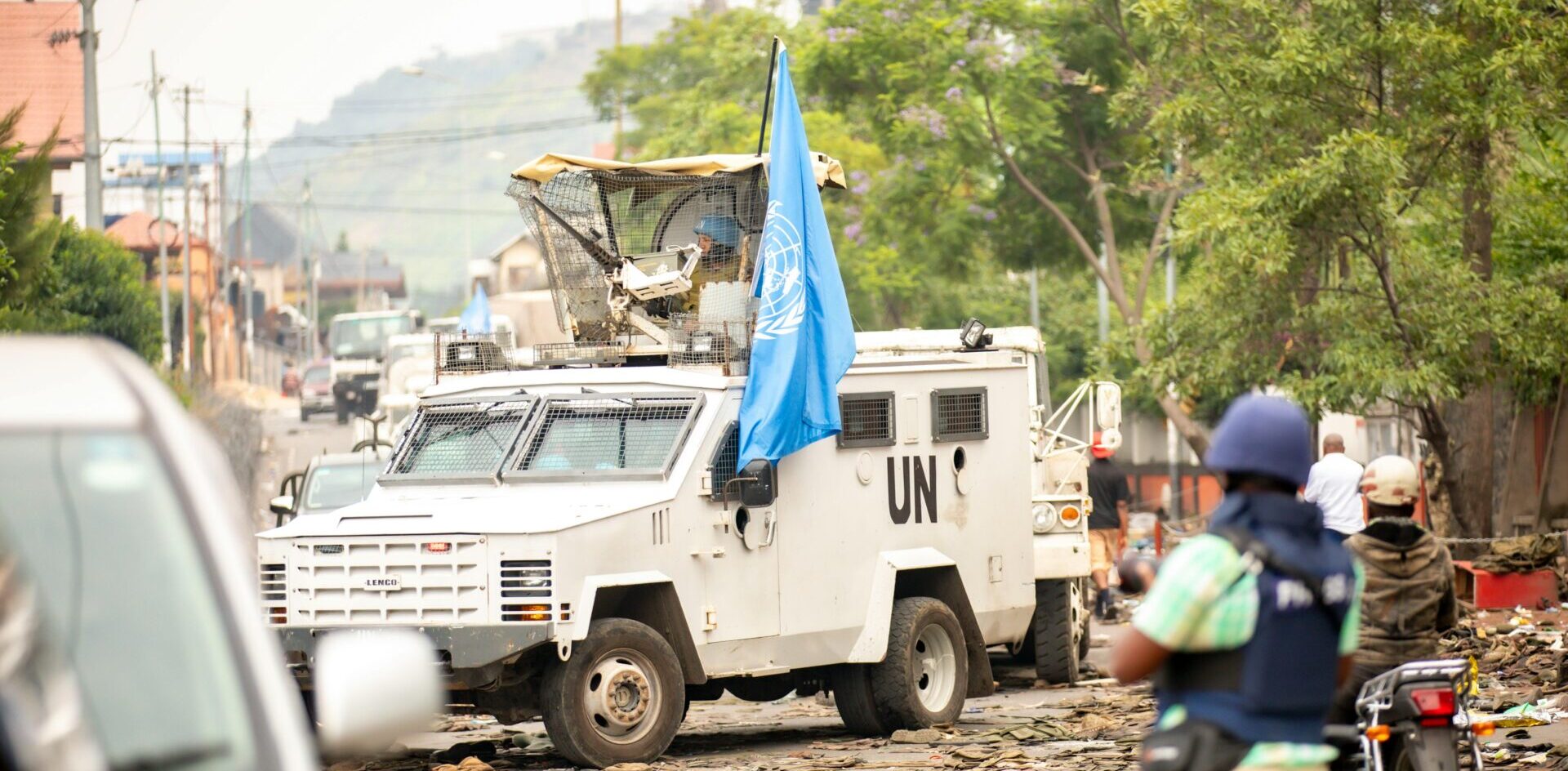
Despite this coordinated push, major barriers continue to hinder the response. The UN has issued a stark warning that persistent insecurity and active violence in some of the most heavily affected hard-to-reach areas have thrown major logistical and safety challenges in the path of response teams, severely limiting their ability to reach isolated, vulnerable communities that need care the most.
Working in close partnership with the DRC national government, the UN and its humanitarian allies are moving forward with plans to expand emergency operations, while also working to address the broader long-standing humanitarian and healthcare gaps that leave communities more vulnerable to Ebola spread. The UN spokesperson emphasized that two critical needs remain unmet: urgent, sustained funding to scale up operations, and guaranteed safe access for response teams. These resources are essential not only to protect frontline responders from infection, but to ensure they can deliver comprehensive care and full life-saving aid packages to every community impacted by the outbreak.