作者: admin

  • JPAC Hearing Exposes Troubling Audit Pattern

    JPAC Hearing Exposes Troubling Audit Pattern

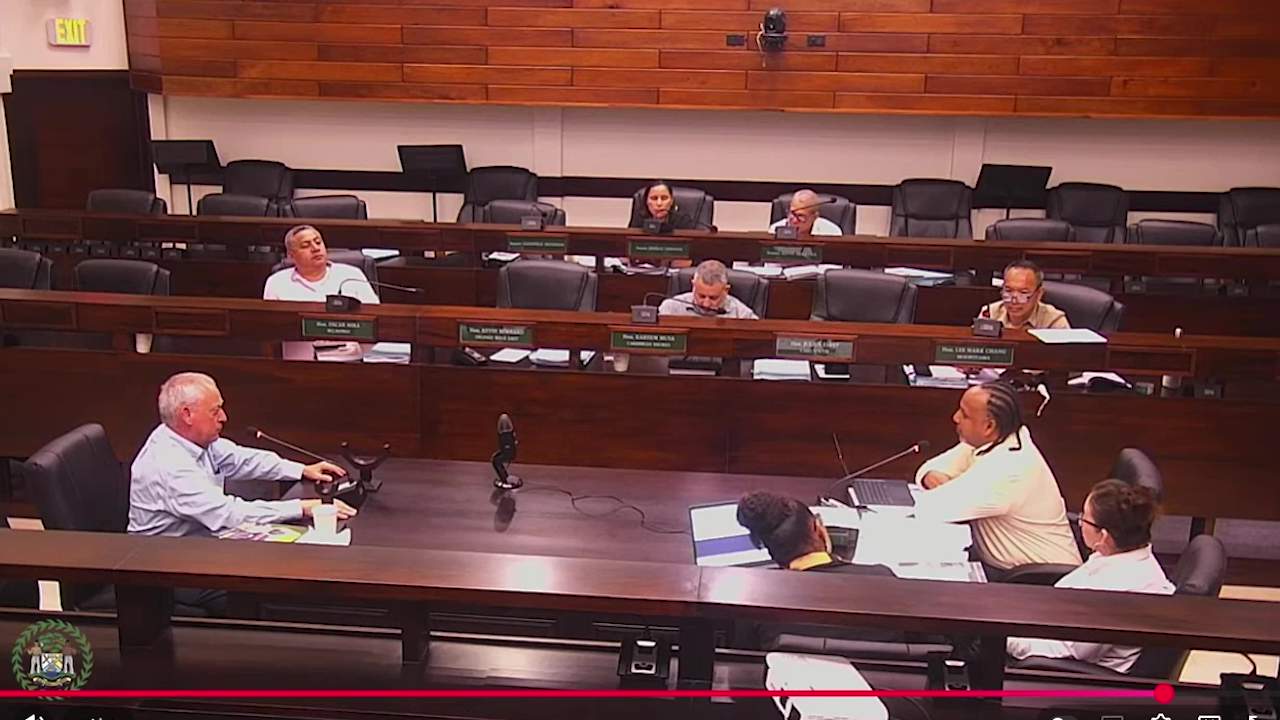
    A startling pattern of institutional obstruction against governmental oversight has been unveiled during the Joint Public Accounts Committee hearing, focusing on the Auditor General’s 2016/2017 report. Auditor General Maria Rodriguez testified that her office continues to encounter significant roadblocks when attempting to verify government expenditures, including missing documentation, uncooperative officials, and outright refusal to provide access to financial records.

    The hearing revealed that multiple government ministries failed to account for expenditures, with several CEOs failing to appear when summoned by auditors. Most alarmingly, Rodriguez confirmed these issues are not historical artifacts but persist today, creating a decade-long pattern of accountability failure.

    A specific case involved the Belize Defense Force’s Non-Public Funds, where auditors discovered a questionable 2016 transaction. The German military paid $152,000 to the BDF for training that was already funded by the Belize government. Despite triggering police and Financial Intelligence Unit investigations, no charges were ever filed.

    Even more concerning, Rodriguez revealed that her staff faced physical obstruction when attempting to audit taxpayer-funded agencies. Both the Belize Agricultural Health Authority and Border Management Authority denied auditors access to their financial accounts, prompting intervention from Financial Secretary Joseph Waight.

    Waight emphasized that all government officers bear responsibility for records on their desks, regardless of when transactions occurred. The committee chair expressed sharp criticism regarding the blocked audit attempts, while legal confirmation established that all parastatal organizations fall within the Auditor General’s jurisdiction.

    The hearing underscores a critical breakdown in Belize’s financial oversight mechanisms, with the Auditor General urging Cabinet intervention to ensure senior officials comply with accountability requirements.


  • Belize Advances Labor Reform with New Standards

    Belize Advances Labor Reform with New Standards

    The Central American nation of Belize has garnered significant international acclaim following its successful implementation of comprehensive labor reforms. The International Labor Organization (ILO) has formally commended Belize for fulfilling its constitutional obligations regarding workers’ rights, marking a milestone achievement in the country’s labor governance framework.

    In a significant administrative accomplishment, Belize’s Labor Department has successfully submitted a complete portfolio of international labor standards to the National Assembly. This extensive submission, completed in September 2025, encompassed 43 distinct labor Conventions, Recommendations, and Protocols dating back to 1990, effectively addressing years of pending international commitments.

    The reform initiative gained further momentum on March 10, 2026, when Labor Minister Kareem Musa presented three additional contemporary labor standards to the legislative body. These included the groundbreaking Safe and Healthy Working Environment Convention and the forward-looking Quality Apprenticeships Recommendation, both established in 2023.

    Minister Musa emphasized the government’s unwavering dedication to its ILO commitments, characterizing the international recognition as a testament to Belize’s progress in transparency, governance excellence, and enhanced worker protections. The ILO Committee of Experts confirmed this assessment, specifically acknowledging Belize’s complete compliance with Article 19 of the ILO Constitution.

    With these comprehensive submissions, Belize has now satisfied all outstanding international labor standard requirements. The Ministry of Labor has committed to maintaining this trajectory by continuing to advocate for dignified employment opportunities, strengthened labor governance mechanisms, and legislative frameworks that remain synchronized with evolving global standards.

  • Flowers Killing Reclassified as Self‑Defense

    Flowers Killing Reclassified as Self‑Defense

    In a stunning legal development, the Directorate of Public Prosecutions (DPP) has officially reclassified the fatal stabbing of Belize Defence Force (BDF) soldier Raheed Flowers as an act of self-defense. The ruling dramatically alters the course of a case that initially sent shockwaves through the community when reported as a violent homicide.

    The incident occurred on Gladden Street following a heated confrontation that turned physical. Initial police reports characterized the altercation as a fight that escalated tragically, resulting in Flowers sustaining multiple stab wounds. The individual responsible subsequently surrendered to authorities, anticipating murder charges.

    However, after examining substantial evidence and witness testimonies, the DPP concluded that the use of lethal force was justified under self-defense provisions. This determination means the suspect will face significantly reduced charges compared to the original murder accusation.

    Flowers, aged 29, served as a full-time musician with the BDF Band and had performed earlier on the day of his death. His unexpected passing has profoundly impacted his military colleagues, described by the Force as both sudden and deeply painful.

    The legal reversal has sparked renewed scrutiny regarding the precise sequence of events that transpired during the altercation, with investigators now working to reconstruct the circumstances that led to the self-defense determination.

  • ID Battle at the Center of Nah Triple‑Murder Trial

    ID Battle at the Center of Nah Triple‑Murder Trial

    The capital murder trial of former law enforcement officer Elmer Nah reached a critical evidentiary phase Thursday as prosecution and defense counsel presented diametrically opposed interpretations of forensic evidence before Justice Nigel Pilgrim. The 40-year-old defendant stands accused of executing three members of the Ramnarace family during a New Year’s Eve confrontation in Belmopan six years prior.

    Defense attorney Dr. Lynden Jones launched a meticulously constructed challenge against the prosecution’s evidentiary foundation, condensing voluminous case documents into a targeted sixteen-minute address. Jones contended that while acknowledging the horrific nature of the crimes, the prosecution had failed to establish Nah’s direct involvement through credible evidence. The defense’s central argument focused on disputing the reliability of eyewitness identification provided by surviving victim Vivian Ramnarace, who provided her initial account while receiving medical treatment.

    Jones asserted that Ramnarace’s identification stemmed from media exposure rather than firsthand recognition, noting the witness had no prior personal acquaintance with the accused. The defense further minimized the significance of circumstantial evidence including automotive components and footwear, maintaining these elements failed to establish definitive crime scene connection.

    Special Prosecutor Terrence Williams, appearing via remote connection, presented counterarguments emphasizing the integration of multiple evidence streams. Williams maintained that surveillance footage corroborated Ramnarace’s detailed account of the assailant’s physical characteristics, movement patterns, and weapon handling. The prosecution cited adherence to Turnbull guidelines regarding identification reliability and highlighted alleged inconsistencies in Nah’s accounts of his whereabouts during the critical timeframe.

    Williams concluded by asserting the prosecution’s evidence remained compelling even without exclusive reliance on eyewitness testimony, stating the collective evidentiary picture unequivocally identified Nah as the perpetrator.

  • Belize’s Long‑Time Medical Partnership with Cuba at Crossroads

    Belize’s Long‑Time Medical Partnership with Cuba at Crossroads

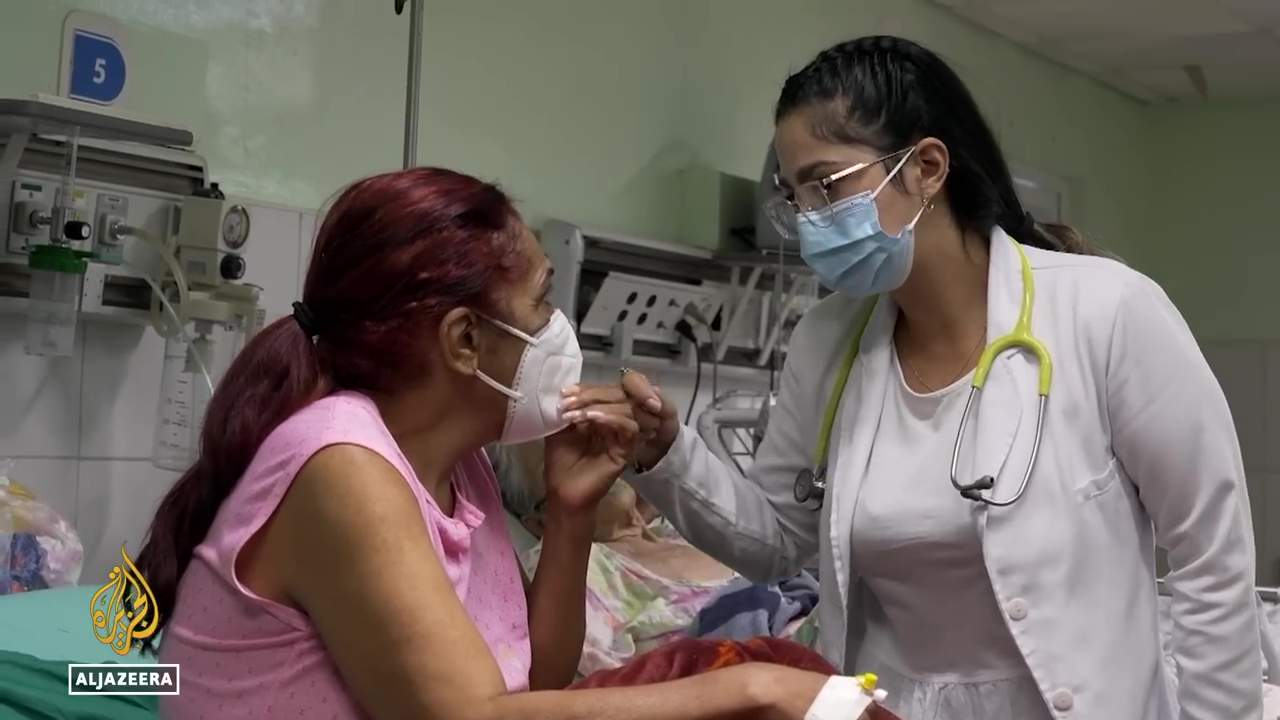
    The future of Belize’s vital healthcare collaboration with Cuba hangs in the balance as confidential diplomatic discussions unfold amid growing regional pressures. For decades, the Cuban Medical Brigade has served as a cornerstone of Belize’s healthcare system, but this longstanding partnership now faces unprecedented uncertainty.

    Prime Minister John Briceño has confirmed that “delicate negotiations” are currently underway regarding the medical program, though he declined to specify which parties are involved or what potential changes might be implemented. This unusual silence from government officials coincides with broader regional trends, as multiple Latin American nations reduce their reliance on Cuban medical personnel—a strategic shift widely interpreted as responding to intensified diplomatic pressure from the United States.

    The timing of these negotiations proves particularly consequential given Cuba’s escalating humanitarian crisis, which adds complex dimensions to the ongoing discussions. The Caribbean nation’s domestic challenges potentially impact its capacity to maintain international medical missions while addressing internal healthcare needs.

    Belizean citizens and healthcare professionals await clarity regarding whether these confidential talks will fundamentally alter the country’s medical infrastructure. The potential restructuring of this decades-old partnership could necessitate significant adjustments to Belize’s national healthcare strategy, potentially creating staffing gaps in remote and underserved communities that have historically depended on Cuban medical expertise.

  • BTL’s Smart Takeover Plan Under PUC Review

    BTL’s Smart Takeover Plan Under PUC Review

    In a significant regulatory intervention, the Public Utilities Commission (PUC) has imposed a comprehensive price freeze on Belize Telemedia Limited (BTL), effective March 11th, 2026, and extending through 2028. This decisive action follows the commission’s recent determination that BTL maintains dominant market power across multiple telecommunications sectors.

    The ruling prohibits BTL from implementing any rate modifications—including increases, decreases, or the introduction of new pricing structures and service bundles—without explicit regulatory approval. Commission officials stated this measure is designed to safeguard consumer interests while they develop enhanced regulatory frameworks for market-dominant telecommunications providers.

    Concurrently, the PUC has initiated a thorough examination of BTL’s proposed acquisition of Speednet, the corporate entity operating the Smart mobile network. Although the transaction remains subject to board ratification, regulators have already engaged both companies regarding critical concerns including consumer protection protocols, service continuity guarantees, and potential anti-competitive implications.

    Both telecommunications entities face an April 13th deadline to address regulatory inquiries. The commission is additionally soliciting public commentary as it deliberates what represents one of the most consequential telecommunications industry decisions in recent years, potentially reshaping Belize’s competitive landscape.

  • ICA Spotlights Female Talent During Women’s Month

    ICA Spotlights Female Talent During Women’s Month

    BELIZE CITY – The Institute of Creative Arts (ICA) has launched its annual ‘Women in Art’ exhibition at the Bliss Center for the Performing Arts, creating a vibrant celebration of female artistic expression throughout March’s Women’s Month. The 2026 showcase features a diverse collection of paintings, poetry, and crafts from talented Belizean women across the nation, each piece offering profound insights into the female experience.

    Under the compelling theme ‘Balance The Scales,’ this year’s exhibition explores women’s continuous pursuit of equity in both domestic and professional spheres. Curator Saidy Moore explains that the theme reflects the ongoing transformation women are driving across Belizean society. ‘It’s about finding that equity, that seat at the table that women are always striving to have,’ Moore stated, emphasizing how the artworks collectively address themes of identity, empowerment, and social change.

    ICA Director Kim Vasquez highlighted the exhibition’s dual purpose: to honor women’s contributions to Belize’s art scene while inspiring future generations. ‘This is our way to recognize their contributions and signify that we need to create support for women in the arts,’ Vasquez noted. The opening night featured special guest speaker Kyla Gentle, an accomplished poet who recently published her second poetry collection, along with live performances on the veranda.

    The free exhibition, which opened on March 13th with a full program of entertainment, will remain accessible to the public throughout March. The showcase represents ICA’s commitment to amplifying female voices in the arts, providing a platform for women artists to share their stories, struggles, and triumphs through multiple creative mediums. Visitors can experience literary submissions alongside visual artworks, all reflecting the transformative power of women’s perspectives in reshaping Belize’s cultural landscape.

  • Over 2,500 Belizean Students Gather for Catholic Youth Conference

    Over 2,500 Belizean Students Gather for Catholic Youth Conference

    In an unprecedented gathering of faith and fellowship, Belize City witnessed a historic event as more than 2,500 students from across the nation converged at the Civic Center for the country’s inaugural Catholic Youth Conference on March 13, 2026. The atmosphere transcended that of a conventional religious assembly, evolving into a vibrant celebration characterized by dynamic music, heartfelt prayer, and communal joy, creating what many described as a spiritual revival.

    Organized by Deacon Bob Rice, a prominent figure in Catholic educational leadership, the conference aimed to fundamentally reshape young people’s perception of religious faith. “Our primary objective is to demonstrate to youth how profoundly exciting and fulfilling it is to embrace faith, follow Jesus, and identify as Catholic,” Deacon Rice explained. “There’s a common misconception among teenagers that faith diminishes life’s enjoyment, but we’ve crafted this event to showcase the celebration and joy inherent in spiritual devotion.”

    The conference represented twelve secondary schools from throughout Belize, creating a national platform for spiritual connection. The event’s arrival in Belize resulted from established missionary connections between Belizean communities and Catholic organizations in the United States and Canada, where similar conferences have been successfully conducted.

    Programming combined contemporary engagement with traditional Catholic practices, featuring personal testimonies of transformed lives, energetic musical performances, and worship sessions. The conference also incorporated sacramental elements including reconciliation services and Eucharistic adoration, providing participants with comprehensive spiritual experiences.

    Organizers expressed profound hope that the energy generated during this inaugural event would establish an enduring tradition, serving as a catalyst for sustained spiritual enthusiasm among Belize’s youth long after the conference concluded. The successful gathering marks a significant milestone in Belize’s religious landscape, potentially signaling a new chapter of youth engagement within the Catholic community.

  • Statistics that reveal the biggest challenges facing Dominican women today

    Statistics that reveal the biggest challenges facing Dominican women today

    Despite constituting 52.2% of the working-age population in the Dominican Republic, women continue to confront profound systemic inequalities across multiple dimensions including economic participation, financial inclusion, and personal security. Recent analyses from international organizations reveal a troubling landscape where educational advancements fail to translate into workplace equity or economic autonomy.

    Employment data presents one of the most striking disparities: while women represent the majority of the working-age population at 8.1 million people, only 49.3% of women are employed compared to 75.9% of men—a staggering 26.6 percentage point gap. This employment chasm persists despite Creole women demonstrating clear educational advantages, indicating deep structural barriers preventing professional advancement.

    The financial exclusion faced by Dominican women presents another critical challenge. According to banking supervisory data, merely 25.3% of economically active women have access to credit facilities, effectively limiting entrepreneurship and investment opportunities. The savings gap has widened dramatically, with the disparity in savings balances between genders increasing 2.6 times between 2019 and 2024, severely constraining women’s ability to accumulate financial resources.

    Compounding these economic challenges, nearly half of working women (49.4%) labor in informal sectors—including street vending, domestic work, and subsistence agriculture—leaving approximately 1,031,842 women without social security, labor benefits, or economic stability. This informality exacerbates vulnerabilities particularly in rural areas where financial access remains severely limited.

    The situation extends beyond economic metrics into alarming safety concerns. UNICEF reported 89 femicide victims in 2024, representing a rate of 1.5 per 100,000 women and marking a significant increase from the 69 cases documented in 2023. Disturbingly, WHO data indicates 28.5% of Dominican women aged 15-49 have experienced physical or sexual violence from partners, with 22.8% reporting such violence within the past year.

    Additional concerns include early unions, with 31.5% of women aged 20-24 having married before age 18 and 9.4% before age 15. UNICEF representative Anyoli Sanabria emphasized that each femicide devastates children’s lives and violates their right to safe environments, calling for strengthened prevention systems and legal reforms including elimination of exceptions allowing physical punishment in homes.

    Despite these challenges, the Dominican Republic has demonstrated moderate progress globally, scoring 0.73 on the 2025 Global Gender Gap Index and ranking 61st among 148 nations. However, comprehensive addressing of structural barriers in employment, finance, and safety remains imperative for achieving genuine gender equality.

  • FDI Surge Signals Investor Confidence in Belize

    FDI Surge Signals Investor Confidence in Belize

    Belize has demonstrated robust economic momentum with foreign direct investment net inflows reaching $505 million over the past two years, according to Prime Minister John Briceño’s address to the House. This financial endorsement comes amid external scrutiny from the U.S. House Committee on Foreign Affairs, which recently called for an assessment of Belize’s investment climate and institutional frameworks.

    The government’s response emphasized Belize’s commitment to fiscal prudence and strategic economic management. Prime Minister Briceño articulated the administration’s philosophy: “Our policy is for this generation to fund its own welfare, not to borrow from our children. Future generations should benefit from our foresight and sacrifice.”

    Detailing the investment figures, Briceño revealed that Belize attracted $736 million in capital inflows during 2024-2025, while outflows—excluding hydro facility acquisitions—totaled $231 million. This net positive flow of over half a billion dollars represents what the Prime Minister characterized as “brimming confidence” in the nation’s economic trajectory.

    The administration attributes this investment surge to its mixed economy model, where government leadership collaborates with private sector and non-profit entities. Briceño emphasized that prudent fiscal management creates a virtuous cycle: “When Government leads by example and manages the public purse prudently, its conduct inspires confidence, which multiplies development through private investments.”

    This economic validation through capital movement, the government contends, serves as the most credible indicator of Belize’s investment climate quality, effectively countering external concerns about institutional checks and balances.