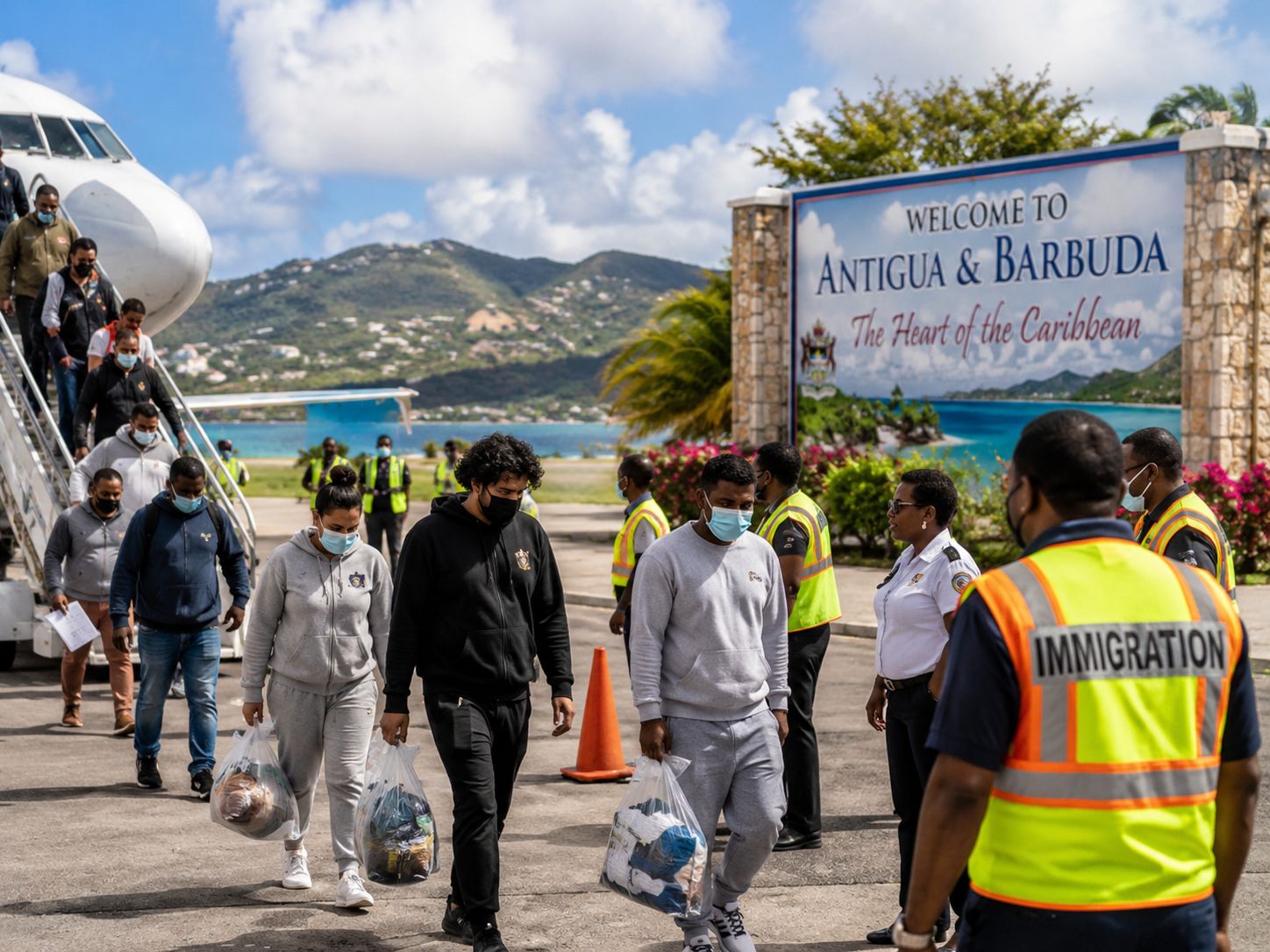
In an open letter addressed to the editor of an Antiguan publication, a concerned mother based in St. John’s has added her voice to the growing opposition to the United States’ plan to deport non-citizens to Caribbean nations including Antigua and Barbuda, arguing that even a single deportee would place an unacceptable burden on her already vulnerable country.
As a parent raising children in Antigua and Barbuda, the writer says she has watched negotiations over the deportation plan with increasing unease. The twin-island nation is one of the smallest sovereign states in the Western Hemisphere, and its domestic institutions already face steep strain from persistent challenges: elevated crime rates, chronically stretched law enforcement budgets, and widespread social instability that touches working families across every community. For parents across the country, daily life already comes with unrelenting worry: children’s safety is uncertain when they travel to school, wait for public transit, or gather with friends outside the home. The writer argues that Antigua and Barbuda should never be forced to absorb additional public safety risks that stem directly from the immigration policy choices of a global superpower.
The letter voices approval for Prime Minister Gaston Browne’s current stance, which has pushed back against U.S. pressure and demanded formal safety safeguards for any deportation transfers. But the writer goes further, calling on Browne to adopt a total ban on accepting any deportees from the U.S. She emphasizes that no financial compensation can offset the harm that would come if even one high-risk person enters the country through gaps in screening.
A core contradiction in U.S. assertions about the deportation program underscores the danger, the writer argues: U.S. officials claim that deportees sent to Caribbean nations are not convicted criminals, but at the same time, negotiations over mandatory background checks are still ongoing. This uncertainty over the identities, origins, and criminal histories of potential deportees is enough to justify rejecting the entire plan, she says. If there is any doubt about who is being sent to Antigua and Barbuda, the government has no business agreeing to participate.
The writer acknowledges that the United States holds full authority to enforce its own sovereign immigration laws. What it is not entitled to, she insists, is shifting the logistical and public safety burden of its deportation program onto small, developing Caribbean nations that lack the resources to manage the risk. The Antiguan government’s first and most important duty is to its own citizens: to the children, aging populations, local communities, and future generations that call the islands home. The writer argues that no amount of external pressure from a larger, more powerful nation justifies making concessions that could erode public safety for Antiguans and Barbudans.
Closing with a personal appeal rooted in her experience as a mother, the writer urges Browne to hold firm to his opposition and reject all transfers, not just limit the number. The risks of accepting any deportees, she argues, far outstrip any potential economic or diplomatic benefits that might be offered. For her and for countless other parents across the country, the top non-negotiable priority is protecting the safety and security of the next generation as they grow up on the islands.