作者: admin

  • Risk Assessment Report on Money Laundering and Terrorism Financing

    Risk Assessment Report on Money Laundering and Terrorism Financing

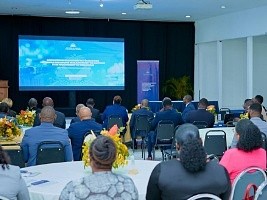
    In a landmark development for Haiti’s financial governance, the government has formally presented its National Risk Assessment Report on Money Laundering and Terrorist Financing after an extensive 18-month collaborative effort. The comprehensive evaluation was unveiled this week at the Montana Hotel through a joint initiative led by the Ministry of Economy and Finance (MEF), the Bank of the Republic of Haiti (BRH), and the Ministry of Justice and Public Security (MJSP).

    The assessment process employed a participatory methodology that engaged over 35 multidisciplinary professionals spanning both public and private sectors, with technical guidance provided by the World Bank. This inclusive approach ensured a thorough examination of Haiti’s financial vulnerabilities and institutional capabilities.

    Serge Gabriel Collin, Haiti’s newly appointed Minister of Economy and Finance, emphasized that this assessment represents a critical milestone in fortifying the nation’s financial system integrity. The report identifies multiple systemic threats including organized criminal networks, arms trafficking operations, ransom kidnappings, corruption schemes, smuggling activities, and narcotics trafficking. These criminal enterprises exert continuous pressure on Haitian institutions and present substantial barriers to achieving socio-political stability, national security, and sustainable economic development.

    Minister Collin outlined that effective implementation of the report’s recommendations requires comprehensive adoption by both public and private entities. Organizations must integrate these guidelines into their operational frameworks and enhance internal compliance mechanisms to properly align resources, controls, and procedures with identified risk exposures.

    The ultimate objective of this initiative is twofold: to facilitate Haiti’s removal from the Financial Action Task Force’s (FATF) increased monitoring list (grey list) and to prevent potential designation as a non-cooperative jurisdiction (blacklist). Success in these efforts would significantly contribute to stabilizing the country’s financial sector, creating conditions favorable for economic revitalization, and accelerating social welfare and protection programs essential for national recovery.
  • Na felle discussies nieuw amendement over organisatie OM

    Na felle discussies nieuw amendement over organisatie OM

    In a significant legislative development, four members of Suriname’s National Assembly (DNA) have submitted a substantive amendment to the Judicial Status Act, proposing two major reforms to the country’s judicial system. The proposal, filed on Friday afternoon by assembly members Steven Reyme (A20), Xiaobao Zheng (PL), Ronny Asabina (BEP), and Rabin Parmessar (NDP), seeks to recalibrate both retirement protocols and administrative structures within the Public Prosecutor’s Office (OM).

    The central amendment aims to reverse the current retirement age for members of the Public Prosecutor’s Office, including the Attorney General, from 70 back to 65 years. According to explanatory notes accompanying the proposal, this adjustment seeks to reharmonize pension regulations across the magistracy, addressing inconsistencies that have emerged within judicial retirement policies.

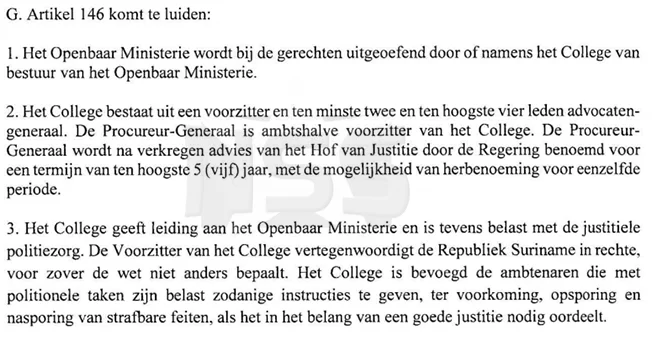
    Concurrently, the amendment proposes transforming the prosecutorial leadership model from a single Attorney General system to a collective Board of Prosecutors General. This new governance structure would consist of one Attorney General as chairperson complemented by two to four Advocates General. Proponents argue that this collegiate approach would enhance institutional balance, strengthen internal controls, and ensure greater continuity in prosecution policies.

    The proposed reforms emerge against the backdrop of intensive debates within legal and political circles regarding the organizational framework and leadership dynamics of the Public Prosecutor’s Office. The amendment also introduces fixed-term appointments for the Attorney General position, proposing a five-year term renewable once, replacing the previous lifetime appointment system.

    The National Progressive Party (NPS), while supporting the amendment, was unable to formally endorse the proposal due to time constraints affecting representative Jerrel Pawiroredjo. Meanwhile, the opposition Progressive Reform Party (VHP) has expressed reservations about the current amendment and is expected to present alternative proposals during Monday’s parliamentary session, where the amendments will undergo thorough public deliberation.

    These proposed changes represent part of broader institutional reforms aimed at strengthening Suriname’s judicial apparatus by reducing dependence on individual officials and creating more robust systems of checks and balances within the nation’s law enforcement infrastructure.

  • Development of the Amending Public Investment Program

    Development of the Amending Public Investment Program

    PORT-AU-PRINCE, Haiti – In a significant move to enhance governmental efficiency, Minister of Planning and External Cooperation Sandra Paulemon convened a strategic workshop on March 13, 2026, with ministerial Study and Programming Units (UEPs). This gathering focused on developing a revised Public Investment Program (PIP) for the 2025-2026 period, marking a pivotal step in Prime Minister Fils-Aimé’s administration. The initiative underscores the government’s dedication to optimizing state resources and international cooperation funds by channeling them into high-impact, structural projects that deliver tangible public benefits. Minister Paulemon emphasized that the PIP serves as the fundamental mechanism for translating national development policies into actionable, financed initiatives. She directed the UEPs to formulate realistic, meticulously prepared project proposals that are in strict alignment with the administration’s core priorities: enhancing national security, stimulating economic recovery, and establishing the necessary framework for conducting upcoming elections. This electoral preparation is a direct commitment under the National Pact for Stability and the Organization of Elections, a landmark agreement signed on February 21, 2026. Concluding the session, Paulemon issued a call to action for all involved parties, urging heightened commitment and professional rigor to ensure the planning process effectively reinforces public governance and ultimately improves citizen welfare.

  • A historic first at the Ministry of Religious Affairs of Haiti

    A historic first at the Ministry of Religious Affairs of Haiti

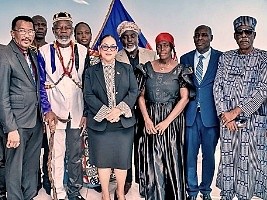
    In an unprecedented move signaling a new era of collaboration, Haiti’s Ministry of Religious Affairs hosted its first-ever gathering of national religious leaders on March 13, 2026. Minister Raina Forbin, overseeing both Foreign Affairs and Religious Affairs, convened representatives from diverse religious denominations at the ministerial headquarters, marking a transformative approach to governance.

    The landmark meeting, characterized by officials as a ‘historic first,’ establishes a formal framework for institutional dialogue between the Haitian government and the nation’s moral and spiritual leadership. Director General of Religious Affairs Joël Turenne emphasized the unprecedented nature of this initiative, highlighting its significance in recognizing religious communities as essential partners in national development.

    Minister Forbin articulated the government’s vision of integrating religious communities as vital contributors to addressing Haiti’s pressing security and social challenges. She identified religious leaders as crucial moral guides whose influence extends beyond spiritual matters into the realms of social cohesion and civic values education.

    Central to the minister’s address was the assertion that lasting stability requires not only institutional action but also moral commitment from all societal sectors. She positioned religious communities as indispensable partners in consolidating national values of unity, solidarity, and hope during this critical period in Haiti’s development.

    The ministry announced plans to convene a National Conference of Religious Leaders, creating a structured platform for ongoing state-religious dialogue. This initiative aims to systematically promote peace culture, strengthen social cohesion, and mobilize consensus around fundamental national values including responsibility and national solidarity.

    Religious representatives responded enthusiastically to the announcement, welcoming this new chapter of cooperation as a significant advancement in state-community relations that recognizes their essential role in Haiti’s social fabric.

  • Fire destroys Calliaqua Police Station, spreads to bakery (+video)

    Fire destroys Calliaqua Police Station, spreads to bakery (+video)

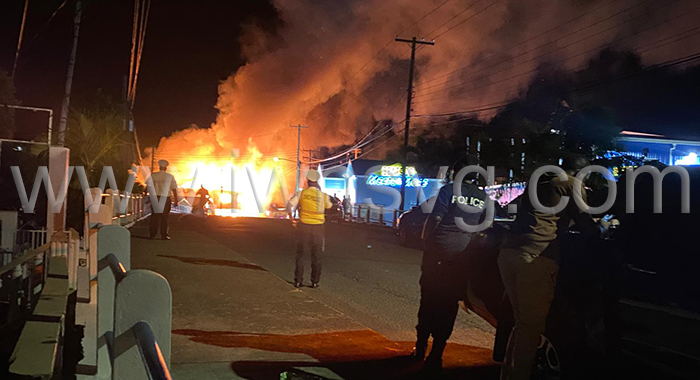
    A devastating fire engulfed the dilapidated Calliaqua Police Station on Friday night, resulting in the complete collapse of its roof and extensive damage to the two-story structure. The inferno, which also threatened a neighboring bakery, required response from three fire tenders—including an emergency unit from Argyle International Airport—as large crowds gathered behind police cordons in the coastal town.

    While the exact cause and full extent of the destruction remain undetermined at press time, preliminary assessments indicate the wooden flooring and primary structural elements suffered catastrophic damage. The incident occurred while the station remained operational, though no injuries were reported.

    This tragedy follows recent parliamentary revelations by Minister of National Security St. Clair Leacock, who just two months earlier had condemned the deplorable condition of police facilities nationwide. During January 29 budget debates, Leacock specifically highlighted the Calliaqua station’s termite-infested infrastructure, noting that “bed posts go through the floor” and describing working conditions as “squalor” that is “deplorable and depressing.”

    Appointed following the New Democratic Party’s electoral victory on November 27—which ended 25 years of Unity Labour Party governance—Leacock had previously proposed relocating personnel to temporary facilities while pursuing new infrastructure solutions. The fire occurred merely two days before the minister’s scheduled diplomatic visit to Taiwan, where he intended to request vehicle donations to support crime-prevention initiatives.

  • Consett Bay fisherfolk upset over unannounced market repairs

    Consett Bay fisherfolk upset over unannounced market repairs

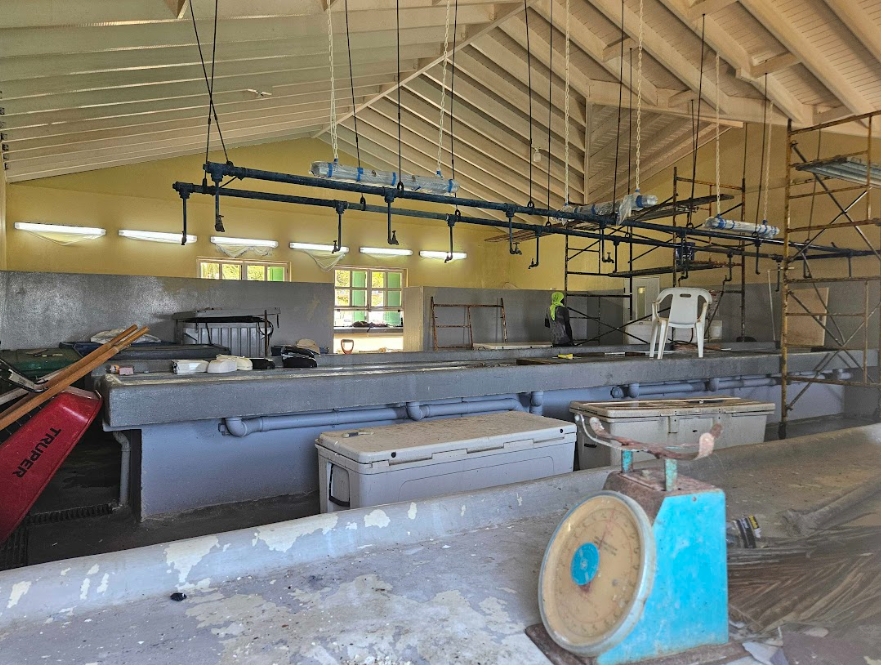
    Fishermen and vendors at Barbados’ Consett Bay Fish Market are expressing profound frustration over poorly timed facility renovations that have severely disrupted their operations just weeks before the critical Easter season. The unexpected maintenance work, initiated without prior notification, has forced seafood processors to operate outside designated areas, compromising both workflow efficiency and hygiene standards.

    According to seasoned market operators with over two decades of experience, the disruptive renovations commenced unexpectedly following a two-week fishing hiatus caused by rough sea conditions. Vendors returned to the market anticipating resumed operations, only to discover painting and improvement activities already in progress within essential processing zones, including ice storage and fish preparation areas.

    The timing of these renovations has drawn particular criticism from the fishing community. Industry representatives note that the July-October seasonal fishing closure would have presented an ideal window for conducting maintenance with minimal operational impact. Instead, the current timing coincides with the pre-Easter period when seafood demand traditionally surges, creating significant economic pressure on vendors.

    While acknowledging the necessity of market improvements, vendors emphasize the critical importance of coordinated planning. “We fully support facility enhancements,” stated one representative, “but implementation must consider our livelihood requirements. This is our daily sustenance, and disruptions during peak season directly affect our economic stability.”.

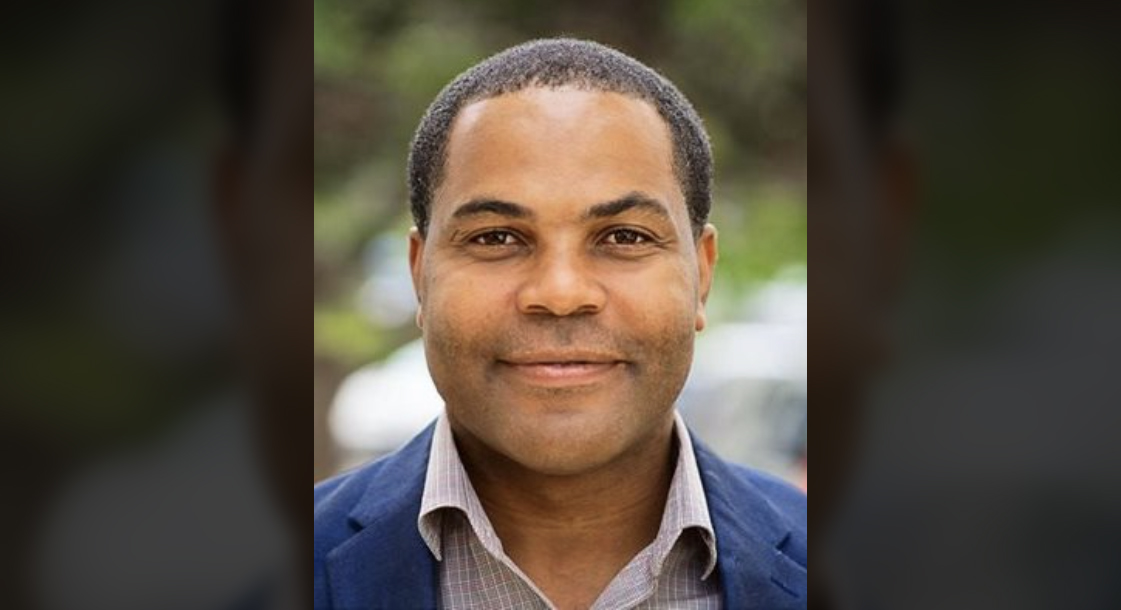
    In response to these concerns, Eric Lewis, Senior Manager of Fish Markets, provided reassurances regarding the project’s limited scope and duration. Characterizing the work as primarily cosmetic painting following recent roof repairs, Lewis emphasized that vendors would experience minimal dislocation. “This is a brief process requiring just a few days,” he stated, “with designated work areas remaining available. The improvements constitute minor enhancements rather than major structural work, ensuring no significant operational interruptions.”

    Despite these assurances, vendors remain apprehensive about potential Easter season impacts. The community continues advocating for improved communication protocols and strategic scheduling of future maintenance activities to balance infrastructure improvements with economic considerations.

  • FEDDA, ​​Omar Fernández and Listín Diario will promote “Crusade for Animals” in the National Congress

    FEDDA, ​​Omar Fernández and Listín Diario will promote “Crusade for Animals” in the National Congress

    A major legislative initiative to combat animal cruelty is gaining momentum in the Dominican Republic. The Dominican Federation for Animal Rights (FEDDA), in collaboration with Senator Omar Fernández and the newspaper Listín Diario, has officially launched the “Crusade for Animals” campaign. This national advocacy day, to be held at the National Congress, marks a concerted effort to reform and fortify Law 248-12 on Animal Protection and Responsible Ownership.

    The announcement was made during FEDDA’s third-anniversary event, which also saw the debut of a complementary national campaign, “Report Animal Abuse,” designed to encourage citizens to responsibly report cases of neglect and violence against animals. The event was spearheaded by FEDDA President Lorenny Solano, Senator Fernández, and Listín Diario Director Miguel Franjul.

    Senator Fernández provided critical context, revealing that the legislative reform process began in 2021. While there is broad consensus on its necessity, he cited bureaucratic delays as the primary reason for the prolonged timeline. He expressed optimism for approval in the current legislative session, emphasizing the public’s growing awareness and the urgent need for clear institutional mechanisms to address abuse cases. “I will be the happiest person the day that… we know exactly which authority should act,” Fernández stated.

    Miguel Franjul of Listín Diario underscored the media’s role in holding Congress accountable, asserting that societal demand for the law has reached a critical mass. “The time has come for Congress to listen to these demands and make them a reality,” he addressed the audience.

    FEDDA President Lorenny Solano clarified the organization’s strategic focus on driving structural change rather than direct rescue operations. Their mission is to influence public policy, secure state funding for animal protection, and build a more empathetic society. Solano highlighted that animal welfare has historically been a low priority for the state and pointed to specific initiatives, such as efforts to remove horse-drawn carriages from tourist areas like the Santiago Monument.

    The event also featured a virtual lecture from economist Juan Ariel Jiménez at Harvard University on building sustainable models to support rescuers. Furthermore, FEDDA unveiled its “Vision 2026–2030,” a comprehensive set of policy proposals, and announced a push for formal recognition of service animals for people with disabilities. The campaign enjoys broad institutional support from the Public Prosecutor’s Office and various civil society organizations.

  • Nieuwe lichting ambassadeurs moet internationale positie Suriname versterken

    Nieuwe lichting ambassadeurs moet internationale positie Suriname versterken

    In a significant diplomatic ceremony held at the Presidential Palace on Friday, President Jennifer Simons officially sworn in nine new ambassadors who will represent Suriname across multiple nations and international organizations. The event marks the commencement of a fresh phase in Suriname’s foreign diplomatic appointments aimed at strengthening bilateral cooperation and advancing national interests globally.

    Among the newly appointed ambassadors are Vanessa Tsin-Jie Li (Beijing, China), Pearl Aprasong-Paulus (Paris, France), Genia Lank-Corinde (Havana, Cuba), Marciano Armaketo (Brussels, Belgium), Ike Antonius (Brasília, Brazil), Hanisha Jairam (New Delhi, India), and Georgette Elias (Caracas, Venezuela). Additionally, Marlon Mohamed-Hoesein assumes the role of Ambassador to Washington D.C. and will serve as Permanent Representative to the Organization of American States (OAS), while Michel Kerpens is designated as Suriname’s representative to the United Nations in New York.

    President Simons emphasized the critical importance of professional and results-oriented diplomacy during her address. She urged the ambassadors to actively promote Suriname’s interests in international cooperation, trade, investment, and development. The head of state outlined clear expectations for the new envoys to deepen diplomatic and political relations with host countries while simultaneously contributing to investment attraction and economic diversification efforts.

    The president further highlighted the ambassadors’ role in cultural and societal representation, stating, “You are expected to keep Suriname’s potential and the ideals of our nation in mind throughout your duties.” She called for an assertive, outcome-driven approach underpinned by open communication and close collaboration with both Surinamese and foreign partners.

    Ambassador Ike Antonius, speaking on behalf of the newly appointed diplomats, expressed gratitude and acknowledged the weight of their responsibilities. “We accept this appointment not merely as a position, but as a mission to represent our country with dignity and professionalism,” he stated.

    The ceremony was attended by Vice President Gregory Rusland and Minister of Foreign Affairs, International Trade, and Cooperation Melvin Bouva, reflecting the government’s unified support for these strategic diplomatic assignments.

  • UWI economists differ on govt’s fiscal path

    UWI economists differ on govt’s fiscal path

    As Barbados’ Mia Mottley administration prepares to unveil its 2026 Financial Statement and Budgetary Proposals, prominent economists from the University of the West Indies present contrasting visions for the nation’s fiscal direction. The debate emerges alongside recognition that several measures from last year’s budget have successfully reached ordinary citizens.

    Dr. Ankie Scott-Joseph, economics lecturer at Cave Hill, advocates for prioritizing revenue generation through productive industries rather than over-relying on tourism. She emphasizes tourism’s vulnerability to geopolitical uncertainties, citing the recent departure of Trinidadian conglomerate ANSA McAL as evidence of sector instability. Dr. Scott-Joseph warns that this over-reliance will inevitably pressure value-added tax (VAT) and tourism income, necessitating accelerated investment in renewables and manufacturing to build economic resilience.

    The economist acknowledges positive trickle-down effects from the 2025 Budget, specifically highlighting workers’ empowerment initiatives that increased job opportunities and wages, thereby enhancing purchasing power for lower-income earners. She also recognizes improvements in public health infrastructure, though notes these focused more on physical facilities than disease control.

    In contrast, Dr. Antonio Alleyne identifies crime reduction as the paramount priority, arguing that without addressing security concerns, all other economic initiatives will prove ineffective. He contends that crime directly threatens tourism revenue and consequently undermines diversification efforts. While acknowledging debt management progress—with levels now below 100% of GDP—Dr. Alleyne urges authorities to exploit this favorable window for strengthening social programs and maintaining currency stability.

    The 2025 Budget introduced several significant measures including: a Resilience and Regeneration Fund replacing the Catastrophe Fund; new taxes on salted snacks alongside duty-free fruits; reduced corporation tax on residential mortgages; enhanced union fee allowances and automatic minimum wage increases; extended reduced VAT on household electricity; and cuts to regional travel charges.

  • More Gas Pains as Motorists Cry for Relief at the Pumps

    More Gas Pains as Motorists Cry for Relief at the Pumps

    Belizean motorists are confronting severe economic strain as fuel prices skyrocketed overnight by more than ten percent, exacerbating existing financial pressures from the rising cost of living. This abrupt increase directly results from escalating geopolitical tensions in the Middle East, particularly involving Israel, the United States, and Iran, which have disrupted global oil markets.

    The critical Strait of Hormuz, a maritime passage responsible for nearly twenty percent of worldwide oil shipments, faces potential closure due to ongoing conflicts. Consequently, international crude oil prices have surged between ten to thirteen percent, with U.S. gasoline prices climbing nearly twenty percent. These global developments have now directly impacted Belize’s local economy.

    Prime Minister John Briceño acknowledged the inevitability of this price hike, stating, ‘The unrest in Iran and the threat to the Strait of Hormuz created expected pressure on fuel costs. Belizeans have been anticipating this increase as international markets reacted.’

    Despite government explanations, motorists express profound frustration. Interviews reveal widespread distress among drivers, including tourism workers and dollar van operators who report operating at a loss. Many are implementing personal austerity measures—reducing routes, limiting trips, and pleading for government intervention.

    While some citizens recognize the global nature of the crisis, they simultaneously urge authorities to consider relief measures for vulnerable populations. The Prime Minister cautioned that reducing fuel taxes to alleviate pressure would consequently strain public finances, potentially affecting government services and upcoming public sector salary increases scheduled for April 1st.

    Economists warn that continued instability in oil-producing regions may trigger further price increases, potentially affecting electricity costs and broader economic sectors. Belizeans now face the challenging balance of adapting to higher expenses while hoping for stabilization in international markets.