作者: admin

  • No sighting of missing Surinamese men in Guyana – police

    No sighting of missing Surinamese men in Guyana – police

    Nearly a month after two Surinamese men went missing near the country’s border with Guyana, cross-border law enforcement agencies have yet to locate any trace of the pair, a senior Guyanese police official confirmed Sunday.

    Deputy Police Commissioner Wendell Blanhum, head of the Guyana Police Force’s Criminal Investigations Department (CID), told local outlet Demerara Waves Online News that the investigation into the disappearances remains active, but no evidence of the men entering or being present in Guyana has been uncovered to date.

    Surinamese and Guyanese police released official bulletins Saturday formally identifying the missing men. They are 28-year-old Siegello Lorenzo Van Dalen, who has registered addresses at Moustachestraat #29 in Saramacca and Koetaristraat 8, and 29-year-old Derryl Danillo Bont, a resident of Adolfstraat #9 in Wanica, Suriname.

    According to police records, the men were reported missing after leaving their individual homes on August 28, 2026, traveling toward the border township of Nickerie in a Toyota Vitz. Their last confirmed sighting was on August 29, when witnesses saw them exit the vehicle in Clarasluis, a district of Nickerie, to board a small boat bound for Guyana.

    The Guyana Police Force (GPF) reported that multiple search operations have been carried out across border regions, and dozens of potential witnesses have been interviewed for information. To date, no leads that could help locate the men have been obtained.

    Both the GPF and the Suriname Police Corps are now issuing public appeals for assistance from community members on both sides of the border. Anyone with information about the whereabouts of Derryl Danillo Bont or Siegello Lorenzo Van Dalen is urged to contact local law enforcement immediately. In Guyana, tip lines available include 911, 227-1611, 268-2328, 268-2329, 226-3411, 225-8196 and 227-1159, and people may also reach out to the nearest police station. In Suriname, tips can be submitted to the Major Crimes Unit at 403645 or 403252, the national Command Center at 115, or any local police station.

  • In memoriam Bapak Sapto Sopawiro (86)

    In memoriam Bapak Sapto Sopawiro (86)

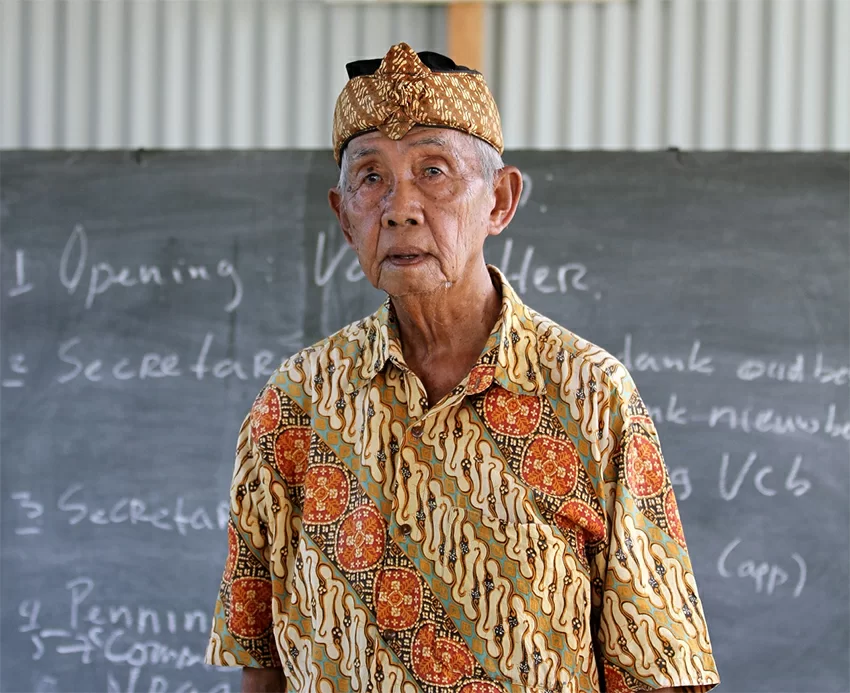
    Suriname is mourning the passing of one of its most beloved cultural stewards, Sapto Sopawiro — known to most simply as Pak Sapto, or affectionately as Pak Dhalang — who died in September 2026, leaving behind an indelible mark on the nation’s social and cultural fabric. The news of his death broke in an early morning WhatsApp notification reading “Pak Sapto has passed,” shared with a small, gently burning candle emoji, setting a tone of quiet grief and profound respect for a life dedicated to community and cultural preservation.

    Born on 15 July 1940 in Kampong Baroe, Saramacca, Pak Sapto’s life journey shaped his lifelong commitment to bridging divides and expanding cultural understanding. After moving to Paramaribo in 1947 to continue his education with his mother on Heiligenweg, he later lived with his father in Nickerie before returning permanently to Paramaribo in 1962, settling in the Boxel neighborhood from 1970 onward — the area where most locals came to know him well. Before devoting himself fully to cultural work, he built an early career as a skipper-mechanic for the Suriname Shipping Company, and later worked as a mechanic and operator for Billiton Maatschappij Suriname.

    A towering authority on Javanese culture, history, spirituality, language, and traditions, Pak Sapto inherited his deep knowledge of Javanese heritage and the craft of the dhalang (shadow puppeteer) from his father, but cemented his expertise as an insatiable self-learner. His personal library, which spanned far beyond Javanese epics like the Mahabharata and Ramayana or Indonesian history, reflected his insatiable curiosity about the full breadth of human experience: he collected works on economics, sports, art, agriculture, engineering, theater, classical composers, Italian opera, Russian ballet, culinary arts, and global politics. When asked if he truly found all these topics fascinating, he would smile and respond softly: “All of it together… that is life… and life is beautiful. We have reason to be grateful.”

    As a pioneer of Javanism in Suriname, Pak Sapto reached a historic milestone in 2014, when he was appointed the first paid spiritual leader of Javanism in the country on the nomination of then-Minister of the Interior Soewarto Moestadja. A leading advocate for Agama Jawa, the traditional Javanese religious tradition, he taught regular classes and lectures, appeared on radio and television programs, and served for a period as spokesperson for the Federation of Javanism in Suriname. Back in 1987, he co-founded the socio-religious association Carita Wujud Ngesti Tunggal — translated as “Experiencing Unity Through the True Word” — which centers its core philosophy on the belief that “There is only one God, eternal and omnipresent, Creator of the universe.”

    For most Surinamese, Pak Sapto will be best remembered as a master dhalang, the skilled performer of Javanese wayang kulit shadow puppetry. Through his craft, he brought centuries-old epic stories, timeless life lessons, cultural values, and shared history to vivid life for new generations, weaving modern Surinamese reality seamlessly into ancient tradition. Topics as contemporary as politics, economic shifts, smartphones, and the internet all found their place into his narratives, bridging past and present, tradition and current events, multiple languages and diverse cultural communities. His unique legacy was even captured in the documentary *The Last Dhalang*, which cemented his status as a national cultural treasure.

    More than a cultural expert and performer, Pak Sapto was first and foremost a connector of people and generations. Students, researchers, fellow cultural caretakers — anyone seeking knowledge was welcome in his space. He delivered lectures and courses at leading Surinamese institutions including the Anton de Kom University of Suriname and the Institute for Learning and Education, and his expertise was drawn on across disciplines ranging from cultural studies and sociology to anthropology, medicine, and religious studies. He also played a key role in research into Suriname’s Javanese immigration history: as an interpreter and translator, he traveled to Yogyakarta, Indonesia, to support Surinamese historical and genealogical research, while also studying strategies to safeguard the continuity of wayang culture for future generations.

    Pak Sapto’s decades of contributions earned him widespread national and international recognition, including the 2007 Gold VHJI Award, Indonesia’s highest cultural distinction in 2013, the GRANI of Wanica South-East in 2013, official recognition from the Surinamese Directorate of Culture in 2023, the Gold Honorary Medal in the Honorary Order of the Yellow Star in 2023, and induction into the NAKS Icon Calendar in 2025. A full archive of his life’s work is permanently preserved at the NAKS-EUFRIE Documentation Center for future research.

    With his passing, Suriname has lost not only a singular cultural bearer, spiritual leader, master dhalang, storyteller, scholar, researcher, and translator, but a uniquely gifted unifier who brought disparate people and communities together. Pak Sapto received a full state cultural funeral on 20 September 2026, attended by a diverse cross-section of the nation he served. May he rest in peace.

  • Whale Protection Coalition Urges Antigua and Barbuda to Stop Scapegoating Whales

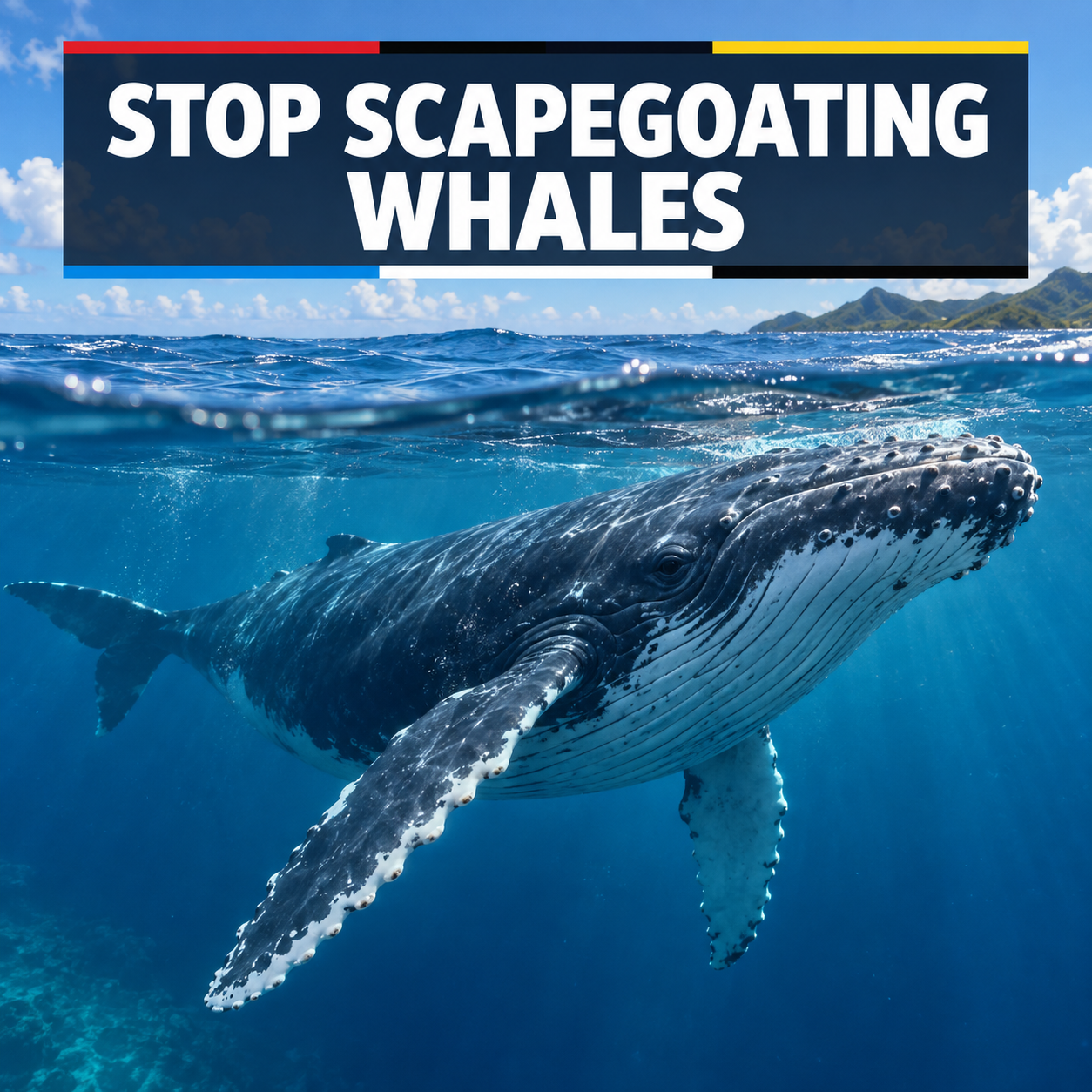
    Whale Protection Coalition Urges Antigua and Barbuda to Stop Scapegoating Whales

    A prominent international coalition dedicated to marine mammal conservation has issued a formal public appeal to the government of Antigua and Barbuda, calling on the Caribbean nation to halt what the group describes as unfair scapegoating of whale populations for ongoing challenges facing the local commercial fishing sector.

    The coalition, which brings together dozens of marine ecologists, conservation organizations and indigenous ocean advocacy groups from around the globe, argues that current claims linking declining fish catches to whale feeding activity are not backed by peer-reviewed scientific data. Instead, the coalition points to overfishing, climate change-driven ocean warming, and habitat degradation as the primary drivers of reduced fish stocks in regional waters.

    Conservation leaders warn that targeting whales not only undermines decades of progress in protecting endangered and vulnerable baleen whale populations that migrate through the Caribbean each year, but also distracts policymakers from implementing evidence-based reforms needed to restore the long-term sustainability of local fisheries. The group has offered to partner with the Antigua and Barbuda government to conduct independent, transparent research on marine ecosystem dynamics, as well as to support sustainable fishing initiatives that balance livelihood needs with marine biodiversity protection.

    As of the coalition’s latest statement, the Antigua and Barbuda government has not yet issued a formal response to the appeal.

  • Sentry pledges long-term backing to Helping Hands Centre

    Sentry pledges long-term backing to Helping Hands Centre

    An indigenous insurance provider based in St. Vincent and the Grenadines has launched a groundbreaking new philanthropic partnership focused on supporting children with disabilities, marking a departure from the company’s traditional community giving priorities. Sentry Insurance, which has served the local community for more than 53 years, has committed a total $10,000 donation to the Helping Hands Centre, a day-care facility operated by the local non-profit Association for People with Disabilities. Unlike many one-off corporate donations, company leaders have framed the gift as the opening of a long-term sustained partnership to support the center’s critical mission.

    Fidel Taylor, Sentry Insurance’s general manager, first announced the commitment during an official cheque-handover ceremony, where he shared how a visit to the Montrose-based facility convinced him the company had to step up to help. The Helping Hands Centre caters to children living with all forms of disability, with a core mission of empowering every child to grow into their fullest potential. After witnessing the center’s work and unmet needs firsthand, Taylor approached Junior Bacchus, chair of the Helping Hands Centre, to make clear that Sentry’s involvement would not be a fleeting gesture.

    “This is the first time we’ve launched this type of targeted giving initiative,” Taylor explained during the ceremony, noting that Sentry has a long history of supporting local sports and cultural projects across St. Vincent. This new commitment, he emphasized, is a reflection of the company’s promise to give back to the local community that has sustained its success for more than half a century, drawn directly from the firm’s annual profits.

    The $10,000 contribution will be disbursed in two separate installments: the first cheque was handed over to center leadership during the ceremony, and the second installment is scheduled to be delivered in early 2025. According to Taylor, the unrestricted funding will be used to cover the center’s daily operational costs, helping the facility keep its doors open and continue serving local families. “This is to keep you going to help to pay the bills,” he said, adding that company leadership recognizes how challenging and important the center’s work is for the nation.

    “These are the nation’s children, and it’s not easy to do this job. And we recognise it,” Taylor stated, praising the center’s staff for their tireless daily work supporting vulnerable children. He used the platform of the announcement to issue a public call to action, urging other local businesses, community organizations and individual residents to join Sentry in supporting the Helping Hands Centre. Taylor stressed that even small contributions make a meaningful difference, encouraging potential donors not to hold back from giving because they feel their donation is too small.

    “Don’t underestimate whatever you can give,” he said. “No gift is too small.” For the Helping Hands Centre, the new partnership with Sentry Insurance brings both immediate financial relief and long-term assurance of continued support, as leaders work to expand their capacity to serve children with disabilities across St. Vincent and the Grenadines.

  • COMMENTARY: Pandemic Reckoning: What the World Still Deserves to Know, and What Still Haunts the Living

    COMMENTARY: Pandemic Reckoning: What the World Still Deserves to Know, and What Still Haunts the Living

    Six years have passed since COVID-19 brought global movement and daily life to a sudden, grinding halt. Today, much of the world has reclaimed its pre-pandemic rhythm: border checkpoints hum with cross-border travel, stadiums fill to capacity for concerts and matches, commercial jets crowd global skies, and face masks have largely vanished from public spaces. But the return of routine does not mean the pandemic’s work is finished.

    What the world left unresolved after COVID-19 extends far beyond unfinished scientific research. It touches ethics, global public health institutions, and the enduring human experiences that continue to shape millions of lives. As of current counts, the World Health Organization has recorded more than 779 million confirmed COVID-19 cases and over 7 million confirmed deaths, a figure the agency itself acknowledges is far lower than the actual global mortality toll. Out of a global population of roughly 8.3 billion, almost no community escaped the virus’s reach.

    Millions of people survived the initial infection, but never fully recovered. The WHO estimates that around 6% of people who developed symptomatic COVID-19 go on to experience Long COVID, a condition where persistent respiratory, neurological, cardiovascular and other symptoms can last for months or even years after infection. For these people, the pandemic is not a chapter of history—it remains an ongoing, daily burden that haunts their lives.

    The author, Dr. Clarence E. Pilgrim, offers personal insight into the virus’s long-term psychological impact. The pandemic shrank his social circle, and left him with a persistent apprehension about even casual friendly handshakes—an instinct that remains with him to this day. After being exposed to the virus at work, he was immediately quarantined while waiting for a negative test result, a period of uncertainty that mirrored what millions experienced globally. The fear of falling ill, anxiety about unknowingly spreading the virus to loved ones, and new suspicion of close human contact reshaped how societies understood physical proximity. For a time, everyday gestures of connection—a handshake, a hug, an intimate conversation—became potential sources of danger.

    SARS-CoV-2, the virus that causes COVID-19, has not disappeared. It continues to circulate among global populations and evolve into new variants. The WHO currently monitors emerging variants including XFG, NB.1.8.1, PQ.16.1.1, and BA.3.2. While the WHO declared the global public health emergency over in 2023, the virus itself remains a persistent presence. So too do the unresolved questions about where it originated.

    A recent guilty plea from Dr. David Morens, a former senior advisor at the U.S. National Institute of Allergy and Infectious Diseases (NIAID), has reignited debates over institutional credibility around the origin question. Morens admitted to participating in efforts to evade U.S. federal public records requirements for documentation related to coronavirus research and official communications, including correspondence connected to a bat-coronavirus research grant that involved the Wuhan Institute of Virology.
    These do not prove that SARS-CoV-2 leaked from a laboratory, nor do they implicate Dr. Anthony Fauci, NIAID’s former director, in any criminal activity. They do, however, confirm that relevant official communications were deliberately hidden from standard public transparency processes. This lack of openness leaves a core unanswered question: why?

    The WHO’s current scientific assessment concludes that the bulk of available evidence points to a zoonotic spillover from an animal source. But critical information that would allow for a full, independent investigation remains unavailable to the global public. This includes early viral sequence data, full details about animals sold at Wuhan wet markets in the period before the first outbreak, and complete records of laboratory work and biosafety protocols at relevant research facilities. The only responsible stance on the origin question, Dr. Pilgrim argues, is to neither declare a laboratory origin proven nor dismiss it as an impossible conspiracy.

    This same commitment to evidence and transparency must guide global conversations about the costs and benefits of COVID-19 vaccination, Dr. Pilgrim contends. The author himself chose to receive a primary COVID-19 vaccine series and a booster shot, citing his trust in WHO and the international public health community’s recommendations. Extensive clinical and real-world data confirms that vaccination drastically reduced rates of severe illness, hospitalization and death from COVID-19. But acknowledging these life-saving benefits does not require denying that some people experienced genuine adverse side effects.
    Regulatory agencies across Europe, Africa, India and Russia reached a shared, evidence-based conclusion: COVID-19 vaccines delivered critical, life-saving protection, but ongoing safety monitoring was a non-negotiable requirement. European regulators confirmed rare cases of myocarditis and pericarditis linked to some mRNA vaccines. African public health authorities monitored rare blood clotting disorders. India officially recognized thrombosis with thrombocytopenia syndrome associated with adenovirus-vector vaccines, while continuing surveillance for other reported adverse events. Russia issued formal clinical contraindications for at-risk groups. Across vastly different regulatory systems, the core lesson was consistent: vaccination was not risk-free, and benefits and risks must be weighed together on an ongoing basis.

    It is possible, Dr. Pilgrim argues, to hold two truthful positions at once: that COVID-19 vaccines saved millions of lives, and that some people suffered harm from vaccination. Equally, it is possible to recognize confirmed vaccine injuries without claiming every unexplained illness or death that occurred after vaccination was caused by the vaccine. These are not contradictory stances—they are the minimum requirement for intellectual honesty.

    In the United States, more than 11,000 claims alleging COVID-19 vaccine injury or death had been filed through the federal vaccine injury compensation program by July 2026. Filing a claim does not prove causation, and many claims do not meet the program’s evidentiary standards. Even so, a number of vaccine-related injuries have been officially confirmed by the program. For people who have experienced scientifically verified harm, they deserve more than to be reduced to a statistic in a global public health success story. Where treatment is possible, care should be provided. Where rehabilitation can improve outcomes, it should be made accessible. Where responsibility is confirmed, fair compensation is owed. Human dignity, Dr. Pilgrim emphasizes, should never be determined by how common an injury is.

    This same balanced approach applies to conversations about rising global rates of cardiovascular disease, which some have incorrectly attributed entirely to widespread vaccine injury. The WHO has long identified cardiovascular disease as the leading cause of death globally, a reality that predates the COVID-19 pandemic by decades. But that does not mean there are no legitimate questions to explore. COVID-19 infection itself is known to damage the cardiovascular system, Long COVID can increase the risk of chronic cardiovascular illness, pre-existing risk factors remain the leading driver of most cases, and pandemic-related disruptions to routine healthcare left many conditions untreated. Rare vaccine-associated cardiovascular complications have also been scientifically documented. The question researchers need to answer is not whether vaccines caused all post-pandemic cardiovascular disease, but how much of the current burden can be traced to each contributing factor. To date, there is no reliable global data that fully answers that question, and that gap should spur more research—not unfounded speculation.

    Looking ahead, modern history makes clear that another global pandemic is not a question of if, but when. Major respiratory pandemics struck the world in 1889–1890, 1918, 1957, 1968, 2009, and 2019, with no consistent interval between events, making accurate prediction impossible. Even so, it is entirely plausible that another pandemic will occur within the lifetime of most people alive today.

    The true reckoning the world needs to complete now is not about vindication for any single government, scientist, institution or vaccine. It is about whether humanity can learn enough from this pandemic to protect everyone better when the next one arrives. This includes the majority who will benefit from effective new medical interventions, the small minority who may experience genuine harm, the most vulnerable communities, and future generations that will inherit the global public health systems we build today.

    Progress that saves millions of lives but abandons the small number of people who experience genuine harm is incomplete. Equally, concern for people injured by vaccines cannot justify rejecting life-saving medical interventions that have benefited billions. The higher moral and public health obligation is to pursue both: broad protection and accountability for harm, scientific advancement and respect for human dignity, strong public health institutions and radical transparency.

    Dr. Pilgrim notes that he trusted the international public health system enough to get vaccinated and boosted. That trust, he argues, should never require silence about unresolved questions or unaddressed harm. Science gains its authority from open evidence, not blind loyalty. Public health institutions earn their legitimacy through radical transparency, not secrecy. Leaders earn public confidence through taking accountability when things go wrong, not deflecting criticism.

    The millions of people who died from COVID-19 cannot demand answers from global institutions. But the living can. Before the next pandemic tests humanity’s collective capacity, we have a responsibility to get clear about what went right, acknowledge what went wrong, repair the harm that can still be fixed, and build systems that are designed to protect both the many and the few.

    When the next pandemic comes, the global response must not only be faster than it was in 2020—it must be wiser, fairer, more transparent, and centered on the common good of all people.

    *Disclaimer: The views expressed are those of the author alone.*

  • Rotaract Club of Antigua to Host “Peace Starts Here” Youth Peace Initiative

    Rotaract Club of Antigua to Host “Peace Starts Here” Youth Peace Initiative

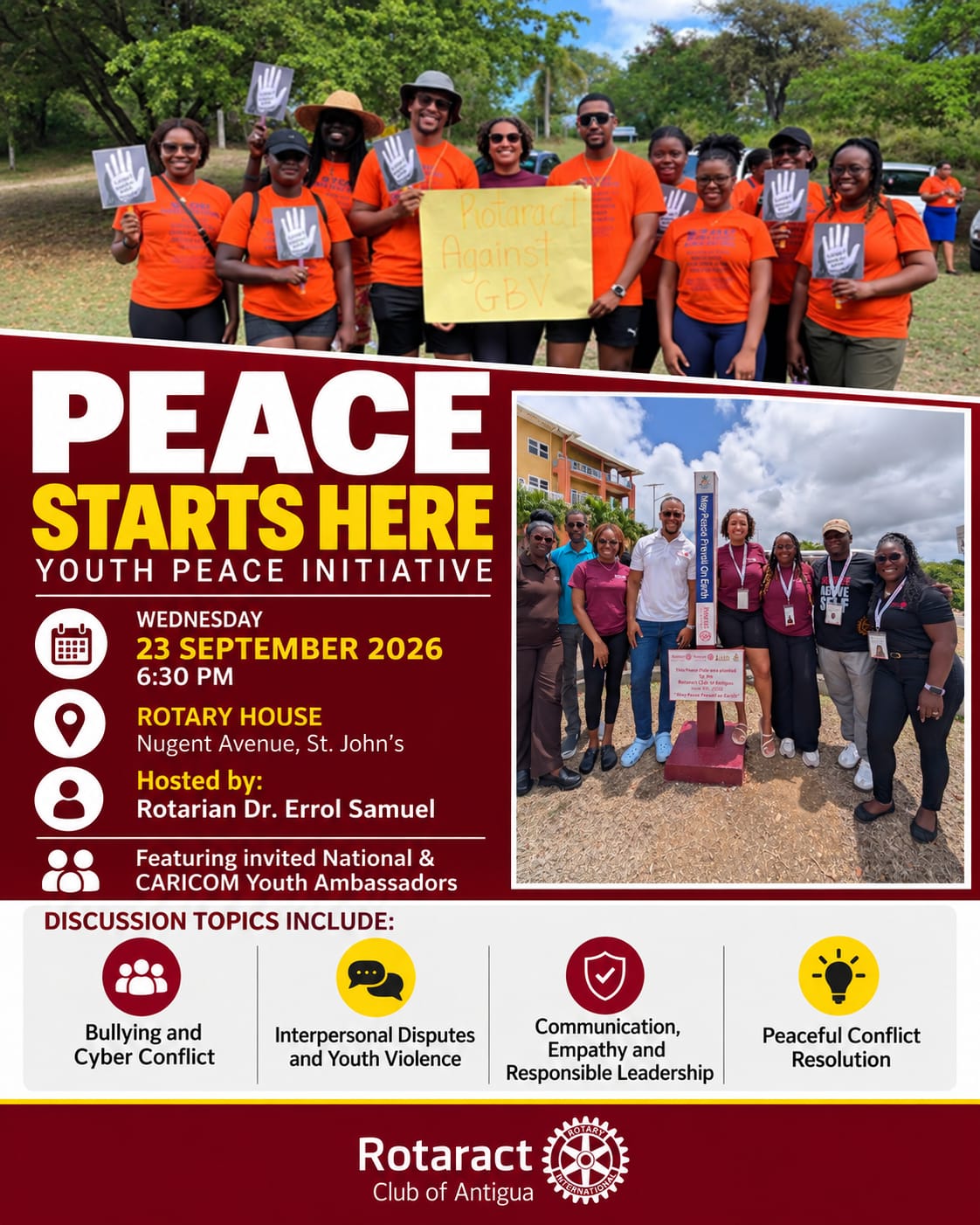
    A groundbreaking youth-focused peacebuilding effort is set to kick off in Antigua next year, as the Rotaract Club of Antigua and its International Service Committee prepare to host the “Peace Starts Here” Youth Peace Initiative. The event is scheduled to take place at 6:30 p.m. on Wednesday, September 23, 2026, at the Rotary House located on Nugent Avenue in St. John’s, and it aims to carve out a deliberate, accessible space for young people across Antigua and Barbuda to unpack critical conversations around peace, conflict resolution, and ethical leadership.

    Chaired by Rotarian Dr. Errol Samuel, the interactive session will bring together a diverse cohort of invited guests, including national youth ambassadors and representatives from the CARICOM youth ambassador program. These young leaders will bring on-the-ground perspective to discussions about the most pressing challenges facing young people and local communities across the twin-island nation.

    Organizers have outlined a range of core topics tailored to the realities of modern youth life, addressing issues that too often escalate into division and harm. These include the growing prevalence of bullying and cyber-enabled conflict, common interpersonal disputes that can spiral into tension, and the persistent crisis of youth violence. The dialogue will also center on building core skills: intentional communication, empathetic engagement, ethical and responsible leadership, and evidence-based strategies for resolving conflict through peaceful means.

    This initiative is not an isolated event, but rather a core component of the Rotaract Club of Antigua’s broader 2026–2027 operational strategy, aligned with its organizational theme “Leading with Heart, Serving with Purpose.” The club has long centered its work on youth civic engagement and grassroots peacebuilding, and this event extends that commitment into actionable, community-centered programming.

    Through the “Peace Starts Here” initiative, organizers hope to empower young people to recognize their individual agency in creating more peaceful social environments. From school hallways and family homes to digital social platforms and neighborhood communities, the program emphasizes that every person has a role to play in fostering constructive dialogue, empathetic connection, and nonviolent approaches to disagreement.

    To expand the conversation beyond the in-person event, the club is also launching a public engagement campaign inviting young people and all community members to share their perspectives on peace. The campaign asks a simple, provocative question: “What does peace in Antigua and Barbuda mean to you?”, creating an opportunity for broader public input on what a peaceful nation looks like for its residents.

    Organizers extended an open invitation to all young people across Antigua and Barbuda, as well as interested members of the general public, to join the conversation. They emphasize that building a more peaceful, cohesive society starts with the small, intentional choices and actions of individual community members – and that this initiative is the first step toward cultivating that collective change.

  • Guyana, Suriname working on alternative vessel if MV Canawaima is taken out of service

    Guyana, Suriname working on alternative vessel if MV Canawaima is taken out of service

    As the critical cross-border ferry MV Canawaima faces a potential full suspension from service next month for urgent major repairs, Guyana and Suriname have moved forward to draft a contingency plan to avoid disrupting travel and trade between the two South American nations, Guyana’s Public Works Minister Juan Edghill confirmed in an interview Sunday.

    The aging vessel, which serves the busy route between Moleson Creek in Guyana and South Drain in Suriname across the shared Corentyne River, has only been granted a provisional operating permit that expires September 28. This temporary approval came after a six-day total service shutdown last month that left hundreds of passengers, dozens of vehicles, and tons of commercial goods stranded on both sides of the river. The ferry only resumed limited, temporary operations on August 29 following emergency patchwork repairs.

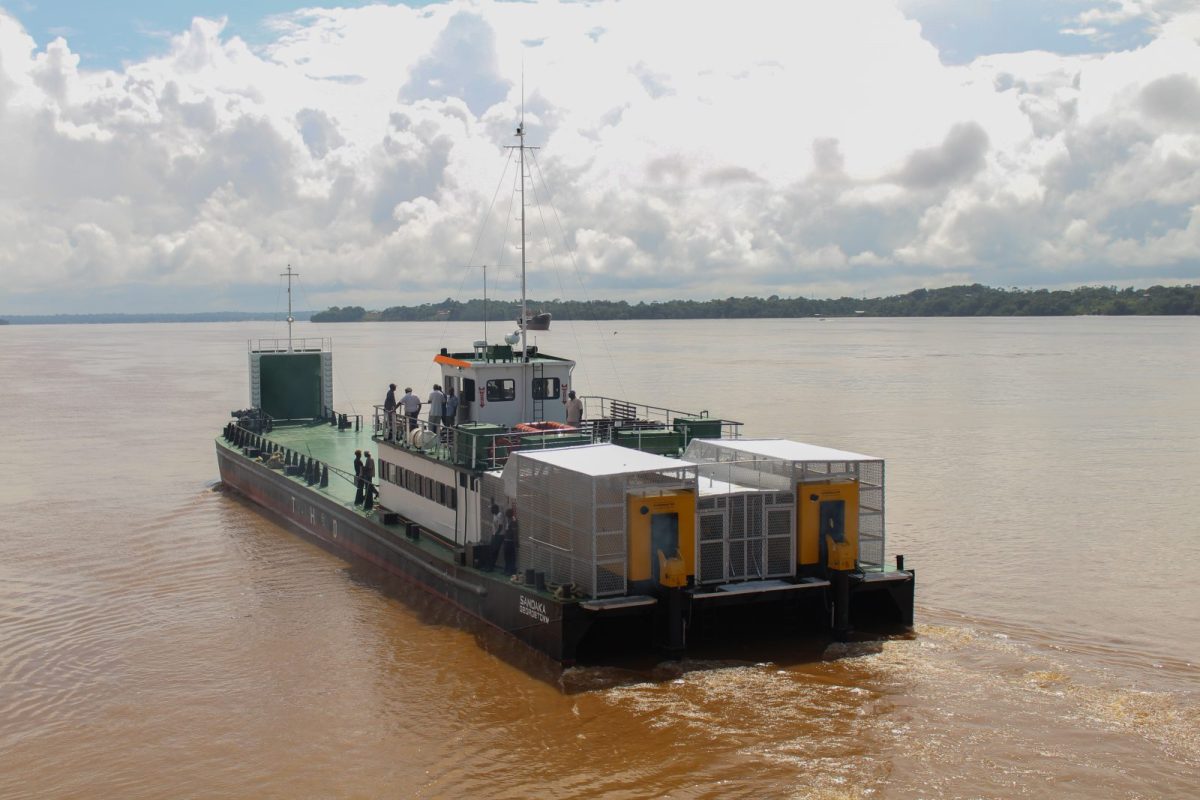
    Edghill told local outlet Demerara Waves Online News that authorities are preparing the Motor Barge Sandaka, a retired fallback vessel that previously stepped into the same role in 2019 during another service disruption, to take over operations if the Canawaima is pulled from the water for good. “We are working on the MB Sandaka which was used before,” Edghill noted, confirming the barge is being readied to minimize disruption to cross-border travel and commerce.

    The current deadline for the Canawaima was set earlier this September by the Suriname government, after a full inspection by the Suriname Maritime Administration uncovered a list of serious safety and technical shortcomings that failed to meet regional operating standards. Naraindeth Seopershad, chairman of the Canawaima Management Company, which operates the ferry, confirmed that core safety systems including fire suppression, emergency rapid evacuation infrastructure, and navigation radar all do not meet required regulatory benchmarks. Suriname officials also added that unresolved leaks in the vessel’s hydraulic systems pose an ongoing safety hazard.

    Officials on both sides note the Canawaima has not undergone a full major dry dock rehabilitation since 2021, and was originally scheduled for mandatory deep maintenance back in 2023. Inspections have also found that the ferry will reach the official end of its operational lifespan in 2027, leading senior Suriname officials to warn that a permanent replacement needs to be sourced immediately. Faizel Baarn, a presidential advisor to Suriname President Jennifer Simons, called the vessel’s current technical condition “worrying” and confirmed Simons has issued a formal order prioritizing passenger and cargo safety over maintaining uninterrupted service.

    Right now, the Canawaima Management Company is actively soliciting bids from qualified firms to carry out the required repairs and upgrades to address the safety gaps. Beyond immediate technical fixes, Seopershad added that a restructuring of the operating company is also needed to secure the long-term future of the key cross-border link, which is a critical corridor for travel, trade, and family connections between Guyana and Suriname.

  • Landslide in Delices area highlights ongoing South East access concerns

    Landslide in Delices area highlights ongoing South East access concerns

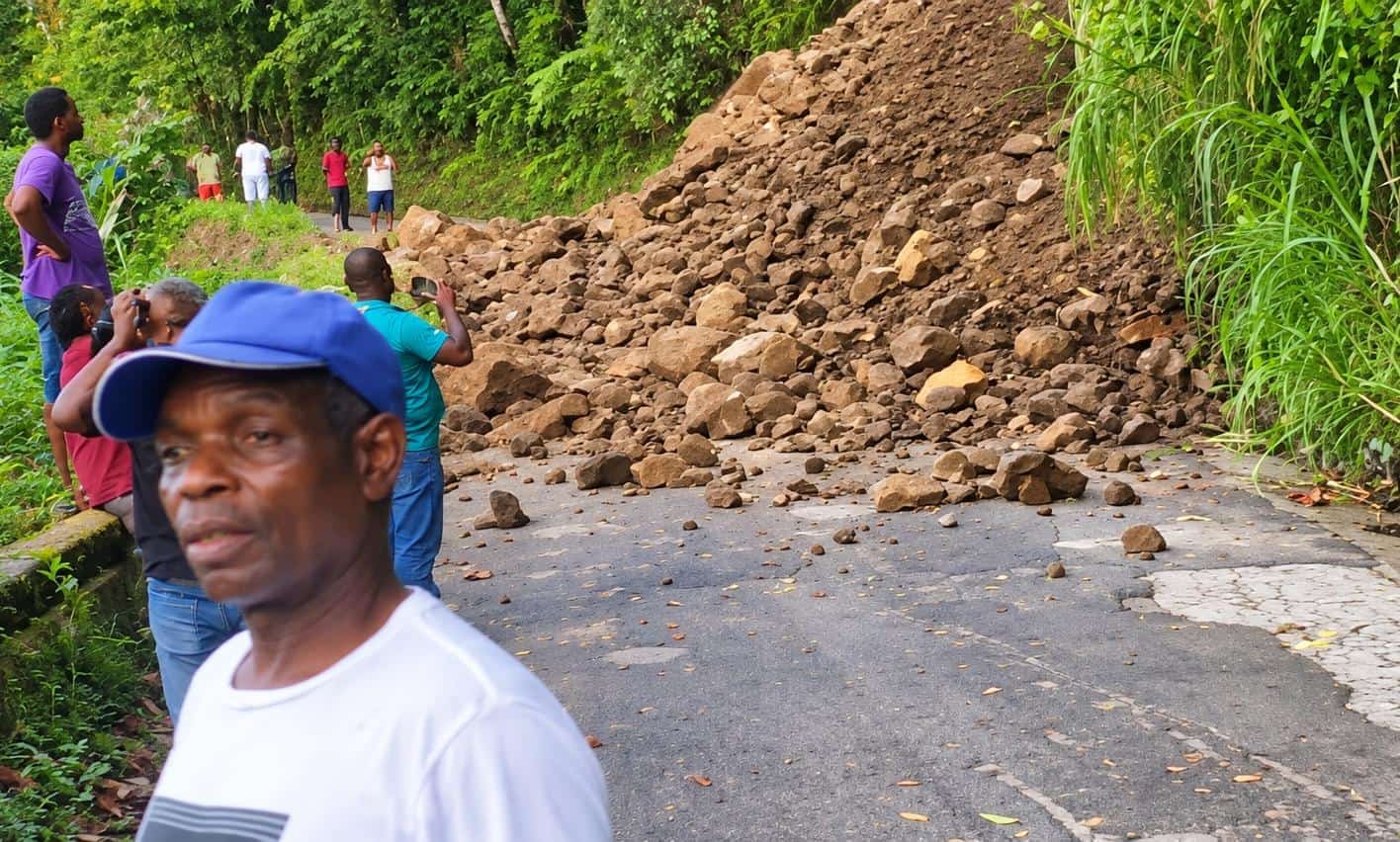
    A landslide that struck the AuDelices Road in southeastern Dominica over the weekend has amplified long-simmering community demands for the full restoration of a critical alternate route that has been partially complete for more than a decade after being destroyed by a major tropical storm. The event has exposed the vulnerabilities of limited transportation access in the region, impacting both local residents and the island’s key tourism sector.

    According to official statements from Dominica’s Ministry of Public Works, the landslide occurred late Saturday night, blocking the AuDelices Road and disrupting safe vehicle passage through the area. Fortunately, no injuries were reported in connection with the incident. By Sunday afternoon, heavy equipment had been mobilized to clear tonnes of rock and debris from the roadway, and authorities confirmed that driving access had been restored, though motorists are still being advised to proceed with extreme caution and plan for potential delays.

    Thomson Fontaine, leader of the island’s opposition United Workers Party (UWP), shared on-site updates Sunday via social media, noting that roughly a dozen tourists traveling through the area had to be rerouted before the road was cleared. Fontaine also claimed that a number of visitors who had planned trips to the nearby Rosalie region opted to cancel their flights and hotel reservations amid travel uncertainty caused by the landslide, dealing a fresh blow to the local tourism economy already strained by unreliable infrastructure.

    This latest landslide comes as communities in southeastern Dominica have continued to push for the full restoration of the Petite Savanne-Delices link road, a critical connection that was completely destroyed when Tropical Storm Erika hit the island in 2015. The storm also displaced the majority of residents in Petite Savanne and left the region with drastically limited travel options between neighboring communities. Almost immediately after the storm, the government pledged to restore full vehicular access to the area, and incremental progress has been reported over the intervening years.

    In April 2024, government officials noted that preliminary road clearing operations had cost roughly $2.6 million, while construction of the replacement Bagatelle Bridge ran to $2.5 million, with full reconstruction of the route through Petite Savanne set to follow mobilization. By January 2025, Public Works Minister Jullan Defoe announced that construction was ongoing, and that vehicles were already able to traverse the unfinished route, even though it had not yet received a formal official opening. However, more than 11 years after the storm destroyed the original road, the connection remains incomplete.

    Local community advocates have long highlighted the severe impacts of the lost connection on daily life in southeastern Dominica. A Change.org petition launched in November 2022 by Debra Charles-Mark, on behalf of area communities, framed the incomplete road restoration as an urgent public issue affecting healthcare access, school attendance, employment opportunities, emergency response times, and delivery of essential goods. The petition also outlines how the current limited route forces longer travel times, creating cascading economic and social harm for local residents.

    Charles-Mark updated the petition within hours of Sunday’s landslide, reporting that minor rockfall was still occurring in the area as of Sunday morning, and reiterated calls for the immediate full reopening of the Petite Savanne-Delices link road. The petition argues that restoring this connection would provide a much-needed alternate route for communities in the southeast, reducing overreliance on the geologically vulnerable AuDelices Road and mitigating the risk of future travel disruptions. In the wake of this latest landslide, the petition update calls on authorities to publish a clear official timeline for the link road’s completion, conduct full geotechnical risk assessments of all affected travel routes, and maintain safe alternate access for residents while construction is finalized.

    While the government has repeatedly reaffirmed its commitment to completing the Petite Savanne-Delices link road, the continued partial status of the project, paired with this latest disruptive landslide, has underscored the urgency of addressing the region’s infrastructure gaps. Community leaders and opposition figures alike are now doubling down on calls for accelerated progress to improve transportation safety and reliability for both local residents and visitors to Dominica’s scenic southeastern coast.

  • SHE CAN initiative paves the way for Saint Lucia’s first WCPL Team

    SHE CAN initiative paves the way for Saint Lucia’s first WCPL Team

    Caribbean cricket is set to take a landmark step toward gender equity with the launch of a groundbreaking initiative that could expand the Limacol Women’s Caribbean Premier League (WCPL) to a fifth franchise based in Saint Lucia by 2028. The project, spearheaded by the newly announced SHE CAN women’s cricket trust fund, is the brainchild of veteran Saint Lucian entrepreneur and business strategist Tarjia Julien, who designed the initiative to address longstanding gaps in professional support for female cricketers across the Caribbean.

    For decades, top female cricket talent across the region has faced an all-too-common barrier: when major tournaments like the WCPL end, competitive opportunities dry up, forcing many skilled players to walk away from the sport entirely rather than building sustainable long-term careers. To solve this problem, the 12-to-24-month SHE CAN initiative will introduce year-round contracts for regional female cricketers, creating a continuous development pipeline that supports athletes between tournaments and nurtures talent from the grassroots level up.

    The trust has already secured initial seed funding from a diverse group of backers, including existing investors from the men’s Caribbean cricket circuit, a community-focused Fan Pool Fund, and two high-profile current West Indies Women cricketers, Deandra Dottin and Karishma Ramharack. Beyond just adding a new franchise to the WCPL, Julien’s vision for SHE CAN extends far beyond the boundary rope, framing the initiative as a catalyst for broader social and economic change across the Caribbean.

    In an exclusive conversation with St. Lucia Times, Julien explained that the project is built on more than just growing the sport – it aims to create a full ecosystem that moves promising young female athletes from raw talent to professional opportunity, and from public visibility to leadership roles across sectors. “For decades, women’s cricket in the Caribbean produced exceptional talent, but the professional structures needed to support that talent were limited,” Julien noted. “The emergence of the Women’s Caribbean Premier League has demonstrated that women’s cricket can attract audiences, inspire communities, and become a powerful vehicle for social and economic transformation. SHE CAN is important because it seeks to strengthen and build the ecosystem around the player and the fans.”

    The initiative aligns with a growing regional movement centered on placing women at the forefront of Caribbean development, working to break down the interconnected financial, educational, and social barriers that have held back female athlete development for generations. SHE CAN is structured as a collaborative movement, bringing together fans, players, corporate entities, educational institutions, community groups, and regional governing bodies to build a holistic support network that nurtures talent off the pitch as well as on it.

    Julien emphasized that the initiative’s success depends on collective action from across the region, calling on a wide range of stakeholders to contribute in ways that match their capacity. “There is a role for everyone,” she said. “Corporate partners can provide sponsorships, professional development opportunities, and support. Governments and institutions can support policy initiatives, facilities, and youth development programmes. Community organisations can help identify and nurture emerging talent. Mentors and professionals can volunteer their expertise to guide young women. Supporters and fans can attend matches, share stories, advocate for women’s cricket, and contribute to the movement. The true power of SHE CAN lies in collective action.”

    The formal launch of SHE CAN, including the official establishment of the trust and its independent governance framework, is scheduled for January 27, 2027. Fan participation is open to all, with entry-level membership starting at just $25. The first 500 founding public supporters will receive special recognition at the WCPL Final following the launch.

  • Frankrijk en Canada aan Trump: aan onze grenzen en soevereiniteit wordt niet getornd

    Frankrijk en Canada aan Trump: aan onze grenzen en soevereiniteit wordt niet getornd

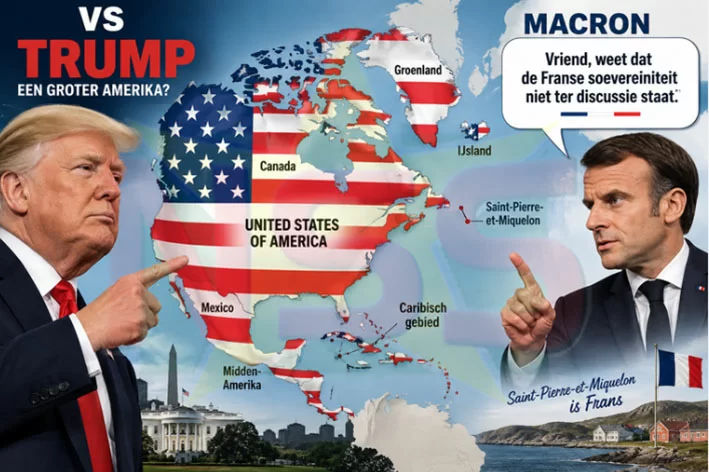
    In a striking departure from traditional diplomatic venue choices, French President Emmanuel Macron and Canadian Prime Minister Mark Carney gathered for high-stakes talks this week on Saint-Pierre-et-Miquelon, a tiny French overseas archipelago located just 25 kilometers off the Canadian coast. The location choice carries sharp political weight, coming on the heels of a provocative move by U.S. President Donald Trump, who recently shared an altered image depicting the French territory under an American flag. During his visit, Macron left no room for ambiguity about the islands’ status, forcefully reaffirming French sovereignty over the territory. This historic visit marks the first time a sitting French president has traveled to Saint-Pierre-et-Miquelon since 2014.

    The timing of the meeting is no coincidence. Both Paris and Ottawa are currently navigating heightened diplomatic and trade tensions with Washington, and Canada has been actively pursuing deeper economic and strategic ties with Europe to reduce its long-standing overreliance on the United States. Just days before the Saint-Pierre-et-Miquelon talks, Carney addressed the European Parliament to argue for a far closer strategic partnership between Canada and the European Union, identifying energy, defense, artificial intelligence, critical minerals, and digital trade as core areas for expanded collaboration.

    Located in the North Atlantic Ocean just off the coast of Canada’s Newfoundland and Labrador region, Saint-Pierre-et-Miquelon is made up of eight small islands and stands as the last remaining French sovereign territory in North America. France and Canada share a maritime border around the archipelago, a geographic fact that infuses the Macron-Carney meeting with unique symbolic meaning. Global news agency Reuters has characterized the visit as an intentional, coordinated signal directed at the Trump administration, a reading widely shared by diplomatic observers following Trump’s provocative social media post.

    Beyond the symbolic posture against Trump’s territorial provocation, the two leaders used the meeting to advance concrete discussions on expanding cooperation in areas that are increasingly central to shifting global power dynamics. Energy cooperation topped the bilateral agenda, with additional talks covering aerospace development, critical mineral supply chains, and advanced technologies including quantum computing, satellite infrastructure, and supercomputing research.

    For Canada, this meeting is part of a broader, deliberate strategy to diversify its international economic partnerships. Carney has made no secret of his government’s push for closer alignment with Europe at a time when Canada-U.S. trade relations are under growing strain. In a significant policy shift, the European Commission has recently floated the idea of Canada exploring a never-before-used “associate membership” status with the bloc. What this status would entail legally and practically remains unclear, and the proposal has already sparked internal debate among EU member states.

    Trump has already issued sharp criticism of Canada’s European overtures and threatened punitive trade measures in response. Carney has pushed back against this pressure, emphasizing that deeper Canada-EU cooperation is not intended to create a new anti-U.S. power bloc. At the same time, Carney has highlighted the mutual benefits of the partnership: Canada holds extensive reserves of strategically important commodities that Europe is eager to access, including energy resources and critical minerals, and Carney has proposed expanding exports of liquefied natural gas (LNG) and clean hydrogen to European markets.

    In sum, the meeting on the tiny islands of Saint-Pierre-et-Miquelon carries implications that stretch far beyond the archipelago’s limited geographic footprint. While Trump’s altered map reignited global debates over territorial sovereignty and the projection of American power, Macron and Carney seized the same location to simultaneously reaffirm French sovereignty and demonstrate a shared commitment to deepening strategic cooperation between Canada and Europe at a moment of shifting global alliances.