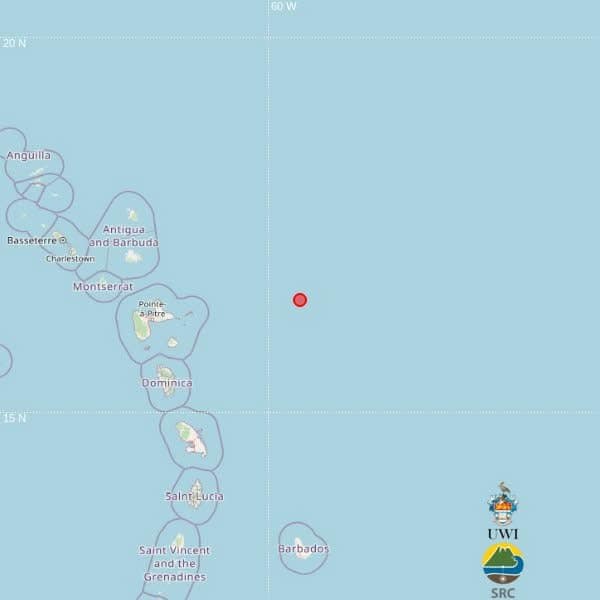
The University of the West Indies (UWI) Seismic Research Centre (SRC) has issued a preliminary report of a 3.7 magnitude earthquake that occurred on October 27, 2025, at 09:07 am local time (13:07 UTC). The seismic event was located at a depth of 12 kilometers, with coordinates pinpointed at Latitude 16.50N and Longitude 59.58W. The epicenter was situated approximately 219 kilometers east of Point-à-Pitre, Guadeloupe, 241 kilometers northeast of Roseau, Dominica, and 261 kilometers east-southeast of Saint John’s, Antigua and Barbuda. The initial location data was generated automatically using advanced computer algorithms. However, the SRC has emphasized that this information is provisional and may be revised following a thorough analysis by their expert seismologists. The public is advised to stay informed as updates become available.
作者: admin
-
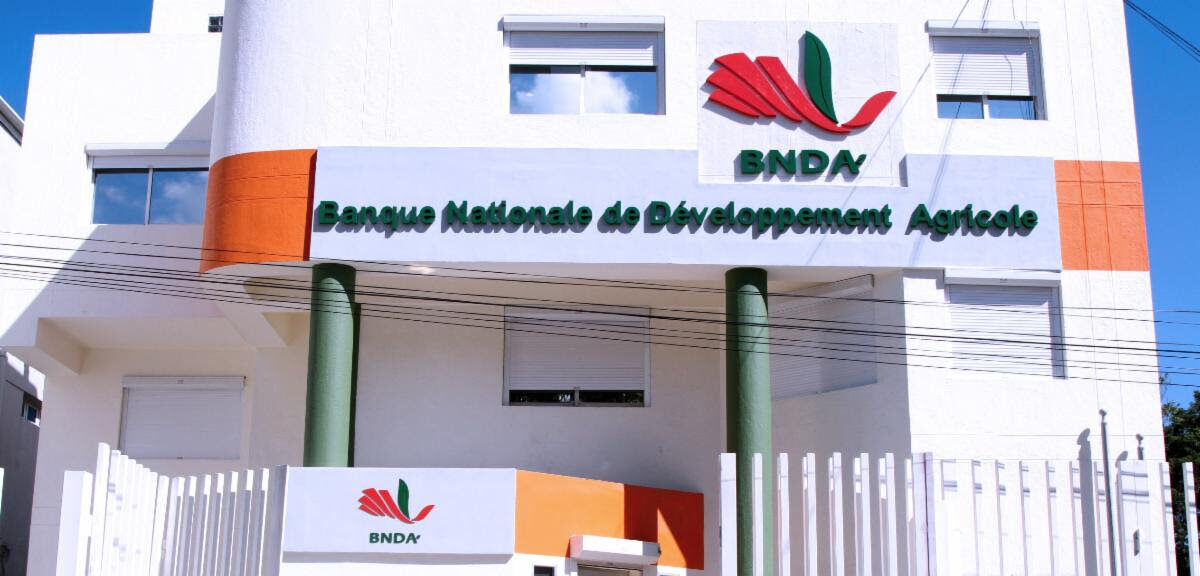
CDB provides technical assistance grant to aid Haiti’s Agricultural Bank in developing a new strategic plan to foster growth
The Caribbean Development Bank (CDB) has expressed its satisfaction in supporting Haiti’s Banque Nationale de Développement Agricole (BNDA) through a USD 72,163 grant to finalize its new five-year Strategic Plan. This initiative aims to enhance BNDA’s institutional capabilities and expand financial access for stakeholders in the agricultural sector. The plan is designed to improve governance structures, operational efficiency, and strategic direction, positioning BNDA to become Haiti’s first universal bank by 2030. The framework will strengthen BNDA’s ability to provide financial services, benefiting farmers, agro-processors, and Micro, Small, and Medium-sized Enterprises (MSMEs).
Lisa Harding, Division Chief of CDB’s Private Sector Division, emphasized the transformative impact of the partnership. “This plan is not just about institutional strengthening—it’s about empowering Haiti’s agricultural sector, improving food security, and creating inclusive economic opportunities for rural communities,” she stated. The initiative aligns with CDB’s broader goals of fostering resilience and private sector development, particularly among MSMEs.
Since its establishment in 2021, BNDA has disbursed over USD 2.1 million in agricultural loans, including specialized financing for rice producers, a critical step toward enhancing national food security. The bank has also established regional service points and partnered with financial institutions to decentralize access to credit and financial services.
Faude Joseph, President of BNDA’s Board, praised CDB’s technical assistance in developing the Strategic Plan. “Their expertise and collaborative approach have helped us craft an ambitious and resilient roadmap aligned with our mission to promote agricultural development and financial inclusion,” he said. The plan, finalized in September 2025 after nearly two years of engagement, focuses on adopting innovative technologies, improving risk management, and expanding outreach to underserved populations, including women and youth in rural areas.
CDB’s statement highlighted its commitment to inclusive and sustainable development across the Caribbean, particularly in nations facing socio-economic challenges. This project underscores the bank’s dedication to fostering long-term progress and resilience in Haiti’s agricultural and financial sectors.
-
NOTICE:Single lane traffic
The Ministry of Works’ Project Implementation Management Unit (PIMU) has issued a public advisory regarding ongoing infrastructure repairs that necessitate single-lane traffic on major roads. On Sir Sydney Walling Highway (SSWH), activities such as asphalt repairs, junction repairs, concrete works, and guardrail installation will proceed daily, commencing at approximately 8:00 a.m. Similarly, on Old Parham Road (OPR), drainage works near Beautyrama will continue starting Tuesday at 8:00 a.m. Flag persons will be stationed to guide motorists, who are urged to adhere to all instructions to ensure safe passage, especially given the operation of heavy-duty equipment in the vicinity. Despite the disruptions, all businesses remain operational. C.O. Williams Ltd., the contractor overseeing the project, has expressed regret for any inconvenience caused. These roadworks are part of the Second Road Infrastructure Rehabilitation Project initiated by the Government of Antigua and Barbuda. Stakeholders are advised to adjust their travel plans to accommodate potential delays. For further inquiries, the public can contact the C.O. Williams Project office at 562-9573.
-
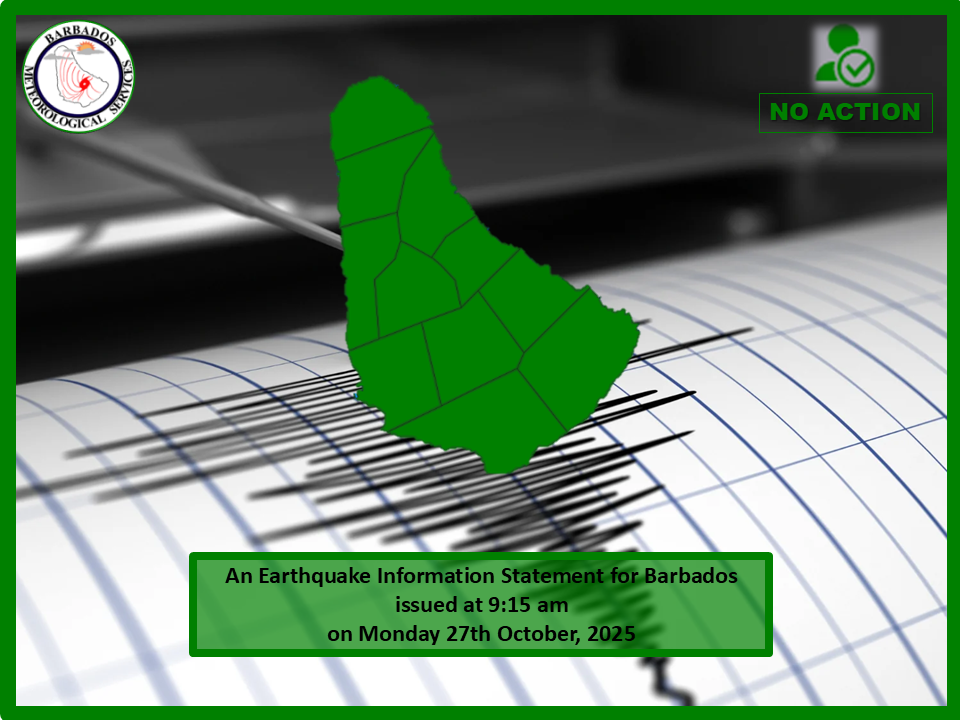
No tsunami threat after morning earthquake
A significant earthquake with a magnitude of 6.8 on the Richter scale rattled the eastern Caribbean region early Monday morning. The seismic event occurred at approximately 8:39 a.m., with its epicenter located in the Atlantic Ocean northeast of Barbados, as reported by the Barbados Meteorological Services. Although some residents in Barbados experienced mild tremors, officials have assured the public that there is no immediate danger or tsunami threat. Authorities have urged citizens to remain calm and continue with their daily routines while staying informed through official channels for any further updates. The swift response and clear communication from local agencies have helped mitigate potential concerns, ensuring that the situation remains under control.
-

Regional stakeholders convene to strengthen cancer policy response
On Wednesday, 8 October, healthcare professionals, policymakers, and regional experts convened for a pivotal Scoping Meeting on Cancer Policy for the Caribbean. Organized by the Caribbean Cancer Portal (CCP) in partnership with governmental and non-governmental organizations across the Organisation of Eastern Caribbean States (OECS), the event marked a significant stride toward a unified regional strategy for cancer prevention and control. Attendees included representatives from private health sectors, ministries of health, civil society organizations, academic institutions, and health authorities, all focused on evaluating current policies and identifying actionable priorities. Cancer remains a leading cause of death in the Caribbean, with escalating incidence and mortality rates attributed to preventable factors such as tobacco use, unhealthy diets, alcohol consumption, physical inactivity, and environmental hazards. While advancements have been made in screening and palliative care, critical gaps persist in policy implementation, treatment accessibility, and data-driven decision-making. Key discussions highlighted the necessity for robust national cancer control plans aligned with global frameworks, improved access to affordable diagnostics and treatments, increased investment in cancer surveillance and research, and enhanced collaboration among governments, private healthcare providers, and development partners. Dr. Lindonne Telesford, Associate Professor at St. George’s University and Co-Founder of the Caribbean Cancer Portal, emphasized the meeting’s importance as a foundational step toward a comprehensive Caribbean Cancer Policy Framework. Dr. Horace Cox, Director of Surveillance, Disease Prevention and Control at the Caribbean Public Health Agency (CARPHA), underscored the urgency of regional cooperation, stating, “Cancer is the leading cause of death in the Caribbean and has a major impact on health and development. Strategic and intentional action is imperative.” Dr. Taraleen Malcolm, Advisor for Noncommunicable Diseases and Mental Health at the Pan American Health Organization (PAHO), echoed this sentiment, expressing gratitude for the collective dedication to advancing cancer prevention and control. The meeting’s outcomes will shape the development of a Caribbean Cancer Policy Roadmap, guiding future initiatives, advocacy efforts, and partnerships to reduce cancer-related morbidity and mortality in the region.
-

Government of Saint Kitts and Nevis commissions five new custom-built ambulances to strengthen emergency medical response
In a significant move to bolster its healthcare infrastructure, the Government of Saint Kitts and Nevis officially commissioned five state-of-the-art, custom-built ambulances on October 27, 2025. The ceremony, held at the Joseph N. France General Hospital, marked a pivotal step in the nation’s ongoing efforts to improve emergency medical services and healthcare delivery. The event featured a symbolic motorcade through Basseterre, allowing residents to witness the new fleet and celebrate this milestone in the nation’s healthcare advancement. Prime Minister and Minister of Health, Dr. Terrance Drew, emphasized that this initiative underscores his administration’s commitment to tangible progress in healthcare. He highlighted that the ambulances, designed specifically for the Federation’s terrain, are equipped with advanced life-support systems, ensuring emergency care begins immediately upon arrival. Dr. Drew also expressed gratitude to the TDC Group of Companies and Toyota for their partnership, noting that the standardized fleet will enhance maintenance efficiency and longevity. Chief Medical Officer Dr. Hazel Laws praised the initiative as transformative, particularly ahead of the holiday season, emphasizing the fleet’s role in strengthening emergency response capabilities. This addition aligns with the government’s broader healthcare modernization agenda, ensuring timely and compassionate emergency care for all citizens.
-
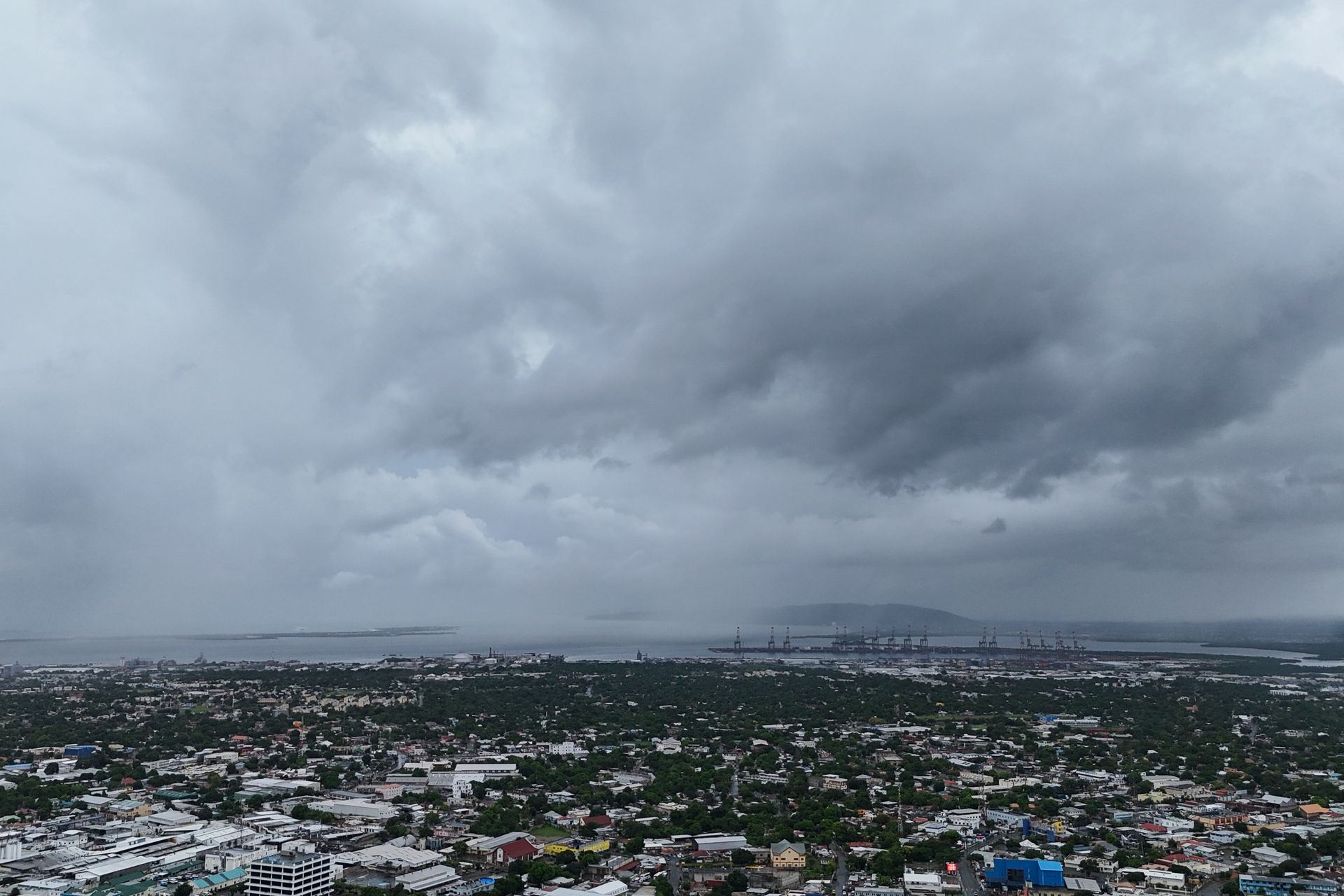
Catastrophic category 5 hurricane bears down on Jamaica
Hurricane Melissa has escalated into a devastating Category 5 storm, posing a severe threat to Jamaica and other Caribbean nations. On the morning of October 27, the hurricane was reported to be approximately 205 kilometers southwest of Kingston, Jamaica, with maximum sustained winds of 160 mph—surpassing the threshold for a Category 5 storm on the Saffir-Simpson scale. The slow-moving storm, crawling westward at just 3 mph, is expected to unleash up to 30 inches of rain and a life-threatening storm surge upon landfall on October 28. This makes Melissa the most powerful hurricane in recent history to directly target Jamaica. Authorities have issued urgent warnings, with Desmond McKenzie, deputy chairman of Jamaica’s Disaster Risk Management Council, urging residents to take the storm seriously and avoid complacency. The hurricane is projected to continue its path, impacting eastern Cuba and the Bahamas by October 29. In eastern Cuba, hurricane warnings are in effect for Granma, Santiago de Cuba, Guantánamo, and Holguin provinces, with forecasts predicting up to 20 inches of rain and significant coastal storm surges. The storm has already wreaked havoc in Hispaniola, claiming at least four lives—three in Haiti and one in the Dominican Republic—while displacing thousands and damaging over 750 homes. Flooding has isolated numerous communities, with the UN’s Food and Agriculture Organisation warning of potential agricultural devastation as floodwaters obstruct access to farmland and markets. As Melissa continues to dump torrential rain over southern Haiti and the Dominican Republic, the region braces for further destruction.
-
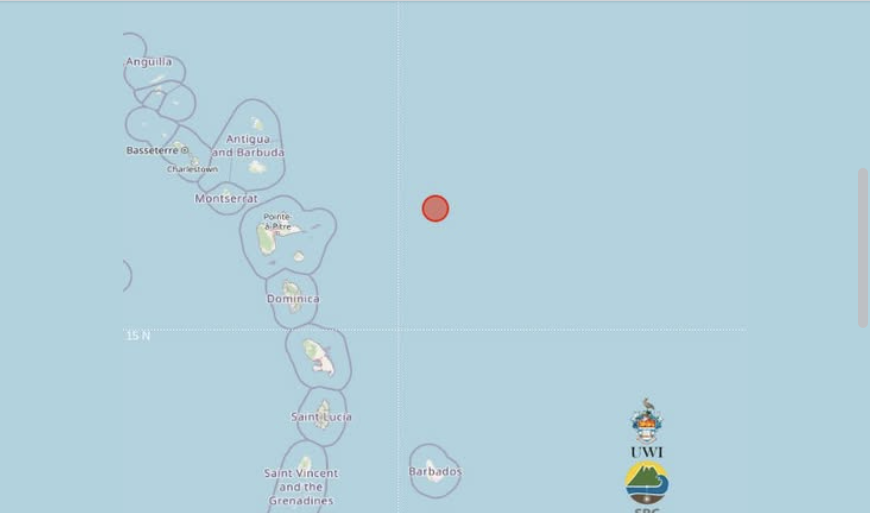
6.1 magnitude earthquake felt in Dominica, other islands
A significant seismic event occurred on Monday, October 27, 2025, at 8:55 a.m. local time (12:55 UTC), as reported by the University of the West Indies Seismic Research Centre (UWI SRC). The earthquake, measuring 6.1 on the Richter scale, was manually located using seismic data and had a depth of 29 kilometers. The epicenter was pinpointed at latitude 16.55°N and longitude 59.53°W, situated in the Atlantic Ocean northeast of the Lesser Antilles. The closest populated areas to the epicenter include Point-à-Pitre in Guadeloupe, approximately 225 kilometers to the east; Roseau in Dominica, about 249 kilometers to the northeast; and Saint John’s in Antigua and Barbuda, roughly 265 kilometers to the east-southeast. The UWI SRC has urged individuals who may have felt the tremors to share their experiences through its earthquake feedback portal. The initial location was determined using automated computer algorithms and is considered preliminary, with potential revisions following further analysis by SRC seismic experts.
-

Beyond the ULP
In a powerful and reflective piece, the author draws parallels between the biblical prophet Isaiah’s vision of clarity after the death of King Uzziah and the current political climate in St. Vincent and the Grenadines. The author expresses hope that the removal of the ULP (Unity Labour Party) from office will bring about a similar awakening, allowing Vincentians to see their nation’s challenges with renewed clarity and purpose. The article critiques the ULP’s governance, highlighting the erosion of institutional independence, the misuse of state resources, and the silencing of moral voices, particularly the Church. The author laments the loss of national dignity, citing examples such as the controversial Cornelius John case and the contentious vaccine mandate, which saw civil servants fired for exercising their right to choose. The piece calls for a higher standard of leadership, urging Vincentians to reclaim their independence and dignity in the upcoming elections. The author envisions a future where fear no longer dominates, institutions regain their autonomy, and the Church reclaims its role as a moral compass. The article concludes with a hopeful note, believing that the end of the ULP’s rule will bring about a new era of clarity and shared prosperity for all Vincentians.
-
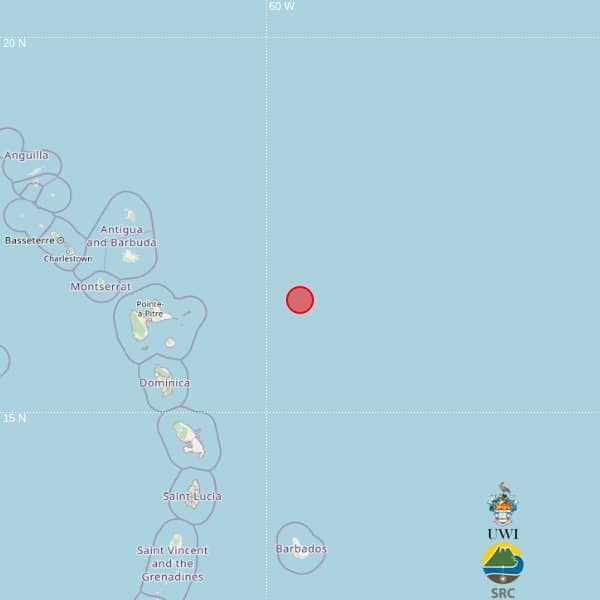
Strong Earthquakes Felt in Antigua and Across Eastern Caribbean
A series of powerful earthquakes jolted the Eastern Caribbean on Monday morning, causing tremors across several islands, including Antigua and Barbuda, Dominica, and Guadeloupe. The seismic activity began with a magnitude 6.7 quake at 8:38 a.m. local time, recorded by the University of the West Indies Seismic Research Centre (UWI-SRC). The epicenter was located approximately 264 kilometers east-southeast of St. John’s, at a depth of 12 kilometers. This initial tremor was swiftly followed by a sequence of aftershocks, including a magnitude 5.2 at 8:46 a.m., a magnitude 6.1 at 8:55 a.m., and a magnitude 5.4 at 9:26 a.m., all occurring at varying depths. Residents across the northern Windward and Leeward Islands reported light to moderate shaking, though no immediate damage or injuries were reported. The quakes originated along the boundary between the Caribbean and North American tectonic plates, a region notorious for its seismic activity. Authorities are closely monitoring the situation for potential aftershocks and urging residents to remain vigilant and review their earthquake preparedness plans. The UWI-SRC has encouraged those who felt the tremors to report their experiences to aid in ongoing research and monitoring efforts.