作者: admin

  • Pearlette Louisy Primary dominate District 1 track meet

    Pearlette Louisy Primary dominate District 1 track meet

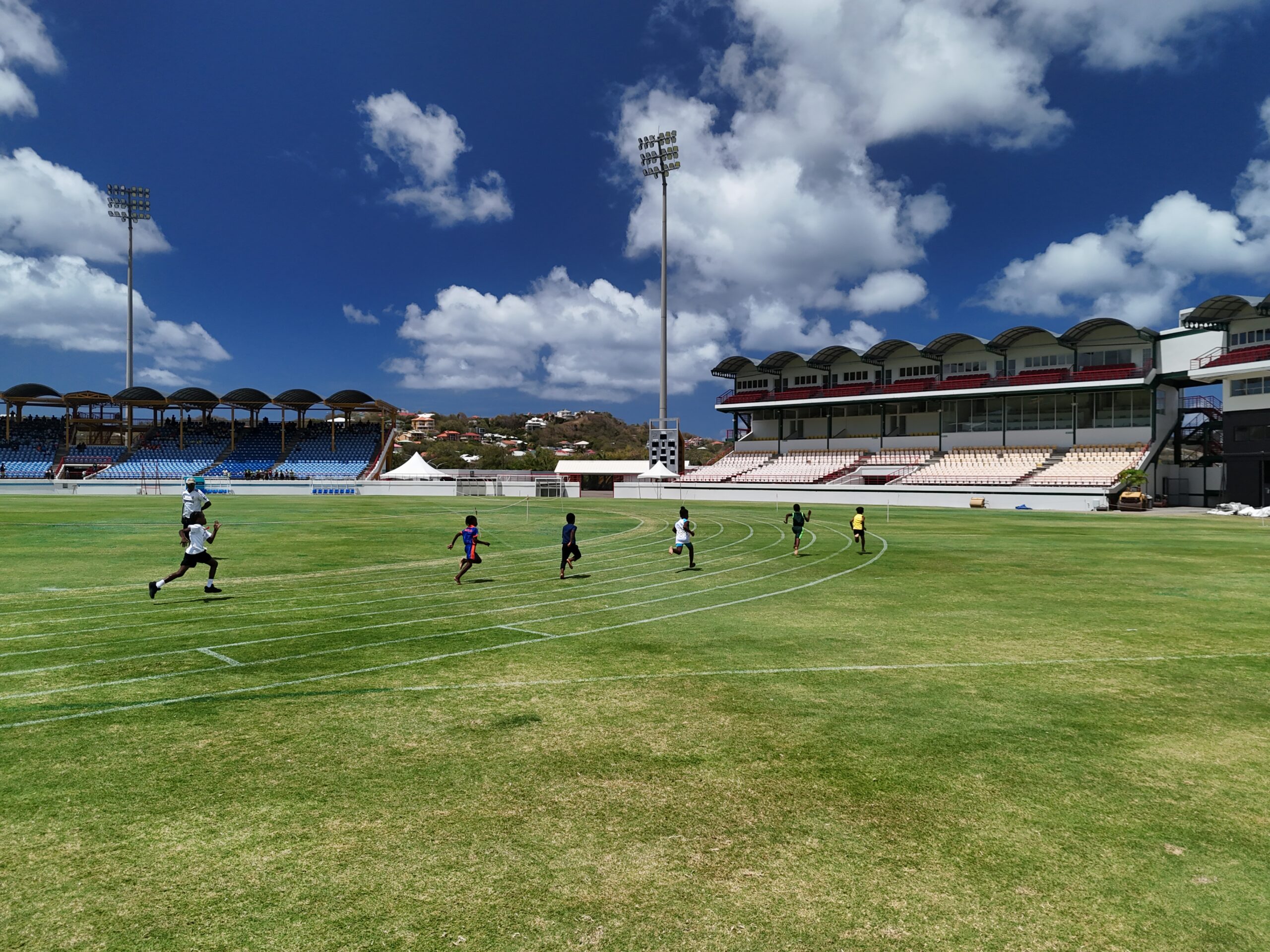
    In a spectacular display of athletic prowess, Dame Pearlette Louisy Primary School (DPLPS) claimed decisive victory at the District 1 Primary Schools Track and Field Championships held at Daren Sammy Ground on March 13th. The event served as a crucial preparatory competition for the upcoming Inter-District Track Finals, where District 1 aims to challenge District 8’s recent dominance.

    DPLPS amassed an impressive 1,159 points, establishing overwhelming superiority over runner-up Gros Islet Primary (771 points) and third-place Monchy Primary (606 points). The complete standings featured Balata (488), Fond Assau (456), The Montessori Centre (356), Grande Riviere Primary (329), Babonneau (309), La Guerre (277), Boguis/Des Barras Combined (231), Bonne Terre Prep (72), and The International School (10).

    The championship witnessed exceptional individual performances across age categories. In Under-13 divisions, Asa Emmanuel (boys) and Monchy’s Timikah Bernard (girls) emerged victorious. Avary Maryat and Lu-Marie Ottley shone in Under-11 competitions, while Kaeden Casimir and King James shared Under-9 boys’ honors. Daniqua Emmanuel dominated the Under-9 girls’ category.

    Notable track achievements included Asa Emmanuel’s double gold in 80m (10.1s) and 150m (19.6s), with teammate Jeremiah Etienne securing silver in both events. Gros Islet’s Orlando Felix claimed 300m gold (47.8s), Babonneau’s Dre Volney won the 600m (1:49.3), and Balata’s Jahvis Emmanuel took 1200m victory (4:21.5).

    Monchy’s Bernard demonstrated remarkable versatility with wins in 80m (11.0s), 150m (20.7s), and ball throw, narrowly defeating DPLPS’s Chloe Emanus in sprint events. DPLPS’s Ezabel Charles dominated distance events with 600m (1:59.4) and 1000m (3:48.7) victories.

    The championships concluded with District 1 athletes demonstrating significantly improved form as they prepare to host the Inter-District Finals, determined to overcome last year’s fourth-place finish and break District 8’s championship streak.


  • Golfstaten onder zware druk door oorlog met Iran: recessierisico groeit

    Golfstaten onder zware druk door oorlog met Iran: recessierisico groeit

    The ongoing military confrontation between the United States, Israel, and Iran is inflicting severe economic damage across Gulf Cooperation Council (GCC) states, with analysts warning of potential recessionary pressures comparable to the 1990-1991 Gulf War. Since hostilities erupted on February 28th, Iran’s persistent attacks on military bases throughout the region have created catastrophic disruptions to energy production, tourism, and transportation networks.

    According to aviation analytics firm Cirium, approximately 37,000 flights were canceled between February 28 and March 8 alone due to airspace closures and restrictions. Dubai International Airport, typically the world’s busiest international hub, suspended operations following a drone strike on nearby fuel storage facilities. While Qatar Airways has gradually resumed limited special flights, no Gulf carrier has restored pre-conflict flight capacity.

    The energy sector has suffered particularly dramatic losses. Rystad Energy data indicates Middle Eastern oil production plummeted from 21 million to 14 million barrels per day within little over a week. In worst-case scenarios where commercial vessels continue avoiding the Strait of Hormuz due to Iranian threats, production could crash to just 6 million barrels daily.

    Despite former President Donald Trump’s claims that multiple nations would help secure the vital waterway, no government has confirmed participation in military operations, with some explicitly rejecting involvement in maritime coalitions.

    Goldman Sachs estimates suggest Qatar and Kuwait could experience 14% GDP contractions if the conflict persists through April, while the UAE and Saudi Arabia would face 5% and 3% declines respectively. Capital Economics projects regional economic shrinkage of 10-15% should the conflict extend at least three months with lasting energy infrastructure damage.

    The tourism sector, representing approximately 11% of GCC GDP, faces devastating losses. The World Travel & Tourism Council calculates the region is losing $600 million daily in international tourist expenditures. Emilie Rutledge of The Open University emphasizes that cancellations of tourist bookings, conferences, and sporting events are creating massive repercussions for hospitality industries.

    Iraq, though not a GCC member, suffers equally severe consequences. Wood Mackenzie analyst Peter Martin estimates the Iraqi government is losing roughly $3 billion daily in revenue from approximately 70% reduced oil production. A 10% annual production decline could trigger 3.5% GDP contraction for Iraq in 2026.

    Khaled Almezaini, political scientist at Zayed University in Dubai, notes that combined disruptions to aviation, tourism, shipping routes, and energy exports—coupled with rising insurance premiums and transport costs—could cost the region hundreds of millions in daily economic activity. However, he anticipates no full-scale regional recession due to substantial financial reserves that can buffer short-term shocks.

    “The most probable outcome remains growth deceleration and delayed recovery, particularly in larger economies like the UAE and Saudi Arabia,” Almezaini stated. “Should tensions de-escalate rapidly, the region remains well-positioned for faster recovery than many anticipate.”

  • Taking Flight with Purpose: Juelle Colaire’s Journey at Signature Aviation Antigua

    Taking Flight with Purpose: Juelle Colaire’s Journey at Signature Aviation Antigua

    In the heart of Antigua and Barbuda’s aviation sector, Juelle Colaire has carved an extraordinary career path defined by genuine human connection and service excellence. Her professional evolution from jewelry sales to aviation hospitality showcases the transformative power of courage and dedication to one’s craft.

    Colaire’s foundational years as a Sales Representative at Heritage Quay’s jewelry store (2018-2020) revealed her true calling: creating meaningful interpersonal connections rather than focusing on transactional relationships. This realization became the cornerstone of her professional philosophy.

    The global COVID-19 pandemic marked a pivotal turning point when Colaire embraced an unexpected opportunity at Signature Aviation on September 1, 2020. Despite limited aviation knowledge, she demonstrated remarkable resilience during industry-wide uncertainty, mastering complex operations including aircraft coordination, immigration documentation, health protocols, and VIP services.

    Her proactive leadership style and natural aptitude for guest relations quickly distinguished her within the organization. Management recognized her exceptional initiative, progressively entrusting her with greater responsibilities that ultimately led to her current position as Guest Experience Manager.

    Today, Colaire oversees seamless guest experiences with meticulous attention to detail, emphasizing that personalized touches create unforgettable moments. Her leadership approach combines empathetic service with operational precision, ensuring every visitor receives Signature Aviation’s distinctive welcome upon arriving in Antigua.

    Colaire extends powerful advice to young professionals navigating career uncertainty: ‘Embrace calculated risks rather than remaining in comfortable positions. Pursue education in your chosen field, conduct thorough research, and continually challenge yourself to elevate professionally. Believe in your capacity to find footing through growth and learning.’

    Her story represents both personal achievement and contribution to national excellence, as she continues to enhance Antigua and Barbuda’s reputation for world-class hospitality through her dedicated service at Signature Aviation.

  • Accessibility plan welcomed, but disabled council wants seat at the table

    Accessibility plan welcomed, but disabled council wants seat at the table

    Barbados has launched a comprehensive accessibility initiative through its 2026 Budget, marking a potential turning point in disability inclusion efforts. The government has allocated $600,000 for a pilot accessible corridor in Bridgetown, featuring infrastructure upgrades including sidewalk improvements, kerb ramps, and tactile paving to address long-standing mobility barriers.

    The Barbados Council for the Disabled (BCD) has welcomed this development as a significant advancement after advocating for similar improvements for over 15 years through its Fully Accessible Barbados (FAB) Programme. Operations Manager Roseanna Tudor characterized the initiative as ‘a positive shift’ that recognizes accessibility as a national development priority.

    However, the council emphasizes that successful implementation requires structured involvement of persons with disabilities throughout the process. The BCD is urging formal consultation to ensure infrastructure meets international accessibility standards and genuinely addresses community needs. ‘The lived experiences and technical expertise of persons with disabilities are essential,’ Tudor emphasized.

    The budget package includes complementary measures: a $100 monthly cost-of-living credit for Special Needs Grant recipients, a new legal framework for special needs trusts, and an adaptive aquatics program to expand recreational access. These developments coincide with the recent passage of the Rights of Persons with Disabilities Act, creating what the BCD describes as a ‘critical opportunity’ for tangible improvements.

    International partners, including the UN Global Disability Fund, have highlighted the importance of civil society organizations in advancing disability reform in Barbados. The BCD has positioned itself as ready to collaborate with government entities to ensure the pilot project becomes the foundation for broader national transformation, ultimately making Barbados more accessible for all citizens.

  • Pomeroon man found not guilty of rape

    Pomeroon man found not guilty of rape

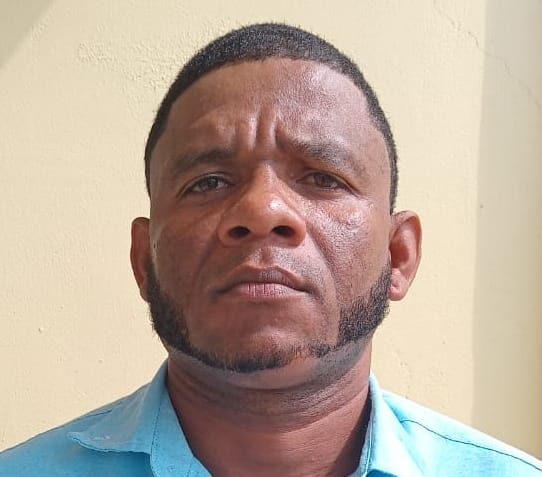
    In a significant judicial outcome, 37-year-old Desmond George from Charity Housing Scheme, Pomeroon, Essequibo Coast has been fully exonerated of rape allegations dating back to July 2023. The acquittal was formally delivered on March 11, 2026, following a unanimous not guilty verdict from the jury presiding over the case at the High Court.

    Presiding Judge Madam Justice Fidela Corbin-Lincoln oversaw the proceedings that culminated in Mr. George’s liberation from the serious criminal charge. The defendant had maintained his innocence throughout the legal process, which included both preliminary inquiries and the full High Court trial.

    Defense attorney Jermaine Jervis, representing Mr. George, characterized the prosecution’s case as a “complete fabrication” against his client. “My defense was predicated on the assertion that the entire prosecution case was manufactured against my client,” Mr. Jervis stated in his post-trial comments to Demerara Waves Online News.

    The original allegation claimed that Mr. George, then 35 years old, had committed the offense on July 22, 2023, in the Siriki Upper Pomeroon River area against a female resident of the Essequibo Coast region. During the extended judicial process, Mr. George had been released on bail set at GY$300,000 while awaiting resolution of the case.

    The unanimous jury decision highlights the critical role of evidential standards in criminal justice systems and underscores the principle that accusations require substantiation beyond reasonable doubt for conviction.

  • QEH under strain as bed shortages grow amid rising emergency demand

    QEH under strain as bed shortages grow amid rising emergency demand

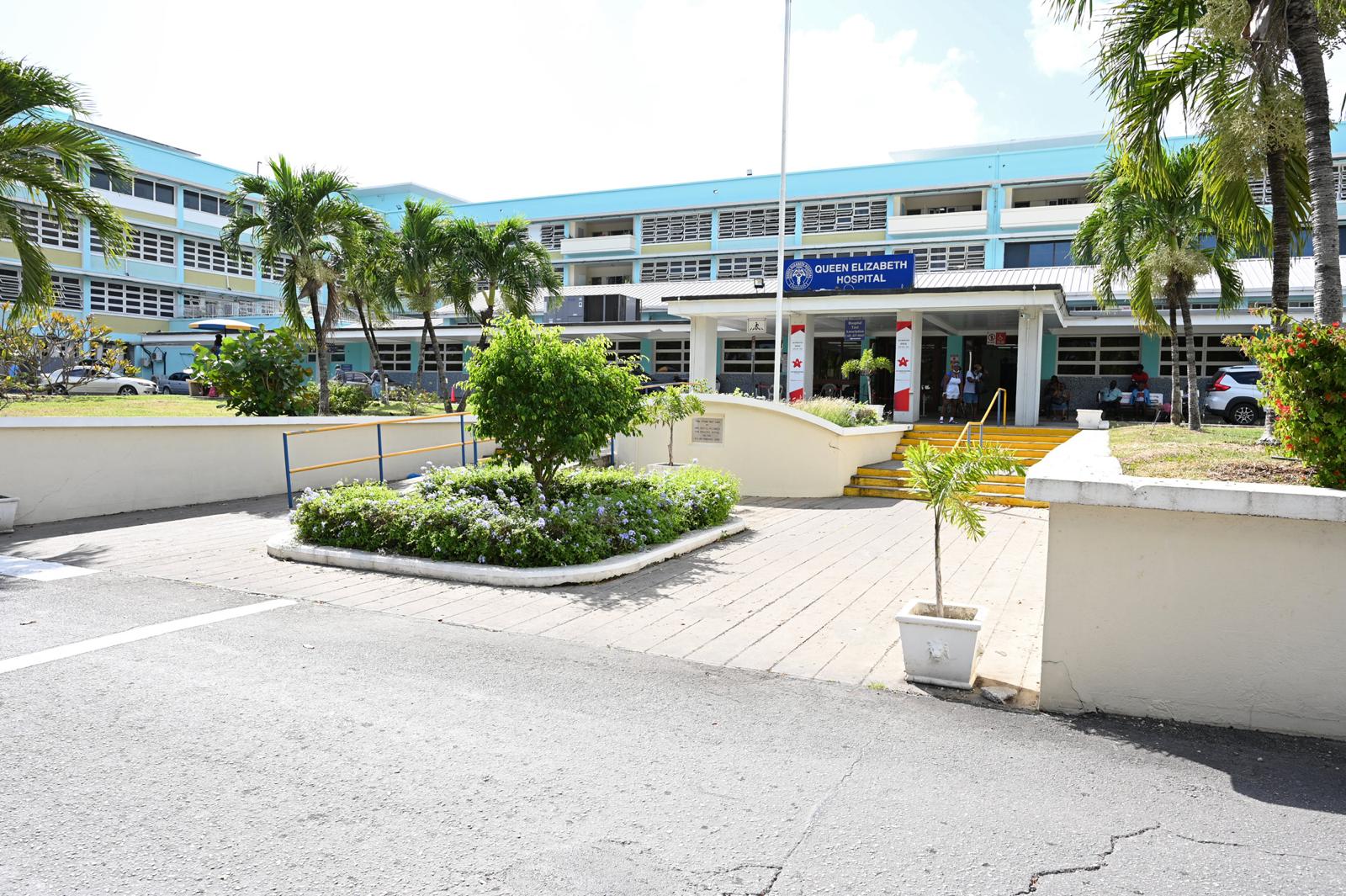
    The Queen Elizabeth Hospital (QEH) has issued an urgent appeal to families regarding patient discharges as the institution grapples with severe capacity constraints. Hospital administrators confirmed Tuesday that delayed patient pickups are creating critical bottlenecks, preventing the admission of emergency cases from overwhelmed treatment areas.

    Medical officials report that numerous patients who have been cleared for discharge remain hospitalized due to unresolved transportation or family coordination issues. This congestion directly impacts patient flow throughout the facility, coinciding with a substantial surge in emergency department visits. The A&E unit is experiencing unprecedented demand, with numerous critically ill patients requiring immediate intervention and hospitalization.

    The capacity crisis has resulted in extended wait times and operational delays across multiple departments. While QEH leadership did not specify precise causes for the increased patient volume, recent weeks have witnessed multiple trauma cases including gunshot wounds and stabbing injuries—conditions that typically require extensive medical resources and immediate care.

    Hospital teams are currently implementing coordinated efforts with families and caregivers to accelerate discharge procedures and create capacity for urgent cases. QEH administration emphasized that life-threatening conditions will continue to receive priority treatment, though patients with less critical ailments should anticipate service delays due to current resource constraints.

    For medical guidance, the public can contact the Patient Advice and Liaison Service (PALS) at 536-4800, available daily from 8:00 AM to midnight via standard calls or WhatsApp. The hospital additionally recommends utilizing the Winston Scott Polyclinic’s 24-hour facility or private healthcare providers for non-emergency medical needs.

    Health officials reiterate that timely patient collection remains essential for maintaining operational capacity and ensuring adequate bed availability for critically ill individuals requiring immediate medical attention.

  • Babonneau women benefit from Women’s Day hamper drive

    Babonneau women benefit from Women’s Day hamper drive

    In a targeted effort to address gendered poverty, fifteen women-led households in Babonneau, Saint Lucia received comprehensive support packages containing essential food and household items. This humanitarian initiative formed part of the nation’s International Women’s Day observances under the thematic banner ‘Give to Gain’.

    The strategic distribution event, executed on March 14th, emerged from a collaborative partnership between the Ministry of Equity, Social Justice and Gender and the Share and Care Alliance. Designed to offer immediate economic relief, the program simultaneously amplified national advocacy for women’s rights, justice, and substantive action toward gender equality.

    Carefully identified beneficiaries encompassed single mothers, widows, elderly women, individuals living with disabilities, and low-income households—all confronting Saint Lucia’s escalating living expenses and constrained economic opportunities.

    Each assistance package contained nutritionally significant staples and critical household products specifically chosen to enhance short-term food security while maintaining recipient dignity. The provisions included rice, flour, milk, beans, canned protein sources, cooking oil, infant formula, and personal hygiene products such as sanitary napkins and toiletries.

    With an approximate investment of $5,000, this initiative demonstrated a community-centric methodology toward women’s empowerment, acknowledging the disproportionate impact of poverty on women and the immediate efficacy of direct intervention strategies.

    Under the leadership of Jeff Desir, Social Transformation Officer for the Babonneau region, the project exemplified partnership-driven action aimed at reinforcing community solidarity while underscoring persistent challenges affecting women, particularly within vulnerable demographic groups.

    The program establishes a foundational model for continued engagement, envisioned to catalyze subsequent livelihood support mechanisms and empowerment programming throughout the Babonneau community.

  • Budget ‘puts money back in people’s pocket’ – PM

    Budget ‘puts money back in people’s pocket’ – PM

    Prime Minister Mia Mottley has characterized Barbados’ 2026 national budget as a comprehensive “people’s budget” designed to honor campaign commitments while insulating citizens from escalating global economic challenges. The financial blueprint, presented to Parliament by Finance Minister Ryan Straughn on Monday, represents what Mottley describes as the swift implementation of electoral promises made just over a month ago.

    The budgetary measures specifically target economic relief for households and businesses through direct financial support and strategic protections against external market volatilities. Mottley emphasized the government’s focus on mitigating the impact of geopolitical tensions and soaring oil prices, which have created inflationary pressures worldwide.

    Central to the administration’s strategy is controlling fundamental cost drivers including energy expenses and freight charges. “By stabilizing fuel prices at the pump and managing freight costs,” Mottley explained, “we can substantially reduce the inflationary effect on both domestic budgets and commercial operations.”

    Beyond immediate economic relief, the budget outlines initiatives for economic diversification and addresses critical social concerns. Mottley highlighted the government’s dual approach of strengthening economic resilience while tackling pressing societal issues.

    The Prime Minister expressed particular satisfaction with the expedited implementation timeline, noting that the administration has translated campaign manifesto promises into actionable policies within weeks of the general election. Parliamentary debate scheduled for later this week will provide further elaboration on specific budgetary components, with government members expected to detail various aspects of the financial plan.

  • US boosting Caribbean, South American medical systems

    US boosting Caribbean, South American medical systems

    The United States Southern Command (SOUTHCOM) has initiated a significant multinational medical cooperation initiative across several Caribbean and South American nations, with Guyana serving as a key regional partner. This strategic healthcare enhancement program, officially launched on March 17, 2026, represents a concerted effort to strengthen regional medical capabilities and emergency response readiness.

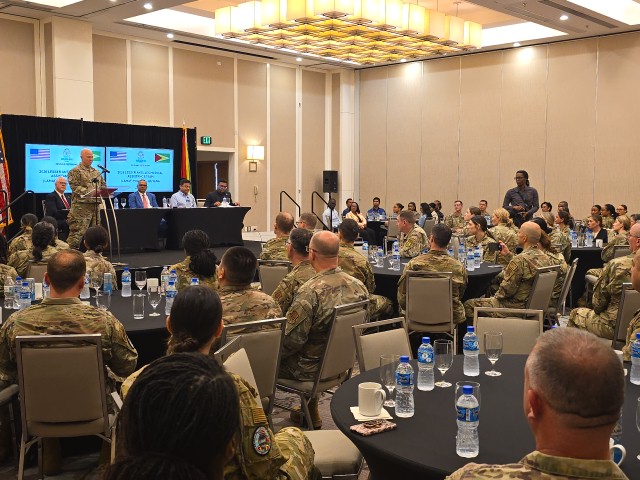
    At the formal commencement ceremony held at the Marriott Hotel, US Embassy Deputy Chief of Mission John Crippen outlined the program’s overarching objectives. “Under SOUTHCOM’s strategic direction, these medical engagements are designed to build enduring partnerships, bolster partner nations’ medical systems, and enhance our collective readiness for complex global challenges,” Crippen stated during the opening of the 2026 Lesser Antilles Medical Assistance Team (LAMAT) mission.

    The current LAMAT deployment marks the third such initiative, featuring collaboration between American medical professionals and their counterparts from Guyana, Suriname, St. Lucia, and St. Kitts and Nevis. The comprehensive mission includes over US$300,000 worth of medical supplies alongside extensive knowledge transfer and hands-on medical treatment programs.

    A specialized detachment from the United States Air Force, operating under SOUTHCOM’s coordination, is conducting emergency response training for Guyanese security personnel while simultaneously providing medical and dental services to local communities across multiple healthcare facilities. The program includes a four-day mass casualty training workshop at the Civil Defence Commission headquarters, involving approximately 60 healthcare professionals from regional medical facilities, emergency services, and security agencies.

    Colonel Theodore Liszeski, LAMAT Mission Commander, emphasized the program’s core philosophy: “Readiness begins with relationships. By working together today, we ensure when future challenges arise—whether natural disasters or public emergencies—we are already prepared to respond with trusted partners.”

    The 89-member multinational medical team will deliver services at six major healthcare institutions: Linden Hospital Complex, Diamond Regional Hospital, West Demerara Regional Hospital, De Kinderen Regional Hospital, Georgetown Public Hospital Corporation, and the Cheddi Jagan Dental School. Services encompass medical, surgical, ophthalmological, and dental care, building upon decades of US-Guyana medical cooperation that previously included HIV/AIDS prevention through PEPFAR and COVID-19 response initiatives.

    Guyana’s Health Minister Dr. Frank Anthony highlighted the mutual benefits of the partnership, noting that previous LAMAT missions introduced advanced surgical techniques previously unavailable in Guyana. “This collaboration provides valuable knowledge-sharing opportunities while allowing American medical professionals to gain experience in diverse clinical environments,” Dr. Anthony remarked. The Minister additionally expressed hope that future missions could extend services to remote interior regions, further expanding healthcare access to underserved communities.

  • CARPHA collaborates with GOARN to launch intensive outbreak response scenario programme aimed at strengthening Caribbean emergency preparedness

    CARPHA collaborates with GOARN to launch intensive outbreak response scenario programme aimed at strengthening Caribbean emergency preparedness

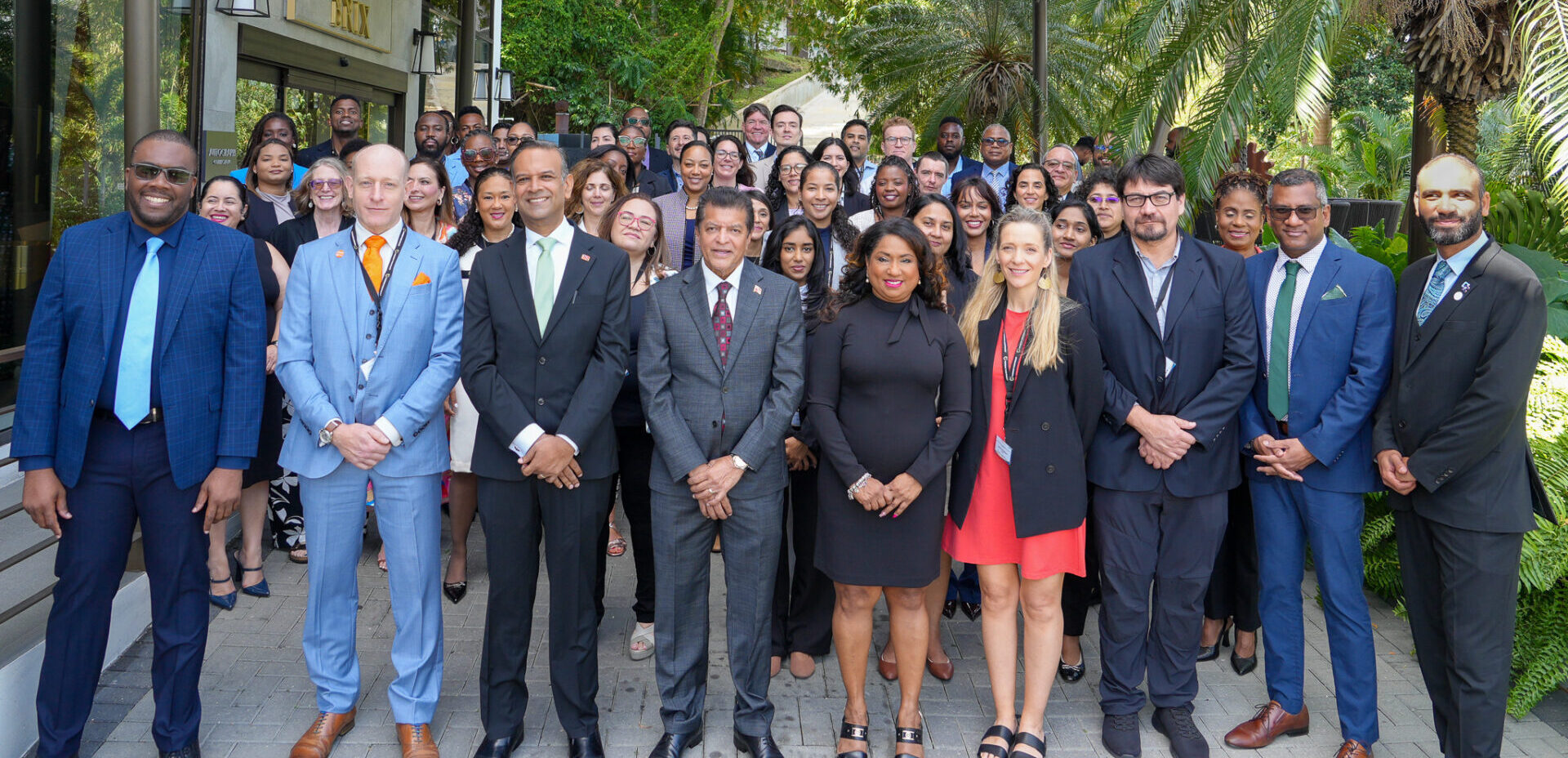
    The Caribbean Public Health Agency (CARPHA) has launched a groundbreaking emergency preparedness program in collaboration with the World Health Organization’s Global Outbreak Alert and Response Network (GOARN). The initiative, formally inaugurated at The Brix, Autograph Collection, represents a strategic advancement in regional health security planning.

    Funded through CARPHA’s Pandemic Fund Project with the Inter-American Development Bank as implementing agency, this comprehensive five-day simulation exercise (March 16-20, 2026) brings together 24 public health specialists from seven Caribbean nations and CARPHA itself. Participants span critical disciplines including disease surveillance, laboratory services, risk communication, and infection control, reflecting the multifaceted nature of outbreak management.

    The program addresses the Caribbean’s unique vulnerabilities: its archipelago geography of interconnected islands, open borders, tourism-dependent economies, and climate change impacts. These factors, compounded by infrastructure disparities, create ideal conditions for rapid disease transmission. Recent years have witnessed increasing health emergencies including dengue, chikungunya, measles, and cholera outbreaks alongside intensifying hurricane seasons.

    International expertise supplements the effort with specialists from US and European CDC branches, the University of Western Australia, Brazil’s Fiocruz foundation, the UK Public Health Rapid Support Team, and the Pan American Health Organization. Unlike conventional training, this initiative employs operational simulation—immersing participants in realistic outbreak scenarios to test response capabilities under sustained pressure.

    During the opening ceremony, CARPHA Executive Director Dr. Lisa Indar emphasized the program’s critical timing: “The Caribbean’s dynamics demand a well-trained, coordinated, rapid, and multidisciplinary response. An outbreak can arise with little warning, and our response effectiveness determines whether it remains contained or escalates into a full-blown crisis.”

    GOARN Manager Armand Bejtullahu highlighted the program’s role in workforce development: “Effective outbreak response depends on a ready, well-coordinated workforce. Through our partnership with CARPHA, we’re ensuring responders have the tools and capabilities needed for rapid emergency action.”

    Trinidad and Tobago’s Health Minister, Honourable Dr. Lackram Bodoe, endorsed the initiative as “a shared journey toward resilience, unity, and preparedness in the face of global health threats.”

    This simulation marks the second phase of the GOARN initiative, building upon an August 2025 orientation workshop that trained 34 responders from ten member states. By enhancing regional expertise, the program aims to strengthen coordinated interventions against emerging infectious diseases, ultimately bolstering national and regional health resilience amid ongoing public health threats.