作者: admin

  • KFC steps up to St Thomas FA’s plate

    KFC steps up to St Thomas FA’s plate

    In a significant boost for youth football development, corporate Jamaica is stepping up with innovative sponsorship models that address fundamental needs of young athletes. The St Thomas Football Association has hailed Restaurants of Jamaica’s sponsorship providing Kentucky Fried Chicken meals to under-17 teams on match days as a game-changing nutritional intervention.

    Lascelles Logan, president of the association, emphasized the critical importance of this sponsorship during a recent ceremony where McKay Security Limited formalized its support for both the Kingston and St Andrew Football Association (KSAFA) and St Thomas Football Association. Logan specifically thanked security firm CEO Jason McKay for facilitating KFC’s involvement, which provides each team with buckets of chicken on competition days.

    The timing coincides with community excitement surrounding KFC’s establishment as the first business in the new Morant Bay Urban Center. Logan noted the football association’s particular enthusiasm, recognizing McKay Security’s existing relationship with the fast-food chain and anticipating potential benefits from this connection.

    This nutritional support comes with strategic importance for St Thomas’s football structure, where participation in the under-17 league is mandatory for fielding teams in the senior major league—a requirement now incentivized through KFC’s sponsorship program.

    Logan explained the profound impact: “Providing protein to growing athletes addresses a fundamental challenge within our football community. Ensuring players are properly nourished to perform at their optimal levels represents a massive advantage for any development program aimed at elevating young talent.”

    Meanwhile, McKay Security unveiled a comprehensive $4.5 million sponsorship package for both football associations, featuring $1 million awards for each parish’s major league champions. Now in its second year of supporting St Thomas, the security company has allocated $1 million specifically to the under-17 program.

    McKay acknowledged KFC’s immediate willingness to partner in the initiative and expressed his vision for nationwide expansion of similar sponsorships. He articulated a broader philosophy for Jamaican football development, advocating for sustained investment in homegrown talent rather than relying on international recruitment of players transferring nationalities.

    The security executive pointed to Jamaica’s 1998 World Cup qualification team—predominantly composed of locally developed players—as evidence supporting his development model, emphasizing the need for consistent under-17 progression to national under-20 and senior teams.
  • When ‘without prejudice’ does not apply

    When ‘without prejudice’ does not apply

    A significant legal exception is reshaping debt recovery proceedings for financial institutions, challenging conventional understandings of privileged communications between lenders and borrowers. While standard legal practice protects settlement discussions through ‘without prejudice’ privilege, a crucial judicial carve-out permits admissions of debt to become admissible evidence in court.

    The foundational precedent emerged from Bradford & Bingley PLC v Rashid [2006] UKHL 37, where the House of Lords established that correspondence containing clear debt acknowledgments—even alongside settlement proposals—loses privilege protection. This ruling proved pivotal when a commercial bank sought to recover a longstanding mortgage debt after the borrower’s attorney explicitly admitted the outstanding £15,583 obligation while proposing a £500 settlement.

    Jamaica’s judicial system has embraced this principle through the Supreme Court’s ruling in Dorrett Wong Sam v Jamaica Redevelopment Foundation [2018]. The court determined that correspondence admitting a debt while proposing payment terms—including a specific offer of US$85,000 within 90 days—did not qualify for privilege protection since no genuine liability dispute existed.

    The legal reasoning hinges on a critical distinction: privilege only applies when parties negotiate compromised settlements of disputed liabilities. Where borrowers acknowledge indebtedness while merely negotiating repayment modalities, their communications become admissible evidence. This exception remains applicable regardless of whether correspondence bears the ‘without prejudice’ designation, with courts examining the substantive nature of discussions rather than formal labels.

    This legal framework provides powerful leverage for financial institutions pursuing debt recovery. When clear admissions exist, lenders can utilize these communications to seek summary judgment—expedited court decisions without full trials—significantly streamlining the litigation process. The exception balances legal privilege with public policy objectives by encouraging transparent debt acknowledgments while preventing borrowers from exploiting privilege protections to avoid undeniable obligations.

    Legal professionals emphasize that this exception applies specifically to unambiguous debt admissions coupled with payment proposals. Borrowers should exercise caution in debt negotiation communications, as seemingly protected discussions may become evidence in subsequent proceedings. Financial institutions, conversely, gain enhanced capability to document and leverage clear debt acknowledgments in recovery efforts.

    This evolving jurisprudence continues to shape commercial lending practices and debt collection methodologies across common law jurisdictions, creating a more predictable environment for resolving default scenarios while maintaining appropriate protections for genuine liability disputes.

  • Nationwide Power Outage Hits Cuba as Power Grid Collapses

    Nationwide Power Outage Hits Cuba as Power Grid Collapses

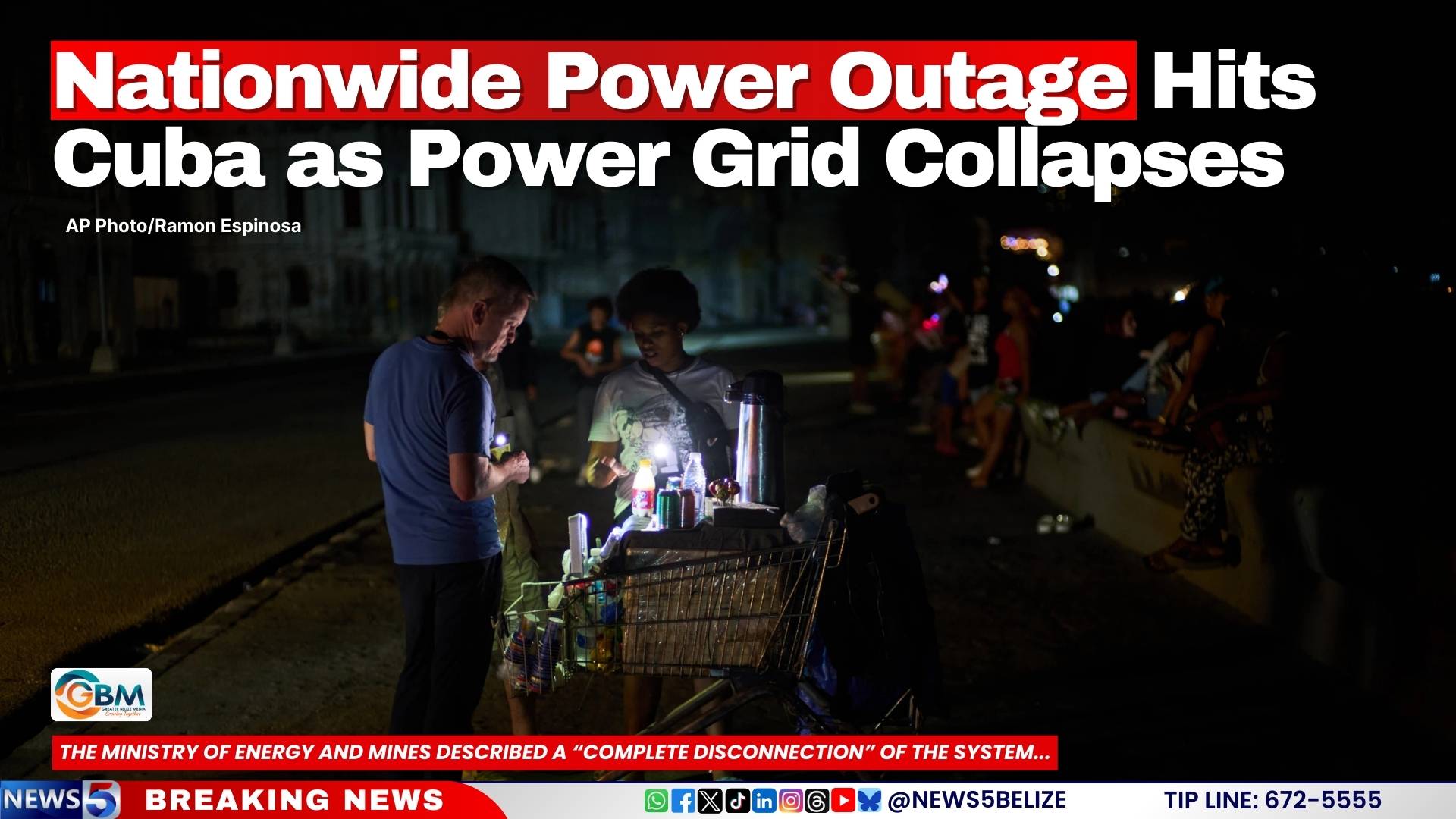
    Cuba experienced a catastrophic nationwide power outage on Monday night as the country’s aging electrical grid suffered complete systemic failure. The collapse left all 11 million residents without electricity, marking the third major blackout incident within just four months.

    According to official statements from the Ministry of Energy and Mines, the grid experienced a ‘complete disconnection’ that required emergency efforts to restart thermoelectric plants. By late Monday, partial restoration had been achieved with approximately 42,000 customers (roughly 5% of Havana) and several critical healthcare facilities regaining power. However, officials cautioned that the restored circuits remained highly unstable and vulnerable to additional failures.

    The crisis stems from Cuba’s deteriorating energy infrastructure, which has exceeded its operational lifespan amid chronic fuel shortages and limited access to essential spare parts. President Miguel Díaz-Canel revealed last week that the nation had not received oil shipments for three consecutive months, forcing increased reliance on solar energy, natural gas, and thermoelectric generation—sources that have proven insufficient to meet national demand.

    The blackout has exacerbated existing humanitarian concerns, with hospitals compelled to postpone surgeries and households facing food spoilage due to refrigeration failures. The energy crisis unfolds against a backdrop of ongoing geopolitical tensions, with the United States maintaining restrictions on oil shipments and demanding political reforms. Former President Trump’s characterization of Cuba as a ‘very weakened nation’ underscores the complex international dynamics influencing the current situation.

  • Nestor in frame for All Star Game

    Nestor in frame for All Star Game

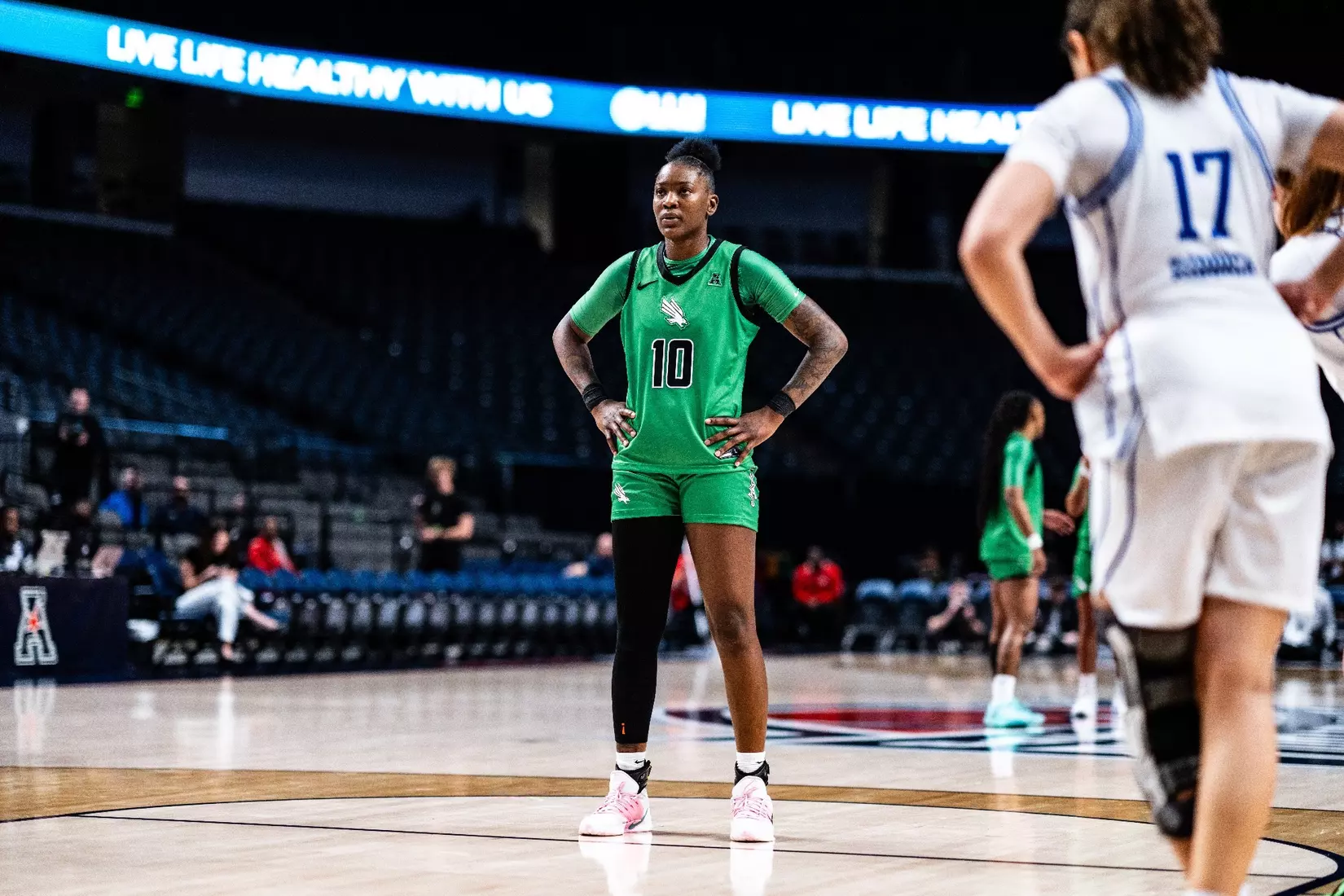
    Megan Nestor, the formidable forward for the University of North Texas (UNT) women’s basketball team, has achieved a significant milestone in her collegiate career by being selected as a finalist for the 2026 Lilly Women’s College All-Star Game. The announcement places the Saint Lucian athlete among an elite group of 107 senior standouts from across the nation, all vying for one of the coveted 20 spots in the prestigious exhibition.

    The final roster will be determined within the next fortnight by a panel of national media experts. The game itself marks a return to the national championship weekend, scheduled for April 4th at the Global Credit Union Arena on the campus of Grand Canyon University in Phoenix. The event, which will be broadcast nationally on ESPN2, has historically served as a premier showcase for future professional talent. The previous edition featured four All-Americans, six WNBA Draft selections, and five WNBA free agent signees, playing to a capacity audience.

    Nestor’s inclusion on the list comes on the heels of a spectacular breakout season at the Division I level. She has established herself as one of the most dominant interior players in the country, posting remarkable averages of 12.8 points and a nation-leading 14.1 rebounds per game. Her prowess on the boards is historic; she has already shattered both the UNT and American Conference single-season rebounding records with an astounding 464 rebounds to date. Furthermore, her 21 double-doubles lead the conference, cementing her status as a top-10 national player.

    She was one of only seven players from the American Conference to be named a finalist. Her stellar season culminated in a strong performance during the conference tournament semifinals, where despite a narrow 71-67 loss to Rice, Nestor recorded a team-high 16 points, 10 rebounds, two assists, and three steals, demonstrating her all-around capabilities on the court.

  • OP-ED: A modern day siege – Cuba, the Caribbean, and the architecture of coercion

    OP-ED: A modern day siege – Cuba, the Caribbean, and the architecture of coercion

    Cuba faces an unprecedented humanitarian crisis as a comprehensive fuel blockade imposed by the United States triggers the near-total collapse of essential services across the island nation. Since January 2026, Washington has effectively isolated Cuba’s energy supply through executive orders prohibiting any nation from selling oil to Havana, creating conditions that experts describe as a modern-day siege operation.

    The immediate consequences have been catastrophic: March 16 witnessed the complete failure of Cuba’s national electrical grid, marking the third island-wide blackout within four months. This power collapse has paralyzed water pumping systems serving over 80% of the population, compromised intensive medical care, and spoiled vital vaccines and blood products. Agricultural production has stalled without fuel for machinery, while urban centers face mounting sanitation crises as garbage collection vehicles sit immobilized.

    What distinguishes this crisis from previous tensions is the explicit language employed by U.S. officials. President Trump has openly discussed having the ‘honor of taking Cuba,’ while administration figures have framed the blockade as leverage for regime change. This rhetoric echoes historical patterns of imperial domination that Caribbean nations know intimately from their colonial experiences.

    The international community has repeatedly condemned these measures through overwhelming UN General Assembly votes, with UN human rights experts characterizing the blockade as ‘a serious violation of international law.’ Cuba’s significance within the Caribbean community extends beyond symbolism—for decades, the nation has provided medical personnel, educational opportunities, and diplomatic partnership without interference in neighboring states’ sovereignty.

    Regional analysts now warn that Cuba’s predicament establishes a dangerous precedent for hemispheric relations. The demonstration that economic power can be weaponized to force political change threatens all smaller nations dependent on imported energy and food. This crisis ultimately tests whether international law retains meaning when confronted with unilateral power, posing fundamental questions about sovereignty, collective security, and the very architecture of twenty-first-century coercion.

  • Beslag van €5 miljoen komt vrij na schikking DSB in geldzendingzaak

    Beslag van €5 miljoen komt vrij na schikking DSB in geldzendingzaak

    The Surinaamsche Bank N.V. (DSB) has successfully concluded a protracted legal dispute with the Dutch Public Prosecutor’s Office through a €124,500 settlement agreement, resulting in the release of approximately €5 million in previously frozen funds. The resolution, announced on March 17, 2026, stems from a contentious money transfer incident that occurred in April 2018.

    Following six months of intensive negotiations described by the bank as ‘productive,’ both parties reached an out-of-court settlement that DSB considers an appropriate resolution to the long-standing case. The Dutch banking institution confirmed the arrangement with reference to an official statement from the Netherlands Public Prosecution Service.

    The primary motivation for DSB’s acceptance of the settlement was the termination of an extended and financially draining legal battle, coupled with the recovery of seized assets. Upon payment of the agreed €124,500 penalty, the bank will regain access to the full €5 million that had been under seizure.

    In an official statement, DSB emphasized its ongoing commitment to regulatory compliance, stating: ‘From our societal responsibility perspective, we remain unwavering in our dedication to strict adherence to national and international compliance laws and regulations, thereby promoting an integrity-based financial system.’

    The settlement represents a significant development in cross-border financial regulation enforcement, demonstrating how international banking institutions can resolve compliance disputes through negotiated settlements rather than prolonged litigation.

  • Education Ministry Praises Debate Team After Title Defence

    Education Ministry Praises Debate Team After Title Defence

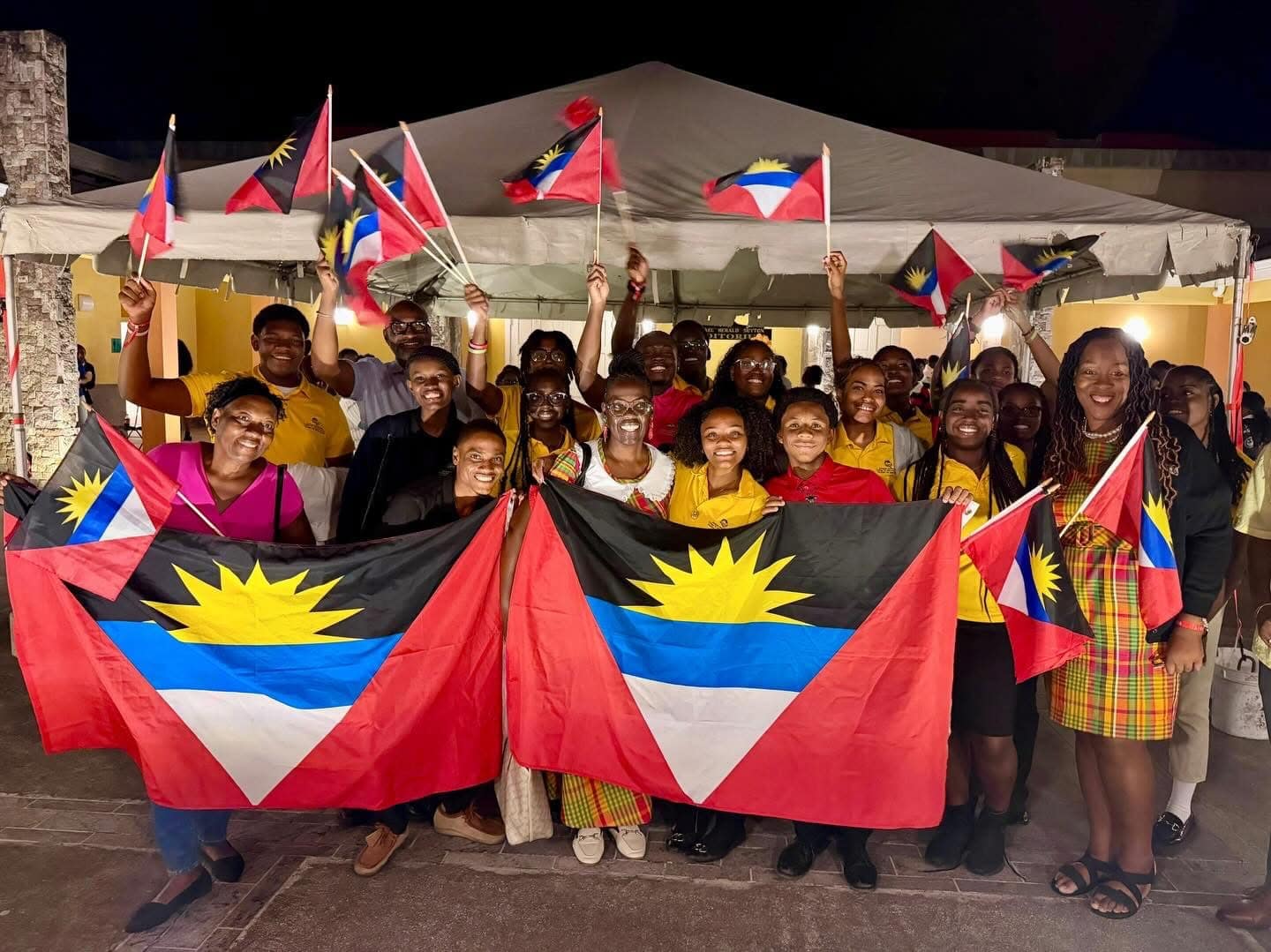
    The Ministry of Education, Sports and Creative Industries has lauded Antigua and Barbuda’s national debating squad for successfully retaining the prestigious Leeward Islands championship crown. Ministry officials characterized this academic triumph as a direct manifestation of the nation’s educational excellence and intellectual vigor.

    In an official communiqué released following the competitive victory, the ministry emphasized how the team’s performance showcased ‘the formidable capability of our emerging generation.’ The statement further praised the student delegates for embodying the nation with ‘exceptional distinction and profound pride’ throughout the tournament.

    Beyond recognizing the debaters’ individual accomplishments, the ministry expressly acknowledged the instrumental contributions of dedicated coaching staff and the broader support network. Officials highlighted that this collective achievement stemmed from a robust ecosystem of academic encouragement and developmental guidance.

    Government authorities indicated that this consecutive debating victory bolsters national confidence in the country’s youth demographic and validates ongoing investments in educational infrastructure and cognitive development programs. The achievement stands as a testament to the nation’s commitment to fostering critical thinking and articulate leadership among its young scholars.

  • Banken betalen boetes in geldtransportzaak uit 2018

    Banken betalen boetes in geldtransportzaak uit 2018

    Three major Surinamese financial institutions—Finabank, De Surinaamsche Bank, and Hakrinbank—have formally concluded a longstanding investigation into cross-border currency transports dating back to 2018. The resolution comes after the banks collectively paid substantial fines to the Dutch Public Prosecutor’s Office, facilitating the release of previously seized funds.

    The case originated from logistical cash transfers arranged by the Central Bank of Suriname that transited through Dutch territory in 2018. Following coordinated investigations into the movement of physical currency across borders, Dutch authorities have now closed the matter without establishing any procedural irregularities or misconduct.

    Financial settlements were structured differently among the institutions: Finabank and De Surinaamsche Bank each paid €124,500, while Hakrinbank settled for €166,000. These payments trigger the release of confiscated funds in accordance with the resolution agreements.

    In an official statement, Finabank emphasized its commitment to operating within established legal and compliance frameworks, acknowledging the critical role financial institutions play in maintaining systemic integrity and stability. The bank highlighted its continuous efforts to enhance governance structures and compliance protocols in alignment with evolving international regulatory expectations.

    The resolution occurs against the backdrop of Suriname’s strengthened anti-money laundering and counter-terrorism financing framework. The Caribbean Financial Action Task Force (CFATF) recognized measurable progress in its 2022 assessment, reflecting coordinated efforts between public authorities and financial institutions.

    Notably, the settlement does not impact the banks’ operational capabilities or their collaborative relationships with regulatory bodies and international partners. Finabank reaffirmed its dedication to responsible banking practices, transparency, and ongoing alignment with international standards as part of its long-term contribution to confidence in Suriname’s financial system.

  • Lett-Hypolite homicide sparks calls for urgent reform

    Lett-Hypolite homicide sparks calls for urgent reform

    A potential lawsuit against the Grenadian government has introduced a complex legal dimension to the brutal murder of 22-year-old nursing student Aleandra Lett-Hypolite, exposing systemic failures in both prisoner mental healthcare and gender-based violence protections.

    The case centers on Kade Richards, a 42-year-old farmer from Mt Gay, St George, who faces charges of capital murder and rape in connection with Lett-Hypolite’s death on February 6 in Café, St Andrew. The incident, which involved a violent chopping attack, marked Grenada’s first homicide of the year and triggered nationwide shock and mourning.

    Richards’ legal representative, Attorney Jerry Edwin, contends that his client’s history reveals critical flaws in Grenada’s correctional system. Edwin asserts that Richards, whom he describes as mentally challenged, was previously incarcerated for a sex-related offense but received early release without mandatory psychological evaluation. The attorney further reveals that approximately 30 inmates at Richmond Hill Prison are ‘bona fide mentally incapacitated’ yet housed within the general population due to the absence of specialized facilities.

    ‘The authorities’ neglect of mentally compromised individuals created this preventable tragedy,’ Edwin stated, noting that he is preparing legal action against the state. ‘We will be bringing an action against the government because we are tired of talking about it.’

    The case has simultaneously ignited national conversations about gender-based violence. Minister Gloria Thomas addressed the issue during a Post-Cabinet briefing, highlighting that sexually related cases dominate Grenada’s court dockets. ‘As a people we need to take a deep look at how we treat women,’ Thomas urged, emphasizing that addressing the problem requires examining how boys are socialized within Grenadian society.

    Civil society responses included a candlelight vigil organized by the Ministry of Social and Community Development in Crochu and a silent protest coordinated by Empower Her Caribbean. Participants marched from the Botanical Gardens in St George’s demanding enhanced protections for women and girls.

    The tragedy now positions itself at the intersection of two critical national issues: the state’s responsibility toward mentally ill offenders and the urgent need for comprehensive strategies against gender-based violence, testing Grenada’s commitment to meaningful systemic reform.

  • US counterterrorism chief resigns over Trumps’ support for Iran war, citing conscience and political dissent

    US counterterrorism chief resigns over Trumps’ support for Iran war, citing conscience and political dissent

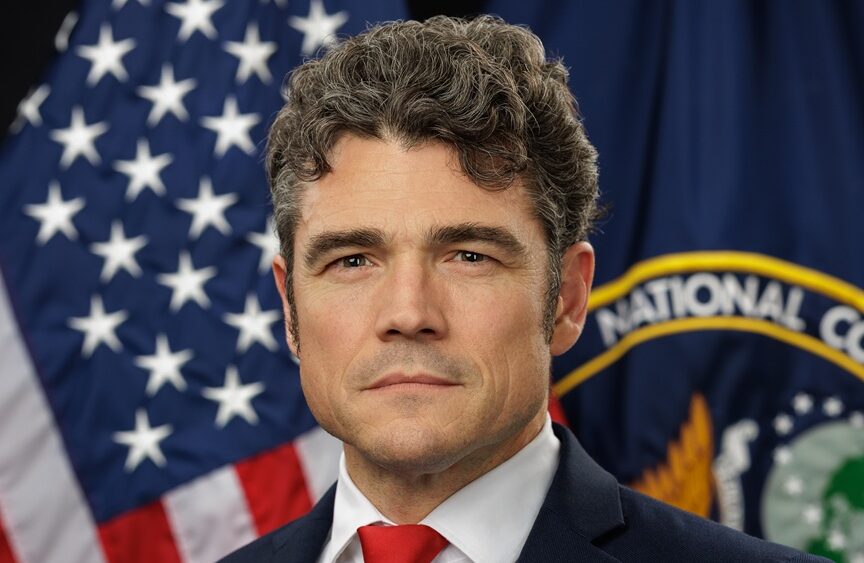
    In a significant development within US national security leadership, National Counterterrorism Center Director Joe Kent has publicly resigned from his position, citing profound ethical concerns regarding American military operations in Iran. The veteran intelligence official announced his departure through a social media statement, revealing an irreconcilable conflict between his professional responsibilities and personal convictions.

    Kent’s resignation letter, addressed to former President Donald Trump, contained striking criticisms of current foreign policy direction. The former Green Beret and CIA operative asserted that Iran never presented an immediate threat to national security, attributing the conflict initiation to substantial pressure from Israeli interests and their influential American lobbying networks. He specifically referenced what he characterized as a coordinated misinformation campaign orchestrated by high-ranking Israeli officials and sympathetic media figures that allegedly manipulated the administration into military action.

    The intelligence veteran invoked both his professional background and personal tragedy to underscore his position. Having deployed to combat zones on eleven separate occasions and lost his wife Shannon in a conflict he describes as ‘manufactured by Israel,’ Kent emphasized his inability to endorse military engagement that offers no tangible benefit to American citizens or justification for potential casualties. His statement included sharp criticism of what he perceived as the abandonment of Trump’s original ‘America First’ platform, which he had supported across three presidential campaigns.

    Kent’s appointment to the NCTC leadership in July 2023 had previously drawn scrutiny from media outlets including The Guardian, which noted his associations with controversial far-right figures and white nationalist personalities. His departure creates a significant vacancy in the nation’s counterterrorism infrastructure during ongoing international tensions.