Belize is pushing forward with a transformative initiative to reshape its national sports ecosystem, combining large-scale infrastructure upgrades with a renewed focus on homegrown athletic development. Announced in June 2026 by the country’s Ministry of Sports, the multi-pronged plan aims to elevate local competitive sports to international standards while creating accessible public recreational spaces across all regions of the nation.
At the core of the infrastructure project is the creation of a countrywide network of four high-performance training centers, with one hub planned for each of Belize’s northern, southern, western, and central regions. Work is already underway at the flagship site: the comprehensive redevelopment of the existing Marion Jones Sporting Complex, which will be rebranded as the country’s first official high-performance center. Minister of Sports Anthony Mahler confirmed that site preparation, including large-scale land clearing, is already complete, with major construction and upgrade work set to begin imminently.
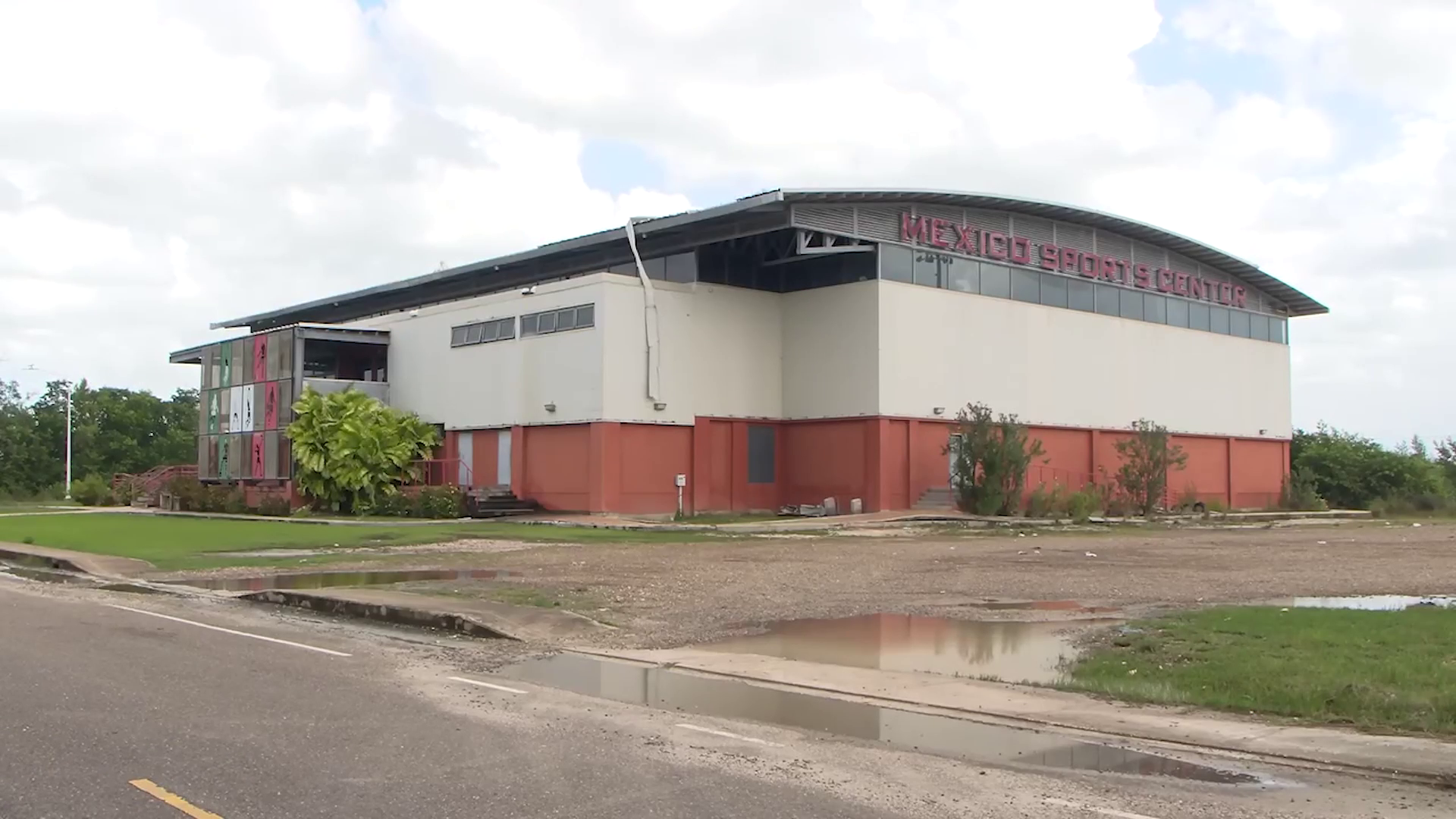
Several other facility upgrades are already in advanced stages of completion across the country. The Mexican Center redevelopment is nearly finished, with specialty sports courts and equipment already ordered and en route to the site. A full master plan for the entire Marion Jones compound outlines ambitious amenities, including an Olympic-standard swimming pool, dedicated rock climbing facilities, two professional tennis courts, a synthetic football pitch developed in partnership with the Football Federation of Belize (FFB), and mixed-use spaces that serve both elite competitions and general public recreation. A second synthetic pitch is planned for a site in Santa Elena, while the MCC Grounds will retain a natural grass playing surface. Separately, long-overdue repairs and upgrades are also progressing at the People’s Stadium in Orange Walk, a project accelerated after widespread public criticism of the facility’s poor condition spread across social media.
Beyond infrastructure, the ministry is restructuring its athlete funding model to prioritize long-term local development over unfocused support for international travel. Mahler explained that the new policy requires all national sports federations and associations to submit three-year strategic plans that outline performance targets for international competition, eliminating last-minute funding requests that lack clear performance goals. Under the new framework, public funding for international travel will only be allocated to athletes who meet established performance benchmarks, a change designed to eliminate what Mahler called wasteful spending on underprepared competitors.
To replace unfocused international travel spending, the ministry and the National Sports Council are launching a new elite domestic competition, the Super National Tournament, set to kick off this summer. Currently, Belize’s structured competitive sports pipeline is centered on primary and secondary school-level district and national competitions. The new tournament will bring together the top-performing athletes across all districts in four core sports: basketball, football, track and field, and volleyball. It will also serve as the foundation for a national scouting program designed to identify promising young talent early and nurture them from grassroots levels to elite international standard.
Mahler emphasized that the integrated approach — combining modern training infrastructure with a structured domestic development pipeline — will create sustainable growth for Belizean sports, rather than short-term, low-impact spending that fails to deliver long-term results.