作者: admin

  • ASP Thomas Defends Cannabis Raid, Warns Illegal Growers Face Enforcement

    ASP Thomas Defends Cannabis Raid, Warns Illegal Growers Face Enforcement

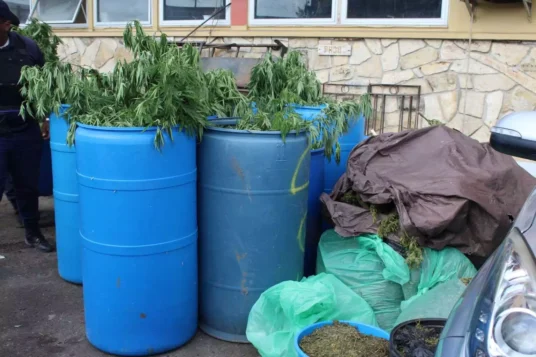
    A multi-agency law enforcement operation on Thursday delivered a major blow to unregulated cannabis cultivation in Antigua and Barbuda, seizing hundreds of illegal plants and nearly half a ton of processed marijuana just outside the rural community of Pares Village. Four men were taken into custody following the raid, and remain detained as authorities continue their investigation into the unauthorized growing operation.

    The high-profile bust comes even after the Caribbean nation implemented broad cannabis decriminalization reforms, a policy shift that has created clear boundaries between legally permitted cultivation and unlicensed commercial activity. Assistant Superintendent of Police Frankie Thomas, the lead official overseeing the operation, emphasized that law enforcement will not relax its stance on illegal growing, even with the new legal framework in place.

    Initial assessments of the seized property confirm the operation far outstripped the personal cultivation limit set by Antigua and Barbuda’s decriminalization laws, which allow just four cannabis plants per individual. The operation also did not qualify for the special government licenses required for larger-scale medicinal or religious sacramental cannabis production. According to Thomas, none of the cultivation activity uncovered during the raid fell into the legally allowed categories, and none of the suspects held the required regulatory permits to grow cannabis at the scale discovered.

    The coordinated raid brought together resources from four separate branches of the country’s law enforcement apparatus, including uniformed police, the Customs Department, the Immigration Department, and the police K-9 narcotics unit. Thomas reaffirmed that national authorities will maintain consistent enforcement of existing controlled substance laws, and will continue proactive targeting of any unlicensed cannabis operations operating across the country.

  • Caribbean strategic advisors and PROVEN Wealth Barbados form regional investment partnership

    Caribbean strategic advisors and PROVEN Wealth Barbados form regional investment partnership

    Two leading Caribbean financial players have joined forces to unlock new investment pathways and expand capital access for growing businesses and development initiatives across Barbados and the broader Caribbean region. Caribbean Strategic Advisors Inc. (CSA) and PROVEN Wealth (Barbados) Limited (PWB) announced their new strategic partnership in a joint press release, outlining a shared vision to address the region’s existing gap between available capital and unmet financing demand.

    The collaboration merges the unique strengths of both organizations to create a comprehensive, end-to-end investment platform. CSA brings deep expertise in transaction sourcing, strategic business consulting, and custom capital structuring, while PWB contributes fully regulated investment services spanning securities trading, brokerage, personalized investment advising, and professional wealth management. This complementary skill set is designed to address every stage of the investment process, from initial project identification to final capital deployment.

    Through the new alliance, the two firms aim to build a unified regional investment platform that channels both individual and institutional capital into high-impact sectors. Key focus areas will include infrastructure development, the global energy transition, private sector expansion, and other industries that drive sustainable long-term economic growth across the Caribbean.

    Industry observers note that the timing of the partnership responds to a unique market dynamic in the region: Barbados and many neighboring Caribbean nations hold substantial levels of domestic savings and institutional liquidity, yet local businesses and large-scale infrastructure projects continue to face challenges accessing the growth capital they need to scale. The alliance is structured to complement existing funding sources by proactively identifying, structuring, and facilitating investment opportunities that appeal to both domestic and cross-regional investors.

    Oliver Jordan, Co-Founder and Managing Director of CSA, emphasized that the partnership fills a critical gap in the regional investment ecosystem. “Mobilising capital at scale requires three capabilities working in concert: disciplined transaction origination, sound structuring, and regulated distribution. The CSA–PROVEN alliance brings those elements together within a single platform — positioning us to deliver institutional-grade opportunities to Barbadian and Caribbean investors, and meaningful long-term capital to Caribbean enterprises,” Jordan explained.

    Garfield Sinclair, Chairman of PWB, echoed this sentiment, noting that the combined expertise and resources of the two firms will strengthen the region’s entire investment landscape. “We believe there is a significant opportunity to strengthen the regional investment ecosystem by combining origination capability, regulated market access, and execution capacity within a coordinated platform. The alliance reflects a shared commitment to expanding investment participation and supporting long-term economic growth across the Caribbean,” Sinclair said.

    Beyond immediate investment activity, the partnership is aligned with Barbados’ broader national goal of solidifying its status as a leading regional hub for investment structuring, large-scale institutional capital mobilization, and financing for the economy’s productive sectors. Across the wider Caribbean, the initiative is expected to support inclusive economic development by deepening regional capital markets and expanding access to high-quality investment opportunities for both investors and enterprises.

    The announcement of the alliance comes as Barbados’ domestic capital markets are experiencing a notable uptick in activity. It follows CSA’s recent role as sole financial advisor for the public share offering of Roberts Manufacturing Company Limited, a landmark deal that marked the first domestic public equity offering launched in Barbados in several years.

  • COMMENTARY: The Cost of Money in the ECCU

    COMMENTARY: The Cost of Money in the ECCU

    For small open economies bound together in a monetary union like the Eastern Caribbean Currency Union (ECCU), the dynamics of money go far beyond simple transactions and cash holdings. Every aspect of the currency system, from interest rate setting to currency stability, carries a tangible cost that shapes the daily lives of citizens, the growth trajectory of local businesses, and the fiscal space of member governments. To understand these costs, we must first examine the structural foundations that underpin the ECCU: a long-standing currency board arrangement pegged to the U.S. dollar, which has delivered decades of exchange rate stability but also imposes unique tradeoffs that are often overlooked in mainstream policy discussions.

    One of the most immediate costs of money for ECCU residents is the cost of borrowing. Across the union, commercial interest rates remain significantly higher than those available in larger advanced economies, even with the currency peg locking in low exchange rate risk. This gap stems from multiple factors: small domestic financial markets that lack depth, higher perceived risk of default in small island economies, and rigidities in the regulatory environment that limit competition among lending institutions. For small and medium-sized enterprises (SMEs) that form the backbone of the ECCU’s tourism-dependent and service-based economy, these elevated borrowing costs often mean abandoned expansion plans, missed opportunities to innovate, and a persistent gap in job creation that holds back inclusive growth. For individual households, high lending rates translate into less access to affordable mortgages, consumer loans for education or healthcare, and greater financial vulnerability when economic shocks hit.

    Beyond borrowing costs, the ECCU’s currency framework carries another significant cost: the requirement to hold large foreign reserve buffers to maintain the U.S. dollar peg. The Eastern Caribbean Central Bank (ECCB) is required to keep a high percentage of the monetary base backed by foreign reserve assets to guarantee full convertibility at the fixed exchange rate. While this reserve requirement is critical to maintaining market confidence and the peg’s credibility, it also represents an opportunity cost. Those reserves could otherwise be deployed to finance domestic infrastructure projects, social programs, or green transition investments that would deliver long-term economic and social benefits to member states. For small island nations already facing tight fiscal constraints and growing costs from climate change adaptation, this locked-up capital represents a substantial ongoing burden that cannot be ignored.

    Inflation, too, imposes a silent cost of money across the ECCU. In recent years, global inflationary pressures driven by supply chain disruptions, rising energy and food prices, and post-pandemic demand shifts have spilled over into the ECCU, eroding the purchasing power of household incomes and savings. Because the ECCU imports nearly all of its essential goods, it is disproportionately exposed to global price swings, meaning inflation hits lower-income households the hardest, as they spend a larger share of their income on basic necessities. This erosion of purchasing power is a hidden but persistent cost that reduces living standards across the union, even when nominal wages remain stagnant.

    Looking ahead, the evolving global financial landscape is creating new cost dynamics for the ECCU. As major central banks around the world raised interest rates to combat inflation in recent years, the ECCB has had to follow suit to maintain the attractiveness of the Eastern Caribbean dollar and protect reserve levels, passing on higher global borrowing costs to domestic borrowers. At the same time, the rise of digital payment technologies and crypto assets presents both opportunities to reduce transaction costs and new risks that require costly regulatory and infrastructure upgrades to protect consumers and financial stability.

    Addressing the cumulative cost of money in the ECCU will require targeted policy reforms that preserve the core benefits of the existing currency arrangement while easing its burdens on households and businesses. Proposals to deepen regional financial integration, increase competition in the banking sector, and unlock capital for domestic investment are all critical steps to reduce borrowing and opportunity costs. Investing in digital financial infrastructure can also lower transaction costs for cross-border remittances and daily commerce, bringing greater financial inclusion to unbanked and underbanked populations across the region. Ultimately, confronting the cost of money is not just a technical monetary policy issue—it is a core priority for boosting shared prosperity and building more resilient economies across the Eastern Caribbean.

  • Antigua Resort Launches Pickleball Series Featuring U.S. Open Champion

    Antigua Resort Launches Pickleball Series Featuring U.S. Open Champion

    A top-tier Caribbean resort destination in Antigua is making a big splash in the fast-growing global pickleball scene with the launch of an all-new seasonal tournament series, set to feature a guest appearance and exhibition match from a reigning U.S. Open Pickleball Champion. As pickleball continues its rapid surge in popularity across North America and the Caribbean, attracting millions of new players of all age groups annually, the Antigua resort has positioned itself as a premier tropical destination for both recreational players and competitive enthusiasts. The newly announced series will run across four seasonal weekends throughout the year, with open divisions for amateur players, mixed doubles brackets, and a closing headline exhibition that will see the U.S. Open champion go head-to-head with top regional contenders. Resort leadership notes that the initiative is designed to draw sports tourism to the island, combining world-class hospitality with access to top-tier competitive pickleball action. Six new dedicated outdoor pickleball courts have been constructed specifically for the series, with plans to expand to 10 courts by the end of 2025 to accommodate growing participation. Local tourism officials have praised the project, noting that sports-focused tourism events create new jobs and boost off-season visitor numbers for the island’s hospitality sector.

  • Antigua and Barbuda advised to implement campaign finance reform

    Antigua and Barbuda advised to implement campaign finance reform

    Following its assessment of the April 30, 2026 general election in Antigua and Barbuda, the Commonwealth Observer Group has issued a renewed, urgent call for sweeping updates to the island nation’s campaign finance regulations, arguing that enhanced transparency and rigorous oversight are critical to shoring up public trust in the country’s electoral system.

    In the group’s final post-election report, observers stressed that long-standing concerns over inadequate campaign finance governance have gone unaddressed for years, despite identical recommendations being put forward after previous national elections. The organization is pushing both the Antigua and Barbuda Electoral Commission (ABEC) and the national parliament to prioritize advancing comprehensive political finance legislation that covers all aspects of electoral campaign funding.

    The report outlines core requirements that any new regulatory framework must meet: it must mandate clear tracking of where political funds originate and how they are spent, place legal caps on donations from individual and institutional donors, and set binding rules for campaign spending by both political parties and individual candidates. Beyond these baseline provisions, observers also recommend building a far more robust transparency architecture for political finance, including updated spending limits, mandatory public disclosure of all donor identities, and formal regulation of political advertising distributed through digital platforms. To ensure consistent enforcement of these new rules, the report suggests establishing a dedicated specialized regulatory unit within ABEC that is granted full authority to implement and uphold the regulations.

    The Commonwealth assessment highlights that current campaign finance rules in Antigua and Barbuda are extremely permissive, with minimal transparency requirements and almost no effective checks on political donations. While nominal spending caps do exist under existing electoral legislation, the report notes these limits are outdated, inconsistently enforced, and lack any meaningful penalties for violations. Compounding these gaps, the country currently has no system of public funding to support political parties, leaving most campaign operations almost entirely reliant on private donations — the majority of which are not required to be disclosed publicly. With limited disclosure rules in place, oversight bodies have little power to monitor or curb improper influence, creating persistent risks to the integrity of the electoral process.

    Overall, the observer group delivered a mostly positive assessment of the 2026 general election, confirming that the poll was carried out in a peaceful, orderly, and largely transparent manner. Even with that positive overall finding, the group singled out campaign finance transparency and accountability as the most critical unaddressed gap in the country’s democratic framework. Implementing the recommended reforms, the report argues, would bring Antigua and Barbuda into alignment with widely accepted international best practices for electoral governance, and rebuild public confidence in the nation’s democratic institutions.

  • PMs agree new push on Barbados–Canada partnership in Toronto talks

    PMs agree new push on Barbados–Canada partnership in Toronto talks

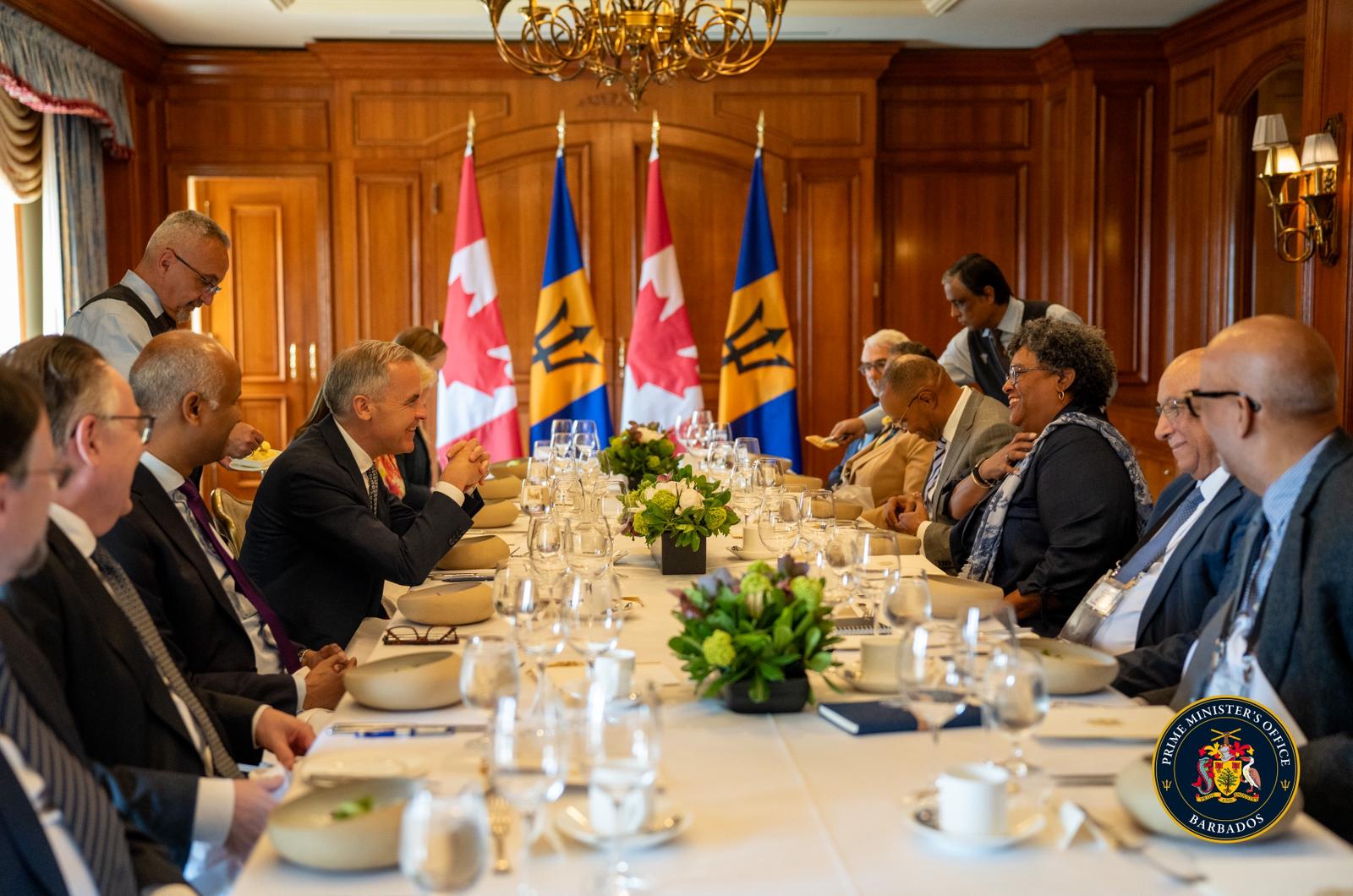
    Leaders from Barbados and Canada have concluded a high-stakes round of bilateral negotiations in Toronto, cementing a shared pledge to strengthen decades-long diplomatic and economic connections through targeted collaboration across a diverse range of emerging and critical sectors. The talks, led by Barbadian Prime Minister Mia Mottley and Canadian Prime Minister Mark Carney, were structured to revitalize a partnership rooted in historical ties, aligning it with 21st-century global challenges from climate change to technological innovation.

    Discussions spanned policy areas from creative industries and workforce skills development to climate resilience, maritime scientific research, quantum technology, cross-border professional movement, and global energy security. Carney opened remarks by emphasizing the enduring value of the bilateral relationship, and offered high praise for Mottley’s growing influence on the global stage, calling her a transformative “leader for tomorrow”. He centered much of his input on the urgent need for coordinated global action to tackle the climate crisis, covering priorities including climate adaptation, infrastructure resilience, accessible climate finance, and emissions mitigation. Carney also highlighted Barbados’ ambitious national goal to reach a 100 percent clean energy energy system, commending the island nation for its progressive climate commitments.

    A release from the Office of the Barbadian Prime Minister clarified that Mottley’s official visit was designed to reframe the bilateral relationship, identifying actionable, practical adjustments to streamline and strengthen collaboration between individuals, businesses, and institutions across both countries. A central priority of the visit was deepening engagement with Canadian firms already operating in Barbados, with the logistics sector and international film production identified as high-potential emerging areas for new joint initiatives.

    On the topic of cross-border professional mobility, the two leaders reached a consensus to develop mutually agreeable regulatory frameworks that will allow skilled workers to move more freely between the two jurisdictions, while upholding the strict professional standards each nation requires. Mottley highlighted a recently signed memorandum of understanding with Canada’s University of Waterloo focused on quantum computing research, as well as Barbados’ use of a regulatory sandbox mechanism that allows new technologies to undergo rigorous testing before they are approved for commercial launch. She reaffirmed that Barbados will maintain strict ethical and safety guardrails as it opens its economy to new technological innovation.

    Maritime research emerged as another key focus of the negotiations, with the Barbadian delegation noting that the two nations are uniquely positioned to combine their complementary geographic strengths: Canada’s vast, research-rich Arctic and Atlantic coastlines, and Barbados’ status as a large island nation with extensive exclusive ocean territory. Mottley put forward a proposal to launch a joint maritime research hub that will bring together academic institutions from both countries to address shared ocean challenges, from rising sea levels to overfishing and marine ecosystem degradation.

    As small coastal nations, both Canada and Barbados face growing climate-driven risks, prompting leaders to devote significant discussion to the growing crisis of affordable climate insurance. Mottley stressed that reliable access to affordable insurance and climate finance is a non-negotiable prerequisite for long-term economic stability, especially for Barbados’ critical tourism sector, which requires large-scale investment to upgrade infrastructure, protect local jobs, and build resilience against extreme weather events.

    The talks came just days after Mottley’s government opened Barbados’ offshore territory to new oil and gas exploration, and during the summit the prime minister reaffirmed the nation’s unwavering commitment to its long-term target of full transition to 100 percent clean energy. Acknowledging the urgent timeline for global decarbonization, Mottley argued that all nations must be afforded a “safe and practical pathway” to transition, particularly as countries grapple with soaring energy costs and the deeply unequal global distribution of climate finance.

    The official engagements concluded with a shared commitment to turn the two nations’ historical diplomatic bonds into forward-looking cooperation that delivers tangible benefits for citizens on both sides. Mottley closed by expressing confidence that ongoing collaboration between public sector leaders and private industry stakeholders across both countries will generate new, meaningful economic opportunities for decades to come.

  • Four Men Detained After Police Seize 500 Cannabis Plants Near Pares

    Four Men Detained After Police Seize 500 Cannabis Plants Near Pares

    A large-scale illegal cannabis growing operation has been dismantled by joint law enforcement agencies in Antigua and Barbuda, resulting in four arrests and one of the biggest drug seizures in the region in recent months. The bust unfolded early Thursday morning just outside the rural community of Pares Village, where investigators uncovered a sprawling unlicensed plantation hidden from public view.

    When the raid concluded shortly after 10 a.m., authorities had confiscated over 500 growing cannabis plants and nearly 1,000 pounds of processed, cured marijuana — a haul that far outstrips the legal limits permitted under the nation’s current drug laws. Assistant Superintendent of Police Frankie Thomas, the lead official on the operation, confirmed that the investigation deliberately targeted unlicensed producers operating outside the regulatory framework that governs legal medicinal and sacramental cannabis cultivation in the country.

    Antigua and Barbuda updated its drug policy in recent years to allow limited personal cultivation and possession of cannabis for qualified uses, but the operation uncovered this week operated on a commercial scale that has no legal standing, Thomas emphasized. The multi-agency task force that carried out the raid included officers from the national police force, Customs, Immigration and several specialized law enforcement units, reflecting the seriousness of the crackdown on illegal drug operations in the area.

    Following the completion of formal investigative proceedings, all seized cannabis products will be destroyed in accordance with national law enforcement protocols. Thomas noted that criminal charges will be filed against the four detained men where evidence supports prosecution, and he reaffirmed the full commitment of Antigua and Barbuda’s law enforcement community to rooting out illegal drug operations from local communities and safeguarding the welfare and public safety of all residents.

  • Commonwealth Observers Call for Electoral Commission to Be Entrenched in Constitution

    Commonwealth Observers Call for Electoral Commission to Be Entrenched in Constitution

    Following its assessment of the 2026 general election held on April 30, the Commonwealth Observer Group has tabled a landmark set of democratic reform proposals for Antigua and Barbuda, led by a call to embed the Antigua and Barbuda Electoral Commission (ABEC) directly into the nation’s constitution. This top recommendation centers on formalizing the commission’s existence, governing structure, and core responsibilities through constitutional amendment, a change observers argue is critical to cementing ABEC’s institutional independence and shoring up public trust in the country’s electoral processes.

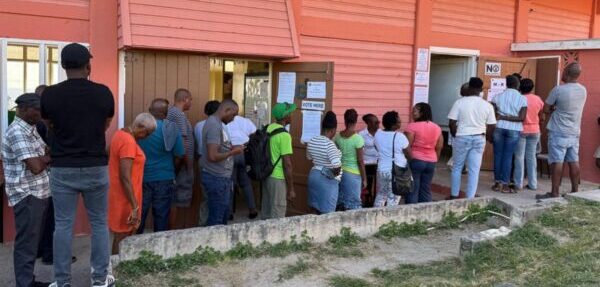
    In its final report delivered to Antigua and Barbuda’s Parliament, the observer group acknowledged that the Caribbean nation’s existing electoral legal framework already provides a functional foundation for holding democratic contests. The team’s on-the-ground monitoring confirmed that the 2026 general election unfolded in a peaceful, orderly, and transparent environment, with polling staff adhering to established protocols and executing their duties with consistent professionalism.

    Despite this overall positive assessment of the 2026 poll’s conduct, the report identifies three key areas where targeted reform is needed to strengthen long-term electoral integrity: upgrading the independence of election administration, tightening oversight of campaign financing, and conducting systematic reviews of parliamentary constituency boundaries.

    At the top of the reform agenda is the push for constitutional entrenchment of ABEC. Observers explain that currently, the electoral commission lacks the firm, highest-level legal standing that would protect its independence from political interference. Amending the constitution to formally establish ABEC, outline its composition, and grant it clear statutory powers would place the body’s mandate, authority, and institutional existence on a far more solid legal foundation. This change would also bring Antigua and Barbuda’s election management framework into closer alignment with widely accepted international best practices for democratic governance.

    The constitutional amendment recommendation is formally addressed to Antigua and Barbuda’s Parliament, which holds exclusive authority to initiate and approve changes to the national constitution required to implement the reform. The package of recommendations laid out in the final report forms part of a broader ongoing effort to deepen democratic norms and reinforce electoral institutions across Antigua and Barbuda, building on the foundation laid by the 2026 general election.

  • Antigua and Barbuda constituency boundaries must be urgently reviewed, says Commonwealth Observer Group final report

    Antigua and Barbuda constituency boundaries must be urgently reviewed, says Commonwealth Observer Group final report

    Nearly two months after the April 30, 2026 general elections in Antigua and Barbuda, the Commonwealth’s official observer mission has published its final assessment, delivering a balanced verdict that lauds the peaceful, transparent conduct of the vote while sounding the alarm on long-overdue changes to the nation’s electoral map.

    The mission, which was assembled at the formal invitation of Antigua and Barbuda’s government by Commonwealth Secretary-General Shirley Botchwey, brought together four distinguished democratic figures from across the 56-nation bloc, led by former Botswana Foreign Minister Pelonomi Venson. During its pre-election and election-day observation work, the team confirmed the initial positive conclusions it shared in a preliminary public statement just one day after voting closed. The mission found that polling workers carried out their responsibilities with consistent professionalism, standard electoral procedures were followed across nearly all voting sites, and the election unfolded in an orderly, violence-free atmosphere. It also extended praise to voters, participating political parties, national police forces, and independent media outlets, all of which contributed to upholding the credibility of the democratic process.

    Beneath this positive assessment, however, the report repeats and amplifies longstanding concerns first flagged by a 2023 Commonwealth observer mission: the nation’s constituency boundaries have remained almost entirely unadjusted since 1984, despite four decades of major demographic shifts that have left dramatic gaps in voter population across different districts. The observer group warned that these size imbalances directly threaten the core democratic principle of equal suffrage, as a vote in one constituency can carry significantly more weight than a vote in another, a gap that could erode public trust in the entire electoral system over time.

    To address this systemic issue, the group has laid out a clear set of urgent recommendations. It calls on Antigua and Barbuda’s government to immediately grant the independent Boundaries Commission the authority and resources it needs to conduct a full, data-backed redrawing of electoral districts, using population data collected between the 2022 and 2025 national censuses. Crucially, the report emphasizes that the redistricting process must be fully insulated from political interference, to guarantee fair outcomes and uphold the fundamental “one person, one vote” principle that underpins legitimate democracy.

    Following the report’s completion, Secretary-General Botchwey has distributed the full document to all relevant stakeholders, including Antigua and Barbuda’s national government, the national Electoral Commission, all registered political parties, and other civil society groups. In a statement accompanying the report’s release, Botchwey thanked the observer team for its rigorous, timely work, noting that the assessment arrives at a particularly pivotal moment for the nation: Antigua and Barbuda is set to host the upcoming Commonwealth Heads of Government Meeting (CHOGM) in the near future. Botchwey added that the report’s findings offer a valuable, honest assessment of the country’s electoral framework and broader democratic landscape, helping to reinforce Antigua and Barbuda’s commitment to shared Commonwealth democratic values while guiding the bloc’s future collaborative engagement with the nation’s stakeholders.

  • Barbuda Senator Celebrates 20 First-Time Driver’s Licence Registrations

    Barbuda Senator Celebrates 20 First-Time Driver’s Licence Registrations

    One month after launching its local driver licensing operations, the office of Barbuda Senator Kendra Beazer has hit a key early milestone: 20 local residents have successfully secured their first-ever driver’s licences through the new service. In an official statement shared this week, Senator Beazer’s office framed this achievement as more than a procedural win — it is a tangible marker of growing progress and expanding access to opportunity for people across the island of Barbuda.

    To keep the momentum going, the office has issued an open invitation to all residents who have completed the necessary preparation to apply for their driver’s licence to sign up for the next round of processing, aiming to clear more applications and serve more community members in the coming weeks.

    Beyond the licensing initiative, the statement outlines a broader priority for local governance: the Barbuda Council has placed the development of upgraded island-wide road infrastructure at the top of its policy agenda. According to local officials, investing in improved roads will deliver widespread benefits, boosting overall accessibility, enhancing road safety for all users, and lifting the quality of Barbuda’s core public infrastructure.

    Senator Beazer’s office emphasized the critical link between transportation infrastructure and economic and social opportunity, reiterating its call for the Barbuda Council to move forward with the road improvement proposal without delay. The office argued that sustainable, people-centered development should not be held back by bureaucratic hesitation, urging all stakeholders to throw their support behind projects that directly raise the quality of life for Barbuda’s residents.

    “Safe, well-built roads open up access to every essential part of community life: from schools and healthcare facilities to employment centers,” the statement added. “These connections do more than move people from place to place — they keep families connected, strengthen local commercial activity, and help the entire island build greater long-term resilience in the face of future challenges.”