作者: admin

  • Deputy Speaker Brings Back Fresh Ideas To Parliament

    Deputy Speaker Brings Back Fresh Ideas To Parliament

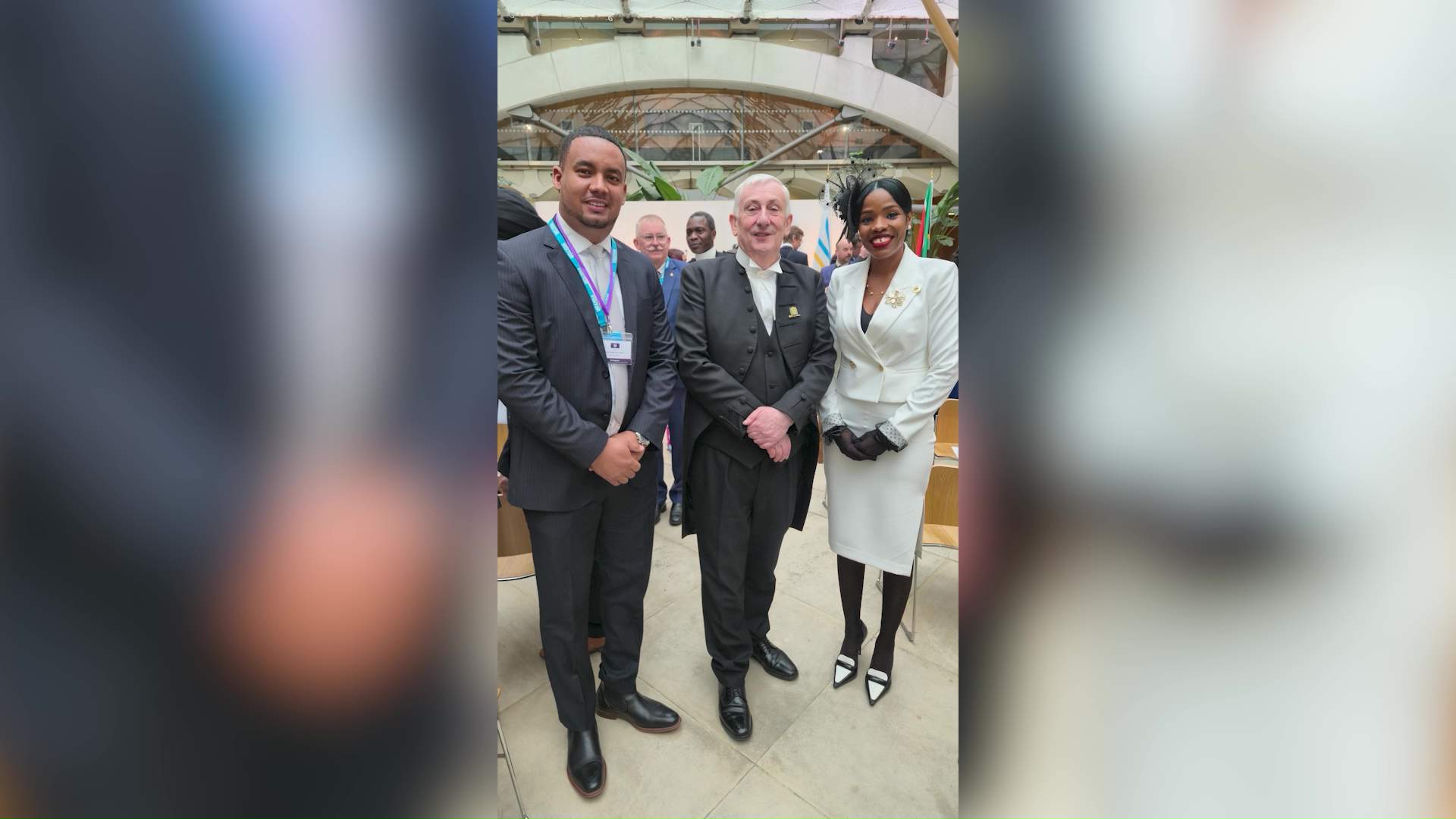
    Following his participation in a high-level Commonwealth Parliamentary Association seminar in the United Kingdom, Deputy Speaker of Belize’s House of Representatives Marconi Leal is spearheading initiatives to modernize the nation’s legislative processes. The international gathering facilitated knowledge exchange among Commonwealth lawmakers on enhancing parliamentary efficiency, transparency, and debate quality.

    Leal identified technological innovation as a central theme from the seminar, particularly the application of artificial intelligence tools in legislative analysis. “Multiple parliaments are employing various technological tools to summarize legislation and identify critical components within bills,” Leal explained. “These technologies enable more effective debate, allow for challenging legislation, and facilitate comparative analysis with laws across the Commonwealth and globally.”

    The Deputy Speaker emphasized his commitment to adapting these international best practices to Belize’s context. He plans to collaborate with Speaker of the House and Clerk Mr. Grant to identify immediate implementation opportunities. “We’ll be discussing quick wins that we can consider for implementation,” Leal stated, indicating that technological solutions would be prioritized to increase the National Assembly’s operational efficiency.

    This development represents Belize’s ongoing efforts to align with international parliamentary standards while addressing local governance challenges through innovative approaches.


  • Ahmadiyya Hosting Fifth Annual Women Business Expo

    Ahmadiyya Hosting Fifth Annual Women Business Expo

    The Ahmadiyya Muslim Jama’at Belize is preparing to launch its fifth annual Women’s Expo this Saturday, March 21st, 2026, in a vibrant celebration aligning with Women’s Month observances. The event will transform the Ahmadiyya Mosque located at 1.5 George Price Highway into a hub of female entrepreneurship and wellness from 10:00 AM to 4:00 PM.

    Event organizer Arrianne Pastor outlined the comprehensive offerings designed to create an empowering experience for attendees. The expo will feature numerous free services including professional nail painting, intricate hair braiding, traditional henna applications, vital health screenings, and therapeutic massage services. A dedicated children’s zone will allow parents to shop and enjoy services while their children are safely supervised.

    The commercial aspect highlights local women entrepreneurs showcasing diverse products ranging from handmade soaps and artisanal purses to clothing collections and culinary offerings. Pastor emphasized the social significance of supporting these vendors, noting that many are single mothers striving to achieve financial stability or new business owners working to establish their market presence.

    This initiative represents the Ahmadiyya community’s ongoing commitment to women’s economic empowerment and community building. By providing both recreational pampering services and commercial opportunities, the event creates a dual platform for relaxation and economic support. Organizers characterize the expo as a much-needed respite for women to reconnect with their identity while supporting fellow entrepreneurs in a welcoming environment.

  • Taipei Strengthens Global Ties at International Cities Forum

    Taipei Strengthens Global Ties at International Cities Forum

    Taipei has positioned itself as an emerging global hub for artificial intelligence and technological innovation through strategic international partnerships announced at the International Cities Forum on March 19, 2026. The event brought together municipal leaders from across the world to discuss AI’s transformative potential in urban management and development.

    Mayor Chiang Wan-an unveiled Taipei’s landmark collaboration with Dresden, Germany’s semiconductor capital, establishing a framework for cooperation in high-tech innovation, smart city governance, talent cultivation, and youth exchange programs. “We’re not just connecting cities; we are connecting ecosystems,” Mayor Chiang declared, emphasizing the comprehensive nature of the partnership that extends across the United States, Europe, and the Americas.

    The forum demonstrated Taipei’s growing prominence in the global technology landscape, highlighted by NVIDIA’s establishment of its first overseas headquarters in the city—a significant endorsement of Taipei’s technological infrastructure and innovation ecosystem. Mayor Chiang characterized this development as “a vote of confidence in Taipei” that transcends mere financial investment.

    Representatives from Belmopan, Belize showcased their digital transformation initiatives, with Mayor Pablo Cawich detailing how technology is revolutionizing municipal services in the Central American capital. Belmopan’s integrated approach includes a fleet management system for operational efficiency, a public-facing Clean City app for waste management transparency, and an upcoming GIS-based task management system incorporating citizen science data collection.

    “These systems help us reduce inefficiencies, improve response times, increase transparency, and strengthen data-driven decision-making,” Mayor Cawich explained, noting how technology supports resilience in a city originally established inland after the devastation of Hurricane Hattie in 1961.

    The International Cities Forum served as a platform for cross-cultural dialogue on urban innovation, with participants from Singapore, Dallas, Los Angeles, and other global cities sharing best practices and establishing collaborative networks for future technological advancement in municipal governance.

  • Abinader inaugurates sports complex and launches Women’s Games 2026

    Abinader inaugurates sports complex and launches Women’s Games 2026

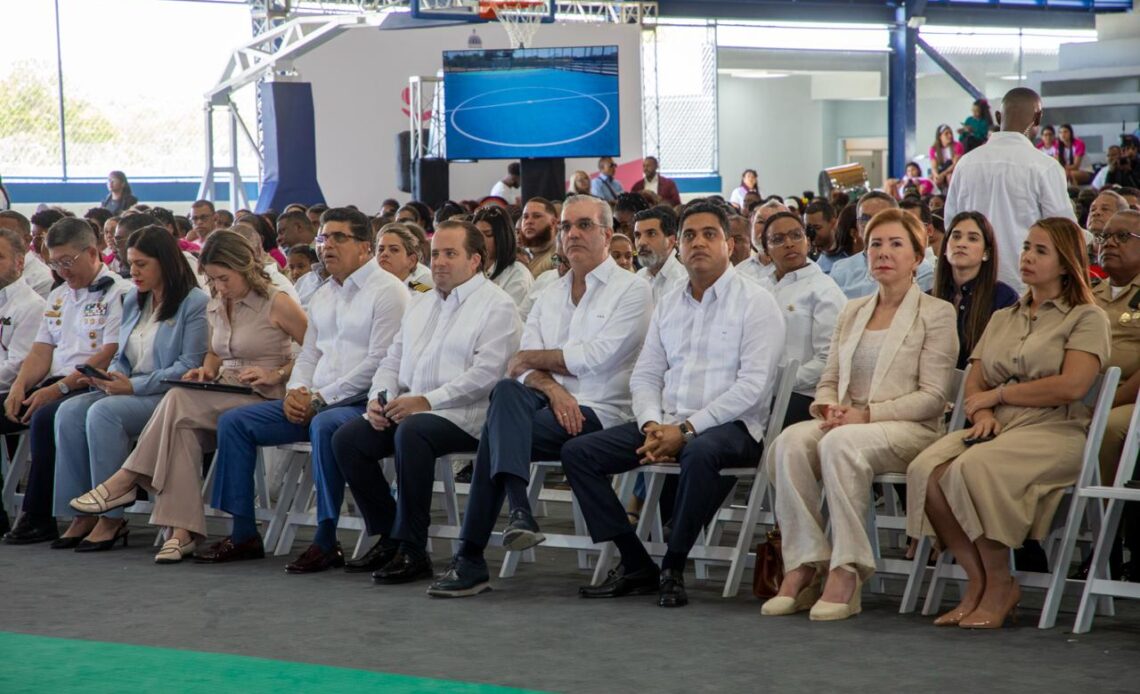
    SANTO DOMINGO – President Luis Abinader has officially opened a state-of-the-art, multi-disciplinary sports complex in Ciudad Juan Bosch, marking a significant infrastructure milestone for the growing community. The inauguration ceremony also served as the launch platform for the revived Women’s Games 2026, an event returning after a ten-year hiatus.

    The expansive facility, representing a government investment exceeding RD$517 million, is engineered to promote athletic inclusion and community development. It features specialized courts for basketball, volleyball, and futsal, a dedicated boxing gym, gymnastics apparatus, a minor league baseball stadium with a seating capacity for more than 1,000 spectators, designated exercise zones, and extensive green areas.

    President Abinader contextualized the project within a broader urban development strategy, noting that the residential population in Ciudad Juan Bosch has tripled from 5,000 families in 2020 to approximately 15,000 today. He emphasized that such infrastructure is pivotal for enhancing the quality of life and providing constructive outlets for the youth.

    The relaunch of the Women’s Games was a central theme, with government officials heralding it as a crucial initiative for gender equality in sports. Minister of Sports Kelvin Cruz announced plans to institutionalize the games as an annual event. Gloria Reyes, Minister of Women’s Affairs, articulated the broader societal impact, stating that sports participation is a proven mechanism for fostering personal well-being, building self-esteem, and preventing violence.

    This year’s games will see participation from approximately 680 athletes competing across various disciplines, with the inclusion of international delegations set to elevate the competitive standard. The organizing committee is chaired by Olympic gold medalist Marileidy Paulino. In a tribute to longstanding social advocacy, the 2026 edition is dedicated to Melba Segura de Grullón in recognition of her profound contributions to national social development.

  • New initiative aims to turn disability rights into livelihoods

    New initiative aims to turn disability rights into livelihoods

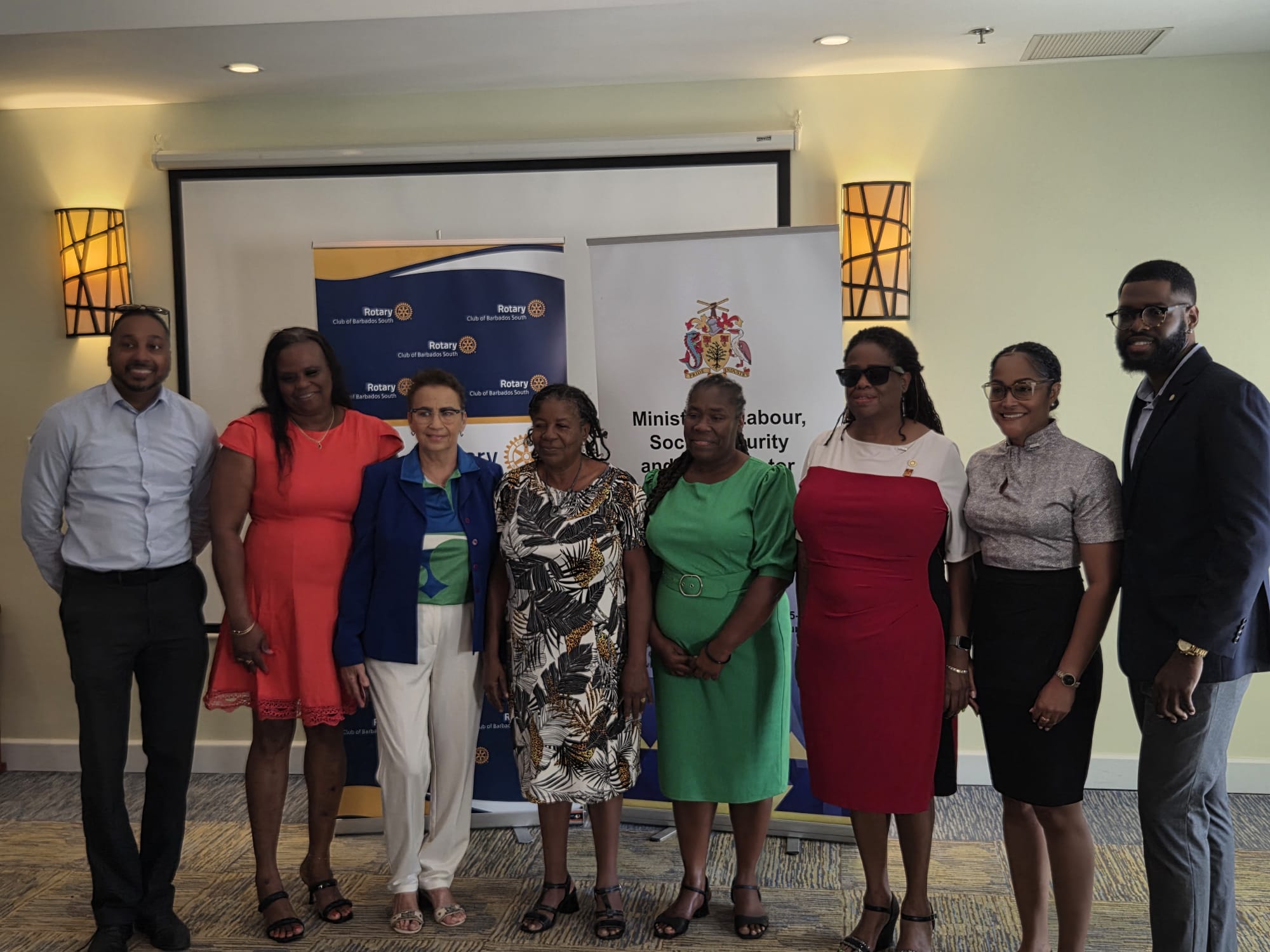
    Barbados has launched a groundbreaking national program designed to convert disability rights legislation into tangible economic opportunities for its citizens with disabilities. The ‘AccessAbility: Pathways to Independence’ initiative, unveiled Thursday at the Marriott hotel in Hastings, represents a powerful collaboration between the Rotary Club of Barbados South, the Barbados Council for the Disabled (BCD), and the Ministry of Labour.

    This comprehensive program marks a significant shift from theoretical policy to practical implementation during the Month of the Disabled. The initiative directly responds to the Rights of Persons with Disabilities Act passed last year and builds upon provisions in the current year’s national budget.

    At its core, the program focuses on equipping participants with immediately applicable income-generating skills across multiple domains. The curriculum encompasses digital literacy, financial management, and innovative approaches to ‘accessible agriculture,’ ensuring diverse pathways to economic participation.

    Shem Scantlebury, Projects Director for BCD, articulated the program’s foundational philosophy: ‘The scale of challenges facing the disabled community requires collective action. While individual efforts have limitations, intentional collaboration unlocks unprecedented potential. This initiative moves beyond symbolism to practical skill development and confidence building.’

    Jacklyn Broomes, President of the Rotary Club of Barbados South, detailed the ‘Breaking Barriers’ themed curriculum, emphasizing its real-world applicability. ‘True progress is measured by lived experience rather than policy alone. We’re constructing a learning environment grounded in practical application that generates both confidence and genuine opportunity,’ Broomes stated. The program includes a ‘train-the-trainer’ component scheduled for Saturday to ensure sustainable knowledge transfer within the community.

    BCD President Patricia Padmore-Blackman praised the partnership for creating ‘bridges rather than just programs,’ noting that sensitivity training for Rotarians would enhance the organization’s service capacity. She invoked Helen Keller’s wisdom: ‘Alone, we can do so little; together, we can do so much.’

    The initiative aligns with the government’s Mission Barbados framework, according to Faye Prescod, Permanent Secretary of the Ministry of Labour, Social Security and the Third Sector. Prescod emphasized that ‘real progress occurs when policy translates into action, and true inclusion requires barrier removal rather than mere opportunity provision.’

    The program’s launch coincides with government funding for a new Third Sector Commission in the upcoming fiscal year, designed to further support NGOs and civil society organizations. The AccessAbility program will deploy over the coming weeks utilizing subject-matter experts and Rotarian mentors to create measurable outcomes for participants.

  • McIntyre, Simmons set track ablaze at BSSAC

    McIntyre, Simmons set track ablaze at BSSAC

    The opening day of the Frank Blackman and Sada Williams Zone at the Barbados Secondary Schools Athletic Championships (BSSAC) was electrified by historic performances from two CARIFTA Games-bound athletes. Laila McIntyre and Ashlyn Simmons each shattered long-standing records in their respective middle-distance events, signaling their formidable form ahead of regional competition.

    In the Under-17 girls’ 1500m, first-year competitor Laila McIntyre executed a dominant race strategy, establishing an early lead with a pace that proved insurmountable for her rivals. She surged across the finish line to clock an unprecedented 4:45.15, eclipsing the previous BSSAC record of 4:45.68 set by Janelle Inniss back in 1994—a mark that had stood unchallenged for 32 years. Inniss, a Parkinson Memorial alumna, had capitalized on her 1994 victory to claim CARIFTA gold in both the 800m and 1500m events that same year.

    Following her record-shattering run, an elated McIntyre shared her exhilaration with media, noting her personal best had been approximately 15 seconds slower entering the competition. The multi-talented athlete, who has also medaled in CARIFTA triathlon and swimming, expressed particular pride in achieving this goal a year ahead of schedule. This triumph serves as a significant confidence booster as she prepares for her specialty event, the 3000m. McIntyre is poised to make her CARIFTA Games debut this year, representing Barbados alongside her brother, Luke McIntyre, in both the 1500m and 3000m distances.

    Not to be outdone, Ashlyn Simmons delivered a spectacular performance in the Under-20 girls’ 1500m. The experienced competitor demolished the previous record of 4:46.73, established by Sonia Gaskin in 2012, by posting an extraordinary time of 4:40.66. Simmons, who is concluding her final year in the division, revealed her determined mindset going into the race: to run each lap aggressively, accelerate on the final circuit, and finish with maximum power.

    The accomplished athlete described the satisfaction of leaving her mark on BSSAC history during her final appearance. As a three-time CARIFTA medalist—including gold in the Under-17 1500m and silver in the 800m in 2023, plus bronze in the Under-20 4x400m relay last year—Simmons now sets her sights on achieving new personal bests and adding to her medal collection in the upcoming regional games.

  • Exclusive: Two Mile Hill fire survivor recalls bravery, loss

    Exclusive: Two Mile Hill fire survivor recalls bravery, loss

    In the aftermath of a devastating house fire that occurred on Wednesday, March 4, Anderson Browne embodies the complex intersection of human courage and profound grief. The Two Mile Hill incident, which unfolded around midday, permanently altered Browne’s life while claiming that of 98-year-old Noel Marshall, his childhood friend and community pillar.

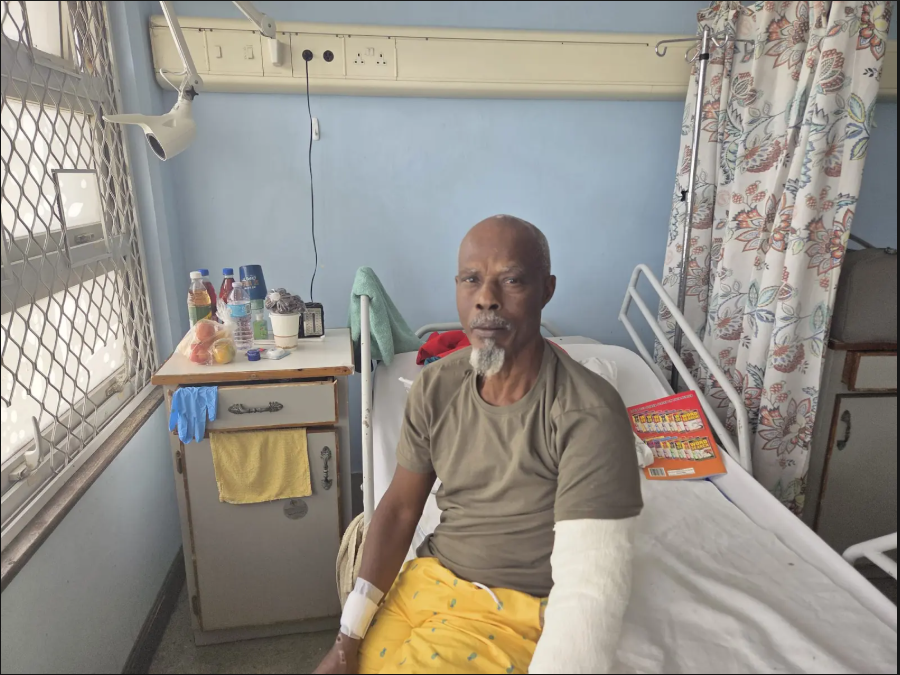
    During an exclusive interview with Barbados TODAY, Browne—accompanied by his supportive wife Julia—displayed both the physical scars from his rescue attempt and the emotional turmoil of his experience. His testimony oscillated between gratitude for survival and anguish over loss. ‘Right now, from my heart, I feel good and bad,’ Browne reflected, his eyes revealing recent trauma. ‘Good in a way to see how the Lord still brought me through alive, and bad because the gentleman didn’t make it.’

    The catastrophe began during a routine afternoon while Browne watched T20 World Cup cricket and prepared a meal for his elderly neighbor using a microwave. The tranquility shattered when Julia’s screams alerted him to the fully engulfed residence next door. Disregarding his own chronic hip condition, Browne rushed barefoot toward the inferno without even grabbing his keys.

    Demonstrating extraordinary strength, he tore the entire front door from its hinges and plunged into the smoke-filled structure, calling desperately for his friend. Through oppressive heat and blinding smoke, Browne located Marshall trapped within the interior. In an act of selfless protection, he used his own body as a shield against falling embers and intense heat to reach the nonagenarian.

    Despite successfully extracting Marshall through the back door and a fence to safety, the elderly man sustained burns covering 50% of his body and succumbed to his injuries days later in hospital. When questioned about his motivation for risking his life, Browne offered a simple explanation rooted in four decades of friendship: ‘I must get this gentleman out of here… even if it caused me to be in danger.’

    Beyond his heroic actions, Browne is an accomplished artist who earned gold and silver medals in NIFCA competitions during the 1980s as a sculptor and painter. Yet he values his community’s recognition above any formal accolades. While nationally hailed as a hero, Browne carries lingering regret, hoping his experience will prompt improved care for Barbados’ elderly population.

    ‘Anytime you got a person like Mr. Marshall, you should always stick close to them and don’t ever leave them out,’ Browne urged, emphasizing the importance of supporting senior citizens. As he continues recovering from his burns, Browne’s spirit remains fortified by faith and marital support—a testament that while fire can destroy homes, it cannot obliterate four decades of friendship.

  • ‘Expose students to creative industry career choices’ – teacher

    ‘Expose students to creative industry career choices’ – teacher

    A pressing call for enhanced educational focus on creative career pathways has emerged in Barbados as secondary schools confront dwindling enrollment in arts programs. The urgency was highlighted during a groundbreaking student-organized art exhibition at Springer Memorial School, serving as both a public showcase and a formal academic assessment.

    Renee Taylor, a graduate teacher at the institution, articulated the crisis while observing her sixth-form students’ innovative response to the challenge. Their project, mandated by the Caribbean Advanced Proficiency Examination (CAPE) curriculum, required conceptualizing and implementing a practical, income-generating initiative within the performing arts discipline.

    “This exhibition represents the culmination of their Unit One SBA requirements,” Taylor explained. “These students identified a pressing issue within creative education, developed an event-based solution, and implemented it with professional standards, including revenue generation components as specified in the syllabus.”

    The student team selected a particularly relevant challenge: reversing the post-pandemic decline in creative arts enrollment. Their research revealed concerning trends across visual arts, music, fashion, and culinary programs. Through peer surveys, they uncovered pervasive misconceptions about creative careers, including perceptions of financial instability, lack of prestige, and limited professional viability.

    Taylor noted additional systemic barriers: “Limited exposure to arts programming at earlier educational levels created a foundational gap. Many students had minimal experience with drama or dance programs, which affected their perception of local career opportunities.”

    The exposition strategically countered these perceptions by assembling accomplished creative professionals and institutional representatives. Notable participants included acclaimed artist and alumna Sheena Rose, whose career demonstrates local artistic viability. The event also featured delegates from the National Cultural Foundation and the Barbados Museum, providing students with both academic and professional pathway guidance.

    “We brought practitioners and alumni who actually sustain careers in the arts,” Taylor emphasized. “They provided firsthand accounts of navigating the creative economy successfully within Barbados.”

    The educator stressed that while school programs introduce artistic fundamentals, students require more robust transition support toward sustainable careers. “The critical question becomes: after beginning studies in school, what options exist for advanced education and professional development?”

    Taylor concluded that strategic awareness-building and engagement initiatives could fundamentally reshape perceptions of creative fields, potentially unlocking significant economic potential within Barbados’ orange economy sector.

  • Suriname en Indonesië willen samenwerking landbouw en visserij verder versterken

    Suriname en Indonesië willen samenwerking landbouw en visserij verder versterken

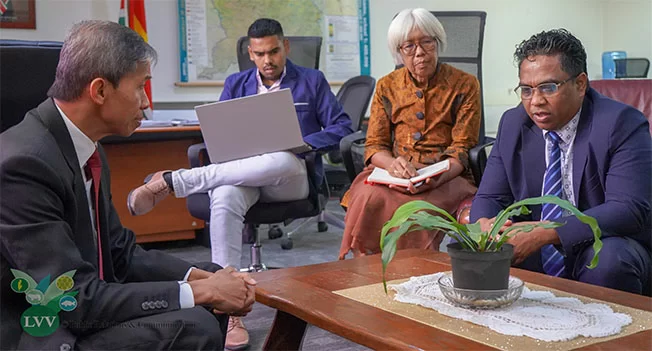
    In a significant diplomatic development, Indonesian Ambassador to Suriname Agus Priono and Suriname’s Minister of Agriculture, Animal Husbandry, and Fisheries Mike Noersalim have committed to expanding bilateral cooperation in agricultural sectors. The agreement emerged during a courtesy visit where both officials explored new opportunities across agriculture, livestock, and fisheries.

    Ambassador Priono emphasized the historical ties between the nations, expressing Indonesia’s commitment to deepening relations through knowledge transfer and technical support. He highlighted Indonesia’s extensive experience in fisheries—a sector employing substantial portions of the population—and referenced previous collaborative initiatives in technical assistance, livestock development, and aquaculture involving shrimp and tilapia farming. These projects faced delays due to COVID-19 pandemic restrictions and financial constraints.

    Looking forward, Indonesia identified multiple growth areas including capacity building, post-harvest processing, and blue economy initiatives focused on sustainable marine resource utilization. Suriname received an official invitation to participate in Indonesia’s Ocean Impact Summit on June 9th.

    Minister Noersalim acknowledged how Indonesian ancestors contributed to building Suriname’s agricultural foundation and expressed appreciation for past training programs provided by Indonesia. However, he noted current challenges including workforce shortages and technical staff deficits exacerbated by brain drain. The Surinamese government is consequently exploring simplified procedures for attracting foreign labor.

    Both parties emphasized aquaculture’s critical role in ensuring future fish supplies and potential collaboration in rice research—a sector where Indonesia possesses extensive expertise. Ambassador Priono confirmed that a Memorandum of Understanding (MoU) is currently under review in Jakarta with efforts underway to accelerate its processing, alongside available scholarships and training programs from Indonesia.

    The meeting concluded with mutual commitment to intensifying cooperation for sustainable development of Suriname’s agricultural sector.

  • Government reviews Meta RD 2036 progress at Council of Ministers

    Government reviews Meta RD 2036 progress at Council of Ministers

    Santo Domingo – The Dominican government has reinforced its commitment to national economic development through the 56th Council of Ministers meeting, presided over by President Luis Abinader and Vice President Raquel Peña. The high-level gathering served as a strategic platform for evaluating the implementation progress of Meta RD 2036, the nation’s comprehensive roadmap for economic modernization.

    The session produced a detailed sector-by-sector assessment of the initiative’s advancements. Educational reforms have prioritized technical training and STEM scholarship programs to better align workforce capabilities with industrial requirements. The tourism sector has initiated measures to address sargassum management challenges while enhancing vocational preparation programs. Construction and infrastructure development have accelerated through permit streamlining processes and increased investment allocations.

    Free trade zones have intensified international promotion campaigns and developed specialized financial instruments to attract foreign investment. Concurrently, logistics infrastructure projects are advancing strategically to establish the Dominican Republic as a regional distribution center. Agricultural modernization efforts include productivity enhancement programs, avocado export support mechanisms, fortified food safety protocols, and dedicated investment funds for coffee and cocoa production.

    Minister of the Presidency José Ignacio Paliza characterized Meta RD 2036 as a foundational framework for public-private collaboration toward structural economic transformation. Private sector representatives endorsed the strategy as an effective partnership model delivering tangible results.

    In separate deliberations, the Council examined potential economic ramifications from Middle Eastern conflicts, particularly regarding global energy market instability. Officials confirmed the national budget incorporates RD$12 billion allocated for fuel subsidies, with supplementary funding available if required. Finance Minister Magín Díaz emphasized the nation’s robust macroeconomic position, citing nearly US$16 billion in international reserves, strong liquidity metrics, and flexible financing access as protective buffers against external economic shocks.

    The administration reaffirmed its dedication to safeguarding vulnerable populations through social assistance programs while continuously monitoring global food and agricultural input prices. These protective measures, integrated with ongoing economic strategies, are designed to maintain stability and sustain growth momentum amid international uncertainties.