As Dominica prepares to mark its annual national independence celebrations, a key cultural event is set to shine a spotlight on the island’s centuries-old handcraft heritage. The 13th Annual E.O. LeBlanc Memorial Lecture, co-hosted by the University of the West Indies (UWI) Global Campus Dominica and the Dominica Division of Culture, will open its doors to the public on the evening of October 8, 2025, at the Alwin Bully Auditorium on the UWI campus.
This year’s gathering adopts the theme “Traditional Crafts: Traces of Our Terrain,” a deliberate alignment with the official theme for Dominica’s History Week, which forms a core part of the country’s annual independence programming. Unlike typical academic lectures, the event will bring together four seasoned speakers and practitioners to unpack interconnected dimensions of Dominican craft, exploring how the island’s unique natural landscape and multicultural heritage have shaped handmade artistry across generations.
Each panellist will dive into a distinct niche of traditional craft. Hon. Cozier Frederick, Dominica’s Minister for the Environment and Kalinago Upliftment, will deliver a talk titled “Raw Power: Nature and Indigenous Art,” centering the foundational influence of Kalinago indigenous knowledge and the island’s natural resources on craft development. Cultural practitioner Carol Sorhaindo will follow with a deep dive into “Foraged & Found: the art of natural pigments & materials,” examining how Dominican artisans have long used sustainably harvested local materials to create color and texture for their work.
Aisha Cruickshank will turn focus to wearable craft in her presentation “Adorned by the Earth: The Art of natural jewellery making,” exploring the tradition of handcrafting accessories from foraged natural materials. Completing the lineup, Reyer Raymond will share insights in “Naturally Abled: Crafting art beyond limits,” highlighting the contributions of disabled artisans to Dominica’s craft ecosystem. The full cross-disciplinary discussion will be moderated by Jodie Dublin-Dangleben, a practicing civil and environmental engineer and local entrepreneur.
Dr. Kimone Joseph, head of UWI Global Campus Dominica, explained the intentional connection between this year’s lecture theme and the island’s broader independence celebrations. “This year, we will explore how generations of Dominican artisans, influenced by Kalinago, African and European heritage, have converted locally available materials such as wood, beads, seeds, shells, calabash, coconut, bamboo, straw, reeds, clay and natural fibers into practical, decorative and ceremonial pieces,” she noted.
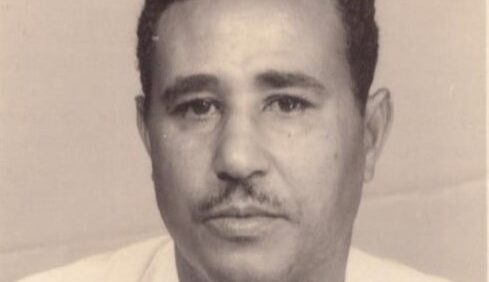
The annual lecture series was launched to honor Edward Oliver LeBlanc, Dominica’s first Premier, who played a foundational role in the island’s path to self-governance. Beyond his political legacy, LeBlanc was a lifelong culture enthusiast, an avid reader, and published poet. Each year, the event organizers select a cultural theme that reflects LeBlanc’s interests, to celebrate his life, public service, and enduring contribution to Dominican national identity. For 2025, the event offers attendees a rare opportunity to explore the intersections of nature, multicultural heritage, and intergenerational craft knowledge that define Dominican artistry.