
The Foreign Exchange Commission of Suriname has raised alarms over a significant surge in foreign currency outflows through local foundations, prompting stricter regulatory measures. Chairman Arun Sankatsing revealed that tens of millions in foreign currency are being transferred abroad without proper accountability. In response, the Commission has intensified its scrutiny of fund origins, aligning with the 1947 Foreign Exchange Regulation and international anti-money laundering (AML) and counter-terrorism financing (CFT) standards. The Commission emphasized that foundations must comply with these regulations and provide transparent documentation of their financial sources. Sankatsing clarified that these enhanced controls are not new but a reinforcement of existing laws and international obligations. However, notaries representing these foundations have expressed concerns, citing delays in transaction processing and increased administrative burdens due to the stringent verification requirements. The Commission maintains that these measures are essential to safeguard Suriname’s financial integrity and comply with AML/CFT laws. The surge in foreign currency outflows, particularly through foundations, has been labeled a high-risk category under international standards, necessitating additional documentation to mitigate risks and protect monetary stability. The Commission’s actions come ahead of Suriname’s evaluation at the upcoming CFATF meeting in Barbados, where compliance with AML/CFT regulations will be assessed. Sankatsing stressed that cooperation from all stakeholders is crucial to address these challenges effectively.
作者: admin
-
Cave Hill folk appeal to authorities after shooting
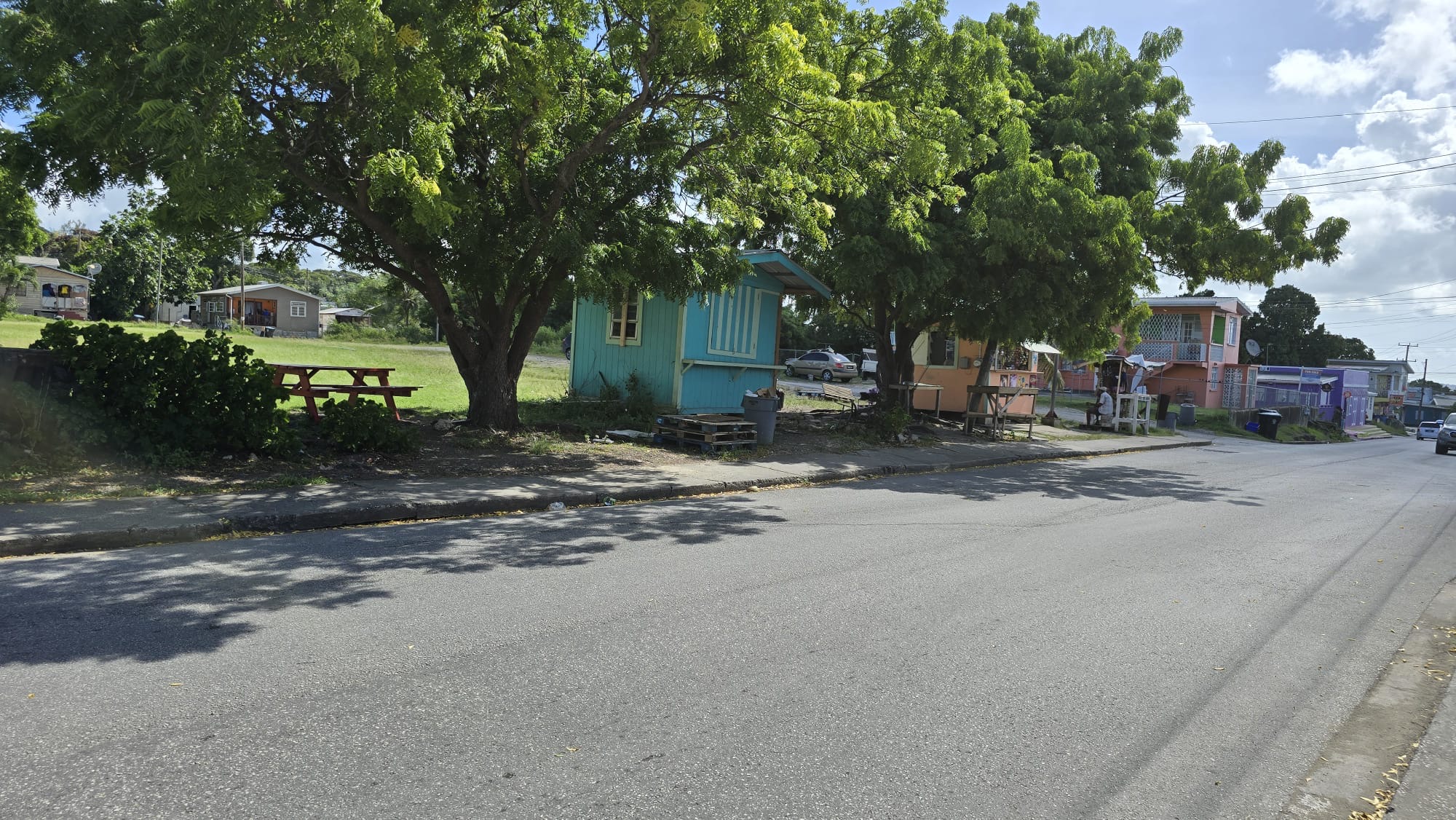
Residents of Cave Hill, Barbados, are voicing their frustration and fear following a recent spate of gun violence that has left one man severely injured. The latest incident occurred on Tuesday afternoon when a man was shot on Montgomery Pasture, marking the third shooting in the area this year. Just over an hour later, another shooting took place in Cane Vale, Christ Church, further escalating tensions. Both victims were rushed to the hospital by private vehicles. This surge in violence has left the community on edge, with many expressing anger over what they perceive as inaction from authorities.
-
Public Health launches national rabies vaccination campaign for pets
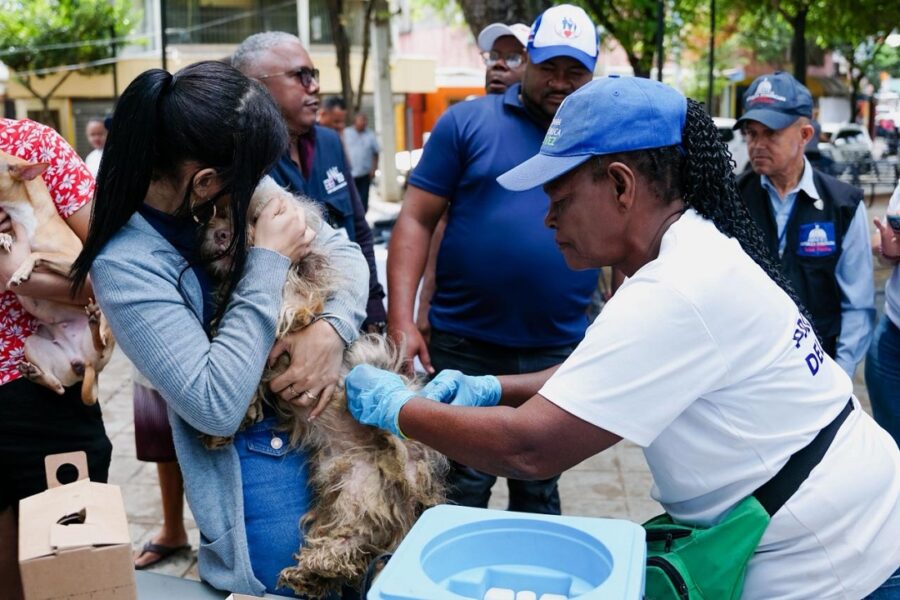
The Dominican Republic’s Ministry of Public Health (MSP) has unveiled an ambitious nationwide rabies vaccination campaign targeting dogs and cats. Scheduled to run from Friday, November 7, to Sunday, November 9, the initiative is a critical step toward the country’s goal of eradicating dog-transmitted rabies by 2030. Rabies, a fatal viral disease affecting both animals and humans, is preventable through vaccination, and the MSP is offering free, safe vaccines across all provinces. Teams will visit neighborhoods, and fixed vaccination posts will operate daily from 8:00 a.m. to 4:00 p.m. The campaign’s official launch will occur at Plaza de la Cultura on Friday at 9:00 a.m., with vaccinations available until 2:30 p.m. Coordinated by the Center for Prevention and Control of Vector-Borne and Zoonotic Diseases (Cecovez), the effort will distribute over one million vaccine doses nationwide. The MSP has urged citizens to participate, emphasizing that vaccinating pets is an act of love, responsibility, and family protection. Detailed vaccination site information is available on the Ministry’s official social media channels.
-
Bedrijven zetten stap naar datagedreven toekomst
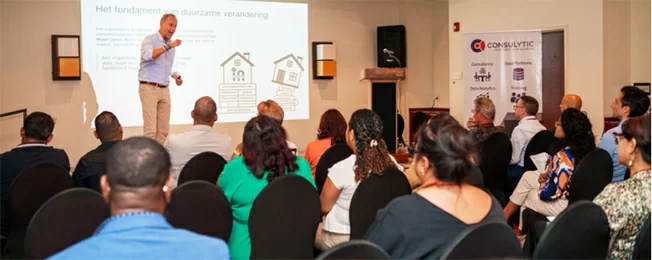
Suriname is positioning itself at the forefront of a data-driven future, as highlighted during the leadership seminar ‘Data as a Compass,’ organized by Consulytic. The event brought together executives, policymakers, and entrepreneurs to explore how data can serve as a guiding force for economic growth and decision-making. The seminar was inspired by the book ‘Data as a Compass’ by Dutch data strategist Rob van den Wijngaard, who was specially invited to Suriname for the occasion. Minister Andrew Basaron of Economic Affairs, Entrepreneurship, and Technological Innovation (EZOTI) opened the event, emphasizing that Suriname stands at a critical economic juncture. He stressed that with anticipated developments in the oil and gas sector, businesses must prepare for scaling, international competition, and more efficient decision-making. ‘Data-driven operations are no longer optional but a necessity,’ he stated. Van den Wijngaard, in his presentation, argued that the shift to data-driven practices begins not with technology but with people. ‘The success of data-driven organizations is not determined by the volume of data or the quality of software,’ he said. ‘It starts with leaders who demonstrate vision and guide their teams on a journey of learning and improvement.’ He expressed optimism about Suriname’s potential, citing motivation, curiosity, and a willingness to build a strong, future-oriented economy. The seminar also included masterclasses for EZOTI ministry officials and executives from leading companies, focusing on data-driven leadership, collaboration, and the role of data in modern business operations. Bibi Mustapha, Operations Manager at Consulytic, noted that the event marks the beginning of a broader movement. ‘The world is changing rapidly. Surinamese organizations have the opportunity not just to catch up but to lead. We are guiding businesses and government institutions through this transition—not just with technology but with knowledge, leadership, and sustainable collaboration,’ she said. Van den Wijngaard concluded with optimism, stating, ‘Something beautiful is coming to Suriname. The energy is palpable. This is a country ready to grow.’
-
Brazilian illegal gold miners at Iwokrama entered Guyana as tourists
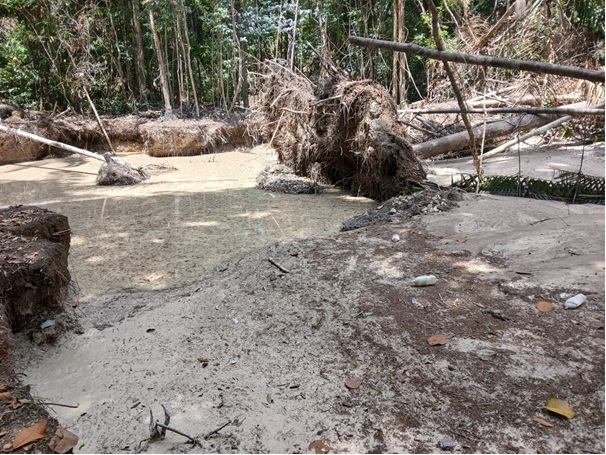
In a startling revelation, the Iwokrama International Centre disclosed that several Brazilian nationals entered Guyana under the guise of tourists to engage in illegal gold mining within the Iwokrama Rainforest, a protected area. The Centre, established by the Guyana government and the Commonwealth, reported that these individuals fled their operations, leaving behind passports that confirmed their involvement in illicit activities. Two of the miners, Jailson Ferreira Lima and Iago Silva Alves, were apprehended, while others, including Jose Antonio Rodrigues Dos Santos and Jose Dos Santos Silvino, managed to escape. Silvino was later arrested on October 8, along with Flaviano Teixiera-Costa, during a joint operation by the Guyana Geology and Mines Commission, the Guyana Police Force, and Iwokrama Rangers. The Centre emphasized that gold mining is strictly prohibited in the Iwokrama Forest, as outlined in the Iwokrama Act of 1996, and warned that such activities threaten ecological integrity, disrupt local livelihoods, and undermine protected area management systems. The Centre also released images of the environmental damage caused by the illegal mining, including piles of solid waste and cleared forest areas. Collaboration with various governmental agencies has been crucial in addressing these violations, and the Centre remains committed to combating such illegal activities.
-
News : Zapping…
In a significant development, Guatemala has announced its commitment to deploy 300 police and military personnel to Haiti as part of the Gang Suppression Force (GSF), starting in April 2026. This decision was revealed during the Organization of American States (OAS) session, where Secretary General Albert Ramdin called for accelerated contributions from member states to combat gang violence in Haiti. Meanwhile, Atlantic Global Logistics (AGL) has expressed frustration over a five-year delay in receiving authorization from the Haitian government to commence operations at its $60 million container terminal. Despite being fully equipped and built to international standards, AGL continues to repay loans without generating revenue, highlighting bureaucratic inefficiencies. On the humanitarian front, the Economic and Social Assistance Fund (FAES), with support from Colombia, distributed hygiene and sanitation kits to displaced families in Kenskoff, improving living conditions and disease prevention. In sports, the Haitian junior judo team achieved remarkable success, securing 7 medals, including 3 gold, at the Pan American and Caribbean Cup. Additionally, FAES distributed 27,000 hot meals to displaced families in Port-au-Prince and Pétion-Ville, underscoring ongoing efforts to address food insecurity. Lastly, Presidential Transitional Advisor Smith Augustin embarked on an international tour, attending key conferences in Brazil and the CELAC-EU Summit, signaling Haiti’s active participation in global dialogues.
-
Emergency chief tells public take charge of disaster preparation
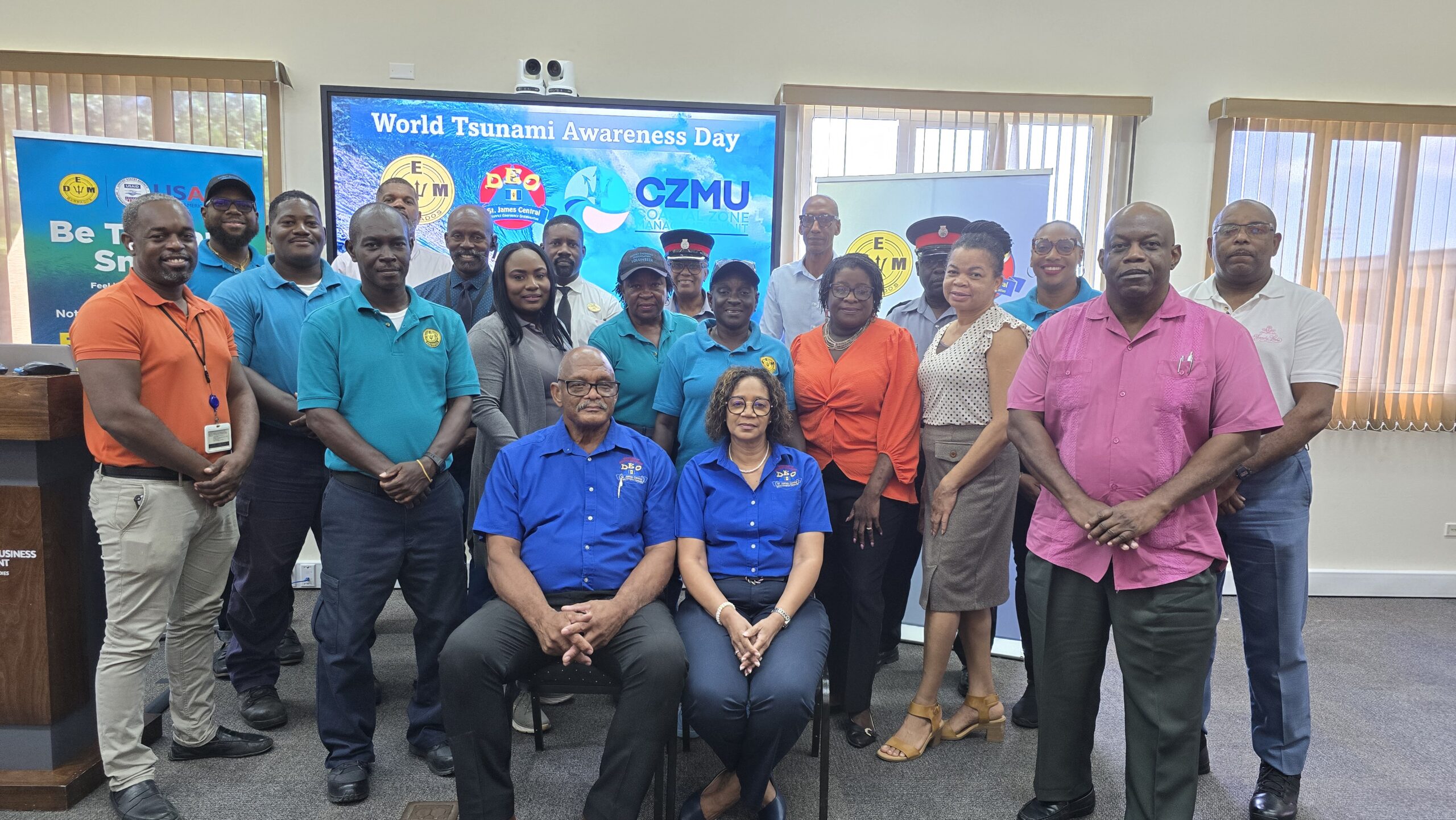
The head of a District Emergency Organisation in Barbados has issued a stark warning about the nation’s lack of readiness for disasters, particularly tsunamis, despite ongoing drills and awareness initiatives. Selwyn Brooks, Chair of the St James DEO, highlighted widespread complacency among Barbadians during a recent tabletop exercise on tsunami preparedness. ‘Every year, we conduct drills and simulations, but the level of resilience needed for a tsunami remains inadequate,’ Brooks stated. He attributed this gap to a lack of firsthand experience with such disasters, noting that most residents have never encountered a tsunami unless they’ve traveled abroad. Brooks drew parallels to the COVID-19 pandemic, which underscored the importance of emergency preparedness. ‘People will die depending on the intensity of the disaster, but preparation can minimize the impact,’ he emphasized. He called for personal responsibility, urging citizens to safeguard themselves, their families, and their communities. Brooks also cautioned against constructing buildings in high-risk areas, acknowledging the challenges posed by Barbados’ limited landmass. ‘Resilience starts with the individual. Multiply that across the population, and the whole country becomes stronger,’ he said. The event, held on World Tsunami Awareness Day, brought together hoteliers, estate agents, police, and residents to assess preparedness and identify gaps, particularly for vulnerable groups like people with disabilities and small hospitality operators. Brooks expressed satisfaction with the turnout and interactions but stressed the need for broader participation. He emphasized that disaster preparedness is an ongoing process, requiring continuous education and engagement. ‘This is not a one-off. Everyone has a role to play,’ he concluded.
-
Carolina Mejía and Jorge Macri sign cooperation agreement between Santo Domingo and Buenos Aires
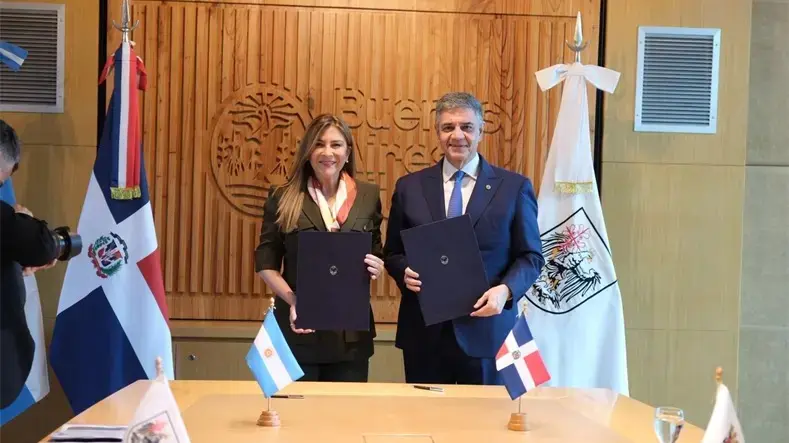
In a significant move to bolster institutional collaboration and sustainable urban growth, the mayor of the National District, Carolina Mejía, and the head of government of Buenos Aires, Jorge Macri, inked a comprehensive cooperation agreement. The signing ceremony, held at the Government House in Buenos Aires, marked a renewed commitment to fostering friendship and shared progress between the two capitals, a relationship that dates back to their initial twinning agreement in 1991.
Mayor Mejía highlighted the transformative potential of this four-year pact, which aims to enhance urban safety, drive technological innovation, stimulate local economies, promote tourism, ensure environmental sustainability, and implement inclusive social policies. The agreement outlines a series of initiatives, including technical exchanges, training programs, workshops, and joint projects, alongside coordinated participation in international city forums.
The signing coincided with Mejía’s visit to Buenos Aires for the 21st General Assembly of the Union of Ibero-American Capital Cities (UCCI) and the 56th Executive Committee meeting. This collaboration underscores the importance of cross-border partnerships in addressing contemporary urban challenges and fostering mutual growth.
-
Indocafe launches first national sustainable coffee certification
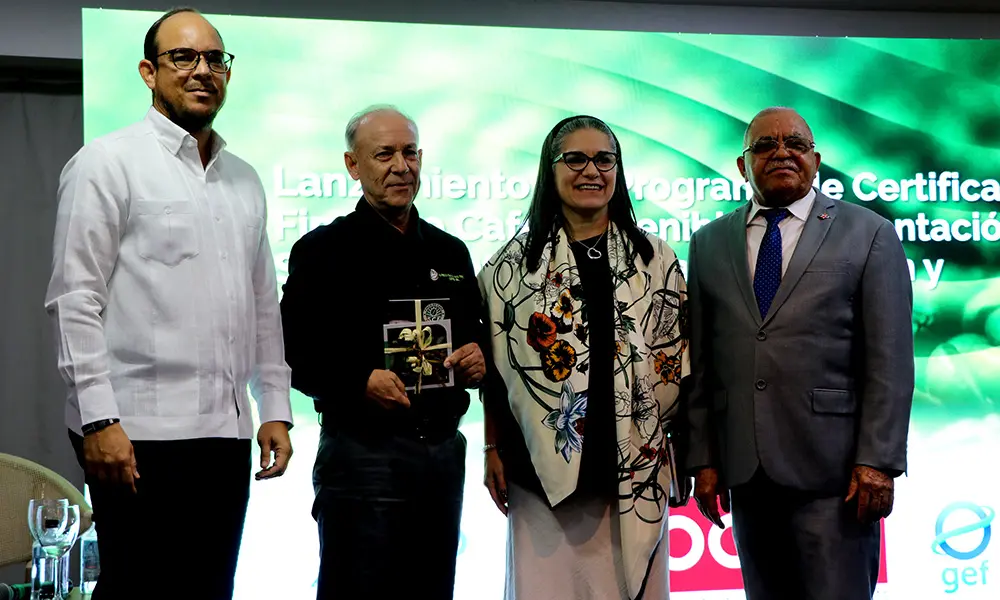
Santo Domingo – In a significant move to enhance the competitiveness and sustainability of its coffee sector, the Dominican Coffee Institute (Indocafe) has unveiled two groundbreaking initiatives: the Sustainable Coffee Farm Certification Program (SCF) and the Integrated Coffee Information and Services System (Siisec). These programs aim to position the Dominican Republic as a leader in sustainable coffee production while addressing global market demands. The SCF, developed under the Biodiversity in Productive Landscapes Project (BPP), marks a historic achievement as the first national certification for sustainable coffee farms in the Dominican Republic and the broader Caribbean region. This certification underscores the potential to harmonize agricultural productivity with biodiversity conservation and sustainable economic development. Meanwhile, Siisec is designed to improve traceability and quality assurance, particularly for exports to the European Union. During the launch event, the National Office of Industrial Property (ONAPI) officially awarded Indocafe the ‘Sustainable Coffee Farm’ accreditation mark, and the United Nations Development Programme (UNDP) presented the first promotional kit to producer Alfredo Díaz. Indocafe’s Executive Director, Leónidas Batista Díaz, highlighted the transformative impact of these initiatives, emphasizing their role in fostering a more resilient and globally competitive coffee industry.
-
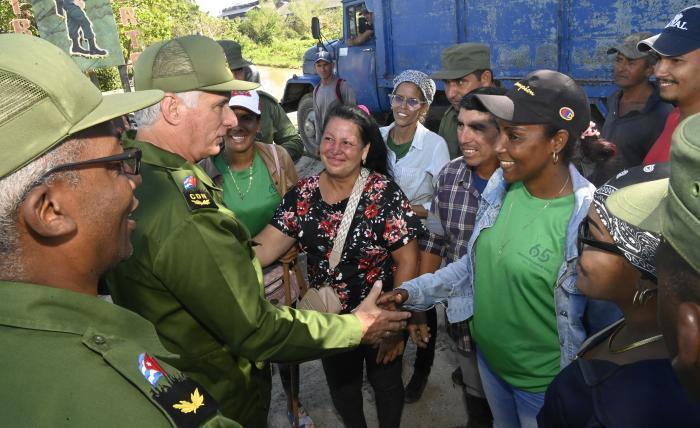
Good work has been done, but now comes the most complex stage: recovery
Miguel Díaz-Canel Bermúdez, President of Cuba’s National Defense Council, recently concluded a comprehensive tour of the Holguín municipalities most devastated by Hurricane Melissa. The storm, which struck as a Category 3 hurricane on October 29, left significant destruction in its wake, particularly in Urbano Noris and Cacocum. During his visit, Díaz-Canel emphasized the importance of transparency and solidarity in the recovery process, acknowledging that while immediate solutions are not feasible, sustained efforts are underway to restore normalcy. Key priorities include sanitation, agricultural revitalization, and the restoration of essential services such as electricity, water, and telecommunications. The President also stressed the need for equitable distribution of aid and expedited construction of temporary housing. In addition to meeting with local authorities, Díaz-Canel visited affected communities, including the Guillermón Moncada Polytechnic and the Estrada neighborhood, where he assured residents of ongoing support. The hurricane caused extensive damage, with over 10,000 homes affected, 546 completely destroyed, and significant losses in agriculture and infrastructure. Despite these challenges, recovery efforts are progressing, with 60% of communication services restored and 56.95% of electricity customers back online. The President reiterated the government’s commitment to ensuring no one is left helpless during this critical phase.