作者: admin

  • Dominica plays a pivotal role in scientific study documenting rare sperm whale birth

    Dominica plays a pivotal role in scientific study documenting rare sperm whale birth

    In a landmark achievement for marine biology, researchers from the Dominica and New York-based Cetacean Translation Initiative (Project CETI) have published the most comprehensive scientific record of a sperm whale birth ever documented. The historic event, captured in the waters off Dominica in July 2023, represents one of the few documented cetacean births among the world’s 93 known species.

    The two groundbreaking studies center on a well-studied family unit where researchers witnessed the birth of a calf to a whale identified as ‘Rounder,’ who was accompanied by both her mother and daughter—marking three generations of females participating in the event. The research team utilized aerial drones, underwater hydrophones, shipboard photography, and behavioral observations to create an unprecedented moment-by-moment account of the birth process.

    Eleven sperm whales—ten adult females and one sub-adult male—demonstrated remarkable coordination by working collectively to lift and stabilize the newborn during its critical first hours. This cooperative behavior, rarely observed in marine mammals, highlights the essential nature of collective care for species that give birth in deep water environments.

    The audio recordings revealed significant shifts in vocal patterns during key moments of the birth, including the emergence of vowel-like features in their coda communications. These findings contribute substantially to Project CETI’s broader mission of deciphering sperm whale communication structures.

    Evolutionary analysis within the study suggests that such cooperative behaviors may date back more than 36 million years, predating the common ancestor of toothed and baleen whales. This discovery underscores the deep evolutionary roots of cooperation in marine mammals.

    Dominican officials highlighted the global significance of the discovery, with Chief Fisheries Officer Wynnona Joseph noting that it ‘reflects both the global significance of our marine environment and our national commitment to protecting it.’ Project CETI Fisheries Liaison Zethra Baron, a co-author of the study, emphasized how the research ‘strengthens Dominica’s commitment to ocean conservation and sustainable livelihoods.’

    The documentation represents a major milestone in understanding whale behavior, communication, and social structures while positioning Dominica as a critical hub for advancing global marine science.


  • Soca Monarch’s revival finds favour with young artists

    Soca Monarch’s revival finds favour with young artists

    Barbados has enthusiastically welcomed the government-sanctioned return of the Soca Monarch competition to the official Crop Over festival calendar, ending its multi-year hiatus since the 2019 championship won by artist Mikey. The cultural revival initiative, confirmed by Senator Shane Archer, Minister in the Office of the Prime Minister for Youth and Culture, has generated substantial public acclaim across social media platforms and cultural circles.

    The announcement has sparked vibrant discourse about the competition’s potential to reshape Barbados’ entertainment landscape. Cultural commentators and performers alike emphasize the platform’s critical role in fostering emerging talent while enhancing the festival’s economic and artistic vitality. Multiple stakeholders have expressed particular optimism about increased opportunities for youth engagement and professional development within the music industry.

    Reon Harris, a vocal advocate for artistic inclusivity, stressed the necessity of structural evolution within the competition framework: ‘With the Monarch’s return, I hope we see greater inclusivity for younger artists ensuring equitable performance opportunities and career advancement pathways.’ This sentiment was echoed by Taahir Bulbulia, who described the reinstatement as a ‘substantial step forward’ for cultural preservation while advocating for lyrical content that promotes social positivity and upliftment.

    Industry veteran Akhnaten Burrowes expressed profound satisfaction with the decision, noting the competition’s historical significance in artist development and cultural representation: ‘These platforms are invaluable for showcasing dedication and artistic excellence. Their absence created a noticeable void in our cultural ecosystem.’ Meanwhile, former entertainment reporter Leigh-Ann Worrell highlighted the competition’s role in democratizing artistic exposure beyond commercial airplay dependencies, though she cautioned about ensuring adequate financial support systems for performers’ production requirements including stagecraft and costuming.

    The collective response indicates strong consensus regarding the competition’s potential to stimulate cultural entrepreneurship while reinforcing Barbados’ position as a hub for Caribbean musical innovation. The revived Soca Monarch is anticipated to integrate traditional elements with contemporary artistic expressions when it returns to the Crop Over festival schedule.

  • LETTER: Rejected at the Polls, Divided at the Top, and Still Asking to Govern

    LETTER: Rejected at the Polls, Divided at the Top, and Still Asking to Govern

    The United Progressive Party (UPP) of Antigua and Barbuda stands at a critical juncture, grappling with profound internal divisions that challenge its viability as a credible political force. Despite being treated by some as a government-in-waiting, the party’s recent trajectory reveals a pattern of electoral rejection and organizational dysfunction that undermines its claim to leadership.

    Central to the UPP’s troubles is its unresolved leadership crisis. Harold Lovell, the party’s longstanding political leader and economic spokesman, has suffered three consecutive electoral defeats, including in his own constituency of St. John’s City East. Rather than prompting renewal, this rejection has created a power vacuum filled ambiguously by Jamale Pringle as parliamentary leader. However, Pringle’s authority remains contested and unconsolidated, existing in a nebulous space where influence appears shared with Lovell’s enduring intellectual presence and the contentious chairmanship of Giselle Isaac-Arrindell.

    This leadership triarchy has created fundamental structural weaknesses. The party’s internal culture has demonstrated inability to manage dissent constructively, as evidenced by the previous rupture with Joanne Massiah that exposed organizational fragility. Rather than addressing these weaknesses, the UPP operates in a state of managed contradiction—presenting Pringle as leader while preserving Lovell’s influence, defending unity while responding to internal tensions, and projecting readiness while negotiating internal hierarchy.

    The consequences extend beyond internal politics to electoral performance. The UPP has consistently failed to develop the disciplined ground operations necessary for electoral success across constituencies. This reflects a broader inability to convert visibility into victory, presence into power, and noise into numerical support. Even when political opportunities arise through shifting public sentiment, the party lacks the strategic coordination and national electoral machinery to capitalize effectively.

    Compounding these operational deficiencies is the party’s reactive political approach. On critical national issues—including economic diversification, digital transformation, youth employment, and social protection—the UPP engages primarily through commentary rather than substantive policy alternatives. The absence of detailed, costed plans and coherent governing frameworks undermines its claim to readiness for national leadership.

    Ultimately, the UPP remains trapped in a cycle of recycled leadership, unresolved disputes, and reframed underperformance. Until the party can decisively answer fundamental questions about its identity, leadership, and purpose, it cannot credibly ask the people of Antigua and Barbuda to entrust it with governing the nation. A party that cannot unify itself cannot reasonably aspire to lead a country.

  • St. Philip’s North MP Meets Contractors Ahead of Road Works

    St. Philip’s North MP Meets Contractors Ahead of Road Works

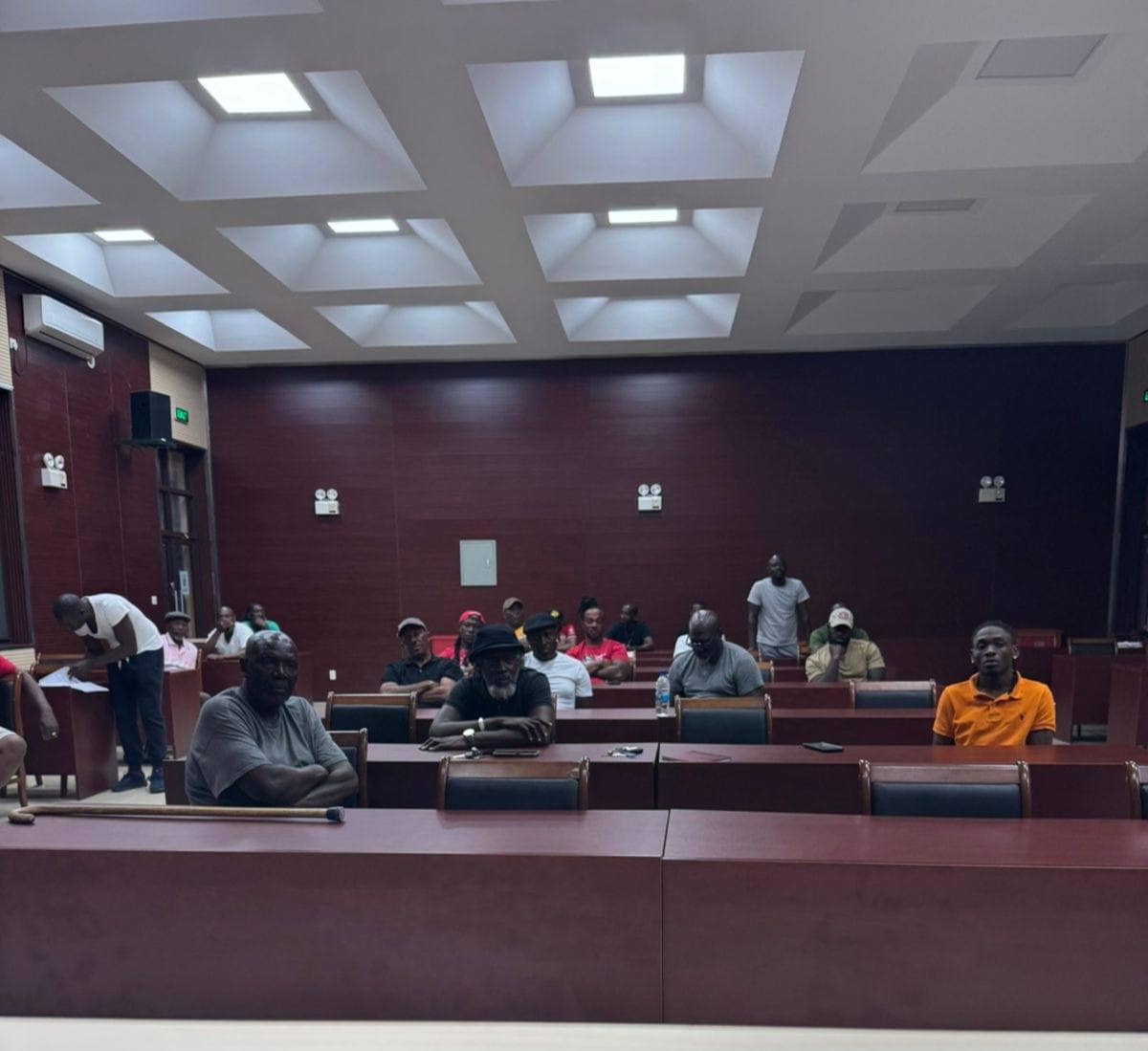
    A Member of Parliament has positioned a new empowerment initiative as a crucial component of the government’s strategy to honor its electoral promises. Framing the effort as fundamental to broader economic inclusion, the legislator emphasized that such programs are instrumental in constructing a durable political constituency. The approach is designed to ensure that national economic growth translates into tangible benefits for communities at the local level, thereby bridging the gap between macroeconomic policy and microeconomic reality. This focus on grassroots participation is presented not merely as a social policy, but as a vital mechanism for sustainable development and political stability. The MP’s comments underscore a growing recognition that top-down economic strategies require complementary bottom-up engagement to achieve meaningful and widespread impact.

  • Housing and Rent Costs Continue to Fall in Antigua- Consumer Price Index

    Housing and Rent Costs Continue to Fall in Antigua- Consumer Price Index

    New economic data from Antigua and Barbuda reveals a persistent downturn in housing and rental expenses, providing tangible financial relief to tenants across the nation. According to the latest Consumer Price Index (CPI) report, actual housing rentals recorded a substantial 3.9 percent reduction over the twelve months concluding in February 2026. This trend maintained its momentum on a monthly scale, with rents decreasing by 1.6 percent compared to January figures, marking a consistent pattern of declining housing expenditures.

    The comprehensive housing category, encompassing utilities such as water, electricity, gas, and other fuels, similarly demonstrated a noteworthy year-on-year reduction of 2.8 percent. This development underscores the sector’s pivotal role in mitigating the nation’s overall inflationary trajectory, contributing significantly to the 0.8 percent decline in comprehensive inflation observed during the same period.

    This economic shift occurs against the backdrop of Antigua and Barbuda’s prolonged struggle with housing accessibility and affordability challenges, particularly affecting low and middle-income demographics. While the descending rental costs offer immediate budgetary reprieve for tenants, economic analysts are scrutinizing whether this trend stems from enhanced housing inventory, altered demographic demands, or wider macroeconomic factors.

    Despite these favorable developments, housing expenditures continue to constitute one of the most substantial components of household financial outlays, ensuring that any fluctuations in this category maintain considerable influence over overall living costs. The February economic indicators further revealed divergent price movements across various sectors, suggesting that while housing costs demonstrate a calming pattern, other economic areas may continue to impose strain on consumer budgets.

  • Mentorship, safe spaces vital in tackling youth crime, forum hears

    Mentorship, safe spaces vital in tackling youth crime, forum hears

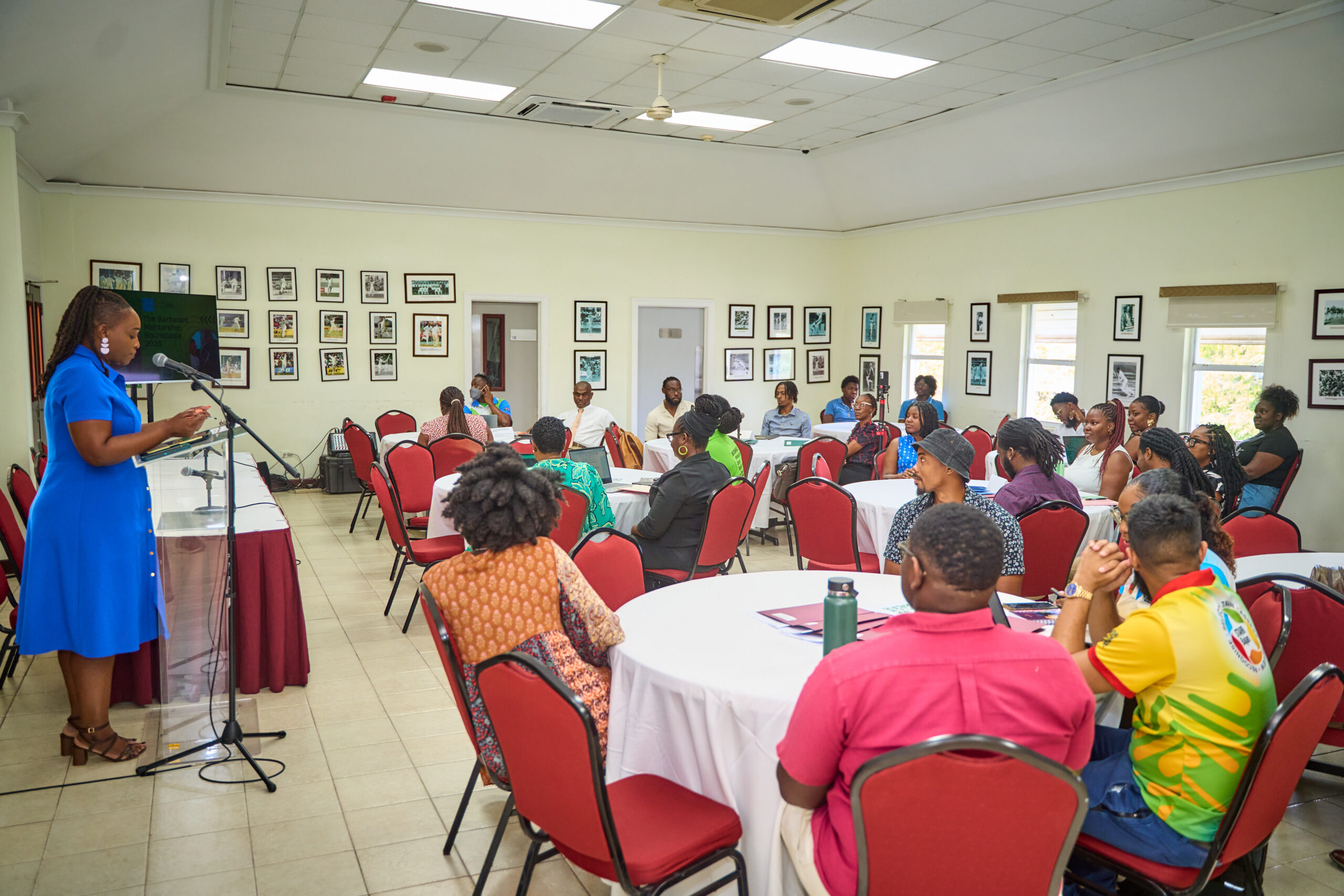
    A national roundtable convened at the University of the West Indies Cave Hill campus on Thursday concluded that structured mentorship programs and secure environments for open dialogue are essential tools in addressing escalating youth crime and mental health challenges throughout the Caribbean region. The gathering united government officials, academic experts, and civil society representatives to develop robust mentorship frameworks as a strategic response to youth vulnerability.

    UNICEF Youth Engagement Officer Firhaana Bulbulia, speaking at the Barbados Mentorship Roundtable, emphasized the critical timing of this initiative. “We are witnessing alarming increases in crime and violence, alongside growing reports from children concerning mental health struggles, domestic challenges, academic pressures, and the negative impacts of social media,” Bulbulia stated. She highlighted that through UNICEF’s extensive regional engagement with youth, a consistent message emerges: young people are explicitly requesting supportive guidance and non-judgmental spaces. “Their plea is clear—they need someone to talk to, they need guidance, and they require safe spaces with advisors to help them make better life decisions,” she explained.

    Bulbulia also praised the dedication of existing mentors and volunteers, acknowledging their frequent efforts that exceed formal responsibilities. She outlined UNICEF’s commitment to collaborating with governments to establish enabling environments through legislative measures, targeted programming, educational reforms, and community-based interventions.

    Dr. Tonya Haynes, Head of the Institute for Gender and Development Studies, underscored the fundamental role of care and community in fostering positive youth development. Invoking scholar Ana Ford Smith’s assertion that “absence of care is death,” Dr. Haynes stressed that substantive support systems are vital to counteract the profound alienation experienced by many young people. She presented the Blooming Youth Project as a practical embodiment of this philosophy, an initiative designed to facilitate positive engagement between youth in conflict with the law and their broader community, with mentorship serving as its cornerstone.

    The project strategically pairs residents of Government Industrial Schools with mentors from the UWI Cave Hill student body. In addition to mentorship, participants receive specialized training in climate-smart agriculture, renewable energy technologies, and transitional support services. Dr. Haynes characterized the roundtable as a pivotal platform for enhancing stakeholder collaboration, describing it as “an invitation to deepen our ethic of care through peer-to-peer learning, implementation of best practices, and comprehensive documentation of challenges, experiences, and successes.”

  • Arley Gill returns to political frontline

    Arley Gill returns to political frontline

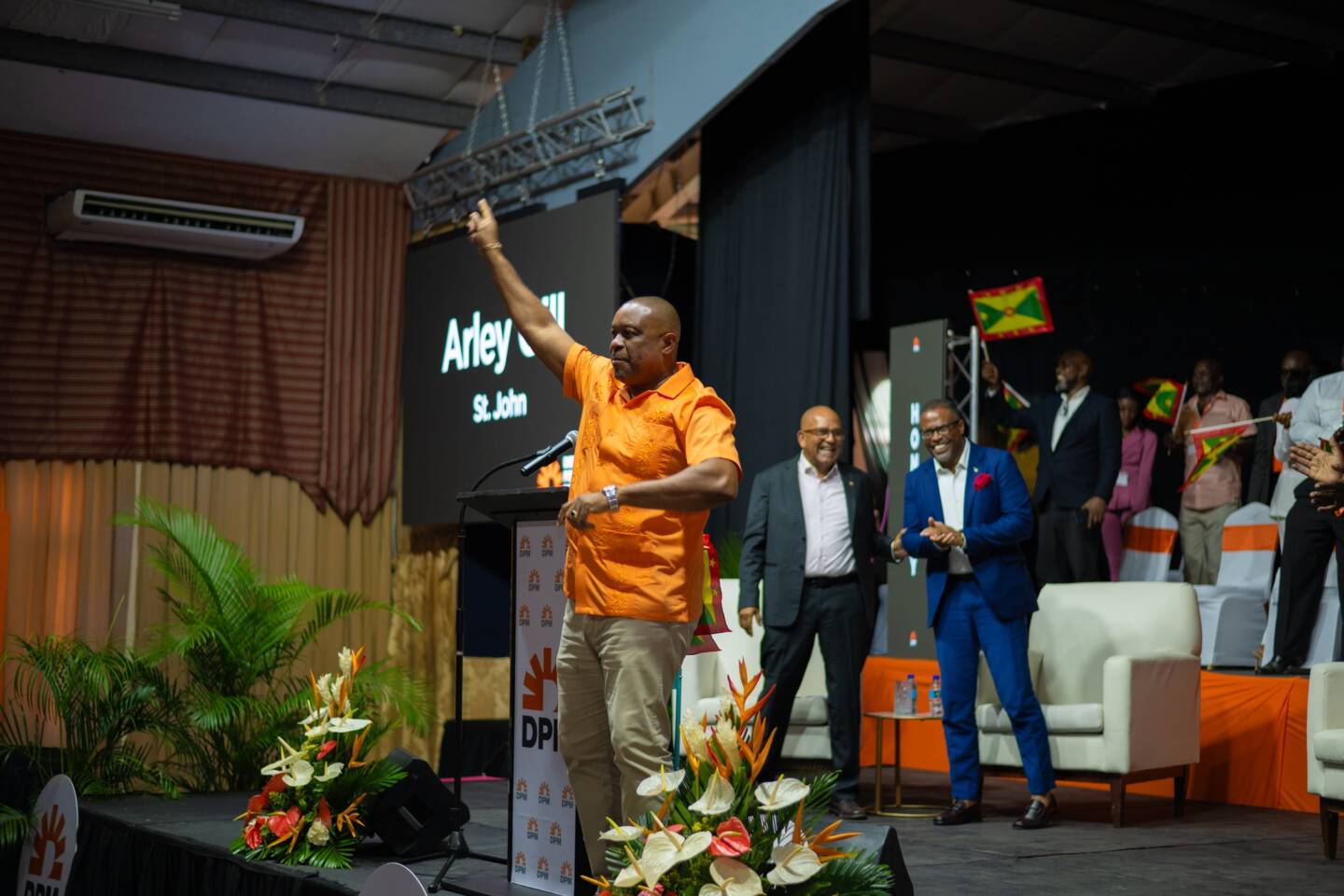
    In a significant development for Grenada’s political landscape, the Democratic People’s Movement (DPM) has solidified its leadership structure during its inaugural congress held at the Grenada Trade Centre. The newly formed party confirmed Independent Member of Parliament Peter David as its Political Leader through unanimous delegate voting, while veteran politician Arley Gill assumed the role of Deputy Political Leader.

    The congress attracted hundreds of supporters nationwide, marking a pivotal moment for the emerging political force. Both David and Gill bring considerable experience to their roles, having previously been expelled from the National Democratic Congress (NDC) before their current alignment. David subsequently associated briefly with the New National Party (NNP) prior to establishing the DPM framework.

    Gill, addressing delegates, revealed his thoughtful transition into the movement: ‘Only weeks ago, I hadn’t committed to direct participation, but an internal conviction persuaded me that greater contributions remained possible. One doesn’t merely join a movement—you become swept by its momentum, and ultimately, the movement becomes an extension of yourself.’

    The party simultaneously announced its initial candidate roster for upcoming general elections, with Gill contesting the St John constituency and David vying for the Town of St George seat. Additional candidates include Andy Best (St Patrick West), Pamela Williams (St Andrew North East), Olvine Holas (St Andrew North West), Aaron Lewis (St Andrew South West), Charmaine Gibbs (St George South), and Christopher Cudjoe (Carriacou and Petite Martinique).

    David characterized the congress as both an organizational milestone and a symbolic demonstration of readiness: ‘Today’s proceedings transcend internal elections—they represent our collective preparedness to advance together toward national transformation.’

    The DPM’s emergence is reshaping opposition dynamics, attracting attention as a potential alternative drawing support from traditional bases and younger voters alike. With experienced leadership now established, the party faces the critical challenge of converting early momentum into tangible electoral success.

  • Jehovah’s Witnesses Invite Antiguans to Attend Annual Memorial of Jesus’ Death and Special Bible Talk

    Jehovah’s Witnesses Invite Antiguans to Attend Annual Memorial of Jesus’ Death and Special Bible Talk

    ANTIGUA – A worldwide educational campaign reaching across international borders is disseminating a message of hope rooted in ancient biblical teachings. Jehovah’s Witnesses, representing a community of over nine million members globally, are extending invitations to two significant events focused on scriptural promises regarding humanity’s future.

    The initiative commences with the annual observance of the Lord’s Evening Meal on Thursday evening, April 2, 2026. This ceremony, maintained by Christian traditions for nearly two millennia, will feature an address examining Jesus Christ’s teachings about mankind’s prospective future. Carl Harris, official spokesperson for Jehovah’s Witnesses in Antigua and Barbuda, emphasized the event’s significance: “The life and teachings of Jesus hold profound meaning for millions worldwide. We anticipate this observance will help visitors understand its connection to a transformative hope.”

    Concurrently, the campaign will present a special public discourse entitled “Who Will Restore the Earth?” scheduled for delivery during the weekend of March 28-29, 2026, throughout Antigua. This presentation will be replicated across more than 118,000 congregations internationally. The comprehensive 30-minute program will explore three fundamental themes: humanity’s relationship with the planet, the Earth’s prospective restoration, and practical ways to benefit from biblical promises.

    The Lord’s Evening Meal traces its origins to Nisan 14 of the Jewish calendar in 33 C.E., when Jesus instituted the observance with his apostles. His directive, recorded in Luke 22:19, instructed followers to “Keep doing this in remembrance of me.” Jehovah’s Witnesses commemorate this commandment annually on its corresponding calendar date, reflecting their belief in the biblical promise of earthly restoration. Last year’s observance attracted over 21 million participants worldwide.

    Both events remain freely accessible to the public, consistent with the organization’s policy of open attendance. Detailed information regarding local venues and schedules is available through the official jw.org website under the ‘About Us’ and ‘Memorial’ sections.

  • SER  moet koers uitzetten voor duurzame ontwikkeling Suriname

    SER moet koers uitzetten voor duurzame ontwikkeling Suriname

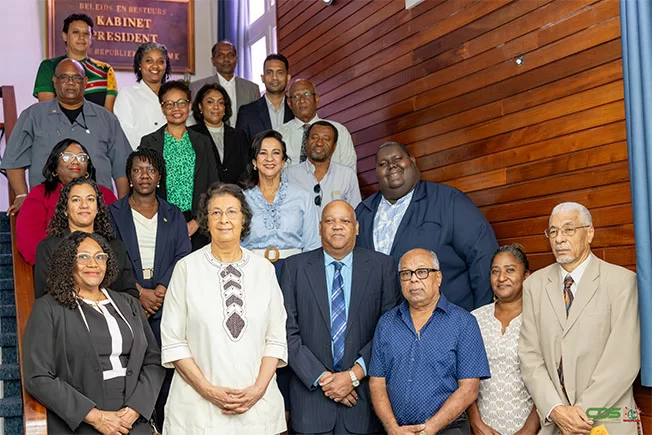
    In a significant move to reshape national economic policy, President Jennifer Simons has formally reinstated the Socio-Economic Council (SER) as Suriname’s principal advisory body for sustainable development strategies. The installation ceremony, held Thursday at the Presidential Cabinet, marks the council’s return to active service after years of dormancy.

    The newly constituted SER—chaired by Reggy Nelson and comprising representatives from government, private sector, and trade unions—has been tasked with providing both solicited and unsolicited counsel to the government and National Assembly. President Simons emphasized that Suriname must avoid over-reliance on future oil and gas revenues, urging instead for diversified economic development aligned with global trends and social justice principles.

    Chairman Nelson echoed this vision, warning that exclusive focus on hydrocarbons would lead the nation into an economic dead end. He outlined the council’s mandate to identify sustainable sectors and formulate targeted policies for their growth. The SER will prioritize addressing complex challenges including international tensions whose impacts are already affecting Suriname’s economy.

    Deputy Chair Robby Berenstein (trade unions) stressed the need for building consensus around socioeconomic policies, while Mervel Kotzebue (private sector) acknowledged the council’s historical inactivity but expressed optimism about its renewed mandate. Kotzebue emphasized creating long-term strategies for economic resilience, noting Suriname’s vulnerability to repeated economic shocks despite potential oil opportunities. Energy transition and climate change have been identified as cross-cutting themes in all council deliberations.

  • LETTER: Residents of Ottos Newtown Frustrated with their Member of Parliament

    LETTER: Residents of Ottos Newtown Frustrated with their Member of Parliament

    The community of Ottos Newtown is engulfed in a profound crisis of civic neglect, with residents issuing vehement accusations against their parliamentary representative, Hon. Daryl Matthew, for years of inadequate representation. What was historically regarded as a modest yet functional neighborhood has undergone a stark transformation into a zone of urban decay, characterized by a comprehensive breakdown of essential public services and infrastructure.

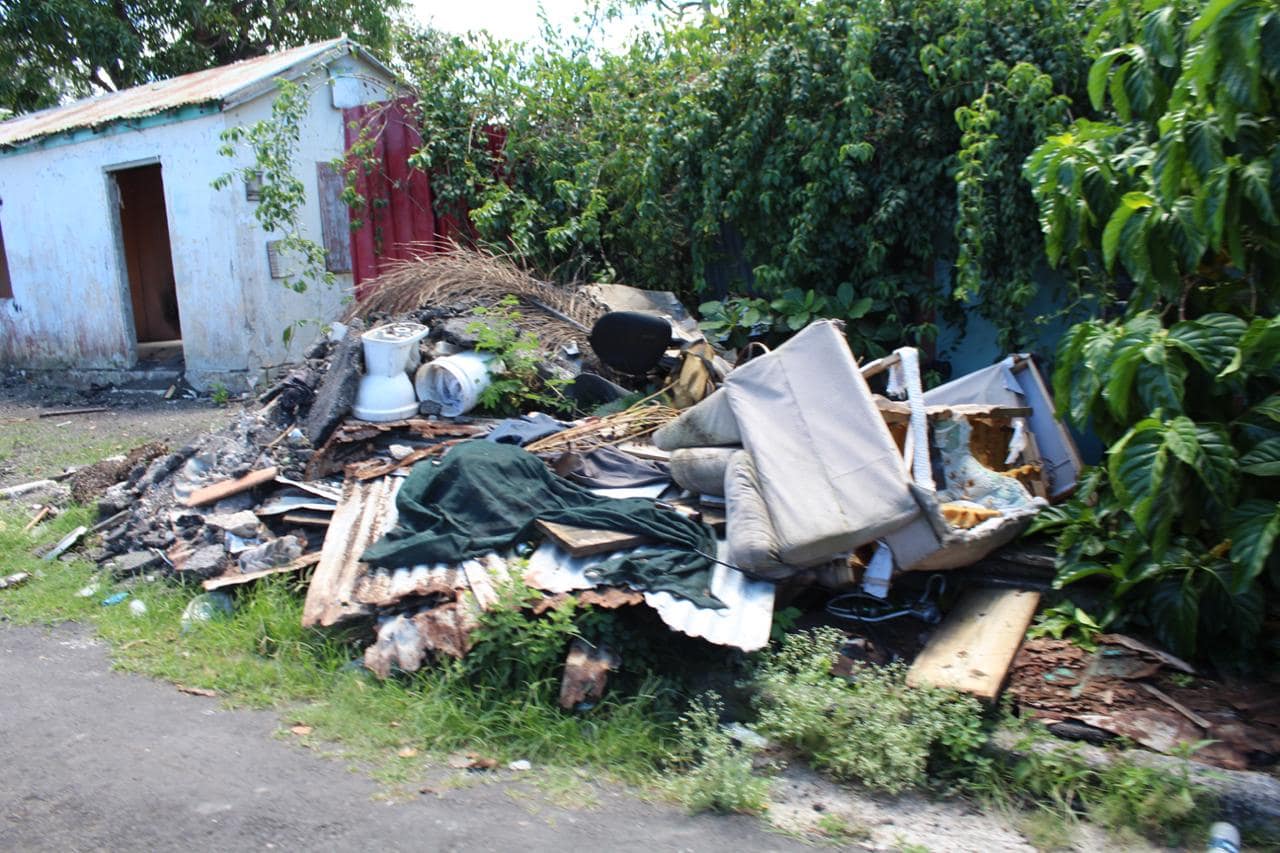
    Central to the grievances are critical failures in fundamental municipal upkeep. The road network is reported to be in an advanced state of disrepair, while inconsistent water supply severely disrupts daily life. The sanitation crisis manifests in dual forms: mountains of uncollected bulk waste present a severe public health hazard, and the community’s public bathroom facilities remain padlocked and enveloped by invasive overgrowth, rendering them inaccessible and symbolizing official abandonment.

    Further exacerbating living conditions is the defective drainage infrastructure. Sidewalk drains throughout the constituency are clogged with accumulated debris and refuse, creating significant flooding hazards during rainfall and contributing to the area’s unsanitary environment. This infrastructural neglect coincides with a noted rise in criminal activities and the pervasive sight of derelict vehicles, painting a picture of a community in distress.

    The physical decay is powerfully mirrored by the symbolic state of the local Constituency Office. Residents report that the office has been largely abandoned and visibly neglected since the last election cycle, with natural overgrowth reaching window height. The recent flurry of cleaning activity observed at the office, timed with the approaching general elections, is widely perceived by the community as a cynical and superficial attempt to garner votes, rather than a genuine commitment to service.

    This has fostered deep-seated disillusionment among the electorate. Expressions like ‘Daryl forget about us’ capture the prevailing sentiment of being utterly disregarded. The core issue, as articulated by residents, transcends mere infrastructure; it is a fundamental breach of democratic accountability and proactive representation. There is a growing consensus that political engagement should be a continuous endeavor, not a ritual revived only during election seasons.

    Consequently, voter apathy has reached alarming levels, with many concluding that participation in the electoral process is futile. Having invested their vote in Hon. Matthew as a Labour Party representative, the overwhelming feeling is one of betrayal and disappointment, with many labeling him the worst representative they have experienced. As a final recourse, the community is issuing an appeal to the Prime Minister for immediate intervention, warning that without a restoration of genuine representation, they are prepared to vote the incumbent out of office.