作者: admin

  • U.S. Ambassador joins memorial mass for Jet Set collapse victims on first anniversary

    U.S. Ambassador joins memorial mass for Jet Set collapse victims on first anniversary

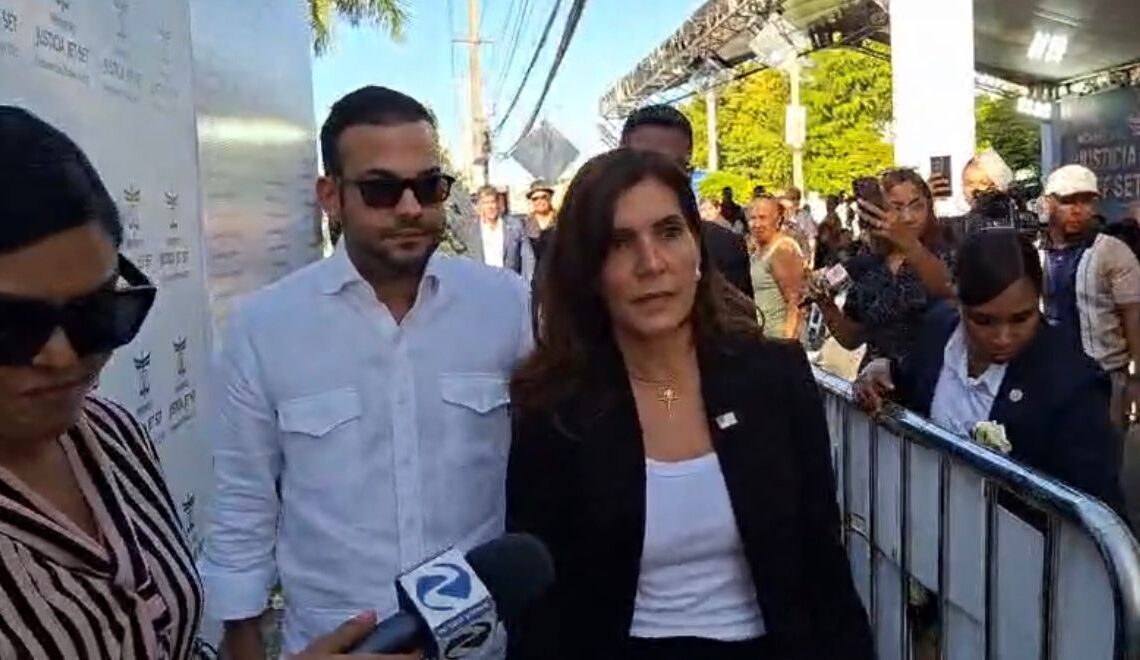
    One year after one of the deadliest structural disasters in the Dominican Republic’s recent history, dignitaries, victims’ loved ones, and public figures gathered Thursday at the site of the former Jet Set nightclub to remember the 236 lives lost to the catastrophic April 2025 roof collapse. Among those in attendance were Francis Leah Campos, the United States Ambassador to the Dominican Republic, alongside Eduardo Verástegui, a well-known Mexican actor and politician, who joined the memorial mass to honor the victims.

    The commemoration comes as the legal process moves forward against the nightclub’s co-owners, siblings Antonio and Maribel Espaillat, who face criminal responsibility for the collapse. During this week’s preliminary hearing, prosecuting attorneys laid out serious allegations against the pair: they claim the Espaillat siblings carried out unpermitted structural modifications to the property over multiple years, and intentionally disregarded repeated internal warnings about the roof’s progressive deterioration to avoid the costs of required repairs.

    Dominican Attorney General Yeni Berenice Reynoso has emphasized the urgency of moving the case forward fairly and quickly. Speaking on the proceedings, Reynoso noted that nearly 400 people were impacted by the tragedy – including the 236 killed, those who were injured, and all of their grieving families – and that this group deserves a prompt, transparent judicial outcome. Reynoso stressed that the national justice system must take active steps to prevent unnecessary procedural delays that would block accountability for the disaster.

  • Belize High Court Makes First Referral to CCJ

    Belize High Court Makes First Referral to CCJ

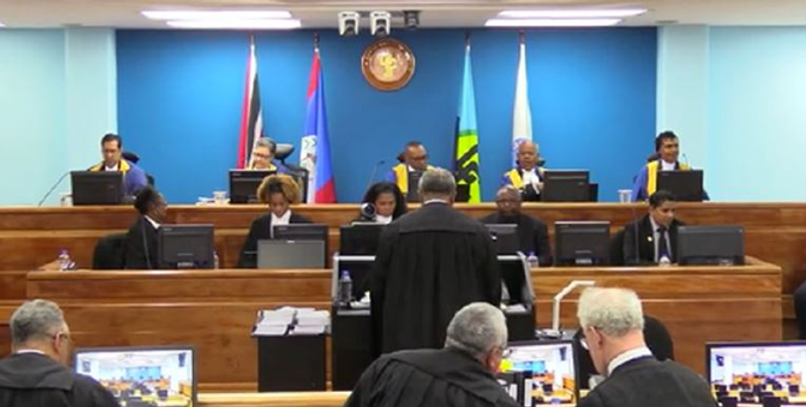
    After decades of sitting as a dormant framework within the Caribbean Community (CARICOM) legal architecture, a long-awaited milestone has finally been reached for regional judicial integration: the Caribbean Court of Justice (CCJ) has accepted its very first reference question from a national member state court, opening a new chapter for cross-border legal consistency across the bloc.

    The landmark referral originated from Belize’s highest domestic court, which formally submitted the interpretation question to the Trinidad-based regional tribunal on March 3, 2026, tied to an ongoing domestic commercial dispute: *G. Anwar Barrow et al v. Financial Services Commission of Belize and Attorney General of Belize*. One month later, on April 7, 2026, the CCJ convened its first official case management conference to move the process forward, confirming the historic nature of the request.

    At the core of the question sent to the CCJ is a conflict of legal interpretation: domestic judges hearing the commercial case need clarity on how to align specific provisions of Belize’s national Companies Act with existing competition rules enshrined in the Revised Treaty of Chaguaramas (RTC), CARICOM’s foundational governing document for regional integration. The RTC bans anti-competitive business practices across the CARICOM Single Market and Economy (CSME), the bloc’s flagship project to create a unified, free-flowing economic space for member states.

    Under the CCJ’s constitutionally granted Original Jurisdiction, the tribunal holds exclusive authority to interpret and apply provisions of the RTC. A long-standing mandatory rule requires any CARICOM national court hearing a domestic case that raises questions of RTC interpretation to refer that specific legal question to the CCJ before issuing a final ruling. Once the CCJ delivers its authoritative interpretation, the matter is sent back to the originating national court, which integrates the regional ruling into its final judgment on the case’s facts.

    Despite this referral mechanism being written into CARICOM’s legal framework for years, no national court across the 15-member bloc had ever utilized the process until Belize’s 2026 submission. For years, legal practitioners and regional integration advocates cited low awareness among national judges, lawyers and business stakeholders as the key barrier to activating the mechanism.

    To address this gap, the CCJ launched a multi-year regional public education and outreach initiative, backed by financial support from the 11th European Development Fund, to train judicial officers, legal professionals and business leaders across the Caribbean on the mechanics and purpose of the referral process. The campaign rolled out first in Belize back in 2022, before expanding to six other CARICOM members: Barbados, Guyana, Jamaica, Saint Lucia, Suriname, and Trinidad and Tobago. Beyond judicial training, the CCJ also partnered with private sector associations to spread awareness of the legal rights and economic guarantees available to businesses operating under the CSME framework.

    Legal analysts and regional integration leaders now frame Belize’s referral as a pivotal moment for CARICOM’s institutional development. The long-awaited activation of the referral process will give the CCJ its first opportunity to deliver binding guidance on how regional trade and competition rules should be integrated into domestic legal proceedings, setting a precedent for future cross-border legal disputes and strengthening the consistency of economic regulation across the Caribbean single market.

  • Venezuela hopes to use Grenada as gateway to Caribbean- Rodriguez

    Venezuela hopes to use Grenada as gateway to Caribbean- Rodriguez

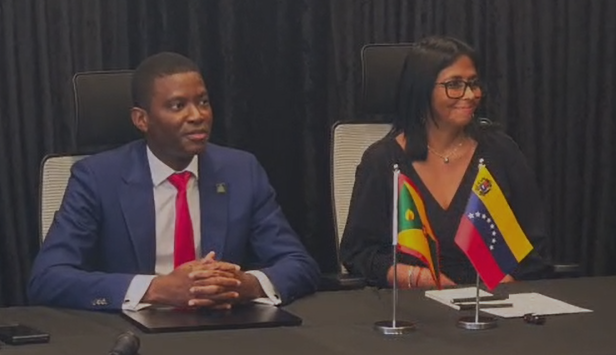
    On Thursday, April 9, 2026, Delcy Rodriguez, the interim president of Venezuela, made her first international visit to the Caribbean island nation of Grenada since assuming leadership of the oil-rich South American country. During the trip, she held high-level talks with Grenadian Prime Minister Dickon Mitchell in St. George’s, Grenada’s capital, and outlined her administration’s goal of using enhanced bilateral cooperation with Grenada as a stepping stone to deepen ties across the entire Caribbean region.

    Speaking to reporters through an interpreter alongside Mitchell, Rodriguez noted that the planned bilateral cooperation agenda spans multiple key sectors, including educator exchange programs, public health collaboration, maritime and air transportation infrastructure development, domestic food production expansion, bilateral and regional trade initiatives, hydrocarbon development, and maritime boundary negotiation. Neither leader shared specific timelines or financial details of the proposed partnerships during the public briefing.

    A key bilateral matter on the meeting’s agenda was the negotiation of the two nations’ shared maritime boundary, a pressing issue as Grenada moves forward with plans to restart offshore oil and natural gas exploration in its territorial waters.

    The visit comes against a dramatic geopolitical backdrop: earlier this year on January 3, former Venezuelan President Nicolas Maduro was detained by U.S. forces and transported to New York to face trial on charges of drug trafficking and weapons trafficking. Rodriguez emphasized that her new administration favors resolving all international disputes through diplomatic and peaceful channels. She also added that the Venezuelan government seeks constructive diplomatic engagement with the United States and other global powers to assert the fundamental right of all nations to pursue autonomous development. Notably, U.S. sanctions targeting Rodriguez over previous allegations of anti-democratic activity have now been lifted.

    Rodriguez used the platform to speak out against ongoing oil sanctions imposed on both Venezuela and Cuba, stressing that unilateral coercive measures have inflicted severe harm on ordinary civilian populations in both nations. She reaffirmed that Venezuela’s long-standing close relationship with Cuba remains fully intact, and called for an immediate end to the decades-long U.S. blockade of the island nation. “The people of Venezuela as well as the people of Cuba have a right to live free of sanctions,” she stated.

    At the same time, Rodriguez highlighted that Caracas is currently opening new channels of cooperation with the United States across multiple sectors, and expressed hope that the entire Latin American and Caribbean region can advance collectively through collaborative engagement.

    The long-standing diplomatic ties between Caracas and several Eastern Caribbean states date back to the governments of Hugo Chavez and later Nicolas Maduro. Countries including Grenada, Dominica, St. Lucia, St. Kitts and Nevis, and Antigua and Barbuda have maintained close relations with Venezuelan administrations for decades, and the new Jennifer Geerlings-Simons administration in St. Vincent and the Grenadines, which took office last year, is also broadly viewed as sympathetic to Caracas.

  • Hattieville Mother Loses Home in Fire, Suspects Foul Play

    Hattieville Mother Loses Home in Fire, Suspects Foul Play

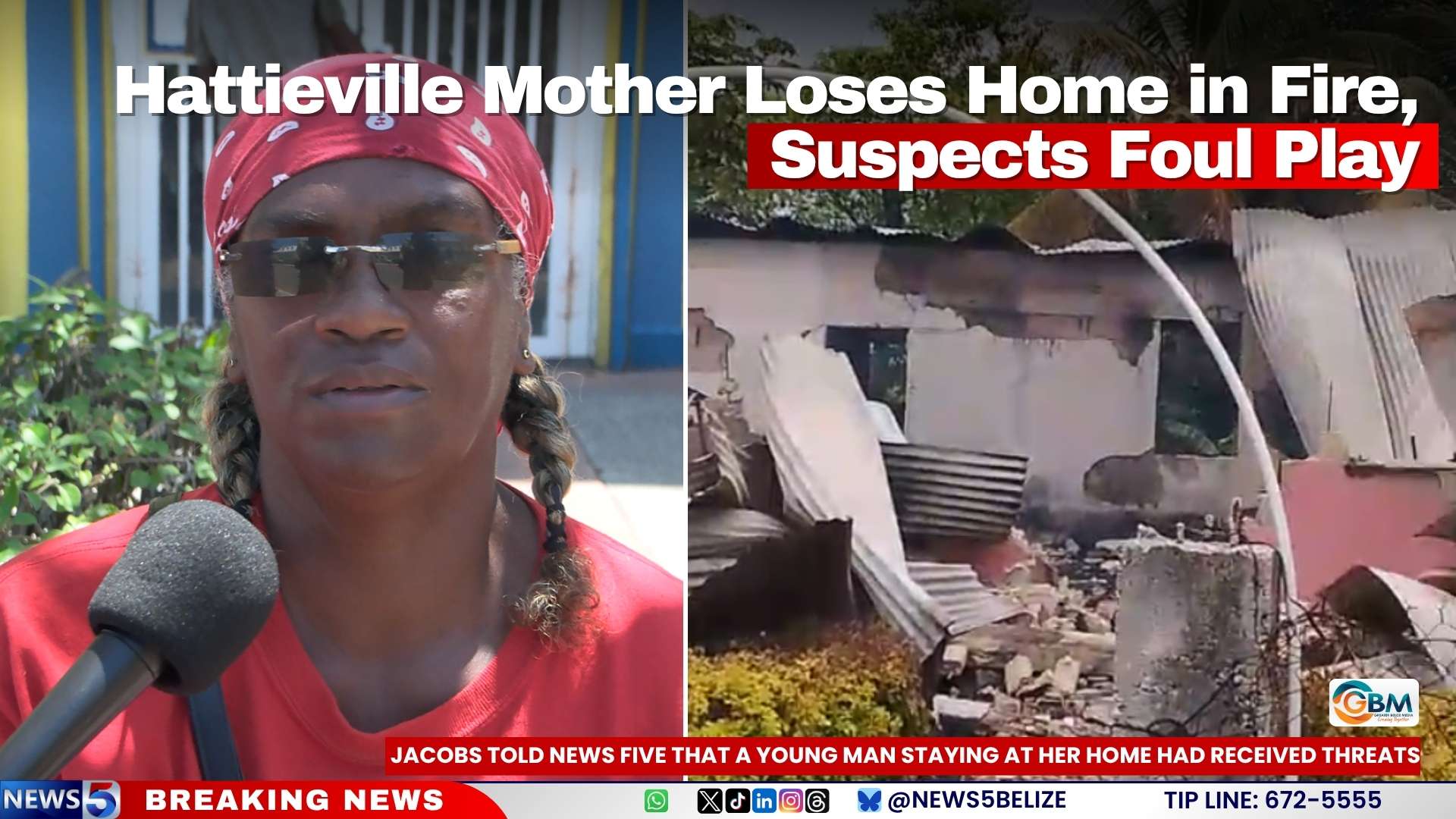
    On April 9, 2026, a devastating fire ripped through the residential home of Therese Jacobs, a mother living in Hattieville, leaving her with nothing but a handful of personal possessions and no place to call home. Now, local law enforcement has launched a full investigation into the blaze, as Jacobs herself is convinced the fire was no accident – she believes it was intentionally set amid long-simmering conflict within her family.

    Jacobs was hundreds of miles away, working a shift in Punta Negra, when she got the frantic phone call that would upend her life. By the time she could return to Hattieville, her home had already been reduced to ash and charred debris. In an interview with local outlet News Five, the devastated mother described the overwhelming pain of losing everything she had built. “I’m crying because I cannot do nothing… It’s like someone push their hands in my chest and open it,” she shared, her grief raw for the public to see.

    Jacobs has pointed to multiple red flags that lead her to suspect foul play. Long-running family tensions have plagued her household for months, and she says there has been repeated suspicious activity near her property in the weeks leading up to the fire. Most notably, a young man who had been staying at her home had been targeted with threats from unknown parties. Jacobs also added that she had noticed suspicious tampering with her home’s electrical meter long before the fire broke out. “He was doing it for a long time because I used to hear the noise and I’m always wondering, what is that noise?” she explained.

    With almost all of her belongings, including her entire wardrobe, destroyed in the blaze, Jacobs has nothing left to help her get back on her feet. She has issued a public plea for any support community members can offer, from clothing to basic household goods as she works to rebuild her life from scratch. The process of starting over has already taken a heavy toll, Jacobs says, with both her emotional and physical health strained by the sudden loss. Local police have not yet released any updates on potential persons of interest or new developments in the investigation as of Wednesday.

  • $1.6M Drug Bust Raises Bigger Questions in Lord’s Bank

    $1.6M Drug Bust Raises Bigger Questions in Lord’s Bank

    On April 9, 2026, one of the largest drug seizures in Belize’s history has thrown the small community of Lord’s Bank into the spotlight, as law enforcement investigates potential connections between the $1.6 million cannabis bust and a string of recent unsolved murders in the surrounding area.

    Acting on intelligence, police executed a search warrant at a local residential property, where they uncovered over 1,100 pounds of marijuana stashed on site. The staggering scale of the seizure has sent shockwaves through the close-knit village, leaving community leaders and legal advocates raising critical questions about both local crime trends and the execution of the police operation itself.

    Prominent local attorney Audrey Matura has been one of the most vocal critics of how the raid was carried out. In a public statement released online, Matura questioned the timing of the police intervention, arguing that law enforcement moved in prematurely before building a full picture of the smuggling network tied to the stash. She argued that a more deliberate approach, including extended surveillance to capture the individuals actually connected to the drug cache when they arrived at the property, would have yielded far more valuable intelligence for long-term crime fighting. Matura’s criticism has opened a broader conversation about police procedure in large-scale drug investigations in Belize’s rural and suburban communities.

    For village chairman Daniel Salinas, the discovery was completely unexpected. In an interview ahead of a full primetime news interview, Salinas shared that residents were blindsided by the sheer volume of drugs found within their community boundaries. “I was quite surprised with the amount of drugs that was found in the village,” he said. “I didn’t expect that quantity of marijuana to be in the village.”

    What has deepened local unease is the location of the seizure itself. Law enforcement officials have already confirmed they are actively exploring potential ties between the drug stash and multiple recent killings in the broader Ladyville and Lord’s Bank region, a connection that has left many residents on edge. Even as concerns grow over potential cross-links between drug trafficking and violent crime in the area, Salinas sought to ease some community anxiety, noting that heightened regular police patrols and ongoing collaborative community safety efforts are already in place to address emerging threats.

    Full comments from Chairman Salinas on the bust and its impact on the Lord’s Bank community will air during the 6 o’clock evening newscast later today.

  • Prison CEO Says Staff Acted Quickly in Inmate’s Final Hours

    Prison CEO Says Staff Acted Quickly in Inmate’s Final Hours

    Public debate over the standard of medical care provided to incarcerated people in Belize has been reignited following the recent death of an awaiting-trial inmate at Belize Central Prison.

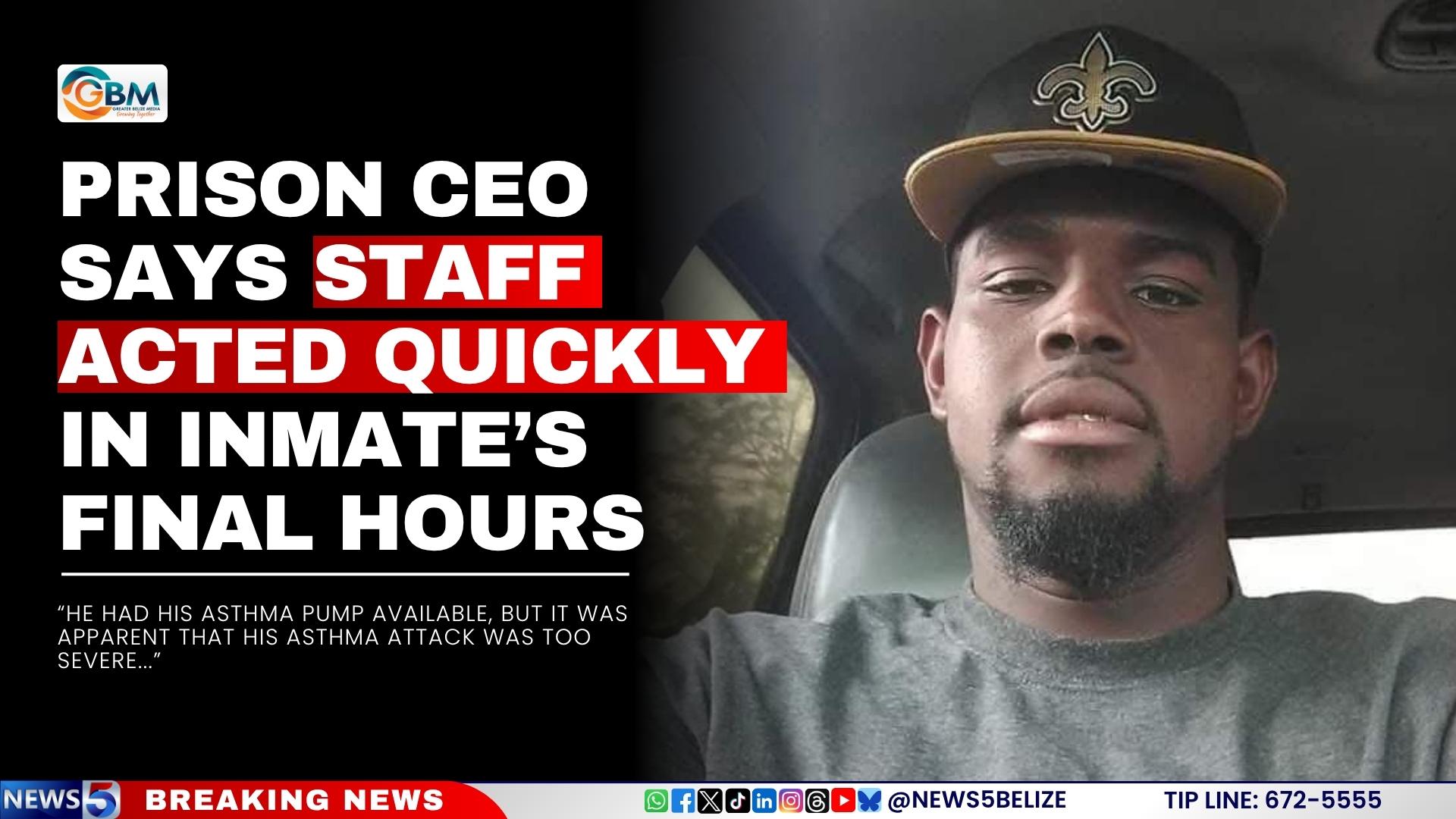
    Phillip Bowen, a 40-something man with a chronic asthma diagnosis who was awaiting trial on 2020 double murder charges linked to an incident in Hopkins Village, suffered a life-threatening asthma attack in the prison early on the morning of April 8, 2026, and died before he could reach a public hospital for emergency care.

    Belize Central Prison is operated under contract by the Kolbe Foundation, whose chief executive officer Virgilio Murillo has publicly pushed back against growing concerns from Bowen’s family and the general public, defending the speed and competency of on-site prison staff’s response to the incident.

    According to Murillo’s official account of the event, staff first received word that Bowen was experiencing respiratory distress at approximately 7:20 a.m. immediately after Bowen himself requested medical assistance. He was quickly escorted to the prison’s on-site medical center, where he accessed his own asthma inhaler — but the attack proved far more severe than the device could manage. “His asthma attack was too severe that even with the pump it was not adequate to help him,” Murillo explained in a press briefing.

    Following the failure of on-site intervention, prison staff moved immediately to transfer Bowen to the Karl Heusner Memorial Hospital (KHMH), Belize’s main public tertiary care facility. Murillo emphasized that the entire transfer process proceeded without any avoidable holdup: the prison maintains a dedicated standby ambulance for emergencies, and Bowen was loaded into the vehicle for transport just seven minutes after staff first became aware of his condition. Unfortunately, he died while the ambulance was still en route to the hospital, just moments from the facility’s entrance, Murillo confirmed.
    “Based on what I have been told so far, it was very timely and there was no delay,” Murillo told reporters, reaffirming that every correctional and medical staff member on site followed emergency protocol to the letter.

    Bowen’s death has not only left his family grieving but also brought long-simmering questions about correctional health care back to the forefront of public discourse in Belize. Critics and loved ones of incarcerated people with pre-existing chronic conditions have repeatedly called for more rigorous inspections, expanded on-site care resources, and clearer accountability frameworks to prevent preventable deaths behind bars. For now, Murillo’s statements confirm that an internal review of the incident is ongoing, but the prison leadership stands by the actions of its staff in Bowen’s final hours.

  • BLA expanding fully online services to cut wait times

    BLA expanding fully online services to cut wait times

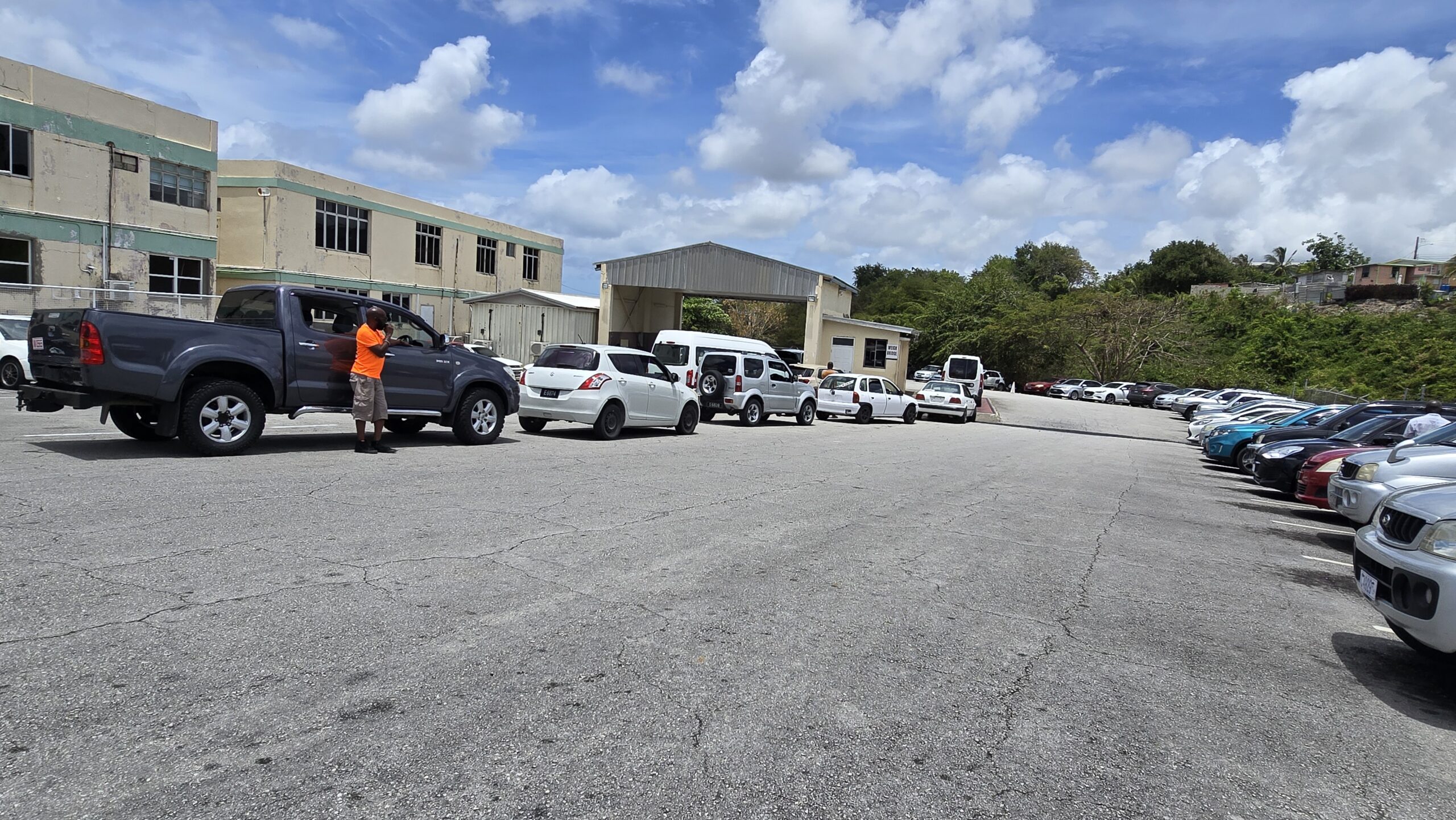
    Drivers and vehicle fleet operators across Barbados are set for a major reduction in bureaucratic red tape, after the island’s top licensing official announced a sweeping rollout of fully digital vehicle registration and end-to-end online payment services for all authority offerings. Chief Licensing Officer Treca McCarthy Broomes made the announcement Thursday, responding to longstanding public complaints about extended wait times at the BLA’s busy Pine, St. Michael location.

    McCarthy Broomes confirmed that the full digital shift for vehicle registration is already on the authority’s 2024 work plan, marking one of the most significant updates to Barbados’ vehicle licensing system in recent years. The digital overhaul will extend far beyond first-time or renewal vehicle registration, she added: nearly all transactional services offered by the BLA will move to online payment portals, including fees for weight certificates, mandatory vehicle inspections, road worthiness certifications, and driver’s license processing.

    The rollout of one key digital offering – digital driver’s licenses – is already live, the chief officer confirmed, just one week after her initial public announcement of the program. Currently, drivers can visit the official BLA.gov.bb website to complete driver’s license transactions from start to finish: this includes first-time license applications, as well as renewals for drivers aged 16 through 84. The new online system also includes an automatic reminder feature to alert drivers of upcoming renewal deadlines, eliminating a common source of missed deadlines and late fees.

    To support the expanded digital service lineup, the BLA is working in partnership with the Ministry of Innovation, Science and Technology to upgrade its official website and backend digital infrastructure. Crucially, the shift to digital services will not phase out in-person service for Barbadians who prefer face-to-face interactions, McCarthy Broomes emphasized. The authority will maintain a dual service model, giving customers the flexibility to complete their transactions either in person at a local branch or fully online according to their personal preference.

    Despite the streamlined online process, McCarthy Broomes stressed that rigorous identity and documentation verification will remain a non-negotiable core requirement for all registration and licensing transactions. Before any application is finalized, BLA staff will conduct thorough cross-checks to confirm applicant identity, verify vehicle ownership, cross-reference customs documentation for imported vehicles, confirm that all fee payments are accurate, and rule out issues such as stolen vehicle claims.

    This mandatory validation step is applied uniformly across all BLA branch locations, including the high-volume Pine office, even as minor procedural variations exist between sites. The ongoing digital upgrades and consistent verification protocols are part of the authority’s broader push to boost public accountability, cut wait times, and improve overall service delivery for all Barbadian motorists.

  • 2027 World Cup Qualifier : Big victory of Haiti over Anguilla [5-0]

    2027 World Cup Qualifier : Big victory of Haiti over Anguilla [5-0]

    In a dominant display of attacking soccer on April 9, 2026, Haiti’s senior women’s national team, the Grenadières, secured a lopsided 5-0 victory over Anguilla during Matchday 4 of the 2026 CONCACAF Women’s Championship, the regional qualification tournament for the 2027 FIFA Women’s World Cup. The match was hosted at the Roger Zami Stadium in Guadeloupe.

    Grenadières head coach Pia Sundhage fielded a revised starting lineup with multiple tactical adjustments, while keeping the team’s core goal firmly in sight: securing a spot at the 2027 World Cup. The starting eleven featured Kaina César V. Pietrus (Lipscomb University, USA), Jennyfer Limage (RC Lens, France), Tabita Dougenie Joseph (Olympique de Marseille, France), Maudeline Moryl (Olympique de Marseille, France), team captain Deborah Bien-Aime (AS Saint-Étienne, France), Sherly Jeudy (RC Lens, France), Roseline Eloissaint (FC Nantes, France), Amandine Pierre-Louis (AS Saint-Étienne, France), Darlina Florsie L. Joseph (Toulouse FC, France), Chelsea A. Domond (En Avant Guingamp, France) and Anyssa Ibrahim (Le Mans FC, France). Four substitutions were made through the match: Alyssa Manasse replaced Tabita Joseph and Nérilia Mondésir replaced Anyssa Ibrahim at halftime; Joséphine Vanuxeem and Betina Petit-Frère came on for Roseline Éloissaint and Jennyfer Limage respectively in the 64th minute; Claire Constant replaced Amandine Pierre-Louis in the 79th minute.

    Haiti controlled the match from kickoff, holding 84% of total possession and denying Anguilla any chance to build attacking threats, with the underdog side failing to record a single shot attempt over the full 90 minutes. The scoring opened in the 15th minute, when Darlina Joseph slotted a right-footed shot into the net from the center of the 18-yard box off a clinical pass from Roseline Éloissaint, putting Haiti up 1-0. Six minutes later, Chelsea Domond doubled the lead, finishing from the center of the box into the bottom right corner to make it 2-0. Sherly Jeudy extended the advantage in the 33rd minute, striking a right-footed shot from outside the penalty area into the bottom left corner for Haiti’s third goal.

    After halftime, the Grenadières kept pressing, adding a fourth goal in the 60th minute. Darlina Joseph scored her second of the match, heading a cross from Domond into the bottom right corner to push the score to 4-0. Substitute Claire Constant capped off the dominant win with the fifth goal 19 minutes later, nodding a close-range cross from Sherly Jeudy (off a set piece) into the top corner of the net to seal the 5-0 result.

    The blowout win improves Haiti’s record in Group D to three wins from three matches, lifting the side to 9 points and putting them provisionally atop the group standings. Entering the final group match against second-place Dominican Republic scheduled for April 17 at the same Roger Zami Stadium in Guadeloupe, Haiti now controls its own qualification fate. A win or draw will send the Grenadières through to the 2026 CONCACAF Gold Cup, the 2027 Women’s World Cup and the 2028 Olympic Games. For the Dominican Republic, who sit second on 7 points with an undefeated record so far, only a win will secure their place in the next round.

    Current Group D Standings:
    1. Haiti: 3 matches, 9 points, 16 goals scored, 0 goals conceded, 3 wins 0 draws 0 losses
    2. Dominican Republic: 3 matches, 7 points, 16 goals scored, 3 goals conceded, 2 wins 1 draw 0 losses
    3. Suriname: 3 matches, 4 points, 5 goals scored, 5 goals conceded, 1 win 1 draw 1 loss
    4. Belize: 2 matches, 0 points, 1 goal scored, 15 goals conceded, 0 wins 0 draws 2 losses
    5. Anguilla: 3 matches, 0 points, 1 goal scored, 16 goals conceded, 0 wins 0 draws 3 losses
  • Belize Stands Strong Behind Dr Barnett While T&T Challenges Her Reappointment

    Belize Stands Strong Behind Dr Barnett While T&T Challenges Her Reappointment

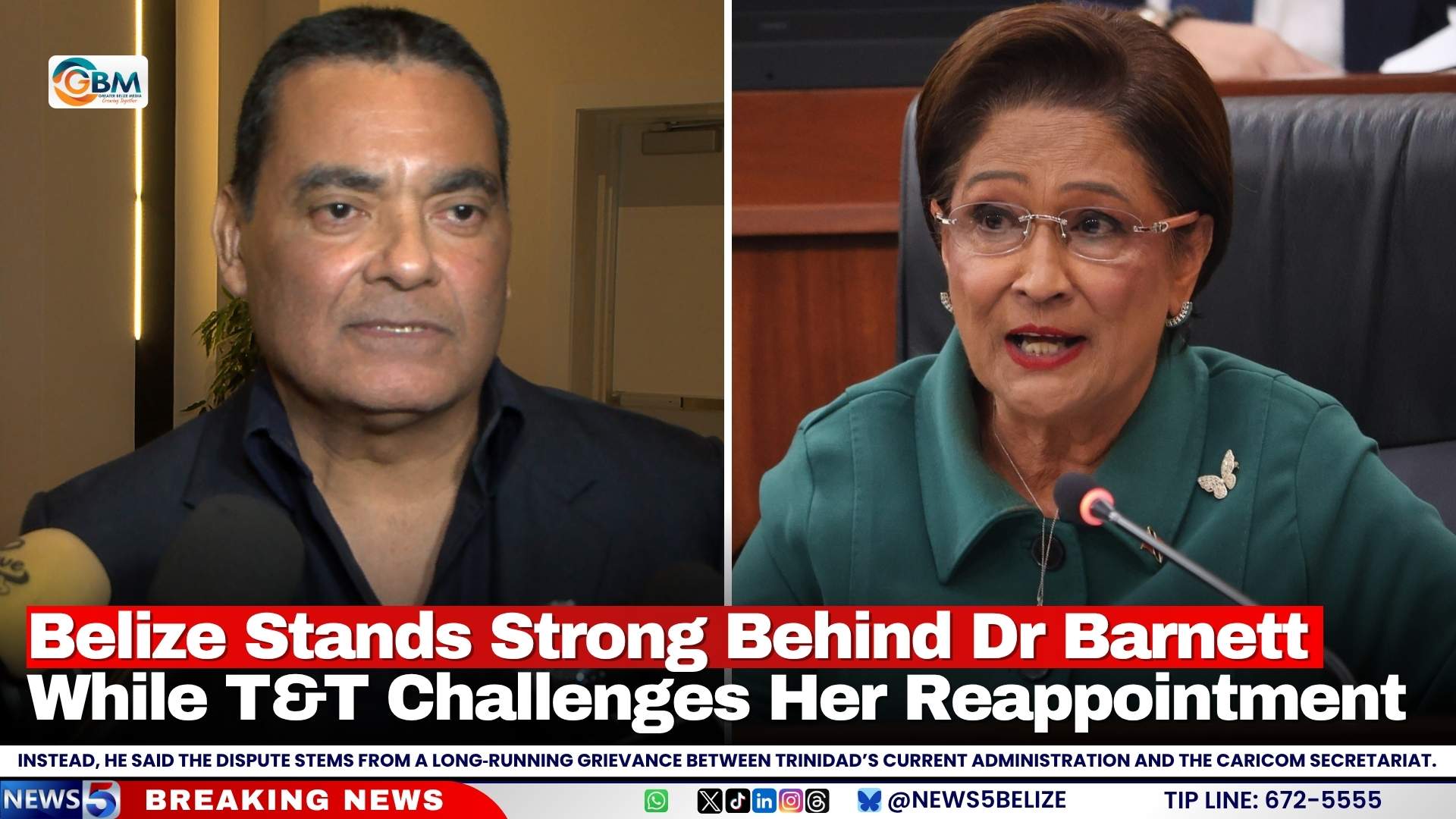
    A regional political dispute has emerged within the Caribbean Community (CARICOM) over the reappointment of current Secretary-General Dr. Carla Barnett, with Belize standing firmly in support of her second term while Trinidad and Tobago has formally raised objections to the move.

    Belize’s Minister of Foreign Affairs Francis Fonseca confirmed the unwavering stance of his government in a press briefing, acknowledging that Trinidad and Tobago has raised specific concerns that will need to be addressed through internal CARICOM processes, but emphasizing that Belize’s endorsement of Dr. Barnett remains unchanged.

    Dr. Barnett’s current five-year term as the head of the CARICOM Secretariat is set to conclude in August 2026. While regional heads of government already discussed the reappointment during their most recent collective meeting, the formal vote and confirmation of her second term will not take place until the next scheduled CARICOM Heads of Government Conference set for July 2026. According to Fonseca, a majority of regional leaders have already signaled their verbal support for extending Barnett’s tenure, and the upcoming July meeting will only serve to formalize that broad backing.

    Fonseca pushed back against suggestions that Trinidad and Tobago’s opposition amounts to a targeted attack on Belize, noting that the criticism has no connection to Barnett’s nationality or her individual performance in the role. He explained that the grievance held by Trinidad and Tobago’s current administration traces back to a 2022 incident, when a Trinidadian national was arrested as part of an ongoing criminal investigation. The Caribbean nation has held the CARICOM Secretariat accountable for its handling of that incident, and the current dispute over reappointment stems from that long-running tensions, not Barnett’s work.

    In addition, Fonseca clarified the institutional role of the CARICOM Secretary-General to reporters, noting that while the position carries critical responsibility for informing regional policy and supporting member state leaders, all major collective decisions rest with the leaders of the organization’s member countries. “Secretaries-General play a critical role in informing and supporting leaders so that we are better positioned to make proper decisions,” he said.

    As the region prepares for the formal reappointment vote in July, early indications suggest that Dr. Barnett retains the support of a large majority of CARICOM’s 15 member states, putting her on track to secure a second term despite the public opposition from Trinidad and Tobago.

  • Venezuela’s acting president Rodriguez in Grenada for first foreign visit

    Venezuela’s acting president Rodriguez in Grenada for first foreign visit

    Against a backdrop of growing regional collaboration across the Caribbean basin, Venezuelan Acting President Delcy Rodríguez’s official visit to Grenada has emerged as a landmark moment for deepening bilateral bonds and advancing the vision of Bolivarian Diplomacy of Peace, a foreign policy framework centered on cross-regional unity and shared, inclusive development. This trip builds directly on the momentum generated by Grenadian Prime Minister Dickon Mitchell’s 2025 visit to Caracas, where the two nations signed a foundational bilateral cooperation roadmap, and aims to lock in progress on the mutually beneficial commitments laid out in that agreement.

    Upon Rodríguez’s arrival at Maurice Bishop International Airport in St. George’s, Grenadian government officials greeted the Venezuelan delegation with full ceremonial honors, a gesture that highlighted the long-standing ties of solidarity and mutual respect that have defined relations between the two countries since their formal establishment of diplomatic ties in 1977. Over the past four decades, diplomatic engagement has accelerated steadily, with growing mutual trust, consistent high-level exchanges, and aligned commitments to regional stability and equitable socio-economic progress shaping the partnership. This is not Rodríguez’s first official engagement with Grenada: in April 2024, while serving as Venezuela’s Executive Vice President, she joined Grenadian citizens for celebrations marking the 50th anniversary of the nation’s independence, underscoring the deep personal and political connections that anchor the bilateral relationship.

    As Acting President, Rodríguez framed the visit as an opportunity to consolidate comprehensive, win-win cooperation between the two nations, reaffirming Caracas’ unwavering commitment to building mutually respectful relationships that deliver tangible improvements to the quality of life for both Venezuelan and Grenadian citizens. This focus on shared benefit and collective progress is a core tenet of Venezuela’s Caribbean-focused foreign policy, which frames regional solidarity and joint action as essential tools for overcoming both regional and global challenges.

    A centerpiece of the visit was a formal meeting between Rodríguez and Grenada’s Governor-General Cécile La Grenade, the first woman and scientist to hold the post of Head of State since 2013. The discussions took place in a warm, constructive atmosphere, with both sides agreeing to expand direct communication channels to strengthen technical and political cooperation in the coming years, ensuring that joint development initiatives are implemented efficiently and effectively.

    Both nations share a common goal of advancing broader Latin American and Caribbean integration to collectively address pressing transnational challenges, ranging from accelerating climate change and persistent global economic instability to coercive external pressures. They also align on the critical importance of maintaining regional geopolitical stability, noting that stable regional conditions allow governments to redirect resources and policy focus toward inclusive sustainable development that lifts citizen quality of life.

    Later in the visit, Rodríguez traveled to Grenada’s Parliament, where she held talks with Prime Minister Dickon Mitchell and the nation’s top legislative leaders. The discussions centered on advancing the terms of the cooperation roadmap signed during Mitchell’s April 2025 trip to Caracas, keeping the bilateral partnership on track to deliver on its stated goals. Rodríguez was joined on the visit by a high-level, cross-sector Venezuelan delegation that included Foreign Minister Yván Gil, Minister of Popular Power for Productive Agriculture and Lands Julio León Heredia, and Minister of Popular Power for Fisheries and Aquaculture Juan Carlos Loyo. This broad, multi-ministerial representation underscores the multi-faceted nature of the deepening strategic partnership, which spans core economic sectors critical to both nations’ development, food security, and long-term prosperity, including agriculture, fisheries, and diplomatic cooperation. The delegation’s collective work during the visit is focused on expanding and strengthening strategic ties between the two countries, laying the groundwork for a future of deeper collaboration and shared regional solidarity.