作者: admin

  • A green alert is not the same as a red alert: what you should do in each case

    A green alert is not the same as a red alert: what you should do in each case

    As extreme weather events grow in frequency and intensity across many regions, the Emergency Operations Center (COE) has launched a public education campaign to clarify the meaning of different weather alert levels and outline the corresponding life-saving actions residents must take for each risk tier.

    Officials stress that weather alerts are not arbitrary notifications: they are pre-emptive declarations issued ahead of an impending hazardous weather event, designed to let emergency response teams activate contingency plans and allow ordinary residents to put protective precautions in place before danger arrives. To clear up widespread public confusion about the distinct risk levels, COE has broken down the three core alert categories and their requirements:

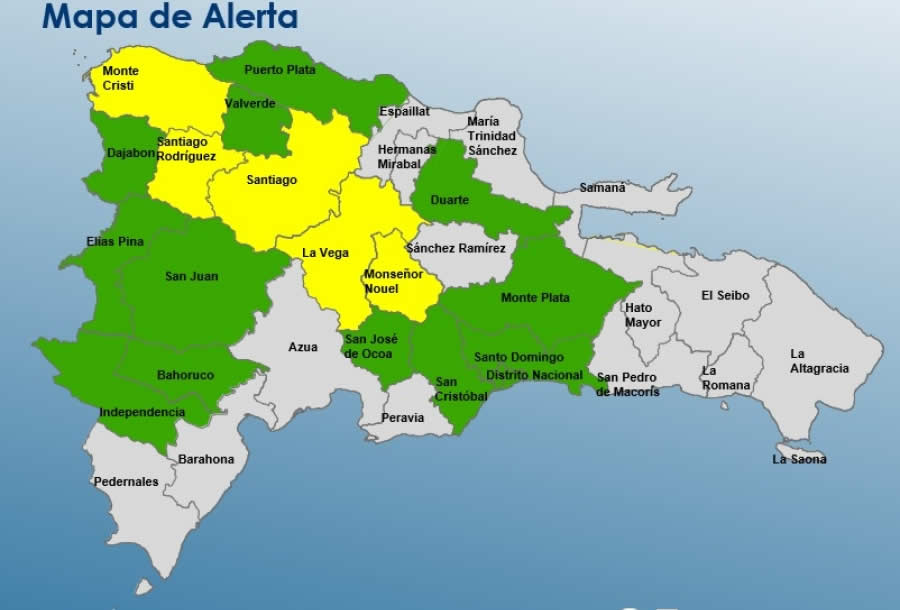
    First, a green alert marks the lowest risk tier, issued when an atmospheric phenomenon is developing and may impact the area. At this stage, the public is advised to stay informed through official updates, maintain situational awareness, and watch for changing conditions that could require further action.

    Second, a yellow alert signals a moderate increase in risk, indicating dangerous weather is on track to reach at-risk parts of the region. For residents located in vulnerable or high-risk zones, this alert means it is time to prepare for evacuation or relocation, and make arrangements to move to a pre-identified safe location well before the weather arrives.

    Third, a red alert is the highest risk classification, reserved for areas directly in the path of the most severe dangerous weather. When a red alert is issued, residents in affected zones must finalize all emergency preparations: confirm emergency supply kits are fully stocked with water, non-perishable food, first aid supplies and critical medications, move immediately to a designated safe location, and remain sheltered there both before and throughout the duration of the weather event.

    COE officials have underscored that understanding the clear distinction between green and red alerts is a critical piece of public safety knowledge. While a green alert only calls for heightened attention and ongoing vigilance, a red alert demands immediate, decisive action to protect personal safety and reduce potential harm.

    In closing, authorities reiterated that consistent adherence to these alert guidelines directly cuts the risk of fatalities and minimizes damage to personal and community property—particularly for low-income and geographically vulnerable communities that face disproportionate harm from extreme weather events.

  • The most common mistake when driving in the rain that can be very expensive

    The most common mistake when driving in the rain that can be very expensive

    For motorists globally, navigating rain-soaked roadways ranks among the deadliest common driving scenarios, yet a dangerously pervasive mistake continues to put thousands of lives at risk every wet season: drivers refusing to adjust their speed and following distance from what they use on dry pavement. When asphalt and concrete turn slick from falling rain, the friction between vehicle tires and the road surface drops dramatically, cutting down grip and doubling the amount of time a vehicle needs to come to a complete stop after a driver hits the brakes. Despite this well-documented risk, large numbers of commuters and recreational drivers consistently underestimate how much wet conditions alter road dynamics, operating their vehicles exactly as they would on a clear, dry day. The outcome of this complacency is often catastrophic: drivers lose control of their vehicles, trigger multi-car pileups, cause extensive, costly property damage, and too often result in serious injury or death. Leading road safety experts, including veteran specialist Anibal Germoso, have outlined clear, actionable adjustments all drivers should make when driving in wet conditions. Germoso and his peers advise cutting travel speed by a minimum of 30 percent compared to dry conditions, expanding the gap between one’s vehicle and the car ahead to allow for longer stopping times, activating low-beam headlights to boost both a driver’s own visibility and make their vehicle more noticeable to other road users, and avoiding any sudden turns, lane changes, or hard braking that can cause a loss of traction. Beyond in-the-moment driving adjustments, experts also stress the critical importance of pre-trip vehicle maintenance, specifically checking tire tread depth and brake functionality before heading out during rainy season, when wet roads are a constant hazard. This issue carries particular urgency in the Dominican Republic, where rainfall is often both extremely heavy and arrives with little advance warning, turning road conditions dangerous in minutes. In this Caribbean nation, the common habit of failing to adjust driving for rain has become a major, underrecognized risk factor for traffic fatalities and collisions. The country’s General Directorate of Land Transportation has recently doubled down on public outreach to remind drivers that prevention is the single most effective tool to avoid rain-related crashes. The agency emphasizes that even a small moment of carelessness behind the wheel on a wet road can carry devastating costs, both in terms of lost human life and destroyed or damaged property.

  • T&T, Guyana agree to establish working group on investment

    T&T, Guyana agree to establish working group on investment

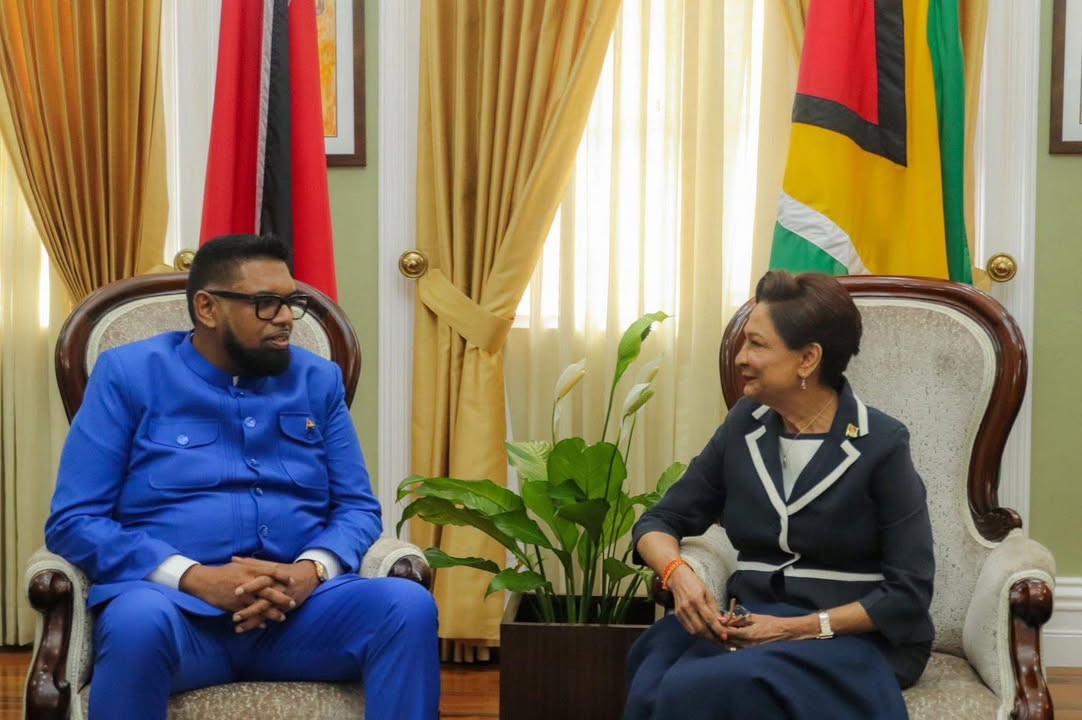
    On Friday, April 10, 2026, Guyana’s President Irfaan Ali held a high-stakes one-day bilateral meeting with Trinidad and Tobago’s newly installed Prime Minister Kamla Persad-Bissessar in Port-of-Spain, with the two leaders aligning on a sweeping set of agreements to deepen economic integration, resolve long-standing cross-border bottlenecks, and unlock untapped collaborative opportunities between the two Caribbean nations.

    In an official joint statement released after the talks, both governments confirmed two core outcomes of the summit: the establishment of a cross-border working group with representation from both the public and private sectors of both countries, and a commitment for Persad-Bissessar to undertake a reciprocal official visit to Guyana, with details of the visit’s timing still being finalized.

    The working group’s core mandate is to identify and eliminate trade barriers, streamline bureaucratic hurdles, and boost competitiveness between the two countries, while exploring and advancing joint development opportunities across a wide range of priority sectors. During the closed-door negotiations, the two leaders mapped out a shared development, trade and economic agenda designed to bring closer alignment of the two nations’ economies and improve people-to-people connectivity. Key areas of discussion included strengthening regional food security and attracting cross-border investment in the sector, advancing cross-grid energy integration, facilitating technology sharing, supporting human capital development initiatives, and boosting collaborative security efforts.

    President Ali opened the meeting by formally thanking Persad-Bissessar and the Trinidad and Tobago government for its unwavering public support for Guyana’s territorial integrity and national sovereignty, a gesture of alignment that he noted carries deep meaning for the people of Guyana. Both sides reaffirmed their commitment to ongoing close collaboration across all agreed priority areas to progressively deepen the bilateral partnership. The Guyanese delegation accompanying Ali to Port-of-Spain included senior cabinet officials: Natural Resources Minister Vickram Bharrat, Public Utilities and Aviation Minister Deodat Indar, Public Service, Government Efficiency and Implementation Minister Zulfikar Ally, and Labour and Manpower Planning Minister Keoma Griffith, alongside a cohort of private sector representatives from Guyana. On the Trinidad and Tobago side, Persad-Bissessar was joined by her own senior leadership team, including Attorney General John Jeremie, Foreign and CARICOM Affairs Minister Sean Sobers, Public Utilities Minister Barry Padarath, and Energy and Energy Industries Minister Roodal Moonilal.

    Speaking at a business forum hosted by the Trinidad and Tobago Chamber of Industry & Commerce following the leaders’ meeting, President Ali pressed for urgent action to cut through bureaucratic red tape that he said is holding back the full potential of the bilateral partnership. In blunt remarks to the business audience, Ali argued that if both nations are committed to building collaborative cross-border consortiums and a unified regional economic front, leaders must prioritize resolving long-standing frictions. “If we care about partnership, if we care about building consortiums, if we care about building a joint economic front between Guyana & Trinidad and Tobago then we must care about fixing the problem and let’s get in that room, lock ourselves up for 72 hours and fix the damn problem,” Ali stated.

    The Guyanese president also highlighted that partnership opportunities extend far beyond the energy sector, pointing to existing collaborative potential in agriculture: Guyana’s growing soya bean export sector and Trinidad and Tobago’s globally renowned cocoa production present immediate avenues for joint growth. He praised regional conglomerate ANSA McAL for its early and successful investment in Guyana, including the development of a new large-scale shopping mall, but noted that Trinidad and Tobago investors have so far missed out on major opportunities in Guyana’s booming gold mining sector, where no Trinidadian consortium has yet established a meaningful presence. Ali also called out unnecessary immigration bureaucracy in Trinidad and Tobago, noting that lengthy, cumbersome entry processes are holding back Caribbean Airlines from reaching its full operational potential in the region.

  • Bajan men struggle at Table Tennis Championships

    Bajan men struggle at Table Tennis Championships

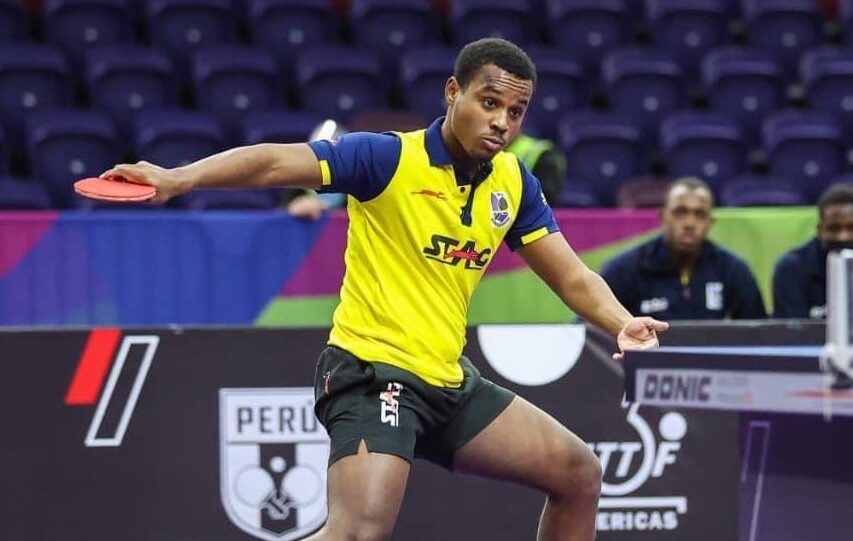
    The 2024 ITTF-Americas Central American & Caribbean Championships kicked off in the Dominican Republic’s capital of Santo Domingo on Thursday, bringing together top table tennis talent from across the region to compete for continental honors. Through the first two days of men’s team play, one team has yet to claim a victory: Barbados.

    In their opening round-robin matchup on tournament day one, the Barbadian side suffered a lopsided 3-0 sweep at the hands of Puerto Rico. The Puerto Rican squad dominated every set across all three singles matches, with Steven Moreno delivering a straight-sets win over Barbados’ Tyrese Knight (11-6, 11-6, 11-6), Angel Naranjo claiming an equally decisive victory against Mark Dowell (11-3, 11-5, 11-3), and Enrique Rios closing out the sweep with a straight-sets win over Tre Riley (11-7, 11-10, 11-5).

    Looking to bounce back in their second group match on Friday, Barbados showed significant improvement on the court, but still fell just short of their first win, dropping another 3-0 decision to Costa Rica. While the final score mirrored their opening day result, the matchups were far more competitive. Costa Rica’s Sebastien Alviles was pushed to a full five-set thriller before he secured a win over Dowell (9-11, 11-6, 7-11, 11-3, 11-6). Jeison Martinez had to come from behind after dropping the opening set to defeat Knight (5-11, 11-9, 11-9, 14-12), and Alejandro Montoya also dropped a set before locking in a four-set win over Riley (13-11, 6-11, 11-9, 11-9) to seal the sweep for Costa Rica.

    Barbados was not the only Caribbean side struggling in the early stages of the tournament, with other English-speaking Caribbean teams also facing tough results against higher-ranked regional competitors. Cuba claimed a narrow 3-2 win over St. Lucia in their first matchup before following that up with a 3-0 sweep of the same side in a second contest. Mexico shut out Guyana 3-0, Guatemala earned a 3-0 win against St. Vincent and the Grenadines, and the host Dominican Republic delivered a 3-0 sweep of Jamaica. Puerto Rico notched another 3-0 victory against Trinidad and Tobago to round out early results.

    Among the struggling Caribbean nations, Jamaica was able to rebound in a later match on Friday, picking up its first win of the tournament with a 3-1 victory over St. Lucia to keep its hopes of advancing out of the group stage alive.

  • Chinese Food Festival: April 18

    Chinese Food Festival: April 18

    On the Caribbean island of Grenada, a highly anticipated cultural and culinary event is slated to take place next spring at one of the island’s popular coastal gathering spots. The Chinese Food Festival has been scheduled to run from 12 p.m. to 6 p.m. on April 18, 2026, at Camerhogne Park, located in the Morne Rouge district near Grand Anse. The event, which spotlights authentic Chinese cuisine and cultural exchange, will bring together local residents and visiting tourists to experience a wide range of traditional Chinese dishes, cultural performances, and interactive culinary activities. Local media outlet NOW Grenada has issued a standard content disclaimer, noting that the organization is not liable for any opinions, statements, or third-party contributed media content associated with the event announcement, and provides a reporting channel for users to flag any content that violates community guidelines. As a cross-cultural event open to the public, the festival is expected to strengthen the cultural ties between Chinese and Grenadian communities, boost local tourism and the small food business sector, and offer a unique multicultural experience for attendees visiting the Morne Rouge and Grand Anse area.

  • CARICOM Heads Met on Trinidad’s Push to Remove Belizean Secretary General

    CARICOM Heads Met on Trinidad’s Push to Remove Belizean Secretary General

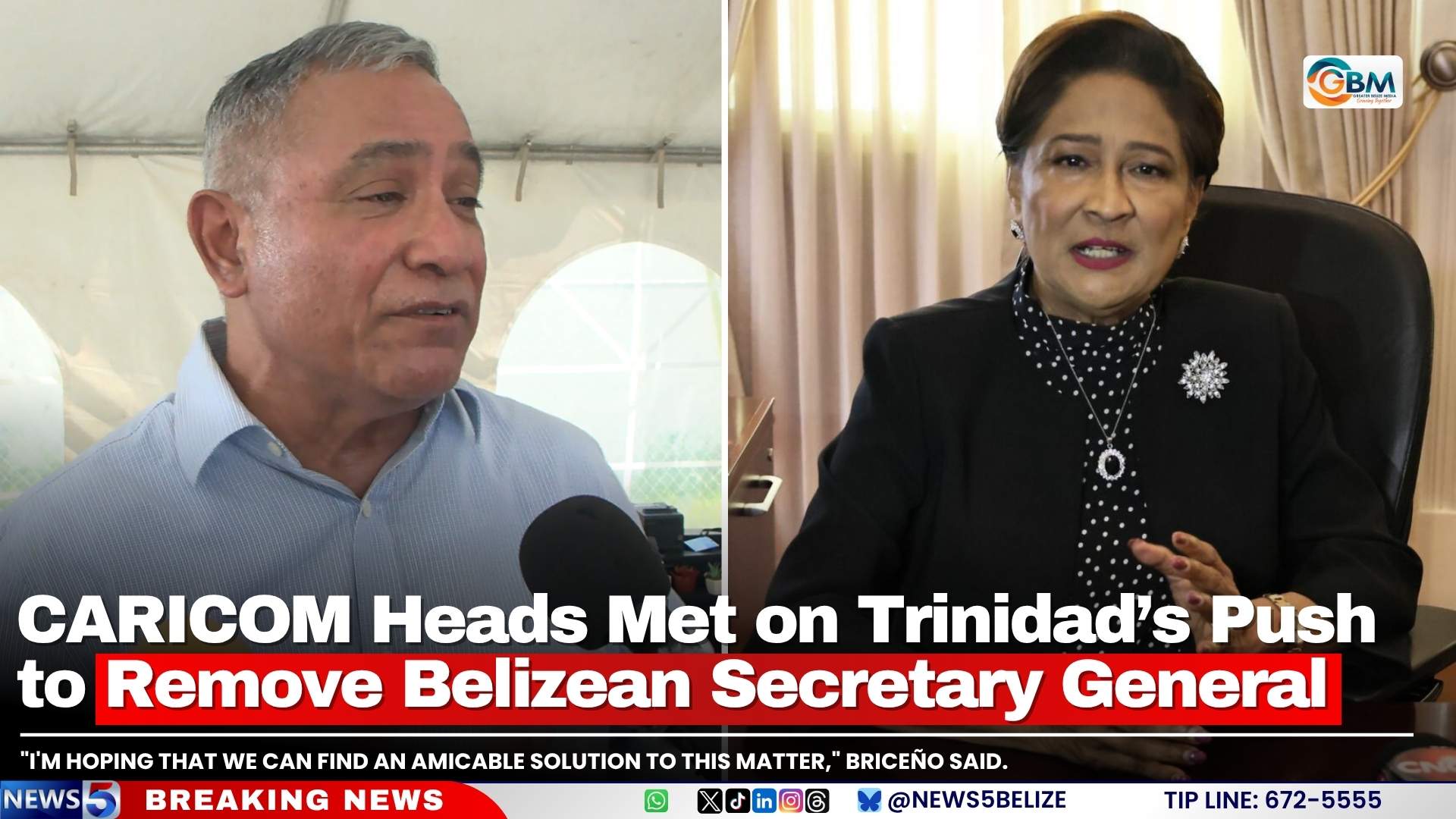
    A regional political dispute has erupted within the Caribbean Community (CARICOM) as Trinidad and Tobago advances a public campaign to oust sitting Secretary-General Dr. Carla Barnett, a Belizean national. Belize’s Prime Minister John Briceno has swiftly announced his country’s unwavering full support for Barnett, pushing back against Trinidad’s unprecedented public move to remove the bloc’s top administrative leader.

    In an exclusive interview with local outlet News Five, Briceno emphasized that the public campaign against Barnett is a regrettable departure from appropriate regional diplomatic protocols. He stressed that Barnett’s decades of expertise and deep knowledge of Caribbean regional affairs make her a highly qualified leader for the integration bloc, and her position as a Belizean public servant guarantees her continued, unshakable support from the Belizean government.

    Addressing widespread political speculation that his government’s stance is shaped by Barnett’s past ties to Belize’s opposition United Democratic Party, Briceno rejected the narrative. He underscored that domestic political divisions in Belize do not extend to the international stage: regardless of internal partisan differences, all Belizeans stand in solidarity when one of their own holds a key regional role, he said.

    Briceno further outlined that while all CARICOM leaders hold the right to raise legitimate concerns over administrative performance, any such grievances should be addressed through private, established channels within the heads of government, not through a public pressure campaign targeting the secretary-general. He also noted a key procedural irregularity in Trinidad’s push: the country’s own prime minister declined to attend the most recent in-person CARICOM Heads of Government meeting, where the bloc was set to discuss Barnett’s reappointment process.

    To resolve the escalating standoff, CARICOM heads of government have scheduled a virtual emergency meeting for Friday noon to deliberate on the dispute. Briceno told reporters he remains cautiously optimistic that regional leaders will reach a mutually acceptable, amicable resolution that preserves both the integrity of the bloc and the standing of its secretary-general.

  • IICA meeting with agricultural leaders of Americas highlights need for unified approach to agrifood challenges

    IICA meeting with agricultural leaders of Americas highlights need for unified approach to agrifood challenges

    Against a backdrop of escalating global geopolitical volatility and widespread market disruption, senior agricultural ministers and policy leaders from across the Americas have united to issue a urgent call for enhanced cross-regional collaboration. The goal of this coordinated push is to shore up long-unaddressed vulnerabilities in hemispheric agrifood systems, buffer against unexpected external shocks, and unlock untapped emerging development opportunities, according to an official press release from the Inter-American Institute for Cooperation on Agriculture (IICA), which convened the high-level virtual gathering.

    The summit, held during IICA Director General Muhammad Ibrahim’s official working visit to Washington, D.C., brought together a diverse cohort of stakeholders: national government agricultural delegations, U.S. federal officials, global multilateral funding bodies, private sector agricultural leaders, and policy research institutions. During his visit, Ibrahim has been actively engaging with stakeholders to co-design a shared regional agenda to strengthen hemispheric agricultural resilience.

    Central to the meeting’s discussions was a growing consensus that the current threats to food security across the region stem from deep-seated structural weaknesses, not temporary, passing market disruptions. A core priority identified by attendees is cutting over-reliance on imported agricultural inputs, particularly nitrogen-based fertilizers, nearly 80% of which are sourced from the Middle East— a supply chain that has been thrown into severe uncertainty by ongoing regional geopolitical tensions. Participants agreed that the solution lies in expanding targeted regional investment in domestic production of organic fertilizers and bio-based agricultural inputs, paired with expanded cross-border technical cooperation to advance inclusive, sustainable agricultural development across the hemisphere.

    Opening the summit, Kip Tom, Vice Chair of Rural Policy at the America First Policy Institute (AFPI), emphasized the outsized global role of the Western Hemisphere’s agricultural sector. “The Western Hemisphere is a leader in global agriculture and feeds billions of people around the world each day. Today, despite global uncertainty, we must serve as a model of strength and continental cooperation,” Tom stated. He also drew a clear connection between global food security and national stability, calling for deeper regional trade integration and market expansion, noting that IICA’s coordinating role “is more important today than ever before, so that the Americas may grow even stronger.”

    Director General Ibrahim expanded on the urgency of addressing fertilizer dependence, noting that small-scale agricultural producers, who form the backbone of food production in many regional economies, bear the brunt of supply chain disruptions. “We must reduce our dependence on fertilizer imports through alternatives that enable us to have a robust production chain. The issue of nitrogen-based fertilizers is particularly critical, given that nearly 80% of them come from the Middle East. Today, small-scale producers are facing risks and uncertainty for this very reason,” he said. Ibrahim added that IICA is uniquely positioned to drive progress through targeted investment in technological innovation, including the development of climate-resilient, high-yield improved seed varieties tailored to regional growing conditions.

    Agricultural leaders from across the hemispheric shared national perspectives and ongoing domestic efforts to build resilience, highlighting shared challenges and coordinated solutions. Zulfikar Mustapha, representing Guyana, noted that small Caribbean island nations face disproportionate exposure to global supply chain shocks tied to Middle Eastern tensions. He outlined Guyana’s ongoing initiative to build a regional fertilizer plant powered by domestic natural gas reserves to supply Caribbean nations, paired with major investments in digital smart agriculture technologies.

    Viviana Ruiz, another participating leader, underscored the deep interconnectedness of modern energy, fertilizer, and food markets. “The production costs of strategic crops are leading to a decrease in the use of inputs. However, the situation also affords an opportunity to transition towards greater sustainability and low-carbon production. Now more than ever, the region must act in unison and adopt a collective commitment,” she said.

    Mexican agricultural representative Santiago Ruy Sanchez de Orellana shared that Mexico currently imports 75% of its total fertilizer demand, and is moving rapidly to expand domestic production through state-owned energy giant PEMEX, while rolling out a national policy to support adoption of bioinputs. “Through the state-owned oil company PEMEX, we are expanding local fertilizer production. Mexico is also promoting a bioinputs policy,” he said, adding that “hemispheric cooperation makes the pursuit of food sovereignty viable while respecting each country’s priorities. Food sovereignty is not in opposition to trade and international cooperation; on the contrary, it needs it.”

    Argentine representative Agustín Tejeda warned against the trend of restrictive protectionist trade measures in response to global uncertainty, arguing that inward-looking policies would only exacerbate regional vulnerabilities. “The response from countries in our region should not be further withdrawal, but rather greater cooperation, greater efficiency, more trade, and more transparent information,” he said.

    Additional participants included delegates from leading global development institutions including the World Bank and the International Fund for Agricultural Development, alongside private sector agricultural leaders. According to the IICA press release, the group collectively “emphasized the responsibilities of the Americas in times of pressure on global food demand and expressed the need to protect small-scale producers,” who are most vulnerable to market volatility and input price shocks.

  • Empire eyeing BFA Premier League return this season

    Empire eyeing BFA Premier League return this season

    For Empire Football Club, the 2024 Barbados Football Association Division One campaign is far more than just a series of matches — it is a deliberate push to return to the top flight of Barbadian football. After a blistering opening run of results, the Bank Hall-based side has climbed to the summit of the division’s points table, putting down an early marker as one of the competition’s title favorites. Their most recent outing on Wednesday served as a perfect demonstration of their current form, as Empire delivered a dominant 5-0 thrashing of Barbados Soccer Academy to extend their lead at the top.

    In an interview with local outlet Barbados TODAY following the lopsided win, Empire manager Captain Al Walcott broke down the factors behind the club’s flying start to the season, crediting consistent preparation and intentional off-season recruitment for the team’s early success. “The real secret to our results right now is the consistency our players bring to every training session,” Walcott explained. “We’ve worked hard to build a structured, systematic style of play that we can adapt no matter what conditions or opposition we face on match day.”

    The club’s off-season moves were specifically targeted at fixing a key problem that derailed their promotion push 12 months prior: a lack of cutting edge in front of goal. After finishing the previous campaign with too few goals to challenge for the top two promotion spots, the front office moved aggressively to add attacking talent to the roster, and those changes are already showing results. “We knew our finishing was holding us back last season, so we went out and added new attacking options to fix that gap, and so far that investment has paid off,” Walcott said.

    The new crop of talent brings a diverse range of experience and skill to Empire’s side. Among the standout signings is Saint Vincent native Romario Denny, who has already added a new dimension to the club’s attack. Another notable addition is Arantes Lawrence, who previously featured in the Welsh Premier League and now splits his time between playing for Empire Masters and mentoring the club’s younger rising stars. Completing the new attacking group are Brazil-born Brino da Silva — a left back who regularly pushes forward to join attacks — and attacker Kevron Durrant, both of whom have contributed to the team’s improved goalscoring form.

    The depth of the current roster has created a welcome challenge for the club’s coaching staff: selecting a starting 11 and matchday substitutes for each fixture. Walcott noted that as many as 23 players attend mandatory pre-match training sessions, with multiple players competing for every starting spot. While narrowing down the matchday squad is no easy task, Walcott emphasized that having this abundance of talent is a positive problem for any ambitious club to face.

    Promotion back to the Barbados Premier League remains the team’s non-negotiable ultimate goal, a target that slipped out of reach last season despite a strong defensive performance. Last term, St Andrew Lions and Bagatelle claimed the two promotion spots, while Deacons and Silver Sands were relegated from the top flight. Walcott recalled that last season, Empire conceded far fewer goals than most of their promotion rivals, but too many drawn matches — at least six over the course of the campaign — left them short of the places they needed to move up. This season, the club is determined to correct that mistake and secure their return to the top tier of Barbadian football.

    “Promotion to the Premier League is still our number one goal,” Walcott said. “We missed out last year, but we’ve fixed the gaps in our team, and we’re going to keep working every day to make that goal a reality this time around.”

  • Port of Belize Expansion Gets Environmental Clearance, PM Calls It a “Game Changer”

    Port of Belize Expansion Gets Environmental Clearance, PM Calls It a “Game Changer”

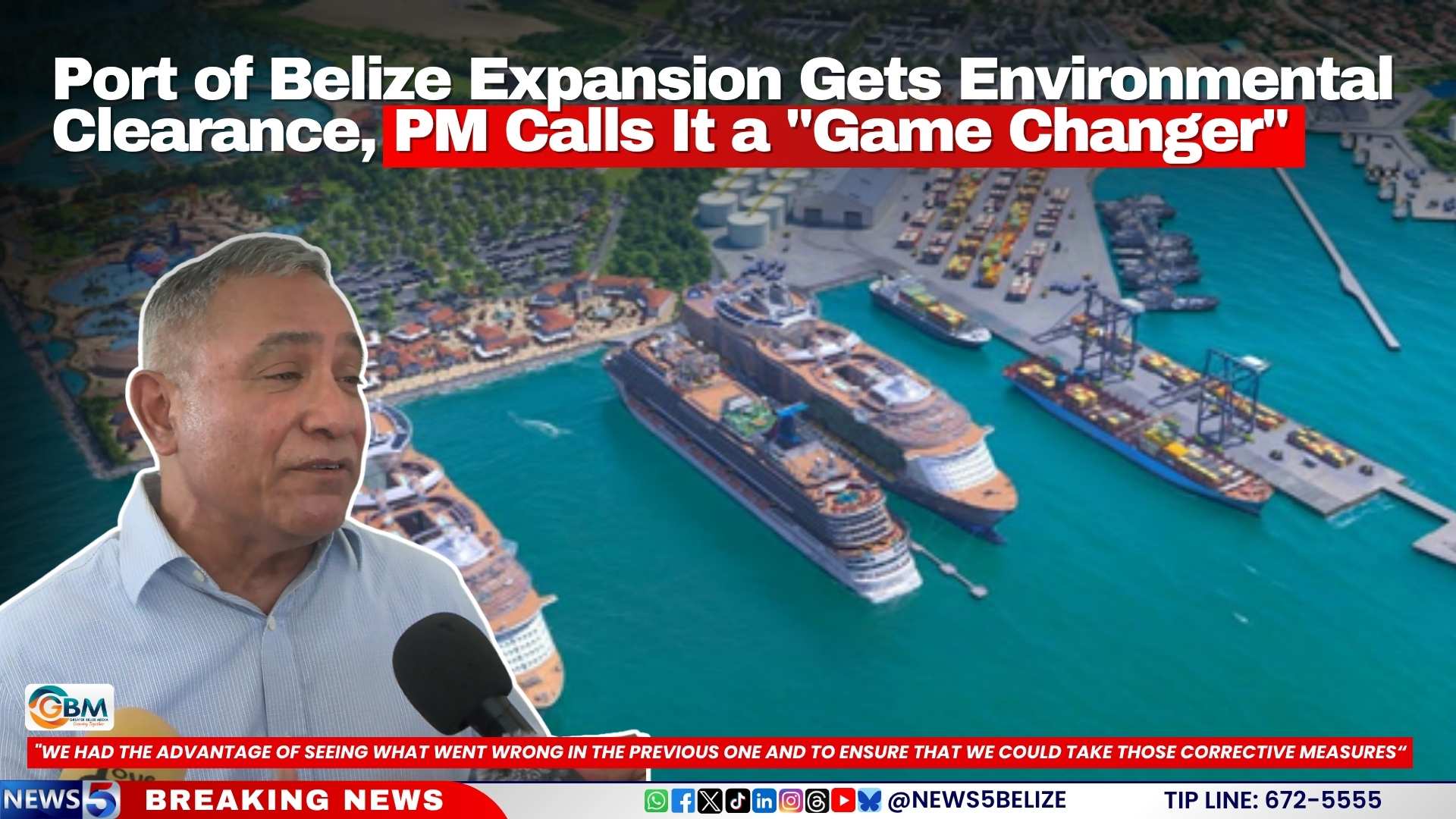
    After decades of stalled attempts and contentious regulatory review, the long-awaited expansion of the Port of Belize has crossed a critical threshold, earning conditional environmental approval from the country’s top environmental assessment body that clears the way for the project to move into its investment sourcing phase.

    Prime Minister John Briceño framed the green light as a transformative milestone for Belize’s economic development in an interview with local outlet News Five, describing the planned facility as a game-changing world-class hub that will serve both cruise tourism and container cargo shipping. The project has a decades-long history of failure, with multiple previous attempts to launch the expansion dating back to the early 2000s never coming to fruition.

    Briceño credited coordinated support from his cabinet and careful preparation led by a dedicated public implementation unit headed by Dr. Aguile Canton for finally advancing the project past this key regulatory hurdle. “We had the advantage of seeing what went wrong in the previous attempts, so we were able to implement targeted corrective measures to address past gaps,” he explained.

    The approval was issued with specific binding conditions by the National Environmental Appraisal Committee (NEAC), the independent body tasked with reviewing the project’s environmental impact. Amid circulating claims that the government exerted political pressure to force a favorable vote from NEAC, Briceño rejected the allegations as baseless nonsense, emphasizing that NEAC is composed of highly qualified independent professionals who operate free from political interference.

    The Prime Minister also downplayed expectations of upcoming legal challenges from private sector entities, including the Waterloo Group, a firm that has previously raised objections to the project. Briceño noted that the government has already completed the acquisition of Waterloo’s stake in the project, putting that potential source of dispute to rest. “We have followed every regulatory step required by law, and we are on solid legal ground moving forward,” he said.

    Not all stakeholders have welcomed the approval, however. Local environmental advocacy groups have raised persistent concerns about the project, arguing that Port of Belize Limited failed to address major unmitigated ecological risks and should have been required to submit a fully revised impact assessment before approval was granted. Briceño acknowledged that any large infrastructure development will inevitably generate some environmental impact, comparing it to the unavoidable footprint of building a new residential home. But he stressed that the government has committed to rigorous mitigation measures to minimize the project’s ecological effects as much as technically and financially possible.

    With environmental clearance now secured, the government is advancing immediately to the next phase: securing a private development partner to finance and execute the expansion. Briceño confirmed that multiple major international firms have already submitted preliminary expressions of interest, including U.S.-based SSA Marine, which counts global investment giant BlackRock as its parent company, Turkey’s Global Port Holdings, and a Mexican investment consortium. To ensure structured, transparent negotiations with prospective partners, the government has re-engaged Moffat and Nichols, the engineering firm that developed the project’s original master plan, to draft formal terms of reference for the upcoming bidding and negotiation process.

  • PM Skerrit questions $4.5M renovation of Arawak House of Culture, proposes new site

    PM Skerrit questions $4.5M renovation of Arawak House of Culture, proposes new site

    Dominica’s iconic cultural landmark, the Arawak House of Culture, has been mired in public debate over its future for years, and now Prime Minister Roosevelt Skerrit has thrown his weight behind a radical new proposal: fully relocating and rebuilding the facility from scratch rather than continuing costly repairs on the existing structure.

    The decades-old cultural hub, which long served as Dominica’s primary public theater and a core gathering space for the island’s artistic community, suffered catastrophic damage when Hurricane Maria made landfall in 2017. In the years following the storm, attempts to restore the building have drawn sharp criticism from leading arts figures, who have questioned the transparency and effectiveness of the rehabilitation process.

    Speaking at a recent press conference, Skerrit argued that pouring more funds into repairing the original building is a waste of public resources, warning that the aging structure risks becoming an endless “money pit.” “It’s an old building, there is no parking for patrons. It was built for a different period in time, and once you start touching an old building, problems will keep piling up,” he explained. The prime minister added that unforeseen issues always push rehabilitation costs far beyond initial projections, noting that contingency budgets for old building projects often end up exceeding the cost of new construction.

    A full technical review conducted by the Ministry of Public Works pegs the total cost of full rehabilitation at $4.5 million, with persistent issues ranging from outdated electrical and lighting infrastructure to widespread termite infestation throughout the building.

    Instead of sinking that sum into repairs, Skerrit is pushing for the government to acquire new land in an accessible location near Canefield or Roseau to construct a modern, purpose-built cultural facility. He outlined a vision for a new space that includes amenities long missing from the original building, such as public parking, a on-site coffee shop and dining area, and updated technical infrastructure that can accommodate modern events.

    “We have to think bigger. This thing about trying to fix an old thing doesn’t make sense,” Skerrit said, adding that a new facility could serve the Dominican people for the next 40 years, a much longer lifespan than a repaired original building could offer. The prime minister also proposed assembling a broad-based committee made up of public officials, cultural enthusiasts and community activists to gather input from all stakeholders before a final decision is made. “We need to sit down within the public service and engage other stakeholders to determine what we do: Do we, for posterity, keep the Arawak and spend $4.5 million or do we look for a new location and do something that can last us for the next 40 years?” he queried.

    Skerrit’s latest position marks a notable shift from government plans earlier this year. Back in January 2025, the administration signed an EC$113,000 contract with Caribbean Building Specialties Ltd. for waterproofing work on the building’s galvanized roof, a first step in a planned full overhaul. That work, completed earlier this year, was announced by Skerrit during an April 2025 appearance on the Creole HeartBeat Program hosted by Ambassador Leroy ‘Wadix’ Charles. At that time, the government outlined a full rehabilitation plan that included restoring the building’s external and internal structures, upgrading the stage, seating, flooring, foyer and air conditioning, and installing new sound, lighting and decorative features. The revamped facility was expected to become the primary host for major national events including Independence Day celebrations, DOMFESTA, Carnival and Emancipation observances.