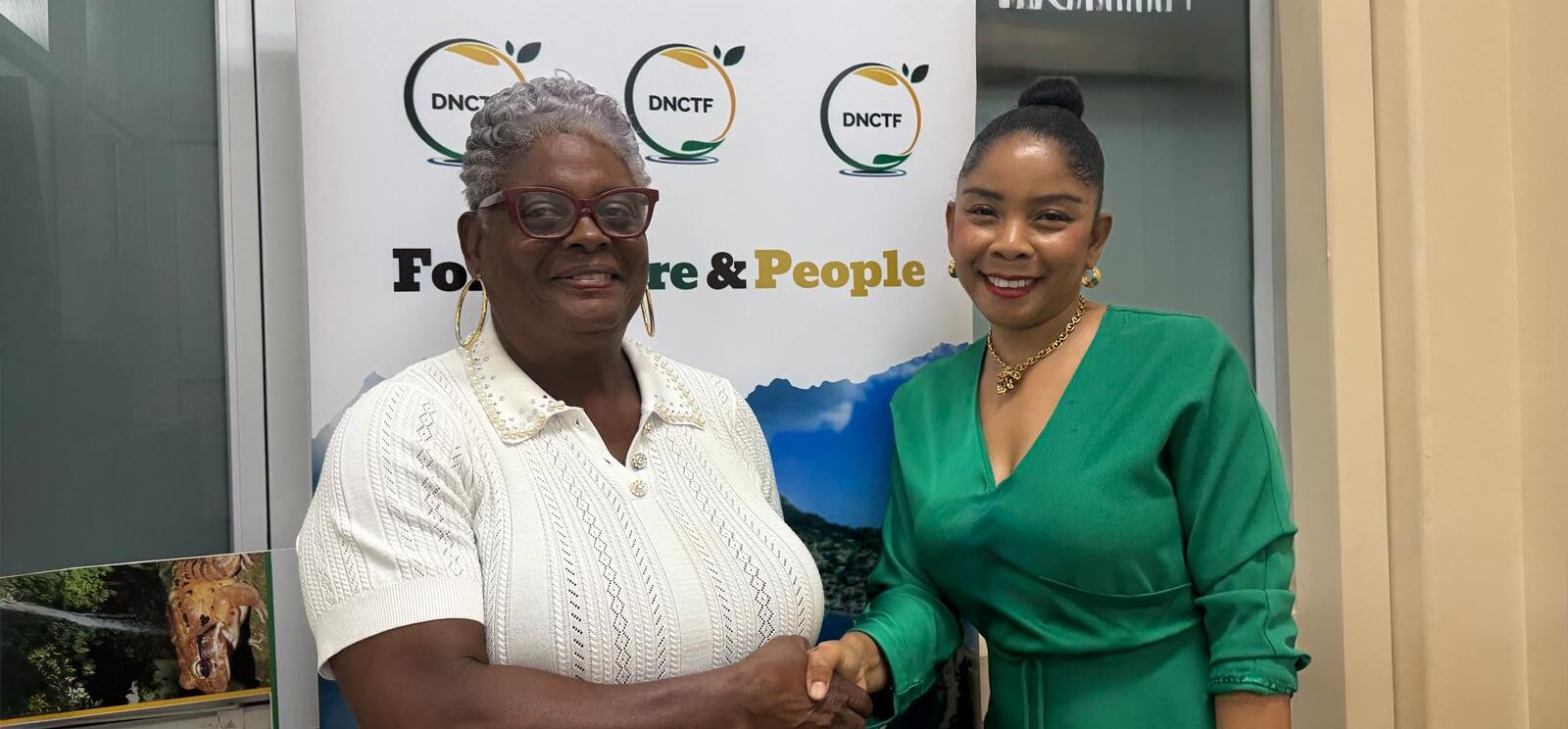
Vulnerable to worsening extreme weather driven by climate change, the small coastal community of Atkinson in Dominica is poised to upgrade its natural hazard protection thanks to a new cross-regional climate initiative led by Caribbean conservation groups. On June 17, 2026, the Dominica National Conservation Trust Fund (DNCTF) and the Atkinson Village Council formalized an agreement to deploy a $5,000 climate resilience contribution from the Bahamas Protected Areas Fund (BPAF), marking a new example of regional cooperation addressing shared climate threats.
As the local administrator for the funding, DNCTF will oversee the three-month project, which is scheduled to wrap up implementation by September 2026. The initiative targets the most pressing climate-related risks facing Atkinson: recurrent flooding and landslides worsened by outdated drainage infrastructure and eroding hillsides. Planned interventions range from clearing decades of blockages from existing drainage networks and building new French drains in high-erosion zones to completing slope stabilization work and purchasing core equipment for long-term maintenance and future hazard mitigation.
For years, Atkinson has grappled with intensifying extreme weather impacts that have outpaced the community’s existing protective infrastructure. Frequent heavy rainfall events, amplified by global climate shifts, have triggered repeated flooding, widespread soil erosion, and unstable slope conditions, while inadequate drainage has compounded these threats. These hazards not only put local residents’ safety at risk but also damage critical public infrastructure and undermine the livelihoods that depend on the area’s natural resources.
Beyond the immediate goal of improving community safety, the project is designed to deliver lasting environmental co-benefits. By cutting down on soil erosion and reducing sediment runoff that pollutes local waterways and nearby coastal ecosystems, the upgrades will help preserve native biodiversity, maintain the health of critical marine and terrestrial habitats, and boost the entire region’s long-term capacity to adapt to climate change.
DNCTF leadership framed the cross-border partnership as a model for collective climate action across the Caribbean, a region where small island nations share disproportionate climate risk despite contributing the least to global emissions. Dr. Rhonda Linton, DNCTF’s Chief Executive Officer, emphasized that conservation and climate action do not recognize national boundaries. “The support provided by the Bahamas Protected Areas Fund reflects a shared commitment to protecting our environment, strengthening climate resilience, and ensuring that vulnerable communities have the resources needed to adapt and thrive,” Linton said. “It is a powerful reminder that when we invest in nature, we invest in people, livelihoods, and the future of our region.”
The collaboration between BPAF, DNCTF and the Atkinson Village Council has been widely cited as a replicable example of how targeted regional cooperation can deliver tangible, community-centered climate adaptation. By centering local needs and pooling resources across borders, the partnership demonstrates that small, targeted investments can deliver outsized benefits for frontline communities while safeguarding shared natural resources for generations to come.