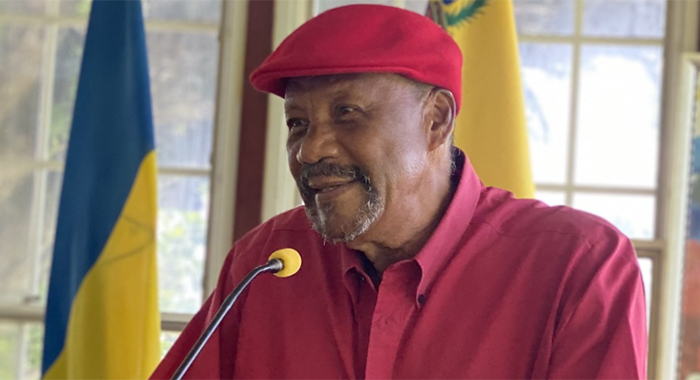
As the November 27 elections in St. Vincent and the Grenadines approach, the working class finds itself deeply divided in its support for political parties. This division has pitted co-workers against co-workers and family members against one another, with many hoping that their chosen party will deliver tangible benefits. However, both the Unity Labour Party (ULP) and the New Democratic Party (NDP) are fundamentally capitalist entities, prioritizing the interests of local and foreign capitalists over the working class. Historically, the ULP initially positioned itself as pro-working class, influenced by the left-leaning Movement for National Unity during its 1994 merger. However, once in power, the ULP shifted to the right, aligning itself with multinational corporations, particularly in the hospitality sector. The NDP, founded in 1975, emerged during a period of political turmoil but has consistently maintained its capitalist and liberal leanings. Despite their differences, both parties have failed to address systemic issues such as poverty, unemployment, wage disparities, and inadequate public services. The working class remains disillusioned, with many viewing the elections as a choice between two flawed options. Campaigns, funded by the wealthy, further marginalize ordinary citizens, leaving them with little influence over the political process. In this context, the need for systemic change has become increasingly apparent. Organizations like SOLIDARITY RIGHTS advocate for fundamental rights, including access to quality healthcare, education, decent work, and housing, as essential pillars for a just society. As the election looms, the focus shifts to the broader question of national direction post-November 27, emphasizing the need for a system that empowers ordinary people to shape their own destinies.
作者: admin
-
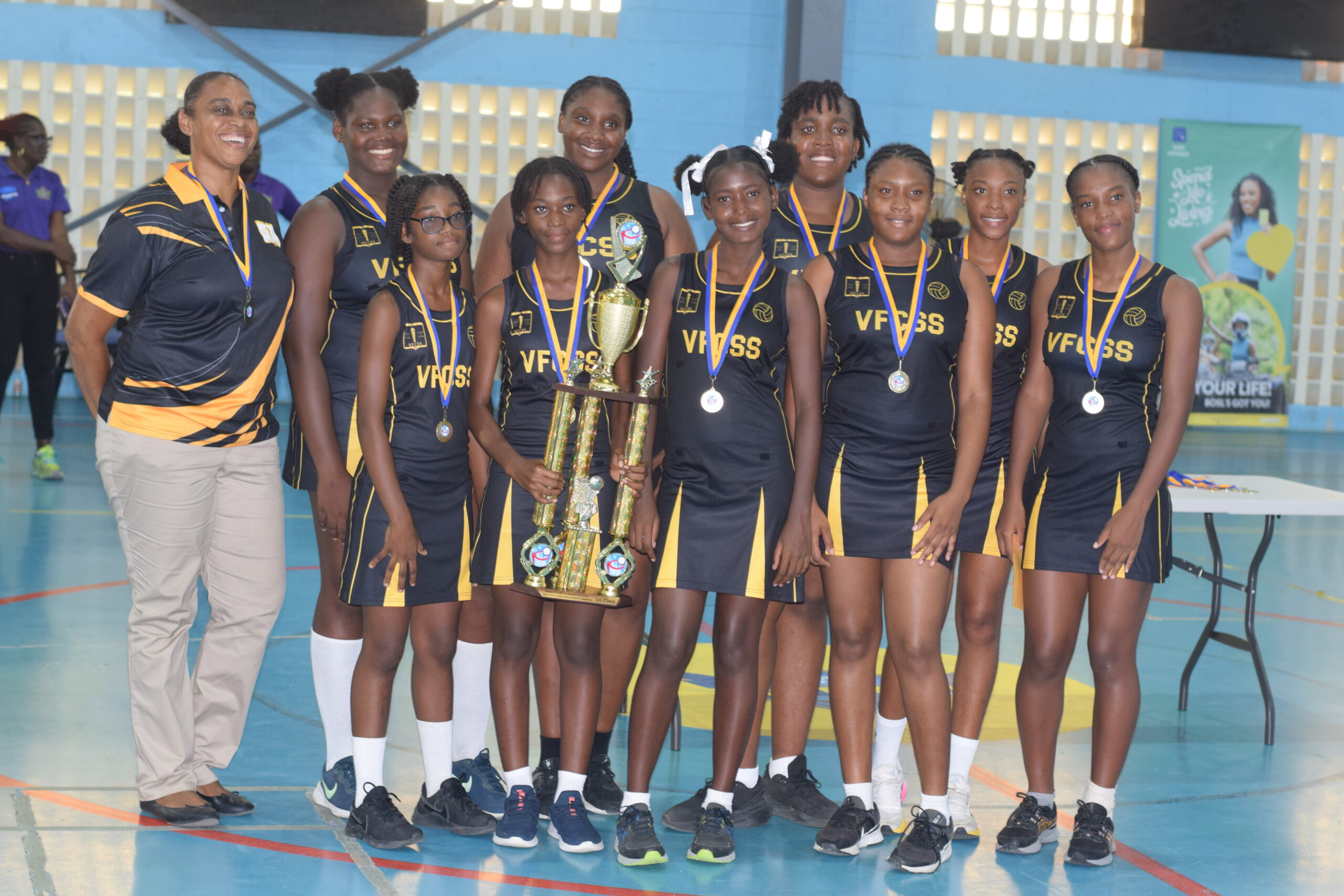
Samuel Anchors VFCSS to nail-biting Schools Netball Win
In a thrilling showdown at the Beausejour Gymnasium, Vieux Fort Comprehensive Secondary School (VFCSS) clinched a narrow 31–30 victory over Micoud Secondary in the Under-19 Schools’ Netball Tournament final. The match, marked by intense competition and strategic brilliance, was ultimately decided by the defensive prowess of Hayla Samuel, who was named both MVP and best defender of the final. Samuel, alongside captain Mya King, formed an impenetrable backline that stifled Micoud’s shooters, despite a late surge from the East Coast team. VFCSS led 7–5 after the first quarter and 13–11 at halftime, but it was in the third quarter that they gained significant momentum, stretching their lead to 24–19. Micoud fought back valiantly in the final period, outscoring VFCSS 11–7, but fell just one goal short of tying the game. Deriscia Mitchell and Neriah Charlery were instrumental for VFCSS, combining for 11 goals on 13 attempts in the third quarter. Mitchell finished with 22 goals from 26 attempts, while Charlery added 9 from 14. For Micoud, Mekeige Joseph and Clarise Nervais contributed 18/29 and 12/20 goals, respectively, under relentless defensive pressure. Charlery, aged just 13, was named best attacking player of the tournament, adding to VFCSS’s haul of three individual awards. Micoud’s Kiehanna St Juste earned best centre court honours, while Soufriere’s Kelly Monlouis claimed the most accurate shooter award. Samuel, a dual-sport athlete who also represents Saint Lucia in football, was one of four players in the final who had competed at the Jean Pierre Caribbean Youth Netball Tournament earlier this year.
-

Ralph Gonsalves backs Pierre ahead of election
As he gears up for his own electoral battle in Saint Vincent and the Grenadines, Prime Minister Ralph Gonsalves has extended a public endorsement to Saint Lucia’s Prime Minister Philip J. Pierre and the Saint Lucia Labour Party (SLP) in the lead-up to their December 1 general election. In a recent interview with SVG TV, Gonsalves expressed his unwavering support for Pierre and the SLP, referring to them as a “sister party.” He emphasized the solidarity between their respective Labour movements, underscoring the deep political alliance shared by the two leaders. Gonsalves, confident in his Unity Labour Party’s prospects for re-election, also revealed plans to travel to Castries, Saint Lucia, to join Pierre during the final stages of the campaign. “At the invitation of Philip Pierre, I will be in Saint Lucia at least for the final rally,” he stated. “I have to be there with my Labour comrade.” This endorsement not only reinforces the camaraderie between Gonsalves and Pierre but also highlights the interconnectedness of Labour parties across the Caribbean region.
-

Antiguan student earns global recognition as Hofstra’s first Rhodes Scholar
Rhysa B. Nelson, a 21-year-old biology major from Antigua, has achieved a historic milestone by becoming Hofstra University’s first Rhodes Scholar in its 90-year history. Selected from a competitive global pool of finalists, Nelson’s groundbreaking research focuses on converting invasive Caribbean seaweed into sustainable biofuel, a project that has garnered widespread attention across the United States, the Caribbean, and the global academic community. Her work was inspired by the environmental challenges posed by seaweed accumulation on Caribbean coastlines. ‘There are piles and piles of it, and it’s degrading,’ Nelson explained. ‘This was one avenue I could pursue to address the issue.’ Guided by Dr. Javier Escudero, Nelson has explored innovative methods to transform seaweed into biofuels and other byproducts. Beyond her environmental research, she has also delved into cancer immunology and neurobiology, aiming to increase representation for African-Caribbean scientists in cell biology. ‘Ten years from now, I see myself developing the first Afro-Caribbean stem cell line,’ she shared. Nelson’s achievements extend beyond the lab; she is an accomplished flautist and a dedicated tutor for middle-school students. Described by colleagues as quietly determined, she is deeply committed to making meaningful contributions to science and her Caribbean community. Nelson will now embark on two years of fully funded postgraduate study at the University of Oxford, an opportunity she believes will advance her scientific ambitions and her mission to give back to the Caribbean. Hofstra University celebrated her selection, stating it has placed the campus ‘in the global spotlight’ and marked a significant milestone for the institution.
-
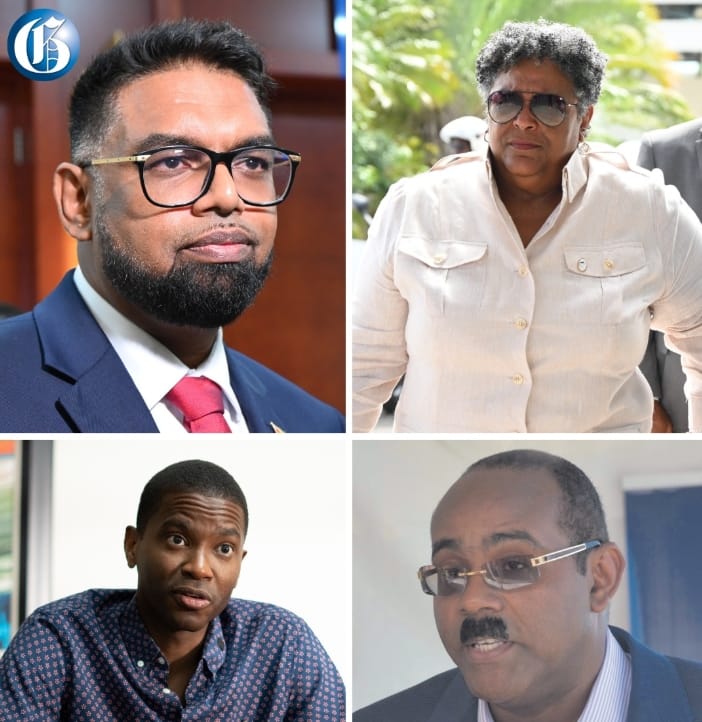
PM Browne Among CARICOM Heads Visiting Storm-Devastated Communities in Jamaica Today
A high-level delegation of Caribbean leaders, accompanied by officials from the Inter-American Development Bank (IDB), is set to arrive in Jamaica today to evaluate the extensive damage caused by Hurricane Melissa. The group, led by CARICOM Chairman and Jamaican Prime Minister Dr. Andrew Holness, includes Barbados Prime Minister Mia Mottley, Guyana President Dr. Irfaan Ali, Antigua and Barbuda Prime Minister Gaston Browne, Grenada Prime Minister Dickon Mitchell, CARICOM Secretary-General Carla Barnett, and IDB President Ilan Goldfajn. Their itinerary includes visits to severely affected areas in St. James, Westmoreland, and St. Elizabeth, with stops planned in Westgreen and Catherine Hall, two Montego Bay communities still grappling with the aftermath of the Category 5 storm. Hurricane Melissa, which struck Jamaica on October 28, unleashed catastrophic flooding and landslides, particularly in the western parishes. The Barnett, Pye, and Montego rivers overflowed, submerging entire neighborhoods, destroying homes, businesses, and critical infrastructure, and displacing thousands of residents. Many areas remain without reliable electricity or clean water. The tour aims to provide regional leaders with a firsthand understanding of the humanitarian crisis and the urgent need for coordinated recovery efforts. This visit follows pledges of solidarity and support from CARICOM member states, with Barbados establishing a field hospital at Cornwall Regional Hospital and other nations offering financial and technical assistance. The IDB, a key financial partner in the region, is expected to use this opportunity to discuss reconstruction funding and long-term climate adaptation strategies, especially as small island nations face increasing threats from extreme weather events. Prime Minister Holness has underscored the importance of regional unity and international collaboration in addressing the challenges posed by the disaster. Monday’s high-level engagement is anticipated to shape a comprehensive recovery framework, focusing on housing, infrastructure rehabilitation, and community support for the hardest-hit areas. Additional details of the delegation’s itinerary will be provided by the Office of the Prime Minister.
-
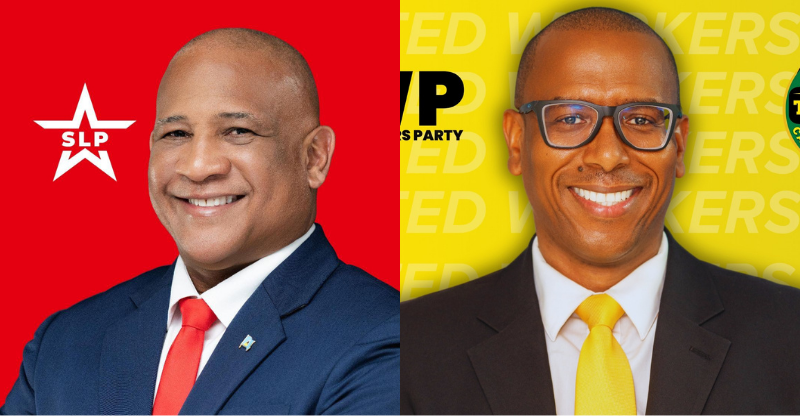
The battle for Castries South
On December 1, voters in Castries South, Saint Lucia, will cast their ballots in a pivotal election that will shape the constituency’s future for the next five years. The contest features two contrasting candidates: Dr. Ernest Hilaire, a seasoned politician and Deputy Prime Minister, and Tommy Descartes, a first-time candidate with a technocratic background. The election is not just a battle between party loyalties but also a clash of visions for a district that has become a symbol of national pride and political ambition. Castries South, a constituency within Saint Lucia’s capital, has garnered international attention since Julien Alfred, a native of Ciceron, won the country’s first Olympic gold medal. The area boasts significant infrastructure, including the Dr. Winston C.V. Parris Medical Complex, Owen King European Union Hospital, and Tapion Hospital. It also includes Bananes Bay, a politically sensitive zone near Tapion and Hospital Road, which is expected to be impacted by the Global Port Holding redevelopment of Port Castries. Dr. Ernest Hilaire, representing the Saint Lucia Labour Party (SLP), is seeking a third term. A graduate of the University of the West Indies, Cambridge University, and the London School of Economics, Hilaire has held numerous high-profile roles, including Permanent Secretary in the Ministry of Youth and Sports, CEO of Saint Lucia’s ICC Cricket World Cup operations, and Chief Executive Officer of the West Indies Cricket Board. His campaign emphasizes legislative achievements and resilience during his tenure, particularly during his time in opposition. Hilaire highlights the Tourism Development Act as a key accomplishment, which he claims has incentivized local participation in the tourism industry. In contrast, Tommy Descartes, representing the United Workers Party (UWP), is a first-time candidate with a background in economics. A graduate of the University of the West Indies and the University of Nottingham, Descartes has worked with the Caribbean Development Bank, Saint Lucia’s Department of Economic Planning, and the Ministry of Equity. Descartes positions himself as a fresh, relatable alternative, focusing on youth empowerment and a ten-year development plan that includes the creation of a Youth and Sports Academy. The election will hinge on which candidate can best address pressing issues such as employment generation, infrastructure upgrades, and sports and social development initiatives. Voters will ultimately decide whether to continue with Hilaire’s experienced leadership or embrace Descartes’ new vision for Castries South.
-
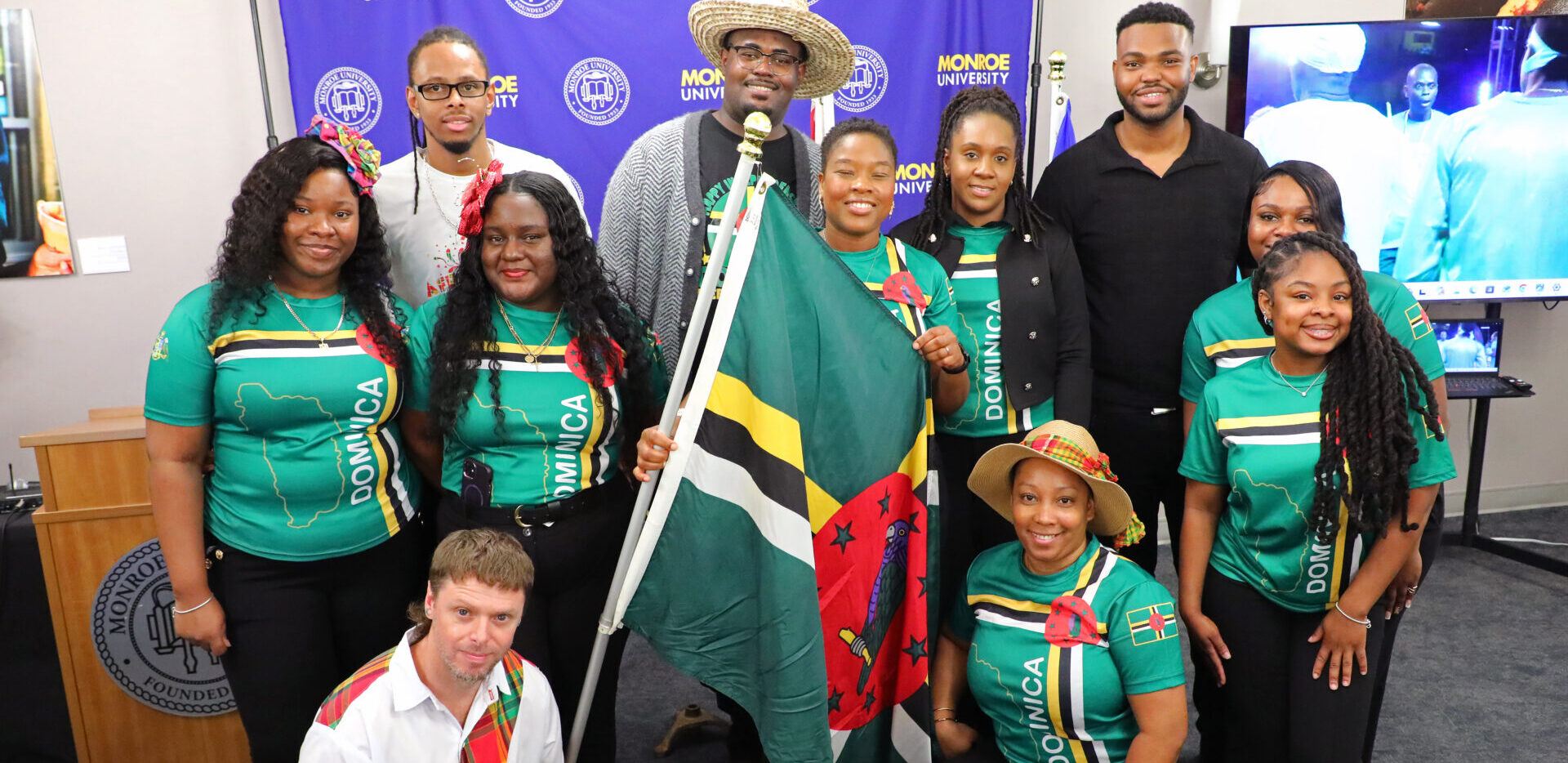
Dominican students and staff rep culture at Monroe College’s Caribbean gathering in New Rochelle
Monroe University’s Dining Lab on the New Rochelle campus became a vibrant center of cultural celebration on October 31, as it hosted an event honoring the independence days of four Caribbean nations: Dominica, Sint Maarten, Antigua & Barbuda, and St. Vincent & the Grenadines. The gathering, part of the university’s International Initiative, brought together students, faculty, and staff in a spirited display of community and cultural pride. The event was marked by performances, traditional cuisine, and the presence of distinguished Caribbean guests, including diplomats and cultural ambassadors. The celebration showcased the university’s commitment to fostering a global and inclusive academic environment, with a student population representing over 135 countries. Key organizers, such as Joeane Laurent and Tara George, emphasized the importance of creating a sense of belonging for international students. The event’s emcee, Showanna Arthurs, highlighted the joy of celebrating Caribbean heritage and unity. Monroe University hailed the event as a resounding success, underscoring its dedication to diversity and cultural appreciation.
-

21-year-old Jesse Guthrie of Ottos charged with Attempted Murder
In a recent development, the Royal Police Force of Antigua and Barbuda has announced the arrest and formal charging of 21-year-old Jesse Guthrie from Ottos for the alleged crime of Attempted Murder. The incident, which occurred on November 4, 2025, in Tinning Village, involved a violent altercation that left a 40-year-old man from Grays Farm severely injured. The victim was found unconscious by the roadside, suffering from multiple wounds to his right hand and neck. Following a thorough investigation, Guthrie was apprehended and taken into custody. He is now facing legal proceedings and is scheduled to appear in court to address the charges brought against him. This case has drawn significant attention from the local community, highlighting concerns over public safety and the prevalence of violent crimes in the region.
-

EC accused of using AI in responses
A recent complaint has raised concerns about the transparency of a community body, highlighting that a document sent to ombudsmen appears to have been generated using artificial intelligence (AI). This revelation has sparked criticism from experts who accuse the European Union (EU) of maintaining a double standard. While the EU actively regulates the use of AI externally, it seems to employ such tools internally, potentially violating its own guidelines. Critics argue that this inconsistency reflects a lack of seriousness and transparency in the EU’s management practices. The Ombudsman is reportedly considering launching a formal investigation into the matter. Meanwhile, the European Commission (EC) has declined to provide clarity on whether AI tools were used, citing the internal nature of its regulations.
-
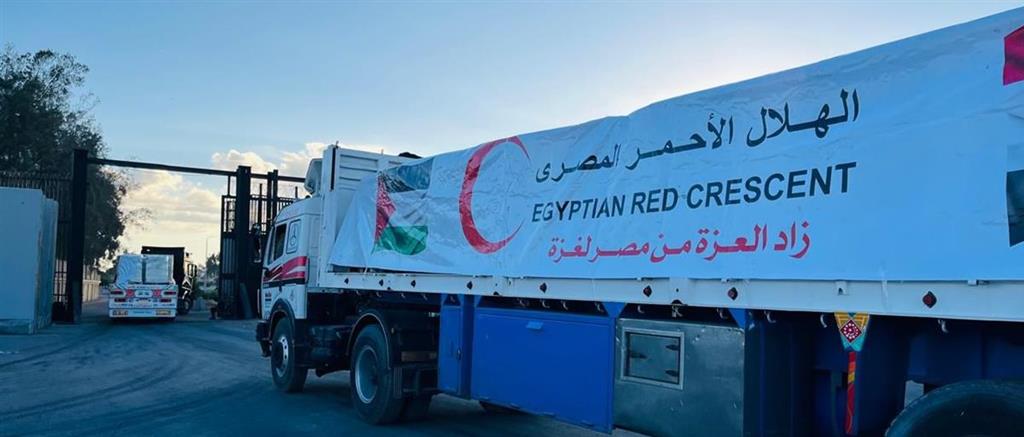
Egypt sends new aid convoy to Gaza
In a significant humanitarian effort, Egypt has dispatched a substantial aid convoy to Gaza in preparation for the harsh winter season and ongoing rainfall. The shipment, coordinated by the Egyptian Red Crescent Society, includes critical supplies such as 5,500 tons of food, 2,400 tons of medical and relief materials, 1,400 tons of fuel, 106,000 blankets, over 1,350 mattresses, 40,000 clothing items, and 4,450 tents. This initiative, part of the ‘Zad Al-Azza: From Egypt to Gaza’ program launched on July 27, has already delivered more than 130,000 tons of aid in collaboration with the United Nations and international partners. Foreign Minister Badr Abdellatty emphasized Egypt’s pivotal role, revealing that the country has contributed 70 percent of all aid entering Gaza since the onset of the Israeli aggression in October 2013. The timely delivery of these supplies aims to alleviate the suffering of Gaza’s residents as they face increasingly challenging weather conditions.