作者: admin

  • FNM: We work for you, not the few

    FNM: We work for you, not the few

    As The Bahamas prepares for its general election on May 12, the main opposition Free National Movement (FNM) has formally launched its ambitious policy platform, a 54-page manifesto titled *We Work For You*, aimed at reversing the party’s 2021 electoral defeat and preventing the incumbent Progressive Liberal Party (PLP) from claiming a historic consecutive term in office.

    The release of the FNM’s agenda comes just days after the ruling PLP debuted its own election platform, the “Blueprint for Progress”, at the University of The Bahamas, setting the stage for a clear policy-driven contest between the two major parties ahead of polling day.

    At the forefront of the FNM’s cost-of-living relief proposals is a plan to eliminate value-added tax (VAT) entirely on all everyday consumer essentials, medical expenses, and educational supplies. The party also targets housing accessibility, promising to lower down-payment requirements for first-time homebuyers and deliver at least 5,000 new housing units via public-private partnership projects. For family support, the manifesto pledges a $200 monthly child allowance for children in their first two years of life, alongside a guaranteed minimum $100 weekly stipend for young people enrolled in accredited job training programs.

    A core distinguishing feature of the FNM platform is its sharpened focus on government transparency and anti-corruption reform, an area the party frames as underdelivered by the current PLP administration. The centerpiece of this agenda is a binding timeline to fully implement the long-stalled 2017 Freedom of Information Act (FOIA): the party commits to beginning the rollout within its first 90 days in office, with full completion scheduled within the first year of a FNM government. FOIA has remained partially implemented for years after its passage; the current PLP administration stated in 2022 that pilot training had begun for staff at 10 government agencies, but offered no firm full rollout date, and Prime Minister Davis confirmed in 2025 that full FOIA implementation was not an administrative priority, with the government focusing instead on cost-of-living and public safety concerns.

    The FOIA pledge is part of a broader suite of accountability measures put forward by the FNM, including a new Public Anti-Corruption Bill, a binding Public Officials’ Code of Conduct Bill, enhanced legal protections for whistleblowers, a more empowered Public Accounts Committee, a shift of the Auditor General’s Office from executive oversight to parliamentary supervision, independent board appointments for state-owned enterprises, and full implementation of the long-delayed Ombudsman Act.

    On healthcare, the FNM expands on its already publicized commitments to redevelop Nassau’s Princess Margaret Hospital and upgrade Grand Bahama’s Rand Memorial Hospital. The manifesto adds pledges to hire 100 new doctors and 200 new nurses to address staffing gaps, expand the national health insurance (NHI) scheme, confront the growing national mental health crisis, improve urgent and emergency care access, and strengthen dental care services across the country. The document also promises targeted action to resolve widespread drug and supply shortages across the public health system and speed up ongoing infrastructure upgrade projects.

    On immigration, the party has announced Operation SHIELD, a strict enforcement initiative centered on a “zero tolerance” policy toward illegal immigration. The manifesto explicitly rules out citizenship for any person who entered The Bahamas illegally, and breaks Operation SHIELD’s core priorities down to: Secure land borders, Heighten surveillance, Investigate systemic abuse, End unfair processing, Limit irregular approvals, and Disclose regular public data on immigration activity.

    To address public concern over crime, the FNM pledges to rebuild public trust in the Royal Bahamas Police Force through the introduction of independent external oversight, recruit hundreds of additional frontline police officers, invest in programs to address the root social causes of crime, and implement a comprehensive ten-point anti-crime strategy. The party also proposes a broad overhaul of the justice system to reduce delays, including clearing long-standing court backlogs, expanding virtual court hearings, digitizing case management systems, constructing a modern national forensic laboratory, strengthening specialized court divisions, updating outdated firearms legislation, and adopting stricter bail eligibility rules for violent offenders.

    On economic and fiscal policy, the FNM proposes enshrining the National Development Plan in national law, replacing the existing National Investment Fund Act with a new sovereign wealth fund, setting binding annual national economic growth targets, adopting a statutory fiscal rule that requires balanced budgets during normal economic conditions, and publishing a formal plan to reduce national debt to 50 percent of gross domestic product (GDP) over the medium to long term.

    The party’s tax reform agenda includes replacing the current business licence tax levied on gross turnover with a system based on net business earnings, creating industry-specific free trade zones, simplifying VAT and business licence compliance processes, modernizing tax payment timelines, introducing a formal Taxpayer Charter to protect resident and business taxpayers, allocating a minimum of $10 million annually in grant funding for small and micro-enterprises, and establishing a dedicated standalone Commercial Court to speed up business dispute resolution.

    Additional economic proposals include the introduction of a national lottery to generate new public revenue, the creation of two new government departments focused on innovation and research and development, and a policy push to expand domestic Bahamian ownership across key national economic sectors. This includes increasing local equity participation in large foreign-backed tourism developments, expanding Bahamian ownership stakes in cruise destinations and private island developments, and opening up greater access for Bahamian entrepreneurs in the banking and financial services sector.

    Tourism and urban redevelopment feature prominently in the platform. The FNM proposes a ten-year tourism diversification strategy targeting a 35 percent increase in stopover visitor arrivals, pursuing UNESCO World Heritage designation for historic Bahamian communities, creating a dedicated Downtown Authority to coordinate revitalization efforts, transforming Nassau’s Bay Street into a pedestrian-friendly promenade, launching designated “Orange Districts” to support the creative economy, and implementing a 24/7 Nightlife Project to boost after-hours activity in downtown Nassau. For Grand Bahama, the party plans a targeted economic and tourism revitalization through the BOOM Initiative.

    The manifesto also includes a section dedicated to banking reform, with promises to introduce new consumer protection legislation, mandate greater public scrutiny of excessive bank fees, require banks to offer low- and no-fee basic accounts for lower-income customers, mandate that banks process personal account openings within one business day, and speed up access to modern app-based digital payment systems for Bahamian small business owners. On energy policy, the FNM commits to targeted electricity discounts for senior citizens, implement national fuel hedging programs to stabilize consumer energy costs, expand residential and commercial solar adoption, set a target of generating 30 percent of the country’s electricity from renewable energy sources by 2030, and expand access to pre-paid electricity meters for consumers who prefer the flexible payment model.

    In education, the FNM reaffirms its previously announced pledge to deliver universal free pre-primary education, while adding new targeted financial support and broader structural reforms. The policy ties the $200 monthly early childhood benefit to the goal of strengthening educational outcomes from the earliest years, and also includes new commitments to increase support for working teachers and expand stipends for trainee educators entering the workforce.
  • First Order Brands acquires Domino’s Pizza business in Jamaica

    First Order Brands acquires Domino’s Pizza business in Jamaica

    In a landmark deal reshaping Jamaica’s quick service restaurant sector, Kingston-based First Order Brands Limited has completed the acquisition of all assets belonging to Convenient Brands Ltd. The transaction positions First Order Brands as the new official master franchisee for Domino’s Pizza across Jamaica, taking ownership of the country’s largest pizza restaurant network.

    Domino’s has built a decades-long presence in the Jamaican market, with over 30 years of operation serving local consumers. Today, the chain boasts 18 store locations across the island and employs more than 200 local team members, making it a major player in the country’s fast food landscape.

    First Order Brands is helmed by Chief Executive Officer Sean Scott, a seasoned industry leader with deep roots in Jamaica’s quick service restaurant space. Scott previously led operations for both Domino’s and Wendy’s Jamaican franchises between 2011 and 2018, bringing hands-on operational expertise and intimate knowledge of local consumer preferences to the new role. Nicholas Scott will serve as chairman of the newly positioned franchise operator.

    Speaking on the acquisition, Scott shared his enthusiasm for the brand’s future in Jamaica: “We are privileged to be the steward of this iconic brand and excited to build on Domino’s long track record as the number one pizza brand in Jamaica.” Industry observers note the deal brings a familiar, experienced leadership team back to the Domino’s Jamaica operation, setting the stage for potential growth and expansion of the chain’s footprint in the coming years.

  • Irate residents block Trelawny roadway in protest over lack of piped water

    Irate residents block Trelawny roadway in protest over lack of piped water

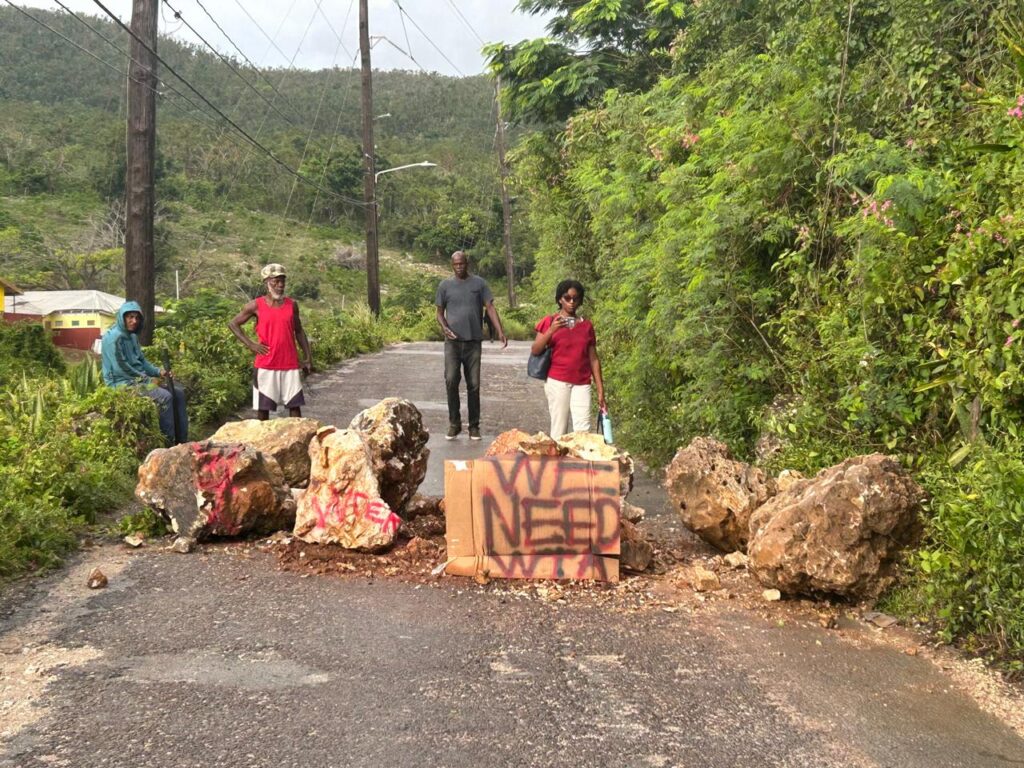
    TRELAWNY, Jamaica — A persistent light rain fell across Trelawny on Monday morning, but it did nothing to dampen the anger of dozens of residents from Salt Marsh, who gathered before dawn to shut down a key regional roadway. Their protest targets a complete outage of piped water from the National Water Commission (NWC) that has persisted since Hurricane Melissa swept through the area.

    Protesters dragged large boulders onto the route and parked an abandoned car across the pavement, completely blocking access for all vehicles. The action has disrupted daily travel for hundreds of commuters, including schoolchildren and daily wage workers, who live in surrounding communities. The blocked road connects several settlements in both Trelawny — including Davis Pen and Johnson Hill — and neighboring St James, where the communities of Goodwill, Chatham, and Adelphi are located. All of these groups depend on the blocked thoroughfare to reach major population and employment centers in Falmouth and Montego Bay.

    According to protesting residents, the water outage extends across a wide swathe of the region, covering households from the vicinity of Salt Marsh Primary School through large portions of the adjacent Davis Pen community. Beyond the inconvenience of having no running water, frustrated community members have added another layer of grievance: even though they have been forced to pay for expensive private water truck deliveries to meet their basic household needs, the NWC continues to send full monthly bills for its unused piped water service.

    Personnel from the Jamaica Constabulary Force have been deployed to the protest site to monitor the situation as of Monday morning, with no immediate reports of a resolution to the dispute between residents and the water utility.

  • UPDATE: Podcaster Jaii Frais among 3 shot at carnival party, producer Jahvy in custody

    UPDATE: Podcaster Jaii Frais among 3 shot at carnival party, producer Jahvy in custody

    A violent shooting incident unfolded in the early hours after carnival celebrations at the Ranny Williams Entertainment Centre in St. Andrew on Sunday night, leaving three people injured and drawing sharp attention to public safety at major Jamaican entertainment events. Among the casualties is Jhaedee “Jaii Frais” Richards, a well-known podcast host, who is currently receiving medical care under constant police guard at a local hospital.

    Authorities have confirmed that the three injured victims have varying backgrounds and conditions. One casualty is an innocent bystander who was caught in the crossfire, while the third victim, a member of a local entertainer’s entourage, remains in critical condition and is currently undergoing emergency surgery to treat gunshot wounds.

    In the wake of the attack, police have taken prominent music producer and talent manager Jahvel “Jahvy Ambassador” Morrison into custody as part of their ongoing investigation. Initial witness accounts and police reports detail the sequence of events: Richards had stepped away from the main carnival crowd to use the venue’s restroom, and was ambushed by a group of men immediately after exiting the facility.

    Two firearms were recovered by law enforcement following the confrontation. The first is a 9mm Glock pistol registered to Morrison, who holds a valid license to carry the weapon. The second gun was seized by Richards himself, who reportedly managed to disarm one of his attackers during the assault before turning the weapon over to responding officers.

    As of the latest update, no formal charges have been filed against any person connected to the incident. Investigators are still reviewing evidence, interviewing witnesses, and working to confirm a motive for the unprovoked attack.

  • ‘WE ARE IN FRONT’

    ‘WE ARE IN FRONT’

    The opening day of the latest West Indies Championship four-day clash between Jamaica Scorpions and Barbados Pride at St Catherine’s Chedwin Park delivered a dramatic twist of fortunes, with Jamaica’s head coach Robert Haynes insisting his side still holds the advantage after a testing day in the field.

    Electing to bat first after winning the toss, the visiting Pride got off to a disastrous start, collapsing to 23 for three inside the opening seven overs. Fast bowler Marquino Mindley tore through the top of the order, dismissing Pride captain Kraigg Brathwaite and opening batsman Jonathan Drakes, while new ball partner Ojay Shields claimed the wicket of Shane Moseley to put the Scorpions firmly in control early on.

    That early advantage was all but erased by a resilient counterattack, however, as Kevin Wickham and Kyle Mayers stitched together a match-turning 117-run partnership to steady the Pride innings. Mayers fell for a well-compiled 64, but Wickham continued his aggressive strokeplay to notch a spectacular personal century, finishing the day unbeaten in spectacular fashion with an innings of 153 that included six fours and a staggering 12 sixes. Useful lower-order contributions from Shamar Springer (40) and Joshua Bishop (37) pushed the Pride total past the 300 mark before the Scorpions bowling attack fought back to limit the damage.

    Mindley and off-spinner Peat Salmon led the Jamaica bowling effort, each claiming four wickets, while Brad Barnes took the remaining one to restrict Barbados to 348 all out from 81.4 overs. The result means the Scorpions need another 332 runs to claim valuable first-innings points, and they closed the day’s play having already survived six overs, reaching 17 for no loss before stumps. Left-handed batsmen Kirk McKenzie (8 not out) and captain John Campbell (3 not out) will resume the innings for the hosts at 10:00 am on Monday, with no wickets lost.

    Haynes acknowledged that his side’s bowling was not at its most consistent on a flat Chedwin Park pitch, which produced occasional unpredictable low bounce, but underlined that the points table puts Jamaica ahead entering the second day. “It’s funny, because they would have gotten two batting points and we got 10 wickets — we would have gotten three points — so overall right now we are in front,” he explained.

    Haynes reserved special praise for match-winner Mindley, calling his performance exceptional. “He really bowled well, he bowled straight — wicket to wicket — and he got the reward. Peat bowled a good spell and he could have done better, but overall it wasn’t the best bowling performance. But at the end of the day, we still have to go here and bat. At 17 without losing a wicket after six overs, it’s a good start.”

    The Jamaica coaching staff faced minor controversy ahead of the match after selecting a side that omitted home-grown left-arm spinner Jeavor Royal, who would have been playing on his home ground. Haynes defended the selection choice, noting that the team’s long-standing success against Barbados with off-spinners, paired with Brad Barnes’ six-wicket haul against the Pride in Barbados last season, justified the call. “Peat has gotten wickets before against them and, at the end of the day, we just felt that on this surface, the off-spinners would have done a lot better. It’s just for us to come back, get these runs, and go back out there and try and bowl out Barbados.”

  • Campari Boulevard: Not just a location; a whole vibe

    Campari Boulevard: Not just a location; a whole vibe

    On Jamaica’s annual Carnival Road March Sunday, Trafalgar Road — the iconic route that every mas band parades along — played host to a standout off-route experience that reimagined how fans engage with the festival: Campari Boulevard. Nestled directly along the parade route, this purpose-built hub offered an unrivaled front-row vantage point, letting guests watch the full Carnival spectacle unfold in real time without needing to join a mas band.

    From the early hours of the morning, the space buzzed with palpable excitement, drawing hundreds of festival-goers. Many arrived without official parade wristbands, many without the elaborate custom costumes that define masquerade participation, but every guest brought unmatched enthusiasm and festive spirit. For anyone craving the energy of Carnival from the sidelines, there was no better spot to soak in the atmosphere.

    When the first parade trucks rumbled into view, the crowd’s anticipation snapped into electric celebration. What followed was a steady, hypnotic procession: a vast sea of masqueraders moving steadily down the road in vivid, intricately detailed costumes that glinted and shimmered under the midday Caribbean sun, their bodies moving in lockstep with the rhythmic beats booming from parade speakers and side stage setups. Even for spectators watching from Campari Boulevard, the power of the moment felt just as immersive as being on the route.

    More than just a viewing spot, Campari Boulevard carved out its own unique identity as a space that blended two of the Caribbean’s most beloved musical genres: soca and dancehall. Instead of spectators being passive onlookers, the hub turned every guest into a participant, keeping the high energy of the Road March contained and sustained long after the last mas band passed through. Campari Jamaica brand manager Jerome Walters summed up the mood of the day, noting: “The vibe at Campari Boulevard was simply amazing. It was non-stop vibes throughout the entire day. Soca buss inna wi head and it’s been amazing to see the genre’s growth in Jamaica. We have room for more growth, but this year has been phenomenal compared to last year. The crowd is better, the vibe is better, and the entertainment is definitely top-notch.”

    That high bar for entertainment was fully met by the day’s curated lineup. The intentional blend of continuous soca anthems transitioned seamlessly into hard-hitting dancehall tracks, creating a one-of-a-kind sonic experience that felt distinctly Jamaican while still embodying the broader shared spirit of Caribbean Carnival. This thoughtful fusion, Walters explained, was what kept the crowd engaged from open to close.

    Walters added that the activation aligned perfectly with Campari’s brand identity, saying: “Campari is all about what is cool, sensual, and passionate. That says it all, because that’s what Carnival is. Carnival is a time for everyone to experience what is culturally relevant. We did our research and we knew this is something Jamaica wants at Carnival.”

    The on-stage lineup brought that energy to life through dynamic performances. Rising stars Yung Bredda and Valiant set the crowd alight with back-to-back hit sets, Yung Bredda leaning into soca’s infectious energy and Valiant delivering signature dancehall heat. Every track was met with thunderous roars of approval and waves of movement from the packed audience. A short but electrifying guest set from D’Yani added extra depth to the day’s programming, with crowd-pleasing performances of fan favorites *Goddess* and *Birthday*.

    Beyond the big-name headline acts, the unsung backbone of Campari Boulevard’s magic was the lineup of skilled local selectors who kept the energy steady all day long. Top DJs including DJ Escobar, Shukkle Bus, Team Coppershot, and DJ Banka mastered the crowd’s mood, reading the room to adjust the energy, and ensuring every minute of the day felt electric and dynamic.

    What made the activation truly special was its commitment to inclusivity. While masqueraders paraded along the route, fully immersed in their band’s experience, Campari Boulevard created a parallel, equally joyful experience for guests who preferred not to march. Instead of making spectators feel like outsiders looking in, the hub wove them into the broader Carnival story.

    Explaining the core vision behind the project, Walters noted: “The truth is, not everyone will get to do the road experience and some persons just want to watch. So we give them the best of both worlds at Campari Boulevard — to watch and participate. And let’s not forget that you get the right amount of soca mixes and hard-hitting dancehall favourites… our expert line-up of DJs served up both in equal measure.”

    By the end of the day, Campari Boulevard stood as a powerful reminder that Carnival, at its core, is a celebration for everyone. Regardless of whether you’re marching in a full costume in a mas band or enjoying the show from a prime vantage point with a drink in hand, the joy of the festival is open to all who want to take part.

  • Over half of damaged community Wi-Fi sites up, running again

    Over half of damaged community Wi-Fi sites up, running again

    Four months after the Jamaican government allocated $800 million to repair community free Wi-Fi networks destroyed by Hurricane Melissa, the Universal Service Fund (USF) has already committed 80 percent of that budget to restoration work, with 60 percent of damaged sites now fully operational, according to top USF officials. The update was shared by USF Chief Executive Officer Charlton McFarlane in an exclusive interview with Jamaica Observer last Friday, delivered immediately after McFarlane led a handover ceremony for $4.3 million in new information technology equipment to the Trelawny Municipal Corporation in Falmouth.

    The donation, which includes three laptops, 12 fully configured desktop computers with monitors, and two professional printers, comes as the Trelawny local government rebuilds core administrative operations after the Category 5 hurricane devastated its headquarters at the historic Falmouth Courthouse. Nearly all existing office devices were destroyed in the storm, forcing the corporation to relocate its day-to-day services to temporary container-based workspaces on the same property as the local Roads and Works Department.

    McFarlane emphasized that the pace of fund commitment, reached in just four months, represents a notable milestone for the program, as the agency prioritizes strict, compliant procurement protocols for all restoration contracts. The effort has been concentrated on seven western parishes that bore the brunt of Hurricane Melissa’s impact: Trelawny, St James, Hanover, Westmoreland, St Elizabeth, St Ann, and St Mary. To date, 17 damaged Wi-Fi sites across Trelawny have been brought back online.

    Rather than simply rebuilding the networks to their pre-storm specifications, the USF has redesigned the infrastructure to withstand future extreme weather events, aligning with the government’s “build back better” resilience framework. The old network design relied exclusively on underground fiber-optic cables, which are highly vulnerable to wind, flood, and storm-related damage. The updated system adds satellite connectivity as a redundant backup, ensuring service remains online even if primary infrastructure is disrupted by severe weather.

    A second key upgrade is the integration of solar power with battery storage as a secondary energy source. McFarlane explained that this means the Wi-Fi sites will remain operational even if the main Jamaica Public Service power grid goes down during a storm, giving residents a reliable connection to call for emergency assistance, report outages, and access critical information when they need it most.

    Falmouth Mayor and Trelawny Municipal Corporation Chairman Councillor C Junior Gager welcomed the donation, noting that the local government was facing severe budget constraints in the post-hurricane recovery period and could not have afforded to replace the damaged devices on its own. Amid widespread budget cuts to cover recovery costs, the $4.3 million donation has filled a critical gap that was slowing the return of regular public services for local residents.

    Gager expressed sincere gratitude to both the USF and the national government for the timely support, saying the investment would help streamline operations across all municipal departments, including Roads and Works, Poor Relief, the Mayor’s Office, and the accounts section. “We have suffered a lot of damage here, and the truth be told, at this time we couldn’t afford this $4.3 million. We have been cutting spending across the board, but you came on board with such a generous gift. I want to thank you, I want to thank the Government. I believe we are moving in the right direction,” Gager said, adding that the upgraded equipment would remove major bottlenecks that prevented residents from accessing the services they need.

    McFarlane echoed that the donation and broader Wi-Fi restoration program are core to the USF’s mission of supporting resilient, community-centered recovery. “We are building back stronger, and this is just one of the partnerships that we believe is in keeping with us building back stronger,” McFarlane said. “I hope today that the devices you get will serve to enhance your work, and by enhancing your work it will improve your ability to provide services to the people, because at the end of the day, that is what this work boils down to. We look forward to more partnerships to support recovery across the island in the months ahead.”

  • After unsuccessful US-Iran talks, what next for Trump?

    After unsuccessful US-Iran talks, what next for Trump?

    After days of high-stakes closed-door negotiations in Islamabad, hopes for a breakthrough deal to de-escalate months of escalating conflict between the United States and Iran have completely collapsed, leaving U.S. President Donald Trump trapped between a set of unappealing policy choices that carry major domestic and international risks ahead of upcoming midterm elections. U.S. Vice President JD Vance, who led the American negotiating team in marathon talks with senior Iranian officials, left Pakistan without any framework for an agreement, shattering earlier expectations that a deal could ease the tensions that have rippled across the entire Middle East since conflict erupted in late February.

    The core challenge now centers on Trump’s earlier order to implement a full naval blockade of the Strait of Hormuz, the strategic chokepoint that carries roughly one-fifth of the world’s daily oil shipments, set to take effect this Monday. Independent regional and security analysts across the globe have warned that moving forward with the blockade would only complicate an already intractable crisis, while walking back the threat would undermine the Trump administration’s repeated public claims that Iran had been cornered and had “no cards” left to play.

    Domestically, ramping up military action carries significant political risk for Trump’s party ahead of the midterms. American voters are already grappling with surging gasoline prices driven by market uncertainty over Middle Eastern oil supplies, and a new round of escalation could further alienate an already skeptical electorate. The broader global economic impact also looms large: the proposed blockade would do little to ease the market volatility that has pushed energy prices higher in recent months, deepening the economic jitters already facing major economies worldwide.

    Many foreign policy experts have criticized the Trump administration’s approach to the crisis as unplanned and reactive. Brian Katulis, a senior fellow at the Washington-based Middle East Institute, argued that Trump’s off-the-cuff rhetorical style and frequent aggressive threats—what he describes as the president’s “carnival barker” approach—have left senior White House and Pentagon officials constantly scrambling to adjust policy with no clear long-term strategy. “He may be simply buying more time to move in more military assets or because he doesn’t know what else to do. I wouldn’t call it a strategy; it is a military-centric approach without strategy,” Katulis told AFP in an interview.

    Shibley Telhami, a leading scholar of Middle Eastern affairs at the University of Maryland and a nonresident fellow at the Brookings Institution, called the threat of a Hormuz blockade “bewildering and seems self-defeating.” He noted that Iran already has deep-seated distrust of Trump, and the unilateral threat has done lasting damage to America’s global diplomatic credibility. “Hard to understate what this makes of what’s left of America’s global credibility,” Telhami said.

    Tehran has already issued a sharp warning in response to the blockade threat. Iran’s powerful Revolutionary Guards, the country’s elite military force, pledged over the weekend that any hostile move against the strait would trap Tehran’s enemies in a “deadly vortex” of prolonged conflict.

    Israeli security analyst Danny Citrinowicz, a fellow at the Institute for National Security Studies in Tel Aviv, echoed the widespread skepticism that a blockade would force Iran to back down. “There is little reason to believe that a blockade would force Iranian capitulation. If anything, Iran’s demonstrated resilience thus far suggests the opposite,” Citrinowicz posted on the social platform X. He added that Iran’s size and mature military capabilities mean any sustained blockade would require massive, long-term commitments of American military and financial resources, a burden that the U.S. is poorly positioned to take on at this moment.

    Public opinion polling suggests that a prolonged military engagement would face significant pushback from the American public. A CBS News poll released Sunday found that negative emotions—worry, stress, and anger—far outweigh feelings of safety and confidence among U.S. adults when asked about the ongoing conflict. More than 80 percent of respondents said the U.S. should prioritize reopening the Strait of Hormuz to improve global oil access, lower domestic gas prices, and support greater freedom for the Iranian people, but fewer than 10 percent believe the Trump administration has made progress on any of those goals.

    “ I don’t see how, 40 plus days into this war, that we are safer, that our allies are safer. I’m not even sure Israel is safer,” Democratic Senator Mark Warner said Sunday on CNN’s *State of the Union*. “I don’t understand how blockading the strait is going to somehow push the Iranians into opening it. I don’t get the connection there.”

    Returning to sustained, meaningful negotiations also faces major hurdles, after Trump pulled the U.S. out of the 2015 multinational nuclear accord with Iran, which had restricted Tehran’s nuclear program in exchange for relief from crippling international sanctions. Democratic Senator Tim Kaine noted that the U.S. withdrawal from that previous agreement destroyed any remaining trust Iranian leaders might have had in Washington’s commitments. “This is not going to be an easy negotiation because the last negotiation that led to a control of Iran’s nuclear programme, the US made the decision to tear it up and walk away from the deal,” Kaine told CNN.

    Katulis echoed that assessment, arguing that mutual distrust runs deep on both sides. “Iranian officials are also untrustworthy and duplicitous, but the Trump Administration is providing the mirror image of that,” he said. “If I were an Iranian official leaving Islamabad, I would wonder if I am back on the Israeli kill list.”

  • Husband-and-wife duo switch to GenXs and loved it

    Husband-and-wife duo switch to GenXs and loved it

    Under the warm Jamaican sun, thousands of costumed revellers took to the streets for the annual GenXs Carnival parade on Sunday, drawing first-time participants, long-time Carnival fans and international visitors united by a shared love of soca music, celebration and community. For many attendees, this year’s event carried far more meaning than just a day of dancing and revelry, serving as a powerful symbol of the island’s resilience following a devastating natural disaster one year prior.

    For married couple Latara and Nicholi Stevens, Sunday marked a meaningful new chapter in their years-long Carnival tradition. The pair had attended the annual celebration since they were dating, and for years before their wedding they had chosen to parade with a different competing band. This year, however, they made the deliberate decision to switch and join the GenXs procession – and neither had any regrets about their choice.

    “I am so excited to be here – this is my first time jumping with GenXs, and I could not be happier,” Latara Stevens told the Jamaica Observer in an on-site interview. “I have always loved Carnival and soca music. We have been coming to this festival every year since before we got married, and it is such a special joy to be able to share this experience with my husband right here, right now.”

    Nicholi Stevens echoed his wife’s enthusiasm, noting that the couple’s love for soca runs so deep that they walked down the aisle to a piano arrangement of *Hello*, a popular soca track from artist collective Kestheband. He added that the event fell just days after the couple’s third wedding anniversary, making their first GenXs experience an even more memorable celebration of their marriage and shared hobby. “We usually stick with another band, but this year we decided to shake things up, and the energy GenXs brings is incredible,” he explained. “It’s just such a wonderful feeling getting to enjoy Carnival with my wife. This is a tradition we’ve kept up every year for longer than we’ve been married, and I wouldn’t trade it for anything.”

    For Nickesha Roach, a professional chef and seasoned Carnival attendee, simply having the event go ahead this year was a victory in itself. Last October, Category 5 Hurricane Melissa tore across Jamaica, leaving widespread destruction across large swathes of the island and casting deep uncertainty over whether 2024’s Carnival could proceed as planned. For Roach, the packed streets and smiling faces on Sunday were a powerful testament to Jamaica’s resilience.

    Standing out in her vivid, handcrafted Carnival costume, Roach said she could not have been happier to see the festival move forward after a challenging year. “This is not my first Carnival, but this year feels different,” she shared. “After Hurricane Melissa hit, we weren’t even sure if anything like this could happen this year. Having Carnival go ahead gives us all hope – it shows the whole country is bouncing back strong. This event brings so many visitors to our island, it boosts our local economy, and that matters so much to all of us right now. The energy on the road is amazing, I love the music and all the beautiful costumes – it just doesn’t get better than this.”

    The draw of Jamaica’s unique Carnival vibe brought attendees from across the globe this year, including Rosa Salinas, an Australian national who currently resides in Manchester, England. Salinas had previously participated in Carnival celebrations in Trinidad and Tobago, but said she had dreamed of experiencing Jamaica’s take on the festival for years – and it exceeded every one of her expectations.

    “I’ve always wanted to do Carnival in Jamaica, and so far it’s the best Carnival I’ve ever been to,” Salinas said. “I love everything about it – the Jamaican food, the warm hospitality of the people here, the infectious soca music, even this gorgeous weather. I made a new friend here from Puerto Rico on this trip, and she’s loving every minute of it too.”

    For Lori Brown, a Jamaican-born participant who now lives in Connecticut in the United States, Sunday marked her very first Carnival experience at any event, and she jumped at the chance to check it off her bucket list when her friends invited her to join GenXs. “Costumes and all the associated fees do add up to quite a bit of money, but it’s totally worth it,” she explained. “I love trying new experiences, my friends really wanted to come, so here I am – and I’m loving every second.”

    Even for repeat GenXs participants like Dr. Rebecca Waugh, this year’s event delivered the same electrifying energy that keeps her coming back. Waugh, a mental health professional with a doctorate in healthcare administration who now lives abroad, returns to Jamaica every Easter specifically for Carnival, combining the festival with a visit to her father, who still lives in her hometown of St Mary. This year marked her third time parading with GenXs, and she said the band has never let her down.

    “Carnival is actually what brings me back to Jamaica every year,” Waugh explained. “GenXs is number one – they always bring incredible energy, and this year was no exception. I work in the mental health sector, so I know better than anyone how important it is to prioritize mental well-being. Your mental health impacts every part of your overall health, and taking time to do things that bring you joy is a critical form of self-care. Being here at Carnival with everyone? This is my self-care, and it doesn’t get better than this.”

    Across the parade route, stories of new adventures, long-held traditions and shared resilience echoed the overarching mood of this year’s GenXs Carnival: a celebration of joy, connection and the unbreakable spirit of Jamaica.

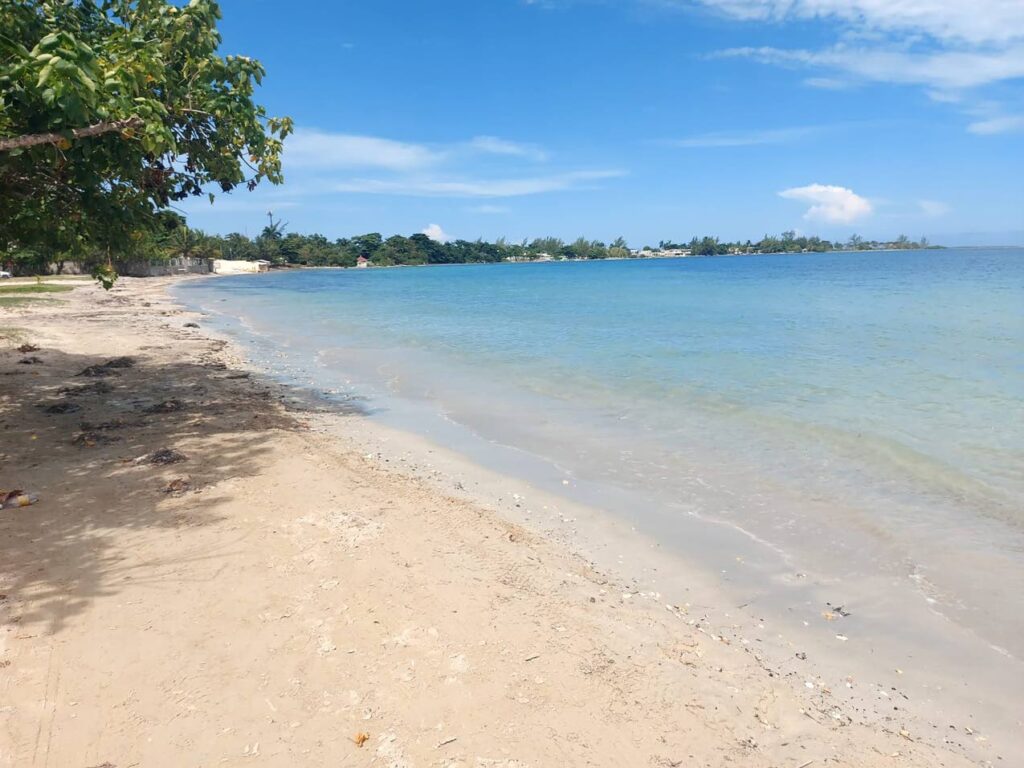
  • JaBBEM slams proposal for hotel beach pass fees

    JaBBEM slams proposal for hotel beach pass fees

    A prominent Jamaican environmental and beach advocacy organization is pushing back against the Andrew Holness administration’s new beach access framework, arguing that the proposed policy falls short of guaranteeing unfettered public access to the island’s public foreshore lands.

    Last month, Prime Minister Andrew Holness tabled the long-awaited Beach Access and Management Policy in Jamaica’s Parliament, a piece of policy that aims to update outdated legal definitions of coastal land types including beaches, foreshores, backshores and water shelves. The proposal also maps out the government’s plan to formalize beach access rules, outlines necessary legislative changes, and revises approval requirements for new coastal development projects. A key provision of the draft policy encourages hotels that control sections of public beach to implement a tiered beach pass system, where non-hotel guests pay a government-consulted reasonable fee to access the stretch of beach within the hotel’s property.

    But Dr. Devon Taylor, president of the Jamaica Beach Birthright Environmental Movement (JaBBEM), says the proposed system violates the fundamental public right to Jamaica’s coastal lands, which are legally vested in the public trust. Taylor argues that under Jamaican law, all foreshores and seabeds are held in perpetuity by the Crown as a public trust for the Jamaican people, not for government or private commercial interests to monetize. “Foreshores are the heritage of the Jamaican people, enshrined in our constitution,” Taylor explained in an interview. “It is unacceptable for a private hotel to charge Jamaicans to access a natural resource they already collectively own.”

    Taylor notes that his group does not oppose hotels charging for the private amenities they provide, such as restroom access, bar service, or lounge facilities. Instead, he calls for a clear separation between access to public beach land and access to private on-site services. “If a visitor wants to use a hotel’s private bathroom or restaurant, that is fair for the hotel to charge for,” Taylor said. “But charging people just to step onto the public foreshore is effectively selling the Jamaican people back their own heritage.”

    To back his argument, Taylor points to existing successful models across the Caribbean, where nations including Barbados, St. Kitts and Nevis, The Bahamas, and the Cayman Islands guarantee free public access to all beach lands while still allowing hotels to charge for private amenities. “Critics claim free access would destroy the hotel industry, but there is no evidence to support that claim,” Taylor said. “None of these peer nations see chaos on their beaches, and hotels still turn a healthy profit. The argument that exclusion is necessary is nothing more than a baseless farce.”

    Beyond the beach pass provision, Taylor highlights two additional critical flaws in the draft policy. First, the policy frames public beach access as a regulated privilege granted by the state rather than an inherent, inalienable right of the Jamaican people. Taylor calls this framing a reintroduction of colonial-era resource exclusion, wrapped in modern policy language, and demands that public access to the foreshore be codified as absolute, unconditional, and independent of any state licensing regime. Second, the policy endorses the construction of private artificial beaches, a practice Taylor says prioritizes commercial profit over ecological health. Artificial beaches require the removal of natural limestone and volcanic rock formations that naturally absorb wave energy, reduce storm surge damage, and support native fisheries. This practice also converts publicly owned submerged land into a private amenity, effectively dispossessing the Jamaican people under the guise of leisure development.

    JaBBEM is calling for an immediate moratorium on all new artificial beach construction and an independent ecological audit of all existing artificial beach installations across the island. The organization is also demanding that the entire draft policy be withdrawn from Parliament and revised to enshrine full public right of access to all Jamaican foreshores. “The sea belongs to Jamaica. The beach belongs to Jamaica. The foreshore belongs to Jamaica,” Taylor stressed. “No government licensing framework can ever change that fundamental fact.”