作者: admin

  • 2027 World Cup : Haiti qualifies for the final round (video)

    2027 World Cup : Haiti qualifies for the final round (video)

    In a tense final Group D first-round qualifier for the 2027 FIFA Women’s World Cup, hosted at Guadeloupe’s Zami Stadium on April 17, 2026, Haiti’s women’s national team, the Grenadières, held on for a 1-1 draw against the Dominican Republic to book their place in the final qualifying round of the CONCACAF Women’s Championship.

    Entering the match with a clear advantage at the top of the group standings, Haiti only needed a single point to advance, while the Dominican Republic, known locally as the Quisqueyanos, required an outright win to leapfrog Haiti into first place. Veteran head coach Pia Sundhage made three key tactical adjustments to the starting lineup that delivered a dominant 5-0 win over Anguilla just days earlier, reshaping her side to suit the high-stakes encounter.

    On the back line, Claire Constant earned a starting spot in place of Maudeline Moryl. Up front, Roselord Borgella was preferred over Roseline Éloissaint to apply early pressure to the Dominican defense, while star playmaker Melchie “Corventina” Dumornay started on the bench, with Sherly Jeudy taking her place in the starting eleven. These choices would ultimately prove pivotal to Haiti’s final result.

    The first half was defined by sturdy defensive play from both sides, with neither squad able to crack the opposition’s backline, going into halftime deadlocked at 0-0. The second half opened up into a tight, physical contest, with Haiti controlling 59% of total possession and outshooting their opponents 19 total attempts to 2.

    In the 67th minute, Jeudy, who had entered the starting lineup in place of Dumornay, broke the deadlock. After a precision pass from defender Jennyfer Limage, Jeudy connected with a header from the center of the penalty area, guiding it into the bottom right corner to put Haiti up 1-0.

    Six minutes later, the Dominican Republic equalized off a set piece. Stella Tapia fired a right-footed shot from the right edge of the 18-yard box into the same bottom right corner, leveling the score at 1-1 and reigniting hopes of a late comeback for the Quisqueyanos.

    Despite relentless late pressure from the Dominican side, Haiti’s organized defense, led by Constant and Limage, held firm through the final minutes to secure the critical point they needed. The result leaves Haiti top of Group D with 10 points from four matches, having scored 16 goals and conceded none throughout the first qualifying round, three points ahead of second-place Dominican Republic, which finished with 8 points. Belize took third place with 6 points, followed by Suriname on 4 points and winless Anguilla at the bottom of the group with 0 points.

    Haiti’s journey through 2027 World Cup qualifying has been one of total dominance so far, with the Grenadières racking up three wins and one draw, including a 9-0 blowout of Belize, a 2-0 win over Suriname, and the aforementioned 5-0 victory against Anguilla ahead of this decisive match. The side now advances to the final round of CONCACAF qualifying, on the path to the 2027 Women’s World Cup set to be hosted in Brazil.

  • Schools cleared for reopening, new guidelines ‘coming’

    Schools cleared for reopening, new guidelines ‘coming’

    As Barbados prepares to welcome the start of the Trinity school term this coming Monday, the country’s Ministry of Education Transformation has announced new steps to safeguard environmental health standards across all school campuses, responding to disruptive incidents earlier this year that forced multiple school closures. Minister of Education Chad Blackman confirmed that a dedicated interdepartmental team has been assembled to draft formal, nationwide protocols that will set binding standards for maintaining clean, safe learning environments, with a full public unveiling of the framework expected in the near future.

    The catalyst for this policy push came in March, when six primary and secondary schools across Barbados — St Bartholomew Primary, St Paul’s Primary, Charles F Broome Memorial Primary, Mount Tabor Primary, Christ Church Girls’ School, and Hilda Skeene Primary — experienced serious environmental hazards that upended normal teaching and learning operations. The widespread issues forced some campuses to send students home early, while others were forced to suspend classes entirely for multiple days, prompting outcry from educators and families.

    The Barbados Union of Teachers (BUT) had previously publicly called for a standardized national set of guidelines to address environmental health risks in schools, arguing that consistent rules for routine cleaning, sanitation, regular infrastructure inspections, and preventive maintenance were critical to avoiding repeated disruptions. Minister Blackman, speaking to Barbados TODAY on the sidelines of the Barbados National Student Council’s Elections held at the Lloyd Erskine Sandiford Centre, confirmed the ministry had answered that call, noting that the working group has already made substantial progress on the policy framework.

    Beyond updating internal protocols for campus maintenance, Blackman also issued a direct appeal to private businesses and private property owners located adjacent to school grounds, urging them to take greater responsibility for maintaining clean, pest-free surroundings. He emphasized that unkempt adjacent properties — ranging from food retail outlets to parking lots and vacant lots — often create conditions that attract pests such as rodents, which can easily cross onto school property and put student and staff health at risk.

    “Our schools have been kept clean. We’ve intensified our cleaning efforts and we’re ramping up even further, but we also want to use this and, as Minister of Education, really plead with our stakeholders outside of the school to keep their facilities clean because it impacts our schools, it impacts learning, it impacts teaching,” Blackman stated.

    The minister also offered a formal assurance that all six schools affected by the March environmental incidents have undergone full professional sanitization and remediation work, and are fully prepared to welcome students and staff back for the new term. He added that ministry inspectors have confirmed all remediated campuses meet full health and safety standards, but reiterated that unregulated conditions on adjacent private property remain an ongoing, uncontrollable risk that requires cooperation from local business owners to mitigate.

  • Walters demands accountability over $160m IDB water loan

    Walters demands accountability over $160m IDB water loan

    A senior opposition lawmaker in Barbados is sounding the alarm over a multi-million-dollar Inter-American Development Bank (IDB) loan earmarked for national water infrastructure upgrades, calling on the ruling administration to embrace full accountability to the public over how the debt will be managed and repaid.

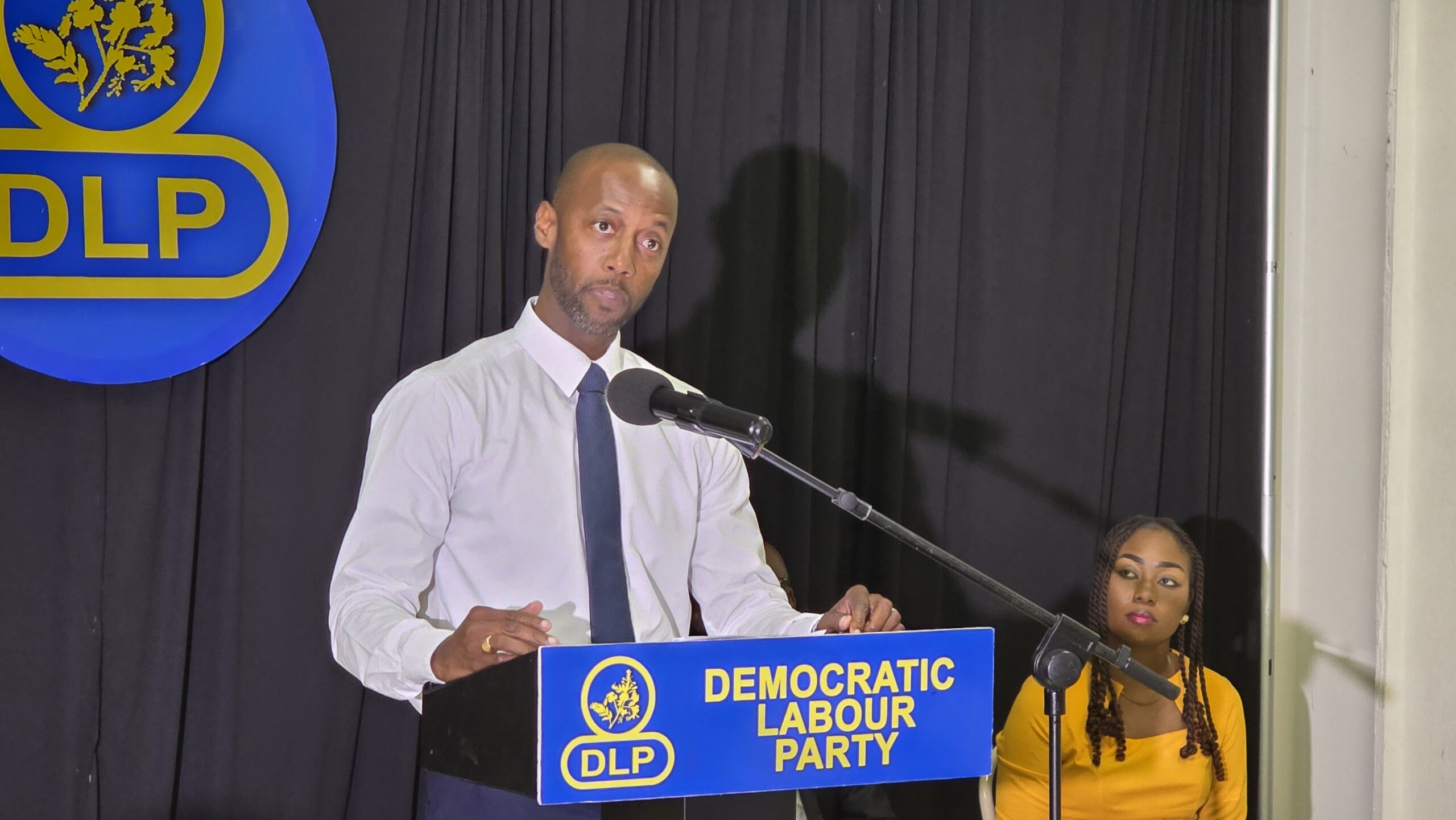
    Ryan Walters, finance and economic affairs shadow senator for the Democratic Labour Party (DLP), is pushing for what he terms “radical transparency” surrounding the $160m regional facility, an initial $80 million tranche of which has already been drawn down for key projects focused on rehabilitating decades-old leaking water mains and modernizing the state-run Barbados Water Authority (BWA).

    While Walters openly acknowledges the urgent need for infrastructure overhauls amid a national water security crisis, with non-revenue water loss reaching as high as 50 percent across the island’s distribution network, he warns that framing the borrowing as a simple “investment” risks masking the long-term repayment burden that will fall on Barbadian taxpayers.

    “The scale of what is being proposed here cannot be ignored but neither can the responsibility that comes with it,” Walters stated in his remarks. He emphasized: “There is no question that the rehabilitation of our water infrastructure is both necessary and urgent…. However, while the importance of the project is clear, the financing behind it deserves equal attention and transparency.”

    Structured with a 25-year repayment term and a 5.5-year grace period on principal payments, the IDB loan has left Walters questioning how the government will meet its financial obligations once the grace period ends. He has raised two pressing scenarios that could impact ordinary households: steep increases to residential water rates, or new broad-based taxation measures to cover the annual repayment costs.

    “These are not small sums, and while they are framed as ‘investments’, they remain loans that must be repaid by the people of Barbados,” he cautioned. “The question then becomes: how will these repayments be financed given the amount of debt the country is and will be servicing at that time?”

    A core pillar of Walters’ critique centers on the government’s longstanding lack of public accountability for prior water sector funding. He is demanding a full public status update on all completed and ongoing past infrastructure projects, including a breakdown of how previous disbursements were spent, the exact number of water mains replaced across the island, and a clear list of communities that received tangible benefits. He also raised the pressing question of whether this new round of borrowing is necessary to fix gaps and failures that should have been resolved under earlier, already funded programs.

    Walters stressed that without a full, auditable accounting of how past public funds were deployed, public trust in this new borrowing will remain fragile. He called on the government to publish a clear, incremental public timeline of project milestones, so Barbadians can track improvements in real time rather than waiting years to see tangible results from the new debt.

    Beyond fiscal transparency, Walters is also pressing the administration to guarantee that local Barbadian construction and engineering firms get a meaningful share of the project contracts. He questioned whether the government plans to award most of the high-value work to international contractors, rather than prioritizing domestic professionals and businesses that could reinvest earnings back into the local economy.

    “This project presents an opportunity not only to fix infrastructure but to build local capacity and create economic participation for Barbadian professionals and businesses,” he said. “That opportunity must not be missed.”

    Drawing a parallel to the government’s own messaging around water accessibility, Walters argued that if the administration claims to support transparent water governance, the implementation and oversight of this loan must match that standard. He confirmed that the DLP supports the critical goal of upgrading Barbados’ water infrastructure, but insisted that good governance requires clear public communication to accompany large-scale public borrowing.

  • Exclusive: Landmark push to create first regulated conservation areas First regulated conservation areas at Long Pond, Turners Hall Wood

    Exclusive: Landmark push to create first regulated conservation areas First regulated conservation areas at Long Pond, Turners Hall Wood

    For a quarter of a century, Barbados has planned to create its first formally protected national forest and regulated conservation area – and this March, that long-held vision finally moved from planning to implementation. In an exclusive report to Barbados TODAY, conservation leaders have confirmed that on-the-ground work is now underway at two ecologically irreplaceable sites in the parish of St Andrew: Turners Hall Woods, the island’s last remaining intact patch of original rainforest, and Long Pond, a biologically diverse coastal lagoon on Barbados’ East Coast. The two-year initiative is backed by nearly $184,000 in grant funding from the Barbados Environmental Sustainability Fund (BESF), and is being led by the local chapter of global conservation nonprofit The Land Conservancy Barbados.

    Robin Mahon, chair of The Land Conservancy Barbados and emeritus professor at the University of the West Indies Centre for Resource Management and Environmental Studies, emphasized that the team is prioritizing responsible use of existing funding before pursuing additional support. “We need to get on and do what we have been funded to do. I am not going to be going for any more funding from them until I finish with the funding I already have,” Mahon explained, noting the project officially launched on March 1 and is still in its early setup phases. The immediate next steps include recruiting a full-time project coordinator, building collaborative relationships with local communities, and coordinating with relevant national government departments to align work with existing national planning frameworks.

    The project’s core objectives, laid out in Barbados’ national Physical Development Plan, have been 25 years in the making: to establish a formal protected conservation area at Long Pond and the country’s first official national forest at Turners Hall Woods. To date, no protected conservation areas or national forests have been formally established on the island, so this project marks a historic milestone for Barbados’ conservation movement. Leaders chose these two sites for the pilot phase to demonstrate what can be accomplished, with hopes of expanding protection to other pre-identified sites in coming years.

    Turners Hall Woods spans 50 acres of land and is the only stretch of original rainforest that survived more than 400 years of human settlement and colonial-era deforestation on the island. It hosts thriving populations of ecologically significant native tree species, including sandbox, silk cotton, fustic, cabbage palm, trumpet tree, locust, and the macaw palm – a species indigenous exclusively to Barbados.

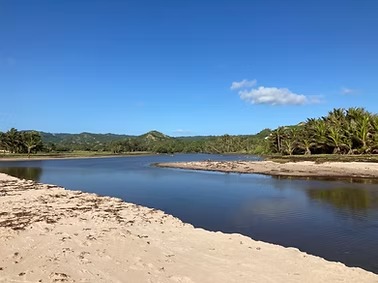
    Long Pond, by contrast, is a dynamic coastal lagoon fed by the Bruce Vale and Walkers Rivers, which drain the island’s second and third largest watersheds respectively. The site hosts a rare mosaic of distinct native habitats, including a naturally formed sand dune system, mature mangrove forests, a marshy woodland ecosystem, and the coastal lagoon itself. Geographically, the site is bounded by Walker’s Reserve to the north, the community of Belleplaine to the west, and private landholdings to the south.

    Mahon explained that the majority of the project budget will be allocated to the coordinator role and extensive community engagement work, as the initiative is designed to be community-led from its inception. “We want to establish community groups to run the conservation area and the national forest site long-term,” Mahon said. The project team will also resolve outstanding land ownership questions and draft formal management plans for both sites. At the conclusion of the two-year project, the team will submit a detailed outline development plan for each site to Barbados’ Planning and Development Department for formal approval.

    Budget breakdowns show the Long Pond project carries an estimated price tag of $108,000, while the Turners Hall Woods initiative is budgeted at $76,000. While the team is focused on delivering results with the current funding, Mahon noted that community-centered conservation is resource-intensive, and the organization is actively seeking additional private donors to expand impact. “Community-based work takes a lot of time and trouble… you spend a lot of time chasing down people and holding meetings and that kind of thing,” he explained. “We always need more money, but we are going to do the best we can with what we have got.”

    The BESF, which provided the seed funding for this initiative, is currently accepting applications for its second cycle of grant awards, after disbursing more than $1.2 million to eight local environmental projects during its first funding round last year. Beyond project grants, the fund has also invested millions of dollars in national marine spatial planning and broad sustainability initiatives across the island. For this second cycle, only organizations registered and operating within Barbados are eligible to apply, with funding available up to $300,000 per project focused on environmental conservation, climate resilience, and sustainable development.

    Grants are structured in three tiers to support projects of all sizes: small grants up to $50,000, medium grants ranging from $50,001 to $100,000, and large grants from $100,001 to $300,000. To be considered for funding, projects must demonstrate clear scalability, long-term financial and ecological sustainability, and measurable environmental impact. Eligible applicants include registered nonprofits, community-based organizations, government agencies, academic institutions, and private sector entities based in Barbados, with applications due by March 26.

    Established in 2022, BESF is a dedicated conservation trust fund created through a strategic Conservation Funding Agreement between the Government of Barbados and global conservation organization The Nature Conservancy. Its core mission is to mobilize financial resources to support impactful local projects that advance environmental sustainability and protect Barbados’ unique native biodiversity, safeguarding the island’s natural heritage for future generations.

  • Notification Emergency Rain Relief Bonus: How to find out if you were selected to receive it

    Notification Emergency Rain Relief Bonus: How to find out if you were selected to receive it

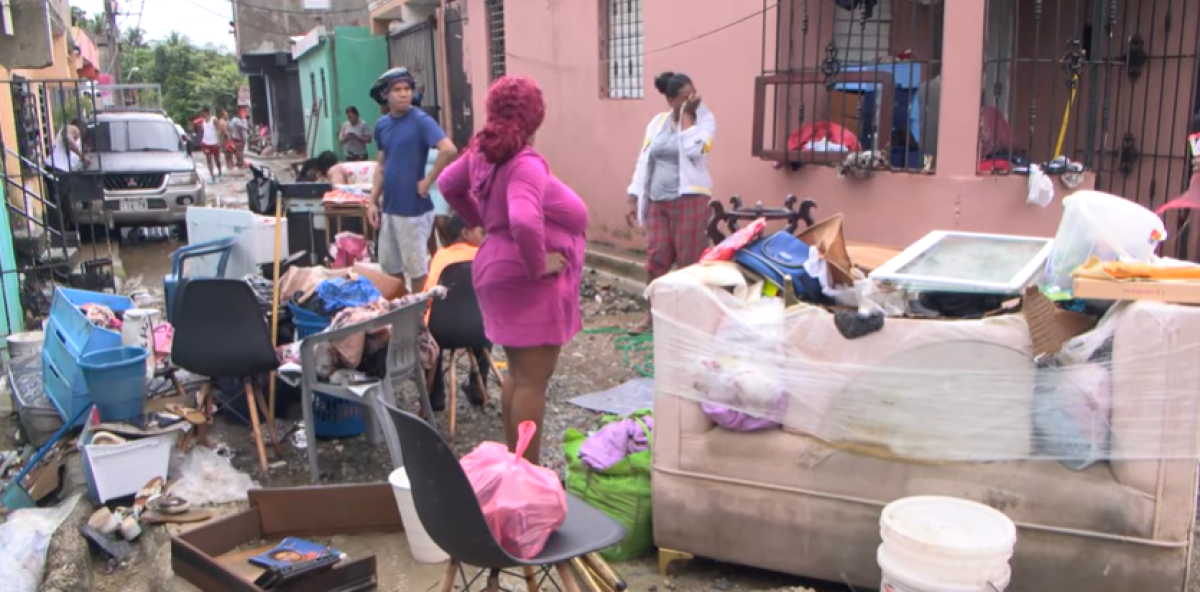
    After widespread severe flooding impacted communities across the Dominican Republic, the national government rolled out a targeted Emergency Bonus to support hard-hit households, and public interest has surged around how residents can confirm if they are selected to receive the one-time aid.

    Officials from the Directorate of Social Development Supérate, the agency managing the relief program, clarified key details in an interview with local publication HOY, emphasizing that the benefit does not operate through an open voluntary application process. Unlike many public assistance programs that require applicants to submit their own requests, eligible households are pre-identified through existing data collected by the Single System of Beneficiaries (Siuben), the country’s centralized national registry for public aid recipients.

    The pre-selection process follows a structured technical workflow, agency representatives explained: after Siuben completes on-the-ground surveys of impacted areas, evaluates household needs, and validates eligibility data, pre-approved beneficiary households are contacted directly through official government communication channels.

    The notification process relies on multiple accessible channels to ensure no eligible household misses out on the support, according to authorities. The most common method is direct digital or phone outreach: selected residents receive alerts via text message (SMS) or phone calls from the program’s official contact center, using the phone number each household previously registered in the Siuben system. These communications not only confirm selection but also share specific details about payment timing and collection methods where available.

    For communities that suffered the worst flood damage, mobile outreach teams are deployed door-to-door to confirm eligibility in person, eliminating barriers for residents who may have inconsistent phone service or outdated contact information on file. The program also hosts in-person orientation and aid distribution days, where beneficiaries can verify their identity in person and collect their payments on-site.

    As a temporary emergency relief measure, the Emergency Bonus was specifically designed to support households impacted by severe atmospheric events including flash floods, hurricanes, and other climate-driven crises, falling under the broader umbrella of services provided by the Supérate social development program.

    It is not a permanent, universal subsidy available to all residents; instead, the framework was built to enable fast, targeted, data-backed response to sudden crises, ensuring aid reaches the households that need it most rather than opening the program to broad, unvetted applications. In this latest round of post-flood relief, the benefit will be distributed to approximately 10,000 impacted families, with each approved household receiving a one-time payment of 7,000 Dominican pesos.

  • Belizean Girls Step Up to Lead in Tech

    Belizean Girls Step Up to Lead in Tech

    A groundbreaking initiative aimed at closing the gender gap in technology is making its fourth annual return to Belize, bringing together a record cohort of young women eager to carve out careers in the digital space. ‘Lead Like a Girl’, which launched as a small grassroots project years ago, has evolved into a nationally recognized movement that continues to expand its reach and impact, empowering growing numbers of teenage girls to explore opportunities in a field historically dominated by men.

    This year alone, 140 female students from 35 high schools across the country are participating in hands-on activities ranging from introductory coding workshops and interactive game development to team-based digital problem-solving challenges. What starts as casual curiosity for many participants is quickly transforming into concrete long-term career ambition, as the program creates a supportive, judgment-free space for young women to test their skills and build confidence in tech-focused work.

    Namrita Balani, Belize’s Director of Science and Technology, noted that the program’s rapid growth in participation over the past four years signals two key shifts: a sharp rise in young women’s inherent interest in technology, and the emergence of a far more robust support ecosystem to nurture that interest. Today, the initiative is backed by a range of stakeholders, from local community groups that provide mentorship to education institutions that offer dedicated scholarships for girls pursuing post-secondary tech degrees.

    Despite this progress, gender disparities persist in Belize’s tech sector. National data confirms that male participation and proficiency in digital skills still outpaces that of women, especially among the 15 to 24-year-old age bracket. This gap makes initiatives like ‘Lead Like a Girl’ all the more critical to encouraging more young women to enter the field, advocates say.

    Speaking to program participants, UNICEF Belize Representative Sajid Ali urged the young attendees to embrace their potential as future leaders in tech, emphasizing that the next great Belizean innovator could already be sitting among them. ‘Someone sitting in this room, she is the next innovator. She’s definitely from Belize. And she could be you,’ Ali told the gathered students.

    For audiences wanting to learn more about the personal experiences of program participants who are already building their tech careers, Belize’s News 5 will air a full feature on the initiative during its 6 PM broadcast this evening.

  • BCA president looking past Kensington Oval debacle

    BCA president looking past Kensington Oval debacle

    The long-running public disagreement between the Barbados Cricket Association (BCA) and Cricket West Indies (CWI) over the allocation of international matches to Kensington Oval has reached a formal standstill, after BCA President Calvin Hope announced he will no longer engage in further public debate on the issue. Hope made his position clear in an exclusive interview with Barbados TODAY, responding to recent public comments from CWI Vice-President Azim Bassarath, noting that the conflict has already been discussed extensively across public platforms and it is time to bring the conversation to a close. Hope added that he already laid out his full position during a recent appearance on the Mason and Guest Cricket Show, and has no new statements to add to the public record.

    “As far as I am concerned, Mr Bassarath knows very well what my concerns are and what I said. All others involved would have known what my concerns are as well, and these are not new things,” Hope told reporters. “I don’t have anything more to add at this time. I made my comment, that’s the end of that as far as I’m concerned. Cricket West Indies will do what they have to do, and I just hope that things would improve, that’s all I could say.”

    The core of the dispute stems from CWI’s 2025 decision to exclude Barbados and its iconic Kensington Oval from the year’s schedule of international cricket matches. Hope has long criticized the call as unreasonable, a position he says is shared by ordinary cricket fans across the country. “But I really don’t want to get into it because Barbados shouldn’t have to be trying to justify why cricket should be held in Barbados or anything like that. Reasonableness should always be obtained, and basically I would say that there was no reasonableness in this,” Hope explained. “Anybody looking on, the average man on the Black Rock bus would hold that view, given the number of international matches that are scheduled to be hosted across the Caribbean region this year. So I don’t want to get into anything more.”

    With the public dispute put aside, Hope is now turning his full attention to growing the domestic game, as the 2026 BCA season officially got underway on April 4. The association has launched a series of new initiatives aimed at strengthening grassroots cricket, which Hope calls the backbone of the Caribbean sport. Key priorities include upgrading club administration, boosting competitive standards across all levels of domestic play, and rolling out new incentive programs designed to keep emerging players motivated.

    Thus far, the response to the new reforms has been encouraging, according to the BCA president. “Well it appears that there’s some enthusiasm with the new initiatives and things got off to a reasonable start. I think clubs are enthusiastic, certainly at the elite level,” Hope noted. “We will be working with the clubs going forward in an effort to have a successful season as usual. Our domestic cricket is usually very successful, with no major incidents and so forth.”

    For the BCA, sustaining the legacy of grassroots club and school cricket is a non-negotiable long-term priority, as these levels are the foundation for developing future elite international talent. “To sustain the legacy of our club cricket is very, very important, it is the mainstay of all cricket. And when I say club cricket, I include schools’ cricket [because] schools are the bedrock of the production line,” Hope said. “These are things for a number of years that the BCA has been cognizant of that need to be strengthened, and we just need to provide support where we can and encourage and support each other.”

    Hope also threw his full support behind a recent call from Cricket Legends of Barbados Chairman Joel Garner to increase television coverage of local domestic matches, a move designed to attract younger audiences and deepen public connection to the sport. Echoing Garner’s vision, Hope confirmed the BCA has long prioritized expanding media access to domestic cricket, and has already secured regular weekly radio commentary for match days. The association now aims to translate that success to television broadcast.

    “The plan is always to promote cricket, and we are engaging all the time with the media to broadcast cricket. For years now we have had the (radio) commentary going every Saturday. I want cricket shown on TV and I share The Most Honourable Joel Garner’s concern and my desire would be to have cricket on television too,” Hope said.

    While building a polished, viewer-friendly television broadcast requires significant investment in equipment and production infrastructure, Hope says the goal is well within the BCA’s long-term capabilities. “It’s all about building a media product. You need equipment and the various things of how you put that product together for people for it to be attractive to the viewer. It’s not a straightforward situation, but it is not outside of our capability,” Hope said. “I certainly will continue to work towards that and try to engage with the board and relevant authorities to see how we can pull off things like that in the future. It’s all about promotion of the game.”

  • PSU President Slams Immigration Officers’ Suspension as Breach of Procedure

    PSU President Slams Immigration Officers’ Suspension as Breach of Procedure

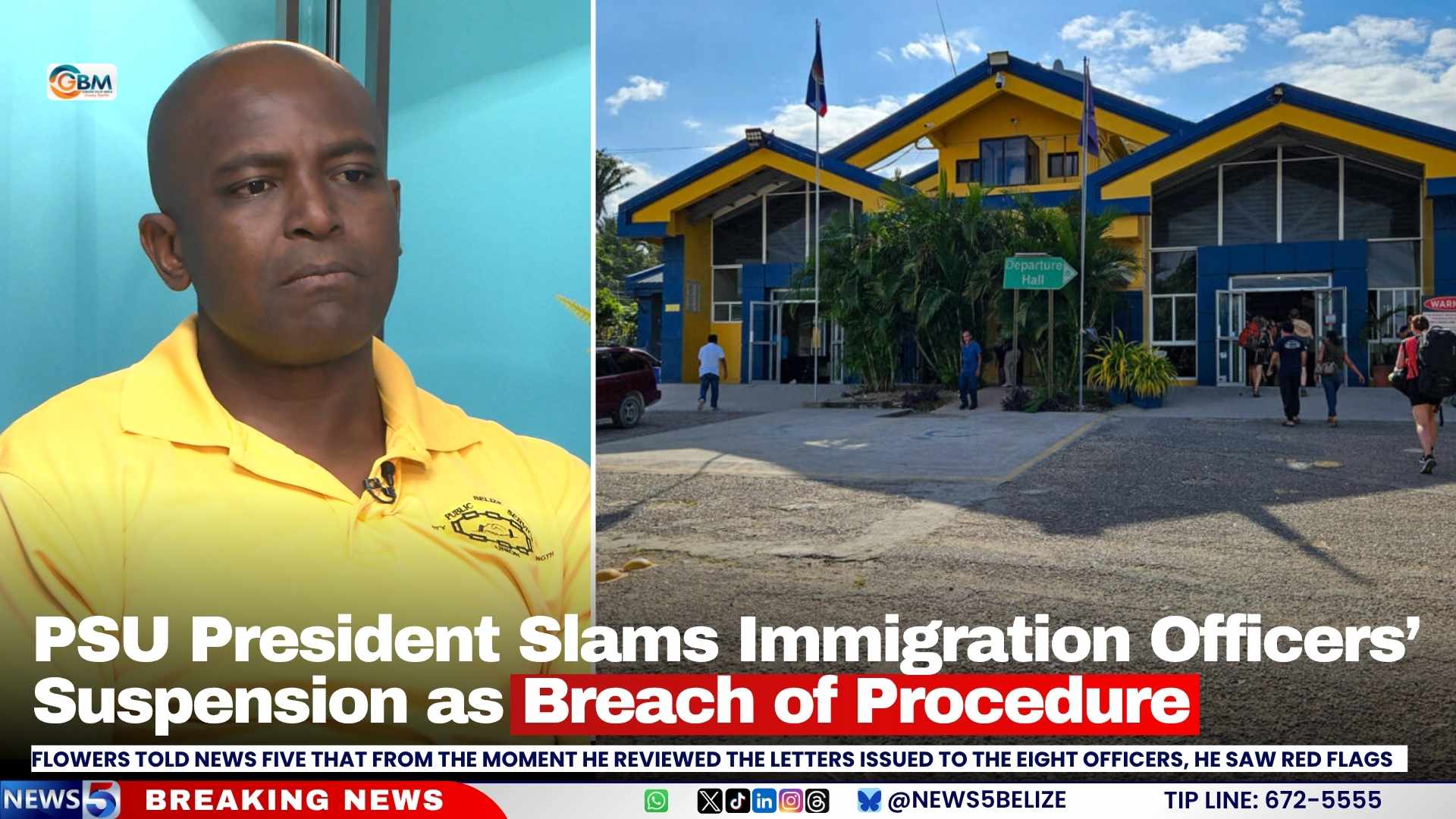
    A labor dispute over the administrative suspension of eight Western Border immigration officers has intensified, with the head of Belize’s largest public sector union accusing the national Ministry of Immigration of deliberate violations of long-standing administrative protocols. The conflict stems from an incident earlier this year when the eight officers called in sick, a move that prompted senior immigration officials to place all eight on paid administrative leave pending internal review. Now, Public Service Union (PSU) President Dean Flowers is speaking out against the government’s handling of the case, arguing that the process violated the basic due process rights owed to public employees.

    In an exclusive interview with local outlet News Five, Flowers explained that multiple procedural red flags appeared as soon as he reviewed the official documentation delivered to the affected officers. What makes the case particularly unusual, he emphasized, is the timing of the two separate notifications the officers received: within the same minute of getting their administrative leave letters, each officer was handed a second formal correspondence accusing them of coordinated work sabotage and formally recommending that they be terminated from their positions.

    Flowers described the simultaneous delivery of the two documents as an obvious cut to established public sector administrative process. “From straight administrative notification to, in the same minute and breath, I suspect you are sabotaging, and I will be recommending your dismissal,” he told reporters, reiterating that this sequence of actions constitutes a clear breach of administrative procedure.

    Beyond the procedural irregularity, Flowers highlighted severe damage the premature accusation has already done to the officers’ professional reputations. Under standard public sector disciplinary processes, formal charges of misconduct are not filed until a neutral investigation is completed to gather evidence and hear testimony from all involved parties. By leveling the grave charge of sabotage before any inquiry has concluded, the ministry has irreparably harmed the officers’ standing among colleagues and the public, Flowers argued. At least one of the affected officers has already retained legal counsel to challenge the suspensions, and the attorney representing that officer has already described the content of the accusatory letters as a deliberate misrepresentation of the officers’ actions.

    The controversy deepens further over a breach of confidentiality in the case. Despite public statements from Immigration Minister Kareem Musa claiming that the suspension notices did not name individual officers, Flowers confirmed that each letter explicitly identified the eight employees by name. The named documents were also widely circulated among administrative staff across multiple government departments, including the Public Service Ministry, before copies were leaked to local media outlets, bringing the conflict into public view.

    The dispute is the latest high-profile clash between Belize’s public sector unions and the current government over labor rights and administrative process, with the PSU expected to escalate the matter through formal grievance channels if the ministry does not reverse the suspensions and revise its disciplinary process.

  • Nestor signs pro basketball contract

    Nestor signs pro basketball contract

    Megan Nestor, the most decorated women’s basketball player from the Caribbean island nation of Saint Lucia, has taken a monumental step toward turning her lifelong goal of playing professional basketball into reality. The 2021 WNBA champion Chicago Sky announced Thursday that the towering forward has signed a training camp contract with the franchise, ahead of the league’s upcoming 2026 season.

    Chicago’s preseason preparations are set to tip off this Sunday, April 19, at the University of Illinois Chicago’s Flames Athletic Center, kicking off what is expected to be a transformative year for the franchise after a disappointing 2025 campaign. The Sky finished last season with a dismal 10-34 win-loss record, prompting a massive roster overhaul this offseason that included trading fan-favorite Angel Reese and signing high-impact veteran and rising talents such as Skylar Diggins-Smith, DiJonai Carrington, Azurá Stevens and Rickea Jackson, who will join star center Kamilla Cardoso on the roster.

    Against this backdrop of roster turnover, Nestor finds herself well-positioned to compete for a permanent spot on the team’s final regular-season roster. The 6-foot-4 athlete’s journey to the WNBAs’ doorstep began in the small fishing village of Canaries, Saint Lucia, where she first cut her teeth in competitive sports as a netball player at Soufriere Comprehensive Secondary School. Nestor’s early talent for competition shone through at a young age: she earned her first national team selection at 11, representing Saint Lucia at the Under-16 level, and later went on to captain the country’s Under-23 national side before transitioning full-time to basketball and joining the program at Wayland Baptist University.

    Nestor’s breakout college season came last year as a redshirt senior at the University of North Texas, where she dominated the NCAA Division I boards to lead all collegiate players in rebounds per game. Over the course of the season, she averaged an impressive 12.8 points and 14.1 rebounds per outing, cementing her status as one of the most dominant rebounders in modern college basketball. Her historic 34-point, 31-rebound performance against Texas Southern stands as one of the most extraordinary stat lines in NCAA history — it was only the third 30-30 game recorded by any Division I women’s player since the 1981-82 season, the earliest year the NCAA began tracking the statistic consistently. The historic performance earned her American League Defensive Player of the Year honors.

    Though she went undrafted in this year’s WNBA Draft, Nestor says the setback has not dimmed her belief in her ability to make the league. In an interview with St Lucia Times, she framed the training camp opportunity as a valid path to the roster, noting “Not getting drafted is not always the end of the world. You got people who go to training camp and make the team.”

    For Nestor, the opportunity to compete with one of the league’s most storied franchises is the culmination of a years-long dream. “It’s kind of different from college,” she said. “The opportunity presented itself, and I took it because going to the WNBA became a dream of mine. And going to training camp is one way you can accomplish that.”

    The Chicago Sky’s 2026 regular season will open on May 9 against expansion side Portland Fire, and all 12 roster spots are currently up for grabs as the franchise rebuilds after a rough 2025 campaign.

  • Allez expands across the Caribbean as it marks five years

    Allez expands across the Caribbean as it marks five years

    When the global COVID-19 pandemic upended transportation markets across small island nations in 2021, two Saint Lucian entrepreneurs turned the disruption into an opportunity. Mellissa Preville and Safiya Paul launched Allez, one of the first homegrown ride-hailing platforms in the country, built from the ground up to serve the unique mobility needs of their local community.

    Five years on, that small local startup is gearing up for a major milestone: the company will mark its fifth anniversary of operation on April 18, 2026, and launch a sweeping regional expansion into six additional Caribbean markets alongside the celebration. Following a successful 2025 entry into Dominica, Allez will roll out its services to Saint Vincent and the Grenadines, Grenada, Antigua and Barbuda, Saint Kitts and Nevis, Anguilla and Montserrat, bringing its community-focused ride-hailing model to thousands of new users across the Eastern Caribbean.

    For Allez’s co-founders, this expansion is not a sudden pivot—it is the fulfillment of a long-held core vision. “It was always part of the vision… to expand to the rest of the Caribbean and eventually the African continent. We never set out for Allez to just stay in Saint Lucia,” Preville shared in an interview with local outlet St Lucia Times.

    The journey to this point has not been without obstacles. Growing a local mobility startup in a small open market has brought consistent challenges, most notably rising competition from both regional and global players. Earlier this year, industry analysts widely expected that global ride-hailing giant Uber, with its massive international brand recognition and funding, would quickly capture the majority of Saint Lucia’s ride-hailing market and push smaller local providers like Allez out.

    But what initially looked like a major threat ultimately became an unexpected advantage for the homegrown brand. While Preville and Paul first framed Uber’s arrival as just another competitor to navigate, the entry of the global firm sparked a wave of local support that boosted Allez’s standing in the market.

    “The most amazing thing about this was: so many locals were pushing Allez and talking about Allez. That made us feel like we were doing something right. More people started researching and finding Allez,” Preville explained. She added that Uber’s market entry actually gave Allez a lasting competitive edge, by raising overall consumer awareness and interest in ride-hailing services across the island, driving new users to explore local options like Allez.

    As the company prepares to launch in new markets, the founding team is extending an open invitation to local drivers across the target territories to join the platform. Interested drivers can sign up easily by downloading the Allez Driver app, creating a user profile, and uploading the required regulatory and vehicle documentation. All new regional services are scheduled to go live on the same day as the company’s fifth anniversary, April 18.

    Preville emphasized that Allez’s key differentiator from larger global competitors has always been its commitment to localized, high-quality customer service. “What differentiates us is excellent customer service. We are on top of ensuring that we assist persons with getting connected and the places they need to be,” she said, outlining the customer-first values that have guided the company’s growth from its launch.